To address global climate change and the urgent need for efficient, low-cost COQ capture technologies, activated carbon adsorption technology demonstrates significant advantages compared to the traditional amine-based carbon capture process. This study utilizes low-rank lignite to fabricate high-efficiency COQ capture materials. Nitrogen-doped hierarchical porous carbon material (AC-N-K) was successfully synthesized by a strategy of "Alkali and Nitrogen Co-Pyrolysis". The synthesized porous composite possesses a high specific surface area (1830.76 m2/g), abundant micropores (micropore volume 0.7096 cm3/g), and excellent surface chemistry (containing pyridine-N, pyrrole-N, and C--O, C-O functional groups). COQ adsorption capacity reached 5.43 mmol/g at 273 K and 1 bar, delightedly, it was still 3.47 mmol/g at 298 K and 1 bar. More importantly, AC-N-K exhibited high CO2/N2selectivity (35.48) and reserved outstanding adsorption performance simultaneously. The low isothermic adsorption heat (20.52 kJ/mol) and excellent cycling stability (99.54% adsorption capacity retention after 5 cycles) are of great significance for industrial applications. The adsorption behavior of gases on heterogeneous adsorbent surfaces conforms to the DSLF model (R2=0.9999), which can well characterize its dual adsorption characteristics. This study provides new insights for the high-value utilization of lignite and the development of CO2 capture materials.
The combustion of fossil fuels has led to excessive CO2 emissions and severe climate impacts, making efficient CO2 capture an urgent priority. Although chemical activation can enhance the CO2 adsorption performance of biochar, its extensive use often entails environmental, equipment, and cost challenges. In this study, we present an innovative bio-templating strategy to synthesize hierarchically porous, heteroatom-enriched biochars derived from waste bamboo shoot shells and starch, using K2CO3 as an activator and yeast as the bio-template. This method significantly reduces activator consumption compared with conventional activation processes. The optimized biochar, BAS0.5KC-800, exhibited exceptional CO2 adsorption capacities of 5.15 mmol/g at 0 degrees C and 3.38 mmol/g at 25 degrees C. Structural analysis revealed that its high specific surface area (1186 m2/g) and micropore volume (0.55 cm3/g) provide abundant CO2 adsorption sites. Furthermore, the bio-templating process successfully introduced N and O heteroatoms into the carbon framework. These functional groups enhance the affinity between biochar and CO2 through electronic interactions, ensuring excellent adsorption stability over multiple adsorption-desorption cycles. Isotherm and kinetic analyses indicate that CO2 adsorption proceeds via a multilayer diffusion-controlled mechanism. Moreover, density functional theory (DFT) calculations reveal that N dopants facilitate CO2 capture through hydrogen bonding, whereas O atoms strengthen dipole-quadrupole interactions. Overall, this study presents a sustainable and cost-effective approach to produce high-performance CO2 adsorbents from waste biomass and provides comprehensive mechanistic insights into how heteroatom doping promotes CO2 capture efficiency.
Dry reforming of methane (DRM) is a promising catalytic process that converts two major greenhouse gases—methane (CH4), and carbon dioxide (CO2)—into syngas with a near-unity H2/CO ratio, offering both environmental and economic benefits. As a key technology in China's "dual carbon" strategy, DRM faces challenges from catalyst deactivation due to coking and sintering of active metal sites. Carbon-based materials are promising supports for DRM catalysts due to their high surface area, porous structure, and corrosion resistance. These materials help prevent sintering by dispersing active metal nanoparticles, while their surface electronic effects enhance CH4 activation and reduce carbon deposition. This review discusses the structural and physicochemical properties of various carbon materials—such as activated carbon, carbon nanotubes, biochar, graphene, and hydrochar—and their roles in DRM. It also covers strategies for metal loading, support modifications (e.g., heteroatom doping and defect engineering), composite synergies, and the influence of preparation methods like microwave-assisted synthesis and solid-state techniques on catalyst performance. Finally, it addresses key challenges such as high-temperature stability and long-term coke resistance, offering insights and future directions for advancing carbon-based catalysts in DRM applications.
Cedar is an ideal precursor for supercapacitor, owing to its abundant sources, naturally developed porous architecture, and the presence of various functional groups. A two-step activation involving phosphoric acid and potassium hydroxide were used to realize a heteroatom phosphorus modification synergy with a superior specific pore structure and a unique "microporous-mesoporous" transport channels which could reduce the ionic transmission resistance. It presents that the most effective activation temperatures for phosphoric acid and potassium hydroxide treatment are 450 degrees C and 800 degrees C (named PKAC-450-800), which features a micropore specific surface area of 1655.2 m2 g- 1 and a micropore volume of 0.68 cm3 g-1. The regulated surface functional groups were successful formed present by FTIR and XPS analysis. High-quality amorphous porous carbon was prepared verified by XRD and Raman analyses. Phosphorus doping inhibits the particle agglomeration demonstrated by SEM results. Delightedly, the PKAC-450-800 electrode exhibited a superior specific capacitance value of 352.9 F g- 1 at a current density of 1 A g-1. The PKAC//PKAC symmetric device constructed from PKAC-450-800 electrodes provided an energy density of 24.75 Wh kg- 1 together with a power density of 1025 W kg-1. More importantly, it exhibited a capacity retention rate of 92% and 100% coulombic efficiency after 20,000 charge-discharge cycles at 5 A g- 1. The reported strategy could benefit the preparation of novel porous carbon with high micropore specific surface area, abundant defect active sites, the regulated surface functional groups along with superior electrochemical performance.
The effective use of solid wastes in the fabrication of stable porous silica support offers a promising solution to the high-cost challenge of amine-functionalized solid adsorbents. In this study, tetraethylenepentamine (TEPA) was impregnated into peanut shell ash-based silica support (3PAS) with porous cluster structure, resulting in the development of 65TEPA-3PAS, a material with superior CO2 adsorption performance. Peanut shell ash was employed as the silica precursor in the synthesis of the 3PAS support, with cetyltrimethylammonium bromide (CTAB) used as the structure-directing agent during the process. The resulting material exhibited remarkable porosity (2.33 cm3/g) and excellent thermal stability, effectively preventing amine leaching. As a result, the adsorbent retained 85 % of its original adsorption capacity after 30 CO2 adsorption/desorption cycles. The rough morphology induced by the cluster structure of the carrier not only provides numerous active sites for amine loading and CO2 adsorption but also enhances the reduction of diffusion resistance through the simultaneous presence of mesopores and macropores. This unique porous structure facilitates more efficient CO2 capture. Additionally, when compared to amines of varying molecular weights, TEPA demonstrated the best compatibility with this support material. Consequently, the combination of the carrier's intrinsic properties and the degree of amine-silica interaction played a pivotal role in achieving a high CO2 adsorption capacity (5.03 mmol/g). The findings indicate that the 65TEPA-3PAS, with its distinctive multi-level pore structure, provides abundant active sites for efficient amine loading and CO2 adsorption. This research highlights a promising strategy for developing amine-based solid adsorbents with enhanced adsorption capacities, offering a cost-effective and sustainable approach to CO2 capture.
Carbon-supported Ni catalysts are attractive for the dry reforming of methane (DRM) owing to their high activity, but their long-term stability is severely limited by CO2-induced support gasification and Ni sintering. Herein, a partially SiO2-coated nitrogen-doped carbon nanotube (NCNT) support was rationally constructed to regulate metal-support interactions and suppress support degradation during DRM. A series of 10Ni1Y/NCNT@xSiO2 catalysts with tunable SiO2 loadings were synthesized, among which10Ni1Y/NCNT@1.2SiO2 catalyst exhibited the optimal performance, achieving CH4 and CO2 conversions of 90.4% and 93.5% at 800 degrees C, respectively, with only 7.7% CH4 and 6.3% CO2 conversion loss after 75 h of continuous reaction. Structural and surface analyses reveal that partial SiO2 coating effectively inhibits CO2 gasification of the carbon support while reinforcing Nisupport interactions, thereby improving Ni anchoring and oxidation resistance. H2-TPR and XPS confirm strengthened metal-support interactions and a high surface Ni0/Ni2+ ratio (0.94), while CO2-TPSR demonstrates significantly suppressed support oxidation. Post-reaction XRD, Raman, TG, and TEM results further demonstrate negligible Ni sintering, with the Ni particle size increasing only from 16.4 to 16.7 nm, and excellent resistance to graphitic carbon deposition. Mechanistic investigations suggest that the synergistic effect of Ni active sites, exposed NCNT surfaces, and Y2O3 species facilitates efficient CH4 activation, CO2 dissociation, and continuous removal of carbon intermediates. This work provides an effective strategy for simultaneously enhancing the activity, stability, and coking resistance of carbon-supported Ni catalysts for high-temperature DRM and related reforming reactions.
Bioelectrocatalytic CO2 reduction offers a sustainable route for CO2 bioconversion, yet remains limited by interfacial-intramolecular electron transfer and oxygen sensitivity. Here, we mine a formate dehydrogenase from Shewanella oneidensis MR-1 (SoFdhAB) featuring completely oxygen tolerant and direct-electron-transfer (DET) electrocatalytic performances. Cryo-electron microscopy (Cryo-EM) analysis reveals an intramolecular electron highway comprising five [4Fe-4S] clusters, a regional face-face contact facilitating interfacial ET, and a unique oxygen resistance mechanism different from inactivation-activation. By acquiring a beneficial variant SoFdhAB-Y94S, a direct bioelectrocatalytic CO2 reduction system is constructed, accumulating 2.88 ± 0.03 mmol formate in 64 hours with a steady rate of 45.3 ± 0.5 μmol h-1 cm-2 and a Faradaic efficiency of 93.1 ± 5.2%. The merits of oxygen tolerance and efficient (electro)catalytic property endow SoFdhAB a robust enzyme adopted in potential application scenarios, and the inherent DET capability may inspire the interfacial engineering of other oxidoreductases.
Volatile organic compounds (VOCs), as a class of carbon-based pollutants that are toxic, carcinogenic, and involved in atmospheric photochemical reactions, pose a serious threat to human health and ecosystems. Due to their high concentration efficiency and the recyclability of the materials used, adsorption methods are widely regarded as an economically viable approach for VOC removal. Carbon materials, with their high specific surface area, tunable pore structures, and modifiable surface chemistry, demonstrate significant potential in the field of VOC adsorption. Addressing this research focus, this paper provides a systematic review of the latest advancements in VOC adsorption using carbon-based materials, with a particular emphasis on the preparation methods, structural characteristics, adsorption performance, and mechanisms of typical adsorbents such as activated carbon (AC), biochar, activated carbon fibers (ACFs), carbon nanotubes (CNTs), graphene and its derivatives, carbon-silicon composites (CSCs), and ordered mesoporous carbon (OMC). A comparative analysis of the strengths, weaknesses, and suitable applications of each adsorbent is presented. Key factors influencing adsorption performance—including adsorbent properties, VOC characteristics, and adsorption conditions—are analyzed in detail. Furthermore, this review explores the phenomenon and mechanisms of competitive adsorption of VOCs under multi-component and multi-pollutant conditions, and provides an analysis of carbon material regeneration mechanisms and the regeneration performance of different materials. This review aims to provide a systematic reference for the rational selection of carbon-based VOC adsorbent materials and preparation strategies, and to offer theoretical support for the optimization and innovation of VOC adsorption technologies.
The catalytic hydrogenation of CO2 via the reverse water‑gas shift (RWGS) reaction provides an efficient route for converting CO2 into CO, a key intermediate for downstream fuel synthesis. This review begins with the reaction mechanism to clarify the relationship between active sites and reaction pathways. Subsequently, recent advances are summarized from four key structural aspects, including active metal components, support modification, interfacial engineering, and the construction of special architectures, thereby revealing the structure–performance relationships. Size and facet engineering together with multi‑metal synergy achieve the unification of activity and selectivity. Defect and composite support design enhances CO2 activation and stabilizes the active phase. Interfacial engineering constructs synergistic sites via charge transfer, while special structures provide sintering resistance and regulate reaction environments. Based on these four aspects, this review systematically summarizes the design strategies and structure–performance principles of RWGS catalysts, offering a reference for the rational design of efficient catalysts.
With the increasing awareness of environmental protection, the threat of NOx to air quality and human health has attracted widespread attention. Selective catalytic reduction (SCR) technology has become the focus of research as an effective means to remove NOx. Given China's stringent environmental policies, air pollution control is advancing rapidly. To strike a balance between environmental protection and economic viability, efforts should focus on reducing catalyst costs, extending their service life, and maintaining high catalytic activity. Among the various catalyst options, Cu-based catalysts are particularly valued for their outstanding low-temperature catalytic activity, affordability, and broad operating temperature range. The research history of these catalysts dates back to the 1970s and primarily develops along two main directions: molecular sieve systems and multi-component composite systems supported by TiO2. These catalysts demonstrate remarkable advantages in low-temperature activity and wide temperature windows. However, Cu-based catalysts are often poisoned in practical applications due to the interference of various toxic substances, which leads to the decrease of catalytic performance and eventual catalyst inactivation. This paper reviews the poisoning mechanisms and anti-poisoning strategies of Cu-based catalysts for SCR reactions, focusing on the effects of toxic compounds such as SO2, H2O, alkali/alkaline earth and heavy metals, etc. on catalyst activity. To address the issue of easy poisoning in Cu-based catalysts, a strategy is proposed to enhance their anti-poisoning performance by introducing metal dopants, modifying the carrier, and optimizing the structure. Finally, this paper discusses the challenges and development prospects of Cu-based catalyst research, which is expected to become one of the core catalysts for SCR denitrification technology in the future by continuously optimizing the catalyst design.
Hierarchical porous carbons derived from petroleum coke are promising for energy storage and gas adsorption, yet their pore structures are often poorly controlled due to the intrinsic inertness and dense graphitic framework of the precursor. Herein, a controllable air pre-oxidation strategy is proposed to construct directional etching targets for subsequent KOH/KCl activation. By systematically tuning the air pre-oxidation temperature, the density and chemical nature of oxygen-containing groups and structural defects in the precursor are precisely regulated. Comprehensive characterization reveals that air pre-oxidation at 250 degrees C achieves an optimal balance between carbon skeleton activation and structural integrity, generating uniformly distributed oxygen functionalities that serve as preferential etching sites. Guided by these targets, subsequent activation produces a hierarchical pore architecture dominated by abundant micropores (83.1%) interconnected by mesopores, with a high SBET of 1019 m2/g. In contrast, insufficient or excessive air pre-oxidation leads to inefficient or over-aggressive etching, resulting in inferior pore structures. Benefiting from its optimized microstructure, the resulting porous carbon (OPC250-700) exhibits outstanding CO2 adsorption capacities of 5.75 mmol/g at 273 K, along with a high CO2/N2 selectivity of 15.8 and excellent cyclic stability. Meanwhile, as a supercapacitor electrode, OPC250-700 delivers a high specific capacitance of 325.3 F/g in a three-electrode configuration and 265 F/g in a symmetric device, together with excellent rate capability and 100% capacitance retention over 10,000 cycles. This work demonstrates that constructing well-defined etching targets via moderate air pre-oxidation is a key strategy for transforming petroleum coke into high-performance porous carbons, offering a scalable route for value-added utilization of carbonaceous industrial residues.
Selective catalytic reduction of NOx with NH3 (NH3-SCR) is widely recognized as one of the most effective technologies for mitigating nitrogen oxide emissions. Copper-cerium (CuCe) catalysts exhibit excellent lowtemperature SCR activity; however, their practical application is hindered by susceptibility to alkali metal poisoning. In this work, the surface acidity of CuCeO catalysts was tuned via two acid modification strategies: liquid sulfuric acid (H2SO4) impregnation and tungsten oxide (W) doping. The objective was to enhance lowtemperature activity and improve alkali resistance. H2SO4 treatment predominantly increased Br & Oslash;nsted acid site density, whereas W doping significantly promoted Lewis acidity. Both modifications suppressed undesired NH3 oxidation by moderating the redox activity of CuCeO, thereby mitigating the decline in SCR performance and N2 selectivity at elevated temperatures. Compared with H2SO4-treated catalysts (CuCeO-S), W-doped catalysts (CuCeO-W) possessed a higher total acidity and exhibited superior resistance to potassium(K) poisoning. Detailed characterization revealed that potassium deactivation mainly originated from the loss of surface acid sites and a decrease in redox capacity, both of which directly impaired catalytic activity. In situ DRIFTS studies confirmed that the NH3-SCR reaction on CuCeO-W proceeded through both Eley-Rideal (E-R) and Langmuir-Hinshelwood (L-H) pathways, while the K-poisoned CuCeO-W-K catalyst followed only the E-R mechanism.
Developing low-cost adsorbents with high selectivity and moisture resistance remains a critical challenge for the effective removal of volatile organic compounds (VOCs). Herein, a synergistic methanol supercritical pretreatment and nitrogen-doping strategy was proposed to fabricate lignite-derived N-doped porous carbons (PNCs). Comprehensive elemental analysis and structural characterization demonstrated that the sample prepared at a pretreatment temperature of 280 °C (PNC-280) achieved an optimal balance among the degree of defect, pore architecture, surface chemistry, and hydrophobicity. After supercritical treatment, PNC-280 exhibits a specific surface area of 1033 m2/g and the highest nitrogen content (5.82%). Even at 50% relative humidity, PNC-280 was still able to retain 80% of its styrene adsorption capacity (1329 mg/g). Density functional theory (DFT) calculations indicate that the adsorption energy of N-6 for styrene is -18.58 kJ/mol, while that for water is -5.43 kJ/mol, thereby reducing competition from water vapor and simultaneously increasing the affinity for styrene. This study offers a solution for enhancing the adsorption of styrene under humid conditions.
In this study, a non-oxidative regeneration strategy based on regeneration-induced dynamic structural reconstruction in a bimetallic Co–Mn-decorated activated carbon system was developed to address the rapid adsorbent deactivation caused by styrene-derived carbonaceous deposits formed during high-temperature regeneration. Co(NO3)2 and Mn(NO3)2 were introduced onto activated carbon (AC) via impregnation, where the mild nitrate etching effect facilitated the high dispersion and stable anchoring of metal species. Structural characterization revealed that the initially coexisting metallic Co0 and spinel CoMn2O4 undergo progressive structural reconstruction and phase evolution during high-temperature cycling, transforming into a defect-rich Co0/CoO/MnO mixed interface, while largely preserving the hierarchical pore structure. The optimized 2.5Co-2.5Mn-AC sample exhibited a high adsorption capacity of 630.8 mg/g along with excellent regeneration stability, retaining 76% of its initial capacity after six adsorption-regeneration cycles at 900 °C under a nitrogen atmosphere. Notably, its cycling performance significantly outperformed pristine AC and monometallic counterparts. The regeneration-induced evolution of Co–Mn interfaces is closely correlated with the generation of oxygen vacancies and enhanced cycling durability. Metallic Co0 and reduced Co–Mn oxide phases promote the catalytic transformation of styrene-derived species, effectively alleviating irreversible pore blockage and suppressing performance attenuation. Overall, this work proposes a non-oxidative regeneration strategy, offering a generalizable design concept for recyclable carbon-based adsorbents.
Carbon materials are widely employed as electrode components in supercapacitors, where energy storage predominantly relies on the electrical double-layer (EDL) mechanism. However, the intrinsically limited energy density of EDL-based storage remains a major bottleneck in the development of high-performance supercapacitors. Introducing nitrogen-containing functional groups to impart pseudocapacitance has become a key strategy for enhancing specific capacitance. Despite significant progress, the fundamental roles of nitrogen functionalities in governing electrochemical behavior and overall electrode performance are not yet fully understood. This review systematically summarizes advances over the past decade in nitrogen-functionalized carbon materials for supercapacitor applications. This article systematically summarizes the classification, incorporation strategies, and characterization of various nitrogen species in carbon matrices, with a focus on their mechanistic roles in modifying structural, electronic, and physicochemical properties. We address the critical trade-off between high pseudocapacitance and electrical conductivity, proposing a semiquantitative model to identify an optimal doping range for balanced performance. A key contribution is the establishment of a closed-loop "material-preparation-characterization-performance" framework. Furthermore, we advocate for a "multi-technique integration coupled with theoretical validation" approach to achieve reliable structure-performance correlations. Finally, current challenges and future directions are outlined, providing guidance for the rational design of advanced carbon electrodes and next-generation energy storage devices.
Nitrogen oxide (NOx) is one of the major sources of air pollution, and the development of efficient and stable catalysts for low-temperature selective catalytic reduction (SCR) of NOx is still a major challenge. In this paper, we prepared acid-treated CuCeO catalysts by precipitation and wet impregnation methods. The experimental results showed that although the sulfuric acid treatment led to a decrease in the number of oxygen vacancies of the CuCeO catalyst and hindered the adsorption of NO, the quantity and intensity of the Br & Oslash;nsted acid sites of the catalyst were significantly enhanced, and the balance between the redox capacity and the acidity allowed the H2SO4-treated CuCeO catalysts to exhibit a 100 % NOx conversion and N2 selectivity. Meanwhile, sulfuric acid treatment attenuated the peroxidation of NH3, resulting in improved both high-temperature catalytic performance and selectivity. Additionally, in situ DRIFTS results showed that the H2SO4-treated CuCeO catalysts primarily operated via the L-H mechanism at lower temperatures, whereas at higher temperatures, they followed the E-R mechanism. This research offers both experimental findings and theoretical perspectives that contribute to the advancement of high-performance CuCe-based catalysts for NH3-SCR applications.
During the synthesis of carbon-based CO2 adsorbents and supercapacitors, the introduction of nitrogen atoms into the carbon matrix has been identified as a means to enhance their performance. Nevertheless, the intricate effects of nitrogen doping on material properties pose a significant challenge in developing efficient methodologies. In this investigation, porous carbons resembling sponges were fabricated utilizing macadamia nut shells as a precursor and a dual salt comprising K2C2O4-KCl as an activating agent. Subsequent modification of the materials through ammonia post-treatment facilitated the production of nitrogen-doped porous carbon. The alterations in surface characteristics and pore morphology after ammonia treatment were meticulously examined to unravel the underlying mechanism of this modification process. The samples under scrutiny showcased remarkable CO2 adsorption capacities, peaking at 6.97 mmol/g at 0 degrees C and 4.65 mmol/g at 25 degrees C. Employing mathematical models to probe the influence of pore structure and surface properties on CO2 adsorption efficacy proved to be fruitful. A linear correlation was established to depict CO2 adsorption behavior, underscoring the joint impact of ultramicropore volume and nitrogen content on the adsorption process. Notably, the material exhibited a specific capacitance of 290.4F/g at a current density of 0.5 A/g within a three-electrode configuration, demonstrating commendable rate capability and cyclic stability. The pivotal findings from this inquiry emphasize that ammonia post-treatment represents a gentle modification strategy exerting minimal influence on the pore architecture, thereby efficaciously enhancing both CO2 adsorption and electrochemical performance.
Coal gasification fine slag (CGFS), a byproduct of the coal gasification process, is currently being recognized as a resource with significant potential for value addition and sustainable applications, especially in synthesizing CO 2 adsorbents. The overarching challenges in this domain include the attainment of high -efficiency, environmentally benign transformation of CGFS into useful products, and the development of cost-effective adsorbent materials featuring precisely engineered pore structures. In this study, a hierarchical porous nanostructured silica material is synthesized rapidly, efficiently, and cost-effectively through acid leaching and alkaline dissolutionassisted hydrothermal treatment, employing CGFS as the precursor. The mass ratios of sodium hydroxide (NaOH) to CGFS range from 0.4 to 1, resulting in varying morphologies and adsorption properties. Specifically, the sample with the NaOH to CGFS ratio of 0.6 (CGFS-0.6) shows the best adsorption performance. The adsorption capacities are 2.87 mmol/g and 8.49 mmol/g at 20 degrees C with 15 % and 45 % CO 2 concentration, respectively. The material is characterized by a well -developed pore structure shaped like a bouquet of flowers, with a specific surface area of 457 m 2 /g and pore volume reaching 2.34 cm 3 /g. During the hydrothermal processing, silicate/aluminosilicate entities self -organized into a Si-O-Na/Al network structure, endowing the synthesized adsorbent with optimal internal porosity and silanol functionalities. The adsorption equilibrium is achieved rapidly within 10 min, and CO 2 adsorption stability remains robust across 20 successive cycles. All isothermal models of the adsorbents conform to the Sips model. This study offers a promising pathway for the value -enhanced utilization of coal -derived solid wastes.
The Ce3Nb3SbOx catalyst demonstrates exceptional NOx conversion efficiency and nearly complete N2 selectivity across a broad temperature range which also exhibits excellent resistance to H2O and SO2 in high gas hourly space velocities (GHSV), demonstrating it strong potential for industrial applications. The synergistic interaction between Sb and Nb characterized by the Raman spectra, XPS, EPR, NH3-TPD, H2-TPR and DFT simulation present an increased amount of surface acid sites and oxygen vacancies, which meanwhile reveal an enhanced redox property, ultimately improving the adsorption and activation of NO and NH3. The mechanism research reveals that the NH3-SCR process proceeds via both Langmuir-Hinshelwood (L-H) and Eley-Rideal (E-R) mechanisms. This study provides valuable insights for designing efficient multi-component catalysts for low-temperature deNOx applications.
 Changhao Liang (梁长浩)合作论文数Institute of Solid State Physics, Hefei Institutes of Physical Science, Chinese Academy of Sciences49
 Guojie Zhang (张国杰)合作论文数School of Mechanical and Power Engineering, Zhengzhou University36
 Guoqiang Li (李国强)合作论文数Taiyuan University of Technology35
 Ying Wang合作论文数34
 Ye Yixing合作论文数31Yuqiong Zhao合作论文数31Zhenfei Tian合作论文数24
 Yunyu Cai合作论文数20
 Shouliang Wu合作论文数19
 Pengfei Li (李鹏飞)合作论文数Advanced Research Institute of Multidisciplinary Sciences, Beijing Institute of Technology17Chenlei Wu合作论文数11
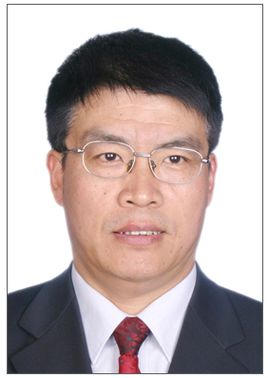 Yongfa Zhang (张永发)合作论文数Shanxi College of Technology10
 Hemin Zhang (张和民)合作论文数6
 Huangyu Yan合作论文数6Wenjun Wu合作论文数6
 Junhua Li (李俊华)合作论文数Division of Air Pollution and Its Control, School of Environment, Tsinghua University;National Engineering Laboratory for Flue Gas Pollutants Control Technology and Equipment, Tsinghua University6Chao Zhang合作论文数5
 Qinglin Yuan (袁青林)合作论文数School of Mechanical Engineering, Shanghai Jiao Tong University5Wang Panpan合作论文数5
 Qi Chen (陈琦)合作论文数National Center for Nanoscience and Technology5dewei liang合作论文数4Taiping Hu合作论文数Peking University4
 Hongmei Sun合作论文数4
 Cong Wei (魏丛)合作论文数School of Materials Science and Engineering, Zhengzhou University4
 Yanyan Fang (方妍妍)合作论文数School of Engineering Science, Huazhong University of Science and Technology4
 Gongming Wang (王功名)合作论文数Department of Chemistry, School of Chemistry and Materials Science, University of Science and Technology of China4
 Dongshi Zhang (张东石)合作论文数School of Materials Science and Engineering, Shanghai Jiao Tong University4Yuqing Zhao合作论文数3Hao Zhang合作论文数3Yao Ma合作论文数3
 Jianjun Chen (陈建军)合作论文数School of Environment, Tsinghua University3
 Yue Lin (林岳)合作论文数University of Science and Technology of China3Ying Xu合作论文数3Dengke Lv合作论文数2Junxin Xiao合作论文数2Xuanwei Yin合作论文数2
 Xiaoqing Liu (刘晓庆)合作论文数School of Chemical Engineering and Light Industry, Guangdong University of Technology2Shiwei Ge合作论文数2Zenan Bian合作论文数2Jingchao Yuan合作论文数2
 Xiaodong Hao合作论文数2Tianshan Li (李天善)合作论文数2Zhoujie Liang合作论文数2Mengfei Tang合作论文数2Wei-Jie Zeng合作论文数2
 Ye-Chuang Han合作论文数2Dayong Teng合作论文数2Xiaodi Zhang合作论文数2




