Regional and hierarchical disparities in gynecological care may compromise equity and quality in China. Assessing structural resources, clinical processes, and outcomes is critical to guide system improvement. We conducted a nationwide cross-sectional survey of 376 public hospitals across 31 provinces, stratified by region (Eastern, Central, and Western) and hospital level (county vs. non-county). Participants included 3,094 gynecological physicians and 24,126 patients. Indicators were defined according to the Structure-Process-Outcome model: staff, equipment, service volume, and surgical capacity (structure); clinical pathway implementation and guideline awareness (process); and patient health status and satisfaction (outcome). Significant disparities were identified across regions and hospital levels. Eastern hospitals had larger gynecological teams (median 32 vs. 25 Central, 24 Western; p < 0.001) and more physicians with master’s degrees (21.1
Enterovirus A71 (EV-A71) is recognized as the primary causative agent of hand, foot, and mouth disease (HFMD) and is prevalent worldwide. However, the precise pathogenic mechanisms of EV-A71 remain unclear, and specific drugs targeting it have yet to be successfully developed. To explore the mechanisms underlying EV-A71 pathogenesis and to identify potential therapeutic opportunities, we performed a comprehensive proteogenomic characterization of muscle tissues from BALB/c mice infected with EV-A71, integrating transcriptomic, proteomic, and phosphoproteomic analyses. Our results showed that phagosome, complement, and coagulation cascade pathway-related molecules were activated, and the expression of cell growth-related molecules was downregulated. Concurrently, a rapid activation of the neutrophil extracellular trap pathway was observed at the protein level. Additionally, we mapped the global phosphorylation profiles to dysregulated kinases, predicting 32 drugs corresponding to 27 kinases. We found that kinase inhibitors have antiviral activity in vitro; vandetanib, nintedanib, dasatinib, avitinib, and nilotinib can inhibit virus replication in mice to some extent. Overall, this study provides a multi-omics resource for elucidating EV-A71-induced alterations in target tissues and for linking omics-based target discovery with drug screening and functional validation, providing new insights into both pathogenesis and therapeutic exploration.
This study explored the microevolution of Shigella sonnei in China, focusing on 281 isolates exhibiting coresistance to ceftriaxone and azithromycin (cefRaziR) and 99 ONPG-negative isolates. Phylogenetic analysis revealed that waterborne outbreak strains, characterized by multidrug resistance (MDR) and cefRaziR, clustered within the predominant domestic lineage I. In contrast, sporadic MDR strains harboring a wider array of antimicrobial resistance (AMR) genes were primarily associated with lineage II. The cefRaziR phenotype in lineage I was mediated by an IncB/O/K/Z plasmid carrying bla CTX-M-14, mphA, aac(3)-IId, dfrA17, aadA5, and sul1 genes. Lineage II strains acquired cefRaziR through a distinct IncFII plasmid possessing bla CTX-M-15, ermB, and mphA genes, and additionally carried a separate IncB/O/K/Z plasmid backbone with bla TEM-1, dfrA12, sul2, strA, strB, tet(A), and aac(3)-IId genes. Conversion to the ONPG-negative phenotype was linked to a deletion spanning approximately 10 kbp, which included two insertion sequences (IS1 and IS600), the mhpBAR operon, and the lacIZY operon. Genomic comparisons identified 66 SNPs and 9 accessory genes correlated with lineage II, and 23 SNPs with 9 accessory genes associated with ONPG-negative variants. Ongoing surveillance of S. sonnei epidemic clones is essential to elucidate their microevolution, track transmission, and assess public health implications.
Hypersensitivity pneumonitis (HP) manifests as fibrotic (FHP) and non-fibrotic (NFHP) phenotypes. Clinically distinguishing FHP from idiopathic pulmonary fibrosis (IPF) remains challenging owing to phenotypic overlap, despite divergent management protocols. This investigation sought to develop a plasma proteomics-based framework for differential diagnosis between these entities. A total of 119 subjects were enrolled from the Chinese Interstitial Lung Disease (ILD) National Cohort and the PORTRAY IPF Cohort between July 2018 and June 2022, comprising 32 healthy controls (HCs), 31 NFHPs, 28 FHPs, and 28 IPF patients. The plasma samples were subject to quantitative proteomic profiling, weighted gene co-expression network analysis (WGCNA), and bioinformatics analysis to identify differentially expressed proteins, core pathways, and co-expression modules. Key proteins were selected to construct and validate diagnostic models via seven machine learning algorithms. This study delineated the plasma proteomic landscape of FHP and IPF, identifying 813 proteins. WGCNA revealed significant enrichment of the glycolysis/gluconeogenesis and pyruvate metabolism pathways, implicating metabolic reprogramming in FHP pathogenesis. Differential analysis identified nine differentially expressed proteins, from which a six-protein signature (H2BC12, SHBG, APCS, PTPRG, IGHV1-58, and GAPDH) was derived through LASSO regression and recursive feature elimination. Among seven machine learning algorithms, support vector machine (SVM) achieved the optimal performance on the independent test set with an accuracy of 71.4
BACKGROUND & AIMS:Severe dengue (SD) is the leading cause of morbidity and mortality resulting from dengue virus (DENV) infection, with liver injury being one of the most common complications. However, besides symptomatic treatment, there is currently no targeted therapy, and the specific mechanism underlying liver injury in SD remains elusive. This study aimed to investigate the molecular mechanisms underlying liver injury in SD to facilitate the development of prophylactic and therapeutic interventions. METHODS:To systematically characterize dynamic liver lesions in an SD mouse model, we employed multi-omics techniques, including bulk RNA sequencing (RNA-Seq), proteomics, phosphoproteomics, and single-cell RNA sequencing (scRNA-seq). Subsequently, we validated the mRNA and protein expression levels of the screened target molecules by quantitative PCR (qPCR), Western blot (WB), Luminex multiplex assays, and immunofluorescence (IF) assays. To this end, a co-culture system of DENV-infected macrophages and hepatocytes was employed. RESULTS:Beyond the inflammatory response, multi-omics analysis revealed disruption of carbon metabolism in hepatocytes across multiple time points. Disrupted cell-cell communication between hepatocytes and the hepatic mononuclear phagocytic system (HMPS) contributed to carbon metabolic dysfunction. To elucidate the underlying mechanism, we administered fostamatinib, which effectively inhibited the abnormally activated Bruton's tyrosine kinase (BTK)-mediated signaling pathway in HMPS. This intervention ameliorated carbon metabolism disorders and significantly alleviated liver injury in SD mice. CONCLUSIONS:Fostamatinib demonstrated significant efficacy in mitigating liver injury induced by DENV infection, while concurrently alleviating inflammatory responses and ameliorating carbon metabolism disorders. IMPACT AND IMPLICATIONS:Severe dengue, often accompanied by varying degrees of hepatic impairment, constitutes a primary cause of DENV-associated mortality. However, current specific therapeutic interventions remain inadequate. This study demonstrates that the cellular communication between the HMPS and hepatocytes is altered, thereby disrupting carbon metabolic functions in hepatocytes. The administration of fostamatinib ameliorated hepatic carbon metabolic disorders and liver injury. This provides a theoretical foundation for the development of therapeutic interventions targeting hepatic injury in severe dengue.
Background The Chinese hamster (Cricetulus griseus) is not only an important model organism but also the source of Chinese hamster ovary cells, which play an indispensable role in biomedical and biopharmaceutical research. However, systematic investigations of the proteome and phosphoproteome across multiple organs of this species remain limited.Methods A comprehensive proteomic and phosphoproteomic analysis was performed across nine major organs of the Chinese hamster, including heart, liver, lung, kidney, spleen, cerebral cortex, skeletal muscle, stomach, and testis or ovary. High-throughput mass spectrometry-based approaches were used to identify and quantify proteins and phosphorylation sites across these tissues.Results In total, 14 219 proteins were identified in the proteome, with 11 828 phosphorylated proteins and 47 122 phosphorylation sites in the phosphoproteome. The comparative analysis revealed pronounced interorgan differences in protein composition and phosphorylation regulation, reflecting distinct physiological functions.Conclusions This work provides a systematic framework for understanding organ-specific functions of the Chinese hamster and establishes a theoretical basis for its use as a disease model, filling a critical gap in multiorgan proteomic and posttranslational modification datasets for this species.
What is already known about this topic?:Adolescent cigarette and e-cigarette use remains common in China. Previous studies identified multiple individual-, family-, and school-related risk factors. However, national-level evidence distinguishing dual use from exclusive cigarette or e-cigarette use is limited. What is added by this report?:A nationally representative survey of high-school students in 31 provincial-level administrative divisions in China produced updated estimates of tobacco use in 2021: dual (6.9%), cigarette (24.6%), e-cigarette (9.5%). Socio-ecological factors differed across statuses, and some preventive measures, including school-based tobacco education, had no associated use reduction. What are the implications for public health practice?:Adolescent tobacco control should adopt differentiated strategies for dual/exclusive tobacco use, strengthen family/peer involvement, and improve school-based education program effectiveness.
The dual use of traditional cigarettes and e-cigarettes is common among adolescents. Dual use is likely more harmful than smoking traditional cigarettes or using e-cigarettes alone. However, few studies have explored the behavioral and psychological factors associated with this pattern of tobacco use among Chinese adolescents. We surveyed high school students in all 31 provincial-level administrative divisions (PLADs) in mainland China. Tobacco use was categorized as current dual use, exclusive traditional cigarette use, exclusive e-cigarette use, and non-use. We collected 11 behavioral and psychological variables potentially associated with current tobacco use, including physical activity, screen time, sleep duration, diet, alcohol use, fighting, social self-control, self-esteem, self-efficacy, stress, and depression. Multinomial logistic regression adjusted for PLAD fixed effects was employed to analyze the associations. The weighted sample included 15,000 students with an equal distribution of sex and a median age of 17 years (IQR: 16–18). About 6.9
ABSTRACT The SARS‐CoV‐2 Omicron variant is more contagious than the original Alpha variant and can still cause neurological symptoms, including cognitive impairment. To gain a deeper understanding of the molecular mechanisms underlying these neurological effects, this study was conducted. Proteomic and phosphoproteomic analyses were carried out utilizing LC‐MS/MS. Samples included brainstem, cerebellum, frontal lobe, occipital lobe, parietal lobe, and temporal lobe from SARS‐CoV‐2 Omicron‐infected and noninfected control rhesus macaques. Infection with Omicron resulted in inflammatory responses across all six brain regions, and significant regional‐specific molecular alterations were observed. Proteomic and phosphoproteomic analyses revealed extensive abnormalities in immune activation, synaptic function, DNA repair, and signaling pathways across different brain regions. We further predicted key kinases and identified candidate proteins with significantly altered expression. This study reveals region‐specific inflammatory and signaling signatures in the brain following Omicron infection. The recognized kinases and proteins with abnormal regulation serve as potential candidates for drug discovery. This can aid in formulating new therapeutic approaches for neurological issues related to COVID‐19.
The severe acute respiratory syndrome coronavirus 2 (SARS-CoV-2) strains mutate rapidly, making it crucial to study their molecular mechanisms for swift vaccine and drug development. Here, we utilized host lung proteomic and phosphoproteomic profiling to investigate the underlying pathology caused by the variants. Lung tissues infected with wild-type GD108, Delta, or Omicron BA.1 variants showed overexpression of proteins and phosphoproteins linked to the innate immune pathway, particularly in the Omicron group, with high activation of NOD-receptor and RIG-I like receptor signaling pathways. Protein-protein interaction (PPI) analysis revealed six key proteins, including antiviral innate immune response receptor RIG-I (DDX58), and five interferon-related proteins (IFIT2, ISG15, MX1, STAT1, and EIF2AK2), highlighting the importance of the innate immune response in combating all three variants. Kinase prediction analysis suggested that six kinases (DAPK1, DAPK2, DAPK3, PRACK, TTK, and MAP2K2), potentially inhibited by Fostamatinib, were activated across all three variants, and might be potential drug targets, pending further verification. Omicron infection, compared to other mutants, significantly disrupted proteins related to pulmonary structural support, like integrin and collagens, and inhibited efferocytosis, reducing the host's ability to eliminate the pathogen. These findings suggest that innate immune activation and structural disruption may contribute to Omicron-related pathology, potentially being useful for research into the molecular mechanisms underlying lung injury from SARS-CoV-2 variants.
Mpox poses a heightened risk of severe disease and mortality among individuals with HIV, yet the molecular mechanisms and immunopathology underlying multi-organ damage caused by the mpox virus (MPXV), particularly in the context of HIV co-infection, remain poorly understood. Here, we observe increased MPXV replication, more extensive skin lesions, and impaired humoral and cellular immune responses in SIV-MPXV co-infected rhesus macaques compared to those infected with MPXV alone. Multi-organ proteomic and phosphoproteomic analyses reveals upregulation of proteins involved in immune and inflammatory pathways in skin lesions and across multiple organs, especially in immune-related tissues. Abnormal activation of DNA replication and cell cycle signaling pathways, which may contribute to enhanced viral replication, is evident in both MPXV and SIV-MPXV co-infected groups. CDK4/6 may present a potential therapeutic target to suppress MPXV replication. These comprehensive proteomic datasets offer valuable insights into the pathogenesis of MPXV in the context of SIV co-infection and support ongoing efforts to mitigate the impact of mpox.
The Global pandemic of coronavirus disease 2019 was initiated by the emergence of severe acute respiratory syndrome coronavirus 2. In addition to conventional pulmonary lesions, a range of neurological injury symptoms have been identified in clinical practice, but the aetiology of neurological disorders linked to SARS-CoV-2 infection remains poorly understood. Syrian hamsters, which are highly susceptible to SARS-CoV-2 infection, exhibit a disease phenotype similar to that observed in human COVID-19 patients. In this study, a hamster model of COVID-19 infection was used to analyze molecular changes in different tissues at various time points post infection with distinct strains using proteomic and phosphoproteomic approaches. Multi-omics analysis showed that SARS-COV-2 infection triggers sustained downregulation of the abundance and phosphorylation levels of neuronal and synapse-associated proteins in the brain, suggesting that neuronal damage persists even during the recovery period. Additionally, infections with SARS-CoV-2 may contribute to the onset of long-term symptoms of COVID-19 by impacting energy metabolism, neurotransmitter release, and synaptic transmission pathways. This study provides a comprehensive molecular profile of hamsters infected with different SARS-CoV-2 strains in different tissues, offering foundational insights into the pathogenic mechanisms of COVID-19.
Pneumoconiosis is a severe occupational lung disease caused by long-term exposure to inhaled dust, early diagnosis is critical for effective management and health protection. However, current deep approaches struggle with the subtle radiographic manifestations of pneumoconiosis, strict diagnostic and limited data availability. In this paper, we propose Symmetric Local-Global Multi-Supervised (SLGMS), a novel framework inspired by the diagnostic practices of specialized radiologists. SLGMS a mechanism for generating symmetric global and local views with a symmetric VMamba feature network, effectively mimicking the region-by-region analysis and comparative assessment of symmetric performed by radiologists. Additionally, it incorporates a local-global knowledge distillation architecture tailored multi-supervised learning to explore relationships between local and global views while to clinical diagnostic criteria for pneumoconiosis. Evaluated on pneumoconiosis datasets collected medical hospitals in China, SLGMS demonstrates superior performance, achieving an average improvement of 6.19% in accuracy, sensitivity, specificity, and AUC metrics on the internal test set and 3.28% external validation dataset compared to state-of-the-art methods. On the public NIH ChestX-ray14 a transferable variant of SLGMS achieved a new state-of-the-art AUC of 82.9%, while the full SLGMS an average improvement of 3.5% on its supplemental fibrosis dataset. By bridging diagnostic prior with deep learning, SLGMS offers an effective paradigm for early diagnosis of occupational pneumoconiosis data-scarce environments, with broader applicability and scalability to other thoracic diseases.
Ubiquitylation, a critical post-translational modification, regulates various biological pathways. Despite its implications in diseases like cancer, the ubiquitinome of the human hypothalamus remains inadequately explored. We conducted label-free ubiquitinome analysis on hypothalamus samples from healthy elderly individuals, identifying 21,815 ubiquitylated sites across 5,314 proteins. Motif analysis revealed specific residue preferences. Functional enrichment analysis revealed significant roles in cellular processes, particularly in transport and catabolism pathways. Analysis of E3 ligase and deubiquitinating enzyme substrates emphasized dynamic protein turnover regulation. Integration with pathway analysis unveiled the significance of ubiquitinated proteins in neurological pathways, underscoring their relevance to neurological function and dysfunction. This study provides crucial insights into hypothalamic ubiquitination, highlighting the pressing need for further investigation into ubiquitin-mediated pathways in neurological disorders.
OBJECTIVES:To examine the temporal trends in the prevalence, incidence, and disability-adjusted life years (DALYs) of autism spectrum disorder (ASD) in China from 1990 to 2021 and to project the future burden to 2036. METHODS:Data were sourced from the Global Burden of Disease (GBD) 2021 provided by the Institute for Health Metrics and Evaluation (IHME). Join-point regression was applied to estimate the annual percentage change (APC) of prevalence, incidence, and DALYs. Age-period-cohort analysis was used to assess the effects of age, period, and cohort. Decomposition analysis quantified the contributions of population growth, demographic aging, and epidemiological changes. An AutoRegressive Integrated Moving Average (ARIMA) model was employed for projections to 2036. RESULTS:Between 1990 and 2021, the average annual percentage change (AAPC) was 0.22% (95% uncertainty interval [UI]: 0.20%-0.24%) for prevalence, -0.07% (95% UI: -0.14%-0.28%) for incidence, and 0.23% (95% UI: 0.21%-0.25%) for DALYs. ASD prevalence and DALYs peaked in children aged 0-5 years and declined after age 60. Rising prevalence and DALYs were mainly attributable to population growth (89.7% and 95.2%) and epidemiological changes (32.6% and 36.2%), while aging offset growth (-22.4% and -16.0%). Projections indicated stable age-standardized incidence for both sexes but divergent prevalence trends, with rates increasing among males and decreasing among females. CONCLUSIONS:The ASD burden in China is rising, largely driven by demographic and epidemiological dynamics, with young children and males being the most affected groups. Prioritizing early detection and gender-sensitive interventions are recommended.
The COVID-19 pandemic has disproportionately affected elderly individuals, who exhibit higher risks of severe disease and mortality. Although the precise molecular mechanisms underlying this disparity remain unclear, we employed an integrative multi-omics approach to analyze lung tissues from young, adult, and aged mice infected with the SARS-CoV-2 Beta variant (B.1.351). Conserved molecular signatures across age groups included the activation of antiviral immune response pathways (such as antigen processing and presentation, and cytokine-cytokine receptor interaction), and downregulation of metabolic regulatory pathways (such as cGMP-PKG signaling). Concurrently, we observed activation of three proinflammatory kinases-p38 delta mitogen-activated protein kinase (p38D), mechanistic target of rapamycin (mTOR), cytoplasmic tyrosine kinase (CTK)-along with inhibition of the antiviral kinase mammalian Ste20-like kinase 4 (MST4) across all age groups, suggesting conserved therapeutic targets. Our results also revealed age-dependent characteristics, with aged mice showing severe weight loss (> 15% by day 4 postinfection) and hyperactivation of complement and coagulation cascades compared to their younger counterparts. The upregulation of complement system proteins, including complement component 3 (C3), complement component 4b (C4b), and neutrophil/M1 macrophage markers S100 calcium-binding protein A8/A9 (S100A8/A9) in aged mice, coupled with a strong positive correlation (R² = 0.89) between C3 and S100A8, suggested S100A8-mediated complement activation. These findings elucidate how aging exacerbates SARS-CoV-2 pathogenesis through dysregulated immune and inflammatory responses, providing potential targets for age-tailored therapies to mitigate severe COVID-19 outcomes in the elderly.
This study aimed to investigate the impact of preconception maternal inactivated COVID-19 vaccination on fetal metabolic recovery following maternal SARS-CoV-2 infection during pregnancy. Umbilical cord blood samples were collected from neonates born to mothers with SARS-CoV-2 infection during pregnancy. Mothers were stratified into two groups: those fully vaccinated (inactivated COVID-19 vaccines) before conception (n = 81) and unvaccinated (n = 56). Ultra-performance liquid chromatography-tandem mass spectrometry (UPLC-MS/MS) was employed for metabolomic profiling. The vaccinated group exhibited markedly reduced amino acid/purine metabolism dysregulation and oxidative stress compared to unvaccinated counterparts. Crucially, within the critical IRT window of 5-6 months, vaccination effectively suppressed mTOR signaling-driven pathological metabolic remodeling. In contrast, the unvaccinated group demonstrated sustained metabolic disturbances (> 6 months from infection). In conclusion, preconception maternal inactivated COVID-19 vaccination reprograms fetal metabolism and accelerates intrauterine recovery from maternal SARS-CoV-2 infection, which may confer a beneficial impact on early-life growth. It prevents the establishment of a detrimental "metabolic memory" effect posing potential developmental risks. These findings reveal a novel non-immune, metabolome-mediated protective mechanism of maternal vaccination, which thus supports COVID-19 vaccination for women of childbearing age.
Influenza A virus (IAV) poses a significant threat to human health. The outcome of IAV results from the viral-host interaction, with the underlying molecular mechanisms largely unknown. By integrating the plasma proteomics data of the IAV-infected patients into the viral-inflammation protein-protein interaction (VI-PPI) network created in this study, purine nucleoside phosphorylase (PNP), the critical enzyme in purine salvage, was identified as a potential hub gene that connected the different stages of IAV infection. Extended survival rates and reduced pulmonary inflammatory lesions were observed in alveolar epithelial cell (AEC)-specific PNP conditional knockout mice upon H1N1 infection. Mechanistically, PB1-F2 of IAV was revealed as a novel viral transcriptional factor to bind to the TATA box of PNP promoter, leading to enhanced purine salvage in H1N1-challenged AECs. The activation of PNP-mediated purine salvage was verified in IAV-infected patients and A549 cells. PNP knockdown elicited a purine metabolic shift from augmented salvage pathway to de novo synthesis, constraining both viral infection and pro-inflammatory signaling through APRT-AICAR-AMPK activation. Moreover, durdihydroartemisinin (DHA), predicted by VI-PPI as a novel PNP inhibitor, exerted beneficial effects on the survival and weight gain of H1N1-challenged mice via its direct binding to PNP. To reveal for the first time, we found that PNP, activated by IAV, plays a hub role within H1N1-host interaction, simultaneously modulating viral replication and hyperinflammation through purine salvage. Our study sheds new light on a “two-for-one” strategy by targeting purine salvage in combating IAV-related pathology, suggesting PNP as a potential novel anti-influenza host target.
CONTEXT:The impacts of elevated ketone body levels on cardiac function and hemodynamics in patients with heart failure (HF) remain unclear. OBJECTIVE:The effects of ketone intervention on these parameters in patients with HF were evaluated quantitatively in this meta-analysis. DATA SOURCES:We searched the PubMed, Cochrane Library, and Embase databases for relevant studies published from inception to April 13, 2024. Ketone therapy included ketone ester and β-hydroxybutyrate intervention. DATA EXTRACTION:Seven human studies were included for the quantitative analysis. DATA ANALYSIS:Our results showed that ketone therapy significantly improved left ventricular ejection fraction (standardized mean difference, 0.52 [95% CI, 0.25-0.80]; I2 = 0%), cardiac output (0.84 [95% CI, 0.36-1.32]; I2 = 68%) and stroke volume (0.47 [95% CI, 0.10-0.84]; I2 = 39%), and significantly reduced systemic vascular resistance (-0.92 [95% CI, -1.52 to -0.33]; I2 = 74%) without influencing mean arterial pressure (-0.09 [95% CI: -0.40 to 0.22]; I2 = 0%) in patients with HF. Subgroup analysis revealed that the enhanced cardiac function and favorable hemodynamic effects of ketone therapy were also applicable to individuals without HF. CONCLUSIONS:Ketone therapy may significantly improve cardiac systolic function and hemodynamics in patients with HF and in patients without HF, suggesting it may be a promising treatment for patients with HF and also a beneficial medical strategy for patients without HF or healthy individuals.
Objective To investigate the recovery of plasma metabolism in asymptomatic and mild pa-tients of coronavirus disease 2019(COVID-19)one year after recovery.Methods A total of 174 participants were recruited from the communities in Wuhan,including 80 healthy volunteers and the COVID-19 patients who had recovered for one year.According to the disease severity,the recovered COVID-19 patients were grouped as asymptomatic patients(n=80)and mild patients(n=14).The liquid chromatography mass spectrometry platform was employed to study the metabolomic characteristics of the plasma from all the participants.Results The plasma metabolites in asymptomatic patients and mild patients remained abnormal compared with those in healthy volunteers.Among the differential metabolites in asymptomatic patients and mild patients,some metabo-lites showed a downward trend only in mild patients,such as phosphatidylethanolamine[20∶3(5Z,8Z,11Z)/P-18∶0],sphingomyelin(d18∶1/24∶0),and cholesteryl(15∶0).The metabolic pathway invol-ving the differential metabolites in mild patients was mainly glycerophospholipid metabolism.Conclusions Even one year after recovery,the mild COVID-19 patients still exhibit metabolic abnormalities.Hence,these patients may experience an extended period of time for recovery.
 Jiang-Feng Liu合作论文数32Yehong Yang (杨晔宏)合作论文数School of Life Sciences, Peking University32Chen Wang (王辰)合作论文数National Center for Respiratory Medicine21
 Simiao Chen合作论文数Heidelberg Univ, Heidelberg Inst Global Hlth, Heidelberg, Germany17
 Till Bärnighausen合作论文数Heidelberg Institute of Global Health, Universitätsklinikum Heidelberg16
 Geldsetzer Pascal合作论文数14Kaiyuan Min合作论文数13Xiaoyue Tang合作论文数12
 Fuchu He (贺福初)合作论文数Institute of Biomedical Sciences, Fudan University;Human Phenome Institute, Fudan University;National Center for Protein Sciences12Zhuoran Wang合作论文数11Lirui Jiao合作论文数Reed College11Yue Wu合作论文数11Qiao-Chu Wang合作论文数9
 Qiushi Chen合作论文数H. Milton Stewart School of Industrial and Systems Engineering, Georgia Institute of Technology8Songfeng Wu (吴松锋)合作论文数8Xu-Tong Zhang合作论文数7
 Shuaiyao Lu (鲁帅尧)合作论文数Institute of Medical Biology, Chinese Academy of Medical Sciences7Fengyun Yu合作论文数6Yanan Zhou合作论文数6
 De-Pei Liu (刘德培)合作论文数Peking Union Medical College6
 Jiangning Liu (刘江宁)合作论文数Institute of Laboratory Animal Sciences, Peking Union Medical College6
 Lingqiang Zhang (张令强)合作论文数Academy of Military Medical Sciences6Jie Kong合作论文数5Rong Han合作论文数5Mingyao Wang合作论文数5Li Mingsui (李明穗)合作论文数5Peixin Wu合作论文数5Li Tang (唐丽)合作论文数National Center for Protein Science5Yunping Zhu (朱云平)合作论文数4Meiyue Song合作论文数4Wan-Jun Peng合作论文数4Xunliang Tong合作论文数4Chun Tang (唐春)合作论文数4
 Jianwei Wang (王健伟)合作论文数Chinese Center for Disease Control and Prevention4
 Weizhong Yang (杨维中)合作论文数School of Population Medicine and Public Health, Chinese Academy of Medical Sciences4
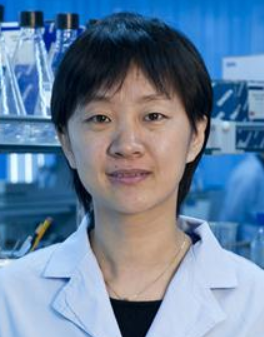 Lili Ren (任丽丽)合作论文数Institute of Pathogen Biology, Chinese Academy of Medical Sciences4
 Jing Wang (王婧)合作论文数Chinese Academy of Medical Sciences;Peking Union Medical College4Todd Golden合作论文数3Linye Li合作论文数3Mingjuan Yang合作论文数3Baicun Li合作论文数3Tiantian Zhang合作论文数3guichun xing (邢桂春)合作论文数3Jiang Huili (蒋慧莉)合作论文数3Yanjiang Xing (邢岩江)合作论文数3Junling Pang合作论文数3Chaojie Yang合作论文数3XianChun Liang (梁先春)合作论文数3




