Digital agriculture is generating massive amounts of data; however, there are fragmented and inconsistent approaches to how these data are managed, stored, stewarded, and shared in the agri-food sector. Improved agricultural data governance will need to account for farmer perspectives on data sharing, privacy, and trust. In this paper, we explore the emerging political economy of agricultural data governance through farmer perceptions on trust in sharing data. We surveyed 1000 farmers across ten Canadian provinces to assess their comfort levels with sharing different types of data, at various levels of granularity, with diverse agri-food actors, and across diverse data sharing scenarios. Our findings highlight that neither agricultural data itself nor potential data users can be treated as homogenous, resulting in a high level of complexity around data sharing and data governance. We compare these results to other studies on agricultural data sharing and describe recommendations for improving agricultural data governance. This research can be used to inform future agricultural data governance mechanisms in diverse regional and global contexts to support equitable and sustainable technological developments in agriculture.
A retrenchment of globalization has called into question tariff-free trade at a time when global exchange in food has never been higher. These politics undermine assumptions of uninterrupted global produce flows and raise the question of how to supply cities with produce if trade is restricted, including by climate change. Canada's largest wholesale food market, the Ontario Food Terminal, is an example of regional food system infrastructure for fresh produce that operates at scale. Here we find that this infrastructure, along with regional agricultural land, connects farmers to consumers and supports food security. Our evidence-based analysis highlights the policy imperative to protect regional foodsheds for cities and offers planners an example of scaled-up regional food system infrastructure that has functioned for decades.
Measuring sustainability in agroecosystems is inherently complex due to the diverse and dynamic nature of agricultural sustainability indicators. Traditional assessment tools often rely on universal objectives and baselines, which can obscure immediate problems and hinder effective sustainability efforts. In this paper, we propose an Adaptive Sustainability Assessment and Monitoring Framework (ASAMF) intended to address some of these limitations by starting with a clearly defined sustainability objective. The framework categorizes sustainability indicators and selects those relevant to each category, establishing a site-specific baseline against which actual farm measurements are compared. This approach offers a nuanced understanding of a farm’s sustainability relative to its potential capacity, highlighting areas for targeted improvement. The proposed framework is dynamic and adaptable, allowing for the evaluation of sustainability based on region-specific objectives and indicators rather than absolute metrics. This flexibility facilitates meaningful comparisons across different geographic locations and farming practices, enabling a pragmatic assessment of agroecosystem performance. By aligning agricultural practices with sustainability goals, the framework supports the transition towards more sustainable agroecosystems. This paper explores the conceptual foundations of sustainability and engages with existing measurement approaches, presenting the structure of the Adaptive Sustainability Assessment and Monitoring Framework. The framework’s practical applications and broader implications are discussed, demonstrating its potential to guide policy decisions and advance global sustainability initiatives. Through this comprehensive examination, we aim to provide a robust and practical framework that can enhance the assessment and monitoring of sustainability of agroecosystems.
Digitalization is often claimed by agri-food actors interested in using technology and corporations to provide many socio-economic benefits for farmers. This article reports on the results of a survey of Canadian farmers (n = 852) to explore producer perceptions of whether new digital technologies 1) improve the quality of work, 2) enhance productivity, 3) increase profitability, 4) offer a reliable return on investment, and 5) are as reliable as earlier tools and technologies. Farmer respondents generally agreed that digital farm tools have certain relative advantages, but considerable skepticism and varying views persist for certain benefits. Farmers with experience using digital tools were more likely to agree to improved quality of work and reliable return on investments. Meanwhile, farmer socio-demographics (region, level of education, farm ownership ratio) partly and to varying degrees explain perceptions of some relative advantages (e.g. productivity and reliability) but not others (e.g. profitability). In the context of the findings, we note with caution that farmers’ optimism for the relative advantages of digitalization could lay the foundation for acceptance of and receptivity for these innovations. However, if the goal is to encourage producers to embrace digital innovations widely, targeted programming to increase farmers’ first-hand experiences and research-backed informational programs on the potential benefits of digitalization would be needed.
Historically, humans have managed food systems to maximize productivity. This pursuit has drastically modified terrestrial and aquatic ecosystems globally by reducing species diversity and body size while creating very productive, yet homogenized, environments. Such changes alter the structure and function of ecosystems in ways that ultimately erode their stability. This productivity-stability trade-off has largely been ignored in discussions around global food security. Here, we synthesize empirical and theoretical literature to demonstrate the existence of the productivity-stability trade-off and argue the need for its explicit incorporation in the sustainable management of food systems. We first explore the history of human management of food systems, its impacts on average body size within and across species and food web stability. We then demonstrate how reductions in body size are symptomatic of a broader biotic homogenization and rewiring of food webs. We show how this biotic homogenization decompartmentalizes interactions among energy channels and increases energy flux within the food web in ways that threaten their stability. We end by synthesizing large-scale ecological studies to demonstrate the prevalence of the productivity-stability trade-off. We conclude that management strategies promoting landscape heterogeneity and maintenance of key food web structures are critical to sustainable food production. A synthesis of empirical and theoretical literature shows the extent to which food production has homogenized and rewired food webs to increase productivity but with negative consequences for stability.
Digitalization of Climate-Smart Agriculture practices leverages the power of digital agriculture tools/services (DATs) of any form (hardware, software, or data) in Climate-Smart Agriculture (CSA) practices to promote enhanced adaptation, GHGs emissions mitigation and increase productivity for smallholding agriculture. This research used a mixture of participatory and learning approaches with an emphasis on Expert Interviews and a Large-scale Household Survey involving 1219 farmers in the Bono East of Ghana to assess the awareness and utilization of DATs in smallholder farmers' CSA practices. Precisely, we assess farmers' engagement with Digital Agriculture Services (DAS) and DAT such as; TVs, Radios, Mobile phones/Tablets, Unmanned Aerial Vehicles (UAV)/Drones, Soil Sensor, Moisture Meters, Rain Gauges, Farm Management Software, Smartphone Applications, and Field Thermometers. The research suggests that the ubiquity of TVs, Radios, and feature phones in rural communities makes these tools the most used devices in farmers' climate-smart practices. However, the level of awareness, availability, accessibility, and utilization of complex tools such as UAVs and simpler tools such as soil sensors, moisture meters, field thermometers, rain gauges, smartphone applications (Facebook, WhatsApp, Twitter, etc.), and farm management software is minimal among rural farmers. The DAS facilitating farmers' climate-smart practices is limited to Digital Agroadvisory Purposes (digital extension), Agri-Digital Finance, and Digital Procurement services, while engagement with other DAS, such as Agri E-Commerce which facilitates most CSA Institution/Market Smart practice, is non-existing in rural communities. In addition, the Digitalization of Climate-Smart Agriculture, in its present form, is only limited to a few CSA practices and DATs engagement among smallholders owing to unmet training and information needs for most Climate-Smart Agriculture practices and interventions. Challenges such as DATs' unavailability, inaccessibility, high cost, high (digital)illiteracy, and inadequate extension support for the digitalization of CSA practices limit uptake. The study proposes increased capacity building for smallholders on CSA practice and interventions. Likewise, a strong public-private partnership across multiple scales is needed to stimulate needed investment to enhance farmers' access to affordable, easy-to-use, and tailor-made DATs while recognizing the power dependence and inequalities these digital tools may unleash in rural communities. Finally, increasing sensitization on DAT's use and benefits in rural communities and the larger population is critical to enhancing the widespread Digitalization of Climate-Smart Agriculture practices in smallholding agriculture.
Climate change will create warmer temperatures and greater precipitation in mountainous regions, making agriculture increasingly possible in these areas. To determine the potential of agricultural expansion, this paper approximated how much new land could become suitable for cropping maize, rice, wheat, millet, buckwheat, and barley in Nepal by 2041–2060 and 2081–2100 periods under climate change projection. Additionally, this paper estimates the potential environmental trade-offs of agricultural expansion in Nepal by evaluating how carbon stores, protected areas, tree cover, and river systems would be traded for agriculture. Results show that under climate change projected by WorldClim under three different climate change scenarios, up to ~36,983km 2 of land may become available for agriculture by 2100 in the high mountains of Nepal. If all this area is utilized for agriculture, up to 3.1 GtC (gigaton carbon) would be released from soil carbon and 0.12 GtC from above ground carbon stores, 11,129 km 2 of tree cover would be impacted, 9934 km 2 of protected areas would be impacted, and river systems will be impacted as 4446 km 2 of climate-driven agricultural frontiers identified in this study lie within 200m of a river. These results highlight that agricultural frontiers will emerge in northwestern part of Nepal, which would have very important food security implication as this region of Nepal has been suffering from a very high level of food insecurity. However, before moving toward any potential development of agricultural activities, in-depth analysis about the potential food production benefit of developing frontiers against their potential ecosystem service trade-offs is needed.
The future of the food system is often framed as a choice between a ‘conventional’ and an ‘alternative’ system of agriculture. This framing reflects a decades-long debate between opposing worldviews around agricultural paradigms, and it has constrained conversations regarding the creation of a sustainable global food system. Globally, agricultural production is diverse, and outcomes are achieved via a combination of several production systems. However, emerging technologies over the past 10 years are now being applied across agricultural systems resulting in enabling novel approaches to production. This paper explores the challenges and opportunities of integrating emerging technologies and food production approaches (e.g., digital agriculture, genomic innovations, cellular agriculture, hydroponic farming) and coupling these with industrial and urban design principles (e.g., industrial ecology, mixed-use densification). We characterize a high-yield, local (HYL) agriculture approach, which involves shorter supply chains, decentralized control of the food system, and potentially reduced land use as well as a lower environmental footprint. The paper concludes with a discussion on how the HYL approach will vary depending on the geographical and place-based contexts in which it is implemented. It identifies key policy opportunities and considerations for ensuring HYL agriculture can support transitions to sustainable food systems, including climate change mitigation, habitat and biodiversity conservation, safety and nutrition standards, public communications, and labour and economy., resulting in a novel element to be incorporated into the ‘portfolio’ of agricultural strategies.
Theoretically, climate change will create warmer temperatures and greater precipitation in mountainous regions, making agriculture possible in areas that were once unsuitable for cropping. But the extent and the nature of these 'agricultural frontiers' is as yet unknown. Building upon recent research on Climate Change Driven Agricultural Frontiers [CCDAFs], this paper assesses the potential of agricultural expansion in the Hindukush Himalaya [HKH]. Using FAO crop suitability data, we estimated the extent of CCDAFs under three Representative Concentration Pathways for 13 crops as well as the potential impacts of developing these frontiers on ecosystem services. We show that under climate change projected by the IPSL- CM5A-LR climate model, 34,507 km(2) of agricultural frontiers may emerge in the HKH by 2100 under RCP 6.0. Additionally, results suggest that there will be new opportunities for crop diversification as individual crops will gain frontier area. However, developing these CCDAFs will impact supportive and regulating ecosystem services including carbon storage and sequestration, soil quality, biodiversity, and hydrological processes-with implications for regional water security. These impacts must be considered alongside the benefits of additional food production when evaluating the net benefits of developing CCDAFS.
Participation in digital services is critical for the inclusiveness of digitalization in smallholder Africa. However, farmers engagement with digitalization services needs further explorations due to limited empirical research on the topic. This paper thus employs a cross-sectional survey of 1565 farmers in Northern Ghana to assess the factors that affect the likelihood of farmers’ participation in digital agricultural services. We applied a polynomial regression model to show that gender, affiliations to farmer groups, access to extension services, ability to place phone calls, and ownership/access to mobile phones increase the probability of participation in digital services. Thus, farmer characteristics, digital competencies, and access to digital resources are critical in determining who participates in digitalization, essentially positioning these as critical factors to consider in scaling of digital agriculture services. We further argue that access and impacts of digitalization could be exclusive due to existing equities in the identified fundamental elements for participation, adoption, and use of digitalization. Hence, strategies sensitive to the drivers of engagement, including strengthening farmer associations/groups, increasing access to extension services, building digital skills, and scaling access to digital tools (including mobile phones), are required for inclusiveness, scaling and the long-term sustainability of digitalization for smallholders.
Incorporating cover crops into corn and soybean operations across Southern Ontario is essential for maintaining yields under environmental stressors. Unfortunately, amongst the literature, there is a concern about the low adoption rate of cover crops in the northern Corn Belt due to a shift toward low agrobiodiversity and dominance of more profitable corn and soybean cropping systems, encouraged by extensive use of fertilizers, herbicides, and pesticides. This study examines whether Southern Ontario is following suit in decreasing agrobiodiversity trends, at the county level, and examines the adoption of cover crops within corn and soybean operations across Southern Ontario using digital imagery from 2013 to 2018. Results reveal that Southern Ontario is indeed shifting from systems characterized by higher agrobiodiversity to systems dominated with corn, soybean, and hay. Despite the benefits of cover crops, this study reveals that most of the current corn and soybean operations are not incorporating cover crops into the rotation. More significantly, the low adoption of cover crops is most apparent in southwestern Ontario, and increases in adoption occur toward the north.
Climate change, rising temperatures, snow melts and more frequent droughts and floods are disproportionately affecting food and water security, habitat health, and agricultural productivity in the Himalayan region. These climatic changes are negatively impacting productivity of staple crops including wheat, maize, and rice at lower altitudes, but may provide opportunities to utilize Climate Change Driven Agricultural Frontiers [CCDAFs] at higher altitudes. Agricultural expansion into CCDAFs paired with behavioural shifts such as replacing traditional crop systems with commercial crops will predominantly affect forests, water resources, and soil health, which are already negatively affected by climate change unless adaptation options are directed to just and sustainable agroecological transitions. By trading regulating, supporting, and cultural services for food and water provisioning services, as are evident in land sparing strategy, the utilization of CCDAFs will have long-term implications for the sustainability of mountain farming systems. Climate change is affecting Himalayan agriculture, food security, and ecosystem services, and scientific literature predominantly focus on one of these topics in isolation, occasionally connecting results to another topic. By classifying literature as predominantly agriculture, food security, or ecosystem service themed, this scoping review identifies sources with multiple dominant themes and explores how the relationships between these topics are represented in literature to provide research based evidence to promote the future expansion of agriculture that is low-carbon, just and sustainable. Gaps in the literature reveal that research is needed on the extent of CCDAFs in the Himalayas and the potential trade-offs on utilizing the frontier areas.
Runoff from agricultural fields during the nongrowing season is a significant factor leading to phosphorous loading and diminishing water quality in Lake Simcoe, Ontario. Cover crops offer the potential to alleviate phosphorous loss during the nongrowing season by minimizing soil erosional processes and uptaking excess phosphorous; however, recent research suggests that its adoption remains relatively low. More concern lies with the lack of cover crop adoption on areas that are sensitive to soil erosion. This study intends to investigate the likelihood of agricultural productions located on erosive soils to adopt cover crops. Using satellite imagery in corroboration with the Universal Soil Loss Equation (USLE), this study reveals the frequency of cover crop production and associates soil loss sensitivity at a 30 m resolution from 2013 to 2018. Consistent with recent literature, this study reveals that a small portion (18%) of agricultural operations in the south Simcoe Watershed have incorporated cover crops over the past six years. Cover crops tend to be adopted at a low frequency in areas that have a low sensitivity to soil erosion. This study reveals that areas with higher soil erosion sensitivity are consistent with low-frequency adoption, indicating that these areas are less likely to adopt cover crops regularly. Promoting farm-scale benefits associated with cover crops should target areas in the south Simcoe Watershed that are prone to soil erosion to mitigate total phosphorus (TP) loading into Lake Simcoe.
Global social and economic changes, alongside climate change, are affecting the operating environment for agriculture, leading to efforts to increase production and yields, typically through the use of agrochemicals like pesticides and fertilizers, expanded irrigation, and changes in seed varieties. Intensification, alongside the expansion of agriculture into new areas, has increased harvest, but has also had numerous well-known impacts on the environment, ultimately resulting in a loss of resilience and lack of sustainability in agro-ecosystems. Combined with features of agricultural systems such as the differential movement of ecosystem services, and interactions among ecosystem services driven in part by management choices, such intensification has disrupted key feedbacks in agricultural systems. These changes have tended to perpetuate the management choices that have led to efficient, productive agriculture, often at the expense of nature and the provision of important nonfood ecosystem services. Here, we explore how agriculture functions as a complex adaptive system. We assess how recent changes have interacted with agro-ecosystem features to result in a loss of resilience, and suggest key research directions to help harmonize production and ecosystem function, drawing primarily on Canadian examples. Enhancing the resilience of agricultural landscapes is critical to the long-term sustainability of agriculture in a rapidly changing world.
The application of technologies such as artificial intelligence, robotics, blockchain, cellular agriculture, and big data analytics to food systems has been described as a digital agricultural revolution with the potential to increase food security and reduce agriculture’s environmental footprint. Yet, the scientific evidence informing how these technologies may impact or enhance ecosystem services has not been comprehensively reviewed. In this scoping review, we examine how digital agricultural technologies may enhance agriculture’s support of ecosystem services. Keyword searches in academic databases resulted in 2337 records, of which 74 records met review criteria and were coded. We identify three clusters of digital agricultural technologies including those that make farm management more precise, increase connectivity, and create novel foods. We then examine modelling and empirical evidence gaps in research linking these technologies to ecosystem services. Finally, we overview barriers to implementing digital agricultural technologies for better ecosystem services management in the Canadian context including economic and political systems; lack of policies on data management, governance, and cybersecurity; and limited training and human resources that prevents producers from fully utilizing these technologies.
Climate change will create warmer temperatures, greater precipitation, and longer growing seasons in northern latitudes making agriculture increasingly possible in boreal regions. To assess the potential of any such expansion, this paper provides a first-order approximation of how much land could become suitable for four staple crops (corn, potato, soy, and wheat) in Canada by 2080. In addition, we estimate how the environmental trade-offs of northern agricultural expansion will impact critical ecosystem services. Primarily, we evaluate how the regulatory ecosystem services of carbon storage and sequestration and the habitat services supporting biodiversity would be traded for the provisioning services of food production. Here we show that under climate change projected by Canadian Earth System Model (CanESM2) Representative Concentration Pathway 4.5, ∼1.85 million km2of land may become suitable for farming in Canada’s North, which, if utilized, would lead to the release of ∼15 gigatonnes of carbon if all forests and wetlands are cleared and plowed. These land-use changes would also have profound implications for Indigenous sovereignty and the governance of protected and conserved areas in Canada. These results highlight that research is urgently needed so that stakeholders can become aware of the scope of potential economic opportunities, cultural issues, and environmental trade-offs required for agricultural sustainability in Canada.
There is an emerging consensus among academics and resource managers that successful resource management systems must be developed locally and account for a diverse range of political, economic, social, technological, legal, and environmental factors. In this research we evaluate and categorize the fishers' perspectives on the environmental, economic, social, and legal impacts of transitioning from a private property system to community fisheries in Cambodia's Tonle Sap Lake. Specifically, this paper uses interview results (N= 523) to assess the perceptions of local communities following a reform in 2012, whereby a commercial leasehold system was replaced with a community-based fishery management system. Results demonstrate that this conversion of fishery management systems is perceived as helping to improve economic, environmental, and legal conditions at the macro-level, but improvements in economic productivity at the individual level are inconclusive. This paper reveals the inherent complexity, benefits, and trade-offs involved in community-based management by exploring fishers' perceptions. One implication of this study is that the data reinforce the importance of participatory engagement in the development of resource management systems.
The Tonle Sap Lake of Cambodia is one of the most productive ecosystems in the world, supporting millions of small-scale fisher livelihoods. Women's contributions in these fisheries are often overlooked due to socio-cultural expectations of roles and responsibilities. This is a crucial omission since climate and anthropogenic influences increasingly threaten lake inhabitants. Addressing these challenges requires the full participation of both men and women who use the lake, thus it is necessary to first understand the social dynamics of these communities. We investigated whether there were differences between men's and women's perceptions of (i) fishing and non-fishing practices; (ii) power, access and control over fishing resources; and (iii) perceptions towards conservation and conservation areas in Pursat, Cambodia. We interviewed fishers and key informants, and found differences in perceptions of fishing and non-fishing practices between fishermen and fisherwomen. Men more openly acknowledged unequal power dynamics, access to and control over fishing resources when compared with women. We found contrasting ideas of community fisheries and conservation between men and women, and health and safety challenges they faced in conservation areas. Findings suggest that community perspectives and unequal power relations established specific roles for women that limited their active participation in fisheries management.
In most climate change research, agricultural yields are explained as a function of climatic and biophysical factors such as soil, rainfall and temperature. However, the increased use of integrated sensors, digital technologies and robotics within the agricultural sector has dramatically altered the way in which we produce food. Considering both the agriculture industry's continuing widespread technological innovation and a rapidly changing biophysical environment, there is a need to explore how sociotechnical and climatic variables interact to determine yield. In this paper, we present a regression model derived from Agriculture and Agri-Food Canada (AAFC) yield data, Environment and Climate Change Canada (ECCC) climate and land capability data, and Statistics Canada Census of Agriculture databases that include sociotechnical variables such as farms that use GIS and GPS had access to high-speed internet alongside more traditional biophysical factors to predict canola (rape seed) yields in the southern prairies of Canada. We demonstrated that about 38% of canola yield variability could be explained by temperature and rainfall during the growing season (defined as 3 months of June, July and August) and access to high-speed internet, application of chemical fertilizer, fungicides and average age of farm operators. While of a preliminary nature, our results demonstrate that a better understanding of how climatic and sociotechnical factors interact is necessary to anticipate how climate change may affect the crop yield.
The livelihoods of people dependent on the Tonle Sap floodplain ecosystem in Cambodia are expected to be affected by changes in economic conditions, social circumstances, environmental perturbations, demographic shifts and political climates. This study assesses how small-scale fisheries' livelihoods are changing in response to social and environmental conditions using the opinions of fishers collected through an intensive family survey of 514 households from Pursat and Battambang Provinces in Cambodia. Probit modelling approach was used to assess whether a fisher would continue fishing or not in the future when subjected to a variety of shifting conditions and identify the factors associated with their response. It was found that in any future condition about 50% of fishers would likely continue to fish, which suggests how much they love their traditional livelihood of fishing. The remaining 50% considered to diversify their livelihood strategy by shifting towards a combination of fishing, farming, and off-farm jobs. Furthermore, the analysis found that the fishers will change their fishing practices depending on how other sectors in the region develop. The model showed increasing access to agricultural activities decreased the likelihood of continuing to fish, whereas finding an off-farm job corresponded to increased likelihood of continuing to fish.
 Evan Fraser合作论文数College of Social and Applied Human Sciences, University of Guelph30
 Werner Doppler合作论文数10Gopal Datt Bhatta合作论文数Institute of Agricultural Economics and Social Sciences;University of Hohenheim;Institute of Agricultural Economics and Social Sciences, University of Hohenheim7
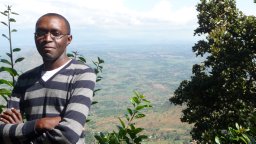 alexander legwegoh合作论文数Dept Geog, Univ Guelph5
 Abdul-Rahim Abdulai合作论文数Department of Geography, Environment and Geomatics, University of Guelph4Emily Duncan合作论文数3Edan Tzadok合作论文数3
 Arthur Gill Green合作论文数Dept Geog Environm & Geomat, Univ Guelph3
 Hannah Wittman合作论文数Institute for Resources, Environment and Sustainability, Faculty of Science, The University of British Columbia3
 Kevin McCann合作论文数Department of Integrative Biology, College of Biological Science, University of Guelph3
 Laxmi Prasad Pant合作论文数School of Environment;Enterprise and Development;University of Waterloo;School of Environment, University of Waterloo3
 Aaron Berg合作论文数Department of Geography, Environment & Geomatics, College of Social and Applied Human Sciences, University of Guelph;Hydrology and Remote Sensing Lab, University of Guelph3Neil Rooney合作论文数Department of Zoology;University of Guelph;Department of Zoology, University of Guelph3Vittoria Elliott合作论文数2Katherine Shirriff合作论文数2
 Dan Wassmansdorf合作论文数2
 Alesandros Glaros合作论文数Dept Geog Environm & Geomat, Univ Guelph2
 Carling Bieg合作论文数University of Guelph2
 Iwan Rudiarto合作论文数Dept Urban & Reg Planning, Diponegoro Univ2
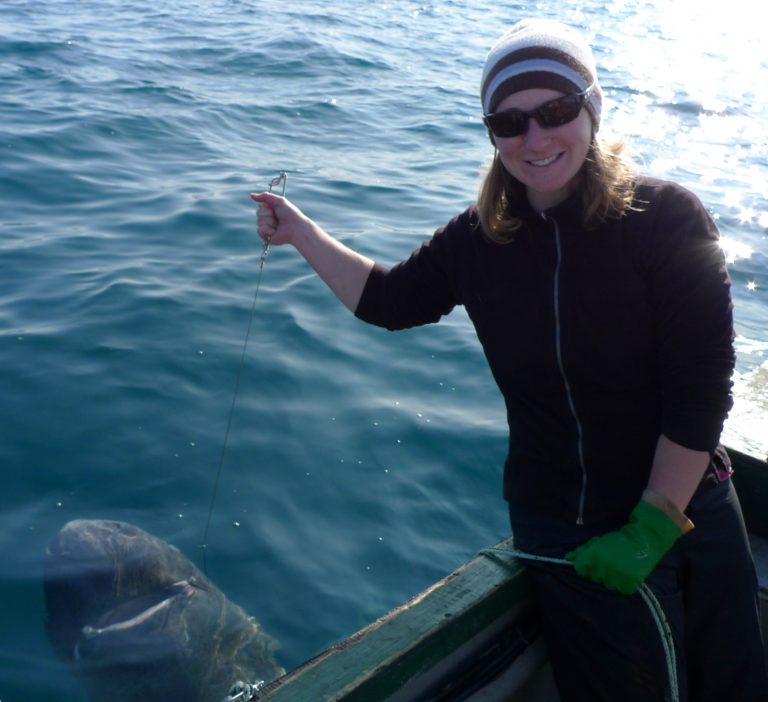 Bailey McMeans合作论文数Department of Ecology and Evolutionary Biology, Faculty of Arts and Science, University of Toronto2
 Malcolm Campbell合作论文数Department of Molecular and Cellular Biology, University of Guelph2
 Rene C. Van Acker合作论文数Department of Plant Agriculture, University of Guelph2
 Goretty M Dias合作论文数Departamento de Zoologia;Instituto de Biologia;Departamento de Zoologia, Instituto de Biologia2
 Lenore Newman合作论文数School of Environment and Sustainability;Royal Roads University;School of Environment and Sustainability, Royal Roads University2
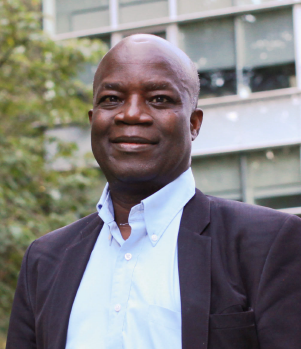 Rashid Sumaila合作论文数Institute for the Oceans and Fisheries, Faculty of Science, The University of British Columbia;School of Public Policy and Global Affairs, The University of British Columbia2
 Robert H. Hanner合作论文数Department of Integrative Biology, University of Guelph2
 Philip Antwi-Agyei合作论文数Department of Environmental Sciences, Kwame Nkrumah University of Science and Technology2Louise Teh合作论文数Fisheries Centre, University of British Columbia2lisa ohberg合作论文数1David Lapen合作论文数1Peter Morrison合作论文数1Eugenia Kwok合作论文数1anga bahadur lama合作论文数1mike codyre合作论文数1natachia bond合作论文数1
 Anastasia Veeramani合作论文数1rylea johnson合作论文数1shelley hazen合作论文数1
 Sarah-Louise Ruder合作论文数1
 Zsofia Mendly-Zambo合作论文数Sch Hlth Policy & Management, York Univ1
 Philip Tetteh Quarshie合作论文数Guelph Inst Dev Studies, Univ Guelph1
 Eric Nost合作论文数Univ Guelph1
 Marie Gutgesell合作论文数1
 Jesse T. Rieb合作论文数Department of Geography, McGill University1
 Lauren Q. Sneyd合作论文数1
 Nigel Raine合作论文数School of Environmental Sciences, University of Guelph1
 Jennifer Vansteenkiste合作论文数Sch Int Policy & Governance, Wilfrid Laurier Univ1
 Colin Dring合作论文数1Peng Bun Ngor合作论文数Univ Toulouse III Paul Sabatier, ENFA, CNRS, EDB Lab Evolut & Diversite Biol UMR5174, F-31062 Toulouse, France1




