Purpose: We performed an E-survey to evaluate the practice patterns in debulking surgery for advanced ovarian cancer in Asia. Methods: We designed a questionnaire, including 50 questions related to debulking surgery for advanced ovarian cancer. The questionnaire was sent to Gynecologic Oncologic Groups in Asia from December 2016 to February 2017. Results: A total of 253 gynecologic oncologists from Japan (58.9%), the Republic of Korea (19%), Taiwan (12.6%), and the other counties including China (7.5%), Malaysia (0.8%), Indonesia (0.8%), and Thailand (0.4%) participated in this E-survey. The median number of debulking surgeries per year was 20, and 46.8% of the respondents preferred <1 cm as the criterion for optimal debulking surgery (ODS). The most common barrier and surgical finding precluding ODS were performance status (74.3%) and disease involving the porta hepatis (71.5%). Moreover, 63.2% had a fellowship program, and only 15% or less had opportunities to receive additional training courses in general, thoracic, or urologic surgery. The median percentage of patients receiving neoadjuvant chemotherapy (NAC) was 30%, and the achieved rate of ODS in primary debulking surgery (PDS) and interval debulking surgery (IDS) was 65% and 80%, respectively. Most of the respondents required three to 6 h for PDS (48.6%) and IDS (58.9%). Moreover, more than 50% depended on ultra-radical surgery conducted by specialists. Conclusions: The ODS criteria are relatively lenient with a preference for NAC in 30% of the respondents in Asia. This trend might be associated with the dependence on aggressive surgery performed by specialists. (C) 2020 Elsevier Ltd, BASO similar to The Association for Cancer Surgery, and the European Society of Surgical Oncology. All rights reserved.
The Asian Society of Gynecologic Oncology International Workshop 2018 on gynecologic oncology was held in the Ajou University Hospital, Suwon, Korea on the 24th to 25th August 2018. The workshop was an opportunity for Asian doctors to discuss the latest findings of gynecologic cancer, including cervical, ovarian, and endometrial cancers, as well as the future of fertility-sparing treatments, minimally invasive/radical/debulking surgery, radiotherapy, chemotherapy, targeted therapy, and immunotherapy. Clinical guidelines and position statement of Asian countries were presented by experts. Asian clinical trials for gynecologic cancers were reviewed and experts emphasized the point that original Asian study is beneficial for Asian patients. In Junior session, young gynecologic oncologists presented their latest research on gynecologic cancers.
1) Departments of Pathology, Jikei University Katsushika Medical Center (6-41-2, Aoto, Katsushika-ku, Tokyo 125-8506, Japan) 2) Departments of Obstetrics and Gynecology, Jikei University Katsushika Medical Center 3) Departments of Obstetrics and Gynecology, Jikei University School of Medicine 4) Department of Pathology and Laboratory, Omori Red Cross Hospital 5) Department of Molecular Pathology, Graduate School of Health Care Sciences, Tokyo Medical and Dental University
目的 : BD シュアパスTM法の HSIL で認められる, 3-D 状の hyperchromatic crowded cell groups (HCG) の出現頻度と細胞像, 生検組織診との一致率について検討した.
Background This open-label phase III trial evaluated efficacy and safety of S-1 plus cisplatin vs. cisplatin alone as first-line chemotherapy in patients with stage IVB, recurrent, or persistent cervical cancer. Methods Patients were randomised (1:1) to S-1 plus cisplatin (study group) or cisplatin alone (control group). In each cycle, cisplatin 50 mg/m 2 was administered on Day 1 in both groups. S-1 was administered orally at 80–120 mg daily on Days 1–14 of a 21-day cycle in the study group. The primary endpoint was overall survival (OS). Results A total of 375 patients were enrolled, of whom 364 (188, study group; 176, control group) received treatment. Median OS was 21.9 and 19.5 months in the study and control groups, respectively (log-rank P = 0.125; hazard ratio [HR] 0.84, 95% confidence interval [CI] 0.67–1.05). Median progression-free survival (PFS) was 7.3 and 4.9 months in the study and control groups, respectively (HR 0.62, 95% CI 0.48–0.80, P < 0.001). The adverse event (AE) rate increased in the study group despite the absence of any unexpected AEs. Conclusions S-1 plus cisplatin did not show superiority over cisplatin alone in OS but significantly increased PFS in patients with stage IVB, recurrent, or persistent cervical cancer. Since the standard therapy has changed in the course of this study, further studies are warranted to confirm the clinical positioning of S-1 combined with cisplatin for this population.
目的 : 子宮頸部擦過細胞診における HR-HPV 検出率と遺伝子型を検討し, 子宮頸癌検診における HR-HPV 検出および HR-HPV タイピング検査の意義を検証することを目的とした.
目的 : BD シュアパスTM法における腫瘍性病変の陽性率および標本不適正率を split-sample により従来法と比較した.
5527 Background: A combination of S-1, an oral fluoropyrimidine, plus cisplatin has been used for advanced gastric cancer in Asia and EU, and lung cancer in Japan. It also evaluated in advanced or recurrent cervical cancer in a phase II setting. We conducted a randomized phase III trial to compare the efficacy and safety of S-1 plus cisplatin with those of cisplatin alone in recurrent or persistent after treatment and FIGO IVB cervical cancer patients. Methods: Stage IVB, recurrent or persistent cervical cancer patients aged ≥ 20 years, ECOG PS 0–1 and adequate organ function were randomly assigned (1:1) to receive S-1 (80–120 mg daily, according to BSA, day 1–14) plus cisplatin (50 mg/m2 on day 1) (study group) or cisplatin alone (50 mg/m2 on day 1) (control group) every 3 weeks. Treatment was continued until disease progression. In all, 360 patients (at least 296 events) with a hazard ratio (HR) for death of 0.72 were required for a two-sided alpha of 5% and power of 80% under 2 years of recruitment and 1.5 years of follow-up. Stratification factors included recurrence in previously irradiated field, previous platinum-based therapy, and institution. Primary endpoint was OS based on intent-to-treat principle, and secondary endpoints were PFS, overall response rate (ORR), and safety. Results: In all, 375 patients were assigned to the study (n = 189) and control (n = 186) groups. Rate of previous platinum-based therapy was 64%. The median survival time was 21.9 and 19.5 months (95% CI, 18.6–25.8 and 17.0–24.3) with the use of unstratified log-rank test in the study and control groups, respectively (log-rank P = 0.125; HR, 0.84; 95% CI, 0.67–1.05). Significant increases in median PFS (7.3 vs. 4.9 months; log-rank P < 0.001; HR, 0.62) and ORR (43.8 vs. 20.1%, P < 0.001) were observed in the study group. Adverse events (grade≥3) were frequent in the study group (80.9 vs. 41.7%) with neutropenia (52.7%), anemia (34.6%), and leukopenia (32.4%) being the most common events. Conclusions: Compared with cisplatin alone, S-1 plus cisplatin did not significantly improve OS but increased ORR, prolonged PFS, and had tolerable safety of patients with stage IVB, recurrent or persistent cervical cancer. Clinical trial information: NCT00770874.
Objective Perifosine exhibits anti-tumor activity by inhibiting AKT phosphorylation. The purpose of this phase II basket trial was to evaluate the efficacy and safety of perifosine monotherapy for ovarian, endometrial, and cervical cancers. Methods Recurrent or persistent ovarian, endometrial, or cervical cancer patients were assigned to PIK3CA wild-type or mutant groups. Each patient received 600 mg oral perifosine on day 1 followed by a maintenance dose of 100 mg daily. The primary endpoint was disease control rate; secondary endpoints included response rate, progression-free survival, overall survival, and safety. Immunohistochemical staining and targeted sequencing were used to explore new biomarkers in such patients. Results Sixteen and 5 ovarian, 17 and 7 endometrial, and 18 and 8 cervical cancer patients with PIK3CA wild-type and mutant, respectively, were enrolled. Disease control rates (wild-type/mutant) were 12.5/40.0%, 47.1/14.3%, and 11.1/25.0% in ovarian, endometrial, and cervical cancer, respectively. The most common grade 3/4 toxicities were anemia (22.5%) and anorexia (11.3%). Immunohistochemical staining revealed that the disease control rate in patients with negative phosphatase and tensin homolog (PTEN) expression was 50.0%, and the odds ratio of positive to negative patients was 0.24 in all patients. Conclusions Perifosine monotherapy showed good tolerability but expected efficacy was not achieved. Modest efficacy was demonstrated in ovarian cancer patients with PIK3CA mutations and endometrial cancer patients with PIK3CA wild-type; no difference was observed between PIK3CA wild-type and mutant in cervical cancer. Absence of PTEN expression may be predictive of clinical efficacy with perifosine monotherapy.
The standard chemotherapeutic regimen for stage IVB, persistent, or recurrent uterine cervical cancer is platinum-based combination chemotherapy such as cisplatin (CDDP)/paclitaxel and CDDP/nogitecan hydrochloride (NGT, topotecan). Because it is unclear whether the CDDP/NGT combination chemotherapy is tolerable for Japanese patients, we conducted the present study to assess the feasibility of CDDP/NGT combination chemotherapy.
PURPOSE Farletuzumab is a humanized monoclonal antibody that binds to folate receptor-α, which is highly expressed in ovarian carcinoma and largely absent from normal tissue. Farletuzumab was investigated in a double-blind, randomized phase III study in platinum-sensitive ovarian cancer. PATIENTS AND METHODS Eligible patients had first recurrent ovarian cancer 6-24 months following completion of platinum-taxane chemotherapy. All patients received carboplatin plus paclitaxel or docetaxel (for six cycles combined with randomly assigned test products in a 1:1:1 ratio: farletuzumab 1.25 mg/kg, farletuzumab 2.5 mg/kg, or placebo). The single-agent test product was continued weekly until disease progression. The primary end point was progression-free survival (PFS) by Response Evaluation Criteria in Solid Tumors. Additional analyses not outlined in the original protocol were prespecified in the final statistical analysis plan, including a subgroup analysis by baseline CA-125 and farletuzumab exposure levels. RESULTS A total of 1,100 women were randomly assigned to treatment dose or placebo. PFS from the primary analysis was 9.0, 9.5, and 9.7 months for the placebo, farletuzumab 1.25 mg/kg, and farletuzumab 2.5 mg/kg groups, respectively. Neither farletuzumab group was statistically different from the placebo group (hazard ratio [HR], 0.99 [95% CI, 0.81 to 1.21] and 0.86 [95% CI, 0.70 to 1.06] for farletuzumab 1.25 mg/kg and 2.5 mg/kg group v placebo, respectively). In the prespecified subgroup, baseline CA-125 levels not more than three times the upper limit of normal (ULN) correlated with longer PFS (HR, 0.49; P = .0028) and overall survival (OS) (HR, 0.44; P = .0108) for farletuzumab 2.5 mg/kg versus placebo. Subgroup analysis of farletuzumab exposure above the median, regardless of dose, showed significantly better PFS versus placebo. The most common adverse events were those associated with chemotherapy. CONCLUSION Neither farletuzumab dose met the study's primary PFS end point. Prespecified subgroup analyses demonstrated that patients with CA-125 levels not more than three times the ULN and patients with higher farletuzumab exposure showed superior PFS and OS compared with placebo.
AIM:The aim of this study was to investigate prognostic factors, including postoperative chemotherapy regimen, for the treatment of ovarian yolk sac tumour (YST), and resulting fertility outcome.METHODS:A multi-institutional retrospective investigation was undertaken to identify patients with ovarian pure or mixed YST who were treated between 1980 and 2007. Postoperative chemotherapy regimen and other variables were assessed in univariate and multivariate analyses. Additionally, the reproductive safety of the BEP (bleomycin, etoposide and cisplatin) regimen was evaluated.RESULTS:There were 211 patients enrolled from 43 institutions. The BEP regimen and a non-BEP regimen were administered to 112 and 99 patients as postoperative chemotherapy, respectively. In univariate and multivariate analyses, age⩾22, alpha-fetoprotein⩾33,000 ng/ml, residual tumours after surgery and non-BEP regimen were independently and significantly associated with poor overall survival (OS). BEP was significantly superior to non-BEP in 5-year OS (93.6% versus 74.6%, P=0.0004). Reduced-dose BEP (<75% standard-dose bleomycin and<50% etoposide dose) was significantly associated with poorer 5-year OS compared with standard-dose BEP (89.4% versus 100%, P=0.02 and 62.5% versus 96.9%, P=0.0002). All patients who underwent fertility-sparing surgery recovered their menstrual cycles. Sixteen of 23 patients receiving BEP (70.0%) and 13 of 17 patients receiving non-BEP (76.5%) who were nulliparous at fertility-sparing surgery and married at the time of investigation gave birth to 21 and 19 healthy children, respectively.CONCLUSIONS:The results of the present study suggest that standard-dose BEP should be administered for ovarian YST. BEP is as safe as non-BEP for preserving reproductive function.
When compared with other epithelial ovarian cancers, the clinical characteristics of ovarian clear cell adenocarcinoma (CCC) include 1) a higher incidence among Japanese, 2) an association with endometriosis, 3) poor prognosis in advanced stages, and 4) a higher incidence of thrombosis as a complication. We used high resolution comparative genomic hybridization (CGH) to identify somatic copy number alterations (SCNAs) associated with each of these clinical characteristics of CCC. The Human Genome CGH 244A Oligo Microarray was used to examine 144 samples obtained from 120 Japanese, 15 Korean, and nine German patients with CCC. The entire 8q chromosome (minimum corrected p-value: q = 0.0001) and chromosome 20q13.2 including the ZNF217 locus (q = 0.0078) were amplified significantly more in Japanese than in Korean or German samples. This copy number amplification of the ZNF217 gene was confirmed by quantitative real-time polymerase chain reaction (Q-PCR). ZNF217 RNA levels were also higher in Japanese tumor samples than in non-Japanese samples (P = 0.027). Moreover, endometriosis was associated with amplification of EGFR gene (q = 0.047), which was again confirmed by Q-PCR and correlated with EGFR RNA expression. However, no SCNAs were significantly associated with prognosis or thrombosis. These results indicated that there may be an association between CCC and ZNF217 amplification among Japanese patients as well as between endometriosis and EGFR gene amplifications.
Background:The sensitivity of Papanicolaou smears for detecting endocervical adenocarcinomain situ(AIS) is very low. A comprehensive cytological analysis of endocervical AIS is necessary to increase diagnostic accuracy.Methods:The subjects were 74 patients with pathologically-diagnosed AIS. A total of 140 Papanicolaou smears were reviewed to calculate the sensitivity of the Papanicolaou smears for detecting AIS and the incidence of sampling/screening/diagnostic errors. The cytological review was performed by 6 cytotechnologists, and the final cytological diagnosis was obtained at the consensus meeting. We classified the cases into three differentiation types; typical type (well-differentiated AIS), polymorphic type (poorly differentiated AIS), and mixed typical and polymorphic type. Three cytological subtypes (endocervical, endometrioid and intestinal subtypes) of AIS were also analyzed.Results:The sensitivity of the original Papanicolaou smears for the detection of AIS was 44.6%, while that for the detection of AIS and adenocarcinoma was 63.5%. The diagnostic accuracy of AIS increased to 78.5% in the final diagnosis. The common characteristic features were microbiopsies/hyperchromatic crowded groups (HCG) (82.0%) and mitotic figures (72.2%). The appearance of single cells (2.8%) was rare, and all the cervical cytology smears showed no evidence of necrotic tumor diathesis. The most common AIS was the typical type (41 cases, 67.2%) among all cytologically-diagnosed AIS or adenocarcinoma cases (61 cases). Although mixed typical and polymorphic AIS existed in 17 cases (27.9%), pure polymorphic AIS was very rare (3 cases, 4.9%). The endocervical subtype was the most predominant subtype (67.2%), followed by a few mixed subtypes. The important diagnostic keys for AIS cytology are as follows: (1) The appearance of microbiopsies/HCG (single-cell pattern is rare), (2) mitotic figures in the microbiopsies/HCG, (3) a lack of necrotic tumor diathesis in cases with polymorphic AIS, and (4) recognition of typical cytological subtypes.Conclusions:The relatively low diagnostic accuracy AIS was caused by the underestimation of microbiopsies/HCG and the overestimation of polymorphic components. The typical cytological features of AIS are the presence of microbiopsies/HCG with mitotic figures in the absence of necrotic tumor diathesis in specimens containing endocervical samples. The recognition of infrequent AIS subtypes (endometrioid and intestinal subtypes) is also important.
We evaluated high-risk human papillomavirus (HR-HPV) DNA testing for high-grade cervical intraepithelial neoplasia (CIN) lesions by cobas HPV test and diagnostic HPV16/18 genotyping in Japanese women with low-grade squamous intraepithelial lesions. Of 357 patients, HR-HPV positivity prevalence was 75.6%, and 21.3% had grade 2 or higher CIN lesions (CIN2+), with the highest prevalence at 30 to 34 years. Negative predictive values of HR-HPV for CIN2+ in our patients were 93.1% (any age) and 94.9% (40-50 years). Absolute risk for CIN2+ in HR-HPV positive and HPV16/18 positive individuals was 25.9 and 35.1, respectively. Relative risk for CIN2+ lesions was 5.1 for HPV16/18 positive versus HR-HPV negative, and 3.8 for HR-HPV positive versus HR-HPV negative women. Predictive values of CIN2+ positive were higher for HPV16/18 positive women (any age) than 12 other HPV positive-genotypes, and highest (50%) at 40-50 years. The HPV16/18 genotyping might prevent women (>40 years) at risk of high-grade CIN lesions from undergoing unnecessary colposcopy/overtreatment of nonprogressive lesions.
Human epididymis protein 4 (HE4) levels and the Risk of Ovarian Malignancy Algorithm (ROMA) have recently been shown to improve the sensitivity and specificity of epithelial ovarian cancer (EOC) diagnosis. We evaluated HE4 levels and ROMA as diagnostic tools of type I and type II EOC in Japanese women. Women who had a pelvic mass on imaging and were scheduled to undergo surgery were enrolled as ovarian mass patients. Serum levels of carbohydrate antigen 125 (CA125) and HE4 were tested in 319 women (131 benign, 19 borderline, 75 malignant, and 94 healthy controls). CA125, HE4, and ROMA were evaluated for sensitivity and by receiver operating characteristics (ROC) in type I and type II EOC. The results showed that, at 75 % specificity, the sensitivity of CA125 and HE4 for type II was 92.1 % for both markers and for type I was 51.5 % and 78.8 %, respectively. The sensitivities of ROMA (type I, 84.8 % and type II, 97.4 %) were better than those of CA125 and HE4. CA125, HE4, and ROMA were all highly accurate markers for type II. For type I, HE4 and ROMA showed better sensitivity than CA125. ROMA displayed the best diagnostic power for type I and type II including for the early stage of type I. In conclusion, HE4, CA125, and ROMA are valuable markers for type II EOC diagnosis. HE4 and ROMA analyses may improve differentiation between type I EOC and a benign mass. Measurement of combined HE4 and CA125 levels provides a more accurate method for EOC diagnosis.
5598 Background: Radiation therapy (RT) and concurrent chemo-radiation therapy (CCRT) are commonly used adjuvant therapies for FIGO stage IB-IIB cervical cancer patients regardless of their histological subtypes. However, given that patients with adeno/adenosquamous carcinoma (AC) reportedly have poorer prognosis compared to patients with squamous cell carcinoma (SCC), a more effective adjuvant therapy targeting AC patients should be investigated. Hence, we conducted this study to evaluate the efficacy of systemic chemotherapy (CT) to AC patients compared with RT/CCRT. Methods: The medical records of the patients with IB-IIB cervical cancer who underwent primary surgery at our 4 institutes from January 2001 to December 2010 were retrospectively reviewed, and the patients with pathologically confirmed bulky tumor (≥4cm), nodal metastasis, and/or parametrium invasion were included. The patients were classified into 3 groups; group 1: patients with SCC who received RT/CCRT, group 2: patients with AC who received RT/CCRT, and group 3: patients with AC who received CT. At first, to determine the efficacy of RT/CCRT to AC patients compared to SCC patients, the progression-free survival (PFS) of group 1 and 2 was compared. Secondly, to investigate the efficacy of CT compared to RT/CCRT for AC patients, the PFS of group 2 and 3 was compared. Results: A total of 135 patients were enrolled (group 1: 90, 2: 23, and 3: 22). The median follow up period was 48 (range: 1-132) months. There was no statistical difference in the proportion of patients with nodal metastasis, parametrial involvement, and bulky tumor between each group. A significant difference in PFS curves was detected between group 1 and 2; AC patients treated with RT/CCRT had poorer prognosis than SCC patients treated with RT/CCRT (RR: 2.504 (95%CI: 1.284-8.871), p=0.014). A significant difference in PFS curves was also detected between group 2 and 3; AC patients had more favorable prognosis when treated with CT compared to RT/CCRT (RR: 0.288 (95%CI: 0.109-0.965), p=0.043). Conclusions: Adjuvant RT/CCRT may be less effective for AC patients, and CT has a potential benefit greater than that of RT/CCRT for AC patients.
 Aikou Okamoto (岡本愛光)合作论文数Department of Obstetrics and Gynecology, School of Medicine, The Jikei University40
 Tadao Tanaka合作论文数26Satoshi Takakura合作论文数22Yamada Kyosuke合作论文数20
 Daisuke Aoki (青木大輔)合作论文数Department of Obstetrics and Gynecology, School of Medicine, Keio University;International University of Health and Welfare, Graduate Schooll;Akasaka Sannou Medical Center19Seiji Isonishi合作论文数16Nozomu Yanaihara合作论文数15Misato Saito合作论文数11Toru Sugiyama合作论文数11Makoto Yasuda合作论文数10Takashi UMEZAWA合作论文数9
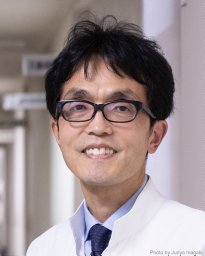 Noriyuki Katsumata (勝俣範之)合作论文数Department of Medical Oncology, Nippon Medical School Musashikosugi Hospital9Kiichiro Noda合作论文数9
 Toshiharu Kamura合作论文数Department of Obstetrics and Gynecology, Kurume University9
 Keiichi Fujiwara (藤原慶一)合作论文数Department of Gynecologic Oncology, Saitama Medical University International Medical Center9Masahiro Ikegami合作论文数9Eizo Kimura合作论文数7Chie Nagata合作论文数7Hiroshi SASAKI合作论文数7Yoichi Aoki合作论文数University of the Ryukyus7
 Motoji Sawabe (沢辺元司)合作论文数Department of Molecular Pathology, Division of Biomedical Laboratory Sciences, Graduate School of Medical and Dental Sciences Biomedical Sciences and Engineering, Tokyo Medical and Dental University7
 Junzo Kigawa合作论文数Department of Obstetrics and Gynecology, Tottori University School of Medicine6Motoaki Saito合作论文数School of Medicine, Tottori University6Shoji Kamiura合作论文数6Takashi Nikaido合作论文数6Kazu Ueda合作论文数6Toshiko Jobo合作论文数6Masaru Sakamoto合作论文数6yoshiteru terashima合作论文数6Miho Takao合作论文数6Miyaka Umemori合作论文数5Ayana HORIGUCHI合作论文数5Sachiko TSUCHIYA合作论文数5Masayuki Hatae合作论文数5Makoto Motegi合作论文数5s hachiya合作论文数5
 Nobuo Yaegashi (八重樫伸生)合作论文数Division of Obstetrics and Gynecology, Graduate School of Medicine, Tohoku University5
 Satoshi Teramukai合作论文数Translational Research Center, Kyoto University Hospital5Mitsuyoshi Urashima合作论文数5
 Toru Nakanishi合作论文数Department of Gynecology, Aichi Cancer Center Hospital5Hiroyuki Takahashi合作论文数5Shoji Kodama合作论文数5Yoh Watanabe合作论文数5Kazuhiko Ochiai合作论文数5Takaomi Yasuhara合作论文数4makoto yasuda合作论文数4tomomi ashikawa合作论文数4Takizawa Ken合作论文数4Tanabe Hiroshi合作论文数4




