Background CAR T therapy is a remarkable advance for treatment of patients with relapsed/refractory multiple myeloma (RRMM) but requires referral to specialized centers and often geographic relocation, which may exacerbate disparities in access. Data on the influence of social determinants of health (SDOH) on CAR T access and outcomes are limited. Methods In this single center study at a referral academic center, we evaluated outcomes of patients receiving standard of care CAR T based on SDOH between 2021-2024. As autologous stem cell transplant (ASCT) is a well-established cell therapy, we compared sociodemographics of patients receiving CAR T vs ASCT to contextualize access patterns. Clinical data and SDOH variables (insurance, education, race, ethnicity, Stanford Integrated Psychosocial Assessment for Transplant (SIPAT) scores, relocation need, Area Deprivation Index (ADI)) were extracted from EMR. Results The study population distribution is seen in Figure 1. Among CAR T patients, 64.2% needed relocation; these patients had higher ADI scores and fewer years of education (p<0.05). Cilta-cel and ide-cel recipients had comparable baseline demographics but differed in socioeconomic factors and disease variables. Cilta-cel patients had fewer prior lines of therapy (median 4 vs 6; p<0.01), were more likely to have combined public/private insurance (20.7% vs 2.0%; p<0.01) and, among those with >12 years of education, more often held a bachelor's degree or higher (75.8% vs 33.3%; p<0.01).We observed no significant associations with race, ethnicity, ADI or other SDOH on clinical outcomes including toxicity and survival (PFS/OS) with the exception of relocation need. Patients who needed to relocate trended better PFS than those who lived closer to treatment centers, potentially due to confounding factors. Multivariable analyses showed no association between ADI, race, insurance, relocation, or education and PFS/OS. While not significant, patients with a higher SIPAT score on social worker assessment indicating poor candidacy for CAR T trended inferior PFS.Compared to ASCT, CAR T patients were older, which is expected with CAR T approved for later line therapy, and likely to identify as White (64% vs 46%). Racial differences were driven by patients who identified as Other or Asian/Pacific Islander. The distribution of Black patients was similar. Proportion of Hispanic patients was not statistically different (15% vs 21%, p=0.2). Sex and ADI distribution was similar for both. Conclusions Among patients able to access CAR T therapy, survival and toxicity outcomes were similar across sociodemographic groups, suggesting equitable efficacy once treatment is delivered. The need for relocation and insurance approval may shape the ability of patients to access therapy. Our data highlights the importance of continuing to address SDOH to ensure equitable delivery of cellular therapies.
BCR::ABL1 acquisition is an emerging but poorly characterized resistance mechanism in FLT3-mutated AML. Using multiomic single-cell DNA sequencing, we characterized clonal evolution in a patient with FLT3-ITD AML who acquired BCR::ABL1 with FLT3 inhibitor resistance. Phylogenetic reconstruction confirmed BCR::ABL1 as a branch event co-occurring with FLT3-ITD and restricted to specific blast populations, supporting BCR::ABL1 acquisition as a resistance mechanism.
Introduction Older adults represent the majority of patients with acute myeloid leukemia (AML), and an increasing proportion receive allogeneic hematopoietic cell transplantation (alloHCT). Mutations in the FMS-like tyrosine kinase 3 gene (FLT3) confer high relapse risk, and post-transplant maintenance with FLT3 tyrosine kinase inhibitors (FLT3-TKIs) is guideline-recommended. However, real-world utilization, adherence, and tolerability of FLT3-TKIs in older adults remain poorly characterized. Materials and methods Using 100% Medicare claims (Parts A/B/D and Medicare Advantage encounter data), we conducted a retrospective cohort study of beneficiaries ≥65 years old with AML who received alloHCT between January 1, 2016 and June 30, 2024, and initiated FLT3-TKI maintenance (gilteritinib, midostaurin, or sorafenib) within 100 days post-transplant. Baseline demographics, comorbidities, prior therapy, and health care resource utilization (HCRU) were captured from 2010 through the index date. Adherence was assessed using proportion of days covered (PDC). Dose modification, FLT3-TKI switching, and post-transplant HCRU were evaluated descriptively. Centers for Medicare & Medicaid Services suppression rules were applied throughout. Results Of 7403 eligible older adults with AML undergoing alloHCT, 150 (2.0%) initiated FLT3-TKI maintenance (gilteritinib: 54.7%, midostaurin: 24.0%, sorafenib: 21.3%). Mean age was 70.5 years, and 59.3% had Charlson Comorbidity Index ≥4. Utilization of post-transplant FLT3-TKIs was sustained from 2020 onwards at approximately 20% of eligible patients annually. Overall adherence was modest, with a mean PDC of 47% and very few patients achieving PDC ≥80%. Higher mean PDC was observed in patients ≥70 years of age, those with fewer comorbidities, those previously treated with low-intensity chemotherapy, and those who received gilteritinib as maintenance. Among patients treated with gilteritinib, two-thirds had no evidence of dose change, and no patients switched to an alternative FLT3-TKI. Across all patients, post-alloHCT HCRU was predominantly outpatient visits, with low hospitalization rates across FLT3-TKIs. Discussion In this first real-world analysis of post-alloHCT FLT3-TKI maintenance in older adults, utilization was low and adherence was modest, although not impaired by age alone. Gilteritinib demonstrated the highest adherence and appeared to have favorable tolerability. Strategies to improve adherence and prospective data in older adults are needed to maximize the benefits of FLT3-TKI maintenance in this population.
Patients with high-risk acute myeloid leukemia (AML) and myelodysplastic syndrome (MDS) are likely to relapse despite allogenic hematopoietic cell transplantation (HCT). Post-HCT preventative maintenance can be limited by toxicity toward the normal donor cells. Tremtelectogene empogeditemcel (trem-cel) is a CRISPR-Cas9 gene-edited allogeneic HCT product lacking CD33, designed to shield the donor graft from cytotoxicity of subsequent CD33-targeted therapies such as gemtuzumab ozogamicin (GO). In this multicenter, phase 1/2a, open-label study, adult patients with AML/MDS with high relapse risk received trem-cel after myeloablative conditioning followed by GO maintenance (0.5-2.0 mg m-2 day 1 per 28-day cycles). Patients receiving trem-cel were assessed for the primary safety endpoint of neutrophil engraftment by day 28 and secondary endpoints including time to neutrophil engraftment, incidence of graft-versus-host disease and graft failure, transplant-related mortality, percentage of CD33-negative myeloid cells and survival. Patients receiving trem-cel and GO were assessed for the additional secondary endpoints of safety of maintenance GO with trem-cel and pharmacokinetics of GO after trem-cel transplant. All 30 patients receiving trem-cel achieved the primary safety endpoint of neutrophil engraftment by day 28 with a median engraftment time of 10 days (95% confidence interval: 9-10). Nineteen patients received GO maintenance in phase 1 dose escalation (n = 15) and in phase 2 dose expansion (n = 4). The trial was stopped early, and this is the final report on the trial including the completed phase 1 portion. GO treatment was safely tolerated up to the recommended phase 2 dose of 2 mg m-2, and no prolonged high-grade cytopenias were observed. The most common adverse events were cytopenias and infections. Three cases of transplant-related mortality were observed due to renal failure, sepsis and sinusoidal obstruction syndrome, respectively. In summary, trem-cel demonstrated safe, rapid, robust engraftment, and GO maintenance was administered without prolonged hematologic toxicity. ClinicalTrials.gov identifier: NCT04849910 .
Introduction Social drivers of health (SDOH) are associated with inequities in healthcare. We report the associations between SDOH on clinicians’ adherence to post HCT survivorship screening guidelines. Methods We conducted a retrospective, multi-center cohort study of HCT survivors from 22 US centers transplanted in 2016, disease free ≥ 3 years post HCT. Zip-code derived SDOH variables were obtained from the US Census (Table 1). Patient, disease and transplant characteristics, and late effects screening (breast, cervical, skin, DEXA, vitamin D, HgbA1c, fasting glucose, echo, renal, lipid, thyroid and dental) were abstracted from the EMR. Clinician adherence was defined as order/test completion 11 months-2 yrs post HCT. Logistic regression evaluated the relationship between SDOH and clinician adherence. SDOH factors were modeled as continuous linear variables, with the corresponding odds ratio (OR) presented for each 10% proportional increase in the SDOH factor. Results Of 500 pts [≤ 39 yrs (n=212); > 39 yrs (n=288)], SDOH variables were available for 374 pts. Median age at HCT was 47 yrs (interquartile range/IQR 21-60). 58% were male, 83% were White and 12% were Hispanic (Table 2).Decreased cervical cancer screening was associated with less than a high school diploma (0.29, 0.09-0.95, p=0.04). Less DEXA testing occurred with increased internet access (0.86, 0.76-0.98, p=0.03) while renting increased screening (1.12,1.02-1.32, p=0.03). Vitamin D screening increased with increase in supplemental security income/SSI (2.63, 1.20-5.80, p=0.02) and having no cars (1.67, 1.07-2.59, p=0.02). Fasting glucose screening was associated with direct purchase insurance (DPI) (1.69,1.03-2.77, p=0.04) and renting (1.21,1.04-1.41, p=0.02) while increased internet access decreased screening (0.83, 0.71-0.96, p=0.02). Increased lipid screening was associated with DPI (2.33, 1.42-3.81, p<0.01) but decreased in pts below the poverty line (0.71, 0.53-0.94 p=0.02) and with less than a high school diploma (0.71, 0.55-0.91, p=0.01). Renal screening correlated with increase in SSI (3.17, 1.31-7.66, p=0.01), Medicaid enrollment (1.37, 1.08-1.73, p=0.01), and having no cars (1.75,1.07-2.88 p=0.03). Conclusion While SDOH were not statistically significantly associated with clinician adherence to HgbA1c, thyroid, dental, echo, breast cancer, and skin cancer screening, there were negative associations between low education level and living below the poverty line, and clinician adherence to some survivorship screening. This indicates the need for tailored interventions in local contexts to optimize equitable long-term care. Unexpected findings related to screening were noted related to internet access, renting, and not having a car that are worth further exploration.
Donor-derived leukemia (DDL) is a rare complication of hematopoietic cell transplantation with poorly understood mechanisms. We report a case of DDL arising 1 year after double cord blood transplant for AML. The secondary leukemia demonstrated a distinct immunophenotype, donor origin, and novel mutations (FLT3 D835E, NPM1, NRAS) absent in the primary disease. Notably, both leukemias harbored distinct FLT3-TKD mutations, suggesting convergent evolution despite separate clonal origins. Absence of pathogenic variants in the cord blood supports de novo leukemogenesis. These findings implicate host or microenvironmental factors in driving leukemic transformation and highlight potential shared selective pressures in FLT3-TKD mutant AML.
Background High-risk (HR) B-cell acute lymphoblastic leukemia (B-ALL) remains difficult to cure in adults despite autologous CAR T cells or allogeneic hematopoietic cell transplant (HCT). Building on preclinical work showing CAR T cell safety post-HCT (Ghosh A, Smith M Nature Medicine 2017), we tested whether allogeneic CAR-T cells combined with myeloablative graft-engineered HCT (Orca-T) could enhance antileukemic activity without increasing GVHD or graft failure. We now report final clinical outcomes from this Phase 1 trial (NCT05507827). Methods This single-center trial tested allogeneic anti-CD19/CD22 CAR T cells combined with myeloablative conditioning and Orca-T (D0 HSPCs/Tregs; D+2 Tcons, per Meyer Blood 2025) in adults with HR B-ALL. Donor-derived CAR T cells were administered on D+2, tacrolimus began on D+3. The primary endpoint was engraftment without grade 3+ acute GVHD at D+42; secondary endpoints included survival outcomes, CAR persistence, and immune reconstitution. Results Eighteen patients (pts) enrolled between Sept 2022 and May 2025; 16 received both Orca-T and allogeneic CAR T cells; 1 received only Orca-T due to active infection at time of planned CAR T infusion and 1 did not proceed on trial. Median age was 31 years (range, 21–58); 70% were Hispanic, 76% were MRD+ post-induction. Most (76%) received matched sibling grafts; 24% were from matched unrelated donors. All pts have now reached the primary endpoint: engraftment occurred in 100% and no pts have developed 3+ acute GVHD. Acute GVHD occurred in 1 pt (grade 1) and chronic GVHD in 2 pts (1 mild; 1 moderate). There were no high-grade CAR mediated toxicities.With median follow-up of 14 months (range, 3-35), disease-free and overall survival are both 100% (Figure 1A, 1B). Figure 1C depicts pre-and post-treatment MRD. Following allogeneic CAR T plus Orca-T, all pts achieved MRD clearance by flow cytometry (10-4) and remain undetectable to date. Two pts with pre-treatment MRD have ongoing detectable MRD by clonoSEQ (10-6) without evidence of relapse. Median time to peak CAR expansion was 13 days. Median circulating CAR T cells at peak expansion was 1,205 copies/100ng DNA, with a median D0-28 AUC of 13,324 copies/100ng DNA. Figure 2 shows ongoing CAR detection by qPCR (LOD 10 copies/100ng DNA) averaged across patients; only 4 pts have evidence of functional B cell recovery. Conclusion Here, we report final safety and anti-tumor activity of the combination of allogeneic anti-CD19/CD22 CAR T cells with a myeloablative graft-engineered HCT in pts with HR B-ALL. This paradigm-shifting combination of CAR T and HCT resulted in 100% DFS without graft failure, significant GVHD, or severe CAR-mediated toxicity. We hypothesize this is due to tolerance for CAR molecules, resulting in persistent CAR expression and improved antitumor activity. Our all-in-one allo-CAR-HCT represents a rational approach that warrants additional study.
There is limited systemic data on the dynamics of BCMA-target antigen expression with BCMA CAR-T at relapse. We analyzed 76 patients receiving standard-of-care BCMA-directed CAR-T who underwent real-time BCMA expression evaluation at baseline (n = 50), relapse (6), or both (20) using flow cytometry (FC) and/or immunohistochemistry (IHC). BCMA was universally expressed at baseline with significant heterogeneity in expression level. No concordance was seen between FC and IHC in categorizing high vs. low expression (Spearman: 0.07, Cohen kappa: 0). Plasma cell BCMA expression by FC correlated with clinical outcomes, whereas IHC did not. High BCMA expression by FC was associated with increased likelihood for VGPR/CR (p = 0.007) and longer time to progression (p = 0.005), including the ciltacabtagene autoleucel cohort (median: 23.0 vs. 7.7 months, p = 0.02). Relapsed patients retained BCMA expression by FC, though 29% (5/16) had BCMA loss by IHC, with 4/5 showing concurrent positive BCMA expression by FC. BCMA expression at relapse by FC was significantly lower than baseline (p = 0.04); downregulation (≥25% decrease) occurred in 50% (8/16) with paired samples. Higher BCMA expression by FC correlated with higher likelihood of deep, durable responses following BCMA-directed CAR-T. While BCMA loss is rare, decreased expression is common at relapse, with implications for sequencing BCMA-directed therapies.
Background Transplant-associated thrombotic microangiopathy (TA-TMA) is a potentially severe complication following allogeneic stem cell transplant with a multifactorial etiology. In clinical practice, tacrolimus (Tac) may be replaced with sirolimus (Siro) for graft-versus-host disease (GVHD) prophylaxis in patients with TA-TMA, but evidence supporting the safety and efficacy of this practice are limited. Methods We conducted a single-center retrospective review of patients who transitioned from Tac to Siro for presumed TA-TMA between 1/2022 – 4/2025. TA-TMA was assessed and risk stratified using Harmonizing Definitions criteria (Schoettler et al) prior to and 2, 4, and 8 weeks following the transition from Tac to Siro. Results This study included 21 consecutive patients. Most (62%) received reduced intensity conditioning and 48% received matched unrelated donor grafts. GVHD prophylaxis included post-transplant cyclophosphamide (PTCy)/Tac/Mycophenolate mofetil (MMF) (43%), Tac/methotrexate (33%), and Tac/MMF (24%).The median time from transplant to TA-TMA development was 37 days (range 22–47). Eighteen patients (86%) met criteria for high-risk TA-TMA, most commonly due to TMA-attributed organ dysfunction (73%) or elevated LDH (59%). Patients received Tac for a median of 31 days (range 10–260) prior to Siro transition. The median maximum Tac level was 12 mg/dL (range 7–19), occurring a median of 9 days prior to Siro transition.Following transition to Siro, 15 (71%) patients developed resolution of TA-TMA, defined as no longer meeting Harmonizing Definitions criteria. The median time to TA-TMA resolution was 21 days (range 10 -58). At 8 weeks post-Siro transition, the most common TMA features to resolve were refractory hypertension (71% reduction in the number of patients meeting criteria), anemia (70%), thrombocytopenia (52%), and elevated urine protein to creatine ratio (42%). Nine patients (22%) received at least one dose of eculizumab (range 1 – 18 doses). Notably, 11 patients achieved TA-TMA resolution without eculizumab treatment.The incidence of any acute GVHD was 29%. Three patients developed grade IV aGVHD, two of which occurred prior to Siro conversion and all in non-PTCy regimens. The 1-year cumulative incidence of any and moderate-severe chronic GVHD was 38% and 19%, respectively. The 1-year cumulative incidence of non-relapse mortality was 38% and 1-year overall survival was 57%. Cause of death included aGVHD (25%), sepsis (25%), and multiorgan failure (50%). Conclusions In patients with TA-TMA, transitioning from Tac to Siro may represent a cost-effective strategy for at least partial TA-TMA resolution without a significant increase in severe GVHD. Interpretation of these outcomes are limited by incomplete assessment of TA-TMA biomarkers across timepoints. These finding warrant study in larger cohorts with comparison against Tac continuation.
Introduction Obecabtagene autoleucel (obe-cel) and brexucabtagene autoleucel (brexu-cel) are CD19 targeted chimeric antigen receptor T cell (CAR-T) therapies, approved for adults with relapsed/refractory (r/r) B-cell acute lymphoblastic leukemia (ALL). Mechanistic differences between obe-cel and brexu-cel including differing costimulatory domains (4-1BB vs. CD28), CD19 binding domains (intermediate vs. high affinity) and split dose (Days 1 and 10) vs. single infusion may impact in-vivo cellular kinetics that translate into variant clinical outcomes. Real-world utilization and outcomes with obe-cel are unknown given the relatively recent approval. Methods The ROCCA database, comprising real world data from patients (pts) with r/r ALL treated at 40 North American institutions was used in this analysis. Pts with r/r ALL were eligible if they were apheresed for obe-cel since its approval (11/8/2024) or brexu-cel over a comparable period (since 8/1/24) and had at least 30 days of follow up. Data cut off was 7/15/2025. CRS/ICANS were graded per ASTCT criteria. Measurable residual disease (MRD) was assessed by flow cytometry and/or next generation sequencing per institutional standards. Results 38 pts have undergone apheresis for obe-cel (36 infused, all received both infusions) and 54 (53 infused) for brexu-cel over the study period. Baseline characteristics are shown in Table 1.CAR-mediated toxicity differed significantly between the cohorts (Table 2). CRS occurred in 56% of obe-cel pts compared to 94% of brexu-cel pts (p < 0.0001). There were no Gr3+ CRS events among the obe-cel pts; 3 (6%) brexu-cel pts had Gr3+ CRS (p = 0.27). ICANS occurred in 17% of obe-cel pts vs. 51% of brexu-cel pts (p = 0.001). Gr3+ ICANS occurred in 6% of obe-cel vs. 32% of brexu-cel pts (p = 0.0027). Among the obe-cel pts, CRS occurred in 31% after the first infusion and 46% after the second; ICANS occurred in 3% after the first infusion and 15% after the second. Prolonged Gr4 neutropenia (ANC < 500 cells/uL beyond day 30 from infusion) occurred in 24% of obe-cel vs. 28% of brexu-cel pts (p = 0.73). Deaths within the first 28 days of infusion occurred in 0 obe-cel pts and 4 brexu-cel pts (2 of infection, 1 of infection/brain bleed, and 1 of liver failure in the setting of Gr4 CRS and HLH).Response rates were high and did not significantly differ between cohorts (p = 0.85) (Table 3). 81% of obe-cel pts vs. 80% of brexu-cel pts achieved an MRD- CR/CRi. Conclusion Pts selected for obe-cel apheresis were similar to those for brexu-cel over the study period (noting that not all centers had access to obe-cel during this time). Similar to clinical trial results, obe-cel was associated with lower rates of CRS/ICANS. Rates of MRD-negative CR were high and did not differ between cohorts. A larger sample and longer follow up are required for further analyses; we anticipate a cohort of ∼75 obe-cel treated pts by the annual meeting and will provide updated data.
Introduction Several prognostic biomarkers have been studied in acute graft versus host disease (aGVHD), but none are targetable. Thymic stromal lymphopoietin (TSLP) is an IL7-like cytokine produced by epithelial cells in skin and gastrointestinal tract, in response to environmental and proinflammatory stimuli. Two isoforms of TSLP are known. The 7kDa short isoform is constitutively expressed and mediates homeostatic functions while the 18kDa long isoform is upregulated in inflammation. The heterodimeric TSLP receptor contains the IL-7Ra subunit and is expressed on dendritic cells, B cells, activated and memory T cells and absent on regulatory T cells. TSLP-receptor binding leads to downstream activation of JAK-STAT, driving antigen exposed CD4+ T cells towards Th-2 differentiation and production of IL4, IL5, IL13 and TNFa. TSLP is implicated in type-2 and Th-17 type immune responses, with the latter known to play a role in GVHD. Anti-TSLP monoclonal antibody Tezepelumab is approved for steroid refractory asthma. TSLP levels when measured by ELISA do not differentiate the isoforms. We measured TSLP isoforms with nano immunoassay (NIA) in plasma and serum of allogeneic stem cell transplant (HCT) recipients with and without aGVHD. Objective To test the association of TSLP isoform levels with presence and/or severity of aGVHD. Methods TSLP levels were measured in plasma and serum samples obtained from 19 HCT patients without GVHD and 23 HCT patients with aGVHD from Stanford University, and 60 patients with steroid refractory lower gastrointestinal tract (SR-LGI) aGVHD at start of second line therapy obtained from the Mount Sinai Acute GVHD International Consortium (MAGIC) biorepository. TSLP was measured using Peggy Sue NIA as relative units of chemiluminescence. Using the Wilcoxon rank sum test, p values were generated for pairwise comparisons with Holm-Bonferroni multiple comparisons correction. Results Using NIA we discovered novel, high molecular weight isoforms (HMWI) of TSLP ranging from 29kDa to 40kDa size. Median TSLP HMWI levels were 33952 (IQR 29410, 41953) without aGVHD, doubled to 68305 (IQR 46349, 95888) with aGVHD (any organ), and quadrupled to 130152 (IQR 105578, 194797) in SR-LGI-aGVHD (Table 1). Pairwise comparisons between no GVHD vs aGVHD (p=0.0008) and aGVHD vs SR-LGI-aGVHD (p<0.0001) demonstrated significance. (Table2 & Fig1). In SR-LGI-aGVHD, there was no significant difference in TSLP HMWI levels between survivors and 6mNRM group (p=0.8). Conclusions Novel HMW isoforms of TSLP measured with NIA are significantly higher in aGVHD and increase further in SR-LGI-aGVHD, indicating that TSLP may have value as a diagnostic and predictive biomarker in aGVHD. Molecular characterization of the newly discovered TSLP isoforms, the role of TSLP in the pathogenesis of aGVHD and therapeutic targeting of TSLP in aGVHD with monoclonal antibodies warrant investigation.
Bulk sequencing of relapsed tumors reveals mutations associated with resistance to cancer therapy but is insufficient to fully assess all causes of relapse. Due to inherent tumor heterogeneity, on-treatment tumor evolution may select for genetically distinct clones or shifts in malignant transcriptional states not resolvable by bulk sequencing. We performed multiomic single cell (SC) DNA/protein and RNA/protein profiling of a clinical trial cohort of acute myeloid leukemia (AML) patients treated on the Phase 1b clinical trial of the BCL2 inhibitor venetoclax and the FLT3 inhibitor gilteritinib (Ven/Gilt) to characterize immunophenotypic, transcriptional, and genetic clonal evolution driving resistance. We found that while Ven/Gilt effectively eliminated FLT3 mutant clones, resistance was associated with RAS activation via multiple mechanisms including selection for RAS mutant clones, non-mutational upregulation of RAS transcriptional programs and a shift to RAS-associated monocytic AML differentiation. In an in vitro model of monocytic differentiation associated with non-mutational RAS transcriptional activation, we demonstrated that RAS pathway inhibition re-sensitized to Ven/Gilt. These data illustrate that convergent resistance pathways in patients can be activated via diverse genetic and non-genetic mechanisms. These results underscore that RAS signaling is central to FLT3 and BCL2 inhibitor resistance, is tightly coupled to AML monocytic differentiation and highlight RAS pathway inhibition as a viable clinical strategy to combat resistance. CT# NCT03625505.
Despite efficacy of FLT3 and BCL2 inhibition in acute myeloid leukemia (AML), relapse limits survival. Mutation status and AML monocytic differentiation are implicated in resistance. On-treatment tumor evolution may select for genetically distinct clones or shifts in differentiation not resolvable by bulk sequencing. We performed multiomic single cell (SC) DNA/protein and RNA/protein profiling of patients treated on a clinical trial of the BCL2 inhibitor venetoclax and the FLT3 inhibitor gilteritinib (Ven/Git) to characterize immunophenotypic, transcriptional, and genetic clonal evolution on therapy. We found that while Ven/Gilt effectively eliminated FLT3 mutant clones, it selected for RAS mutations, RAS pathway activation and RAS-associated monocytic differentiation. In an in vitro model of monocytic differentiation associated with heightened RAS pathway activation, we demonstrated that MEK inhibition re-sensitized to Ven/Gilt. These data indicate RAS signaling is central to FLT3 and BCL2 inhibitor resistance, is tightly coupled to monocytic differentiation and can be overcome by RAS pathway inhibition. ### Competing Interest Statement C.C.S. has provided educational talks for Astellas Pharma, served on advisory boards for Genentech/Abbvie and received research funding from Abbvie. B.C., Y.S. and J.H. are employees of Abbvie. M.S. and H.H. are or were previously employees of Genentech.
Accurate and comprehensive genetic characterization of acute myeloid leukemia (AML) is essential for diagnosis, prognostication, and treatment selection. We report here, in 255 adults with AML enrolled in a prospective clinical protocol at 18 major cancer centers across the USA, the results of whole genome DNA-sequencing (WGS) at diagnosis and post-treatment remission. WGS effectively recapitulated, and frequently identified genetic alterations missed by, conventional standard of care clinical testing. These new findings included important prognostic and predictive biomarkers, copy number alterations, regulatory element, splicing, and structural variants including partial tandem duplications within KMT2A. All patients had a pathogenic variant detected at diagnosis, and approximately ten percent also had evidence of a potential inherited myeloid malignancy predisposition. This comprehensive atlas of adult AML genomics provides novel insights into disease biology, creates an evidentiary basis to support clinical testing improvements, and is a resource for both diagnostics and drug development. . Statement of Significance:Acute myeloid leukemia is a diagnostic category encompassing multiple rare hematological malignances. We show, in this nationwide multicenter study, that standardized unbiased whole genome DNA-sequencing and disease-optimized bioinformatics can replicate conventional "standard of care" AML clinical testing results, while also revealing currently underdiagnosed AML disease biology and potential genetic predisposition.
In FLT3-mutated (FLT3mut+) acute myeloid leukemia (AML), relapse after allogeneic hematopoietic cell transplantation (alloHCT) is the leading cause of treatment failure and mortality. We evaluated real-world adherence and persistence of FLT3-like-tyrosine kinase inhibitors as alloHCT maintenance in FLT3mut+ AML. Claims data were extracted from adults with AML with ≥1 alloHCT between January 2016 and June 2022 who received gilteritinib, midostaurin, or sorafenib as post-alloHCT maintenance. Adherence (PDC; days covered ≥80% during follow-up) and persistence (days receiving treatment without switch/gap >60 days) were assessed. Of 162 patients, 41, 53, and 68 received post-alloHCT gilteritinib, midostaurin, or sorafenib, respectively. Adherence was higher in patients with a history of relapsed/refractory disease before alloHCT (n = 106 [65.4%], p = .021). Although this study did not focus on outcomes, no significant differences in post-alloHCT relapse by PDC were found. Discontinuation risk was higher for midostaurin (HR = 2.79, p = .0005) and sorafenib (HR = 1.74, p = .046) versus gilteritinib in patients with Commercial insurance vs Medicare/Medicaid (HR = 1.68, p = .019).
MOTIVATION:Single-cell DNA sequencing (scDNA-seq) and multi-modal profiling with the addition of cell-surface antibodies (scDAb-seq) have recently provided key insights into cancer heterogeneity. Scaling these technologies across large patient cohorts, however, is cost and time prohibitive. Multiplexing, in which cells from unique patients are pooled into a single experiment, offers a possible solution. While multiplexing methods exist for scRNAseq, accurate demultiplexing in scDNAseq remains an unmet need. RESULTS:Here, we introduce SNACS: single-nucleotide polymorphism and antibody-based cell sorting. SNACS relies on a combination of patient-level cell-surface identifiers and natural variation in genetic polymorphisms to demultiplex scDNAseq data. We demonstrated the performance of SNACS on a dataset consisting of multi-sample experiments from patients with leukemia where we knew truth from single-sample experiments from the same patients. Using SNACS, accuracy ranged from 0.948 to 0.991 versus 0.552 to 0.934 using demultiplexing methods from the single-cell literature. AVAILABILITY AND IMPLEMENTATION:SNACS is available at https://github.com/olshena/SNACS.
 Lori Muffly合作论文数Blood & Marrow Transplantation & Cellular Therapy Division, Department of Medicine, School of Medicine, Stanford University;Stanford Cancer Institute, School of Medicine, Stanford University25
 Sushma Bharadwaj合作论文数21
 Catherine C Smith合作论文数20
 Wen-Kai Weng合作论文数Blood and Marrow Transplantation & Cellular Therapy Division, School of Medicine, Stanford University;Department of Dermatology, School of Medicine, Stanford University20Melody Smith合作论文数19
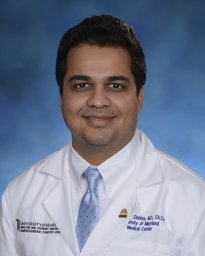 Dahiya Saurabh合作论文数Baystate Medical Center, Tufts University School of Medicine19
 Surbhi Sidana合作论文数Cleveland Clinic Foundation, Medicine Institute19
 Sally Arai合作论文数Blood and Marrow Transplantation and Cellular Therapy Division, School of Medicine, Stanford University17Hitomi Hosoya合作论文数16Matthew Frank合作论文数Medicine Department, Stanford University16
 David Miklos合作论文数Blood and Marrow Transplantation & Cellular Therapy Division, School of Medicine, Stanford University;Stanford Cancer Institute, School of Medicine, Stanford University16Cheryl A. C. Peretz合作论文数15Rezvani Andrew R合作论文数14
 Laura Johnston合作论文数Department of Medicine, Stanford University13Lekha Mikkilineni合作论文数12
 Robert Lowsky合作论文数Blood and Marrow Transplantation & Cellular Therapy Division, Stanford School of Medicine, Stanford University12
 Bita Sahaf合作论文数Bone Marrow Transplantation12Elaine Tran合作论文数11
 Crystal Mackall合作论文数School of Medicine, Stanford University11
 Aaron Logan合作论文数School of Medicine, University of California, San Francisco10
 Robert Negrin合作论文数Blood & Marrow Transplantation & Cellular Therapy Division, School of Medicine, Stanford University9Madan Jagasia合作论文数Department of Medicine, Vanderbilt University Medical Center9
 Judith Shizuru合作论文数Pediatrics Department, Stanford University9Andrew Koh合作论文数7Sandy W. Wong合作论文数7
 Khalid Shoumariyeh合作论文数Univ Freiburg, Med Ctr, Dept Hematol Oncol & Stem Cell Transplantat, Freiburg, Germany7
 Anne Marijn Kramer合作论文数7
 Peter Valent合作论文数Department of Medicine, Medizinische Universitat Wien;Ludwig Boltzmrnn Institute7
 Everett Meyer合作论文数Department of Medicine, Stanford University7
 Jason Gotlib合作论文数Department of Medicine, Stanford University7Cecelia Perkins合作论文数6
 Wolfgang R Sperr合作论文数Division of Hematology and Hemostaseology and Ludwig Boltzmann Institute for Hematology and Oncology, Medical University of Vienna6
 Rahul Banerjee合作论文数6
 Anna Belloni Fortina合作论文数Department of Medicine DIMED – Dermatology Unit, University of Padova6
 Marek Niedoszytko合作论文数6Sabato Vito合作论文数6
 Juliana Schwaab合作论文数6
 Mohamad Jawhar合作论文数6
 Caroppo Francesca合作论文数6
 Mattias Mattsson合作论文数6
 Andreas Reiter合作论文数6
 Massimo Triggiani合作论文数Division of Clinical Immunology and Allergy, University of Naples Federico II6
 Michel Arock合作论文数6
 Olivier Hermine合作论文数Hopital Necker-Enfants malades;Universite Paris Descartes;Inathéris6
 Judit Varkonyi合作论文数3rd Department of Internal Medicine, Semmelweis University6
 Alexander Edward Perl合作论文数Division of Hematology and Oncology, Perelman School of Medicine, University of Pennsylvania;Institute for Translational Medicine and Therapeutics, University of Pennsylvania;Hospital of the University of Pennsylvania6
 Nina Shah合作论文数School of Medicine, University of California, San Francisco6
 Chiara Elena合作论文数6
 Michael Doubek合作论文数6




