Sex-related differences in left ventricular (LV) remodeling in response to severe aortic stenosis (AS) and post-transcatheter aortic valve implantation (TAVI) remain unclear. Previous studies have demonstrated inconsistent and discordant findings regarding the relationships between LV remodeling and clinical endpoints across sexes following TAVI. More importantly, it has been shown that females with severe AS are often diagnosed later and less likely to be referred for TAVI. We sought to evaluate sex-based differences in LV remodeling prior to and after TAVI, and to assess whether these differences were associated with long-term clinical outcomes. We conducted a retrospective study of 977 patients with severe AS undergoing TAVI (2013–2020). Serial echocardiograms were performed at baseline (before TAVI) and at various timepoints post-TAVI. Echocardiographic parameters related to LV remodeling were extracted. Clinical outcomes (myocardial infarction [MI], heart failure hospitalization [HFH], stroke, and survival) were tracked over 10 years. Compared with males, females had larger baseline indexed LV end-diastolic dimension (26.5 ± 4.0 mm/m2 vs. 25.3 ± 3.5; p < 0.001), lower LV mass index[LVMI] (101.5 ± 28.0 vs. 111.5 ± 30.1 g/m2; p < 0.001), higher left ventricular ejection fraction (59.5 ± 11.13 vs. 53.8 ± 13.5
Background Neuroendocrine tumours (NETs) are uncommon cancers that secrete vasoactive hormones. Around half of those with metastatic small bowel NETs develop carcinoid syndrome, and historically, up to 50% develop carcinoid heart disease (CHD). We evaluated clinical characteristics, echocardiographic features, and outcomes of patients with NETs and CHD in a contemporary cohort to identify factors associated with CHD development and mortality. Methods We identified patients with NETs who underwent an echocardiogram at a tertiary cancer centre–affiliated laboratory (2013-2023). Patients were classified based on whether they developed CHD. Clinical characteristics, echocardiographic data within 6 months of NET diagnosis, treatments, and outcomes were compared between CHD and non-CHD patients. Results Over a 10-year period, 87 patients with NETs were identified (48% female; median age, 61 years), with 18 (21%) developing CHD. Primary small bowel NETs were more common with CHD (83% vs 55%, P = 0.032). Patients with CHD exclusively had right-sided valve involvement: 100% tricuspid, 61% pulmonary, and 0% mitral/aortic; 17% had a patent foramen ovale. Compared to non-CHD patients, CHD patients demonstrated higher right atrial volume index and right ventricular basal diameter, with more frequent right ventricular dysfunction. Patients with CHD had a lower median survival from the time of NET diagnosis (6.6 vs 13.4 years; P = 0.007). Among CHD patients, primary NET resection was associated with improved survival (P = 0.006). Conclusions Within a contemporary cohort, approximately 1 in 5 patients with NETs develop CHD and exhibit only right-sided valve involvement. CHD was associated with increased mortality whereas primary NET resection was associated with improved survival.
Background: Despite its high prevalence, little is known about the effect of sex on the management and outcomes of aortic stenosis (AS). We sought to characterize the effect of sex on the clinical evaluation for and provision of aortic valve replacement (AVR), including surgical (SAVR) and transcatheter aortic valve replacement (TAVR), and the subsequent morbidity and mortality outcomes. Methods: A comprehensive chart review was conducted on all patients with a first diagnosis of severe aortic stenosis (AS) at Vancouver General and University of British Columbia hospitals from 2012 to 2022. Exact chi-square and Kruskal–Wallis tests were used to evaluate the variables of interest. Results: A total of 1794 studies met the inclusion criteria, comprising 782 females (44%) and 1012 males (56%). Females were significantly older than males at the time of the first diagnosis (79 versus 75 years, p < 0.001). Females were significantly less likely to be evaluated by the TAVR clinic or cardiac surgeon or to receive aortic valve intervention (p-value ≤ 0.001). Females were significantly more likely to be rejected for TAVR due to older age (OR 0.23 (0.07, 0.59)), comorbid conditions (OR 0.68 (0.47, 0.97)), and frailty (OR 0.23 (0.07, 0.59)). Females were significantly more likely to be rejected for SAVR on the basis of frailty (OR 0.66 (0.46, 0.94)). Females also had significantly higher rates of 1-year mortality, hospitalization, and heart failure hospitalization compared to males (p-values < 0.05). Conclusions: Our data suggest significant sex-based discrepancies in the management of AS. Females with severe AS are diagnosed later in life and are less likely to be evaluated for valve intervention. They are less likely to receive intervention due to older age, frailty, and multimorbid conditions. Further research is warranted for a more effective identification and follow up of aortic stenosis, as well as timely referral for AVR, where appropriate, especially for females.
The recognition of atrial fibrillation (AF) allows for thromboembolic risk assessment and, in the majority of patients, reduction in morbidity and mortality through the initiation of oral anticoagulant use. Automated reporting of AF in patients who demonstrate ventricular pacing coincident with electrocardiogram (ECG) acquisition is poor. We sought to evaluate whether the reporting of AF increases AF clinical diagnosis and anticoagulation initiation, and whether an atrial rhythm reporting prompt increases the reporting rates.
Transthyretin cardiac amyloidosis (TTR-CA) is an under-recognized cause of heart failure. Technetium pyrophosphate (PYP) scintigraphy provides a method of diagnosing TTR-CA non-invasively while transthoracic echocardiography (TTE) is often the imaging modality that first raises the suspicion of TTR-CA. We aimed to compare the clinical and echocardiographic characteristics of patients with TTR-CA versus those with suspected but no TTR-CA among patients who underwent PYP scans.
Case Presentation: A 51-year-old woman presented with a >1-year history of bilateral leg edema, diarrhea, and facial flushing. Examination revealed a large abdominal mass, which CT scan confirmed to be a 15x11x13 cm ovarian mass with solid and cystic components. She underwent hysterectomy and bilateral salpingo-oophorectomy. Histopathology revealed a 17 cm ovarian dermoid cyst containing an insular carcinoid tumor. Her post-operative urinary 5-hydroxyindoleacetate (HIAA) level was 23 umol/d (normal 10-40 umol/d) and chromogranin-A level was 95 ug/L (normal <94 ug/L), but positron emission tomography (PET) scan showed lymph node metastasis, prompting initiation of lanreotide, a somatostatin analogue. A perioperative echocardiogram revealed thickened, fixed, and retracted tricuspid and pulmonic valves with severe tricuspid and pulmonary regurgitation consistent with carcinoid heart disease. The right ventricle was dilated but showed preserved systolic function. Valve intervention was considered but deferred as right heart catheterization 15 weeks after surgery showed normal right-sided pressures. A follow-up echo 8 months post resection showed unchanged pulmonary regurgitation but significant improvement in tricuspid valve mobility with a corresponding reduction in tricuspid regurgitation to a mild-to-moderate level. Discussion: Thickened and fixed tricuspid valve leaflets with significant regurgitation represents a hallmark of carcinoid heart disease that can lead to progressive right heart failure, often necessitating surgical intervention. This is a rare case of carcinoid heart disease where there was marked improvement in tricuspid valve function after surgical resection of a primary carcinoid tumor and initiation of somatostatin analog therapy. It highlights the potential for timely treatment to reverse the deleterious effects of carcinoid tumors on cardiac valves, which may ultimately spare the need for cardiac surgery.
We sought to determine the cardiac ultrasound view of greatest quality using a machine learning (ML) approach on a cohort of transthoracic echocardiograms (TTE) with abnormal left ventricular (LV) systolic function. We utilize an ML model to determine the TTE view of highest quality when scanned by sonographers. A random sample of TTEs with reported LV dysfunction from 09/25/2017-01/15/2019 were downloaded from the regional database. Component video files were analyzed using ML models that jointly classified view and image quality. The model consisted of convolutional layers for extracting spatial features and Long Short-term Memory units to temporally aggregate the frame-wise spatial embeddings. We report the view-specific quality scores for each TTE. Pair-wise comparisons amongst views were performed with Wilcoxon signed-rank test. Of 1,145 TTEs analyzed by the ML model, 74.5% were from males and mean LV ejection fraction was 43.1 ± 9.9%. Maximum quality score was best for the apical 4 chamber (AP4) view (70.6 ± 13.9%, p<0.001 compared to all other views) and worst for the apical 2 chamber (AP2) view (60.4 ± 15.4%, p<0.001 for all views except parasternal short-axis view at mitral/papillary muscle level, PSAX M/PM). In TTEs scanned by professional sonographers, the view with greatest ML-derived quality was the AP4 view.
In June 2021, western Canada experienced an unprecedented heat wave, breaking dozens of temperature records. As a result, the region had a significant uptick in sudden deaths, emergency department visits, and hospital admissions. Under thermal stress, the human body achieves heat dissipation through evaporation of sweat and increased cutaneous blood flow. When these mechanisms are overwhelmed, the core body temperature rises, which leads to heat stroke, a life-threatening syndrome of hyperthermia and central nervous system dysfunction in the setting of an environmental thermal load. Heat dissipation relies on an intact cardiovascular system to dilate cutaneous vasculature and increase cardiac output. Individuals with impaired cardiovascular function have a limited ability to increase stroke volume, cardiac output, and blood flow to the skin, increasing the risk of heat stroke. In turn, these patients, whose cardiac condition is already compromised, are susceptible to cardiovascular complications of heat stroke, including arrhythmias, myocardial ischemia, heart failure, shock, and sudden death. Indeed, the majority of excess deaths during heat waves are cardiovascular in origin, highlighting the impact the cardiovascular system has on the development of heat stroke, and vice versa. This review summarizes the current understanding of the interaction between the cardiovascular system and heat stroke, including the pathophysiology, cardiovascular complications, and treatment.
Background Cardiac intensive care units were originally created in the prerevascularization era for the early recognition of ventricular arrhythmias following a myocardial infarction. Many patients with stable ST-segment-elevation myocardial infarction (STEMI) are still routinely triaged to cardiac intensive care units after a primary percutaneous coronary intervention (pPCI), independent of clinical risk or the provision of critical care therapies. The aim of this study was to determine factors associated with in-hospital adverse events in a hemodynamically stable, postreperfusion population of patients with STEMI. Methods and Results Between April 2012 and November 2019, 2101 consecutive patients with STEMI who received pPCI in the Vancouver Coastal Health Authority were evaluated. Patients were stratified into those with and without subsequent adverse events, which were defined as cardiogenic shock, in-hospital cardiac arrest, stroke, re-infarction, and death. Multivariable logistic regression models were used to determine predictors of adverse events. After excluding patients presenting with cardiac arrest, cardiogenic shock, or heart failure, the final analysis cohort comprised 1770 stable patients with STEMI who had received pPCI. A total of 94 (5.3%) patients developed at least one adverse event: cardiogenic shock 55 (3.1%), in-hospital cardiac arrest 42 (2.4%), death 28 (1.6%), stroke 21 (1.2%), and re-infarction 5 (0.3%). Univariable predictors of adverse events were older age, female sex, prior stroke, chronic kidney disease, and atrial fibrillation. There was no significant difference in reperfusion times between those with and without adverse events. Following multivariable adjustment, moderate to severe chronic kidney disease (creatinine clearance <44 mL/min; 13% of cohort) was associated with adverse events (odds ratio 2.24 [95% CI, 1.12-4.48]) independent of reperfusion time, age, sex, smoking status, hypertension, diabetes, and prior myocardial infarction/PCI/coronary artery bypass grafting. Conclusions Only 1 in 20 initially stable patients with STEMI receiving pPCI developed an in-hospital adverse event. Moderate to severe chronic kidney disease independently predicted the risk of future adverse events. These results indicate that the majority of patients with STEMI who receive pPCI may not require routine admission to a cardiac intensive care unit following reperfusion.
The COVID-19 pandemic, with its need for distancing, has necessitated the use of virtual care in never-before-seen volumes. This review article aims to provide a primer on virtual care for cardiovascular professionals in Canada. The technology to facilitate remote patient interactions is already available, but barriers exist. Adequate and effective cardiac virtual care must be further developed given the need for rapid evaluation and close ongoing follow-up of patients, as seen in the areas of management of heart failure, cardiac rehabilitation, electrophysiology, and hypertension. Many Canadian organizations have published resources to assist health care providers and patients navigate the unfamiliar virtual care landscape. Although there are concerns surrounding issues such as patient privacy, access to technology, language discrepancies, and billing, these deficits provide opportunities for growth by health care organizations and technology companies. The integration of virtual care, home-based devices, and disruptive technologies emphasize the trend toward virtualization of health care, with the potential for greater personalization of health care interactions and continuity of care. Funding models were rapidly developed at the beginning of the COVID-19 pandemic, and although some provinces have deemed these changes as permanent, the status from other provinces remains unknown. The foundations to support virtual care as a key modality for health care delivery in Canada have been built, and further developments may strengthen its viability as a long-term option.
Right ventricular (RV) systolic dysfunction in patients with pulmonary hypertension is associated with worsening outcomes. Novel methods such as speckle tracking echocardiography (STE) can provide an assessment of strain and quantitate global and regional myocardial function. The objective of our study was to assess the relationships between commonly used methods of RV function and STE strain, and to further evaluate if strain can be used to risk stratify pulmonary hypertension. We included consecutive patients who had an echocardiogram performed with primary indication being “pulmonary hypertension” at Vancouver General Hospital between January 2021 and April 2021. Echocardiographic characteristics of the patients in the cohort were extracted from the hospital echo image archiving system, Syngo Dynamics [Siemens Medical Solutions, Ann Arbor, MI]. The extracted data included RV function by visual assessment, TAPSE, tissue Doppler RV S’, fractional area change (FAC), and pulmonary artery systolic pressure (PASP). Visual assessment was reported as either normal or abnormal (mild, moderate, severely reduced RV systolic function). Speckle tracking global RV strain was analyzed in this study by single operator (SB), using TomTec, as a novel assessment of RV function. Correlations between strain and different RV parameters were assessed. Comparison of strain to other RV parameters for prediction of severity of pulmonary hypertension was made. A total of 91 patients were included in our study (78 with nonmissing PASP). There was significant Spearman rank correlation between strain and the following parameters: RVA4C (r=-0.54, p= <.0001), TAPSE (r=0.56, p= <.0001), S’ (r=0.36, p=.0007), FAC (r=0.84. p= <.0001), and PASP (r=-0.63, p= <.0001). In linear regression models, strain predicts TAPSE [B=0.24, 95% C.I. (0.15, 0.32), p<.0001], RVA4C [B=-0.45, 95% C.I. (-0.60, -0.29), p<.0001], and PASP [B=-1.44, 95% C.I. (-1.90, -0.98), p<.0001]. Logistic regression models predicting PASP ³35mmHg, ³50mmHg, and ³70mmHg using strain were statistically significant ([OR= 0.88, 95% C.I. (0.83, 0.94), p=0.0003]; [OR= 0.79, 95% C.I. (0.69, 0.89), p=0.0002); and [OR=0.75, 95% C.I. (0.62, 0.90), p=0.0022]), respectively. FAC alone and strain alone predicts at least moderate (50mmHg+) pulmonary hypertension very well (ROC AUC: FAC 0.898; Strain 0.864; FAC+ Strain 0.900). The use of both FAC and strain provides the best predictive ability, even though this did not reach statistical significance. Speckle tracking strain assessment of RV global function can discriminate severity of pulmonary hypertension. It correlates well with other RV function parameters and enhances FAC in the prediction of at least moderate pulmonary hypertension.View Large Image Figure ViewerDownload Hi-res image Download (PPT)
 John Jue合作论文数Divisions of Cardiology & Cardiovascular Surgery, Department of Medicine, Faculty of Medicine, The University of British Columbia75
 Teresa S. M. Tsang合作论文数Division of Cardiology, Department of Medicine, Faculty of Medicine, The University of British Columbia63
 Parvathy Nair合作论文数Divisions of Cardiology & Cardiovascular Surgery, Department of Medicine, Faculty of Medicine, The University of British Columbia41
 P. K. Lee合作论文数28
 Christina Luong合作论文数Divisions of Cardiology & Cardiovascular Surgery, Department of Medicine, Faculty of Medicine, The University of British Columbia27Nair Parameswaran合作论文数17
 Michael Tsang合作论文数Divisions of Cardiology & Cardiovascular Surgery, Department of Medicine, Faculty of Medicine, The University of British Columbia13
 Purang Abolmaesumi合作论文数Department of Electrical and Computer Engineering, Faculty of Applied Science, The University of British Columbia;Department of Urologic Sciences, School of Biomedical Engineering, The University of British Columbia12Rubina Sunderji合作论文数12Darwin F Yeung合作论文数11C. Luong合作论文数10
 Krishnan Ramanathan合作论文数Department of Cardiology, Green Lane Hospital10
 J. Yim合作论文数Vancouver9D. Yeung合作论文数9Marion E. Barnes合作论文数9
 Jason Andrade合作论文数Divisions of Cardiology & Cardiovascular Surgery, Department of Medicine, Faculty of Medicine, The University of British Columbia8
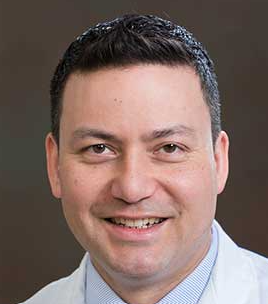 Christopher B. Fordyce合作论文数Centre for Cardiovascular Innovation, University of British Columbia8
 Andrew Krahn合作论文数Department of Medicine, Faculty of Medicine, University of British Columbia8
 David Wood合作论文数Divisions of Cardiology & Cardiovascular Surgery, Department of Medicine, Faculty of Medicine, The University of British Columbia8
 Matthew Bennett合作论文数Divisions of Cardiology & Cardiovascular Surgery, Department of Medicine, Faculty of Medicine, The University of British Columbia8Pui Kee Lee合作论文数7
 Darby J. S. Thompson合作论文数EMMES Canada7
 Shane Balthazaar合作论文数6Virani Sean A合作论文数6David Bewick合作论文数5Brian Clarke合作论文数5Anil Gupta合作论文数5
 Janarthanan Sathananthan合作论文数Centre for Cardiovascular and Heart Valve Innovation, St. Paul's and Vancouver General Hospital5Hany Girgis合作论文数Univ British Columbia, Vancouver, BC, Canada5Nathan Van Woudenberg合作论文数The University of British Columbia, Vancouver, Canada5
 Simone Cowan合作论文数Divisions of Cardiology & Cardiovascular Surgery, Department of Medicine, Faculty of Medicine, The University of British Columbia5
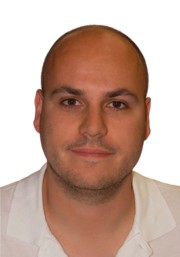 Idan Roifman合作论文数Department of Medicine, Temerty Faculty of Medicine, University of Toronto;Sunnybrook Research Institute, Sunnybrook Health Sciences Centre;Division of Cardiology, Department of Medicine, Sunnybrook Health Sciences Centre5
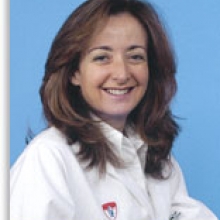 Ariane Marelli合作论文数Division of Epidemiology, Biostatistics and Occupational Health, School of Population and Global Health, Faculty of Medicine and Health Sciences, McGill University5
 Turgeon Ricky D合作论文数Faculty of Pharmaceutical Sciences, University of British Columbia5
 John Webb合作论文数St Paul's Hospital, University of British Columbia;Department of Medicine, Faculty of Medicine, University of British Columbia5
 Robert Rohling合作论文数Department of Electrical and Computer Engineering, Faculty of Applied Science, The University of British Columbia;School of Biomedical Engineering, Faculty of Applied Science and Faculty of Medicine, The University of British Columbia;Sonic Incytes5J. MacGillivray合作论文数4Marc Ruel合作论文数4Sean Hardiman合作论文数4Gurmeet Singh合作论文数4H. Girgis合作论文数4
 Delaram Behnami合作论文数Univ British Columbia, Vancouver, BC, Canada4Simon Jackson合作论文数4Cedric Carter合作论文数4
 Jean-Francois Legare合作论文数4
 Sammy Chan合作论文数Divisions of Cardiology & Cardiovascular Surgery, Department of Medicine, Faculty of Medicine, The University of British Columbia4
 Chi-Ming Chow (周志明)合作论文数Toronto Heart Centre;Department of Medicine, Temerty Faculty of Medicine, University of Toronto;Medcan;USquareSoft;St. Michael's Hospital4
 Howard Leong-Poi合作论文数Institute of Medical Science, Temerty Faculty of Medicine, University of Toronto;Keenan Research Centre for Biomedical Science, St. Michael's Hospital;Division of Cardiology, St. Michael's Hospital4




