Zymocin-like killer toxins are anticodon nucleases secreted by some budding yeast species, which kill competitor yeasts by cleaving tRNA molecules. They are encoded by virus-like elements (VLEs), cytosolic linear DNA molecules that are also called killer plasmids. To date, toxins of this type have been found only in budding yeast species (Saccharomycotina). Here, we show that the nuclear genomes of many filamentous fungi (Pezizomycotina) contain small clusters of genes coding for a zymocin-like ribonuclease (γ-toxin), a chitinase (toxin α/β-subunit), and in some cases an immunity protein. The γ-toxins from Fusarium oxysporum and Colletotrichum siamense abolished growth when expressed intracellularly in S. cerevisiae. Phylogenetic analysis of glycoside hydrolase 18 (GH18) domains shows that the chitinase genes in the gene clusters are members of the previously described C-II subgroup of Pezizomycotina chitinases. We propose that the Pezizomycotina gene clusters originated by integration of a yeast-like VLE into the nuclear genome, but this event must have been ancient because (1) phylogenetically, the Pezizomycotina C-II chitinases and the Saccharomycotina VLE-encoded toxin α/β subunit chitinases are sister clades with neither of them nested inside the other, and (2) many of the Pezizomycotina toxin cluster genes contain introns, whereas VLEs do not. One of the toxin gene clusters in Fusarium graminearum is a locus that has previously been shown to be under diversifying selection in North American populations of this plant pathogen. We also show that two genera of agaric mushrooms (Basidiomycota) have acquired toxin gene clusters by horizontal transfers from different Pezizomycotina donors.
Cyberlindnera sylvatica is a member of the Cyberlindnera clade in the order Phaffomycetales. We present the genome sequence of C. sylvatica. The sequenced strain, UCD1060, was isolated from soil in Wicklow, Ireland. This genome is 13.5 Mb and was assembled into seven chromosome-sized contigs plus a mitochondrial genome contig.
Candida parapsilosis is an opportunistic yeast pathogen that can cause life-threatening infections in immunocompromised humans. Whole-genome sequencing studies of the species have demonstrated remarkably low diversity, with strains typically differing by about 1.5 single nucleotide polymorphisms (SNPs) per 10 kb. However, SNP calling alone does not capture the full extent of genetic variation. Here, we define the pangenome of 372 C. parapsilosis isolates to determine variation in gene content. The pangenome consists of 5,859 genes, of which 48 are not found in the genome of the reference strain. This includes 5,791 core genes (present in ≥99.5% of isolates). Four genes, including the allantoin permease gene DAL4, were present in all isolates but were truncated in some strains. The truncated DAL4 was classified as a pseudogene in the reference strain CDC317. CRISPR-Cas9 gene editing showed that removing the early stop codon (producing the full-length Dal4 protein) is associated with improved use of allantoin as a sole nitrogen source. We find that the accessory genome of C. parapsilosis consists of 68 homologous clusters. This includes 38 previously annotated genes, 27 novel paralogs of previously annotated genes, and 3 uncharacterized open reading frames. Approximately one-third of the accessory genome (24/68 genes) is associated with gene fusions between tandem genes in the major facilitator superfamily. Additionally, we identified two highly divergent C. parapsilosis strains and found that, despite their increased phylogenetic distance (~30 SNPs per 10 kb), both strains have similar gene content to the other 372.IMPORTANCECandida parapsilosis is a human fungal pathogen listed in the high-priority group by the World Health Organization. It is an increasing cause of hospital-acquired and drug-resistant infections. Here, we studied the genetic diversity of 372 C. parapsilosis isolates, the largest genomic surveillance of this species to date. We show that there is relatively little genetic variation. However, we identified two more distantly related isolates from Germany, suggesting that even more sampling may yield more diversity. We find that the pangenome (the cumulative gene content of all isolates) is surprisingly small, compared to other fungal species. Many of the non-core genes are involved in transport. We also find that variations in gene content are associated with nitrogen metabolism, which may contribute to the virulence characteristics of this species.
Two yeast strains, PYCC 10015 and PYCC 10016, were isolated from soil from an Irish forest. Sequence analysis of the internal transcribed spacer (ITS) region (ITS1-5.8S-ITS2) of the rRNA gene repeat, and the D1/D2 domain of the LSU rRNA gene, showed that they belong to the Cyberlindnera and Barnettozyma genera of the order Phaffomycetales, but they did not exactly match any known species. The genomes of both isolates were sequenced using Oxford Nanopore Technologies and Illumina sequencing, generating chromosome-level genome assemblies. Phylogenomic analysis of 1,385 single-copy orthologues from 37 Phaffomycetales species and 2 outgroups showed that the closest relative of PYCC 10015 is Cyberlindnera galapagoensis and that PYCC 10016 is placed in a subclade containing 7 other species from the Barnettozyma genus. The average nucleotide identity between these strains and their closest relatives is <75%, supporting their designation as novel species. Here, we propose the names Cyberlindnera hibernica sp. nov. and Barnettozyma discipulorum sp. nov. for PYCC 10015 and PYCC 10016, respectively.
Zymocin is a well-characterized killer toxin secreted by some strains of the yeast Kluyveromyces lactis . It acts by cleaving a specific tRNA in sensitive recipient cells. Zymocin is encoded by a killer plasmid or virus-like element (VLE), which is a linear DNA molecule located in the cytosol. We hypothesized that a tRNA-cleaving toxin similar to zymocin may have caused the three parallel changes to the nuclear genetic code that occurred during yeast evolution, in which the codon CUG became translated as Ser or Ala instead of Leu. However, zymocin-like toxins are rare — both among species, and among strains within a species —and only four toxins of this type have previously been discovered. Here, we identified 45 zymocin-like toxin genes in Saccharomycotina, the budding yeast subphylum, using a bioinformatics strategy, and verified that many of them are toxic to Saccharomyces cerevisiae when expressed. Some of the toxin genes are located on cytosolic VLEs, whereas others are on VLE-derived DNA integrated into the nuclear genome. The toxins are extraordinarily diverse in sequence and show evidence of positive selection. Toxin genes were found in five taxonomic orders of budding yeasts, including two of the three orders that reassigned CUG codons, indicating that VLEs have been parasites of yeast species for at least 300 My and that their existence predates the genetic code changes.
Candida solani is a member of the Wickerhamomyces clade of budding yeasts. We present the genome sequence of C. solani strain UCD1087, which was isolated from soil on the University College Dublin (UCD) campus in Ireland. This genome is 12.85 Mb and was assembled into six chromosome-sized contigs plus a mitochondrial genome contig.
We report genome sequences of two new isolates of the budding yeast Candida zeylanoides. Strain UCD849 from soil in Ireland was assembled into eight complete chromosomes. Strain AWD from an African Wild Dog in a US zoo was sequenced to draft level. The assemblies are 10.6 Mb and 99.57% identical.
In the yeast genera Saccharomycopsis and Ascoidea, which comprise the taxonomic order Ascoideales, nuclear genes use a nonstandard genetic code in which CUG codons are translated as serine instead of leucine, due to a tRNA-Ser with the unusual anticodon CAG. However, some species in this clade also retain an ancestral tRNA-Leu gene with the same anticodon. One of these species, Ascoidea asiatica, has been shown to have a stochastic proteome in which proteins contain ∼50% Ser and 50% Leu at CUG codon sites, whereas previously examined Saccharomycopsis species translate CUG only as Ser. Here, we investigated the presence, conservation, and possible functionality of the tRNA-Leu(CAG) gene in the genus Saccharomycopsis. We sequenced the genomes of 23 strains that, together with previously available data, include almost every known species of this genus. We found that most Saccharomycopsis species have genes for both tRNA-Leu(CAG) and tRNA-Ser(CAG). However, tRNA-Leu(CAG) has been lost in Saccharomycopsis synnaedendra and Saccharomycopsis microspora, and its predicted cloverleaf structure is aberrant in all the other Saccharomycopsis species. We deleted the tRNA-Leu(CAG) gene of Saccharomycopsis capsularis and found that it is not essential. Proteomic analyses in vegetative and sporulating cultures of S. capsularis and Saccharomycopsis fermentans showed only translation of CUG as Ser. Despite its unusual structure, the tRNA-Leu(CAG) gene shows evidence of sequence conservation among Saccharomycopsis species, particularly in its acceptor stem and leucine identity elements, which suggests that it may have been retained in order to carry out an unknown nontranslational function.
Schwanniomyces capriottii is a member of the Debaryomycetaceae family in the order Saccharomycetales. Here, we present the genome sequence of S. capriottii UCD805, which was isolated from soil in Dublin, Ireland. This genome is 12.2 Mb and was assembled into 14 scaffolds plus a mitochondrial genome scaffold.
Annual surveys of Irish soil samples identified three isolates, CBS 16921 (UCD88), CBS 18246 (UCD443), and CBS 18247 (UCD483), of an apiculate yeast species within the Hanseniaspora genus. The internal transcribed spacer (ITS) and D1/D2 region of the large subunit (LSU) rRNA sequences showed that these are isolates of the recently described species Hanseniaspora menglaensis, first isolated from Southwest China. No genome sequence for H. menglaensis is currently available. The genome sequences of the three Irish isolates were determined using short-read (Illumina) sequencing, and the sequence of one isolate (CBS 16921) was assembled to chromosome level using long-read sequencing (Oxford Nanopore Technologies). Phylogenomic analysis shows that H. menglaensis belongs to the fast-evolving lineage (FEL) of Hanseniaspora. Only one MAT idiomorph (encoding MATα1) was identified in all three sequenced H. menglaensis isolates, consistent with one mating type of a heterothallic species. Genome comparisons showed that there has been a rearrangement near MATα of FEL species compared to isolates from the slowly evolving lineage (SEL).
Homing genetic elements are a form of selfish DNA that inserts into a specific target site in the genome and spreads through the population by a process of biased inheritance. Two well-known types of homing element, called inteins and homing introns, were discovered decades ago. In this review we describe WHO elements, a newly discovered type of homing element that constitutes a distinct third category but is rare, having been found only in a few yeast species so far. WHO elements are inferred to spread using the same molecular homing mechanism as inteins and introns: they encode a site-specific endonuclease that cleaves the genome at the target site, making a DNA break that is subsequently repaired by copying the element. For most WHO elements, the target site is in the glycolytic gene FBA1. WHO elements differ from inteins and homing introns in two fundamental ways: they do not interrupt their host gene (FBA1), and they occur in clusters. The clusters were formed by successive integrations of different WHO elements into the FBA1 locus, the result of an ‘arms race’ between the endonuclease and its target site. We also describe one family of WHO elements (WHO10) that is no longer specifically associated with the FBA1 locus and instead appears to have become transposable, inserting at random genomic sites in Torulaspora globosa with up to 26 copies per strain. The WHO family of elements is therefore at the borderline between homing genetic elements and transposable elements.
The subphylum Saccharomycotina is a lineage in the fungal phylum Ascomycota that exhibits levels of genomic diversity similar to those of plants and animals. The Saccharomycotina consist of more than 1 200 known species currently divided into 16 families, one order, and one class. Species in this subphylum are ecologically and metabolically diverse and include important opportunistic human pathogens, as well as species important in biotechnological applications. Many traits of biotechnological interest are found in closely related species and often restricted to single phylogenetic clades. However, the biotechnological potential of most yeast species remains unexplored. Although the subphylum Saccharomycotina has much higher rates of genome sequence evolution than its sister subphylum, Pezizomycotina, it contains only one class compared to the 16 classes in Pezizomycotina. The third subphylum of Ascomycota, the Taphrinomycotina, consists of six classes and has approximately 10 times fewer species than the Saccharomycotina. These data indicate that the current classification of all these yeasts into a single class and a single order is an underappreciation of their diversity. Our previous genome-scale phylogenetic analyses showed that the Saccharomycotina contains 12 major and robustly supported phylogenetic clades; seven of these are current families (Lipomycetaceae, Trigonopsidaceae, Alloascoideaceae, Pichiaceae, Phaffomycetaceae, Saccharomycodaceae, and Saccharomycetaceae), one comprises two current families (Dipodascaceae and Trichomonascaceae), one represents the genus Sporopachydermia, and three represent lineages that differ in their translation of the CUG codon (CUG-Ala, CUG-Ser1, and CUG-Ser2). Using these analyses in combination with relative evolutionary divergence and genome content analyses, we propose an updated classification for the Saccharomycotina, including seven classes and 12 orders that can be diagnosed by genome content. This updated classification is consistent with the high levels of genomic diversity within this subphylum and is necessary to make the higher rank classification of the Saccharomycotina more comparable to that of other fungi, as well as to communicate efficiently on lineages that are not yet formally named.
Some budding yeast species contain cytosolic linear DNA plasmids (also called virus-like elements, VLEs) that code for killer toxins that can kill other yeasts. The toxins are anticodon nucleases that cleave a specific tRNA in the cells being attacked, stopping translation. The best known plasmids of this type are the pGKL1/pGKL2 system of Kluyveromyces lactis . pGKL1 is a killer plasmid encoding the toxin zymocin (γ-toxin) which cleaves tRNA-Glu, and pGKL2 is a helper plasmid required for replication and transcription of pGKL1. Here, we investigated similar plasmids in the genus Saccharomycopsis that were originally described in the 1980s. Saccharomycopsis has undergone an evolutionary change of its genetic code, from CUG-Leu to CUG-Ser translation, which we hypothesized could have been driven by a tRNA-cleaving toxin encoded by a cytosolic plasmid. We sequenced a three-plasmid system in S. crataegensis , consisting of apparent killer, immunity, and helper plasmids. The killer plasmid contains genes coding for putative α/β (chitin-binding) and γ (ribonuclease) toxin subunits, but the γ-toxin gene is damaged in all the isolates we examined. We inferred the sequence of the intact S. crataegensis γ-toxin and expressed it in Saccharomyces cerevisiae and Kluyveromyces marxianus , but it did not cause a growth defect. We also identified free plasmids, or plasmids integrated into the nuclear genome, in nine other Saccharomycopsis species, including a case of recent interspecies transfer of a plasmid. Our results show that many yeasts in the CUG-Ser2 clade contain, or have in the past contained, plasmids related to those that carry anticodon nucleases.### Competing Interest StatementThe authors have declared no competing interest.
In the yeast genera Saccharomycopsis and Ascoidea , nuclear genes use a non-standard genetic code in which CUG codons are translated as serine instead of leucine, due to a tRNA-Ser with the unusual anticodon CAG. However, some species in this ‘CUG-Ser2’ clade also contain an ancestral tRNA-Leu gene with the same anticodon. One of these species, Ascoidea asiatica , has been shown to have a stochastic proteome in which proteins contain approximately 50% Ser and 50% Leu at CUG codon sites, whereas previously examined Saccharomycopsis species translate CUG only as Ser. Here, we investigated the presence, conservation, and possible functionality of the tRNA-Leu(CAG) gene in the genus Saccharomycopsis . We analyzed the genomes of 33 strains, including almost all known species of Saccharomycopsis , and found that most of them contain both tRNA-Ser(CAG) and tRNA-Leu(CAG) genes. The tRNA-Leu(CAG) gene is evolving faster than tRNA-Ser(CAG) and it has been lost in two species, S. microspora and S. synnaedendra . We deleted the single tRNA-Leu(CAG) gene in S. capsularis and found that it is not essential. Bioinformatic analysis suggested that some CUG codon sites in Saccharomycopsis species may be translated as Leu, specifically in genes with functions in meiosis or sporulation, but mass spectrometry of sporulating S. capsularis and S. fermentans cultures showed only CUG-Ser translation. Cloverleaf structures of tRNA-Leu(CAG) from all Saccharomycopsis species contain mutations that are likely to make them non-functional in translation, but the evolutionary conservation of the gene leads us to propose that it has been retained for an unknown non-translational role.### Competing Interest StatementThe authors have declared no competing interest.
Pichia kluyveri strain APC 11.10 B was isolated from apple bark in Switzerland and exhibited strong antagonistic activity against plant pathogenic fungi in vitro (e.g., Botrytis, Fusarium or Monilinia isolates). In order to identify the mechanisms underlying this antagonism, we have sequenced the genome of this isolate by long- and short-read sequencing technologies. The sequence data were de novo assembled into nine scaffolds and a fully resolved circularized mitogenome. The total genome size was 10.9 Mbp and 7451 potential open reading frames (ORFs) and 202 tRNA genes were predicted. In comparison to two P. kluyveri genomes deposited at the NCBI (of strains X31-10 and CBA6002), the APC 11.10 B strain seemed to represent a hybrid because backmapping of sequencing reads resulted in a high rate of heterozygous and structural variants in the nuclear genome (this was not observed for the mitochondrial genome). The P. kluyveri (APC 11.10 B) draft genome represents a first step and resource for genome mining, comparative and functional genomics (e.g., identifying the biocontrol mode of action), and evolutionary studies. Since the genus Pichia comprises many biotechnologically relevant yeasts, the genome data may be used in a variety of fields and disciplines.
We used whole-genome sequencing to analyse a collection of 35 fluconazole resistant and 7 susceptible Candida parapsilosis isolates together with coverage analysis and GWAS techniques to identify new mechanisms of fluconazole resistance. Phylogenetic analysis shows that although the collection is diverse, two probable outbreak groups were identified. We identified copy number variation of two genes, ERG11 and CDR1B, in resistant isolates. Two strains have a CNV at the ERG11 locus; the entire ORF is amplified in one, and only the promoter region is amplified in the other. We show the annotated telomeric gene CDR1B is actually an artefactual in silico fusion of two highly similar neighbouring CDR genes due to an assembly error in the C. parapsilosis CDC317 reference genome. We report highly variable copy numbers of the CDR1B region across the collection. Several strains have increased expansion of the two genes into a tandem array of new chimeric genes. Other strains have experienced a deletion between the two genes creating a single gene with a reciprocal chimerism. We find translocations, duplications, and gene conversion across the CDR gene family in the C. parapsilosis species complex, showing that it is a highly dynamic family.
Torulaspora quercuum is an ascomycete yeast first isolated in 2009. Here, we present the genome sequence of T. quercuum isolate UCD657, which was isolated from soil in Ireland. This genome is 10.4 Mb and was assembled into 8 chromosome-sized scaffolds of >1 Mb in size, plus a mitochondrial genome scaffold.
The yeast Komagataella phaffii (formerly called Pichia pastoris) is used widely as a host for secretion of heterologous proteins, but only a few isolates of this species exist and all the commonly used expression systems are derived from a single genetic background, CBS7435 (NRRL Y-11430). We hypothesized that other genetic backgrounds could harbor variants that affect yields of secreted proteins. We crossed CBS7435 with 2 other K. phaffii isolates and mapped quantitative trait loci (QTLs) for secretion of a heterologous protein, β-glucosidase, by sequencing individual segregant genomes. A major QTL mapped to a frameshift mutation in the mannosyltransferase gene HOC1, which gives CBS7435 a weaker cell wall and higher protein secretion than the other isolates. Inactivation of HOC1 in the other isolates doubled β-glucosidase secretion. A second QTL mapped to an amino acid substitution in IRA1 that tripled β-glucosidase secretion in 1-week batch cultures but reduced cell viability, and its effects are specific to this heterologous protein. Our results demonstrate that QTL analysis is a powerful method for dissecting the basis of biotechnological traits in nonconventional yeasts, and a route to improving their industrial performance.
Lager brewing first occurred in Bavaria in the 15th century, associated with restrictions of brewing to colder months. The lager yeast, Saccharomyces pastorianus, is cold tolerant. It is a hybrid between Saccharomyces cerevisiae and Saccharomyces eubayanus, and has been found only in industrial settings. Natural isolates of S. eubayanus were first discovered in Patagonia 11 years ago. They have since been isolated from China, Tibet, New Zealand, and North America, but not from Europe. Here, we describe the first European strains UCD646 and UCD650, isolated from a wooded area on a university campus in Dublin, Ireland. We generated complete chromosome level assemblies of both genomes using long- and short-read sequencing. The UCD isolates belong to the Holarctic clade. Genome analysis shows that isolates similar to the Irish strains contributed to the S. eubayanus component of S. pastorianus, but isolates from Tibet made a larger contribution.
Cyberlindnera sargentensis strain SHA 17.2, isolated from a Swiss soil sample, exhibited strong antagonistic activity against several plant pathogenic fungi in vitro and was highly competitive against other yeasts in soil. As a basis for identifying the mechanisms underlying its strong antagonistic activity, we have sequenced the genome of C. sargentensis (SHA 17.2) by long- and short read sequencing, de novo assembled them into seven contigs/chromosomes and a mitogenome (total genome size 11.4 Mbp), and annotated 5455 genes. This high-quality genome is the reference for transcriptome and proteome analyses aiming at elucidating the mode of action of C. sargentensis against fungal plant pathogens. It will thus serve as a resource for identifying potential biocontrol genes and performing comparative genomics analyses of yeast genomes.
 Kevin P Byrne合作论文数43
 Geraldine Butler合作论文数School of Biomolecular and Biomedical Science, University College Dublin38
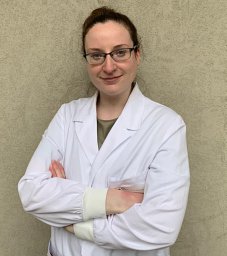 Aisling Y Coughlan合作论文数Univ Coll Dublin, UCD Conway Inst, Sch Med, Dublin, Ireland16
 Paul Sharp合作论文数School of Biological Sciences, College of Science & Engineering, University of Edinburgh15
 Eoin O Cinneide合作论文数13
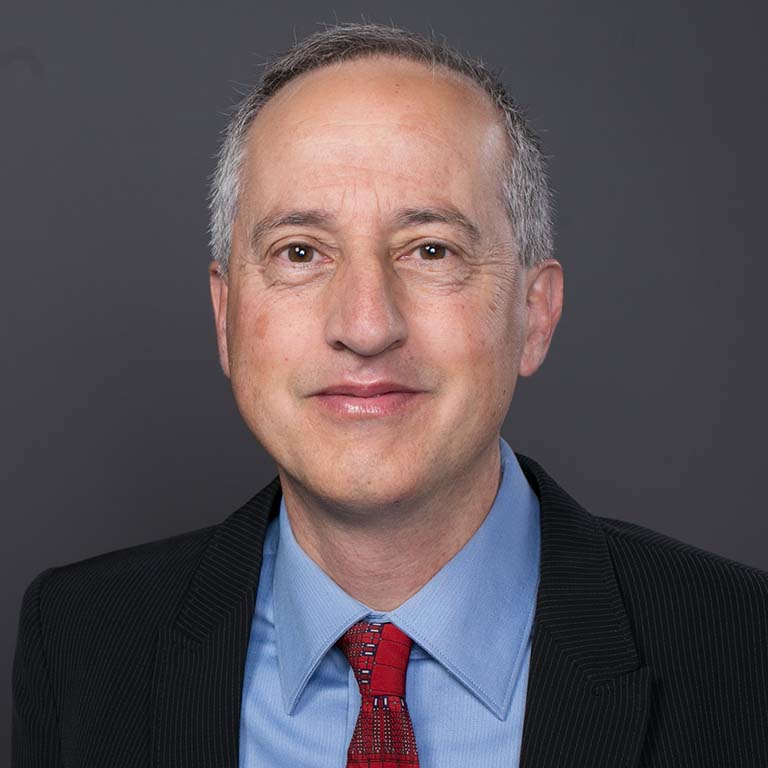 Jeffrey Palmer合作论文数Department of Biology, College of Arts & Sciences, Indiana University12
 Cathal Seoighe合作论文数Sch Math Stat & Appl Math, Natl Univ Ireland11
 Sean A Bergin合作论文数10
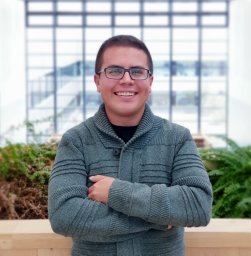 Raúl A Ortiz-Merino合作论文数Conway Inst, Univ Coll Dublin10
 Clifford W Morden合作论文数10Adam Ryan合作论文数9Caoimhe E O'Brien合作论文数8
 Stephanie Braun Galleani合作论文数Sch Biochem Engn, Pontificia Univ Catolica Valparaiso8
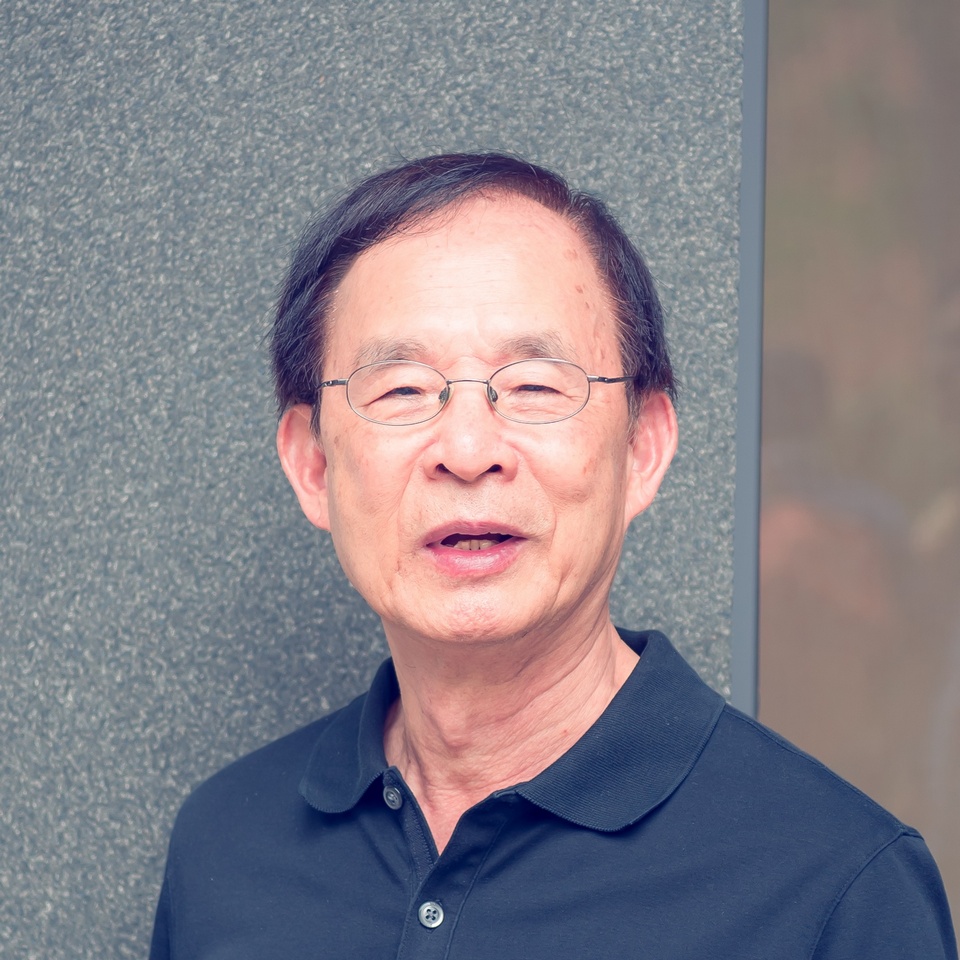 Wen-Hsiung Li (李文雄)合作论文数Biodiversity Research Center, Academia Sinica;Department of Ecology & Evolution, The University of Chicago8
 Aoife Mclysaght合作论文数Smurfit Inst Genet, Univ Dublin Trinity Coll8
 Simon Wong合作论文数stanford university7
 Sara J Hanson合作论文数School of Medicine and Medical Science, University College Dublin7
 Karsten Hokamp合作论文数Smurfit Institute of Genetics, Trinity College Dublin7
 Gavin C Conant合作论文数Department of Biology;University of New Mexico;Department of Biology, University of New Mexico7Conor Hession合作论文数6Padraic G. Heneghan合作论文数6Gordon Jonathan L合作论文数6Nora Khaldi合作论文数6
 Tadhg O Croinin合作论文数Our Lady's Hospital for Sick Children, University College Dublin6Seán S. ÓhÉigeartaigh合作论文数5
 Des Higgins合作论文数Centre for Bioinformatics, School of Medicine, University College Dublin5
 Proux-Wéra Estelle合作论文数Smurfit Institute of Genetics, Trinity College5Armisén David合作论文数5Marie Sémon合作论文数Smurfit Institute of Genetics, Trinity College Dublin5
 Susanne Barth合作论文数Teagasc Crops Research Centre5
 Antonis Rokas合作论文数Department of Biological Sciences, Vanderbilt University5Brian P. Cusack合作论文数5Denis C Shields合作论文数5
 Mario A. Fares合作论文数Trinity College, University of Dublin5P. Douglass Alexander合作论文数4Matthieu Osborne合作论文数4
 Anjan Venkatesh合作论文数UCD Conway Inst, Univ Coll Dublin4
 Chris Todd Hittinger合作论文数Laboratory of Genetics, College of Agricultural and Life Sciences, University of Wisconsin-Madison4
 John P. Morrissey合作论文数University of Edinburgh4Scannell Devin R合作论文数Smurfit Inst Genet, Univ Dublin Trinity Coll4
 Jure Piskur合作论文数Lunds Universitet4Kerstin Diekmann合作论文数4
 Peadar Ó Gaora合作论文数School of Biomolecular and Biomedical Science, University College Dublin4Elzbieta Rozpedowska合作论文数4
 Trevor R Hodkinson合作论文数Sch Nat Sci, Univ Dublin4
 Richard Olmstead合作论文数Department of Biology, College of Arts and Sciences, University of Washington4
 Avril Coghlan合作论文数Wellcome Trust Sanger Institute;Wellcome Trust Genome Campus;Wellcome Trust Genome Campus, Wellcome Trust Sanger Institute4
 Markus S. Schröder合作论文数4Alexandre Martos合作论文数3




