PDF file - 73K, Association of clinicopathological characteristics of tumours with miR-187 expression in Cohort 2 (n=470) using Pearson's chi-squared test
PDF file - 85K, qRT-PCR, standard in vitro functional assays and Western blotting description
PDF file - 414K, miR187 ectopic expression in MCF7, effects on growth, quantification of invasion
PDF - 219K, Table S1. CAS (Chemical Abstracts Service) numbers, molecular formulas, structures and references for each of the compounds used in the study.
PDF - 186K, Figure S2. Additional Retinoic Acid (RA) and cell viability. A. The effect of increased RA concentration on MYC mRNA expression in 48h doxycycline and 24h RA treated SY5Y-MYCN cells, assayed by qPCR. B. Time course of NVP-BEZ235 (dual PI3K/mTOR inhibitor) treatment on viability across the different cell lines, as measured by MTS assays. C. The effect of various inhibitors on viability across the different cell lines, as measured by MTS assays after 48h of inhibitor treatment. D. Viability results for SY5Y-MYCN cells with and without doxycycline induction (72h) of ectopic MYCN expression, treated with inhibitors for 48h as measured by MTS assays.
PDF - 98K, Table S2. Flow Cytometry full details in accordance with the MIFlowCyt Standard.
Articular cartilage has only very limited regenerative capacities in humans. Tissue engineering techniques for cartilage damage repair are limited in the production of hyaline cartilage. Mesenchymal stem/stromal cells (MSCs) are multipotent stem cells and can be differentiated into mature cartilage cells, chondrocytes, which could be used for repairing damaged cartilage. Chondrogenesis is a highly complex, relatively inefficient process lasting over 3 weeks in vitro. Methods: In order to better understand chondrogenic differentiation, especially the commitment phase, we have performed transcriptional profiling of MSC differentiation into chondrocytes from early timepoints starting 15 minutes after induction to 16 hours and fully differentiated chondrocytes at 21 days in triplicates.
Supplementary Data from Altered Cytoplasmic-to-Nuclear Ratio of Survivin Is a Prognostic Indicator in Breast Cancer
PDF file - 65K, miRNAs associated with poor outcome in breast cancer patient cohorts
PDF - 122K, Figure S1. Additional expression regulation data. A. Comparison of mRNA-seq and RT-qPCR measurements for the same differentially expressed mRNAs in IMR32 cells upon 24h GSK3 inhibitor treatments. B. Time course of azakenpaullone mediated ectopic MYCN mRNA reduction in SY5Y-MYCN, measured by RT-qPCR. C. RT-qPCR results of GSK3 inhibitor regulation of c-MYC in CRC cell lines. D. pSMAD levels in IMR32 upon GSK3 inhibitor treatment. E. MDM2 mRNA expression level in response to GSK3 inhibition, mRNA-seq data. F. Wnt Agonist 1 and BIO treatment regulated the mRNA (top) and protein (bottom) of MYC genes in a similar manner.
PDF file - 73K, Association of clinicopathological characteristics of tumours with miR-187 expression in Cohort 1 (n=117) using Pearson's chi-squared test
PDF file - 47K, miR187 expression and patient outcome stratified according to ER status
PDF - 259K, Figure S3. Additional p53 and neuroblastoma prognostic markers overlap data. A. p53 signalling pathway schematic with LiCl differentially regulated genes overlaid, key as in image and as described in Fig. 5B. B. Overlap between IPA predicted upstream regulators from inhibitor mRNA-seq (top 110) and a 157 neuroblastoma risk stratification gene signature (all 31), image generated using Venny.
Clustal Omega is a version, completely rewritten and revised in 2011, of the widely used Clustal series of programs for multiple sequence alignment. It can deal with very large numbers (many tens of thousands) of DNA/RNA or protein sequences due to its use of the mBed algorithm for calculating guide-trees. This algorithm allows very large alignment problems to be tackled very quickly, even on personal computers. The accuracy of the program has been considerably improved over earlier Clustal programs, through the use of the HHalign method for aligning profile hidden Markov models. The program currently is used from the command-line or can be run online.
Clustal Omega is a version, completely rewritten and revised in 2011, of the widely used Clustal series of programs for multiple sequence alignment. It can deal with very large numbers (many tens of thousands) of DNA/RNA or protein sequences due to its use of the mBed algorithm for calculating guide-trees. This algorithm allows very large alignment problems to be tackled very quickly, even on personal computers. The accuracy of the program has been considerably improved over earlier Clustal programs, through the use of the HHalign method for aligning profile hidden Markov models. The program currently is used from the command-line or can be run online.
Intrinsically disordered proteins (IDPs) and intrinsically disordered regions (IDRs) are now recognised as major determinants in cellular regulation. This white paper presents a roadmap for future e-infrastructure developments in the field of IDP research within the ELIXIR framework. The goal of these developments is to drive the creation of high-quality tools and resources to support the identification, analysis and functional characterisation of IDPs. The roadmap is the result of a workshop titled “An intrinsically disordered protein user community proposal for ELIXIR” held at the University of Padua. The workshop, and further consultation with the members of the wider IDP community, identified the key priority areas for the roadmap including the development of standards for data annotation, storage and dissemination; integration of IDP data into the ELIXIR Core Data Resources; and the creation of benchmarking criteria for IDP-related software. Here, we discuss these areas of priority, how they can be implemented in cooperation with the ELIXIR platforms, and their connections to existing ELIXIR Communities and international consortia. The article provides a preliminary blueprint for an IDP Community in ELIXIR and is an appeal to identify and involve new stakeholders.
 Jean Manguy合作论文数UCD Conway Inst, Univ Coll Dublin32Denis C Shields合作论文数30
 William Gallagher合作论文数School of Biomolecular and Biomedical Science, University College Dublin;Conway Institute of Biomolecular and Biomedical Research, University College Dublin;OncoMark22
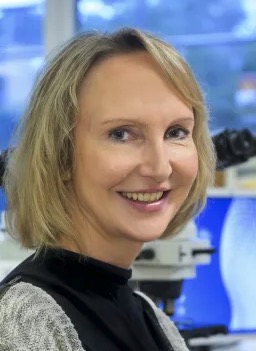 Karin Jirström合作论文数Faculty of Medicine, Lund University21
 Peter Jehl合作论文数19
 Norman E. Davey合作论文数Conway Institute of Biomolecular and Biomedical Sciences;University College Dublin;Conway Institute of Biomolecular and Biomedical Sciences, University College Dublin19
 Darran O'Connor合作论文数School of Pharmacy and Biomolecular Sciences, Royal College of Surgeons in Ireland17Fabian Sievers合作论文数17Stephen F. Madden合作论文数16
 Walter Kolch合作论文数School of Medicine, University College Dublin16
 Gabriela Gremel合作论文数16
 Laoighse Mulrane合作论文数16Donal J Brennan合作论文数UCD Conway Institute, University College Dublin16
 Sara Mcnally合作论文数14
 John Crown合作论文数Department of Medical Oncology, St. Vincent's University Hospital;University College Dublin;Dublin City University14
 Schwarzl Thomas合作论文数14
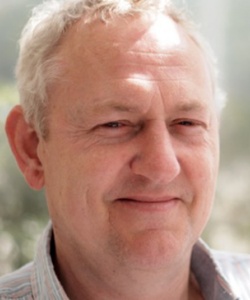 Toby Gibson合作论文数European Molecular Biology Laboratory14Finian Martin合作论文数13
 Aedín Culhane合作论文数Health Research Institute, University of Limerick;School of Medicine, University of Limerick13Sharon McGee合作论文数12
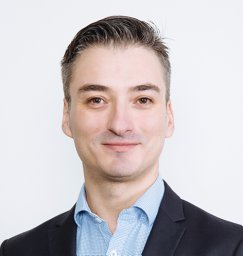 Aleksandar Krstic合作论文数University of Belgrade Institute of Molecular Genetics and Genetic Engineering12
 Andreas Wilm合作论文数UCD Conway Institute of Biomolecular and Biomedical Sciences, University College Dublin10
 Paul Sharp合作论文数School of Biological Sciences, College of Science & Engineering, University of Edinburgh9
 Geraldine Butler合作论文数School of Biomolecular and Biomedical Science, University College Dublin9Notredame Cedric合作论文数8
 Iain M. Wallace合作论文数UCD Conway Institute of Biomolecular and Biomedical Sciences, University College Dublin8Fagan Aílis合作论文数7
 David Lorenzo Duffy (David L. Duffy)合作论文数QIMR Berghofer Medical Research Institute,7
 Chaodong Zhu (朱朝东)合作论文数Institute of Zoology, Chinese Academy of Sciences;Key Laboratory of Zoological Systematics and Evolution, Chinese Academy of Sciences7
 Weifeng Shi (史卫峰)合作论文数Shandong Academy of Medical Sciences, Shandong First Medical University6
 Ian B. Jeffery合作论文数4D Pharma Cork Ltd6
 Gordon Blackshields合作论文数UCD Conway Institute of Biomolecular and Biomedical Sciences, University College Dublin6
 Markus S. Schröder合作论文数6S Madden合作论文数5
 Paul McGettigan合作论文数UCD Sch Agr & Food Sci, Univ Coll Dublin5
 Kenneth Wolfe合作论文数School of Medicine, University College Dublin;Conway Institute, University College Dublin5Michael Joe Duffy合作论文数School of Medicine, University College Dublin5
 Carr Michael合作论文数5
 Julie Dawn Thompson合作论文数Institute of Genetics and Molecular and Cellular Biology5
 Jun Yin合作论文数5
 Andrew Waters合作论文数4
 Graham M. Hughes合作论文数4
 Melinda Halasz合作论文数Systems Biology Ireland, University College Dublin4Thomas F McCutchan合作论文数Laboratory of Malaria and Vector Research, National Institute of Allergy and Infectious Diseases, National Institutes of Health4Zhong Zhang (张忠)合作论文数4
 Breandan Kennedy合作论文数School of Biomolecular and Biomedical Science, University College Dublin4Kristiina Iljin合作论文数4
 Sebastien Moretti合作论文数CNRS UPR2589, Institute for Structural Biology and Microbiology (IBSM), Parc Scientifique de Luminy 163 Avenue de Luminy, FR-13288, Marseille cedex 09, France4
 Rodrigo Lopez合作论文数European Molecular Biology Laboratory, European Bioinformatics Institute4




