To address emerging energy and environmental issues, polymeric graphitic carbon nitride (g-C3N4 ) photoredox catalysts have been developed as the most promising and attractive photocatalysts in photoredox reaction applications because of their excellent chemical stability, long service lifecycle, cost-effectiveness, and high surface area. Despite obvious accomplishments in the arena of photocatalysis, the most significant limitation of g-C3N4 is its high gap between the conduction band and valence band, fast charge recombination, and low charge carrier mobility, which makes it scarcely possible to initiate photocatalytic development. In this regard, the chapter presents g-C3N4 frameworks for photocatalytic reactions that are upgradeable via doping (i.e., metal, non-metal, and molecular), facilitating applications of sustainable photocatalysts in CO2 reduction, oxidation, bond-forming reactions, and reduction reactions. Hopefully, this chapter will motivate the advancement of practical and innovative photoredox catalysts and stimulate the essential knowledge base for additional developments in sustainable photoredox catalytic nanotechnologies.
The excessive use of chlorpyrifos (CPS), a widely applied organophosphate pesticide, has caused serious environmental and food contamination, necessitating rapid and selective detection. Likewise, sensitive detection of H2O2 in living cells is crucial given its role in reactive oxygen species-mediated signalling, cell growth, and apoptosis. In this study, we synthesized peroxidase-mimetic nanozyme, Pt nanoparticles on edge-defect V2C MXene decorated with VS2 (VS2-MXene) via chemical reduction and solvothermal processes for ultrasensitive CPS and H2O2 detection. The defect-engineered Pt-VS2-MXene nanozyme exhibits markedly enhanced peroxidase-like activity (90.6 U mg(-1)), exceeding Pt-VS2 (40.5 U mg(-1)), Pt-MXene (64.9 U mg(-1)), and VS2-MXene (26.8 U mg(-1)), and substantially outperforming conventional nanozymes. Taking into account the ability of CPS to inhibit the peroxidase-like activity of Pt-VS2-MXene and suppressing its catalytic oxidation of chromogenic 3,3 ',5,5 '-tetramethylbenzidine (TMB), we constructed a smartphone-integrated paper-based analytical device (PAD) for real-time CPS detection. The PAD sensor enables ultrafast (similar to 3 min), visual, and on-site CPS quantification, achieving a detection limit of 0.64 nM with a broad linear range of 10-140 nM, and excellent recovery of 105.2 %-108.2 % in real wastewater samples. Additionally, Pt-VS2-MXene exhibits exceptional catalytic activity, with a strong affinity for TMB (K-m = 0.0231 mM, V-max = 0.169 mu M s(-1)), enabling ultra-sensitive H2O2 detection (LOD = 0.08 nM) with the wide linear range of 10-900 nM and real-time monitoring of H2O2 secretion from HeLa cells. This work creates sensitive PADs that can be used in biosensing, environmental monitoring, and medical diagnostics.
A surfactant-assisted co-precipitation method enabled the synthesis of Yb3+ ion-doped Mg–Zn ferrites, which were subsequently combined with carbon nanotubes (CNTs) using ultrasonication to produce excellent magnetically recyclable, visible-light-responsive nanocomposites. This synergistic design enables efficient solar-driven degradation of pollutants while ensuring reusability, making them promising candidates for sustainable and economically efficient environmental remediation. The samples were characterised by X-Ray diffraction, which verified the successful integration of a spinel ferrite with CNTs. Meanwhile, transmission electron microscopy (TEM) analysis revealed a spherical morphology featuring particle sizes from 7.62 to 12.34 nm. The FTIR spectra highlight significant vibrational modes at 450 and 560 cm–1, corresponding to the octahedral and tetrahedral sites, respectively. TEM shows spherical grains that aggregate and exhibit a porous morphology alongside CNTs. Vibrating sample magnetometer analysis confirms superparamagnetism, and incorporating CNTs with ferrite nanoparticles in these nanocomposites significantly reduces their band gap values from 2.53 to 2.08 eV, which is observed with increasing Yb3+ concentration. Photocatalytic tests significantly improved dye degradation, with YMZC10 achieving 90.44 This graphical abstract demonstrates photocatalytic degradation of methylene blue (MB) using Yb3+-doped Mg–Zn ferrite nanoparticles anchored on carbon nanotubes (CNTs) in the presence of sunlight. Solar irradiation leads to the generation of electron–hole pairs, promoting the formation of reactive oxygen species that oxidatively degrade the MB dye. The magnetic ferrite core enables easy magnetic separation and ensuring efficient recyclability posttreatment leading to environmental sustainability.
J-aggregates of cyanine dyes have emerged as powerful photothermal and imaging agents in the near-infrared (NIR) window due to their red-shifted absorption, narrow bandwidth, and strong excitonic coupling. However, their instability in biological environments often necessitates external carriers or stabilizers that compromise efficiency and biocompatibility. Here, we introduce deep eutectic solvents (DES) as a novel biocompatible medium to enhance the photothermal behavior of J-aggregates under NIR laser irradiation. Under 785 nm laser exposure, J-ICG_DES exhibited rapid, reproducible heating and resistance to disaggregation even at low dye concentrations. Additionally, we observed enhanced in vitro reactive oxygen species (ROS) generation for the J-ICG_DES formulation compared to J-ICG_water by employing a singlet oxygen quencher. This synergistic behavior translated into potent antimicrobial efficacy, achieving complete eradication of Staphylococcus aureus within 5 min of irradiation.
Covalent organic frameworks (COFs) are crystalline, porous polymers with tunable architectures, high surface areas, and robust chemical stability, making them promising platforms for chemical sensing. This review surveys recent advances in luminescent COFs (LCOFs) for the selective detection of hazardous contaminants via fluorescence-based mechanisms, including photo-induced electron transfer and energy transfer. Representative studies discuss ultra-low detection limits for UO22+, Hg2+, and Pb2+, along with rapid response times, high adsorption capacities, and strong recyclability. Sensitivity and selectivity are further enhanced through functionalization strategies such as amidoxime grafting, lanthanide incorporation, and linkage engineering. Beyond actinide sensing, LCOFs have demonstrated effectiveness toward mercury, lead, nitro-aromatic explosives, and biological markers, underscoring their functional versatility. Despite these advances, key challenges persist, including scalable synthesis, structural stability in complex matrices, and integration into deployable sensing devices. Future progress leveraging hybrid material systems, computation-guided design, and portable detection platforms could position LCOFs as transformative tools for environmental monitoring, nuclear safety, and public health protection.
The persistent accumulation of plastic waste poses severe environmental challenges due to its nonbiodegradability and long-term ecological impact. Converting plastic waste into functional carbon nanomaterials represents a sustainable route for waste valorization. In this work, a green carbonization strategy is developed to upcycle single-use plastic waste into oxygen-rich carbon quantum dots (Or-CQDs) for solar-driven photoelectrocatalysis. The synthesized Or-CQDs exhibit excellent hydrophilicity, strong photoluminescence, and a remarkably high oxygen content of 36.8 wt%, predominantly composed of surface hydroxyl and carboxyl functionalities. These oxygenated groups synergistically enhance visible-light absorption, facilitate chargecarrier separation, and promote interfacial oxygen adsorption, enabling efficient metal-free photoelectrocatalytic two-electron oxygen reduction (2e- ORR) under ambient and neutral conditions without sacrificial reagents. The Or-CQDs-based photocathode delivers a high hydrogen peroxide concentration of 140 mmol L- 1 with 95.5% Faradaic efficiency and a quantum yield of 20% at 0.2 V versus NHE, outperforming stateof-the-art oxygen-doped carbon catalysts. Combined experimental and theoretical analyses reveal that oxygenenriched active sites stabilize the *OOH intermediate while suppressing O-O bond cleavage, thereby selectively favoring the 2e- ORR pathway. In situ electrochemical Raman and microsecond-resolved transient absorption spectroscopy confirm sustained reactive oxygen intermediate formation. Additionally, the Or-CQDs demonstrate effective photoelectrocatalytic mineralization of organic pollutants, highlighting their dual functionality in green oxidant production and environmental remediation.
ABSTRACT Electrocatalytic water splitting (H 2 O → H 2 + 1/2O 2 ) is a promising pathway to produce hydrogen and oxygen gases, offering a solution for energy conversion and storage that addresses the energy crisis and mitigates climate change. In this process, electrocatalysts play a crucial role by lowering the kinetic barriers associated with water electrolysis. Therefore, diverse approaches and strategies have been developed to create electrocatalysts capable of achieving highly efficient oxygen and hydrogen evolution reactions (OER, HER) during electrochemical water splitting. Among these strategies, ex situ incorporation (during catalyst synthesis) and in situ formation (during the electrodeposition and electrochemical tests) of high‐, medium‐, and low‐valence metal cations at the molecular scale have proven to be one of the most effective methods for enhancing intrinsic activity, catalytic efficiency, selectivity, and long‐term durability. The presence of metal cations at various valence states not only helps stabilize metal atoms but also regulates their Fermi levels through strong interfacial interactions, leading to improved catalytic activity and stability. This review presents a thorough examination of metal cations (e.g., W, Ta, Mo, Co, V, Pt, Pd, Ag, Cr, Nb, Mn, Fe, Ni, Ru, Ir) with high‐, medium‐, and low‐oxidation states, utilized in OER/HER electrocatalytic reactions involving alkaline water, alkaline‐seawater, simulated‐seawater and natural seawater, based on both experimental and theoretical studies. We also discuss synthesis procedures, active sites, and physicochemical characterizations, and their applications in alkaline and seawater‐based electrolyzers, highlighting the future potential of exploiting mixed‐valence chemistry for water electrolysis.
Breast cancer is a highly diverse malignancy, consists of distinct molecular subtypes with wide biological behaviours, prognoses and therapeutic responses. Even though conventional treatment modalities such as chemotherapy, monoclonal antibodies and antibody drug conjugates have shown ameliorative clinical outcomes. But their credibility is often curbed by systemic toxicity, poor tumour selectivity and the emergence of multidrug resistance. In recent years, nanoparticle (NPs)-based drug delivery systems have arisen as a promising approach to handle these challenges by enabling targeted, controlled and subtype-specific therapeutic delivery. This review gives an all-inclusive outline of the substantial molecular subtypes of breast cancer, including hormone receptor-positive, HER-2-positive and triple negative breast cancer, and critically interrogates the limitations of available therapeutic approaches. The design principles, mechanisms of action and therapeutic advantages of lipid based, polymeric and inorganic NPs are discussed in detail, with emphasis on receptor mediated targeting, intracellular drug release and resistance circumvention. Furthermore, recent advances in subtype-specific NPs formulations, including HER-2- (Human Epidermal Growth Receptor-2), estrogen receptor- and EGFR (Epidermal Growth Factor Receptor)-targeted systems, are highlighted. Finally, key challenges related to clinical translation, large-scale manufacturing, safety and regulatory considerations are addressed. Collectively, this review underscores the potential of NPs-mediated drug delivery to enable more precise and effective breast cancer treatment and highlights future directions for the successful clinical implementation of nanotechnology-based therapeutics.
To comprehend the molecular interactions between amines and alcohols, the present section reports our measurements of densities (rho), speeds of sound (u), and viscosities (eta) of dibutylamine (DBA) with 2-methyl-1-propanol, 2-propanol, and 1-butanol over the entire composition range at different temperatures and atmospheric pressure. Redlich-Kister polynomial equation has been used for the correlation of excess properties with composition. The negative value obtained for excess molar volume (Vm E ) and excess molar isentropic compressibility (KS,m E ) shows the presence of strong molecular interactions. The calculated apparent molar volume V phi,1 and apparent molar compressibility K phi,1 predicts the volume contraction of the solution with the addition of alcohol to DBA. The results of Vm E have also been confirmed with the help of Prigogine-Flory-Patterson theory. The viscosity data have also been correlated by using various semiempirical relations of viscosity.
The photocatalytic reduction of CO 2 is a crucial area of research aimed at addressing the dual challenges of mitigating rising CO 2 emissions and producing sustainable chemical feedstocks.While multielectron reduction pathways for CO 2 are well explored,the single electron reduction to produce the highly reactive carbon dioxide radical anion(CO 2 ·- ) remains challenging yet promising for green organic transformations.This review contributes to the field by providing a comprehensive analysis of the mechanisms,materials,and reaction pathways involved in CO 2 ·- generation,focusing on the use of visible-lightdriven photocatalytic materials to circumvent the need for high-energy ultraviolet irradiation.Through a systematic examination of CO 2 ·- production,detection methods,and chemical utilization in photocatalytic carboxylation reactions,this review advances understanding of the chemistry of CO 2 ·- and its applications in sustainable chemical synthesis.In addition,it highlights existing key challenges,such as redox potential limitations,and proposes strategies for scaling up photocatalytic systems to enable practical application.By illuminating the pathway to effectively photocatalyze CO 2 ·- generation and its transformative potential in sustainable chemical synthesis,this review equips scientists with critical insights and strategic approaches for overcoming current limitations,driving innovation in photocatalytic materials for solar-to-chemical energy conversion.
Herein, ginger-derived N-doped carbon dots (N-C-dots) using pyrolysis method are decorated over in-situ fabricated n/n homojunction i.e., S-g-C3N4/g-C3N4 (SgCN/gCN) by hydrothermal approach for photocatalytic breakdown of rhodamine B (RhB) dye. The obtained N-C-dots exhibited crystalline nature having quasi spherical particle with sizes in 2.36-8.51 nm range, whereas SgCN/gCN has a layered morphology. The resulting ternary composite N-C-dots/SgCN/gCN demonstrated significantly greater photocatalytic efficacy than the individual components under UV-light. Under optimal circumstances i.e., pH = 3, dye concentration 5 ppm, photocatalyst dosage 0.06 g, N-C-dots/SgCN/gCN displayed excellent photocatalytic degradation of RhB dye (99.68 %) in only 10 min exposure to UV-irradiations. Capture experiments revealed that O2 center dot- radical ions are primary reactive components for dye degradation while center dot OH and h+ have relatively minor contribution. The findings of capture studies were employed to propose probable photocatalytic dye decomposition route. Additionally, N-C-dots/ SgCN/gCN showed excellent stability and good reusability up to 5 cycles with just a small drop in photocatalyst efficiency.
Herein, green synthesized N-doped carbon dots (N-C-dots) and in-situ produced binary composites of sulphurdoped graphitic carbon nitride (S-g-C3N4) and ZnO have been hydrothermally treated to develop their ternary composite, i.e., N-C-dots/S-g-C3N4/ZnO (N-C-dots/SgCN/ZnO) to investigate the impact of N-C-dots decoration over SgCN/ZnO for photocatalytic decomposition of rhodamine B (RhB) dye. The obtained N-C-dots are almost spherical and exhibited remarkable crystalline properties, with particles diameters ranging from 6.21 to 12.56 nm. The obtained ternary composite N-C-dots/SgCN/ZnO showed noticeably higher photocatalytic effectiveness than its constituents' components. Additionally, N-C-dots/SgCN/ZnO demonstrated outstanding photocatalytic decomposition (93.49 %) of RhB dye under optimized conditions in only 35 min. Various dye degradation parameters like photocatalyst dose, dye concentration, pH of dye solution have been optimized for RhB degradation along with impacts of different scavengers. The results of capturing experiments revealed that h+, center dot O2- and center dot OH radicals are main components for photocatalytic breakdown of dye with O2 center dot - rendering the major degradation, whereas center dot OH and h+ have minor involvement. N-C-dots/SgCN/ZnO demonstrated outstanding reusability up to five cycles by degrading 85.54 % RhB dye in 5th cycle in just 35 min. Additionally, only slight variations are observed in XRD pattern of freshly produced and recycled sample, indicating exceptional ternary composite stability.
The present discussion embodies the studies on binary mixtures containing triethylamine with 2-methyl-1-propanol, 2-propanol, and 1-butanol. For this purpose, the density and speed of sound for pure liquids and their binary mixtures were measured within the temperature range 293.15-313.15 K, while viscosity was measured from 298.15 to 308.15 K. Various excess and deviation parameters have been calculated using the measured properties. The calculated parameters reveal the formation of strong intermolecular interactions upon mixture formation. Excess and deviation parameters were fitted to the Redlich-Kister polynomial. The correlation ability of viscosity-related models has also been tested for the studied binary mixtures.
The discharge of harmful dyes by innumerable textile industries is affecting our ecosystem, endangering the lives of all living organisms. Cost-effective treatment of industrial effluents is crucial for environmental sustainability. Herein, we employed sol-gel route for synthesizing Neodymium (Nd3 +)-doped Ceria to study their photocatalytic potentials for Rose Bengal (RB) dye degradation under UV-irradiation as well as ferromagnetic behaviour. The synthesized samples were analysed using a suite of techniques such as X-Ray Diffraction (XRD), High Resolution- Transmission Electron Microscopy (HR-TEM), Fourier Transform Infrared (FTIR), Raman, Photoluminescence (PL), Vibrating Sample Magnetometer(VSM) and UV-Visible spectroscopy for providing insights into structural, optical, morphological and magnetic properties. Remarkably, CeNd8 exhibited high photocatalytic efficiency, achieving 97.9 % degradation of RB dye and can be attributed to modified band gap structure of Ceria, increased charge separation and reduced electron-hole recombination rates. These findings highlight the potential of Nd3+- doped CeO2 as an effective as well as inexpensive photocatalyst for wastewater treatment, paving the path for the development of various materials for environmental remediation.
One of the pathological manifestations of phenylketonuria (PKU) is the formation of fibrillar assemblies of the aromatic amino acid L-phenylalanine at pathological concentrations. As a possible therapeutic strategy for PKU, we introduce a nanocarbon system passivated with polyphenol gallic acid (CNPGA), which has the ability to disrupt and inhibit the formation of fibrillar assemblies. The CNPGA was prepared using a rapid and facile microwave-assisted one-pot method from an aqueous solution of sucrose and gallic acid and fully characterized using UV-Vis, FT-IR, XRD, XPS, TEM, zeta potential and DLS measurements. The CNPGA-mediated inhibition and disruption of L-phenylalanine fibrils was examined using a thioflavin T (ThT) assay. The change in the conformation of the fibrils upon CNPGA treatment was assessed by means of circular dichroism spectroscopy. Visual analysis of the rupture of fibrillar assemblies was performed using SEM. Finally, the biocompatibility of CNPGA was evaluated in two normal cell lines, HaCaT (human epidermal keratinocyte cell line) and Vero (African green monkey kidney cell line) cells.
The development of environmentally benign and efficient strategies for synthesizing biologically important heterocycles remains a pivotal challenge in contemporary organic chemistry. Among these, benzimidazole derivatives represent a class of vital heterocyclic compounds with diverse and significant pharmacological applications. This underscores the necessity for advancing sustainable and catalytic methodologies to achieve their efficient and selective synthesis. In this regard, a novel water-assisted strategy has been developed for the synthesis of substituted benzimidazole scaffolds through the reaction of 2-haloanilines, sodium azide, and aldehydes under ultrasound irradiation, catalyzed by a CuO-decked reduced graphene oxide (rGO) nanocomposite in aqueous medium. The CuO-rGO nanocomposite was synthesized via a one-pot chemical route and thoroughly characterized using various analytical techniques. Compared to conventional methods, the CuO-rGO nanocomposite exhibited a 20-fold increase in catalytic activity under ultrasound irradiation. The synergistic effect between water, the catalyst's functionalities, and ultrasound irradiation played a pivotal role in the successful synthesis of the desired products. Furthermore, the catalyst could be easily recovered by centrifugation and reused successfully for up to eight cycles without a loss in activity.
MXenes, a burgeoning class of two-dimensional transition metal carbides and nitrides, have emerged as promising candidates for biomedical applications owing to their exceptional physicochemical properties and versatile surface chemistry. This review comprehensively examines the biocompatibility and immunomodulatory behavior of MXenes, with a particular emphasis on their potential in drug delivery systems. We elucidate the critical aspects of MXene-protein interactions, including protein corona formation, cellular uptake pathways, and the influence of surface functionalization on biological interfaces. Special attention is given to the immunological profile of MXenes, exploring their immunogenic potential and immunomodulatory capabilities within therapeutic contexts. Furthermore, we assess the viability of MXenes as nanocarriers for drugs and bioactive compounds, analyzing a wide array of functionalization strategies and stimuli-responsive release mechanisms aimed at enhancing therapeutic efficacy. Despite their immense potential, challenges such as long-term stability, cytotoxicity, and clinical translatability persist. We conclude by outlining these limitations and proposing strategic avenues for future research. This review serves as a vital resource for researchers at the intersection of materials science and biomedicine, particularly those advancing next-generation, two-dimensional nanomaterial-based drug delivery platforms.
The reckless discharge of dye-laden wastewater by textile industries poses serious environmental threats. Developing efficient photocatalysts to break harmful dyes into less toxic compounds has become increasingly crucial. This study investigates the magnetic behavior and photocatalytic performance of Ce3+-doped Mg-Zn ferrite/CNTs composite for degrading the Methylene Blue (MB) dye under sunlight. Synthesized using the co-precipitation route, the samples were characterized by X-ray diffraction, which confirmed the formation of a spinel ferrite integrated with carbon nanotubes (CNTs). Meanwhile, TEM analysis revealed a spherical morphology with particle sizes ranging from 8.04 to 12.34 nm. Magnetic measurements at room temperature under an applied field of ± 15 kOe revealed enhanced superparamagnetism, characterized by low coercivity and remanence. A decrease in band gap is observed with increasing Ce3+ concentration. Photocatalytic tests showed significant improvement in dye degradation, with CMZC10 achieving 93.83
 Pannuru Venkatesu合作论文数Dept Chem, Univ Delhi23
 Permender Singh合作论文数21
 Vijay Parewa合作论文数Dept Chem, Univ Rajasthan19Vinita Bhankar合作论文数Kurukshetra University17
 Surendra Saini合作论文数Centre of Advanced Studies, University of Rajasthan17
 Yun Suk Huh合作论文数Department of Biological Engineering, College of Engineering, Inha University;School of Biosystems Convergence, Inha University16
 Santanu Bhattacharya合作论文数Faculty of Science Education & Research, Indian Institute of Science;Faculty of Science, Indian Institute of Science15
 Pratibha Saini合作论文数Inst Inorgan & Analyt Chem, Friedrich Schiller Univ Jena14Paturu Kondaiah合作论文数Indian Institute of Science14Anshu Dandia合作论文数Department of Chemistry, University of Rajasthan14Mukul Sethi合作论文数13Rohit Ranga合作论文数12
 Brij Briz Mohan合作论文数College of Ocean Food and Biological Engineering, Jimei University11
 Reddicherla Umapathi合作论文数11Gyan Prakash Dubey合作论文数10Parmod Kumar合作论文数9Neeru Rani合作论文数9
 Vasundhara Madaan合作论文数9
 M. Ashok Kumar合作论文数Department of ECE, Indian Institute of Science;c;Department of ECE, Indian Institute of Science9
 Parveen Kumari合作论文数7Ekta Poonia合作论文数7
 Seyed Majid Ghoreishian合作论文数Dept Biol Engn, Inha Univ7
 Sandeep Chaudhary合作论文数Hunter College, City University of New York7Ritu Yadav合作论文数Department of Biochemistry;Sir Ganga Ram Hospital;Department of Biochemistry, Sir Ganga Ram Hospital7Ana Beloqui合作论文数Institute of Catalysis, CSIC7
 Sandeep Kumar合作论文数Department of Bio and Nano Technology, Guru Jambheshwar University of Science & Technology6Vilian A T Ezhil合作论文数6Wolfgang Weigand合作论文数Institut für Anorganische und Analytische Chemie, Friedrich-Schiller-Universtät Jena6
 Young Kyu Han合作论文数Department of Energy and Materials Engineering, Dongguk University6
 Jitendra N. Tiwari合作论文数Institute of Nanotechnology, National Chiao Tung University6
 Rajbala Verma合作论文数Department of Zoology, University of Rajasthan5Mohan Lal Meena合作论文数5Gokana Mohana Rani合作论文数5
 Bharti Rajesh kumar Shyamlal合作论文数5
 Parikshit Moitra合作论文数Department of Organic Chemistry, Indian Institute of Science5Savita Meena合作论文数4Swati Meena合作论文数Dept Chem, Univ Rajasthan4
 Sumit Kumar合作论文数Dept Chem, Guru Nanak Dev Univ4
 Santosh Kumar合作论文数Dept Bioengn, Univ Illinois4
 Maiti Bappa合作论文数4
 Binay Kumar合作论文数Crystal Lab, University of Delhi4
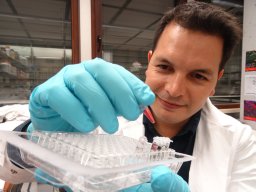 Marcelo Calderón合作论文数Institut für Chemie und Biochemie, Freie Universität Berlin4
 Annamalai Senthil Kumar合作论文数3Sanjay Mor合作论文数3Sonam Parihar合作论文数3
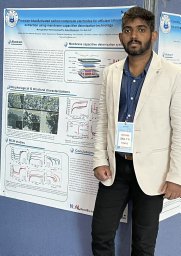 Gokul Bhaskaran合作论文数NanoBio High-Tech Materials Research Center, Inha University3
 Niranjan Chatterjee合作论文数Department of Biological Sciences & Bioengineering, IIT Kanpur3
 Priyanka Meena合作论文数Dept Livestock Prod Technol, Post Grad Inst Vet Educ & Res3




