Drawing from possible selves theory (H. Markus & P. Nurius, 1986), this study explored the roles of peer beliefs about school and gender differences in the development of academic and occupational visions of the future among 216 urban youths of color. Peer beliefs were not related to career and educational possible selves. No gender-based differences were found in educational possible selves; however, boys were more likely to report hoped-for and expected possible selves with lower occupational prestige than were girls. Directions for future research and the implications for practice in counseling urban youths of color are discussed.
In this study, an exploratory factor analysis of the People of Color Racial Identity Attitude Scale (PRIAS; Helms, 1995b) among a sample of Asian American college students (N = 225) was conducted. The factorial structure that emerged revealed mixed results in terms of consistency with the People of Color (POC) theory (Helms, 1995a). The measure's construct validity for Asian Americans may be improved through further scale development and revision. Directions for future research on the PRIAS are discussed.
To inform effective school-to-work programs, this study evaluates the effect of a school-based psychoeducational intervention on the academic self-efficacy of urban youth enrolled in the ninth grade. Using a mixed-methods design, data were collected using a quantitative measure of academic self-efficacy and eight semistructured interviews over the course of an academic school semester. As hypothesized, t tests did not reveal a statistical difference in academic self-efficacy between preintervention (Time 1) and postintervention (Time 2). A consensual qualitative analysis of the interviews, however, indicated enhanced developmental specificity concerning use of academic skills and articulation of goals between Time 1 and Time 2. Limitations of the study and future directions for research are discussed.
 Justin C. Perry合作论文数Cleveland State University4
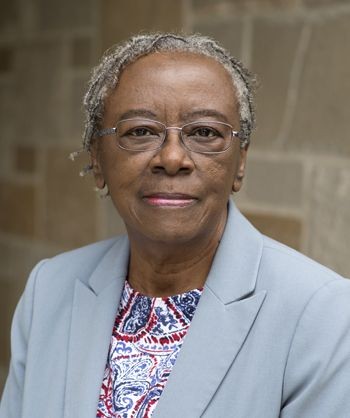 Janet E. Helms合作论文数Department of Counseling, Developmental, & Educational Psychology, Carolyn A. and Peter S. Lynch School of Education and Human Development, Boston College1David B. Dewine合作论文数1
 Ryan Duffy合作论文数Department of Psychology, University of Florida1




