Transfusion of granulocyte concentrates (GC) is an alternative therapy for neutropenic patients with life-threatening infections. While neutrophils are the main source of antimicrobial activity, only neutrophil numbers are used to certify GCs. The objective of this study was thus to functionally characterize neutrophils in GCs prepared by leukapheresis from G-CSF-stimulated donors and compare to the less characterized prednisone GCs. GCs prepared from healthy donors stimulated with prednisone and then G-CSF after a 6-month washout period were analyzed prior to and after leukapheresis, and after storage. Leukocyte composition, neutrophil viability, calcium mobilization, chemotaxis, phagocytosis, reactive oxygen species, cytokine production and metabolites were determined. G-CSF GCs contained significantly more neutrophils than prednisone GCs of which 40% were immature. In comparison to non-stimulated healthy donor neutrophils, prednisone GC neutrophils exhibited enhanced phagocytosis and G-CSF GC neutrophils showed decreased chemotaxis but increased IL-8 production. Leukapheresis altered prednisone GC neutrophil responses. Storage had a significant, negative impact on G-CSF GC neutrophils compared to prednisone GC neutrophils. G-CSF and prednisone GC neutrophils thus differ in maturity and function, and G-CSF GC neutrophils are more sensitive to storage. Functional testing of GC neutrophils and better storage conditions would improve the quality of this blood product.
26 Introduction Cord blood (CB) dedicated for long-term storage is volume reduced prior to cryopreservation. One benefit of volume reduction is the reduction of costs related to storage space. Cord blood volume reduction also increases the security of the products by significantly reducing the number of red blood cells (RBCs) and the amount of dimethyl sulfoxide (DMSO) needed to protect stem cells from cryopreservation. Since the beginning of the operations at HémaQuébec’s cord blood bank (CBB) in 2005, the “top and bottom” blood extractor Optipress (Baxter Healthcare, Deerfield, IL, USA) has been used for CB volume reduction. Because the Optipress will no longer be supported by the supplier, the MacoPress SMART (MacoPharma, Tourcoing, France) was first tested by our applied research group to make sure that it could meet, after cord blood volume reduction, predetermined technical specifications such as consistency in the volume obtained (24 2 ml), total nucleated cell count (TNC) recovery (≥60%), and hematocrit (≤0.5 l/l). Objective The objective of this work was to perform a process validation after the completion of the installation qualification and operation qualification of the MacoPress SMART. Methods Cord blood was collected in utero according to Héma-Québec CBB procedure after obtaining consent from donating mothers. On the basis of the binomial probabilities, it was established that 60 cord blood units (CBUs) had to be processed to meet the predetermined satisfactory level of confidence. To process 60 CBUs with the shortest delay possible, both qualified and nonqualified CBUs were used. After processing and quality control analysis, nonqualified CBUs were discarded and qualified units were electronically blocked to prevent any possible release from quarantine until the approval of the report. Results Table 1 summarizes the results of the validation. Discussion Validation results show that the MacoPress SMART consistently produced CBUs within the specified volume range, hematocrit, TNC, and viable CD34+ recoveries and RBC percentage reduction. All CBUs met viability specifications and exhibited postthaw potency. Thus, the MacoPress SMART was implemented into our operations. Table 1. Performance of the MacoPress SMART (n = 60) Performance measure Mean SD Median Range Post-processing volume, ml 23.4 0.9 23 21–26 TNC recovery, % 84.8 10.6 85.9 50.6–101.4 Hematocrit, L/L 0.39 0.03 0.39 0.29–0.45 CD34 viability post-processing, % 100.0 0.1 100.0 99.0–100.0 CD45 viability post-processing, % 93.9 5.9 95.5 75.0–100.0 CD34 viability post-thaw, % 90.6 6.2 92.0 69.0–98.0 CD45 viability post-thaw, % 64.9 7.5 65.0 52.0–81.0 All cord blood units exhibited post-thaw colony-forming unit growth. Abbreviations: SD, standard deviation; TNC, total nucleated cell count. STEM CELLS TRANSLATIONAL MEDICINE | StemCellsTM.com © AlphaMed Press 2019 CORD BLOOD COLLECTION, MANUFACTURING, AND CELL ENGINEERING
Strategies to enhance the expansion of umbilical cord blood hematopoietic stem and progenitor cells (HSPCs) are crucial to enable their widespread application to adults and to overcome important limitations, such as delayed engraftment. Osteoblasts regulate HSPCs under steady-state and also under stress conditions, when HSPCs undergo numerous cycles of expansion. We hypothesized that osteoblasts could provide better stimulation for the expansion of multipotent HSPCs and subsequent hematopoietic recovery than mesenchymal stromal cells. Hence, we assessed the growth and engraftment modulatory activities of mesenchymal stromal cell-derived osteoblasts (M-OSTs) on hematopoietic progenitors. Mesenchymal stromal cells and M-OSTs favored the maintenance of CD34(+) cells. The expansion of cord blood CD34(+) cells and myeloid progenitors was highest in cultures supplemented with unfiltered M-OST-conditioned medium (M-OST CM). In addition, increased expression of cell surface receptors important for the homing of progenitors to the bone marrow, C-X-C chemokine receptor type 4 and lymphocyte function-associated antigen 1, was observed in CM-based cultures. Additionally, M-OST CM positively modulated the engraftment properties of expanded progenitors. Most notably, although human platelet levels remained steady in the first 2 weeks in mice transplanted with HSPCs expanded in standard medium, levels in mice transplanted with M-OST CM HSPCs rose continuously. Consistent with this, short-term human progenitor reconstitution was consistently greater in M-OST recipients. Finally, cytokine array-based profiling revealed increases in insulin-like growth factor binding protein 2, chemokines, and myeloid stimulating cytokines in M-OST CM. In conclusion, this study suggests that M-OSTs represent a new underappreciated source of feeder cells for the expansion of HSPCs with enhanced thrombopoietic activity. (C) 2014 ISEH - International Society for Experimental Hematology. Published by Elsevier Inc.
Megakaryocytes (MK) are hematopoietic cells present in the bone marrow that are responsible for the production and release of platelets in the circulation. Given their very low frequency (<1%), human MK often need to be derived in culture to study their development or to generate sufficient material for biological studies. This chapter describes a simplified 14-day culture protocol that efficiently leads to the production of MK and platelets from cord blood enriched progenitor cells. A serum-free medium is suggested for the growth of the CB cells together with an optimized cytokine cocktail developed specifically for MK differentiation, expansion, and maturation. Methodologies for flow cytometry analysis, MK and platelets estimation, and MK progenitor assay are also presented.
Umbilical cord blood (UCB) transplantation is associated with prolonged periods of cytopenia. Ex vivo expansion of hematopoietic stem and progenitor cells (HSPCs) is currently investigated as a mean to accelerate hematological recovery. Contrary to neutrophils, platelet recovery remains problematic. For this reason, we have developed a culture protocol promoting the expansion of megakaryocyte (Mk) progenitors. The objective of this work was to determine whether the expanded (E) UCB HSPCs could accelerate platelet recovery in vivo using a murine HSPC transplantation model. The thrombopoietic activity of UCB and mobilized peripheral blood CD34+ cells expanded under mild hyperthermia (MH, ie, 39°C) with the optimized megakaryocyte progenitor cocktail (OMPC) diverged significantly from the nonexpanded (NE) cells of origin; E cells provided rapid platelet release, while NE cells strongly contributed to platelet production past 10 days of transplantation. Consequently, the complementary of both cell sources was investigated. Cotransplantation of NE with E UCB cells significantly improved the recovery of human platelets (hPLTs) in vivo due to their complementary and synergistic thrombopoietic activities. Moreover, short-term human bone marrow (BM) reconstitution was also improved. Finally, we show that early hPLT release is dependent on Mk-primed cells and that E cells do not act as accessory cells, but have a more active role. In conclusion, hPLT recovery and short-term BM engraftment can be efficiently improved by the cotransplantation of Mk-primed UCB cells with NE HSPCs in a murine transplantation model.
Hyperthermia treatment has at times been associated with increased platelet levels in humans. The heat shock protein HSP70, which can be induced by hyperthermia in megakaryocytes and erythrocytes, was recently shown to protect GATA-1 from degradation and to be required for erythroid differentiation. Based on these findings, we hypothesize that mild hyperthermia (MH), such as fever (39°C), could impact the differentiation of hematopoietic progenitors into erythrocytes and their subsequent maturation. Cell growth and erythroid differentiation increased dramatically in cord blood CD34+ cell cultures incubated under MH. Erythroid maturation was also strongly promoted, which resulted in an increased proportion of hemoglobinized and enucleated erythroids. The rise in erythroid development was traced to a strong synergistic activity between MH and erythropoietin (EPO). The molecular basis for this potent synergy appears to originate from the capacity of MH to increase the basal activation of several signaling molecules downstream of the EPO receptor and the transcriptional activity of GATA-1. Moreover, the potent impact of MH on erythroid development was found be dependent on increased intracellular levels of reactive oxygen species. Thus, fever-like temperatures can promote the differentiation of progenitors along the erythroid lineage and accelerate their maturation through normal regulatory circuitry.
BACKGROUND: Thrombocytopenia is a serious side effect following high‐dose chemotherapy or whole‐body irradiation. For many patients, a hematopoietic stem cell (HSC) transplant is required as part of the treatment or to restore the integrity of the hematopoietic system. In this article, we first review the origin of thrombocytopenia in the context of umbilical cord blood (UCB) transplantation and current cellular therapies developed to overcome this condition. Results obtained in recent clinical trials and in the laboratory using a mouse‐based xenograft model were also discussed. Second, we investigate the kinetic of human platelet production in two immunodeficient mouse strains transplanted with UCB cells to determine which of the two is better suited to measure the thrombopoietic potential of human hematopoietic cells.STUDY DESIGN AND METHODS: NOD/SCID/IL2Rγnull or NOD.CB17‐Prkdcscid/NcrCrl (NOD/SCID) mice were transplanted with ex vivo expanded UCB cells. Human platelet levels and marrow engraftments were measured by cytometry analyses.RESULTS: Human platelets appeared earlier and at greater levels in the NOD/SCID/IL2Rγnull mouse strain. Consistent with these results and previous reports, human marrow engraftment was also greater in the IL2Rγnull‐based NOD/SCID mice.CONCLUSION: The NOD/SCID/IL2Rγnull mouse strain is an ideal choice for preclinical studies aimed at measuring the in vivo thrombopoietic potential of human HPCs. Exploitation of such a model should facilitate the development of new cellular therapies aimed at improving hematological recoveries following HSC transplantation.
The development of culture processes for hematopoietic progenitors could lead to the development of a complementary source of platelets for therapeutic purposes. However, functional characterization of culture-derived platelets remains limited, which raises some uncertainties about the quality of platelets produced in vitro. The aim of this study was to define the proportion of functional platelets produced in cord blood CD34+ cell cultures. Toward this, the morphological and functional properties of culture-derived platelet-like particles (PLPs) were critically compared to that of blood platelets. Flow cytometry combined with transmission electron microscopy analyses revealed that PLPs formed a more heterogeneous population of platelets at a different stage of maturation than blood platelets. The majority of PLPs harbored the fibrinogen receptor αIIbβ3, but a significant proportion failed to maintain glycoprotein (GP)Ibα surface expression, a component of the vWF receptor essential for platelet functions. Importantly, GPIbα extracellular expression correlated closely with platelet function, as the GPIIb+ GPIbα+ PLP subfraction responded normally to agonist stimulation as evidenced by α-granule release, adhesion, spreading, and aggregation. In contrast, the GPIIb+ GPIbα⁻ subfraction was unresponsive in most functional assays and appeared to be metabolically inactive. The present study confirms that functional platelets can be generated in cord blood CD34+ cell cultures, though these are highly susceptible to ectodomain shedding of receptors associated with loss of function. Optimization of culture conditions to prevent these deleterious effects and to homogenize PLPs is necessary to improve the quality and yields of culture-derived platelets before they can be recognized as a suitable complementary source for therapeutic purposes.
BACKGROUND AIMS Expansion of hematopoietic progenitors ex vivo is currently investigated as a means of reducing cytopenia following stem cell transplantation. The principal objective of this study was to develop a new cytokine cocktail that would maximize the expansion of megakaryocyte (Mk) progenitors that could be used to reduce periods of thrombocytopenia. METHODS We measured the individual and synergistic effects of six cytokines [stem cell factor (SCF), FLT-3 ligand (FL), interleukin (IL)-3, IL-6, IL-9 and IL-11] commonly used to expand cord blood (CB) CD34(+) cells on the expansion of CB Mk progenitors and major myeloid populations by factorial design. RESULTS These results revealed an elaborate array of cytokine individual effects complemented by a large number of synergistic and antagonistic interaction effects. Notably, strong interactions with SCF were observed with most cytokines and its concentration level was the most influential factor for the expansion and differentiation kinetics of CB CD34(+) cells. A response surface methodology was then applied to optimize the concentrations of the selected cytokines. The newly developed cocktail composed of SCF, thrombopoietin (TPO) and FL increased the expansion of Mk progenitors and maintained efficient expansion of clonogenic progenitors and CD34(+) cells. CB cells expanded with the new cocktail were shown to provide good short- and long-term human platelet recovery and lymphomyeloid reconstitution in NOD/SCID mice. CONCLUSIONS Collectively, these results define a complex cytokine network that regulates the growth and differentiation of immature and committed hematopoietic cells in culture, and confirm that cytokine interactions have major influences on the fate of hematopoietic cells.
Megakaryocytes (MK) undergo polyploidization through endomitosis, a mitotic process that ends prematurely due to aborted cytokinesis. To better understand this and other events associated with MK differentiation, we performed long-term and large-field live cell imaging of human MKs derived in cord blood (CB) and bone marrow (BM) CD34(+) cell cultures. Polyploid level of imaged cells was evaluated using three complementary approaches; cell history, cell size and ploidy correlation and nuclei staining. This system and strategy enabled the direct observation of the development of a large number of MKs (n=4865) and to quantify their fates. The most significant finding of this study is that a considerable proportion of polyploid MKs could complete cytokinesis. This unexpected process gave rise to polyploid daughter cell(s) with normal fates and contributed significantly to the expansion of polyploid MKs. Further analyses revealed that the proliferation rate amongst polyploid MKs was inversely correlated to their ploidy level, and that this phenomenon was much more frequent in CB- than BM-derived MKs. Accordingly, endomitosis was identified as the dominant fate of polyploid BM-MKs, while this was less accentuated for polyploid CB-MKs. These findings explain partially why CB-derived MKs remain in lower ploidy class. In conclusion, this study demonstrates that the development of polyploid MK results from the failure and/or success of cytokinesis and brings a new paradigm to the field of megakaryopoiesis.
Abstract Abstract 3710 Co-transplantation of ex vivo expanded progenitors with unmanipulated hematopoietic stem cells improves the recovery of neutrophils while that of platelets remains problematic especially for cord blood (CB) transplantation. The lack of efficacy on platelet recovery could be the result of poor expansion of megakaryocyte progenitors (Mk-P) and Mks induced by the cytokine cocktails currently used, or to the lack of optimization of this procedure. Therefore, we recently developed two cytokine cocktails by statistical design of experiment, OMPC and BS1 for the expansion of CB Mk-P and for the differentiation of CD34+ cells into Mk, respectively. Our objectives were now to compare the short term thrombopoietic potential of CB cells expanded with these cocktails to that of unexpanded cells, and to investigate the impact of two culture parameters, the temperature of incubation and the length of expansion, on platelets recovery. CB CD34+ cells were expanded in serum-free medium with the cocktail BS1 (SCF, TPO, IL-6, IL-9) or OMPC (SCF, FL, TPO). The total progeny of 130,000 expanded CD34+ cells were transplanted into irradiated NOD/SCID mice (9 mice/group). Unexpanded CD34+ cells were transplanted as control to determine whether this procedure procures any advantages to platelet recovery. Human platelets (hPLT) were monitored in the peripheral blood by cytometry, as well as human bone marrow (BM) engraftment. Since we previously showed that Mk expansion and Mk purity can be improved by incubating CB cultures at 39°C, we first assessed the impact of mild hyperthermia (MH) on the thrombopoietic potential of OMPC-expanded cells. hPLTs levels 4 days post-transplant (PT) achieved with cells expanded at 37°C were low and insignificant vs the PBS-control group (p>0.05). In contrast, hPLT levels were 20-fold greater in mice transplanted with cells cultured at 39°C (median of 0.7 vs 13.7 hPLT/uL, respectively p<0.002). No differences were then observed up to 36 days-PT, at which time hPLT levels became greater (8.5-fold) in mice injected with cells expanded at 37°C (p<0.04). Next, the short-term hPLT potentials of CB cells expanded for 6 days were compared to that of unmanipulated CD34+ cells. Only low and insignificant hPLT levels (p>0.05 vs PBS-control group) were detected 4- and 7 days-PT with the unexpanded cells (median < 1.4 hPLT/uL). In contrast, hPLT were readily detected in 94±8% of mice injected with OMPC- and BS1-expanded cells (9- and 5-fold greater at day 4, and 26- and 32-fold greater at day 7, respectively; p<0.05 vs unexpanded and PBS controls). Conversely, hPLT levels in mice injected with unexpanded cells became and remained greater by 11 days PT (p<0.05). Finally, we investigated the impact of the length of expansion (6, 10 and 14-days) on the thrombopoietic potential of expanded CB cells. Mice transplanted with day-6, day-10 and day-14 BS1-expanded cells received an average dose of 1.3, 11.3 and 22.7 millions CD41+ Mks. Despite the increasing Mk cell doses, an inverse correlation between the length of expansion and hPLT levels were observed 14- (p<0.001) and 28-days PT (p<0.005). A similar correlation was observed for the number of huCD41+ cells in the BM 14-days PT (p<0.01). An inverse correlation between the length of culture and the total number of CD34+ and GPA+ human BM cells was also evident. As previously observed, hPLTs levels 14-days PT were the highest in mice transplanted with the unexpanded cells (p<0.002). High hPLT levels were detected in all cohorts up to 16 weeks PT, with the highest level observed in the unmanipulated and day-10 expanded groups. In summary, hPLT levels derived from unmanipulated CB cells were insignificant prior to 11 days PT, while hPLTs were readily detected with OMPC- and BS1- expanded CB cells. However, hPLTs production from unmanipulated cells became and remained dominant by 11–14 days PT. These results also confirm that cytokine cocktails promoting Mk-P expansion can improve short term platelet recovery and that expansion under MH is of added benefit for short term hPLT recovery. In conclusion, this work reveals that the hPLT reconstitution kinetics differ considerably between expanded and unmanipulated CB cells. Importantly, this difference support the concept that co-transplantation of both cell source could be of significant benefit for the short term platelet recovery in the context of CB transplantation. We are now in the process of evaluating this potential synergy. Disclosures: No relevant conflicts of interest to declare.
The physical culture parameters have important influences on the proliferation and differentiation fate of hematopoietic stem cells. Recently, we have demonstrated that CD34+ cord blood (CB) cells undergo accelerated and increased megakaryocyte (Mk) differentiation when incubated under mild hyperthermic conditions (i.e., 39 degrees C). In this study, we investigated in detail the impacts of mild hyperthermia on Mk differentiation and maturation, and explored potential mechanisms responsible for these phenomena. Our results demonstrate that the qualitative and quantitative effects on Mk differentiation at 39 degrees C appear rapidly within 7 days, and that early transient culture at 39 degrees C led to even greater Mk yields (p<0.03). Surprisingly, cell viability was only found to be significantly reduced in the early stages of culture, suggesting that CB cells are able with time to acclimatize themselves to 39 degrees C. Although mild hyperthermia accelerated differentiation and maturation of CB-derived Mks, it failed to promote their polyploidization further but rather led to a small reduction in the proportion of polyploid Mks (p=0.01). Conversely, gene arrays analysis demonstrated that Mks derived at 39 degrees C have a normal gene expression program consistent with an advanced maturation state. Finally, two independent mechanisms that could account for the accelerated Mk differentiation were investigated. Our results suggest that the accelerated and increased Mk differentiation induced by mild hyperthermia is not mediated by cell-secreted factors but could perhaps be mediated by the increased expression of Mk transcription factors.
 Nicolas Pineault合作论文数Biochemistry and Microbiology, Université Laval20
 Renée Bazin合作论文数Affaires Médicales et Innovation, Hema-Quebec8Chantal Proulx合作论文数7Lemieux R合作论文数6Amélie Robert合作论文数6Marie-Pierre Cayer合作论文数5Valérie Cortin合作论文数5
 Alain Garnier合作论文数Président du CEFIPS - Centre Européen de Formation et d’Information des Professions de Santé – 71 avenue de Lavaur4Real Lemieux合作论文数4Nancy Robitaille合作论文数3
 St-Amour I合作论文数3Émond Hélène合作论文数3Nellie Dumont合作论文数2
 Nathalie Dussault合作论文数2Marie-Josee Fournier合作论文数2Marie-Michele Labrecque合作论文数2Eric Ducas合作论文数2Patricia Landry合作论文数2Marie-Eve Allard合作论文数2Andréa Murru合作论文数2Mélissa Girard合作论文数2Danny Brouard合作论文数2
 Guillaume Pare合作论文数2
 Julien Vitry合作论文数2Josée Perreault合作论文数2
 Diane Fournier合作论文数2
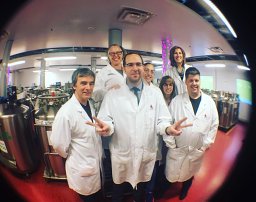 Patrick Trepanier合作论文数Department of Research and Development, Héma-Québec2
 Diego Mantovani合作论文数Laboratoire de Biomatériaux et de Bioingénierie, Département de Génie des Mines, de la Métallurgie et des Matériaux, Faculté des Sciences et de Génie, Université Laval2
 Jean-Francois Boucher合作论文数2Marc Cloutier合作论文数2Claude Roberge合作论文数2
 Donald Branch合作论文数Department of Medicine, University of Toronto2Mathieu Drouin合作论文数2Maria J. G. Fernandes合作论文数Centre de Recherche en Rhumatologie et Immunologie;Université Laval;Centre de Recherche en Rhumatologie et Immunologie, Université Laval2Annie Jacques合作论文数2
 Denis-Claude Roy合作论文数Département de Médecine, Faculté de Médecine, Université de Montréal;Hematology-Oncology & Cell Therapy University Institute, Hopital Maisonneuve-Rosemont;C3i Centre;CellCAN2Tracey Bentall合作论文数1Alex Pennetti合作论文数1David Bellemare合作论文数1Michel-Olivier Gratton合作论文数1
 Daniel E Kaufmann合作论文数1Sheila Rutledge Harding合作论文数1Lynda Lazosky合作论文数1Patricia Pelletier合作论文数1Guillaume Leblanc合作论文数1valerie sales合作论文数1Jason Cheung合作论文数1Puneet Mann合作论文数1Traci Robinson合作论文数1




