Background The recommendations reviewed by the European League Against Rheumatism (EULAR) for the management of fibromyalgia indicate the importance of combining pharmacological and non-pharmacological interventions. In addition, these guidelines highlight that the initial non-pharmacological strategy should be patient education centered on the process of adapting and coping with fibromyalgia in quality of life. Objectives Develop and validate an educational material to promote health in fibromyalgia and disseminate it to the community in the subway of São Paulo - SP, Brazil. Methods For the construction of educational material for dissemination, the following steps were followed: Step 1: Identification of the needs of individuals with fibromyalgia and health professionals in which a qualitative research was carried out, through a focus group (a group of patients with fibromyalgia and another of health professionals). Twelve individuals with fibromyalgia and 10 health professionals in Brazil were invited to participate. The group meeting sought to identify, through the participants' speech, what are the needs and problems reported by individuals with fibromyalgia and the possibilities of guidance by an interdisciplinary team of professionals to meet the needs and solve the problems. Qualitative data were analyzed using the content analysis method proposed by Bardin. The construction of the educational material used the Paulo Freire method, which began with an important survey to identify the primary needs of the participants so that they could be worked on so that, subsequently, the awareness process would take place. The researchers developed educational material containing information that was listed by individuals with fibromyalgia and health professionals. The educational material was made in online format. Results The educational material was developed based on the contents proposed in the previous phases and is shown in Figure 1. Conclusion The present study can contribute to the dissemination of educational strategies that promote health in fibromyalgia, for patients and for community, in order to disseminate scientific knowledge about the syndrome. References [1]Antunes MD, Couto LA, Bertolini SMMG, Rocha Loures FCN, Schmitt ACB, Marques AP. of interdisciplinary health education programs for individuals with fibromyalgia: A systematic review. Journal of Education and Health Promotion. 2021;10(64):1-8. Doi: https://dx.doi.org/10.4103%2Fjehp.jehp_592_20[2]Antunes MD, Schmitt ACB, Marques AP. Amigos de Fibro (Fibro Friends): development of an educational program for the health promotion of fibromyalgia patients. Primary Health Care Research & Development. 2022;23(e44):1–7. https://doi.org/10.1017/S1463423621000773[3]Antunes MD, Schmitt ACB, Marques AP. Amigos de Fibro (Fibro Friends): Validation of an Educational Program to Promote Health in Fibromyalgia. International Journal of Environmental Research and Public Health. 2022;19(9):e5297. https://doi.org/10.3390/ijerph19095297[4]García-Ríos MC, Navarro-Ledesma S, Tapia-Haro RM, Toledano-Moreno S, Casas-Barragán A, Correa-Rodríguez M, et al. Effectiveness of health education in patients with fibromyalgia: a systematic review. European Journal of Physical and Rehabilitation Medicine. 2019;55(2):301–13, 2019. Doi: https://doi.org/10.23736/S1973-9087.19.05524-2[5]Macfarlane GJ, Kronisch C, Dean LE, Atzeni F, Häuser W, Fluß E, et al. EULAR revised recommendations for the management of fibromyalgia. Annals of the Rheumatic Diseases. 2017;76(2):318-328. Doi: https://doi.org/10.1136/annrheumdis-2016-209724 Acknowledgements This study was financed in part by the Coordination for the Improvement of Higher Education Personnel – Brazil (CAPES) – Finance Code 001 Disclosure of Interests None Declared.Figure 1Educational material to promote health in fibromyalgia in Brazil.Source: the authors.
Nat. Med. 12, 342–347; 2006; published online 12 February 2006; corrected after print 19 April 2006 In the version of this article originally published, Pradip Rustagi was inadvertently omitted from the author list; John Rasko should be listed as John E. J. Rasko; the affiliations of John E. J. Rasko and Katherine A.
Nat. Med. 12, 342–347; 2006; published online 12 February 2006; corrected after print 19 April 2006 In the version of this article originally published, Pradip Rustagi was inadvertently omitted from the author list; John Rasko should be listed as John E. J. Rasko; the affiliations of John E. J. Rasko and Katherine A.
Avigen Inc., 1301 Harbor Bay Pkwy, Alameda, CA 94502 Present Address: Bayer HealthCare LLC, 800 Dwight Way, Berkeley, CA 94710 Present Address: Benitec, Inc., 2375 Garcia Avenue, Mountain View, CA 94043 Department of Pediatrics, The Children’s Hospital of Philadelphia, 3516 Civic Center Blvd., Philadelphia, PA 19104 Charles River Laboratories, Sierra Division, Sparks, NV 89431 Howard Hughes Medical Institute, The Children’s Hospital of Philadelphia, 3615 Civic Center Boulevard, Philadelphia, PA 19104
We and others showed long-term expression of therapeutic levels of FIX in small as well as large animal models treated by muscle-directed or liver-directed administration of an AAV-2 vector. Liver-directed gene transfer in hemophilia B dogs resulted in significantly higher levels (10–20 fold) of FIX than IM injection of the same vector dose. Intravenous injection of rAAV-2 results in 4–10 fold less hepatic transduction when compared to portal vein infusion in mice. Others have reported that infusion of vector via portal vein is more efficient than hepatic artery in large animals (Blood,100:1662, 2002). In an ongoing Phase I clinical study the vector has been delivered through a catheter placed in the hepatic artery of subjects with severe hemophilia B. The procedure has been safe and well tolerated at doses tested. Here we sought to determine whether delivery of AAV-2 vector encoding canine F.IX under the control of a liver specific promotor (hAAT/ApoE) to the liver by hepatic artery (HA) or portal vein (PV) would differ in terms of transgene expression. Three dogs with severe hemophilia B AAV-2 vector at doses ranging from 1×10¹² to 1×10¹³ vg/kg through a catheter placed in the hepatic artery. Circulating F.IX increased slowly over a period of weeks following vector injection. After 4 weeks, mean F.IX plasma levels were 317 ng/ml and 359 ng/ml from animals treated with the high dose, and 190 ng/ml for the animal treated with 1 × 10¹² vg/kg. No abnormalities of liver enzymes and no inhibitor to F.IX were detected. For portal vein injection we injected three dogs with doses of ~1×10¹² vg/kg resulting in F.IX plasma levels of 300–400 ng/ml. These data though not statistically different, suggest that portal vein delivery may be more efficient than hepatic artery. This question merits further study in large animal model.
Based on studies in mice, hemophilic dogs, and non-human primates demonstrating long-term (>5 yrs) expression of Factor IX (FIX) after infusion of an AAV vector expressing FIX into the portal vein or the hepatic artery, we undertook a Phase I dose escalation study of AAV-FIX in humans with severe hemophilia B. The first two doses, 2x10¹¹ vg/kg, and 1x10¹² vg/kg, were safe but subtherapeutic. Two subjects treated at a dose of 5x10¹² vg/kg showed detectable circulating levels of FIX (up to 11.8% and 3% respectively), but expression was transient and accompanied in one case (subject E) by a transient asymptomatic transaminitis. There was never evidence of a FIX inhibitor. Two differences between the large animal models and humans with the disease were hypothesized to contribute to the difference in duration of expression; long-term in hemophilic dogs, short-term in hemophilic humans. First was pre-existing immunity to wild-type AAV-2, which infects humans, but not dogs; and the other was prior exposure to viral hepatitis , found in humans but not in animals. To further assess the roles of viral hepatitis and of the immune response to AAV-2, we treated an additional subject (subject G) at a dose of 1x10¹² vg/kg. This subject was 20 yrs. of age and had never been infected with hepatitis. Nevertheless, his transaminases began to rise 3 weeks after vector injection, peaked 6 weeks after injection, and resolved spontaneously as had been seen in subject E. In subject G, magnitude of the peak ALT response was 5-fold less than that found in subject E (5-fold higher dose). Both subjects had similar and low baseline anti-AAV antibody titers. Immune response to AAV-2 was assessed by ELISpot at serial time points before and after vector injection in subject G. The subject's PBMCs were incubated with a peptide library arrayed in a matrix of 24 pools, each containing 12 peptides of 15-mers overlapping by 10 and spanning the entire VP-1 protein. There was no detectable IFN- γ secretion in response to AAV-2 peptides at baseline, although there was a strong IFN- γ response to PHA. Two weeks after vector infusion, three pools elicited IFN- γ secretion from the subject's PBMCs. Response to the same pools of peptides, but not to other pools, was repeatedly detected over the next 6 weeks. By week 12, IFN- γ responses were no longer detectable. The matrix array allowed identification of two specific AAV-2 capsid peptides as the T cell immunoreactive epitopes. These peptides are highly conserved in AAV serotypes 1–8. Similar experiments were conducted with a FIX peptide library and demonstrated no response. These data are consistent with a model in which a T cell response to AAV capsid epitopes results in elimination of the transduced cells. This response is only briefly detectable in PBMCs, and hepatitis is not an important risk factor. These immune responses may limit use of standard serotypes of AAV for gene transfer into human liver. Transient immunomodulation may prevent these responses.
In a clinical safety trial involving an adeno-associated virus (AAV) gene therapy vector encoding human factor IX, intrahepatic administration of the vector was associated with the finding of vector DNA in semen that persisted for several weeks. Uncertainty remains as to the route by which the vector reached semen, but the finding raised the prospect that mature sperm could be exposed to the vector and sustain integration of vector DNA. To provocatively test for the ability of AAV vectors to transduce mature sperm, we exposed mouse sperm to concentrations of the same vector used in clinical studies at concentrations ranging from 840 to 3400 particles per sperm cell, performed in vitro fertilization and embryo transfer, and evaluated newborn pups by Southern analysis for the presence of vector sequences. Of 102 pups analyzed, none showed evidence of vector DNA integration. We conclude from these studies that exposure of mature sperm to AAV gene therapy vectors is highly unlikely to lead to germline transduction.
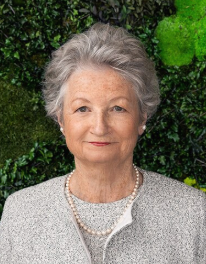 Katherine A. High合作论文数Department of Pediatrics, Perelman School of Medicine, University of Pennsylvania;Center for Cellular and Molecular Therapeutics, The Children's Hospital of Philadelphia;RhyGaze21
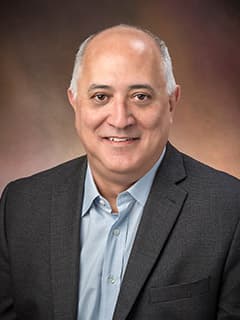 Valder R. Arruda合作论文数Department of Pediatrics, Perelman School of Medicine, University of Pennsylvania;Children's Hospital Research Institute, The Children's Hospital of Philadelphia13
 Mark A. Kay合作论文数Departments of Pediatrics and Genetics, School of Medicine, Stanford University;Division of Human Gene Therapy, Department of Pediatrics, School of Medicine, Stanford University12
 Jurg M. Sommer合作论文数Avigen Inc.9
 Roland W. Herzog合作论文数School of Medicine, Indiana University8B Glader合作论文数7M Dake合作论文数6HY Jiang合作论文数6R Herzog合作论文数6A Chew合作论文数6Cs Manno合作论文数5
 Alvin Luk合作论文数Biogen Idec Hemophilia5
 Alan Mcclelland合作论文数5K Addya合作论文数4R Kaye合作论文数4F. Wright合作论文数4Pa Fields合作论文数4D Sabatino合作论文数4K Hoots合作论文数4
 Margaret V. Ragni合作论文数Division Hematology/Oncology, Department of Medicine, School of Medicine, University of Pittsburgh;Hemophilia Center of Western PA, University of Pittsburgh4Rustagi Pradip合作论文数4
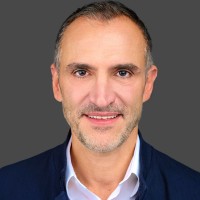 Federico Mingozzi合作论文数N/A;Inserm4
 Debra G B Leonard合作论文数Department ofBiochemistry;School ofMedicine, New YorkUniversity;Department ofBiochemistry, New YorkUniversity School ofMedicine4Peter Colosi合作论文数4
 dr.mohamed Nagy合作论文数4P Blatt合作论文数4M Tigges合作论文数3ruth lessard合作论文数3Hf Chen合作论文数3G. Pierce合作论文数3B. Konkle合作论文数3Mahmood K. Razavi合作论文数3Ciaran D. Scallan合作论文数3Tongyao Liu合作论文数3Susannah Patarroyo-White合作论文数3
 M Razavi合作论文数Ceramic Department, Materials and Energy Research Center, P.O. Box 31787/316, Karaj, Iran3
 Tim Nichols合作论文数Division of Cardiology, Department of Medicine, School of Medicine, The University of North Carolina at Chapel Hill;Francis Owen Blood Research Laboratory, The University of North Carolina at Chapel Hill3J Vargas合作论文数3
 Jerry S Powell合作论文数School of Medicine, University of California, Davis3
 John Fraser Wright合作论文数Department Pediatrics - Ped Stem Cell Transplantation, Stanford University;Center for Definitive and Curative Medicine, Stanford University3JEJ Rasko合作论文数2Hcj Ertl合作论文数2K. J. Pasi合作论文数2DGB Leonard合作论文数2Jh Liu合作论文数2Va Arruda合作论文数2F Johnson合作论文数2J Schuettrumpf合作论文数2C Manno合作论文数2




