This phase 3 randomized non-inferiority de-escalation trial compared cetuximab (cetux) vs cisplatin (cis), concurrent with accelerated RT 70 Gy/6 weeks, in p16+ oropharyngeal cancer (OPC). Quality of life (QOL) was an important secondary endpoint. EORTC QLQ-C30/HN35 was completed at baseline, end of treatment, 3, 6, and 12 months post. The substudy aimed for 400 eligible patients. We report completion rates and compare by arm for change from baseline in each domain (0.05 two-sided alpha and MID of 10 points) using linear mixed models. Consent was 91% (381/419 offered substudy); 6 protocol deviations excluded (n=375). No significant differences in patient/tumor characteristics were found by participation status. Completion rates (%) at the 5 times did not differ by arm (cis/cetux): 92/94, 74/77, 76/81, 76/81, and 73/74. The swallowing domain of HN35 (previously reported) did not differ significantly by arm. No significant difference was seen by arm for the 6-mo change from baseline on any domain. At end of RT (only), dry mouth was significantly worse for RT+cetux. At end of treatment, all domains showed statistically and clinically significant mean worsening across both arms except Emotional Functioning, Dyspnea, Diarrhea, and Teeth. Most domains returned within 10 points of baseline by 6 mo, with the following maintaining significant impairment: Senses (taste/smell), Social Eating, Opening Mouth, Dry Mouth, Sticky Saliva. At 12 mo post-treatment, worsening from baseline persisted for Senses, Dry Mouth, Sticky Saliva, and Weight Gain. Pain Killer use improved significantly from baseline to 3, 6, and 12 mo. Although replacing RT+cis with RT+cetux did not benefit QOL, this study has confirmed the responsiveness of EORTC QLQ-C30/HN35 to the effects of concurrent systemic/RT for OPC. Dry Mouth, Sticky Saliva, and Senses showed large, significant, and persistent impairments, and remain worthwhile targets for future de-escalation efforts. Domains related to eating (Swallowing, Appetite, Nutritional Supplements, Social Eating, Weight Loss) did not show sustained significant impairment on this instrument in this study.
Purpose/Objective(s) Clinical and treatment factors that engender long-term gastrostomy tube (g-tube) dependence are poorly defined. We attempted to identify potential predictors. Materials/Methods All eligible patients treated on RTOG 0129, RTOG 0522, and NRG/RTOG 1016 were grouped according to treatment received: standard fractionation RT (3DSFX) + cisplatin (C), accelerated fractionation RT (3DAFX) + C, accelerated IMRT (AFX) + C, AFX + C + cetuximab (cetux) and AFX + cetux. G-tube rates were compared at baseline (pre-treatment), 6-months after radiation completion, and annually from years 1 to 9 post treatment. Time to g- tube placement was analyzed using Cox proportional hazards models for variables of interest. Additionally, a separate review was performed for patients with no g-tube at 3 years' post-treatment (survivors with acceptable post-treatment swallowing) to evaluate late g-tube placement. Results 2389 patients were identified, 1839 of which had oropharynx cancer (OPC). AFX+C was the most common management (n=843, 35%). The G-tube rate at treatment initiation was 14%. At one-year post-treatment the rate was 19% and at 9 years the number was 8%. The RTOG 0129 g-tube rate was significantly higher than that of later studies (RTOG 0522 HR 0.7, 0.6-0.8; NRG/RTOG1016 HR 0.85 (0.72-0.99). Patients treated with 3D regimens had significantly higher feeding tube rate at baseline, 6 months, 1 year, and 2 years post-treatment (3DSFX + C: 25%/45%/29%/13% and 3DAFX + C: 22%/41%/26%/17%, respectively) when compared to accelerated IMRT regimens (all time points p < 0.001). There was no difference in feeding tube rate between treatment groups from years 3 – 9. Among OPC patients the predictors of feeding tube placement were older age (HR 1.01, 1.00-1.02), T4 primary (1.3, 1.1-1.6) and >10 pack year smoking history (HR 1.2, 1.0-1.4). Treatment regimen, tumor location, and p16-status did not affect g-tube placement. Among all patients, predictors of g-tube placement were older age (HR 1.01, 1.01-1.02); T4 primary (HR 1.3, 1.2-1.5), AJCC 7th ed N2c/N3 (1.3, 1.1-1.6); and >10 pack year smoking history (HR 1.2, 1.0-1.3). At 3 years there were 989 patients alive with follow-up who never required a gastrostomy tube. Of the 249 of these patients with 9 years' follow-up the g-tube rate was 6%. From univariable model predictors of feeding tubes placed more than 5 years after treatment completion were T3 category, T4 category, >10 pack years smoking, non-tonsil or tongue base primary, and p16-negative tumors. Conclusion G-tube rates were highest in patients managed with 3DCRT on RTOG 0129; utilization has significantly decreased over time. Radiation acceleration treatment intensification does not increase g-tube use during treatment or survivorship. Predictors of feeding tube use are increasing age, T4 primary tumors and >10 pack year smoking history.
Purpose/Objective(s) Quality of life (QOL) was assessed with the hypothesis that QOL and fatigue scores would not differ significantly between the ADT + RT (Arm A) and the experimental group receiving ADT + RT + oreteronel (Arm B). Materials/Methods In both arms, ADT with GnRH agonist was given for 24 mos, and dose escalated RT started 8-10 wks after initiation of ADT. In Arm B, oreteronel was given BID for 24 mos. QOL was measured with Expanded Prostate Cancer Index Composite (EPIC) and EQ-5D global QOL assessment. EPIC has 4 domains: bowel, urinary, sexual, and hormonal. EQ-5D index score was calculated using health states obtained from 5 dimensions, and a visual analog score (VAS). For EPIC, EQ-5D index and VAS, higher scores indicate better QOL. Fatigue was measured by the 7-item Patient-Reported Outcome Measurement Information System (PROMIS) short form. Total score is standardized into a T-score with mean of 50 and standard deviation of 10 with higher score representing more fatigue. Change scores, calculated as follow-up minus baseline, were compared between arms. Longitudinal analysis using repeated measures mixed effects models was conducted (prior to ADT [baseline], one wk prior to starting RT, last wk of RT, and 1 and 2.5 yrs after initiation of therapy). Results Of 231 eligible patients, 196 consented to QOL, 102 on Arm A and 94 on Arm B. Compliance prior to start of RT and end of RT was 83%. At 1 and 2.5 yrs, 80% and 62% of pts, respectively, completed the EPIC. There were no differences between any EPIC domain between arms from the start of RT through the end of follow-up. Men on oreteronel had a significantly greater decline in bowel score prior to starting RT then control patients (-6.12, 95% confidence interval [CI]: -9.24, -3.01 vs. -1.93, 95% CI: -4.48, 0.63, respectively, p=0.038). Arm B patients also had a statistically significant and clinically meaningful worse change in urinary score vs control from baseline to pre-RT (-2.33, 95% CI: -5.02, 0.36 vs. 1.38, 95% CI: -1.07, 3.83, respectively, p=0.043). No other timepoints were significant. The only sig. between arm difference in EPIC sexual and hormonal scores was also at pre-RT in favor of Arm A over Arm B; p=0.024 and p=0.0024 respectively). Fatigue was also greater in the oreteronel patients prior to starting RT (3.81, 95% CI: 1.88, 5.74 vs. 1.18, 95% CI: -0.23, 2.60, p=0.028). Conclusion The addition of oreteronel to RT and ADT resulted in greater declines in QOL prior to the start of RT but did not result in significant differences at any other time points. Although oreteronel development has been halted, the QOL results are encouraging for other drugs in this class that remain under investigation. In ongoing prospective trials, QOL impacts should be measured in conjunction with changes in clinical outcome and survival. This project was supported by grants UG1CA189867, U10CA180868, U10CA180822 from the National Cancer Institute and Takeda Pharmaceutical.
The results of this study strongly support that body composition is related to all-cause mortality in men with localized PCa, with most deaths due to causes other than PCa. The inclusion of psoas cross-sectional area in the RPA classification tree suggests that body composition provides additive information to age and comorbidity status for mortality prediction. This study also confirms the feasibility of performing body composition analysis using archived CT scans using NRG Oncology clinical trial data sets. These methods can be applied to other NRG Oncology data sets to further explore how body composition is related to patient outcomes.
Ductal (endometrioid) carcinoma is a rare variant of prostate cancer that has been found in the surgical literature to cause more obstructive urinary symptoms and confer poorer prognosis compared to the common acinar subtype. This matched-pair analysis aimed to characterize clinicopathologic features and radiation treatment outcomes for patients with this rare variant, hypothesizing that men with ductal carcinoma have similar biochemical control to patients with acinar adenocarcinoma. A review of a prospectively-collected single institution database identified 16 non-metastatic ductal carcinoma patients treated from 1992 to 2016 with definitive RT. Patients with both pure and mixed ductal histology were included. 48 men with acinar histology were identified and matched to ductal patients for PSA (<10 vs 10-20 vs >20 ng/mL), Gleason score (6 vs 7 vs 8-10), stage (T1-T2a vs T2b-T2c vs T3a vs T3b-T4), RT technique (3DCRT vs IMRT vs HDR brachytherapy), and androgen deprivation therapy use (yes vs no). Patients were also matched on year of treatment (1992-2004 vs 2005-2016) to minimize differences in follow-up time. Biochemical failure was defined as nadir + 2. Acute toxicities were compared using Fisher's exact test. Kaplan-Meier methods were used to determine failure and late toxicity event rates, and cohorts were compared with the log-rank test. The ductal cohort (n=16) consisted mostly of patients with PSA levels <10 ng/mL (75%), T1-T2a disease (50%), and Gleason 8-10 disease (69%). Four ductal patients (25%) received 3DCRT, 11 (69%) received IMRT, and 1 (6%) received HDR brachytherapy. ADT was used in 12 patients (75%). In addition to the match variables listed above, the ductal and acinar groups were well-balanced (p=NS) with respect to age (median 70.5, range 43-86), race (83% white), RT fields (66% included pelvic lymph nodes), RT dose (median 79 Gy, range 27-80), and baseline AUA symptom score (median 7, range 0-31). At a median follow-up of 3 years, freedom from biochemical failure was equivalent between the groups (ductal 81%, acinar 77%, p=0.80). There were no local recurrences in the ductal group and one in the acinar group (0% vs 2%, p=1.0). There were no differences between the groups with respect to distant metastasis (p=0.85) and recurrence-free survival (p=0.71). Rates of acute grade 2+ GI toxicity (ductal 6%, acinar 15%, p=0.66) and GU toxicity (ductal 31%, acinar 31%, p=1.0) were low. There were no differences seen in late GI toxicity (p=0.93). To our knowledge, this study represents the largest series of ductal carcinoma patients treated with definitive RT. Contrary to the surgical literature, no differences were seen between matched ductal and acinar patients with respect to biochemical control, local control, distant metastasis, recurrence-free survival, or treatment-related toxicity. Definitive RT is a safe treatment option for patients with non-metastatic ductal carcinoma of the prostate, and further study is warranted.
Distant metastasis is the most common site of failure among patients who undergo stereotactic body radiotherapy (SBRT) for early stage lung cancer. This study aims to characterize patients at an increased risk of distant metastasis following SBRT for stage I non-small cell lung cancer (NSCLC). We identified patients at a single institution undergoing SBRT for stage I NSCLC between 2005-2016. Patients with a prior lung cancer diagnosis, receiving a biologic effective dose <100 Gy, or receiving chemotherapy were excluded. The primary endpoint was distant metastasis (DM) rate. Cumulative incidence of recurrence was analyzed with adjustments for competing risks, and Gray’s test was used to compare cumulative incidence between groups. Fine and Gray regression models were used to analyze predictors of recurrence. A total of 197 patients were included. The median age was 75 (range, 49-96) and the median follow-up was 24 months (range, 2-129). The median time to distant metastasis was 11.9 months (range, 2-69). The 2-year and 4-year cumulative incidence of DM was 16.3% (95%CI: 11.2-22.3%) and 20.9% (95% CI: 14.9-27.6%) of local recurrence was 3.1% (95%CI: 1.1-6.6%) and 5.7% (95% CI: 2.6-10.6%) and of regional nodal recurrence was 2.9% (95%CI: 1.1-6.3%)and 2.9%(95%CI: 1.1-6.3%) respectively. On univariate analysis, being a current smoker at diagnosis (sHR 2.18, 95% CI= 1.08-4.37, p=0.028) was significant for an increased risk of DM and having a lower/middle lobe tumor (sHR 1.85, 95% CI = (0.95, 3.59), p=0.070) was associated with a trend towards increased risk of DM. There was a statistically significant difference in cumulative incidence of DM between current smokers and current non-smokers (p=0.0314), with 2-year cumulative incidence of DM was 24.0% (95% CI: 11.6-38.8%) and 14.2% (95% CI: 8.9-20.8%), respectively. There was a trend towards a difference in cumulative incidence of DM between patients with lower/middle lobe and upper lobe tumors (p=0.0569), with 2-year cumulative incidence of DM was 19.4% (95% CI: 10.5- 30.2%) and 14.7% (95%CI: 8.8-22.0%), respectively. For patients that were both current smokers and had lower/middle lobe tumors, 2-year cumulative incidence of DM was 56.5% (95%CI: 19.1-82.1%). Patient characteristics including age, race, sex, family history, or Charlson comorbidity index were not found to predict risk of DM. Tumor characteristics including size, laterality, stage, grade, histology, or clinical versus pathologic diagnosis were also not found to predict risk of DM. Patients who currently smoke at diagnosis or have lower/middle lobe tumors may have an increased risk of DM following SBRT. In the absence of level I evidence, this data may help identify patients who may benefit from systemic therapy to inform clinical trial design.
We characterized United States Medicare patients diagnosed with larynx cancer who were selected for initial surgical versus non-surgical management. We examined patients age ≥ 66 diagnosed with non-metastatic squamous cell carcinoma of the larynx from 1991 – 2012 using the Survival, Epidemiology, and End Results (SEER)-Medicare linked dataset. Treatment initiation was defined as surgical resection or initiation of radiation with or without chemotherapy within 365 days of diagnosis. T-tests and Chi-squared tests were used to compare unadjusted differences in patient, tumor, and regional characteristics of treatment groups. Multiple logistic regression was used to analyze predictors of non-surgical management. Overall survival was analyzed using Cox proportional hazard models. We identified 10,730 eligible patients: 7299 (68%) patients with early stage 0-II tumors and 3431 (32%) patients with advanced stage III-IV tumors. Surgery was the initial therapy for 645 (9%) patients with stage 0-II and 1122 (33%) patients with stage III-IV. With increasing age above 70, radiation therapy was more common as initial therapy regardless of disease stage (see Table). Black and Hispanic patients were less likely to undergo definitive non-surgical treatment of advanced stage disease. Compared to large metro areas, use of radiation therapy was less commonly utilized in rural areas for early stage disease (OR 0.74, 95%CI 0.55-0.98) and in some metro areas for advanced stage disease (OR 0.78, 95% CI 0.65-0.93). Use of non-surgical therapy increased over time, from 74.9% in 1991 to 85.6% in 2011 (p<0.001). In preliminary stage-adjusted survival analysis, surgery was protective, but the association of surgery with survival did not vary by race. Among elderly patients in the United States, there are age-related, racial, and regional disparities in the surgical management of early and advanced stage larynx cancer. Overall, the use of definitive radiation as primary treatment has increased approximately 10% over the study period. The increased use of definitive surgery by black and Hispanic patients did not translate into improved outcomes.Abstract 2959; TableOdds of Receiving RT±ChemoStage 0-IIStage III-IVOR95%CIOR95%CIAge66-691.0ref--70-741.4*1.1-1.71.4*1.2-1.775-791.6*1.2-2.01.5*1.2-1.880-841.4*1.1-1.92.1*1.6-2.785+2.1*1.5-3.12.7*1.9-3.8RaceWhite1.0ref--Black0.860.63-1.20.76*0.60-0.98Hispanic0.630.34-1.20.56*0.32-1.0 Open table in a new tab
 Galloway Thomas J合作论文数Department of Radiation Oncology, Fox Chase Cancer Center4Christopher U. Jones合作论文数3
 Shlomo Koyfman合作论文数Department of Radiation Oncology, Cleveland Clinic;Department of Medicine, School of Medicine, Case Western Reserve University;Case Comprehensive Cancer Center, Case Western Reserve University3G.A. Krempl合作论文数2Pugh Stephanie L合作论文数2
 Dukagjin M Blakaj合作论文数The Ohio State University2
 Pedro A. Torres-Saavedra合作论文数Department of Mathematical Sciences, University of Puerto Rico at Mayagüez2
 Paul Harari合作论文数Department of Human Oncology, School of Medicine and Public Health, University of Wisconsin-Madison2
 Alexander Kutikov合作论文数Philadelphia2
 John A. Ridge合作论文数Temple University Lewis Katz School of Medicine;Fox Chase Cancer Center2
 Benjamin Movsas合作论文数Department of Radiation Oncology at Henry Ford Cancer Institute, Henry Ford Hospital2
 Jeff M. Michalski合作论文数Department of Radiation Oncology, School of Medicine, Washington University in St. Louis;Division of Clinical Research, School of Medicine, Washington University in St. Louis;Institute of Clinical and Translational Sciences, School of Medicine, Washington University in St. Louis;Siteman Cancer Center, School of Medicine, Washington University in St. Louis2Miriam N. Lango合作论文数2Joseph K. Wong合作论文数San Francisco Veterans Affairs Medical Center, University of California San Francisco2
 Maura L. Gillison合作论文数Department of Thoracic/Head and Neck Medical Oncology, Division of Cancer Medicine, The University of Texas MD Anderson Cancer Center2
 Ethan Basch合作论文数Division of Oncology, Department of Medicine, School of Medicine, University of North Carolina at Chapel Hill2A Lenzie合作论文数1J.R. Bauman合作论文数1V.S. Kavadi合作论文数1D.E. Doncals合作论文数1B.K. Leachman合作论文数1G. Shenouda合作论文数1D.P. D'Souza合作论文数1D.I. Rosenthal合作论文数1M. Gillison合作论文数1William A Stokes合作论文数1N. Goel合作论文数1L Souhami合作论文数1Q-T Le合作论文数1J Hoyle合作论文数1E. Zhang合作论文数1
 Francois Bachand合作论文数Centre for the Southern Interior, BC Cancer Agency;Department of Surgery, Faculty of Medicine, The University of British Columbia1
 Marc C. Smaldone合作论文数Department of Urology, Fox Chase Cancer Center;Fox Chase Cancer Center, Fox Chase Cancer Center1
 Jeffrey M. Farma合作论文数Department of Surgery, Fox Chase Cancer Center1
 David J. Adelstein合作论文数Department of Medicine, School of Medicine, Case Western Reserve University;Case Comprehensive Cancer Center, Case Western Reserve University1
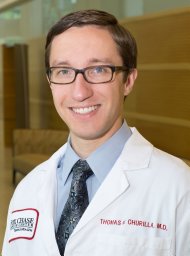 Churilla Thomas M合作论文数1
 Neal E. Dunlap合作论文数Department of Radiation Oncology, School of Medicine, University of Louisville1
 Jessica Bauman合作论文数Department of Hematology/Oncology, Fox Chase Cancer Center;Division of Head and Neck Medical Oncology, Fox Chase Cancer Center1
 Beth Beadle合作论文数Department of Radiation Oncology, Stanford University1Currey Adam合作论文数1
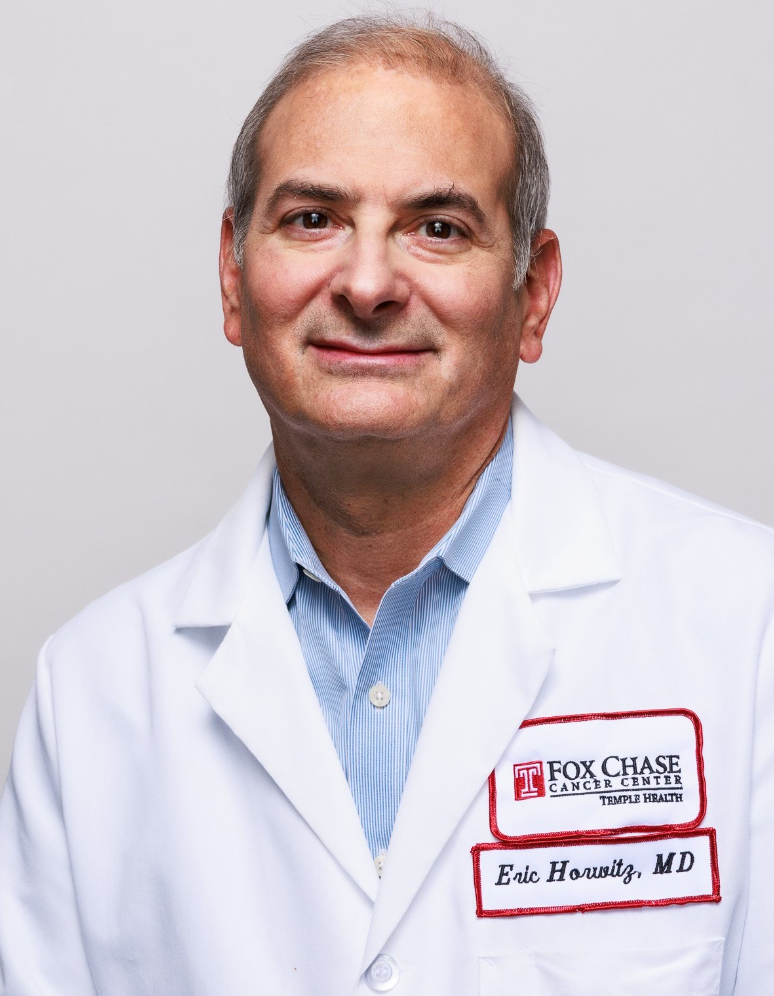 Eric M. Horwitz合作论文数Department of Radiation Oncology, Fox Chase Cancer Center;Department of Radiation Oncology, Lewis Katz School of Medicine, Temple University1
 Houda Bahig合作论文数Radiation Oncology Department, Centre Hospitalier de l'Université de Montréal;Department of Radiology, Radiation Oncology and Nuclear Medicine, Université de Montréal1
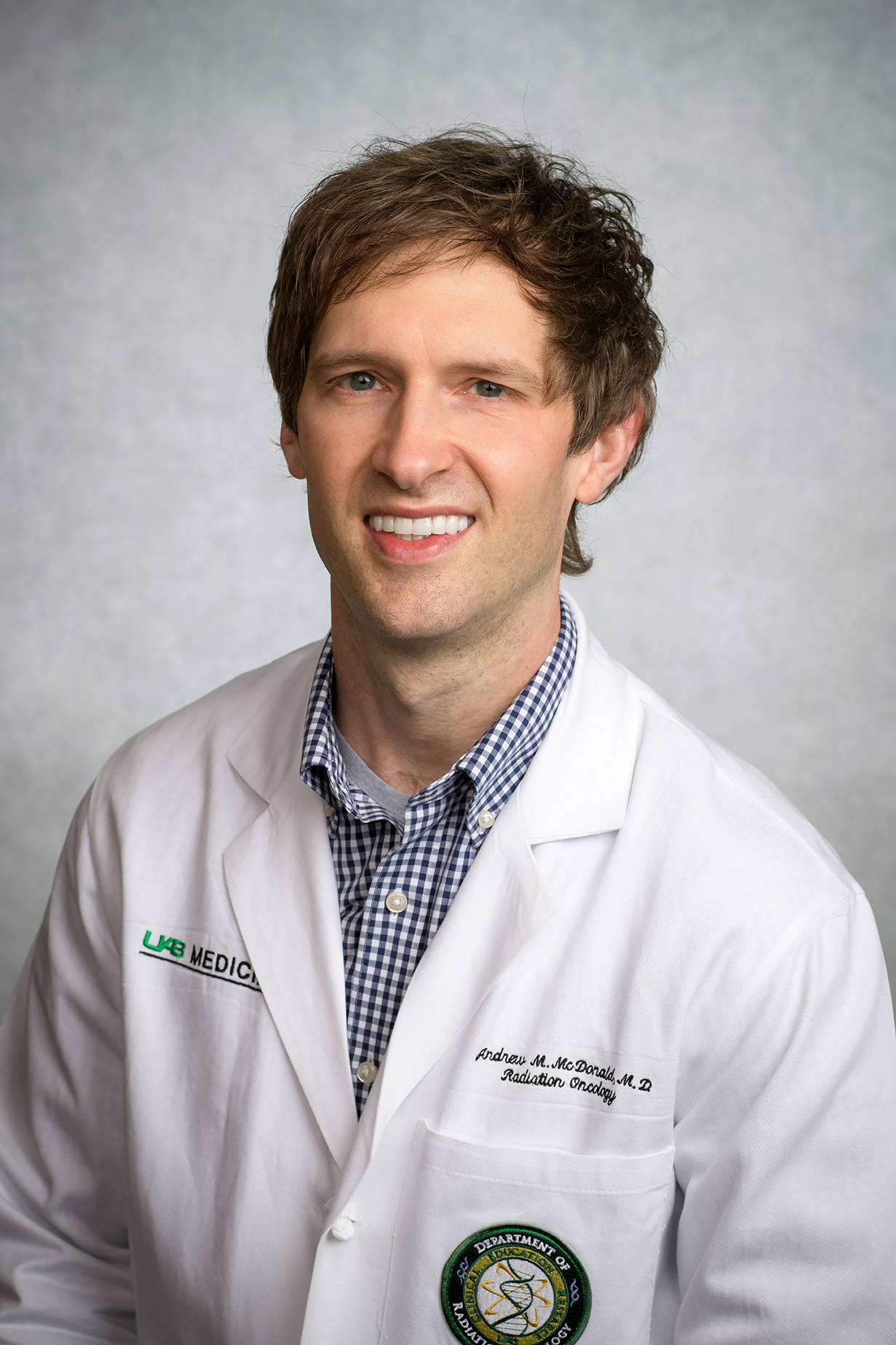 Andrew McDonald合作论文数Department of Radiation Oncology, Heersink School of Medicine, The University of Alabama at Birmingham1Talha Shaikh合作论文数1
 Joshua E. Meyer合作论文数Department of Radiation Oncology, Fox Chase Cancer Center;Quantigic® Genomics1
 Bates James E合作论文数School of Medicine and Dentistry, University of Rochester Medical Center1
 Scott Morgan合作论文数Ottawa Hospital Research Institute;Division of Radiation Oncology, Department of Radiology, University of Ottawa;Division of Radiation Oncology, The Ottawa Hospital Cancer Centre1




