Leukemia is a malignant tumor with a high recurrence rate and poor prognosis for patients. Thus, there is an urgent need to explore new therapeutic targets that play critical roles in leukemogenesis but have little effect on normal hematopoietic cells. Here, we show that RNA binding protein with multiple splicing (RBPMS), which is highly expressed in acute myeloid leukemia (AML) and associated with poor prognosis of AML, plays critical roles in leukemogenesis. Our study shows that inhibition of RBPMS inhibits self-renewal of leukemia-initiating cells (LICs) and leukemia development but has little effect on normal hematopoiesis. Mechanistically, RBPMS recruits the N6-methyladenosine (m6A) reader insulin-like growth factor 2 mRNA binding protein 3 (IGF2BP3), which promotes the stability of the forkhead box O1 (FOXO1) mRNA in an m6A-dependent manner. Moreover, RBPMS contributes to the progression of leukemia by directly binding to FOXO1 and promoting FOXO1-regulated glycolysis. Overexpression of FOXO1 has been shown to reverse RBPMS inhibition-induced phenotypes in both leukemic cells and mouse models. We also designed a specific inhibitor of RBPMS that has therapeutic effects in AML patient-derived xenograft (PDX) models. We therefore highlight RBPMS as a promising drug target for leukemia therapy.
While previous studies have indicated that H3K36me3, which is mediated by Setd2, may regulate the cell fate of mesenchymal stem cells (MSCs) both in vitro and in vivo, the specific role of MSCs in the onset and progression of MDS remains unclear. Thus, the histone methyltransferase Setd2 is implicated in MDS-associated leukemia. This study utilized NUP98-HOXD13 (NHD13) mice with targeted deletion of Setd2 in MSCs. Here, we found that Setd2-deficient mice undergo faster leukemia transformation than control mice do, as evidenced by the abnormal differentiation of hematopoietic stem progenitor cells in the bone marrow, abnormal hematopoiesis, and increased number of blast cells. Compared with that of control mice, the morphology of NHD13 mouse MSCs with Setd2 deficiency was irregular, and the support function of hematopoietic cells was compromised. This study demonstrated that targeted deletion of Setd2 in MSCs facilitates the advancement of MDS. Furthermore, we identified increased expression of coagulation factor XII as a key leukemic transformation mediator in Setd2-deficient MSCs. Moreover, we found that Setd2 expression is significantly lower in high-risk MDS patients than in low-risk MDS patients, further suggesting that the targeted deletion of Setd2 in MSCs is associated with MDS progression. Collectively, our results suggest that Setd2 in MSCs suppresses MDS progression to leukemia through coagulation factor XII-mediated suppression of the stem cell support capacity of MSCs. Overall, this study sheds light on the pathogenesis of MDS and provides a therapeutic strategy for regulating the microenvironment in patients with MDS who cannot be cured by haematopoietic stem cell transplantation.
BACKGROUND AND OBJECTIVE:Idiopathic pulmonary fibrosis (IPF) is a chronic and progressive interstitial lung disease driven by dysregulated alveolar epithelial cells (AECs) and fibroblasts. While aberrant p53 signalling contributes to IPF pathogenesis, the precise mechanism of p53 activation is not well understood. WDR63, a WD40-repeat protein implicated in lung cancer and male infertility, may be functionally relevant in IPF. METHODS:The mouse model of bleomycin-induced pulmonary fibrosis was used to investigate the role of WDR63 in IPF. Immunofluorescent staining and Western blotting assays were performed to assess WDR63 expression in samples from IPF patients and lungs from mice with bleomycin-induced fibrosis. Senescence-associated β-galactosidase (SA-β-gal) staining and flow cytometry assays were performed to evaluate the role of WDR63 in the senescence and apoptosis of AECs and lung fibroblasts. Mass spectrometry (MS) and immunoprecipitation were employed to identify potential substrate proteins of WDR63. Ubiquitination assays were utilised to elucidate the mechanisms of p53 stabilisation. RESULTS:WDR63 is significantly upregulated in IPF patients. WDR63 inhibits proliferation and migration while promoting senescence and apoptosis in AECs. In lung fibroblasts, WDR63 increases cellular senescence and facilitates their differentiation into myofibroblasts. WDR63 promotes K63-linked polyubiquitination of p53, while reducing its K48-linked polyubiquitination, thereby stabilising p53 and activating its downstream signalling. Ectopic WDR63 expression exacerbates bleomycin-induced pulmonary fibrosis in vivo, whereas WDR63 silencing attenuates fibrotic progression. CONCLUSION:WDR63 stabilises p53 through K63-linked polyubiquitination, thereby driving pathological changes in AECs and lung fibroblasts and aggravating pulmonary fibrosis. These findings demonstrate that targeting WDR63 represents a novel therapeutic strategy for IPF.
Chromosome copy number variations are poorly understood drivers of human malignancies. -7/del(7q) is common in acute myeloid leukemia, confers a poor prognosis, and is thought to harbor several tumor suppressors. Previously, we identified the histone methyltransferase KMT2C as a tumor suppressor in this region. Here, through a differentiation CRISPR screen in hematopoietic stem and progenitor cells, we find that the mitochondrial iron transporter ABCB8 is essential for their differentiation. ABCB8 deficiency accelerates leukemogenesis in vivo and disrupts iron homeostasis, reducing cytoplasmic iron availability and impairing iron-dependent enzymes, including the histone demethylase KDM6A. Consequently, ABCB8 loss elevates H3K27me3 levels, repressing differentiation genes in an iron- and KDM6A-dependent manner. Notably, ABCB8 and KMT2C, neighboring genes on 7q, cooperatively regulate H3K27me3 to suppress leukemogenesis. Our findings reveal ABCB8 as a tumor suppressor in -7/del(7q) acute myeloid leukemia and uncover an epigenetic collaboration between neighboring tumor suppressors, driven by iron-mediated chromatin remodeling.
Peripheral T-cell lymphoma (PTCL) is an aggressive and heterogeneous lymphoma subtype with high chemoresistance and poor prognosis. Common peripheral blood disease biomarkers with therapeutic potential are lacking. Here, we analyzed the serum metabolic profiles of 557 patients with newly diagnosed PTCL, including 278 extranodal NK/T-cell lymphoma (NKTCL), 117 nodal T-follicular helper cell lymphoma (nTFHL), 92 peripheral T-cell lymphoma, not otherwise specified (PTCL-NOS), 36 ALK positive anaplastic large-cell lymphoma (ALK+ ALCL), and 34 ALK negative ALCL (ALK- ALCL), and identified high free fatty acid (FFA) as an adverse prognostic biomarker across PTCL subtypes. Integrative analysis with transcriptomic and single cell RNA-sequencing datasets further revealed that serum FFA linked to JAK-STAT signaling activation and suppressive tumor microenvironment, characterized by increased infiltration of monocytic myeloid-derived suppressor cells (MDSCs) in NKTCL and M2 macrophages in nTFHL and PTCL-NOS, respectively. Selective JAK1 inhibitor golidocitinib showed pronounced anti-tumor efficacy in the co-culture systems under palmitic acid-induced high FFA conditions and in syngeneic and xenograft murine lymphoma models fed with high-fat diet via the JAK-STAT-IL6/IL10 axis-mediated inhibition of MDSCs in NKTCL and M2 macrophages in nTFHL and PTCL-NOS, respectively. In alignment with our experimental findings, relapsed or refractory PTCL patients with high serum FFA exhibited superior responses to golidocitinib treatment than those with low serum FFA. Collectively, high serum FFA is related to tumor progression and indicates golidocitinib sensitivity, providing novel insights into reprogramming lipid metabolism to dually target the tumor and microenvironment in PTCL.
Patients with myelodysplastic syndrome (MDS) harboring SRSF2 (serine and arginine rich splicing factor 2) mutations exhibit poor prognosis and aberrant inflammatory activation, underscoring an urgent need for therapies. Here, we reveal that low messenger RNA expression of SETD2 (SET domain containing 2) in hematopoietic stem and progenitor cells (HSPCs) from patients with MDS carrying SRSF2P95 mutations (SRSF2P95-Mut MDS) correlates with adverse outcomes and increased inflammation. Multivariate analysis confirmed the correlation between low SETD2 expression and poor prognosis in patients with SRSF2P95-Mut MDS. Furthermore, Setd2 loss in the Srsf2P95H/+ mouse model resulted in lethal MDS with hyperinflammation and expansion of myeloid-derived suppressor cells (MDSCs). Mechanistically, SETD2 methylates SRSF2P95H at lysine-17 and lysine-65 to inhibit aberrant splicing of CEACAM1-4 (isoforms of carcinoembryonic antigen cell adhesion molecule), which enhances interleukin-1β (IL-1β) signaling through Slc7a11 (solute carrier family 7 member 11)-mediated cystine uptake, thereby promoting HSPC differentiation into MDSCs, establishing an IL-1β-driven immunosuppressive microenvironment. These findings identify the SRSF2P95HK17me1K65me2-CEACAM1-4 signaling axis as a promising therapeutic target in SRSF2P95-Mut MDS.
Background: Hormone receptor-positive/human epidermal growth factor receptor 2-negative (HR+/HER2−) breast cancer represents the most prevalent molecular subtype but demonstrates pronounced biological and clinical heterogeneity. Homologous recombination deficiency (HRD) and tumor-infiltrating lymphocytes (TILs) have recently emerged as key determinants of prognosis and immune activity, but their interplay in this subtype remains understudied. Objectives: To assess the relationship between HRD, TILs, and clinical outcomes in HR+/HER2− breast cancer and validate the prognostic value of HRD. Design: Retrospective multicenter cohort study. Methods: A total of 365 patients (332 with available TILs data) from three institutions were enrolled. HRD was quantified using Shallow HRD algorithm on low-depth whole-genome sequencing (threshold: score ⩾6). TILs were evaluated by the MD Anderson system (⩾10% classified as high). Spearman correlation, Kaplan–Meier survival analysis, and multivariable Cox regression were performed. Results: HRD scores were inversely correlated with TILs (Spearman rho = −0.13, p = 0.031). HRD-high patients had significantly inferior 10-year survival (invasive disease-free survival (IDFS): 31.0% vs 57.9%, hazard ratio (HR) = 2.36; distant recurrence-free survival (DRFS): 34.1% vs 61.1%, HR = 2.48; overall survival (OS): 48.7% vs 79.0%, HR = 2.79; p < 0.0001). HRD was confirmed as an independent prognostic predictor (IDFS HR = 2.03, DRFS HR = 2.16, OS HR = 2.15; p < 0.01). No significant survival benefit from anthracycline-based chemotherapy was observed in HRD-high tumors (HR = 1.32, p = 0.451). High TILs showed no significant association with survival outcomes in this cohort. Conclusion: HRD represents a reliable independent prognostic biomarker in HR+/HER2− breast cancer in this cohort, with an inverse association with TILs suggesting immune evasion. Its potential impact on prognosis and treatment requires further validation in prospective clinical trials.
The chromosome Y, once thought to function primarily in male reproduction, is now recognized to have broader biological roles. Hematopoietic loss of chromosome Y (LOY) is one of the most frequent somatic genomic alterations in male blood, with prevalence increasing markedly with age. Advances in technology have enabled robust detection of LOY in blood at both the population scale and the single-cell level. Hematopoietic LOY arises from mitotic chromosome mis-segregation and is influenced by inherited genetic variation, environmental exposures, and aging. Population-based genome-wide association study (GWAS) analyses have identified robust epidemiological associations between hematopoietic LOY and cardiovascular disease, brain disease, immune disorders, and cancer. Mechanistic studies demonstrate that LOY has functional consequences, including altered gene expression, immune dysregulation, and clonal expansion. Some findings are strongly supported by CRISPR-based LOY mouse and cellular models, which recapitulate key disease-related phenotypes. Collectively, these findings establish hematopoietic LOY as a biologically meaningful form of somatic mosaicism with important implications for disease susceptibility.
The prognosis of B cell acute lymphoblastic leukemia (B-ALL) is poor, primarily due to drug resistance and relapse. Ga15, encoded by GNA15, belongs to the G protein family, with G protein-coupled receptors playing a crucial role in multiple biological process. GNA15 has been reported to be involved in various malignancies; however, its potential role in B-ALL remain unknown. In this study, high expression of GNA15 in B-ALL was observed in multiple databases. We further confirmed an increased transcriptional level of GNA15 in newly diagnosed B-ALL patients which was closely correlated with relapse. We showed that GNA15 promoted cell growth, inhibited apoptosis and enhanced drug resistance in leukemia cell lines. Metabolomics analysis revealed a significant enrichment of fatty acid oxidation (FAO) according to the GNA15 expression. We further confirmed that GNA15 could enhance FAO process as evidenced by the upregulation of key molecules involved in FAO including carnitine palmitoyl transferase1 (CPT1), CPT2 and CD36. And inhibition of FAO using etomoxir partially reversed the drug resistance caused by high expression of GNA15. Mechanism study showed that GNA15 promoted FAO by up-regulation of AMPK phosphorylation thus leading to survival advantage in leukemia cells. In conclusion, we observed elevated GNA15 transcript levels in B-ALL, which were associated with relapse. GNA15 could induce drug resistance though activation of the AMPK/FAO axis in leukemia cell lines. Targeting GNA15 and FAO may represent potential therapeutic strategy for improving the prognosis of B-ALL.
γδ T cell acute lymphoblastic leukemia (γδ T-ALL) represents a rare subset of T-ALL and is correlated with high rates of induction failure, relapse, and increased mortality. γδ T-ALL lacks a biologically informed framework for guiding its classification and treatment strategies. In this report, we detail a case of child with γδ T-ALL who underwent induction chemotherapy and intensification treatment, followed by haploidentical hematopoietic stem cell transplantation. The patient achieved a clinical complete remission and remains minimal residual disease negative with chidamide maintenance post-transplantation. Single-cell RNA sequencing revealed a connection between histone HIST1 genes and γδ T-ALL and identified potential effector functions of γδ T cells in combating this leukemia. This case carries significant implications for managing γδ T-ALL, highlighting the relationship between histone modification patterns and γδ tumor-infiltrating lymphocytes in γδ T-ALL cells for developing novel therapeutic approaches.
INTRODUCTION In Western medicine, the kidneys are primarily understood as anatomical organs essential for maintaining the body's balance of substances. However, in traditional Chinese medicine (TCM), the concept of the kidney is much broader. It encompasses not only the anatomical kidneys but also a range of functions related to tissues and organs, including reproduction, urination, the nervous system, and bones. In TCM, the kidneys are believed to store essence, govern water metabolism, support bone health, regulate breathing, influence hearing (opening into the ears), and control urination and defecation. As early as the Yellow Emperor's Inner Classic, TCM established a connection between natural life processes, such as growth, development, reproduction, and aging, and skeletal health, all of which are believed to be governed by kidney essence. This connection is the basis for the theory that "the kidney stores essence and governs the bones". Based on this theory, TCM practitioners have long focused on treating bone diseases, chronic conditions, and aging by tonifying the kidneys. Chronic kidney disease (CKD) is associated with a significantly high risk of cardiovascular mortality, partly due to vascular calcification (VC), which occurs in the context of CKD-related mineral and bone disorders (MBDs). As kidney function declines, patients experience severe disturbances in mineral balance, including phosphate retention, low calcium levels, and altered levels of αKlotho, fibroblast growth factor 23 (FGF23), parathyroid hormone (PTH), and calcitriol.[1] Although many factors in the uremic state contribute to the development and progression of VC, dysregulated mineral and bone metabolism is believed to play a key role in the pathogenesis of VC in CKD patients. Longitudinal cohort studies have found an inverse correlation between bone mineral density (BMD) and VC, with VC progression often accompanied by greater bone loss.[2] However, the precise mechanistic link between these conditions remains poorly understood. MOLECULAR AXIS OF αKLOTHO-FGF23-FGFRS Kuro-o et al. serendipitously discovered that the homozygous progeny of a particular transgenic founder exhibited a complex ageing-like phenotype. They reasoned that the integration of the transgene into the founder mouse genome had disrupted a putative "ageing-suppressor" gene, which they named Klotho after the Greek goddess Clotho.[3] Several years later, they found that genetic variants in Klotho were associated with human aging, and the Klotho protein was identified as a circulating factor detectable in serum, with levels that decline with age.[3] There are three isoforms of Klotho: α, β, and γ. The αKlotho (Kl) isoform is predominantly expressed in the distal convoluted tubules of the kidneys. Structural biology studies revealed the crystal structure of the Kl protein, which includes both intracellular and extracellular domains, referred to as transmembrane Kl protein (mKl). Notably, mKl is cleaved by disintegrin and metalloprotease (ADAM10/17), releasing extracellular domains that enter the circulation as soluble Kl (sKl).[4] Research has shown that mKl binds to FGF receptor 1 (FGFR1) to form a Kl/FGFR1 binary complex, which binds to FGF23 to form the Kl/FGFR1/FGF23 ternary complex.[4] This complex regulates the production of 1,25(OH)2D3 and controls PTH release.[3,4] Additionally, sKl has wider biological effects on various organs and tissues throughout the body,[5] and it has been identified as a potent vascular protective factor in CKD animal models.[6] Structural biology studies have also found that sKl can act as a co-receptor, binding to FGF23/FGFR1 to form a ternary complex. Disruption of this crystal structure impairs FGF23 signaling, which leads to imbalances in calcium and phosphate homeostasis and various aging phenotypes such as VC.[4] In addition to the Kl-dependent role of FGF23, accumulating evidence suggests that it also has Kl-independent functions. FGF23 has been shown to induce left ventricular hypertrophy and uremic cardiomyopathy independently of Kl by activating calcineurin signaling and the FGFR4/PLCγ pathway.[7,8] Our recent study revealed that FGFR4 expression was abnormally increased in the thoracic aorta of mice with diabetic nephrology. In these mice, the absence of Kl was associated with increased expression of FGF23 and FGFR4, their binding, and the activation of PLCγ and calcineurin in the thoracic aorta. These findings suggest that the molecular axis of Kl-FGF23-FGFRs cooperatively regulates the fate of the kidney-bone-vasculature axis, influencing various interrelated systems. "Kidneys Govern Bones" and the αKlotho-FGF23-FGFRs Axis Clinical symptoms such as muscle weakness, osteoporosis, premature aging, and early death—resulting from kidney essence and kidney qi deficiency—closely mirror the phenotypic changes caused by defects in mKl and sKl, produced by the kidneys, as well as FGF23 secreted by the bones. This suggests that the kidneys' role in regulating bones and controlling aging (including VC) is achieved through the reciprocal and synergistic signaling of the Kl-FGF23-FGFRs axis. In TCM, the vasculature can be viewed as an extension of the theory that "kidneys govern bones". The concept of kidney essence aligns closely with the phenotypic expression of mKl in the kidneys, leading to the proposal that kidney essence may encompass the function of mKl. Similarly, kidney qi, which is derived from kidney essence and distributed throughout the body, resembles sKl, which is cleaved from the extracellular domain of mKl and circulates in the bloodstream. Thus, it can be hypothesized that kidney qi represents the function of sKl. In CKD, damage to the kidneys reduces kidney essence, which parallels the decreased expression of mKl. The decline in kidney function reduces Kl expression, which diminishes it response to bone-secreted FGF23. Additionally, the accumulation of turbid toxins can be understood as the failure of mKl to cooperate with FGFR1, preventing FGF23 from anchoring to renal tubular epithelial cells. Likewise, sKl is unable to interact with FGFR1 to bind FGF23 in the vasculature, resulting in off-target accumulation of FGF23 in the circulation [Figure 1].Figure 1.: The relationship between the TCM concept "kidneys govern bones", the αKlotho-FGF23-FGFRs signaling pathway, and the role of Shen-Yuan granules in addressing the abnormal kidney-bone response in CKD. In CKD, insufficient kidney essence is analogous to reduced expression of mKl. This decline impairs the ability of the kidneys to regulate bone function, leading to. diminished Kl response to FGF23 secreted by the bones. mKl is unable to cooperate with FGFR1 to anchor FGF23 on renal tubular epithelial cells, and sKl cannot assist FGFR1 in binding FGF23 to the vasculature. This results in off-target accumulation of FGF23 in circulation. Shen-Yuan granules may provide a promising therapeutic strategy for addressing CKD-MBD and cardiovascular complications by upregulating renal Kl and serum sKl expression. CKD, chronic kidney disease; mKl, transmembrane Klotho; FGF23, fibroblast growth factor 23; Kl, αKlotho; sKl, soluble Klotho; FGFR1, fibroblast growth factor receptor 1; CKD-MBD, chronic kidney disease-mineral and bone disorders; TCM, traditional Chinese medicine. We used polymerase chain reaction (PCR) direct sequencing to detect the Kl-G-395A single nucleotide polymorphism (SNP) in 67 patients with diabetic kidney disease (DKD) . The results indicated that the GA and AA genotypes are susceptibility markers for DKD, and the A allele is significantly associated with spleen-kidney yang deficiency syndrome.[9] Furthermore, we found that spleen-kidney yang deficiency syndrome is an independent risk factor for secondary hyperparathyroidism in CKD patients undergoing maintenance hemodialysis. These studies suggest that the theory of kidneys governing bones is related to the phenotype of the Kl-FGF23-FGFRs Axis.[10] The TCM approach to treating CKD focuses on tonifying the kidneys and draining turbidity. The formulation of Shenyuan granules embodies this concept. This hospital preparation, which has been used for at least 20 years to treat CKD, includes Astragalus membranaceus (Huangqi), Epimedium brevicornum (Yinyanghuo), and wine-processed Rheum palmatum (Jiu Zhi Dahuang) . The formulation strengthens the spleen and kidneys while also dispelling stasis and resolving turbidity. Our studies confirmed that Shen-Yuan granules improve renal function, attenuate bone damage, and reduce VC in a mouse model of diabetic nephropathy. Mechanistically, Shen-Yuan granules may upregulate renal Kl and serum sKl expression, downregulate skeletal FGF23 secretion, and inhibit the vascular FGFR4 response to FGF23 [Figure 1].[11-14] These findings indicate that Chinese herbal medicine can effectively delay renal failure and improve calcium-phosphate metabolism, renal osteodystrophy, and VC. CONCLUSION The Kl-FGF23-FGFRs signaling pathway has provided valuable insights into the scientific foundation of the TCM theory that kidneys govern bones. This understanding has enhanced our knowledge of the prognosis for CKD patients. Chinese herbal medicines, such as Shen-Yuan granules, demonstrate therapeutic potential in treating kidney damage, renal osteodystrophy, and VC, partly through the regulation of the Kl-FGF23-FGFRs signaling pathway. However, despite this progress, cardiovascular disease (CVD) complications remain the leading causes of morbidity and mortality in CKD. Current strategies, such as blocking the renin-angiotensin system (RAS), using sodium-glucose transporter (SGLT) -2, or targeting the mineralocorticoid receptor (MR), can only delay the onset of ESRD and often cause serious side effects. Renewed exploration of TCM theories, herbal formulations, and their active ingredients may lead to innovative treatments for CKD. Integrative medicine not only has the potential to improve kidney function and alleviate CVD complications but also promises to combine Eastern and Western approaches, facilitating the discovery of novel approaches to prevent and treat aging-related diseases.
Ubiquitin-specific peptidase 1 (USP1) plays a critical role in the progression and chemoresistance of various cancers, making USP1 inhibitors a promising therapeutic option in cancer treatment. However, the role of USP1 in peripheral T-cell lymphoma (PTCL) has remained unexplored. Our study uncovers a USP1-dependent survival axis driving chemoresistance in PTCL. USP1 is significantly upregulated in PTCL patients and correlates with poor prognosis through promoting mortalin degradation via TRAF2 deubiquitination. USP1 overexpression enhances TRAF2 stability by reducing its ubiquitination, thereby elevating TRAF2 levels. This, in turn, facilitates mortalin degradation, leading to diminished mortalin expression, reduced mitochondrial localization of mortalin, and impaired apoptosis. Notably, silencing mortalin in PTCL cells further decreases sensitivity to doxorubicin and suppresses apoptotic pathways. Mechanistically, reduced mitochondrial localization of mortalin disrupts calcium transport between the endoplasmic reticulum and mitochondria through the IP3R-mortalin-VDAC1 complex. The impaired calcium shuttling triggers the activation of NF-κB and JAK-STAT signaling pathways, ultimately attenuating apoptosis. Importantly, pharmacological inhibition of USP1 with ML323 effectively enhances PTCL cell sensitivity to doxorubicin, suggesting a promising therapeutic strategy to improve treatment outcomes in PTCL patients. Collectively, we have found that USP1 represents a compelling therapeutic target for addressing chemoresistance and improving outcomes in PTCL therapy.
Setd2 is the only enzyme that catalyzes histone H3 lysine 36 trimethylation (H3K36me3) on virtually all actively transcribed protein-coding genes, and this mechanism is evolutionarily conserved from yeast to human. Despite this widespread and conserved activity, Setd2 and H3K36me3 are dispensable for normal growth of yeast but are absolutely required for mammalian embryogenesis, such as oocyte maturation and embryonic vasculogenesis in mice, raising a question of how the functional requirements of Setd2 in specific developmental stages have emerged through evolution. Here, we explored this issue by studying the essentiality and function of Setd2 in zebrafish. Surprisingly, the setd2-null zebrafish are viable and fertile. They show Mendelian birth ratio and normal embryogenesis without vascular defect as seen in mice; however, they have a small body size phenotype attributed to insufficient energy metabolism and protein synthesis, which is reversable in a nutrition-dependent manner. Unlike the sterile Setd2-null mice, the setd2-null zebrafish can produce functional sperms and oocytes. Nonetheless, related to the requirement of maternal Setd2 for oocyte maturation in mice, the second generation of setd2-null zebrafish that carry no maternal setd2 show decreased survival rate and a developmental delay at maternal-to-zygotic transition. Taken together, these results indicate that, while the phenotypes of the setd2-null zebrafish and mice are apparently different, they are matched in parallel as the underlying mechanisms are evolutionarily conserved. Thus, the differential requirements of Setd2 may reflect distinct viability thresholds that associate with intrinsic and/or extrinsic stresses experienced by the organism through development, and these epigenetic regulatory mechanisms may serve as a reserved source supporting the evolution of life from simplicity to complexity.
Objective: RAC1 aberrations in head and neck squamous cell carcinoma (HNSCC) remain clinically inactionable today. Methods: Here, we investigated the clinical significance and potential druggability of RAC1 genomic aberrations in HNSCC. Results: Notably, HPV(-)HNSCC patients bearing the unique HNSCC-prevalent RAC1-A159V hotspot mutation, P29S hotspot and G-box domain mutations, and RAC1 copy number increases all displayed dismal overall survival (TCGA-HNSCC). Here, we demonstrated that all five HNSCC patient-relevant RAC1 aberrations tested (A159V and P29S hotspot mutations, K116N, G15S, and N39S) could significantly drive HNSCC tumoroid growth and/invasion, with A159V, P29S, and K116N mutants being the most potent drivers. Interestingly, transcriptomics analyses revealed that RAC1 mutations and copy increase could both drive PI3K pathway activation, with the A159V mutant associated with the prominent intra-tumoral upregulation of phospho-RPS6(Ser235/236) in patient tumors. Importantly, proof-of-principle Rac targeting with EHop-016 resulted in remarkable antitumor activity in vivo against RAC1-A159V-mutated and RAC1-amplified HNSCC patient-derived xenografts (PDXs) and/engineered models. Lastly, melanoma and endometrial xenograft models bearing endogenous RAC1-amplification and RAC1-A159V mutation were also sensitive to EHop-016 targeting. Conclusions: In principle, RAC1 genomic aberrations in HNSCC can be potentially harnessed for precision drugging.
Cervical cancer ranks as the fourth most common cancer among women. However, the current treatments have significant side effects and limited therapeutic effects on advanced diseases, so it is necessary to discover better treatments for cervical cancer. The current study investigated the potential anticancer effects of a series of gefitinib-1,2,3-triazole derivative on Hela cells. Among the investigated, the target compound c13 showed good anticancer activity against Hela cells (IC50 = 5.66 ± 0.35 μM) compared with gefitinib (IC50 = 14.18 ± 3.19 μM). Moreover, compound c13 significantly inhibited the colony formation ability of Hela cells in a dose-dependent manner, accompanied by morphological changes in HeLa cells. Further investigations demonstrated that compound c13 triggered cell apoptosis and arrested the cell cycle at the G2/M phase in Hela cells. In addition, western blot analysis revealed that compound c13 upregulated the Bax/Bcl-2 ratio, and increased the levels of active caspase 3 and PARP1 cleavage, which suggested the involvement of the mitochondrial pathway in compound c13-induced apoptosis. In brief, these results indicated that compound c13 is a promising compound for the treatment of cervical cancer.
Gastric cancer is among the most prevalent gastrointestinal tumors, with liver metastasis significantly worsening patient outcomes. While hepatic stellate cell activation is crucial in hepatocellular carcinoma progression and liver metastasis, its role in gastric cancer liver metastasis is not well understood. In this study, we identified Suprabasin (SBSN) as a key oncogene driving gastric cancer liver metastasis. SBSN was upregulated in gastric cancer tissues and further elevated in liver metastasis, correlating with poor prognosis. Mechanistically, SBSN promoted proliferation, migration, and invasion of gastric cancer cells by activating the STAT3 signaling pathway, as shown in vitro and in vivo. Using a co-culture model of gastric cancer cells and hepatic stellate cell line LX-2, we found that increased SBSN expression in gastric cancer cells triggered EGF secretion, activating LX-2 cells through the EGF/EGFR axis. Activated LX-2 cells then secreted CCL2, initiating the CCL2/CCR2/JAK2 signaling pathway in gastric cancer cells, facilitating their migration to the liver and promoting colonization and growth. Our findings highlight the prognostic significance of SBSN in gastric cancer and liver metastasis, suggesting it as a potential biomarker for disease progression. The SBSN-mediated EGF/EGFR and CCL2/CCR2/JAK2 signaling axes are critical for LX-2 activation and gastric cancer cell migration, offering a rationale for targeting SBSN in treating gastric cancer liver metastasis.
Abnormal metabolic reprogramming is a hallmark of acute myeloid leukemia (AML), contributing to leukemia initiation, progression and drug resistance. The key mitochondrial citrate transporter SLC25A1 plays an essential role in regulating cellular energy metabolism and plays an important role in the regulation of lipid metabolism. However, the role of SLC25A1 in the pathogenesis and aberrant lipid metabolism in AML remain unexplored. In this study, our analysis of public datasets and patient samples revealed that SLC25A1 expression was markedly elevated in AML and was associated with poor prognosis. Knockdown or pharmacological inhibition of SLC25A1 significantly suppressed AML cell proliferation by inducing apoptosis, without affecting cell cycle progression or differentiation. Moreover, SLC25A1 proved vital for AML tumorigenesis in vivo. Mechanistically, we demonstrated that SLC25A1 inhibition disrupted citrate homeostasis, leading to mitochondrial dysfunction and reduced fatty acid metabolism. Notably, we developed a novel SLC25A1 inhibitor, CTPI3, which effectively inhibits the progression of AML in vivo, and synergizes with venetoclax to kill AML cells by mitochondrial and fatty acid metabolism regulation. In summary, our findings highlight that SLC25A1 plays a vital role in maintaining AML cell survival and regulating its drug sensitivity. Furthermore we developed a more effective novel drug targeting SLC25A1, providing additional therapeutic options for venetoclax-resistant patients and highlighting SLC25A1 as a promising biomarker and therapeutic target for AML.
A significant variation in chromatin accessibility is an epigenetic feature of leukemia. The cause of this variation in leukemia, however, remains elusive. Here, we identify SMARCA5, a core ATPase of the imitation switch (ISWI) chromatin remodeling complex, as being responsible for aberrant chromatin accessibility in leukemia cells. We find that SMARCA5 is required to maintain aberrant chromatin accessibility for leukemogenesis and then promotes transcriptional activation of AKR1B1, an aldo/keto reductase, by recruiting transcription co-activator DDX5 and transcription factor SP1. Higher levels of AKR1B1 are associated with a poor prognosis in leukemia patients and promote leukemogenesis by reprogramming fructose metabolism. Moreover, pharmacological inhibition of AKR1B1 has been shown to have significant therapeutic effects in leukemia mice and leukemia patient cells. Thus, our findings link the aberrant chromatin state mediated by SMARCA5 to AKR1B1-mediated endogenous fructose metabolism reprogramming and shed light on the essential role of AKR1B1 in leukemogenesis, which may provide therapeutic strategies for leukemia.
 Xiaojian Sun (孙晓建)合作论文数Shanghai Institute of Hematology, Ruijin Hospital, School of Medicine, Shanghai Jiao Tong University37
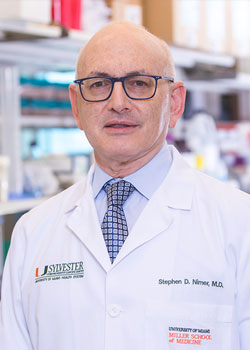 Stephen D. Nimer合作论文数Miller School of Medicine, University of Miami;Nimer Lab, Sylvester Comprehensive Cancer Center, University of Miami32
 Saijuan Chen (陈赛娟)合作论文数Ruijin Hospital, Shanghai Jiao Tong University School of Medicine27
 Zhu Chen (陈竺)合作论文数Ruijin Hospital, Shanghai Jiao Tong University School of Medicine26
 Chun-Hui Xu合作论文数16Fan Liu合作论文数Univ Miami, Miller Sch Med, Sylvester Comprehens Canc Ctr, Miami, FL 33136 USA15Yuanliang Zhang合作论文数14
 Qiuhua Huang (黄秋花)合作论文数Ruijin Hospital, School of Medicine, Shanghai Jiao Tong University14
 Ping Liu (刘苹)合作论文数School of Biomedical Engineering, Shanghai Jiao Tong University12Qun-Ling Zhang合作论文数12
 Na Man合作论文数12Yin-Yin Xie合作论文数11
 Chenglong Hu合作论文数11Shu-Bei Chen合作论文数10
 Yong Wang (王勇)合作论文数College of Life Sciences, Zhejiang University10Ji-Chuan Wu合作论文数9Bing-Yi Chen合作论文数9
 Na Liu合作论文数Beijing Institute of Aeronautical Materials(Beijing Institute of Aeronautical Materials,Inst of Aeronautical Materials,Beijing Inst of Aeronautical,Institute of Aeronautical Materials),Beijing,China9
 Xinyang Zhao合作论文数9
 Shuhong Shen (沈树红)合作论文数Shanghai Children's Medical Center Guizhou Hospital, School of Medicine, Shanghai Jiao Tong University9
 Chunkang Chang (常春康)合作论文数Shanghai Sixth People’s Hospital Affiliated to Shanghai Jiao Tong University9
 Weili Zhao (赵维莅)合作论文数Shanghai Institute of Hematology;Ruijin Hospital, Shanghai Jiao Tong University School of Medicine9Megan A. Hatlen合作论文数9Peng-Cheng Yu合作论文数8Jiarou Wang合作论文数8Jia-Ying Zhang合作论文数8
 Robert G. Roeder合作论文数Laboratory of Biochemistry and Molecular Biology, The Rockefeller University8Xue Kai合作论文数8Gang Huang合作论文数Memorial Sloan-Kettering Cancer Center, Sloan-Kettering Institute8Taiping Shi合作论文数8
 Fabiana Perna合作论文数Hematology Unit, Federico II University8Li-Juan Zong合作论文数7Yi-yi REN (任逸懿)合作论文数7
 Zijuan Li合作论文数7Yurong Tan合作论文数7Francesca Voza合作论文数7Menendez Silvia合作论文数7
 Sarah Greenblatt合作论文数7
 Dalong Ma (马大龙)合作论文数School of Basic Medicine Sciences, Peking University;Health Science Center, Peking University7
 Vivian Lui合作论文数Georgia Cancer Center, Augusta University;Department of Medicine, Medical College of Georgia, Augusta University7Bin-He Chang合作论文数6Hoi-Lam Ngan合作论文数6Peony Hiu Yan Poon合作论文数6Jia-Cheng Jin合作论文数6Xi-Ya Li合作论文数6Guoyan Cheng合作论文数6Dan Hou合作论文数6Haiming Xu合作论文数6
 Weiwei Deng合作论文数School of Molecular and Life Sciences, Curtin University6




