Additive manufacturing (AM) is a cutting-edge production method, which has come a long way since its first introduction in the ’80s. Back in the days its usage was very limited to stereolithography, and was only able to make weak structures, so it only worked for visualization. Four decades later it is one of the leading research fields in production areas, because of its flexibility and its ability to make almost any complex geometry. However, no matter how powerful it is, it is not omnipotent, there are certain size and shape restrictions even this method must apply to.
The following article presents a special case of metal powder production, ultrasonic metal atomization. In this case, ultrasound technology is based on the capillary wave phenomenon. We verify the suitability of the produced powders for 3D metal printing with various tests. In the case of prints with a metal powder bed fusion (PBF), the properties of the raw material of the powder are extremely important. The main results of the tests carried out in the article (SEM images, EDS composition analysis, sieve analysis) were described.
Additive manufacturing (AM) is one of the fastest-growing markets of our time. During its journey in the past 30 years, its key to success has been that it can easily produce extremely complex shapes and is not limited by tooling problems when a change in geometry is desired. This flexibility leads to possible solutions for creating lightweight structural elements while keeping the mechanical properties at a stable reserve factor value. In the aerospace industry, several kinds of structural elements for fuselage and wing parts are made from different kinds of steel alloys, such as 17-4PH stainless steel, which are usually milled from a block material made using conventional processing (CP) methods. However, these approaches are limited when a relatively small element must withstand greater forces that can occur during flight. AM can bridge this problem with a new perspective, mainly using thin walls and complex shapes while maintaining the ideal sizes. The downside of the elements made using AM is that the quality of the final product is highly dependent on the build/printing orientation, an issue extensively studied and addressed by researchers in the field. During flight, some components may experience forces that predominantly act in a single direction. With this in mind, we created samples with the desired orientation to maximize material properties in a specific direction. The goal of this study was to demonstrate that an additively manufactured part, produced using laser powder bed fusion (LPBF), with a desired build orientation has exceptional properties compared to parts produced via conventional methods. To assess the impact of the build orientation on the LPBF parts' properties, one-dimensional tensile and dynamic fracture toughness tests were deployed.
The Multi-Agent Programming Contest (MAPC) is an excellent test ground to stimulate research on the development and programming of multi-agent systems. The current Agents Assemble III scenario is a nice example for cooperative distributed problem solving in a highly dynamic environment, and it requires that the agents are normative agents. For MAPC 2022, we have implemented the MMD multi-agent system from scratch in the Python programming language to find out if a multi-agent system can be developed efficiently in a general programming language using multi-agent concepts. We describe the implementation details, including the coordination and the optimisation algorithms of the MMD multi-agent system to solve the complex and dynamic tasks, and also including the testing aspects that use explainable intentions as well. The performance indicators of the implementation are the development time, the development efforts, and the quality of the job done by the implemented multi-agent system. The development time of the MMD system is not more than any other system at MAPC 2022, including those that were implemented with agent-oriented programming. The comparison of the development efforts of the contest participants is difficult because the performance of the systems are also different, but the development effort is more likely to be independent from the implementation language used. The first position of the MMD system at MAPC 2022 seems to indicate that the implemented MMD multi-agent system is competitive with the systems developed with agent-oriented software engineering methods.
In this research work, the effects of different amounts of acid hardener (30%, 40%, 60%, 80% weighted to the resin) on the hardening characteristics and hot-distortion properties of no-bake furan and no-bake phenolic bonded sand cores were studied. Bending tests were conducted on test bars with storage times of 1, 2, 3, 5, 7, 24h. Hot-distortion tests were carried out on specimens with storage times of 4h and 24h. The bending tests revealed that in the case of the furan binder system, the acid hardener is best utilized in terms of higher bending strength, in an amount of 40–60%, while in the case of the phenolic binder system, the amount of 60–80% acid hardener resulted in higher bending strength of the sand specimens. Too low (30%) acid hardener (catalyst) level produced low bending strength. Too high (80%) amount of acid hardener decreased the strength of the no-bake furan sand samples, and as can be seen from the SEM analysis, it damaged the binder bridges between the sand grains. The hot-distortion tests showed that there is a correlation between the catalyst content and the max. Deformation of the samples both in the furan and in the phenolic no-bake sand cores, which can be described with a maximum curve. Increasing the acid hardener changes the thermoplastic behavior of the phenolic resin, thus the binder bridges become more rigid and brittle. The acid hardener above 40% decreased the thermal stability of the furan and phenolic bonded test pieces. The research work also revealed significant differences between the specimens made with furan and phenolic binder and the effect of the storage time in terms of the bending strength and hot-distortion properties.
Abstract. Changes in biometric characteristics of a migrating bird population at a given capture site could reflect that the migration strategies of the species may be changing. A robust data set (15,520 records) was used to analyse the changes in biometric characteristics of the Eurasian Blackcap Sylvia atricapilla in western Hungary between August and October during the study period (2001–2019). All age and sex classes displayed similar phenology of monthly captures and biometric change: the average wing length, fat score and body mass increased in the migrating population from August to October. This could be explained by changes in the morphometric distribution of different migrating populations, in later months more birds might arrive from a larger distance, primarily from the Baltic regions and the Czech Republic. The biometrics of juvenile birds captured in August did not change significantly from 2001 to 2019, while the wing lengths decreased and fat scores increased significantly between 2001 and 2019 in September and October in both sex classes. This could be explained by a change in the migration distance or different morphology of individuals from the north which stopped over at the study area. Due to the global warming and habitat changes in the last decade, the shorter migration route and favourable conditions at overwintering areas north of the Sahara or around the Mediterranean could favour Blackcaps which migrate a shorter distance.
Abstract Annual captures and biometric parameters of the Goldcrest (Regulus regulus) were studied at Tömörd, western Hungary. We used records of 4,284 individuals trapped and ringed between August and November within the study period (1998–2020). The Goldcrest was determined to be a regular partial migrant species with highly intensive migration in 2000, 2001, 2008, 2014 and 2019. The catching results showed very high number fluctuations at Tömörd, but the smoothed curves were distinctly wave-like in all age and sex classes. There were significant positive correlations between annual captures of age and sex classes. The average proportion of immature Goldcrests was 90%, the average proportion of male individuals was 63% and both proportions were stable between 1998 and 2020. There were similar decreasing trends in the average annual wing length and body mass of males and females from 1998 to 2020. This may indicate that the migration strategies of females may be modified by global climate change.
The quality of chemically bonded sand cores used during the manufacturing process of cast components is highly dependent on the properties of the sand, which constitutes the refractory base media of the core. One of the main advantages of the application of different types of sands as molding aggregates that after casting, they can be reclaimed and can be used again during core shooting. The properties of the sand, however, could be remarkably changed during the casting and reclamation processes. This study aims to investigate the effects of the properties of the base sand on the mechanical strength and thermal distortion properties of samples made from new and thermally reclaimed silica sand. For this purpose, particle size analysis, specific surface area, and loss on ignition measurements, as well as differential thermal analysis coupled with thermogravimetry, were executed on the base sands, and the sand grains were analyzed with scanning electron microscopy and X-ray diffraction. Test pieces were made with hot box and cold box technology for bending and hot distortion tests. It was found that by the utilization of reclaimed sand, cores with higher average bending strength and lower thermal deformation can be produced. These differences can be traced back to the more advantageous granulometric properties, lower impurity content, and lower thermal expansion of thermally reclaimed sand.
Entrained double oxide films, or bifilms, can seriously alter the structural integrity, microstructure, and in this way, the mechanical performance of aluminum alloys. Bifilms, which usually preexist in suspension in the liquid metals, are known to be potential heterogeneous nucleation sites for certain intermetallic phases during the solidification of the alloys. However, the investigations on the possibility of the nucleation of titanium-containing intermetallic phases on double oxide films, the possible effects of this phenomenon on the melt quality, as well as on the resulting microstructure, were absent to date. In this work, a novel melt treatment technique is proposed, which was used to induce the precipitation of (Al,Si)(3)Ti particles in a liquid multicomponent Al-Si alloy. Differential thermal analysis (DTA), scanning electron microscopy (SEM) coupled with energy dispersive spectroscopy (EDS), and X-ray diffraction (XRD) were used to characterize the phases formed during the experiment. SEM-EDS investigations proved that the (Al,Si)(3)Ti intermetallic phase precipitated on MgAl2O4 double oxide films and the wetted side of the surface oxide layer of the melt. As revealed by glow discharge optical emission spectroscopy (GDOES) and optical microscopic investigations of the microstructure, the majority of the precipitated (Al,Si)(3)Ti particles sedimented to the bottom region of the melt. Based on the computed tomographic (CT) analysis of reduced pressure test (RPT) samples, this sedimentation extensively reduced the bifilm content in the upper regions of the melt. The theoretical basis of a new melt treatment technique is laid down.
Annual captures and biometric parameters of the Goldcrest ( Regulus regulus ) were studied at Tömörd, western Hungary. We used records of 4,284 individuals trapped and ringed between August and November within the study period (1998–2020). The Goldcrest was determined to be a regular partial migrant species with highly intensive migration in 2000, 2001, 2008, 2014 and 2019. The catching results showed very high number fluctuations at Tömörd, but the smoothed curves were distinctly wave-like in all age and sex classes. There were significant positive correlations between annual captures of age and sex classes. The average proportion of immature Goldcrests was 90%, the average proportion of male individuals was 63% and both proportions were stable between 1998 and 2020. There were similar decreasing trends in the average annual wing length and body mass of males and females from 1998 to 2020. This may indicate that the migration strategies of females may be modified by global climate change.
Sand cores are used to form the cavities of the castings. The quality of castings is directly affected by the quantity of the gases released from the cores. During our research, the effect of different grain sizes and heat input on the pressure of the gases evolved from the cores was investigated. The granulometric properties of the sand used for making the cores have a significant impact on the pressure of the gases. Because of the uneven particle size distribution of multi fraction sands, the gas flow conditions in the cores can be different. The gas pressure in the cores made from sieved sands can be changed between 6 and 9 mbar. According to the recorded cooling curve of the melt, it can be established, that in the case of the presented pouring conditions, a solid metal layer with adequate strength could not be developed before the gas could pass through the core/casting interface. This phenomenon may result in gas blowhole defects on the casting surface.
Foundry technology uses a lot of several natural materials. Sands use for preparing mixtures whereby making moulds or cores. Sand is defined as a granular, refractory major portion of mixture (90 – 98% in dependence on used binder). Sand properties depend on it has chemical and mineralogical composition; mainly particle size distribution and shape of grains and its size and sand surface texture. A comparative measurement of two quartz sand with different surface quality was carried out. Greensand mixtures were prepared to measure their permeability, compressive strength and wet tensile strength. The strength of sand mixtures has two main components. One of them is the cohesion of the binder; the other one is the adhesion between the binder and the foundry sand. The aim of this research is to determine the ratio of cohesion and adhesion within the strength values.
This paper examines the use of a modified inorganic binder in metal-alloy casting. The results of investigations regarding the effect of reusing the used sand multiple times without reclamation. The technological properties of silica sand with inorganic binders were presented, two different temperatures were applied to make the used sands. After lump crushing the inorganic used sand was recycled in order to make a new sand mixture. Our work was focused on the effect of multiple usage of inorganic used sands on the mechanical and granulometric properties prepared with modified inorganic binder.
High Pressure Die Casting (HPDC) is still the most productive metal-casting method of our time, however the more demanding are the industrial expectations, the more challenging it becomes to ensure the creation of the difficult cavity geometries and the thermal balance of the die-cast tool. New perspective is required, thus we can utilize high heat-conductivity tool steels and additive manufacturing technology.
Foundry technology uses a lot of several natural materials. The chemically bonded sand mixtures main component is the foundry sand approx. 90-98%. Sand properties depend on it has chemical and mineralogical composition; mainly particle-size distribution and shape of grains and its size and sand surface texture. A comparative measurement of 3 foundry sand with different surface quality was carried out. Chemically bonded sand mixtures were prepared to measure their gas permeability and 3-point bending strength. A new qualifier number, CQi was used to compare our investigations.
The automotive industry is one of the most important customers for the foundry industry. In particular, casting of engine parts for combustion engines is one of the most demanding areas of casting technology. New generation of engine blocks and cylinder heads are getting geometrically more complicated in order to maintain or even increase performance. With the increased complexity, the strain for the casting molds is growing and the widely used technology of core making with standard silica sands is, for several applications, no longer reaching the demanded results. Furthermore, in last decade, there has been an effort in using inorganic binders in core making process, which brings along some additional technological challenges. In order to cope with these challenges, in this paper, silica and non-silica sands with round and angular grains as well as with fine and coarse grains are examined using an inorganic binder for strength, permeability, and thermal stability. The results shall provide useful information about the possibilities of application and combining different types of foundry sands, both silica and non-silica. With their impact on the selected sand core properties, they can help in solving problems in the core making process as well as reaching a high quality of the final product-casting.
In this paper the surface of the prepared test specimens had been examined with light microscopy and surface roughness measurements. In order to improve the surface smoothness of PLA specimens, application of ethyl acetate was required. After this surface treatment, microscopic images were taken again. The melting and decomposition temperatures of the materials had been determined using derivatography. The chosen method was precision casting with gypsum molding. Also, the plaster molds had been burnt out according to the predefined melting and firing diagram. The measurement series shows that the samples produced by 3D printing can also be used in the field of precision casting. They provide greater freedom of design, more sophisticated pieces, and prototypes can be finished in a shorter amount of time.
The core packages used for the production of castings are generally made from cores of different quality (no- bake phenol, HB-phenol, and HB-furan) and resin quantity, to meet the various requirements for the casting. In our research, the effect of the amount of resin on the pressure of the gases evolved from the cores was investigated. Experiments have shown that increasing the amount of resin has a different effect on different binder systems.
The aim of the research is to determine the ratio of cohesion and adhesion within the strength values.The strength of sand mixtures has two main components.One of them is cohesion of the binder, the other one is adhesion of between binder and the foundry sand.The comparative measurement of two different surface quality quartz sands were carried out.Chemically bonded sand mixtures were prepared to measure their bending strength.
 Peter Banhidi合作论文数6Jozsef Goczan合作论文数6
 Jozsef Gyuracz合作论文数Dept Biol, Eotvos Lorand Univ6
 Csaba Nemeth合作论文数6Zoltan Lukacs合作论文数6Sandor Kalmar合作论文数6Peter Illes合作论文数6Viktória Dargai合作论文数4
 Henrietta Hudak合作论文数4
 Peter Molnar合作论文数Dept Biol, Eotvos Lorand Univ4Peter Koszorus合作论文数3
 Imre Budavari合作论文数3
 Laura Madi合作论文数3
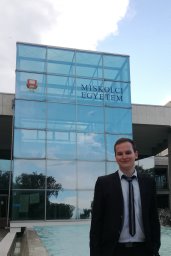 Gabor Gyarmati合作论文数Foundry Institute, University of Miskolc3
 Sandor Kovacs合作论文数Institute of Pathophysiology, University Medical School3I. Demeter合作论文数3z szoekefalvinagy合作论文数2
 Gyorgy Fegyverneki合作论文数2
 Tamas Miko合作论文数2
 Daniel Molnar合作论文数2L. Pócs合作论文数2
 Lajos Keszthelyi合作论文数Biological Research Centre Szeged;Wigner Research Centre for Physics2Dániel Pethő合作论文数1Zoltán Kéri合作论文数1
 Tamas Mende合作论文数1Csaba Majoros合作论文数1Miklós Miskolczi合作论文数1Martin Conev合作论文数1
 Monika Tokar合作论文数1
 d n markatos合作论文数Lab Technol & Strength Mat, Univ Patras1
 Martina Hrubovcakova合作论文数1Marianna Bartosova合作论文数1Branislav Bul'ko合作论文数1
 Iveta Vaskova合作论文数Inst Met, Tech Univ Kosice1
 Andreas Schreiber合作论文数German Aerosp Ctr DLR, D-51147 Cologne, Germany1
 Andras Gachalyi合作论文数1
 Miguel Branco合作论文数Blizard Institute, Faculty of Medicine and Dentistry, Queen Mary University of London;Centre for Genomics and Child Health, Faculty of Medicine and Dentistry, Queen Mary University of London1Naményi J合作论文数1Ibbotson, J.合作论文数1
 Paul Groth合作论文数Informatics Institute, University of Amsterdam;Faculty of Science, University of Amsterdam;Longform.Ai1
 Michael Luck合作论文数University of Sussex1
 Luc Moreau合作论文数Department of Informatics, Faculty of Natural, Mathematical & Engineering Sciences, King’s College London1Neil Hardman合作论文数1
 Enrico Troiani合作论文数1
 Simon Miles合作论文数Aerogility1K. Hollós-Nagy合作论文数1Alexis Biller合作论文数1
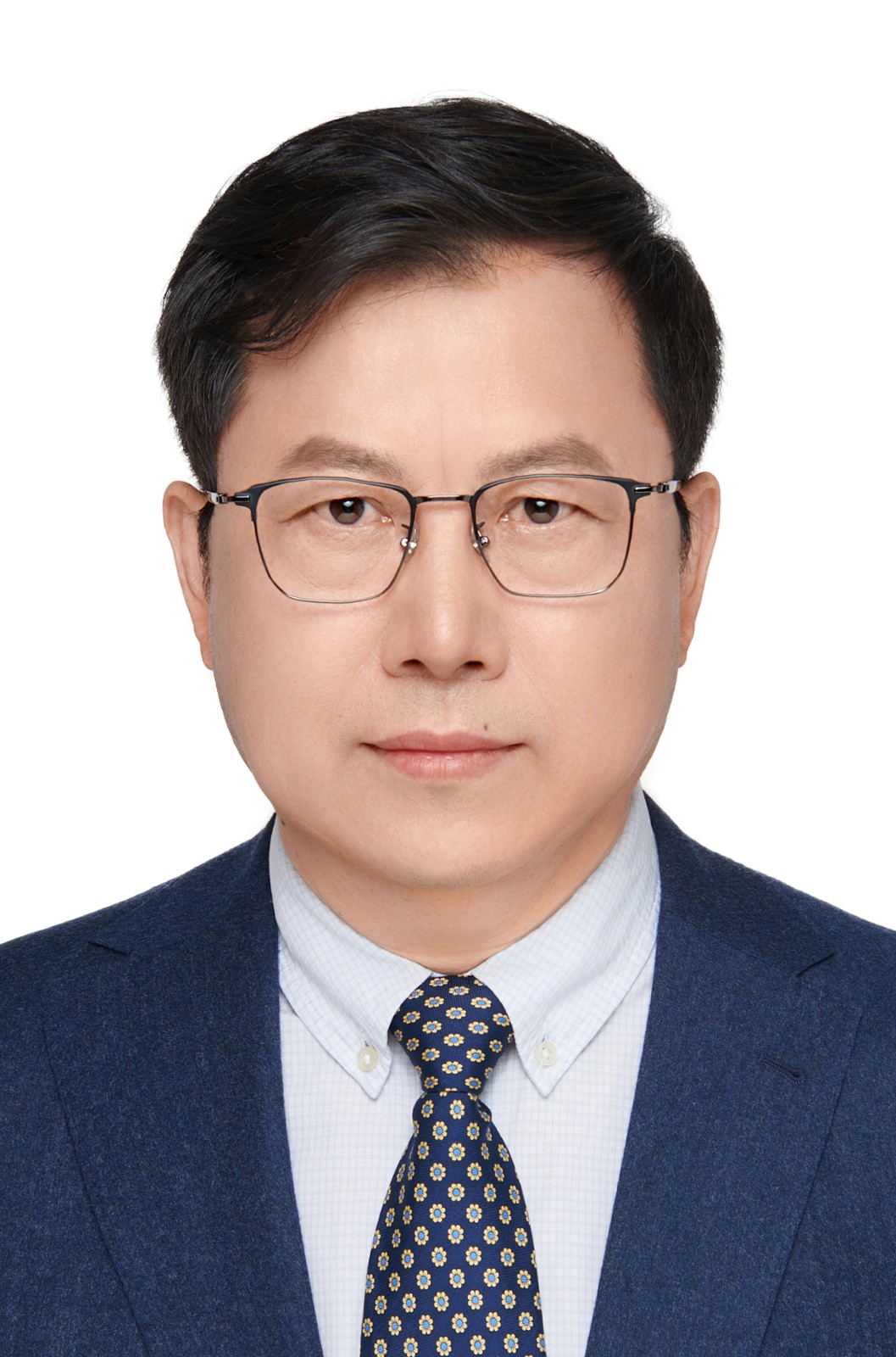 Liming Chen (陈立明)合作论文数School of Computer Science and Technology, Dalian University of Technology1
 Steven Willmott合作论文数Timewarp Inc.1




