8004 Background: B cell maturation antigen (BCMA) targeted CAR-T cells are approved for RRMM. Long manufacturing time and high clinical demand limit access. T-Charge, an innovative platform that reduces manufacturing time to <2 days and preserves T cell stemness, results in robust expansion and prolonged CAR T cell persistence. Here we report updated results from the Phase I trial of T-Charge manufactured, fully human, BCMA CAR-T PHE885 (NCT04318327). Methods: Eligible pts had RRMM after ≥2 prior lines of therapy (tx). Pts received fludarabine and cyclophosphamide (or bendamustine) for lymphodepletion (LD) prior to PHE885 infusion. Primary objective was safety. Secondary objectives were clinical response and cellular kinetics. Results: As of December 22, 2022, 46 pts received PHE885 at the following doses: 2.5e6 (n=4), 5e6 (n=13), 10e6 (n=20), 14.3e6 (n=1), and 20e6 (n=8) CAR T cells. PHE885 was manufactured for 61% of pts at a single academic institution; these pts proceeded from apheresis to LD in a median of 16 days. Median age at enrollment was 65 y (range [R] 45-81), median prior lines of tx was 4 (R 2-10). 37% of pts had extramedullary disease; 96% were triple refractory. Despite aggressive disease, only 28% of pts required bridging chemotherapy, predominantly influenced by quick production time. 96% of pts experienced any gr cytokine release syndrome (CRS); 11% had gr 3 CRS. Median time to CRS onset was 8 (R 2-16) days and median duration was 4 (R 1-19) days. Immune effector cell-associated neurotoxicity syndrome (ICANS) occurred in 22% of pts; 7% had gr 3 ICANS. Dose limiting toxicities were experienced by 13% of pts and included gr 4 neutropenia, gr 4 lipase increase, gr 3 serum amylase increase, gr 3 neurotoxicity, gr 3 transaminitis, and gr 3 ejection fraction reduction. The most common tx-related gr ≥3 AEs included anemia (54%), neutropenia (50%), and thrombocytopenia (37%). Geo-mean peak PHE885 expansion (C max ) was 276,000 copies/µg by qPCR and 70.6% of CD3+ T cells by flow cytometry (n=41). The PHE885 transgene was detected in 13/14 (93%) pts at 6 mo and 5/7 (71%) at 12 mo post infusion. T cells with early memory phenotype were preserved in the final product and persisted in pts post infusion. In 43 efficacy-evaluable pts, the ORR was 98%. At 10e6 dose (n=19), ORR was 100% and CRR was 42% (median follow-up of 4.9 mo [R 1.4-11.8]); 60% of 10 evaluable pts were MRD negative at 10 -5 by NGS. Initial efficacy data at 20e6 and longer follow-up at active doses will also be presented. Conclusions: T-Charge manufactured PHE885 produced high response rates with no unexpected safety findings in heavily pretreated RRMM pts with aggressive disease. PHE885 expanded rapidly and showed durable persistence in vivo. Since conversion to CR/sCR has occurred as late as 18 months after infusion in this study, longer follow-up is ongoing to identify a recommended dose for future development. Clinical trial information: NCT04318327 .
BCMA targeted CAR-T cells are an effective therapy for patients with relapsed or refractory multiple myeloma (r/r MM). However, autologous CAR-T cell products are highly heterogeneous and the functional roles of various T cell populations within these products have not been established. Stem-like memory T cells (Tscm) are a rare T cell subset which maintain high capacity for self-renewal and multipotency. Previously, we demonstrated that the T-Charge TM platform, a novel rapid manufacturing process that reduces manufacturing time to <2 days, preserves less differentiated CAR-T cells which exhibit potent anti-tumor activity and robust expansion in preclinical models (Dexiu Bu, ASH 2021). We conducted a phase 1 clinical trial in r/r MM (NCT04318327) of durcabtagene autoleucel (PHE885), a fully human product manufactured using the T-Charge platform. Here we present a detailed analysis of CAR-T cell products and subsequent expansion of CAR-T cells in 32 patients enrolled in this clinical trial at the Dana-Farber Cancer Institute. Apheresis products (APH), final products (FP) and post-infusion peripheral blood mononuclear cells (PBMC) were characterized using flow cytometry, mass cytometry (CyTOF) and TCR sequencing. We previously reported a 98% overall response rate (ORR) across all dose levels (2.5-20x10 6 CAR-T cells) and 100% ORR at doses >5x10 6 cell dose (Sperling, ASCO 2023). CAR-T cells expanded rapidly after infusion reaching median peak levels of 3,118 cells/ul (range 373 to 17,865) with a median 87.4% (range, 46.9-97.8) of CD3+ T cells expressing the CAR at a median of 14 days (range 10 to 27) after infusion. CAR-T cells persisted at high levels with transgene detectable by qPCR in 67% of patients at 6 months. Among 28 evaluable patients, 13 (43%) had >20% CAR positive T cells detectable by flow cytometry at 3 months. Phenotypic analysis of APH and FP samples showed that less-differentiated T cell subsets, including Tscm and central memory T cells were maintained in FP. CyTOF evaluation of functional markers revealed high expression of proliferation and activation markers in Tscm in FP and subsequently in CAR-T cells at the time of peak expansion in vivo. Subsequently, more differentiated CAR-T cells increased, accompanied by a decline in activation markers, while no significant changes were observed in inhibitory receptors. The proportion of Tscm in the FP positively correlated with early in vivo CAR-T cell expansion. TCR repertoire diversity and TCR clone tracking were used to characterize product manufacturing and CAR-T cells in peripheral blood after infusion. We sorted naïve/Tscm CD4 T cells, naïve/Tscm CD8 T cells, memory CD4 T cells, and memory CD8 T cells from APH and FP, and isolated CAR-positive CD4 T cells, CAR-positive CD8 T cells, CAR-negative CD4 cells, and CAR-negative CD8 T cells from post-infusion PBMC by fluorescence-activated cell sorting and ran TCR sequence from the extracted gDNA from each T cell subpopulation. Measurement of TCR diversity post-infusion revealed higher TCR repertoire diversity in CAR-T cells than in non-CAR-T cells. Notably, post-infusion CAR-T cells shared significantly more TCR clonotypes with T SCM than with memory T cells in the FP, suggesting that the highly heterogeneous post-infusion CAR-T clones were preferentially derived from T SCM clones in the FP. In three evaluable patients with long-term persistence, a highly diverse TCR repertoire in CAR T cells was maintained 1 year after treatment. Our findings demonstrate that the T-Charge™ manufacturing platform successfully maintains highly heterogeneous transduced Tscm clones with self-renewal potential in durcabtagene autoleucel products. Maintenance of Tscm in manufactured products contributes to robust CAR-T expansion and long-term persistence of CAR-T cells with a highly diverse TCR repertoire after infusion.
Ieramilimab, a humanized anti-LAG-3 monoclonal antibody, was well tolerated in combination with the anti-PD-1 antibody spartalizumab in a phase 1 study. This phase 2 study aimed to further investigate the efficacy and safety of combination treatment in patients with selected advanced (locally advanced or metastatic) solid malignancies. Eligible patients with non-small cell lung cancer (NSCLC), melanoma, renal cell carcinoma (RCC), mesothelioma, and triple-negative breast cancer (TNBC) were grouped depending on prior anti-PD-1/L1 therapy (anti-PD-1/L1 naive or anti-PD-1/L1 pretreated). Patients received ieramilimab (400 mg) followed by spartalizumab (300 mg) every 3 weeks. The primary endpoint was objective response rate (ORR), along with safety, pharmacokinetics, and biomarker assessments. Of 235 patients, 142 were naive to anti-PD-1/L1 and 93 were pretreated with anti-PD-1/L1 antibodies. Durable responses (>24 months) were seen across all indications for patients naive to anti-PD-1/L1 and in melanoma and RCC patients pretreated with anti-PD1/L1. The most frequent study drug-related AEs were pruritus (15.5%), fatigue (10.6%), and rash (10.6%) in patients naive to anti-PD-1/L1 and fatigue (18.3%), rash (14.0%), and nausea (10.8%) in anti-PD-1/L1 pretreated patients. Biomarker assessment indicated higher expression of T-cell-inflamed gene signature at baseline among responding patients. Response to treatment was durable (>24 months) in some patients across all enrolled indications, and safety findings were in accordance with previous and current studies exploring LAG-3/PD-1 blockade.
Background: Chimeric antigen receptor (CAR)-T cell therapy (tx) is approved for treatment of r/r MM. However, prolonged product manufacturing times and a need for longer duration of response are a major obstacle in this population, necessitating fast manufacture of a reliable and durable CAR-T cell product. Aims: Herein we report updated clinical data from a Phase I trial assessing the fully human B-cell maturation antigen (BCMA) CAR-T cell product PHE885 in adult patients (pts) with r/r MM. Methods: This multicenter, open-label study (NCT04318327) characterizes the safety and efficacy of PHE885 manufactured using the novel T-ChargeTM platform, which takes <2 d to manufacture the final product and relies on in vivo expansion after CAR-T cell infusion. Pts with MM r/r to ≥2 prior lines of tx, including an immunomodulatory drug, proteasome inhibitor, and anti-CD38 monoclonal antibody, were eligible. Pts received fludarabine and cyclophosphamide for lymphodepletion prior to a single PHE885 intravenous injection. Primary objectives were safety, including dose-limiting toxicities (DLTs) and adverse events (AEs). Secondary objectives included clinical response, T-ChargeTM process evaluation, and cellular kinetics. Results: At abstract submission, 22 pts were infused with PHE885 at the following fixed doses: 2.5×10⁶ (n=4), 5×10⁶ (n=12), 10×106 (n=5), and 14.3×10⁶ (n=1) CAR-T cells; 15 pts (4 at 2.5×10⁶, 10 at 5×10⁶, and 1 at 14.3×10⁶) were evaluable for safety and efficacy at the data cutoff for the abstract (October 13, 2021). Longer follow up of these 15 pts and data from additional pts treated at doses of 5×10⁶ and 10×106 will be presented at the annual meeting. Of the 15 pts evaluable at data cutoff, DLTs were reported in 3 pts and included asymptomatic grade (gr) 3 transaminitis (n=1, 14.3×10⁶), asymptomatic gr ≥3 elevated pancreatic enzymes (n=1, 5×10⁶), and gr 4 neutropenia (n=1, 2.5×10⁶). Most frequent tx-related gr ≥3 AEs included neutropenia (n=15, 100%), anemia (n=13, 87%), and thrombocytopenia (n=11, 73%). All pts experienced cytokine release syndrome (CRS) per Lee 2014 criteria; 2 had gr ≥3 CRS (n=1, 5×10⁶; n=1, 14.3×10⁶). Median times to CRS onset and resolution were 7 d (range, 4-12 d) and 11 d (range, 9-22 d), respectively. Tocilizumab (n=13, 87%), steroids (n=11, 73%), anakinra (n=4, 27%), and pressors (n=3, 20%) were used to manage CRS. Gr 2 neurotoxicity occurred in 4 pts (27%). Pts had an overall response rate of 93%, stringent complete response in 33%, very good partial response (VGPR) in 20%, and PR in 40%. Of evaluable pts at 3 mo post infusion, 43% (3/7) had minimal residual disease (MRD) at <10–5 sensitivity[JC(1], while 33% (2/6) were MRD negative at <10–6 by next-generation sequencing. Robust expansion of BCMA CAR-T cells was observed in all pts via qPCR and flow cytometry; maximum expansion (geometric mean Cmax) was 316,000 copies/μg by qPCR and 76% of circulating T cells by flow cytometry. Maximum expansion was reached at a median of 14.2 d by qPCR (13.9 d by flow cytometry). Naive-like T cells present in the leukapheresis were preserved during manufacturing of most PHE885 products as measured by flow cytometry, and an increase in naive/Tscm populations is observed in ≥VGPR pts post-infusion. Summary/Conclusion: Low doses of PHE885 manufactured by T-ChargeTM in <2 d have a manageable safety profile and encouraging clinical activity in pts with r/r MM. PHE885 expands rapidly in vivo, persists for prolonged periods, and demonstrates a relatively naive T-cell phenotype.
Background: Chimeric antigen receptor (CAR)-T cells are highly effective in patients (pts) with multiple myeloma (MM), but duration of response can be limited, and pts with rapidly progressing disease require a fast and reliable CAR-T cell manufacturing process. Here, we report initial clinical data from a Phase I trial assessing PHE885 manufactured using the T-Charge TM process and characterization of in vivo expansion, suggesting a preserved T-cell stemness (T scm) phenotype in pts with relapsed/refractory (r/r) MM (NCT04318327). Methods: PHE885 is a unique and fully human BCMA CAR-T cell product manufactured using the novel T-Charge TM platform, which reduces ex vivo culture time to about 24 hours and takes <2 days to manufacture the final product, thereby relying entirely on in vivo expansion after CAR-T cell infusion. Pts with MM r/r to ≥2 prior lines of treatment (tx), including an immunomodulatory drug, proteasome inhibitor, and an anti-CD38 monoclonal antibody, were eligible. Pts received fludarabine and cyclophosphamide for lymphodepletion prior to a single PHE885 intravenous injection. Primary objectives were safety, including dose-limiting toxicities (DLTs) and adverse events (AEs). Secondary objectives were clinical responses, evaluation of the T-Charge TM process, and pharmacokinetic properties. Results: As of data cut (April 1, 2021), 7 pts were enrolled in the dose escalation portion; 1 pt failed screening (prolonged QTc), and 6 pts were successfully infused with PHE885. All pts were heavily pretreated, penta-refractory, and refractory to the last line of tx. Fixed doses received were 5×10 6 (n=5) and 14.3×10 6 CAR+ T cells (n=1). All 6 pts were eligible for safety and efficacy. Two DLTs were reported: asymptomatic grade 3 transaminitis in the pt infused with 14.3×10 6 CAR+ T cells, and asymptomatic grade 4 lipase increased in 1 pt infused with 5×10 6 CAR+ T cells. Treatment-related grade ≥3 AEs included anemia and neutropenia in all pts; thrombocytopenia (n=4, 67%); and leukopenia, cytokine release syndrome (CRS), ALT and AST increase, and decreased blood fibrinogen (each n=2, 33%). All pts experienced grade ≤3 CRS per Lee 2014 criteria; median times to CRS onset and resolution were 7 d (range, 4-9 d) and 22 d (range, 10-27 d), respectively. All pts received at least 1 dose each of steroids and tocilizumab; 3 pts received anakinra to manage CRS. Two pts experienced grade 2 neurotoxicity related to PHE885. Both events were nonserious and temporally associated with grade 3 CRS. No deaths occurred on study. At 1 mo after tx, all pts had achieved at least a partial response (PR), with complete response (CR) in 1 pt (17%) and very good PR in 2 pts (33%). Of 4 pts evaluable at 3 mo after tx, 2 had stringent CR, 1 had PR, and 1 pt in PR experienced progressive disease, presumed to be due to loss of BCMA. Of 3 pts evaluable for minimal residual disease (MRD) at 1 mo after tx, all were MRD negative: 2 at sensitivity of 10 -6 and 1 at 10 -5. Robust cellular expansion was observed in all pts via qPCR and flow cytometry; maximum expansion (geometric mean C max) was 283000 copies/μg by qPCR and 69.3% of circulating T cells by flow cytometry. Maximum expansion was reached by 30 d, with median T max of 21.1 d by qPCR (16.4 d by flow cytometry). PHE885 was detectable in peripheral blood up to the latest measured sample for each pt (6 mo for the longest followed pt; range of follow-up, 1-6 mo). A naïve-like T-cell phenotype (T naïve+T scm) was preserved during manufacturing of all PHE885 products. Conclusions: Initial data from this Phase I study demonstrate that low doses of BCMA CAR-T cells manufactured by T-Charge TM in <2 days have encouraging clinical activity and a manageable safety profile in pts with r/r MM. PHE885 CAR-T cells expand rapidly in vivo, persist at relatively high levels for prolonged periods, and demonstrate a relatively immature T-cell phenotype. The trial is ongoing and updated data will be presented at the annual meeting. Clinical trial information: NCT04318327 Figure 1 Figure 1. Sperling: Adaptive: Consultancy. Nikiforow: Kite/Gilead: Other: ad HOC Advisory Boards; Novartis: Other: ad Hoc Advisory Boards; Iovance: Other: ad Hoc Advisory Boards; Glaxo Smith Kline (GSK): Other: ad Hoc Advisory Boards. Nadeem: Bristol Myer Squibb: Consultancy; GSK: Consultancy; Adaptive: Consultancy; Karyopharm: Consultancy; Takeda: Consultancy. Mo: Eli Lilly: Consultancy; Epizyme: Consultancy; GSK: Consultancy, Membership on an entity's Board of Directors or advisory committees; Janssen: Honoraria; Karyopharm: Honoraria, Membership on an entity's Board of Directors or advisory committees; Sanofi: Honoraria, Membership on an entity's Board of Directors or advisory committees; BMS: Membership on an entity's Board of Directors or advisory committees; AbbVIE: Consultancy. Anderson: Sanofi-Aventis: Membership on an entity's Board of Directors or advisory committees; Pfizer: Membership on an entity's Board of Directors or advisory committees; Janssen: Membership on an entity's Board of Directors or advisory committees; Gilead: Membership on an entity's Board of Directors or advisory committees; Bristol Myers Squibb: Membership on an entity's Board of Directors or advisory committees; Millenium-Takeda: Membership on an entity's Board of Directors or advisory committees; Celgene: Membership on an entity's Board of Directors or advisory committees; Scientific Founder of Oncopep and C4 Therapeutics: Current equity holder in publicly-traded company, Current holder of individual stocks in a privately-held company; AstraZeneca: Membership on an entity's Board of Directors or advisory committees; Mana Therapeutics: Membership on an entity's Board of Directors or advisory committees. Ikegawa: Bristol Myers Squibb: Honoraria. Shaw: Orchard Therapeutics, Ltd: Current equity holder in publicly-traded company. Ansari: Novartis: Current Employment. Quinn: Novartis: Current Employment, Current equity holder in publicly-traded company. Pearson: Novartis: Current Employment, Current equity holder in publicly-traded company. Hack: Novartis: Current Employment. Treanor: Novartis: Current Employment, Current holder of individual stocks in a privately-held company, Divested equity in a private or publicly-traded company in the past 24 months, Patents & Royalties: no royalties as company-held patents. Bu: Novartis: Current Employment, Patents & Royalties: Co-inventor on patent applications. Mataraza: Novartis: Current Employment, Current holder of stock options in a privately-held company. Rispoli: Novartis: Current Employment. Credi: Novartis: Current Employment, Current equity holder in publicly-traded company, Divested equity in a private or publicly-traded company in the past 24 months. Ritz: Amgen: Research Funding; Equillium: Research Funding; Kite/Gilead: Research Funding; Avrobio: Membership on an entity's Board of Directors or advisory committees; Akron: Consultancy; Biotech: Consultancy; Blackstone Life Sciences Advisor: Consultancy; Clade Therapeutics, Garuda Therapeutics: Consultancy; Immunitas Therapeutic: Consultancy; LifeVault Bio: Consultancy; Novartis: Consultancy; Rheos Medicines: Consultancy; Talaris Therapeutics: Consultancy; TScan Therapeutics: Consultancy. De Vita: Novartis: Current Employment. Munshi: Celgene: Consultancy; Amgen: Consultancy; Takeda: Consultancy; Adaptive Biotechnology: Consultancy; Abbvie: Consultancy; Oncopep: Consultancy, Current equity holder in publicly-traded company, Other: scientific founder, Patents & Royalties; Janssen: Consultancy; Karyopharm: Consultancy; Novartis: Consultancy; Pfizer: Consultancy; Legend: Consultancy; Bristol-Myers Squibb: Consultancy.
The purpose of this two-cohort Phase II trial was to estimate the pathologic complete response (pCR: ypT0/is ypN0) rate when trastuzumab plus pertuzumab are administered concurrently during both the taxane and anthracycline phases of paclitaxel and 5-fluorouracil/epirubicin/cyclophosphamide (FEC) neoadjuvant chemotherapy.
577 Background: Inclusion of H with chemotherapy has increased pathologic complete response (pCR) rates in HER2 positive breast cancer, and dual HER2 blockade involving H + P further increased efficacy. With dual HER2 blockade and taxane-based (+/-carboplatin followed by anthracycline) chemotherapies, pCR rates reach, 75% in estrogen receptor (ER) negative and 45% in ER+ patients. HER2 targeted therapies also increase the efficacy of anthracyclines but are not routinely combined due to potential cardiotoxicity. The goal of this phase II study was to assess pCR rate when H+P is administered during the entire treatment duration, including the anthracycline phase, of weekly T (80 mg/m2) x 12 followed by FE(75 mg/m2)C x 4 neoadjuvant chemotherapy. Methods: pCR (ypT0/is and ypN0) rate was assessed separately in ER+ and ER- cancers following Simon’s two-stage design to detect improvement in pCR rates to 90% and 70% in the ER- and ER+ cohorts, respectively. Eligibility included age <65, stage I-III, HER2+ disease, and normal cardiac function. Results: The ER- cohort completed full accrual of 25 patients: 23 completed therapy and surgery, 2 patients are still receiving treatment. The pCR rate is 78% (n=18, 95% CI:58-90%). The ER+ cohort was closed after 23 patients were accrued to the first stage due to lower than expected pCR of 26% (n=6, 95% CI:13-46%) at interim analysis. The incidence of grade 3/4 adverse events was 48% (n=24/50), the most common being neutropenia (n=12) and diarrhea (n=7). No patient experienced symptomatic congestive heart failure, one patient had a drop in LVEF to < 50% following completion of chemotherapy. Thirteen patients (27%) had a >10% asymptomatic drop in their LVEF but remained above 50%, LVEF returned to baseline by the next assessment in half of these cases. Conclusions: Neoadjuvant P and H administered concomitantly with weekly T followed by FEC resulted in 78% pCR rate in ER-/HER2+ cancers. This pCR rate is among the highest reported in the literature. The pCR rate was substantially lower in ER+ cancers. Clinical trial information: NCT01855828.
572 Background: Pathologic complete response (pCR) rates to neoadjuvant chemotherapy in TNBC plateaued at 40% with existing regimens, the co-administration of an immune checkpoint inhibitor might increase pCR rate. The objective of the Phase I portion of this trial was to assess the safety of administering MEDI4736 concomitant with sequential taxane and anthracycline chemotherapy. Methods: The Phase I part followed the 3+3 design exploring two dose levels of MEDI4736 (3 and 10 mg/kg iv q2wk) in combination with weekly nab-paclitaxel (100 mg/m2) x 12 followed by ddAC x 4. Dose limiting toxicities (DLT) were evaluated during the entire 20 weeks of therapy and were defined as (1) gr 4 immune related adverse event (irAE), (2) gr 3 irAE that did not resolve to gr 2 within 3 days or to ≤ gr 1 within 14 days, (3) > gr 3 colitis or pneumonitis, (4) ≥ gr 3 non-irAE causally related to MEDI4736. Results: 3 patients completed therapy at the 3 mg/kg dose without any DLT, 1 additional patient refused further study medication because of recurrent gr 2 fatigue after 7 weeks of therapy. At the 10 mg/kg dose level, all 3 patients completed the nab-paclitaxel+MEDI4736 treatment without any DLT and 2 patients also completed 3 of the 4 planned treatments with ddAC without DLT. Among all 7 patients who started therapy, 1 at the 3 mg/kg group experienced gr 3 dehydration and dyspnea without chest X ray abnormalities which resolved within 48 hours with hydration. There were no other gr 3 AEs. Among the 3 patients who have completed therapy as per protocol (not including the patient who withdraw consent), 1 achieved pCR, 1 had minimal, and 1 had extensive residual cancer. No surgical AE were seen. All patients at the 10 mg/kg dose level will complete surgery by March 2017 and final Phase I toxicity and efficacy results will be presented. Conclusions: Concomitant administration of MEDI4736 10 mg/kg with weekly nab-paclitaxel and subsequently with ddAC neoadjuvant chemotherapy appears safe. The Phase II portion of the trial is open and will accrue a maximum of 50 patients to assess the efficacy of the combination. Clinical trial information: NCT02489448.
 Jennifer Mataraza合作论文数6
 Nikhil C. Munshi合作论文数Jerome Lipper Multiple Myeloma Center, Dana-Farber Cancer Institute;Harvard Medical School6
 Jerome Ritz合作论文数Connell and O'Reilly Families Cell Manipulation Core Facility, Dana-Farber Cancer Institute;Harvard Medical School6Marc Credi合作论文数5Yohei Arihara合作论文数5Pearson David合作论文数5Sperling Adam S合作论文数5De-Xiu Bu合作论文数5
 Sarah Nikiforow合作论文数Dana-Farber Cancer Institute, Harvard Medical School5Rao H Prabhala合作论文数5Courtney Frederick合作论文数4
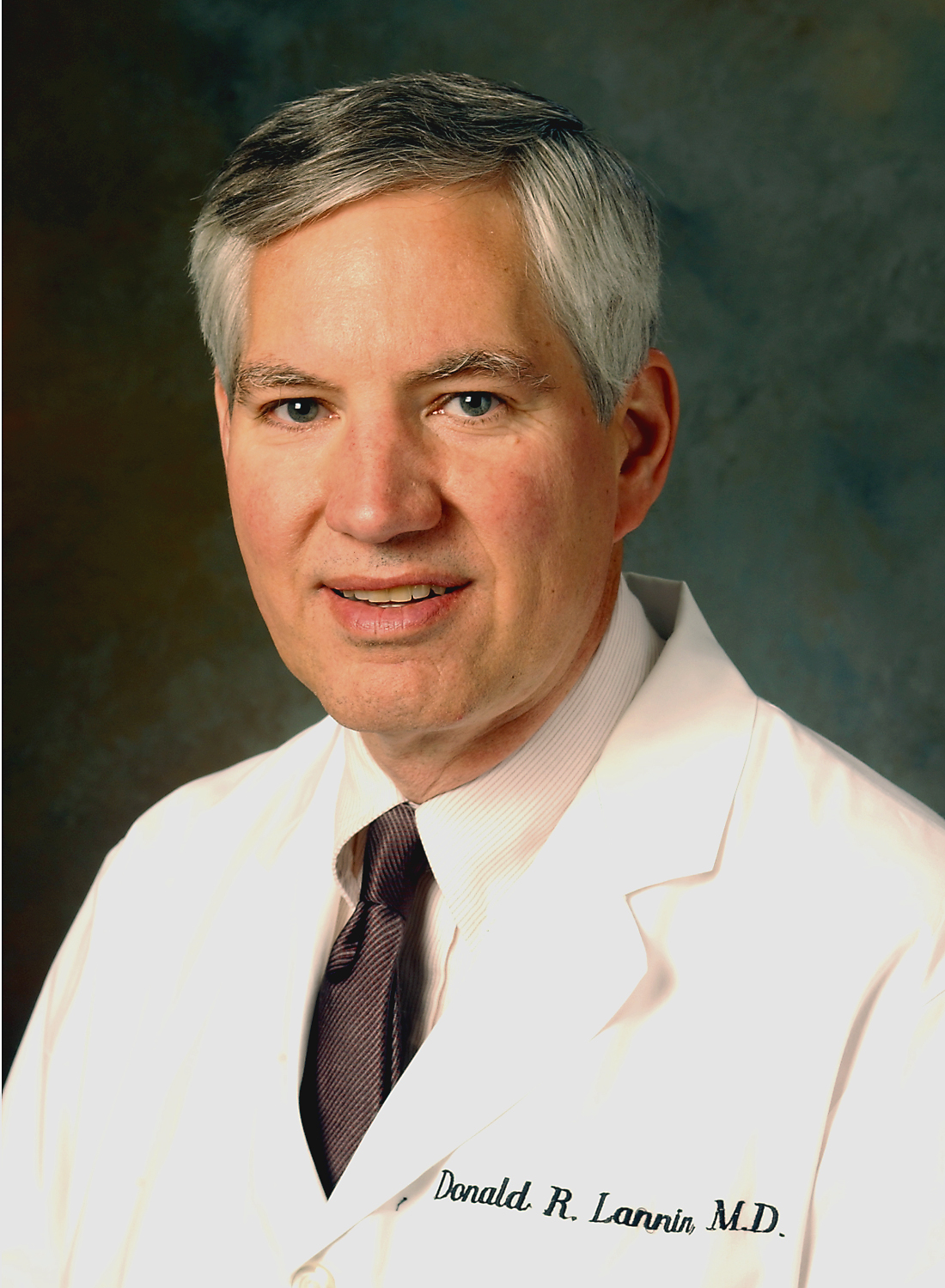 Donald Lannin合作论文数Department of Surgery, School of Medicine, Yale University;Center for Breast Cancer, School of Medicine, Yale University4
 Andrea Silber合作论文数Medical Oncology, Internal Medicine, Yale School of Medicine, Yale University4
 Michael DiGiovanna合作论文数Molecular Medicine, Pharmacology, and Physiology, Biological & Biomedical Sciences, Yale University4De Vita Serena合作论文数4
 Anees Chagpar合作论文数Department of Surgery, School of Medicine, Yale University;Yale Institute for Global Health, Yale University;EviCore by Evernorth4Ikegawa Shuntaro合作论文数4Killelea Brigid合作论文数Medical School, Yale University4
 Erin Hofstatter合作论文数4
 Lajos Pusztai合作论文数Department of Internal Medicine, School of Medicine, Yale University4Michela Ansuinelli合作论文数3Reynolds Carol G合作论文数3Horowitz Nina R合作论文数3
 David I Quinn合作论文数Department of Medicine, Keck School of Medicine, University of Southern California3Diego Hernandez Rodriguez合作论文数2Debra S. Brandt合作论文数2Tuyet Nguyen合作论文数2David S Quinn合作论文数2Serena Vita合作论文数2Julia Foldi合作论文数2
 Borbala Szekely合作论文数2
 Tara Sanft合作论文数Medical Oncology, Internal Medicine, Yale School of Medicine, Yale University2
 Benjamin Derman合作论文数Department of Medicine, The University of Chicago2
 Sarah Mougalian合作论文数2Kert D. Sabbath合作论文数2
 Kenneth C. Anderson合作论文数Dana-Farber Cancer Institute;Harvard Medical School2
 Maysa Abu Khalaf合作论文数Sidney Kimmel Cancer Center, Jefferson Health;Department of Medical Oncology, Thomas Jefferson University2
 Gina Chung合作论文数2R Prabhala合作论文数1H Daley合作论文数1S. Nikiforow合作论文数1Trisha Burrello合作论文数1Soo-Yeon Im合作论文数1David Pearson合作论文数1Chrisann Kyi合作论文数1Clifton C. Mo合作论文数1
 Tanay Samant合作论文数Novartis Pharmaceut1J. Laubach合作论文数1Omar Nadeem合作论文数1




