We developed a two-stage manufacturing process utilizing cultivated autologous limbal epithelial cells (CALEC), the first xenobiotic-free, serum-free, antibiotic-free protocol developed in the United States, to treat blindness caused by unilateral limbal stem cell deficiency (LSCD) and conducted a single-center, single-arm, phase I/II clinical trial. Primary outcomes were feasibility (meeting release criteria) and safety (ocular infection, corneal perforation, or graft detachment). Participant eligibility included male or female participants age 18 to <90 years old and ability to provide written informed consent with LSCD. Funding was provided by the National Eye Institute of the National Institutes of Health. CALEC grafts met release criteria in 14 (93%) of 15 participants at conclusion of trial. After first stage manufacturing, intracellular adenosine triphosphate levels correlated with colony forming efficiency (r = 0.65, 95% CI [0.04, 0.89]). One bacterial infection occurred unrelated to treatment, with no other primary safety events. The secondary outcome was to investigate efficacy based on improvement in corneal epithelial surface integrity (complete success) or improvement in corneal vascularization and/or participant symptomatology as measured by OSDI and SANDI (partial success). 86%, 93%, and 92% of grafts resulted in complete or partial success at 3, 12, and 18 months, respectively. Our results provide strong support that CALEC transplantation is safe and feasible and further studies are needed to evaluate therapeutic efficacy. Clinicaltrials.gov registration: NCT02592330.
Invariant natural killer T (iNKT) cells, a unique T cell population, lend themselves for use as adoptive therapy due to diverse roles in orchestrating immune responses. Originally developed for use in cancer, agenT-797 is a donor-unrestricted allogeneic ex vivo expanded iNKT cell therapy. We conducted an open-label study in virally induced acute respiratory distress syndrome (ARDS) caused by the severe acute respiratory syndrome-2 virus (trial registration NCT04582201). Here we show that agenT-797 rescues exhausted T cells and rapidly activates both innate and adaptive immunity. In 21 ventilated patients including 5 individuals receiving veno-venous extracorporeal membrane oxygenation (VV-ECMO), there are no dose-limiting toxicities. We observe an anti-inflammatory systemic cytokine response and infused iNKT cells are persistent during follow-up, inducing only transient donor-specific antibodies. Clinical signals of associated survival and prevention of secondary infections are evident. Cellular therapy using off-the-shelf iNKT cells is safe, can be rapidly scaled and is associated with an anti-inflammatory response. The safety and therapeutic potential of iNKT cells across diseases including infections and cancer, warrants randomized-controlled trials.
Amyotrophic lateral sclerosis (ALS) is an orphan neurodegenerative disease. Immune system dysregulation plays an essential role in ALS onset and progression. Our preclinical studies have shown that the administration of exogenous allogeneic B cells improves outcomes in murine models of skin and brain injury through a process termed pligodraxis, in which B cells adopt an immunoregulatory and neuroprotective phenotype in an injured environment. Here, we investigated the effects of B-cell therapy in the SOD1G93A mouse preclinical model of ALS and in a person living with ALS. Purified splenic mature naïve B cells from haploidentical donor mice were administered intravenously in SOD1G93A mice for a total of 10 weekly doses. For the clinical study in a person with advanced ALS, IgA gammopathy of unclear significance, and B lymphopenia, CD19+ B cells were positively selected from a healthy haploidentical donor and infused intravenously twice, at a 60-day interval. Repeated intravenous B-cell administration was safe and significantly delayed disease onset, extended survival, reduced cellular apoptosis, and decreased astrogliosis in SOD1G93A mice. Repeated B-cell infusion in a person with ALS was safe and did not appear to generate a clinically evident inflammatory response. An improvement of 5 points on the ALSFRS-R scale was observed after the first infusion. Levels of inflammatory markers showed persistent reduction post-infusion. This represents a first demonstration of the efficacy of haploidentical B-cell infusion in the SOD1G93A mouse and the safety and feasibility of using purified haploidentical B lymphocytes as a cell-based therapeutic strategy for a person with ALS.
We report on the first-in-human clinical trial using chimeric antigen receptor (CAR) T-cells targeting CD37, an antigen highly expressed in B- and T-cell malignancies (clinicaltrials.gov NCT04136275). Five patients with relapsed or refractory CD37+ lymphoid malignancies were enrolled and infused with autologous CAR-37 T-cells. CAR-37 T-cells expanded in the peripheral blood of all patients and, at peak, comprised >94% of the total lymphocytes in 4/5 patients. Tumor responses were observed in 4/5 patients, with 3 complete responses, 1 mixed response, and 1 patient whose disease progressed rapidly and with relative loss of CD37 expression. Three patients experienced prolonged and severe pancytopenia, and in two of these patients, efforts to ablate CAR-37 T-cells (which were engineered to co-express truncated EGFR) with cetuximab, were unsuccessful. Hematopoiesis was restored in these two patients following allogeneic hematopoietic stem cell transplantation. No other severe, non-hematopoietic toxicities occurred. We investigated the mechanisms of profound pancytopenia and did not observe activation of CAR-37 T-cells in response to hematopoietic stem cells in vitro or hematotoxicity in humanized models. Patients with pancytopenia had sustained high levels of IL-18, with low levels of IL-18 binding protein in their peripheral blood. IL-18 levels were significantly higher in CAR-37-treated patients relative to both cytopenic and non-cytopenic cohorts of CAR-19-treated cohorts of patients. In conclusion, CAR-37 T-cells exhibited anti-tumor activity, with significant CAR expansion and cytokine production. CAR-37 T-cells may be an effective therapy in hematologic malignancies as a bridge to hematopoietic stem cell transplant.
BackgroundIn the era of immune checkpoint blockade, the role of cancer vaccines in immune priming has provided additional potential for therapeutic improvements. Prior studies have demonstrated delayed type hypersensitivity and anti-tumor immunity with vaccines engineered to secrete granulocyte-macrophage colony-stimulating factor (GM-CSF). The safety, efficacy and anti-tumor immunity of GM-CSF secreting vaccine in patients with previously treated stage III or IV melanoma needs further investigation.MethodsIn this phase II trial, excised lymph node metastases were processed to single cells, transduced with an adenoviral vector encoding GM-CSF, irradiated, and cryopreserved. Individual vaccines were composed of 1x10⁶, 4x10⁶, or 1x10⁷ tumor cells, and were injected intradermally and subcutaneously at weekly and biweekly intervals. The primary endpoints were feasibility of producing vaccine in stage III patients and determining the proportion of patients alive at two years in stage IV patients.ResultsGM-CSF vaccine was successfully developed and administered in all 61 patients. Toxicities were restricted to grade 1-2 local skin reactions. The median OS for stage III patients (n = 20) was 71.1 (95% CI, 43.7 to NR) months and 14.9 (95%CI, 12.1 to 39.7) months for stage IV patients. The median PFS in stage III patients was 50.7 (95%CI, 36.3 to NR) months and 4.1 (95% CI, 3.0-6.3) months in stage IV patients. In the overall population, the disease control rate was 39.3% (95%CI, 27.1 to 52.7%). In stage III patients, higher pre-treatment plasma cytokine levels of MMP-1, TRAIL, CXCL-11, CXCL-13 were associated with improved PFS (p<0.05 for all). An increase in post-vaccination levels of IL-15 and TRAIL for stage III patients was associated with improved PFS (p=0.03 for both). Similarly, an increase in post-vaccination IL-16 level for stage IV patients was associated with improved PFS (p=0.02) and clinical benefit.ConclusionsVaccination with autologous melanoma cells secreting GM-CSF augments antitumor immunity in stage III and IV patients with melanoma, is safe, and demonstrates disease control. Luminex data suggests that changes in inflammatory cytokines and immune cell infiltration promote tumor antigen presentation and subsequent tumor cell destruction. Additional investigation to administer this vaccine in combination with immune checkpoint inhibitors is needed.
Introduction Regulatory T cells (Tregs) blunt anti-tumor responses of major immune effector cells including CD8 T cells and natural killer (NK) cells. Tregs constitutively express CTLA-4 and thus the use of ipilimumab, a CTLA-4 blocker can potentially overcome the Treg-mediated immune suppression. We (and others) have shown that a brief activation of conventional NK cells with the cytokine combination IL-12, IL-15, and IL-18 generates cytokine-induced memory-like (CIML) NK cells which exhibit enhanced anti-tumor responses, have a longer half-life (up to 90 vs ~12 days of conventional NK cells), and show promising activity in several early phase clinical trials. N-803 is an IL-15 super-agonist with a long half-life that preferentially activates and expands NK and CD8+ T cells without affecting Tregs, making it an ideal cytokine for combining with adoptive immunotherapy. In the current study, we hypothesized the use of ipilimumab (IPI) will abrogate Treg-mediated inhibition and thus allow enhanced proliferation, activation, and anti-tumor responses of the adoptively transferred CIML NK cells.To address this, we conducted a phase 1 trial of HLA-haploidentical CIML NK cells in combination with IPI and N-803 in patients with advanced head and neck cancer (HNC). Using flow cytometry and CITE-Seq on the banked peripheral blood samples, we performed an in-depth characterization of NK cells expanded following IPI pre-exposure and compared it to those who did not receive IPI. Methods We enrolled 10 patients with refractory HNC regardless of human papillomavirus (HPV) status who had prior platinum and immunotherapy (NCT04290546). All patients received lymphodepletion with fludarabine (25 mg/m 2 x 5 days) and cyclophosphamide (60 mg/kg x 2 days) during days -6 to -2 prior to haploidentical CIML NK cell infusion on day 0 (5-10 x 10 6 cells/kg=dose level 0) followed by N-803 (15 mcg/kg subcutaneously) starting on day +1 every 21-days for 4-doses. In cohort 2, patients received IPI (3 mg/kg) on day -7, no ipilimumab was given to the first 6 patients treated on the lead-in safety cohort 1. Flow cytometry using a custom NK cell panel was performed on samples collected on days +7, +14, +21, +28, +42, and +60 after CIML NK cell infusion. FlowSOM clustering was performed on NK cell markers. UMAP clustering was applied to CITE sequencing data acquired from samples collected on day +7 and day +28, and well-defined markers genes for each cluster were used to identify cell populations. NK cell function (cytotoxicity, IFNg, and CD107a) was assessed using flow-cytometry based assays. Results The median age of the patients was 58, 90% were men and 80% had oropharyngeal primaries. Mild CRS (grade 2 or lower) was observed in 60% of patients. No neurotoxicity or graft-versus-host disease was observed. Maximal expansion of NK cells occurred on day +7 following CIML NK cell infusion in 9/10 of patients. The single patient without NK cell expansion was found to have a donor-specific anti-HLA antibody. Day +7 NK cells exhibited upregulation of IFNg expression following cytokine restimulation as compared to resting NK cells. Tumor regression was observed in 50% of treated patients at day +30 based on RECIST v1.1 criteria. Patients who had tumor regression had an expansion of CD56 dimCD16 + NK cell clusters by day +14. IPI treated patients were noted to have a relative enrichment of CD16 + NK cell metaclusters at day +14 compared to no IPI patients (Figure 1A). At the time of maximal NK cell expansion, CITEseq defined NK cell clusters were dominant in both IPI and no IPI patients, but the proliferative gene sets were enriched in the IPI treated patient (Figure 1B). IPI exposure had no effect on the distribution of regulatory T cells or CD8 + T cell populations at day +28 compared to the no IPI patients. Conclusions The use of donor-derived CIML NK cells is safe and associated with tumor regression in patients with advanced HNC. The use of IPI was associated with the preferential expansion of CD16 + NK cell clusters that had enrichment of proliferative gene sets. Tumor regression was associated with CD56 dimCD16 + NK cell expansion. Further work is required to elucidate the mechanism by which IPI exposure is associated with the expansion of specific subsets of CIML NK cells.
BACKGROUND:CD8+ T regulatory (Treg) cells that recognize the nonclassical class 1b molecule Qa-1/human leukocyte antigen E (Q/E CD8+ Treg cells) are important in maintaining self-tolerance. We sought to investigate the role that these T cells play in type 1 diabetes (T1D) pathogenesis and whether an intervention targeting this mechanism may delay T1D progression. METHODS:We conducted a phase 1/2, randomized, double-blind, placebo-controlled trial of the autologous dendritic cell therapy AVT001 that included participants at least 16 years of age, within 1 year of T1D diagnosis, and with ex vivo evidence of a defect in Q/E CD8+ Treg function. Patients were randomly assigned in a 2:1 ratio to AVT001 or placebo, which was administered in three monthly intravenous infusions. The primary end point was safety; efficacy end points included changes from baseline in C-peptide area under the curve (AUC) during a 4-hour mixed meal, hemoglobin A1c (HbA1c), and insulin dose. RESULTS:Sixteen patients received AVT001, and nine received placebo. Similar rates and severity of adverse events were observed in both groups. None of the patients in the AVT001 group had serious adverse events through visit day 360. Compared with placebo, treatment with ATV001 was associated with less decline from baseline log-transformed C-peptide AUC (nmol/l), with the treatment effect between AVT001 and placebo at day 150 of 0.09 (95% confidence interval [CI], 0.03 to 0.15) and at day 360 of 0.10 (95% CI, 0.04 to 0.15). No clear differences in change in HbA1c and insulin dose from baseline were observed between groups. Estimated treatment effects of AVT001 versus placebo at day 360 were -0.17% (95% CI, -0.60 to 0.26%) for HbA1c and -0.06 U/kg/day (95% CI, -0.14 to 0.02) for daily insulin dose. CONCLUSIONS:In this phase 1/2 trial, AVT001 did not result in dose-limiting adverse events. Potential signals of efficacy observed here warrant further evaluation in a fully powered trial. (Funded by Avotres Inc. and the Division of Diabetes, Endocrinology, and Metabolic Diseases; ClinicalTrials.gov number, NCT03895996.).
Introduction/Background Autologous stem cell transplant (ASCT) improves MRD negativity and prolongs progression-free survival in patients with multiple myeloma (MM) in their first or second remission following induction chemotherapy. MM NK cells are dysfunctional, negatively impacting outcomes. BHV-1100, a novel Antibody Recruiting Molecule ( ARM), binds to CD38 and recruits NK cells for antibody-dependent cell cytotoxicity (ADCC) without inducing fratricide. Allogeneic, cytokine induced memory-like (CIML) NK cells effectively treat myeloid disorders, however, it is not known if autologous CIML NK cells, when coated with BHV-1100, would further improve ASCT outcomes in MM. Methods We designed a first-in-human study of autologous CIML NK cells coated ex-vivo with BHV-1100 for MRD+, MM patients undergoing ASCT following first or second remission. NK cells were isolated from non-mobilized leukapheresis on day -1 (prior to melphalan for HCT) using CD3 depletion followed by CD56 positive selection with Miltenyi's CliniMACS. The NK cells were incubated overnight (12-16 hours) with IL-12 (10ng/ml), IL-15 (100ng/ml), and IL-18 (50ng/ml) to induce CIML differentiation, washed and subsequently coated with BHV-1100 for one hour prior to infusion. The product was infused fresh on D0 after standard melphalan 200 mg/m2 myeloablative conditioning and followed by stem cell infusion. Low dose IL2 (1 mIU/m 2) was administered SQ starting on D+1, QOD for a total of 7 doses. Results This is an ongoing trial (NCT04634435) with a median follow-up of 191 days. We are herein reporting data on the in vivo expansion and functional characterization of ARMored CIML NK for the first 5 patients. CIML NK cells were manufactured with a 100% success rate and infused at a target dose of 5-10x10 6 cells/kg-body weight, 24 hours after 200 mg/m 2 melphalan administration. Patients received between 3.9-6.0x10 6/Kg stem cells. Engraftment based on recovery of neutrophil count occurred on D+12-D+14. There was a 3-fold expansion of NK cells in the peripheral blood from D+7 (from 12% to 42%) to D+28 that persisted until D+60 (25% total PBMC, Fig. 1A). Most expanded NK cells were CD56 dim, CD16 high, KIR high and CD57 high. CD57 and KIR expression increased over time from D+7 to D+60, whereas NKG2A expression decreased, indicating the expansion of mature, activated, and cytotoxic NK cells. Regulatory T cells increased by D+7 (3% vs 15% total PBMC) and returned to baseline after D+14 most likely reflecting the effect of IL-2 treatment. The functional capacity of the infused product was tested in vitro against MOLP8 MM cell line. The BHV-1100 ARMored CIML NK cells showed increased IFN (53% vs 48% at 0H and 53% vs 44% at 24H) and CD107a (Fig.1B) (26% vs 13% at 0H and 34% vs 15% at 24H) production compared to untreated CIML NK cells and the product was stable for 24 hours. Conclusion Autologous, BHV-1100 ARMored CIML NK cells have enhanced anti-MM activity as well as expand and persist in vivo peaking at D+28 after infusion. This represents an innovative approach to boost autologous cancer immunosurveillance in the context of ASCT. Aside from anticipated infusion reactions, no severe/unexpected adverse events were noted; longer follow-up is required to assess safety and efficacy.
To treat unilateral limbal stem cell (LSC) deficiency, we developed cultivated autologous limbal epithelial cells (CALEC) using an innovative xenobiotic-free, serum-free, antibiotic-free, two-step manufacturing process for LSC isolation and expansion onto human amniotic membrane with rigorous quality control in a good manufacturing practices facility. Limbal biopsies were used to generate CALEC constructs, and final grafts were evaluated by noninvasive scanning microscopy and tested for viability and sterility. Cultivated cells maintained epithelial cell phenotype with colony-forming and proliferative capacities. Analysis of LSC biomarkers showed preservation of "stemness." After preclinical development, a phase 1 clinical trial enrolled five patients with unilateral LSC deficiency. Four of these patients received CALEC transplants, establishing preliminary feasibility. Clinical case histories are reported, with no primary safety events. On the basis of these results, a second recruitment phase of the trial was opened to provide longer term safety and efficacy data on more patients.
Relapsed and refractory multiple myeloma (RRMM) is a plasma cell neoplasm defined by progressively refractory disease necessitating chronic and increasingly intensive therapy. Despite recent advances, limited treatment options exist for RRMM. This singlearm, open label phase 1 study aimed to evaluate the safety of novel B-cell maturation antigen (BCMA)-targeting chimeric antigen receptor (CAR) T construct that leverages a completely synthetic antigen-binding domain (CART-ddBCMA), which was specifically engineered to reduce immunogenicity and improve CAR cell surface stability. Thirteen patients >= 18 years with RRMM who received at least 3 prior regimens of systemic therapy were enrolled in the study. Patients received a single dose of 100 x 106 CART-ddBCMA (DL1) or 300 x 106 CART-ddBCMA (DL2) following standard lymphodepleting chemotherapy. The primary endpoints of the study were to evaluate the incidence of treatment emergent adverse events, including dose-limiting toxicities, and establish a recommended phase 2 dose. Results showed that CART-ddBCMA was well tolerated and demonstrated a favorable toxicity profile. Only 1 case of grade >= 3 cytokine release syndrome and 1 case of immune effector cell-associated neurotoxicity were reported; both were at DL2 and were manageable with standard treatment. No atypical neurological toxicities and Parkinson disease-like movement disorders were observed. The maximum tolerated dose was not reached. All infused patients responded to CART-ddBCMA, and 9/12 (75%) patients achieved complete response/stringent complete response. Responses deepened over time, and at the time of last data-cut (median follow-up 56 weeks), 8/9 (89%) evaluable patients achieved minimal residual disease negativity. In conclusion, the findings demonstrate the safety of CART-ddBCMA cells and document durable responses to CART-ddBCMA in patients with RRMM. This trial was registered at www.clinicaltrials.gov as #NCT04155749.
Purpose: Patients with recurrent incurable, or metastatic (R/M) head and neck cancers (HNCs) refractory to platinum and immunotherapy have poor survival. Cellular therapies have emerged as treatments with potential activity in solid tumors. This proof-of-concept trial investigated an allogeneic cytokine-induced, memory-like (CIML) NK cell infusion followed by IL-15 superagonist (sa) after lead-in CTLA-4 inhibition (ipilimumab) plus lymphodepleting (LD) chemotherapy in advanced HNC. Methods: This phase 1 single-center trial enrolled patients (pts) with R/M HNC (n=7 HNSCC, n=3 salivary cancer) regardless of human papillomavirus (HPV) status who had prior platinum and immunotherapy. Pts in cohort 1 received LD fludarabine (25 mg/m2) and cyclophosphamide (60 mg/m2/kg) on days -6 to -2 prior to haploidentical CIML NK cell infusion on day 0 (5-10 × 106 viable cells/kg=dose level 0) followed by N-803 (IL-15sa, 15 mcg/kg subcutaneously) starting on day +1 every 21-days for 4-doses; in cohort 2, pts received the same regimen with a dose of lead-in ipilimumab on day -7. Cohort 1 treated 3 pts at dose level 0; <2 DLTs triggered an additional 3 pts (n=6). Cohort 2 treated an additional 4 pts. Primary objective: safety, maximum tolerated dose of CIML NK cells. Secondary objectives: objective response rate, progression-free survival (PFS), overall survival (OS), and phenotypic expansion and function of adoptively transferred NK cells. Results: From 9/8/20 to 12/2/22, 10 pts enrolled. One DLT was observed at dose level 0. Median age: 58; 9/10 (90%) were men; 8 (80%) had oropharyngeal primaries (6 HPV+) with a median 6 prior lines of therapy for R/M disease (range: 3-8). Eight (80%) had offspring donors. Grade (G) 3-4 hematologic adverse events were common (10/10, 100%). One patient died of G5 febrile neutropenia and infection (DLT). Median days hospitalized: 15 (range: 9-37). Mild CRS was observed in 6/10 (60%); 5/6 received anti-IL6 therapy; no neurotoxicity was observed. One (10%) partial response (PR) lasted 6.5 months; 6 (60%) had stable disease, 3 (30%) had progression. Tumor regression was observed in 5/10 (50%) at day +30. At a median follow-up of 20.2 mos, median PFS: 2.6 mos (95%CI 1-3.9); median OS: 3.5 mos (95%CI 1-4.7). CIML NK expansion in the peripheral blood (PB) occurred on day +7 in 9/10 of pts. A donor-specific antibody was found in the one patient without expansion. In pts with tumor regression at day +30 compared to those without, CD56dimCD16+ NK cell clusters expanded by day +14 (93.7% vs. 37.3% of PB NK cells). The CD16+KIR+CD57+ NK cell cluster was more prevalent in the ipilimumab-treated pts at the time of tumor regression (16% vs. 4%, p<0.05). Conclusion: Allogeneic CIML NK cells can induce tumor regression associated with persistent CIML NK cell expansion in advanced HNC pts. Tumor regression was associated with CD56dimCD16+ NK cell expansion. We demonstrate safety and feasibility with the expected toxicity of LD. These findings have important implications for the development of cellular therapies in solid tumors. Citation Format: Glenn J. Hanna, Roman M. Shapiro, Michal Sheffer, Michela Ansuinelli, Grace Birch, Robert A. Redd, Alejandro Alonso, Denbaa Bat-Erdene, Samantha Himberg, Heather Daley, Diego E. Hernandez-Rodriquez, Katharin L. Shaw, Jerome Ritz, Sarah Nikiforow, Robert J. Soiffer, Rizwan Romee. Allogeneic memory-like natural killer (NK) cell therapy with IL-15 superagonist with or without ipilimumab for advanced, incurable head and neck cancer: A phase 1 trial [abstract]. In: Proceedings of the AACR-AHNS Head and Neck Cancer Conference: Innovating through Basic, Clinical, and Translational Research; 2023 Jul 7-8; Montreal, QC, Canada. Philadelphia (PA): AACR; Clin Cancer Res 2023;29(18_Suppl):Abstract nr PR11.
Key Points GVAX vaccination early after allogeneic HSCT was well tolerated but did not improve long-term disease-free survival after transplantation. This study highlights the challenges of conducting planned early posttransplant intervention trials after allogeneic HSCT.
Abstract The authors have requested that this preprint be removed from Research Square.
The antigenic targets of immunity and the role of vaccination in breast cancer are unknown. We performed a phase I study of an autologous GM-CSF-secreting breast cancer vaccine in patients with metastatic and stage II–III breast cancer. Tumor cells from patients with metastatic (n = 15) and stage II–III (n = 7) disease were transduced with a replication-defective adenoviral vector encoding GM-CSF, and then irradiated. Twelve and seven patients with metastatic and stage II–III disease, respectively, received weekly vaccination for three weeks, followed by every other week until disease progression or vaccine supply was exhausted (metastatic) or until six total vaccine doses were administered (stage II–III). Among those patients with metastatic disease who received vaccinations, eight had progressive disease at two months, three had stable disease for 4–13 months, and one has had no evidence of disease for 13 years. Of the patients with stage II–III disease, five died of metastatic disease between 1.16 and 8.49 years after the start of vaccinations (median 6.24 years) and two are alive as of September 2021. Toxicities included injection site reactions, fatigue, fever, upper respiratory symptoms, joint pain, nausea, and edema. Four of five evaluable patients with metastatic disease developed a skin reaction with immune cell infiltration after the fifth injection of unmodified, irradiated tumor cells. We conclude that tumor cells can be harvested from patients with metastatic or stage II–III breast cancer to prepare autologous GM-CSF-secreting vaccines that induce coordinated immune responses with limited toxicity. clinicaltrials.gov, NCT00317603 (April 25, 2006) and NCT00880464 (April 13, 2009).
Background Induction of fetal hemoglobin (HbF) by repressing BCL11A could reduce or eliminate sickle cell disease (SCD) clinical manifestations. The BCH-BB694 lentiviral vector (LVV) encodes a shRNA targeting BCL11A embedded in a microRNA scaffold (shmiR) allowing erythroid-specific knockdown to induce γ-globin expression and concomitantly and coordinately repress β-sickle globin expression (Brendel et al. JCI 2016). The safety and efficacy of gene therapy (GT) with BCH-BB694-transduced autologous CD34+ cells in patients with SCD is being investigated in a pilot and feasibility trial (NCT03282656), which has now completed enrollment of all 10 planned patients. Preliminary data in the first 6 patients described robust HbF induction and a favorable safety profile (Esrick et al. NEJM 2021). Additional follow-up data including all ten pilot trial patients is discussed here with longest follow-up now > 4 years. Methods Patients with severe SCD were screened for eligibility. Autologous CD34+ cells were collected via apheresis after plerixafor mobilization (Esrick and Manis et al. Blood Adv 2018) and then transduced ex vivo with the BCH-BB694 shmiR LVV. Gene modified cells were infused into subjects who had received myeloablative busulfan conditioning. Patients were monitored for adverse events (AEs), hemoglobin (Hb), HbF fraction, percent F cells, hemolysis markers, and SCD clinical manifestations. Results Ten patients (7-25 years of age at enrollment) received GT, with median follow-up of 30.5 (2-50) months. There were no Grade 3 or 4 AEs associated with mobilization, collection or infusion. Median product VCN, % transduced cells, and CD34+ cell dose in the 10 patients were 3.5 (1.8-6.9) copies/diploid genome (c/dg), 96% (62-100%), and 5.7 (3.6-8.8) x 106 CD34+ cells/kg, respectively. Engraftment of neutrophils occurred on day 22 (18-30) and of platelets on day 32 (25-62). One patient (patient 10) has low post-GT peripheral VCN, HbF, and percent F cells; most recently 0.23 c/dg, 11.2%, and 37.3% respectively. Although improved, this was considered a GT failure and the patient has been started on new SCD-directed therapies due to ongoing SCD clinical manifestations. Subsequent data described here exclude patient 10. At the most recent study visit, the 7 untransfused patients with follow up > 6 months had mean total Hb of 10.5 (8.8-12.2) g/dL, HbF/(F+S) of 30.3% (21.4 - 42.4%), percent F cells of 70.6% (58.8-79.8%), and HbF per F cell of 12 (10.1-14.4) pg (Table 1). The lowest Hb response was seen in patient 11 who has 2-gene deletion alpha thalassemia in combination with SCD. Five patients with follow-up > 6 months (patients 4, 6, 8, 9, and 11) had frequent severe vaso-occlusive events (ACS, priapism, or pain requiring inpatient or ED opioids) as indication for eligibility, with a median of 6 (3-13) events (Table 2). From 6 months after GT through present, these 5 patients have had a median of 1 (0-1) event. Three patients with follow-up > 6 months (patients 2, 3, and 7) were on chronic transfusion regimens pre-GT. Patient 3 has continued chronic transfusions due to pre-existing moyamoya with goal of maintaining HbS at pre-GT levels. Patients 2 and 7 have received no post-GT transfusions. Patients 2, 3, and 7 have had no SCD clinical events. Mean lactate dehydrogenase and absolute reticulocyte count at last study visit were 346 (215-389) U/L and 241 (200-360) 109/L, respectively, indicating decreased but persistent mild hemolysis in all patients. There have been no instances of graft failure, replication competent lentivirus detection, or clonal dominance in any patient. Six patients with ≥2 years post GT have had bone marrow biopsies at the 2 year timepoint without evidence of myelodysplasia. Targeted sequencing of ~95 genes frequently mutated in hematologic malignancies has been performed on peripheral blood samples every 6 months since early 2021 in patients with ≥6 months from GT. One patient had a pathogenic mutation detected in the DNMT3A gene, which was present in a stored pre-GT sample and has been present at a stable VAF <4% at 6, 9, and 12 months post-GT. Summary Post-transcriptional gene editing of BCL11A appears safe with stable induction of broadly distributed HbF and significant mitigation of VOE events in severe SCD in all but one treated patient. Based on the results of this pilot study, a phase 2, multi-institutional trial is now open for enrollment using the same vector and approach (NCT05353647). Figure 1View largeDownload PPTFigure 1View largeDownload PPT Close modal
Purpose: Outcomes for patients with recurrent, incurable or metastatic (R/M) squamous cell carcinoma of the head and neck (SCCHN) refractory to platinum and immunotherapy are poor. Cellular therapies are emerging treatments with potential utility in epithelial cancers. This proof-of-concept trial investigates an allogeneic cytokine-induced, memory-like (CIML) NK cell infusion with IL-15 superagonist (sa) after lymphodepleting (LD) chemotherapy in advanced SCCHN. Patients and methods: This phase 1 single-center trial enrolled patients (pts) with R/M SCCHN regardless of human papillomavirus (HPV) status who had prior platinum and immunotherapy. Pts received LD fludarabine (25 mg/m2) and cyclophosphamide (60 mg/m2/kg) on days -6 to -2 prior to haploidentical CIML NK cell infusion on day 0 (5-10 x 106 viable cells/kg=dose level 0) followed by N-803 (IL-15sa, 15 mcg/kg subcutaneously) starting on day +1 every 21-days for 4-doses. Part 1 treated 3 pts at dose level 0; <2 DLTs triggered an additional 3 pts. Part 2 will treat an additional 6 pts with lead-in ipilimumab (day -7). Primary objective: safety, maximum tolerated dose of CIML NK cells. Secondary objectives: objective response rate, progression-free survival (PFS), overall survival (OS), and phenotypic expansion and function of adoptively transferred NK cells. Results: From 9/8/20 to 9/7/21, 6 pts enrolled to Part 1. One DLT was observed at dose level 0. Among 6 pts, median age: 59; 5/6 (83%) were men; 5/6 (83%) had oropharyngeal primaries (4 HPV+) with a median 6 prior lines of therapy for R/M disease (range: 4-8). R/M disease sites: lung, bone, skin, liver. 5/6 (83%) had offspring donors. Grade (G) 3-4 hematologic adverse events were common (6/6, 100%). One patient died of G5 febrile neutropenia and infection. Median days hospitalized: 14 (range: 9-37). Mild cytokine release syndrome was observed in 5/6 (83%) (median peak ferritin: 2248, CRP: 168); 3/5 required anti-IL6 therapy; no neurotoxicity was noted. There were no dose adjustments or discontinuation of therapy. One (17%) partial response (PR) was observed lasting 6.5 months; 4 (67%) pts had stable disease (SD), and 1 (17%) had progression. Tumor regression was observed in 3/6 (50%) pts at day +30. At a median follow-up of 9.5 months, median PFS: 3.4 months (95%CI 2.6-6.5); median OS: 4.7 months (95%CI 3.4-11.8). CIML NK cells showed large expansion in the peripheral blood (PB) at day +7 in all pts; mean increase: 66% (6-fold; standard deviation [SD] 10.5), to constitute 80% (SD 12.1) of PB lymphocytes. In pts with tumor regression at day +30 compared to those without, the % of PB NK cells remained high at day +28 (mean: 78 vs. 11%). PB NK cells remained >50% at day +42 in the pt with a PR. Conclusion: Allogeneic CIML NK cells can induce tumor regression associated with persistent CIML NK cell expansion among advanced SCCHN pts. In Part 1 we demonstrate safety and feasibility with the expected risks of LD conditioning. These findings have important implications for the development of cellular therapies in solid tumors. Citation Format: Glenn J. Hanna, Kimberly Coleman, Grace Birch, Robert A. Redd, Alejandro Alonso, Samantha Bednarz, Heather Daley, Diego E. Hernandez Rodriguez, Kit L. Shaw, Robert I. Haddad, Ravindra Uppaluri, Jerome Ritz, Sarah Nikiforow, Robert J. Soiffer, Rizwan Romee. A phase 1 trial of cytokine-induced memory-like (CIML) natural killer (NK) cell therapy with IL-15 superagonist in advanced head and neck cancer: Part 1 results [abstract]. In: Proceedings of the American Association for Cancer Research Annual Meeting 2022; 2022 Apr 8-13. Philadelphia (PA): AACR; Cancer Res 2022;82(12_Suppl):Abstract nr CT540.
Background: CD37 is a tetraspanin molecule expressed in B-cell and some T-cell lymphomas. We designed a Chimeric Antigen Receptor (CAR) targeting CD37 and with 4-1BB and CD3z intracellular signaling domains (CART37). Preclinical studies indicated comparable anti-tumor activity to CD19-directed CAR-T cells against B-cell lymphomas, promising activity against CD37 + T-cell lymphomas, and no evidence of off-tumor activity (PMID: 30089630). The lentiviral vector used in the clinical study includes a truncated EGFR reporter gene. NCT04136275 is a Phase 1, single-site, open-label, dose-escalation trial enrolling subjects with lymphoma who have received ≥ 2 prior regimens, and whose tumor cells express CD37.
8015 Background: CART-ddBCMA is an autologous CAR-T cell therapy encoding a novel non-scFv synthetic binding domain targeting BCMA with a 4-1BB costimulatory motif and CD3-zeta T-cell activation domain. The novel binding domain is based on a computationally-derived triple-helix protein scaffold that is small (73 amino acids), stable, engineered to reduce immunogenicity, and can be modified to bind alternative targets. Methods: ARC-101 (NCT04155749), ARM 1 (CART-ddBCMA) is a Phase 1, multi-center, open-label, dose escalation trial enrolling subjects who have received ≥3 prior regimens, including proteasome inhibitor(s), immuno-modulatory agent(s), and anti-CD38 antibody, or are triple-refractory. Subjects undergo lymphodepletion with fludarabine and cyclophosphamide, then receive CART-ddBCMA as a single infusion. Planned dose levels are 100, 300, and up to 900 x 106 CAR+ T cells. The primary endpoint is incidence of adverse events (AEs), including dose-limiting toxicities (DLTs). Secondary endpoints include clinical response per IMWG criteria, MRD, DOR, PFS, OS, and CAR-T cell kinetics. Results: As of 29 Jan 2021, 10 subjects received CART-ddBCMA, 9 subjects were evaluable, and 1 subject was pending assessment. Median age was 66 years [min:max 54 to 75]. 6 subjects received 100 x 106 CAR+ T cells, and 4 subjects received 300 x 106 CAR+ T cells. Median CAR+ expression was 74.5% (min:max 61-87%) of total T cells. Of the evaluable subjects, median follow-up after cell infusion was 208 days (min:max 45 to 355+ days), 9/9 subjects were penta-refractory, 1 subject was also refractory to BCMA-directed ADC. 8/9 had high-risk cytogenetics (1 subject’s sample not evaluable), and 6/9 subjects had extramedullary disease. No DLTs were reported. Per ASTCT Consensus Grading (Lee et al, 2019), 8 subjects developed G1/2 CRS, 1 subject in the higher dose cohort developed G3 CRS that rapidly resolved with tocilizumab. 1 subject developed G2 ICANS which rapidly resolved with intervention. 7 subjects received tocilizumab; 3 received dexamethasone. ORR was 100% (9/9) per IMWG criteria including 4 sCR, 1 VGPR, and 4 PR. 1 subject with PR relapsed and was retreated. All other subjects have ongoing responses; observations included sFLC normalization and elimination of detectable bone marrow disease by Month 1. Ongoing responses for subjects not yet achieving CR continue to deepen. 7 subjects were evaluable by MRD of which 5 are MRD-negative, and 2 are pending results. CAR-T cell expansion, as measured by vector transgene copies per microgram genomic DNA was observed in all patients. Conclusions: Early efficacy results are encouraging, with 9/9 (100%) ORR and manageable toxicities. 8/9 responses are ongoing and responses continue to deepen. These data are encouraging in high-risk subjects with penta-refractory myeloma. Subjects continue to be enrolled and treated. Clinical trial information: NCT04155749.
 Jerome Ritz合作论文数Connell and O'Reilly Families Cell Manipulation Core Facility, Dana-Farber Cancer Institute;Harvard Medical School36
 Sarah Nikiforow合作论文数Dana-Farber Cancer Institute, Harvard Medical School25
 Robert J. Soiffer合作论文数Department of Medical Oncology, Dana-Farber Cancer Institute;Division of Hematologic Malignancies, Dana-Farber Cancer Institute;Harvard Medical School13
 Glenn Dranoff合作论文数Department of Immuno-oncology and Hematology Research, Novartis Institutes of Biomedical Research11
 Myriam Armant合作论文数10Helene Negre合作论文数9Shaw Kit合作论文数9
 Donna Neuberg合作论文数Department of Biostatistics, Harvard T.H. Chan School of Public Health;Dana-Farber Cancer Institute9Diego Hernandez Rodriguez合作论文数8Joana M Murad合作论文数7
 F. Stephen Hodi Jr.合作论文数Department of Medical Oncology, Dana-Farber Cancer Institute;Center for Immuno-Oncology, Dana-Farber Brigham Cancer Center;Harvard Medical School7Jake Reder合作论文数6Sentman Charles L合作论文数6
 Nikhil C. Munshi合作论文数Jerome Lipper Multiple Myeloma Center, Dana-Farber Cancer Institute;Harvard Medical School6
 Catherine J. Wu合作论文数Department of Medical Oncology, Dana-Farber Cancer Institute;Division of Stem Cell Transplantation and Cellular Therapies, Dana-Farber Cancer Institute;Harvard Medical School6Susanne H. C. Baumeister合作论文数6
 Ilene Ann Galinsky合作论文数Dana Farber Cancer Institute6A. Giobbie-Hurder合作论文数Cooperative Studies Program Coordinating Center, Hines, IL6
 Frederic F Lehmann合作论文数EORTC Data Centre6Helene Trebeden-Negre合作论文数5Adam Schmucker合作论文数5Colleen Dansereau合作论文数5
 David A. Williams合作论文数Cancer and Blood Disorders Center, Boston Children's Hospital;Department of Pediatric Oncology, Dana-Farber Cancer Institute;Harvard Stem Cell Institute, Harvard Medical School, Harvard University5Lillian Werner合作论文数5Erica B. Esrick合作论文数5
 Joseph H. Antin合作论文数Dana-Farber Cancer Institute, Harvard Medical School;Brigham and Women's Hospital5
 Marcela Valderrama Maus合作论文数Mass General Research Institute, Massachusetts General Hospital;Harvard Medical School;Broad Institute5
 Rizwan Romee合作论文数Sch Med, Washington Univ5
 John Koreth合作论文数Dana-Farber Cancer Institute;Harvard Medical School;Stem Cell Transplantation Institute Physician5
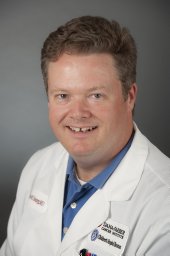 Matthew M. Heeney合作论文数Medical Center, Duke University5John P. Manis合作论文数5
 Haesook T. Kim合作论文数Department of Data Science, Dana-Farber Cancer Institute;Harvard School of Public Health;Department of Biostatistics and Computational Biology, Dana-Farber Cancer Institute5Daniella Cook合作论文数4Heidi Dipietro合作论文数4Kristen Cummings合作论文数4Oriol Olive合作论文数4Evisa Gjini合作论文数4
 Edward Fritsch合作论文数4Shuqiang Li合作论文数4Frigault Matthew J合作论文数Perelman School of Medicine, University of Pennsylvania4
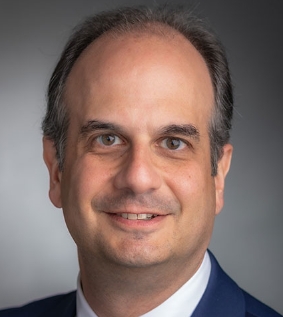 Corey Cutler合作论文数Center for Hematologic Oncology, Dana-Farber Cancer Institute;Division of Hematologic Oncology, Department of Medical Oncology, Dana-Farber Cancer Institute;Harvard Medical School4
 Sachet Shukla合作论文数Department of Hematopoietic Biology Malignancy, Graduate School of Biomedical Sciences, The University of Texas MD Anderson Cancer Center;Broad Institute4Hu Zhuting合作论文数4
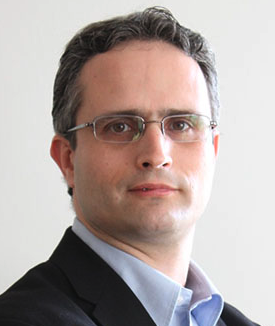 Gad A. Getz合作论文数Harvard Medical School;Department of Pathology, Massachusetts General Hospital;Broad Institute of Harvard and MIT4Harden Maegan合作论文数Genomics Platform, Broad Institute4
 Richard A. Stone合作论文数Department of Ophthalmology, Perelman School of Medicine, University of Pennsylvania;Hospital of the University of Pennsylvania;Philadelphia Veterans Administration Hospital;Scheie Eye Institute, Glaucoma Service, Penn Presbyterian Medical Center4
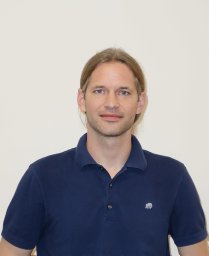 Christian Brendel合作论文数Georg Speyer Haus4
 Roman Shapiro合作论文数4
 Kai Wucherpfennig合作论文数Division of Medical Sciences, Harvard Medical School;Department of Cancer Immunology and Virology, Dana-Farber Cancer Institute4




