Advances in multi-modal large language models (MLLMs) have inspired time series understanding and reasoning tasks, that enable natural language querying over time series, producing textual analyses of complex temporal dynamics. Recent attempts hybridize numerical time series with their visualized plots, facilitating precise value reasoning and visual structure comprehension for comprehensive time series understanding of MLLMs. However, effective cross-modal integration remains challenging due to fine-grained temporal misalignment across modalities and severe entanglement between shared and modality-specific semantics, which hinder localized interpretation and complementary reasoning. To address these issues, we propose MADI, a multi-modal LLM enhanced with fine-grained alignment and disentangled interaction, featuring (1) Patch-level Alignment, which enforces physically grounded fine-grained correspondence across heterogeneous modalities, (2) Discrete Disentangled Interaction, which separates modality-common semantics into compact discrete latents and adaptively synergizes the purified modality-unique information, and (3) Critical-token Highlighting, which emphasizes informative, query-relevant signals for robust reasoning. Experiments on synthetic and real-world benchmarks show that MADI consistently outperforms general-purpose LLMs and time-series-specialized MLLMs.
Subseasonal-to-seasonal (S2S) forecasting, which predicts climate conditions from several weeks to months in advance, represents a critical frontier for agricultural planning, energy management, and disaster preparedness. However, it remains one of the most challenging problems in atmospheric science, due to the chaotic dynamics of atmospheric systems and complex interactions across multiple scales. Current approaches often fail to explicitly model underlying physical processes and teleconnections that are crucial at S2S timescales. We introduce TelePiT, a novel deep learning architecture that enhances global S2S forecasting through integrated multi-scale physics and teleconnection awareness. Our approach consists of three key components: (1) Spherical Harmonic Embedding, which accurately encodes global atmospheric variables onto spherical geometry; (2) Multi-Scale Physics-Informed Neural ODE, which explicitly captures atmospheric physical processes across multiple learnable frequency bands; (3) Teleconnection-Aware Transformer, which models critical global climate interactions through explicitly modeling teleconnection patterns into the self-attention. Extensive experiments demonstrate that TelePiT significantly outperforms state-of-the-art data-driven baselines and operational numerical weather prediction systems across all forecast horizons, marking a significant advance toward reliable S2S forecasting.
Early warning of extreme weather is essential for mitigating the societal, economic, and environmental risks posed by hazardous weather events. However, expert-centered warning workflows are costly, labor-intensive, and difficult to scale throughout the warning-to-action process. Although recent advances in Large Language Model (LLM) agents have enabled the automation of weather-related tasks, existing studies remain centered on isolated scientific tasks and overlook the chain of interdependent processes required for operational extreme-weather early warning. To bridge this gap, this study investigates automated end-to-end extreme-weather early warning through LLM agents. We first develop SIREN-Bench, a comprehensive benchmark comprising 600 question-answer instances across 19 tasks, and covering four individual warning procedures and an end-to-end warning chain. Evaluation on SIREN-Bench reveals substantial capability gaps in existing weather agent frameworks. This motivates us to develop SIREN, an experience-grounded agent framework inspired by experts' use of historical cases, which combines an agentic execution environment integrating heterogeneous weather evidence and tools with a family of agent harnesses that exploit historical cases through retrieval, skill distillation, and predictive modeling. Extensive experiments demonstrate that SIREN outperforms weather-agent baselines on both individual warning procedures and end-to-end warning chains.
With the increasing frequency of extreme temperature events, abnormal fluctuation of multi-energy loads present significant challenges to the accuracy for multi-energy load modeling of integrated energy systems. To address these issues, a model based on physics-informed sparse regression (PISR) for multi-energy load of integrated energy systems (MEL-IES) is proposed to improve the accuracy, interpretability and data requirements of the load model under extreme temperature events for energy dispatch control. An expert database is developed to incorporate diverse dynamic characteristics of the load model, thereby enabling the construction of a control-oriented load model. Specifically, a temperature-dominated comprehensive meteorological index is proposed for the first time to enrich the diversity of elements within the expert database and to facilitate pre-screening of MEL-IES inputs. Subsequently, the double-layer model-based χ2 detection unit is improved to identify extreme temperature events, with the outputs serve as prior knowledge to trigger adaptive regulation of the MEL-IES model. Building upon this prior knowledge, a requirement-driven PISR (RD-PISR) method is developed for MEL-IES. To refine the critical physics-informed elements, the RD algorithm is employed to dynamically adjust the parameters of the PISR model for order reduction and to construct a multi-parameter fitting model, thereby achieving a balance between model simplicity and accuracy. Finally, experimental results show that the proposed framework achieves better performance than benchmark models, lowers data dependence and shortens training time by 52.3%-71.4%. Ablation experiments further indicate that this framework obtains an RMSE of 0.84%, an R2 of 0.973 and the best interpretability.
Recent advancements in deep learning have led to the development of Foundation Models (FMs) for weather forecasting, yet their ability to predict extreme weather events remains limited. Existing approaches either focus on general weather conditions or specialize in specific-type extremes, neglecting the real-world atmospheric patterns of diversified extreme events. In this work, we identify two key characteristics of extreme events: (1) the spectral disparity against normal weather regimes, and (2) the hierarchical drivers and geographic blending of diverse extremes. Along this line, we propose UniExtreme, a universal extreme weather forecasting foundation model that integrates (1) an Adaptive Frequency Modulation (AFM) module that captures region-wise spectral differences between normal and extreme weather, through learnable Beta-distribution filters and multi-granularity spectral aggregation, and (2) an Event Prior Augmentation (EPA) module which incorporates region-specific extreme event priors to resolve hierarchical extreme diversity and composite extreme schema, via a dual-level memory fusion network. Extensive experiments demonstrate that UniExtreme outperforms state-of-the-art baselines in both extreme and general weather forecasting, showcasing superior adaptability across diverse extreme scenarios.
Foundation models (FMs), such as GPT-4 and AlphaFold, are reshaping the landscape of scientific research. Beyond accelerating tasks such as hypothesis generation, experimental design, and result interpretation, they prompt a more fundamental question: Are FMs merely enhancing existing scientific methodologies, or are they redefining the way science is conducted? In this paper, we argue that FMs are catalyzing a transition toward a new scientific paradigm. We introduce a three-stage framework to describe this evolution: (1) Meta-Scientific Integration, where FMs enhance workflows within traditional paradigms; (2) Hybrid Human-AI Co-Creation, where FMs become active collaborators in problem formulation, reasoning, and discovery; and (3) Autonomous Scientific Discovery, where FMs operate as independent agents capable of generating new scientific knowledge with minimal human intervention. Through this lens, we review current applications and emerging capabilities of FMs across existing scientific paradigms. We further identify risks and future directions for FM-enabled scientific discovery. This position paper aims to support the scientific community in understanding the transformative role of FMs and to foster reflection on the future of scientific discovery. Our project is available at https://github.com/usail-hkust/Awesome-Foundation-Models-for-Scientific-Discovery.
Spatio-temporal forecasting is a critical component of various smart city applications, such as transportation optimization, energy management, and socio-economic analysis. Recently, several automated spatio-temporal forecasting methods have been proposed to automatically search the optimal neural network architecture for capturing complex spatio-temporal dependencies. However, the existing automated approaches suffer from expensive neural architecture search overhead, which hinders their practical use and the further exploration of diverse spatio-temporal operators in a finer granularity. In this paper, we propose AutoSTF, a decoupled automatic neural architecture search framework for cost-effective automated spatio-temporal forecasting. From the efficiency perspective, we first decouple the mixed search space into temporal space and spatial space and respectively devise representation compression and parameter-sharing schemes to mitigate the parameter explosion. The decoupled spatio-temporal search not only expedites the model optimization process but also leaves new room for more effective spatio-temporal dependency modeling. From the effectiveness perspective, we propose a multi-patch transfer module to jointly capture multi-granularity temporal dependencies and extend the spatial search space to enable finer-grained layer-wise spatial dependency search. Extensive experiments on eight datasets demonstrate the superiority of AutoSTF in terms of both accuracy and efficiency. Specifically, our proposed method achieves up to 13.48x speed-up compared to state-of-the-art automatic spatio-temporal forecasting methods while maintaining the best forecasting accuracy. The source code and data are available at https://github.com/usail-hkust/AutoSTF.
Data Assimilation (DA) plays a critical role in atmospheric science by reconstructing spatially continous estimates of the system state, which serves as initial conditions for scientific analysis. While recent advances in diffusion models have shown great potential for DA tasks, most existing approaches remain purely data-driven and often overlook the physical laws that govern complex atmospheric dynamics. As a result, they may yield physically inconsistent reconstructions that impair downstream applications. To overcome this limitation, we propose PhyDA, a physics-guided diffusion framework designed to ensure physical coherence in atmospheric data assimilation. PhyDA introduces two key components: (1) a Physically Regularized Diffusion Objective that integrates physical constraints into the training process by penalizing deviations from known physical laws expressed as partial differential equations, and (2) a Virtual Reconstruction Encoder that bridges observational sparsity for structured latent representations, further enhancing the model's ability to infer complete and physically coherent states. Experiments on the ERA5 reanalysis dataset demonstrate that PhyDA achieves superior accuracy and better physical plausibility compared to state-of-the-art baselines. Our results emphasize the importance of combining generative modeling with domain-specific physical knowledge and show that PhyDA offers a promising direction for improving real-world data assimilation systems.
Despite the success of recommender systems in alleviating information overload, fairness issues have raised concerns in recent years, potentially leading to unequal treatment for certain user groups. While efforts have been made to improve recommendation fairness, they often assume that users' sensitive attributes are available during model training. However, collecting sensitive information can be difficult, especially on platforms that involve no personal information disclosure. Therefore, we aim to improve recommendation fairness without any access to sensitive attributes. However, this is a non-trivial task because uncovering latent sensitive patterns from complicated user behaviors without explicit sensitive attributes can be difficult. Consequently, suboptimal estimates of sensitive distributions can hinder the fairness training process. To address these challenges, leveraging the remarkable reasoning abilities of Large Language Models (LLMs), we propose a novel LLM-enhanced framework for Fair recommendation withOut Sensitive Attributes (LLMFOSA). A Multi-Persona Sensitive Information Inference module employs LLMs with distinct personas that mimic diverse human perceptions to infer and distill sensitive information. Furthermore, a Confusion-Aware Sensitive Representation Learning module incorporates inference results and rationales to develop robust sensitive representations, considering the mislabeling confusion and collective consensus among agents. The model is then optimized by a formulated mutual information objective. Extensive experiments on two public datasets validate the effectiveness of LLMFOSA in improving fairness.
Accurate and timely modeling of labor migration is crucial for various urban governance and commercial tasks, such as local policy-making and business site selection. However, existing studies on labor migration largely rely on limited survey data with statistical methods, which fail to deliver timely and fine-grained insights for time-varying regional trends. To this end, we propose a deep learning-based spatial-temporal labor migration analysis framework, DHG-SIL, by leveraging large-scale job query data. Specifically, we first acquire labor migration intention as a proxy of labor migration via job queries from one of the world’s largest search engines. Then, a discrepant homophily co-preserved graph convolutional network and an interpretable temporal module are respectively proposed to capture cross-city and sequential labor migration dependencies. Besides, we introduce four interpretable variables to quantify city migration properties, which are co-optimized with city representations via tailor-designed contrastive losses. Extensive experiments on three real-world datasets demonstrate the superiority of our DHG-SIL. Notably, DHG-SIL has been deployed as a core component of a cooperative partner’s intelligent human resource system, supporting a series of city talent attraction reports.
Incorporating collaborative information (CI) effectively is crucial for leveraging LLMs in recommendation tasks. Existing approaches often encode CI using soft tokens or abstract identifiers, which introduces a semantic misalignment with the LLM's natural language pretraining and hampers knowledge integration. To address this, we propose expressing CI directly in natural language to better align with LLMs' semantic space. We achieve this by retrieving a curated set of the most relevant user behaviors in natural language form. However, identifying informative CI is challenging due to the complexity of similarity and utility assessment. To tackle this, we introduce a Self-assessing COllaborative REtrieval framework (SCORE) following the retrieve-rerank paradigm. First, a Collaborative Retriever (CAR) is developed to consider both collaborative patterns and semantic similarity. Then, a Self-assessing Reranker (SARE) leverages LLMs' own reasoning to assess and prioritize retrieved behaviors. Finally, the selected behaviors are prepended to the LLM prompt as natural-language CI to guide recommendation. Extensive experiments on two public datasets validate the effectiveness of SCORE in improving LLM-based recommendation.
Traffic Signal Control (TSC) is a crucial component in urban traffic management, aiming to optimize road network efficiency and reduce congestion. Traditional TSC methods, primarily based on transportation engineering and reinforcement learning (RL), often struggle with generalization abilities across varied traffic scenarios and lack interpretability. This paper presents LLMLight, a novel framework employing Large Language Models (LLMs) as decision-making agents for TSC. Specifically, the framework begins by instructing the LLM with a knowledgeable prompt detailing real-time traffic conditions. Leveraging the advanced generalization capabilities of LLMs, LLMLight engages a reasoning and decision-making process akin to human intuition for effective traffic control. Moreover, we build LightGPT, a specialized backbone LLM tailored for TSC tasks. By learning nuanced traffic patterns and control strategies, LightGPT enhances the LLMLight framework cost-effectively. Extensive experiments conducted on ten real-world and synthetic datasets, along with evaluations by fifteen human experts, demonstrate the exceptional effectiveness, generalization ability, and interpretability of LLMLight with LightGPT, outperforming nine baseline methods and ten advanced LLMs.
Pre-trained Language Models (PLMs), such as ChatGPT, have significantly advanced the field of natural language processing. This progress has inspired a series of innovative studies that explore the adaptation of PLMs to time series analysis, intending to create a unified foundation model that addresses various time series analytical tasks. However, these efforts predominantly focus on Regularly Sampled Time Series (RSTS), neglecting the unique challenges posed by Irregularly Sampled Time Series (ISTS), which are characterized by uneven sampling intervals and prevalent missing data. To bridge this gap, this work takes the first step in exploring the potential of PLMs for ISTS analysis. We begin by investigating the effect of various methods for representing ISTS, aiming to maximize the efficacy of PLMs in the analysis. Furthermore, we propose a unified PLM-based framework, named ISTS-PLM, to address diverse ISTS analytical tasks. It integrates novel time-aware and variable-aware PLMs tailored to tackle the intractable intra- and inter-time series modeling in ISTS. Finally, extensive experiments on a comprehensive benchmark demonstrate that the ISTS-PLM, utilizing a structured and effective series-based representation for ISTS, consistently achieves state-of-the-art performance across various analytical tasks, such as classification, interpolation, extrapolation, few-shot and zero-shot learning scenarios, spanning scientific domains like healthcare, biomechanics, and climate science.
Machine learning techniques are now integral to the advancement of intelligent urban services, playing a crucial role in elevating the efficiency, sustainability, and livability of urban environments. The recent emergence of foundation models such as ChatGPT marks a revolutionary shift in the fields of machine learning and artificial intelligence. Their unparalleled capabilities in contextual understanding, problem solving, and adaptability across a wide range of tasks suggest that integrating these models into urban domains could have a transformative impact on the development of smart cities. Despite growing interest in Urban Foundation Models (UFMs), this burgeoning field faces challenges such as a lack of clear definitions and systematic reviews. To this end, this paper first introduces the concept of UFMs and discusses the unique challenges involved in building them. We then propose a data-centric taxonomy that categorizes and clarifies current UFM-related works, based on urban data modalities and types. Furthermore, we explore the application landscape of UFMs, detailing their potential impact in various urban contexts. Relevant papers and open-source resources have been collated and are continuously updated at: https://github.com/usail-hkust/Awesome-Urban-Foundation-Models.
Forecasting of Irregular Multivariate Time Series (IMTS) is critical for numerous areas, such as healthcare, biomechanics, climate science, and astronomy. Despite existing research addressing irregularities in time series through ordinary differential equations, the challenge of modeling correlations between asynchronous IMTS remains underexplored. To bridge this gap, this study proposes Transformable Patching Graph Neural Networks (t-PatchGNN), which transforms each univariate irregular time series into a series of transformable patches encompassing a varying number of observations with uniform temporal resolution. It seamlessly facilitates local semantics capture and inter-time series correlation modeling while avoiding sequence length explosion in aligned IMTS. Building on the aligned patching outcomes, we then present time-adaptive graph neural networks to model dynamic intertime series correlation based on a series of learned time-varying adaptive graphs. We demonstrate the remarkable superiority of t-PatchGNN on a comprehensive IMTS forecasting benchmark we build, which contains four real-world scientific datasets covering healthcare, biomechanics and climate science, and seventeen competitive baselines adapted from relevant research fields.
The integration of machine learning techniques has become a cornerstone in the development of intelligent urban services, significantly contributing to the enhancement of urban efficiency, sustainability, and overall livability. Recent advancements in foundational models, such as ChatGPT, have introduced a paradigm shift within the fields of machine learning and artificial intelligence. These models, with their exceptional capacity for contextual comprehension, problem-solving, and task adaptability, present a transformative opportunity to reshape the future of smart cities and drive progress toward Urban General Intelligence (UGI). Despite increasing attention to Urban Foundation Models (UFMs), this rapidly evolving field faces critical challenges, including the lack of clear definitions, systematic reviews, and universalizable solutions. To address these issues, this paper first introduces the definition and concept of UFMs and highlights the distinctive challenges involved in their development. Furthermore, we present a data-centric taxonomy that classifies existing research on UFMs according to the various urban data modalities and types. In addition, we propose a prospective framework designed to facilitate the realization of versatile UFMs, aimed at overcoming the identified challenges and driving further progress in this field. Finally, this paper systematically summarizes and discusses existing benchmarks and datasets related to UFMs, and explores the wide-ranging applications of UFMs within urban contexts, illustrating their potential to significantly impact and transform urban systems. A comprehensive collection of relevant research papers and open-source resources have been collated and are continuously updated at: https://github.com/usail-hkust/Awesome-Urban-Foundation-Models.
Accurate traffic forecasting is crucial for the development of Intelligent Transportation Systems (ITS), playing a pivotal role in modern urban traffic management. Traditional forecasting methods, however, struggle with the irregular traffic time series resulting from adaptive traffic signal controls, presenting challenges in asynchronous spatial dependency, irregular temporal dependency, and predicting variable-length sequences. To this end, we propose an Asynchronous Spatio-tEmporal graph convolutional nEtwoRk (ASeer) tailored for irregular traffic time series forecasting. Specifically, we first propose an Asynchronous Graph Diffusion Network to capture the spatial dependency between asynchronously measured traffic states regulated by adaptive traffic signals. After that, to capture the temporal dependency within irregular traffic state sequences, a personalized time encoding is devised to embed the continuous time signals. Then, we propose a Transformable Time-aware Convolution Network, which adapts meta-filters for time-aware convolution on the sequences with inconsistent temporal flow. Additionally, a Semi-Autoregressive Prediction Network, comprising a state evolution unit and a semiautoregressive predictor, is designed to predict variable-length traffic sequences effectively and efficiently. Extensive experiments on a newly established benchmark demonstrate the superiority of ASeer compared with twelve competitive baselines across six metrics.
 Hao Liu合作论文数The Hong Kong University of Science and Technology (Guangzhou)28
 Hui Xiong (熊辉)合作论文数The Hong Kong University of Science and Technology (Guangzhou)22
 Wei Fan合作论文数The University of Auckland5
 Han Jindong合作论文数Hong Kong University of Science and Technology5
 Haoran Xin合作论文数University of Science and Technology of China5
 Tong Xu (徐童)合作论文数School of Computer Science and Technology, University of Science and Technology of China4
 Le Zhang (张乐)合作论文数School of Information and Communication Engineering, University of Electronic Science and Technology of China4
 Jindong Han合作论文数School of Artificial Intelligence, Shandong University4
 Siqi Lai合作论文数The Hong Kong University of Science and Technology (Guangzhou)3Fan Liu合作论文数Hong Kong University of Science and Technology (Guangzhou)3
 Yu Mei合作论文数3
 Tengfei Lyu (吕腾飞)合作论文数The Hong Kong University of Science and Technology (Guangzhou)3
 Dejing Dou (窦德景)合作论文数3Chenlong Yin合作论文数2Hang Ni合作论文数2
 XiaoYan Bian (边晓燕)合作论文数上海电力学院电气工程学院2
 Jingbo Zhou (周景博)合作论文数Business Intelligence Lab, Baidu Research2
 Ying Sun (孙莹)合作论文数Hong Kong University of Science and Technology (Guangzhou)2
 Chao Wang (王超)合作论文数School of Computer Science and Technology, University of Science and Technology of China;School of Software Engineering, University of Science and Technology of China2
 Qibin Zhou (周歧斌)合作论文数School of Mechatronic Engineering and Automation, Shanghai University2
 Hengshu Zhu (祝恒书)合作论文数Computer Network Information Center, Chinese Academy of Sciences;University of Chinese Academy of Sciences;The Hong Kong University of Science and Technology (Guangzhou)2Qian Sun合作论文数1Zhe-Rui Yang (杨哲锐)合作论文数School of Computer Science and Engineering, Sun Yat-Sen University;The Hong Kong University of Science and Technology (Guangzhou)1Naiqiang Tan合作论文数1
 Ji Liu合作论文数Hithink RoyalFlush Information Network Co.,Ltd.1Hao Wang合作论文数1Lijun Zha合作论文数1
 Jianping Zhu合作论文数School of Computer Science and Technology, Dalian University of Technology1
 Weiqi Wang (王伟琪)合作论文数Tencent Hunyuan1Jingci Ming合作论文数Rutgers University, Newark, NJ, USA1
 Jinliang Deng合作论文数Hong Kong University of Science and Technology1
 Huan Yu (余欢)合作论文数1Wei Wu (吴伟)合作论文数1
 Xiaofang Zhou (周晓方)合作论文数Department of Computer Science and Engineering, School of Engineering, The Hong Kong University of Science and Technology;Big Data Institute, The Hong Kong University of Science and Technology1
 Fei Wang (王飞)合作论文数Research Center for Intelligent Equipment Systems, Institute of Computing Technology, Chinese Academy of Sciences;State Key Laboratory of AI Safety, Institute of Computing Technology, Chinese Academy of Sciences1
 Zhuoning Guo合作论文数The Hong Kong University of Science and Technology1
 Yanchi Liu合作论文数NEC Laboratories America, Inc.1
 Zhao Xu (徐照)合作论文数School of Civil Engineering, Southeast University1
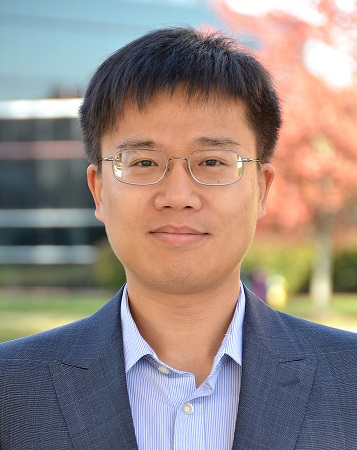 Yangqiu Song (宋陽秋)合作论文数Department of Computer Science and Engineering, The Hong Kong University of Science and Technology1
 Fan Wang (王凡)合作论文数School of Basic Medical Sciences, Peking University Health Science Center1
 Hua Wu (吴华)合作论文数Department of NLP, Baidu Inc.;Department of Knowledge Graph, Baidu Inc.1
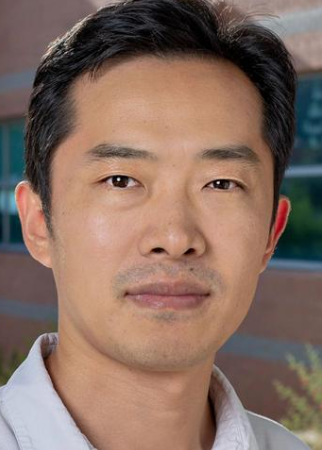 Yong Ge合作论文数Management Information Systems Department, Eller College of Management, The University of Arizona1
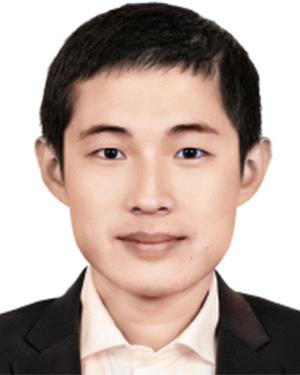 Hao Liu合作论文数Baidu Research1
 Xiaopeng Wei (魏小鹏)合作论文数Fudan University1




