Recent advances in pretrained language models (PLMs) have significantly improved conversational recommender systems (CRS), enabling more fluent and context-aware interactions. To further enhance accuracy and mitigate hallucination, many methods integrate PLMs with knowledge graphs (KGs), but face key challenges: failing to fully exploit PLM reasoning over graph relationships, indiscriminately incorporating retrieved knowledge without context filtering, and neglecting collaborative preferences in multi-turn dialogues. To this end, we propose PCRS-TKA, a prompt-based framework employing retrieval-augmented generation to integrate PLMs with KGs. PCRS-TKA constructs dialogue-specific knowledge trees from KGs and serializes them into texts, enabling structure-aware reasoning while capturing rich entity semantics. Our approach selectively filters context-relevant knowledge and explicitly models collaborative preferences using specialized supervision signals. A semantic alignment module harmonizes heterogeneous inputs, reducing noise and enhancing accuracy. Extensive experiments demonstrate that PCRS-TKA consistently outperforms all baselines in both recommendation and conversational quality.
Generalized Category Discovery (GCD) aims to classify data from partially labeled datasets by jointly recognizing known categories and discovering novel ones.Despite recent advances, existing methods still suffer from weak text–label alignment, inconsistent objectives across known and novel categories, and poor discrimination of semantically similar clusters. To mitigate these issues, we propose TLSA, a unified framework that enforces contrastive alignment between text and label representations within a shared semantic space. Specifically, we first design a label-semantic aware dual-encoder equipped with a symmetric contrastive objective to achieve text-label alignment. Then, we leverage LLM-based label induction to generate explicit and semantically meaningful names for previously unseen categories, followed by a graph-based refinement strategy that disambiguates semantically overlapping clusters through forced renaming. Finally, a confidence-aware sampling strategy ensures balanced learning across both easy and hard instances. Extensive experiments on four benchmark datasets show that TLSA consistently outperforms state-of-the-art GCD methods. The code is available at https://github.com/Wenxi-Xu/TLSA.
Large language models (LLMs) have shown growing promise in biomedical research, particularly for knowledge-driven interpretation tasks. However, their ability to reliably reason from gene-level knowledge to functional understanding, However, their ability to reliably reason from gene-level knowledge to functional understanding, a core requirement for knowledge-enhanced cell atlas interpretation, remains largely underexplored. To address this gap, we introduce SciHorizon-GENE, a large-scale gene-centric benchmark constructed from authoritative biological databases. The benchmark integrates curated knowledge for over 190K human genes and comprises more than 540K questions covering diverse gene-to-function reasoning scenarios relevant to cell type annotation, functional interpretation, and mechanism-oriented analysis. Motivated by behavioral patterns observed in preliminary examinations, SciHorizon-GENE evaluates LLMs along four biologically critical perspectives: research attention sensitivity, hallucination tendency, answer completeness, and literature influence, explicitly targeting failure modes that limit the safe adoption of LLMs in biological interpretation pipelines. We systematically evaluate a wide range of state-of-the-art general-purpose and biomedical LLMs, revealing substantial heterogeneity in gene-level reasoning capabilities and persistent challenges in generating faithful, complete, and literature-grounded functional interpretations. Our benchmark establishes a systematic foundation for analyzing LLM behavior at the gene scale and offers insights for model selection and development, with direct relevance to knowledge-enhanced biological interpretation.
Large Language Models (LLMs) have shown great potential for enhancing recommender systems through their extensive world knowledge and reasoning capabilities. However, effectively translating these semantic signals into traditional collaborative embeddings remains an open challenge. Existing approaches typically fall into two extremes: direct inference methods are computationally prohibitive for large-scale retrieval, while embedding-based methods primarily focus on unilateral feature augmentation rather than holistic collaborative signal enhancement. To bridge this gap, we propose Topology-Augmented Graph Collaborative Filtering (TAGCF), a novel framework that transforms semantic knowledge into topological connectivity. Unlike existing approaches that depend on textual features or direct interaction synthesis, TAGCF employs LLMs to infer interaction intents and underlying causal relationships from user-item pairs, representing these insights as intermediate attribute nodes within an enriched User-Attribute-Item (U-A-I) graph. Furthermore, to effectively model the heterogeneous relations in this augmented structure, we propose Adaptive Relation-weighted Graph Convolution (ARGC), which employs relation-specific prediction networks to dynamically estimate the importance of each relation type. Extensive experiments across multiple benchmark datasets and CF backbones demonstrate consistent improvements, with comprehensive evaluations including cold-start scenarios validating the effectiveness and robustness of our framework. All code will be made publicly available. For anonymous review, our code is available at the following anonymous link: https://anonymous.4open.science/r/AGCF-2441353190/.
Generalized Category Discovery (GCD) aims to identify both known and novel categories from partially labeled data, reflecting more realistic open-world learning scenarios. However, most existing methods rely solely on one-hot discriminative supervision, leading to overfitting on seen classes and poor generalization to unseen ones. Recent advances introduce large language models (LLMs) to incorporate external semantics, yet they often suffer from semantic–label misalignment and weak semantic integration during training. We propose GenDis, a Generative–Discriminative Dual-View Co-Training framework that unifies discriminative classification and semantic label generation within an LLM. Discriminative pseudo-labels guide the formation of a separable generative latent space, enabling semantically meaningful supervision for novel classes. To ensure consistency between the two views, we employ Canonical Correlation Analysis (CCA)-based alignment and a curriculum-guided, dispersion-aware pseudo-labeling strategy for iterative refinement. Extensive experiments on five GCD benchmarks demonstrate that GenDis substantially outperforms prior methods, validating the effectiveness of dual-view co-training with semantically enriched supervision. The anonymized repository is available at https://anonymous.4open.science/r/GenDis.
Recently, with the rapid advancements in Large Language Models (LLMs), LLM-based Open-domain Question Answering (OpenQA) methods have reaped the benefits of emergent understanding and answering capabilities enabled by massive parameters compared to traditional methods. However, most of these methods encounter two critical challenges: how to integrate knowledge into LLMs effectively and how to adaptively generate results with specific answer formats. To address these challenges, we propose a novel framework, which aims to improve the OpenQA performance by exploring knowledge integration and controllable generation on LLMs simultaneously, namely GenKI. Specifically, we first train a dense passage retrieval model to retrieve associated knowledge from a given knowledge base. Subsequently, we introduce a novel knowledge integration model that incorporates the retrieval knowledge into instructions during fine-tuning to intensify the model. Furthermore, to enable controllable generation in LLMs, we leverage a certain fine-tuned LLM and an ensemble framework based on text consistency incorporating all coherence, fluency, and answer format assurance. Finally, extensive experiments conducted on three datasets with diverse answer formats demonstrate the effectiveness of GenKI with comparison of state-of-the-art baselines. Moreover, ablation studies have disclosed a linear relationship between the frequency of retrieved knowledge and the model's ability to recall knowledge accurately with the ground truth. Tests focusing on the out-of-domain scenario and knowledge base independence scenario have further affirmed the robustness and controllable capability of GenKI. Our code of GenKI is available at https://github.com/USTC-StarTeam/GenKI.
The application of artificial intelligence (AI) in recruitment has rapidly advanced in areas such as resume evaluation, person-job matching, and recommendation. However, AI’s role in assisting interview questioning for skill assessment remains limited. This study proposes the Topic-Oriented Suggestion Model (TOSM), a deep learning framework designed to suggest skill assessment keywords tailored to multi-round interviews. The framework comprises two modules: a Graph-based Topic Learning Module, which captures latent relationships between skills and their contextual dependencies through graph representation learning, and a Topic-specific Keyword Suggestion Module, which dynamically adapts attention to the thematic topic focus of each interview round. Using a real-world dataset of multi-round interview cases from a leading technology company, TOSM achieves superior performance compared with baseline methods in keyword suggestion tasks. Visualization analyses further demonstrate that the model components effectively bridge vocabulary mismatches across different recruitment texts and adjusts its focus according to each interview round. This study contributes by proposing a novel framework that integrates graph-based topic model with multi-label learning. It extends AI-assisted recruitment research to the domain of interviewer questioning. It also provides practical implications for developing intelligent interview systems that support interviewer-side question design and improve the structure and efficiency of skill assessment in multi-round interviews.
Open-set text classification (OSTC) requires models to correctly classify in-distribution (ID) samples while reliably rejecting out-of-distribution (OOD) inputs—an essential capability for real-world NLP systems. Most OSTC methods train on ID data under the closed assumption that all outputs belong to the known label space and then perform OOD detection with the biased representations, which inherently lack awareness of unknowns and thus yield overconfident predictions on OOD inputs. In this work, we present UnLLM, an Unknown-aware Large Language Model for OSTC. Instead of fixing classification to the entire known label space, we reformulate it into a subset-conditioned text generation task: the LLM is prompted with sampled subsets of known labels, and any instance outside the candidate set is explicitly assigned as “unknown”. This reformulation transforms OOD detection from a post-hoc procedure into an intrinsic modeling capability. More importantly, our approach is the first to explicitly incorporate the unknown into classification, enabling systematic modeling of unknowns through a unified representation–logits–inference optimization, which progressively strengthens the model’s capacity to capture open-set risk. Extensive experiments across six benchmarks show that UnLLM consistently outperforms state-of-the-art (SOTA) baselines. Code is available in an anonymous repository: https://anonymous.4open.science/r/UnLLM-03C2.
Corporate profiling serves as a critical analytical tool for modern enterprises, enabling data-driven decision-making in investment strategies, risk assessment, and strategic planning. It requires integrating quantitative metrics, qualitative insights, and network relationships to capture a company’s role in the business ecosystem. However, traditional methods struggle to synthesize heterogeneous data and model complex interdependencies among corporations, news, and market dynamics, often addressing these aspects in isolation. To address these challenges, this article introduces Financial Graph-based Mixture of Experts Prompt Learning (FGMPL), an innovative framework that unifies graph prompt learning with a multi-task paradigm for corporate profile modeling. The proposed framework reformulates node- and edge-level tasks into a coherent graph-level representation and employs multi-view contrastive learning to effectively integrate textual details with relational structures. Moreover, a novel Financial Multi-Experts Prompting mechanism—with learnable tokens coupled with a Mixture of Experts (MoE) design—is presented to enhance the processing of heterogeneous graph data and bridge the gap between pre-training and downstream tasks. To further improve adaptability, a meta-learning-based prompt tuning strategy is incorporated, enabling rapid transition to various downstream applications. Extensive experiments on real-world financial graphs show that FGMPL consistently outperforms strong pre-training and graph-prompting baselines across corporate performance prediction, relationship prediction, and news classification in both full-data and few-shot settings. In addition, cross-market transfer on a NASDAQ dataset and interpretability/efficiency analyses further demonstrate its robustness and practical applicability.
Motivation: Biomedical question answering often requires evidence beyond topically retrieved literature, including gene alias resolution, database identifier normalization, and atlas-derived biological measurements. However, existing retrieval-augmented generation (RAG) systems typically follow a fixed workflow and lack an explicit mechanism for deciding when retrieved text is sufficient, when curated biomedical knowledge is required, or when executable evidence assembly over structured measurements should be invoked. This motivates a substrate-aware large language model (LLM) harness that selectively assembles sufficient evidence across literature, knowledge bases, and biological atlases. Results: We introduce BioHarness, an LLM harness for staged biomedical evidence assembly across literature retrieval, curated biomedical knowledge resources, and atlas-derived structured measurements. BioHarness first attempts to answer from reranked literature evidence and escalates through grounded cascade control to REPL-style evidence assembly only when the current evidence is uncertain, weakly grounded, or substrate-mismatched. Across 19,302 biomedical QA items spanning seven answer formats, BioHarness improves the pooled score from 65.9 to 71.0 over the strongest non-oracle baseline. Ablations, case studies, and backbone-scaling analyses show that these gains arise from repairing evidence-substrate mismatches through reranking, entity grounding, and structured measurement access, rather than from indiscriminately invoking more reasoning steps, retrieving additional literature, or relying on a particular answer-model scale.
AI-for-Science (AI4Science) is increasingly transforming scientific discovery by embedding machine learning models into prediction, simulation, and hypothesis generation workflows across domains. However, the effectiveness of these models is fundamentally constrained by the AI-readiness of scientific data, for which no scalable and systematic evaluation mechanism currently exists. In this work, we propose SciHorizon-DataEVA, a novel agentic system to scalable AI-readiness evaluation of heterogeneous scientific data. At the evaluation-criteria level, we introduce the Sci-TQA2 principles, which organize AI-readiness into four complementary dimensions: Governance Trustworthiness, Data Quality, AI Compatibility, and Scientific Adaptability. Each dimension is decomposed into measurable atomic elements that enable fine-grained and executable assessment. To operationalize these principles at scale, we develop Sci-TQA2-Eval, a hierarchical multi-agent evaluation approach orchestrated through a directed, cyclic workflow. Our Sci-TQA2-Eval dynamically constructs dataset-aware evaluation specifications by combining lightweight dataset profiling, applicability-aware metric activation, and knowledge-augmented planning grounded in domain constraints and dataset-paper signals. These specifications are executed through an adaptive, tool-centric evaluation mechanism with built-in verification and self-correction, enabling scalable and reliable assessment across heterogeneous scientific data. Extensive experiments on scientific datasets spanning multiple domains demonstrate the effectiveness and generality of SciHorizon-DataEVA for principled AI-readiness evaluation.
Abstract Advances of large models (LMs) have catalyzed a paradigm shift in artificial intelligence, enabling the development of autonomous agents capable of complex reasoning, planning, and interaction with both digital and physical environments. As this field has expanded at an unprecedented rate, a comprehensive and structured overview is essential to consolidate current knowledge and guide future innovations. This survey addresses this need by providing a holistic re-view of LM-based artificial intelligence (AI) agents. First, we deconstruct the core architecture of modern LM-based agents and examine the interplay among key modules: Reasoning, perception, memory, planning, action, and learning. Subsequently, we systematically analyze the evaluation landscape, summarizing current benchmarks, metrics, and module-specific performance trade-offs. Furthermore, we sur-vey the transformative impact of these agents across a broad spectrum of applications, ranging from digital domains to embodied systems. The survey concludes by identifying critical challenges and future directions, thus offering a roadmap for the next generation of LM-based AI agents.
Route-planning agents powered by large language models (LLMs) have emerged as a promising paradigm for supporting everyday human mobility through natural language interaction and tool-mediated decision making. However, systematic evaluation in real-world mobility settings is hindered by diverse routing demands, non-deterministic mapping services, and limited reproducibility. In this study, we introduce MobilityBench, a scalable benchmark for evaluating LLM-based route-planning agents in real-world mobility scenarios. MobilityBench is constructed from large-scale, anonymized real user queries collected from Amap and covers a broad spectrum of route-planning intents across multiple cities worldwide. To enable reproducible, end-to-end evaluation, we design a deterministic API-replay sandbox that eliminates environmental variance from live services. We further propose a multi-dimensional evaluation protocol centered on outcome validity, complemented by assessments of instruction understanding, planning, tool use, and efficiency. Using MobilityBench, we evaluate multiple LLM-based route-planning agents across diverse real-world mobility scenarios and provide an in-depth analysis of their behaviors and performance. Our findings reveal that current models perform competently on Basic information retrieval and Route Planning tasks, yet struggle considerably with Preference-Constrained Route Planning, underscoring significant room for improvement in personalized mobility applications. We publicly release the benchmark data, evaluation toolkit, and documentation at https://github.com/AMAP-ML/MobilityBench .
With the evolution of artificial intelligence (AI) paradigms towards agentic AI, the widespread integration of large language models (LLMs) enhances system capabilities while also introducing situational risks and challenges of value misalignment, making value alignment in agentic AI systems a critical issue. This paper constructs a multi-level value framework encompassing L0 (universal values), L1 (cultural and industry values), and L2 (context-specific values). Guided by this framework, we conduct an in-depth analysis along the technical stack: at the LLM level, we examine value injection mechanisms through pretraining and post-training; at the single-agent level, we focus on representation and injecting values to agents, Profiles and memory, and planning and action; at the multi-agent level, we summarize collaborative alignment methods such as communication strategy optimization and multi-objective reinforcement learning. Following a systematic review of existing datasets and methods for multi-level alignment evaluation, we outline future research directions, including inter-agent value coordination mechanisms, high-quality scenario data sharing, game-theoretic design for value alignment in agent interaction and communication protocol alignment—aiming to establish a more systematic and dynamic evaluation framework and to promote robust and trustworthy value consensus in agentic AI systems within social collaboration.
Personalized job recommender system is pivotal in connecting job-seekers with suitable jobs in online recruitment services, significantly impacting the efficiency of the recruitment process. Despite the remarkable progress of existing job recommendation algorithms, they encounter challenges due to the delayed availability of updated resumes, leading to intricacies in profiling job-seeker preferences. Indeed, recent advancements in Large Language Models (LLMs) for text generation offer a straightforward solution through automatic resume completion for job-seekers. This enables a model-agnostic method to tackle the problem of outdated resumes in job recommendations. To this end, here we propose a user behavior-based preference alignment framework for fine-tuning LLMs to benefit job recommendations through resume completion. Meanwhile, to mitigate noise influence in behavioral data (i.e., bias and variance), we creatively propose a noise-robust LLM alignment method, named Denoised Direct Preference Optimization (Denoised DPO). This method can effectively disentangle genuine user preferences from noisy behavioral data. Specifically, we first design a novel reward function for preference estimation by combining an LLM-based component for real user preference with a regression model for bias disentanglement. Moreover, we develop a Thurstonian-style model for job-seekers' preference modeling to stabilize data reliability amidst behavior variances. Finally, to evaluate our approach, we have conducted extensive offline/online experiments. In offline experiments, we especially have constructed real-world datasets, which contains more than 1 million users, 40 million jobs, and 500 million interaction records, from one of the largest recruitment platforms in China. And we evaluate our methods on two classic recommendation paradigms and the results proves our method can bring 1%-6% improvement among various metrics (i.e. AUC, NDCG, HR, and MAP). In online experiments, we deployed our method on this recruitment platform for one week. The results show that compared with the baseline, our method has achieved 7.52% improvement in click per user and 13.29% improvement in conversion per user.
Neural networks have achieved remarkable success across various fields. However, the lack of interpretability limits their practical use, particularly in critical decision-making scenarios. Posthoc interpretability, which provides explanations for pretrained models, is often at risk of fidelity and robustness. This has inspired a rising interest in self-interpretable neural networks (SINNs), which inherently reveal the prediction rationale through model structures. Despite this progress, existing research remains fragmented, relying on intuitive designs tailored to specific tasks. To bridge these efforts and foster a unified framework, we first collect and review existing works on SINNs and provide a structured summary of their methodologies from five key perspectives: attribution-based, function-based, concept-based, prototype-based, and rule-based self-interpretation. We also present concrete, visualized examples of model explanations and discuss their applicability across diverse scenarios, including image, text, graph data, and deep reinforcement learning (DRL). Additionally, we summarize existing evaluation metrics for self-interpretation and identify open challenges in this field, offering insights for future research. To support ongoing developments, we present a publicly accessible resource to track advancements in this domain: https://github.com/yangji721/Awesome-Self-Interpretable-Neural-Network
Occupation-specific job tasks (OSTs) refer to the duties, responsibilities, and activities associated with a particular occupation, which define the core functions and performance expectations for those engaged in that profession. Efficient recognition and extraction of OSTs from large-scale job description data are essential for establishing a continually updated occupational information system (OIS), such as O*NET, which serves as critical tools for advancing research in work and labor markets. However, this task presents substantial challenges due to its heavy reliance on domain experts for the labor-intensive annotation of job postings, rendering the process time-consuming and difficult to scale for large-scale implementation. To this end, in this paper, we present COTR , a novel data-driven framework designed for the efficient recognition of OSTs from job postings, capable of continually identifying new tasks through class-incremental learning. Specifically, we first employ large language models (LLMs) and prompt learning to develop a three-phase process—“expansion, translation, and generation”—that addresses the critical challenge of the absence of predefined OSTs in non-English labor market data, leveraging O*NET as a foundational reference. Subsequently, we introduce a BERT-based model for OST recognition, incorporating a uniquely designed pair-wise loss function that distills valuable insights from ChatGPT or other LLMs, thereby substantially enhancing recognition performance. In addition, to achieve cost-effective training data annotation, we develop an LLM-based coarse-to-fine candidate OSTs generation algorithm, integrating contrastive active learning to optimize the annotation process through human-machine collaboration. Notably, we design a supervised fine-tuning strategy with a novel encoding technique to optimize LLMs, improving the recall rate of the generated candidate OSTs and achieving up to a 343-fold increase in annotation efficiency compared to traditional manual expert annotation in our experiments. Afterward, we propose an efficient class-incremental learning method that incorporates an out-of-distribution (OOD) detection module for identifying potential novel OSTs and a fine-tuning module to extend the model’s recognition capabilities to include newly discovered tasks. Finally, we construct two real-world datasets using job posting data collected from the labor markets of China and the United States, respectively. Extensive experiments on the real-world datasets, along with two publicly available datasets, have demonstrated the effectiveness of the proposed COTR. Furthermore, several case studies showcase the significant benefits of COTR for various downstream applications in labor market analysis, including analyzing the evolving demand for OSTs, assessing the value of OSTs, and recognizing the relationships between OSTs and associated skills.
Dual-target cross-domain recommendation aims to mitigate data sparsity and enables mutual enhancement via bidirectional knowledge transfer. Most existing methods rely on overlapping users to build cross-domain connections. However, in many real-world scenarios, overlapping data is extremely limited-or even entirely absent-significantly diminishing the effectiveness of these methods. To address this challenge, we propose SUBCDR, a novel framework that leverages large language models (LLMs) to bridge similar users across domains, thereby enhancing dual-target cross-domain recommendation. Specifically, we introduce a Multi-Interests-Aware Prompt Learning mechanism that enables LLMs to generate comprehensive user profiles, disentangling domain-invariant interest points while capturing fine-grained preferences. Then, we construct intra-domain bipartite graphs from user-item interactions and an inter-domain heterogeneous graph that links similar users across domains. Subsequently, to facilitate effective knowledge transfer, we employ Graph Convolutional Networks (GCNs) for intra-domain relationship modeling and design an Inter-domain Hierarchical Attention Network (InterHAN) to facilitate inter-domain knowledge transfer through similar users, learning both shared and specific user representations. Extensive experiments on seven public datasets demonstrate that SUBCDR outperforms state-of-the-art cross-domain recommendation algorithms and single-domain recommendation methods. Our code is publicly available at https://github.com/97z/SUBCDR.git.
 Hengshu Zhu (祝恒书)合作论文数Computer Network Information Center, Chinese Academy of Sciences;University of Chinese Academy of Sciences;The Hong Kong University of Science and Technology (Guangzhou)47
 Hui Xiong (熊辉)合作论文数The Hong Kong University of Science and Technology (Guangzhou)39
 En-Hong Chen (陈恩红)合作论文数Anhui Province Key Laboratory of Big Data Analysis and Application, School of Computer Science and Technology, University of Science and Technology of China19
 Dazhong Shen (申大忠)合作论文数College of Computer Science and Technology, Nanjing University of Aeronautics and Astronautics15
 Tong Xu (徐童)合作论文数School of Computer Science and Technology, University of Science and Technology of China14
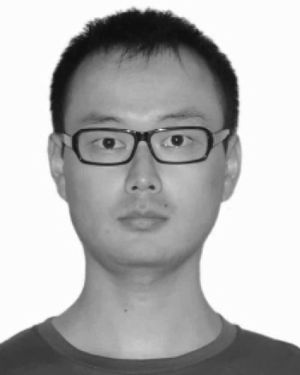 Chen Zhu合作论文数Alibaba Group13
 Chao Wang (王超)合作论文数School of Computer Science and Technology, University of Science and Technology of China;School of Software Engineering, University of Science and Technology of China12
 Haiping Ma (马海平)合作论文数Institute of Bioinspired Intelligence and Mining Knowledge, Anhui University10
 Kaichun Yao合作论文数University of Chinese Academy of Science, Beijing 101408, China9
 Fuzhen Zhuang (庄福振)合作论文数Research Center for Intelligent Perception and Cognition, Institute of Artificial Intelligence, Beihang University9
 Le Zhang (张乐)合作论文数School of Information and Communication Engineering, University of Electronic Science and Technology of China9
 Xi Chen合作论文数University of Science and Technology of China7
 Jingshuai Zhang合作论文数Baidu Inc.7
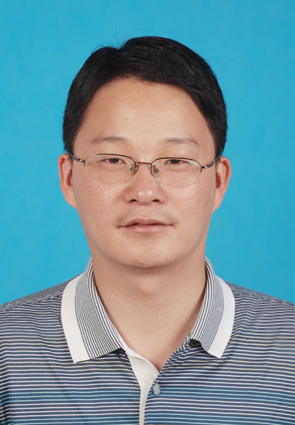 Xingyi Zhang (张兴义)合作论文数Institute of Bioinspired Intelligence and Mining Knowledge, School of Computer Science and Technology, Anhui University;Key Laboratory of Intelligence Computational & Signal Processing (Anhui University), Ministry of Education7
 Ying Sun (孙莹)合作论文数Hong Kong University of Science and Technology (Guangzhou)6
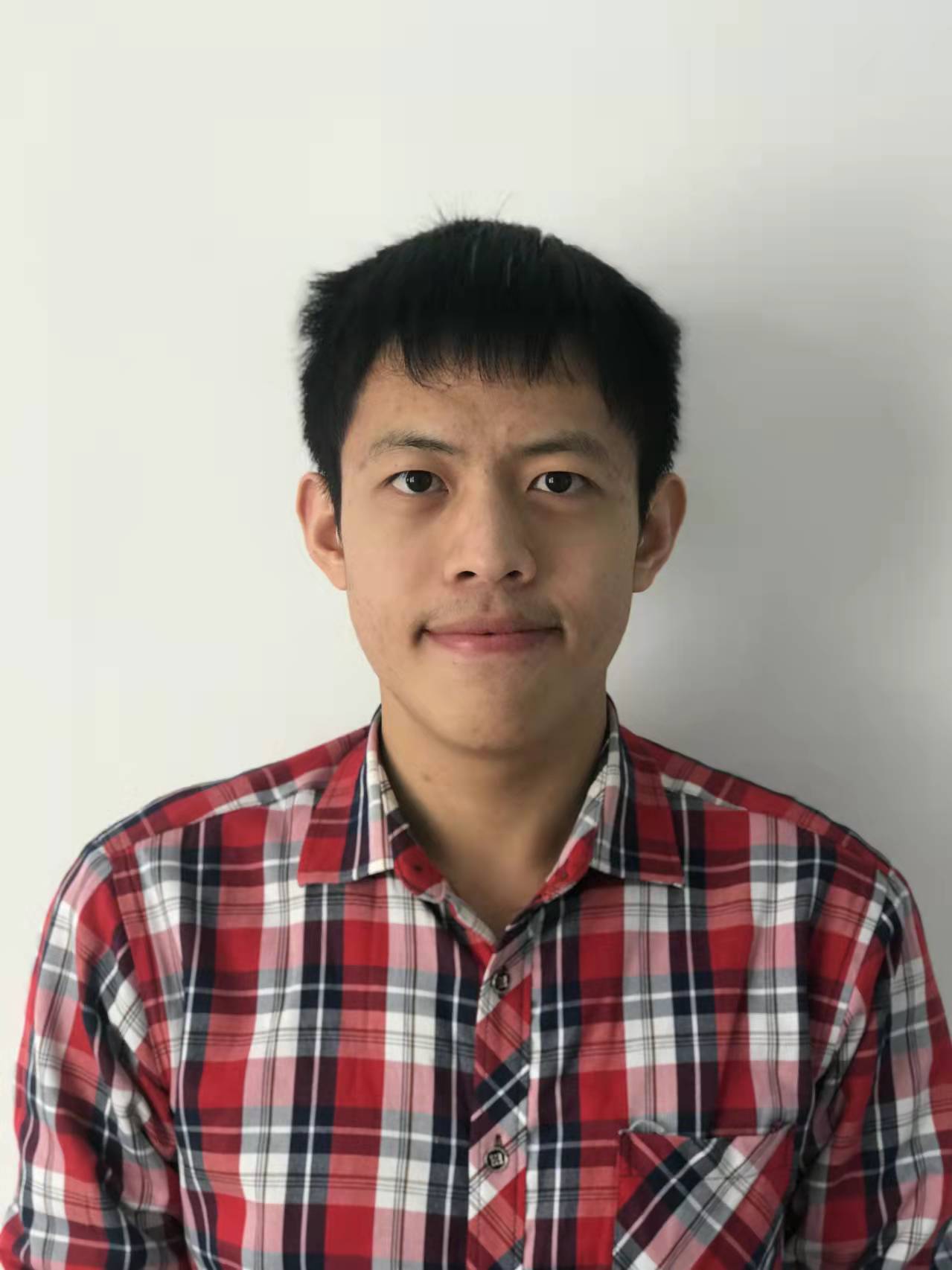 Chuyu Fang (方楚喻)合作论文数Knowledge Transfer Learning Lab, Institute of Artificial Intelligence, Beihang University5
 Xiaoshan Yu合作论文数4
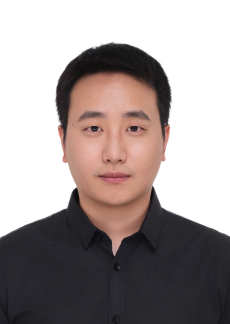 Shangshang Yang (杨尚尚)合作论文数School of Computer Science and Technology, Anhui University4
 Qi Zhang合作论文数Baidu Inc, Baidu Talent Intelligence Ctr, Beijing, Peoples R China4
 Yihang Cheng合作论文数Coll Management Econ, Tianjin Univ4Dai Le合作论文数3
 Rui Zha合作论文数3
 Qi Liu (刘淇)合作论文数School of Data Science, University of Science and Technology of China;State Key Laboratory of Cognitive Intelligence, School of Computer Science and Technology, University of Science and Technology of China;Anhui Province Key Laboratory of Big Data Analysis and Application, School of Computer Science and Technology, University of Science and Technology of China3Han Wu合作论文数University of Science and Technology of China;Anhui Province Key Lab of Big Data Analysis and Application, School of Computer Science and Technology3Chao Ma合作论文数Baidu Inc.3
 Qing He (何清)合作论文数Key Laboratory of Intelligent Information Processing, Institute of Computing Technology, Chinese Academy of Sciences;University of Chinese Academy of Sciences3
 Kun Zhang (张坤)合作论文数School of Biomedical Engineering, Division of Life Sciences and Medicine, University of Science and Technology of China;MIRACLE Center, Suzhou Institute for Advance Research, University of Science and Technology of China2Zhigaoyuan Wang合作论文数2Feihu Jiang合作论文数2
 Liyi Chen (陈力以)合作论文数Xiaohongshu Inc.2
 Limiao Zhang (张丽淼)合作论文数Institute of Bioinspired Intelligence and Mining Knowledge, Computer Science and Technology School, Anhui University2Qingyu Guo合作论文数2Yu Yin合作论文数Anhui Province Key Laboratory of Big Data Analysis and Application, School of Computer Science and Technology, University of Science and Technology of China2
 Xin Song合作论文数Baidu Online Network Technology (Beijing) Co. Ltd, No. 10 Shangdi10 road, Haidian district, Beijing, 100094, China2Yuanchun Xu合作论文数AI and Research Microsoft, Beijing, China2Guang Zhou合作论文数AI and Research Microsoft, Suzhou, China2
 Long Jin (金龙)合作论文数School of Information Science and Engineering, Lanzhou University2
 Mei Liu (刘梅)合作论文数Key Laboratory of Experimental Marine Biology, Institute of Oceanology, Chinese Academy of Sciences2
 Jiawei Li (李佳蔚)合作论文数The University of Texas at Austin2
 Zhi Zheng (郑值)合作论文数State Key Laboratory of Cognitive Intelligence, School of Computer Science and Technology, University of Science and Technology of China2
 Hongyuan Zhu (朱宏远)合作论文数Advanced Perceptual Reasoning Lab, Institut of Infocomm Research, Agency for Science, Technology and Research2
 Nicholas Jing Yuan (袁晶)合作论文数Microsoft2
 Peng Wang (汪鹏)合作论文数School of Computer Science and Engineering, Southeast University2
 Xing Xie (谢幸)合作论文数Microsoft Research Asia2
 Hao Wang (王皓)合作论文数Anhui Province Key Laboratory of Big Data Analysis and Application, School of Computer Science and Technology, University of Science and Technology of China;School of Data Science, University of Science and Technology of China;Key Laboratory of Cognitive Intelligence, University of Science and Technology of China2
 Furu Wei (韦福如)合作论文数Microsoft Research Asia2Zhenyu Tong合作论文数University of the Chinese Academy of Sciences1




