Objectives: Three experiments tested the utility of minimal versus extended voir dire questions in predicting mock jurors’ verdicts and damage awards, and whether the biasing impact of their preexisting attitudes on case judgments could be reduced by judicial rehabilitation.Hypotheses: We hypothesized that extended voir dire questions would be more predictive of case judgments than minimal voir dire questions. We hypothesized that judicial rehabilitation would not reduce this impact of preexisting attitudes on case judgments. Method: Across three experiments, each focusing on a different civil case (insurance bad faith, wrongful birth, medical malpractice misdiagnosis), online participants (N=2,041; 62% female; 77% White, 9% African American, 6% Asian/Pacific Islander, 6% Hispanic or Latino/a; Mage=40) were paid Mturk workers. They were randomly assigned to experience (a) no voir dire, minimal voir dire focusing on previous legal experience and self-identification of biases, or extended voir dire focusing on specific attitudes about civil litigation, parties, and laws, before judging the case and (b) no judicial rehabilitation, or judicial rehabilitation. Participants read a civil case, made case judgments, and completed bias awareness measures.Results: Demographic information and minimal voir dire questions did not predict case judgments, but the majority of extended voir dire responses predicted verdicts and damage awards. Judicial rehabilitation did not reduce the biasing impact of their preexisting attitudes on case judgments—but did result in mock jurors reporting that they were less biased, despite judicial rehabilitation not actually reducing their bias.Conclusions: Attorneys need the opportunity during voir dire to ask jurors about specific attitudes that might bias their decisions because relying on jurors’ self-identification of their own biases has little utility. Further, although judicial rehabilitation might make jurors think that they are less biased, it may not actually reduce the impact of their preexisting attitudes on their case decisions. Public interest statement: Contrary to popular belief, juror biases are not likely to be cured by judicial rehabilitation, and might backfire by creating the illusion in jurors that they are unbiased. Although very few mock jurors were able to self-identify things that might bias them when asked general questions in voir dire, they were willing to admit specific attitudes that biased their verdicts and damage awards when asked. Thus, we suggest reducing bias on juries by allowing attorneys to ask specific, detailed voir dire questionnaires crafted by the parties to streamline the jury selection process and remove jurors for cause or via peremptory challenges, rather than relying on “quick fixes”, such as general questions that ask jurors to self-identify their own bias or judicial rehabilitation.
This perspective reviews three pitfalls from psychology science that can distort clinical assessments and contribute to interpersonal conflicts. One pitfall is the illusion that one’s own subjective perceptions or judgments are objective observations or interpretations that reasonable colleagues would share. A second pitfall involves self-serving situational attributions rather than disposition attributions for explaining missteps after things go wrong. A third pitfall is confirmation bias that leads to a perseverance of erroneous beliefs, a tendency to mostly seek supportive colleagues, and a failure to check for dissenting viewpoints. An awareness of these three pitfalls may help clinicians improve patient care when practicing with colleagues.
This essay traces continuities and changes in focus of research and theory in my career. I describe early work on insensitivity to role-conferred advantages in self-presentation (and the personal experiences that prompted that work) and the subsequent identification and naming of the “fundamental attribution error.” I next describe my work on the role that construal processes play in determining responses to various decision-making and attributional contexts. That work, in turn, culminated in identification and exploration of what I now deem the truly “fundamental attribution error”: the illusion of superior personal objectivity and its various consequences for interpersonal and intergroup interactions. I conclude with the lessons I have drawn from my applied work on conflict resolution.
This paper discusses the “four-question” framework (Bland, Powell, & Ross, Barriers to dispute resolution: reflections on peacemaking and relationships between adversaries, 2012) that we and our colleagues developed in working to promote constructive dialogue and difficult compromises on the part of groups engaged in seeming intractable conflicts in Northern Ireland and Israeli/Palestine. The key feature of this framework is the need for the vision of a bearable shared future and commitment to pursue that future. Three other features of this framework are the need to build trust that commitments will be honored, the need for parties to understand and acknowledge the losses each will bear in accepting that future, and the need for the parties to settle for less than they feel justice demands, but also address the most serious current sources of injustice. This framework, we suggest, provides a useful lens for understanding and bridging the political divides apparent today in the US and many other democratic countries facing not only the economic threats and losses that globalization has imposed on vulnerable groups, but also threats and losses relating to weakening of community life and feelings of personal dignity We also discuss the phenomenon of loss aversion (Kahneman & Tversky, 2000) and its role in creating susceptibility to the rhetoric of hate-mongering populist leaders. We note the obvious need to provide a decent standard of living and greater security for the most vulnerable, but the further need to do so in a non-humiliating manner, and we also address the need to distinguish acceptable imperfect, difficult compromises from unacceptable ones.
This month’s column is written by two astute observers of the quirks, ironies, and inconsistencies of human behavior in the wild, and who bring those insights into the laboratory in inventive ways. One is from medicine and one from social psychology. The fact that both are Canadians may or may not be incidental. Each has a knack for finding captivating problems that have both practical significance and theoretical importance. Among other appointments, Don Redelmeier is Professor in the Department of Medicine, Canada Research Chair in Medical Decision Sciences, and Senior Scientist in the Institute for Clinical Evaluative Sciences at the University of Toronto and Sunnybrook Health Sciences Centre. APS William James Fellow Lee Ross is the Stanford Federal Credit Union Professor of Humanities and Behavioral Sciences and a founding member of the Stanford Center on International Conflict and Negotiation. Both have collaborated widely, including with each other. Here, they introduce the Objectivity Illusion, a bias that characteristically gives insight into human behavior in general and medical practice in particular.
Although Duarte et al.'s claims about the potential benefits of greater political diversity in the ranks of social psychology are apt, their discussion of the decline in such diversity, the role played by self-selection, and the specific domains they cite in discussing an anti-conservative bias raise issues that merit closer examination. The claim that sound research and analysis challenging liberal orthodoxies fails to receive a fair hearing in our journals and professional discourse is also disputed.
This essay reflects an ongoing dialogue between a clinician versed in mainstream psychological research and theory, and a social psychologist with experience both as a researcher and contributor to applied undertakings in various domains about the "incremental value" of research-based knowledge-that is, its value beyond that provided by the other sources of knowledge available to the practitioner. These sources include knowledge about the needs and coping strategies of all human beings, as well as knowledge both about the specific life circumstances of those one is seeking to help, and knowledge about language and culture. Examples from the clinical practice of the first author are offered, coupled with in-principle arguments about the underspecified and contingent nature of research-based generalizations. By way of rebuttal, examples of arguably useful findings are provided by the second author-especially findings that serve as correctives to biases in lay psychology (notably unwarranted "dispositionism") and to widespread shortcomings in judgment and decision-making (particularly, Kahneman and Tversky's work on "prospect theory" ). Both authors agree on the value of a "bricoleur" treatment strategy that relies on careful attention to the specifics of the case at hand and avoids one-size-fits-all applications of theory and prior research, and both agree that research-based findings are more useful in predicting behavior and designing intervention strategies that apply to groups and large samples of individuals rather than single actors. A concluding discussion focuses on necessary criteria and strategies for increasing the usefulness of laboratory and field research for the practitioner.
Two studies examined the association of particular sentiments and political identities with Jewish-Israeli students’ responses to a generic plan to end the Israeli–Palestinian conflict and to narrower proposals for cooperative undertakings. Three composites—hatred/anger, compassion/empathy (reverse-coded), and guilt/shame (reverse-coded), and also a global composite combining these three sets of sentiments, were generally associated with negative responses to those plans and negative attributions about the wisdom and patriotism of supporters of those plans. Most of the associations between the global sentiments composite and the relevant responses continued to be statistically significant even after controlling for participants’ political identity. The interaction between the relevant sentiments and the putative authorship of one of the proposals was also investigated. Issues of generalizability, replicability, robustness, and of the relevance of mediational analysis, as well as implications for conflict resolution and potential directions for future research are addressed in a concluding discussion.
Intractable conflicts, including that between Israel and West Bank and Gaza Palestinians, are perpetuated by a number of psychological and relational barriers that prevent the parties from reaching agreements that would serve the parties mutual self-interests. This article reviews the nature of and empirical evidence for the operation of several such barriers, including enmity and distrust, false polarization, dissonance reduction and collective rationalization, insistence on justice rather than mere advance on the status quo, reactive devaluation of proposals from the other side, and naïve realism, with special attention to the role they play in asymmetric conflicts such as that in the Middle East. Some research evidence suggesting strategies for overcoming these barriers and unfreezing deadlocks is also discussed, along with some lessons that the author and his Stanford Center on Conflict and Negotiation have gleaned from their real-world experiences in second-track diplomacy and their efforts to promote constructive dialogue between Israelis and Palestinians, and between the rival political factions in Northern Ireland.
A hot stamping machine for transferring a decorative material to an article in which a pair of rack gears are attached to a carriage holding a die which reciprocates. The rack gears drive two driven gears at the same velocity thereby rotating the object to be decorated and the transfer tape having the decorative material thereon at the same rate of speed to insure a good quality transfer of tape. The object to be decorated is moved up and down into and out of contact with the die. A rack guide is used to maintain the rack gear and the gear driving the object in constant mesh despite the up and down movement of the object.
Telemarketing fraud is pervasive, and older consumers are disproportionally targeted. We conducted a field experiment to test whether forewarning could protect people who were victimized in the past. A telemarketer pitched a mock scam 2 or 4 weeks after participants were warned about the same scam or an entirely different scam. Both warnings reduced unequivocal acceptance of the mock scam although outright refusals (as opposed to expressions of skepticism) were more frequent with the same scam warning than the different scam warning. The same scam warning, but not the different scam warning, lost effectiveness over time.
Presents an obituary for David L. Rosenhan (1929-2012). A distinguished psychologist and professor emeritus at Stanford University, Rosenhan died February 6, 2012, at the age of 82, after a long illness. Born in Jersey City, New Jersey, on November 22, 1929, he received a bachelor's degree in mathematics (1951) from Yeshiva College and a master's degree in economics (1953) and a doctorate in psychology (1958) from Columbia University. A professor of law and of psychology at Stanford University from 1971 until his retirement in 1998, Rosenhan was a pioneer in applying psychological methods to the practice of law, including the examination of expert witnesses, jury selection, and jury deliberation. A former president of the American Psychology-Law Society and of the American Board of Forensic Psychology, Rosenhan was a fellow of the American Association for the Advancement of Science, of the American Psychological Association, and of the American Psychological Society. Before joining the Stanford Law School faculty, he was a member of the faculties of Swarthmore College, Princeton University, Haverford College, and the University of Pennsylvania. He also served as a research psychologist at the Educational Testing Service. As generations of Stanford students can attest, David Rosenhan was a spellbinding lecturer who managed to convey the sense that he was speaking to each individual, no matter how large the group. To his graduate students, he was consistently encouraging and optimistic, always ready to share a joke or story, and gently encouraging of their creativity and progressive independence as researchers. The lessons he cared most about offering, in the classroom as in his research, were about human dignity and the need to confront abuse of power and human frailties.
Two studies provided evidence for the role of naïve realism in the failure of individuals to give adequate weight to peer input, and explored two strategies for reducing the impact of this inferential bias. Study 1 demonstrated that dyad members see their own estimates as more “objective” than those of their partners and that this difference in perceived objectivity predicts the degree of underweighting. Compelling participants to assess their own versus their partners' objectivity prior to revising estimates decreased underweighting, an effect that was mediated by differences in perceived objectivity. Study 2 showed that the increase in accuracy that results from requiring dyad members to offer joint estimates via discussion is largely retained in subsequent individual estimates. Both studies showed that underweighting is greater when dyad members disagree on the issue about which they are making consensus estimates—a finding that further supports a “naïve realism” interpretation of the phenomenon.
Presents an obituary for Albert H. Hastorf III. Albert H. Hastorf III, a pioneer in the study of social perception and interaction and a celebrated member of the Stanford University administration, died September 26, 2011, in Palo Alto, California. Al was known early in his career as the coauthor of one of social psychology's most famous studies-a study that vividly illustrated the constructive and potentially biased nature of perception-and his contributions to psychology and American academia were wide-ranging. Hastorf joined Stanford's faculty in 1961, serving as executive head of the Psychology Department from 1961 to 1970. He was also a founder of the university's Interdisciplinary Human Biology Program, soon one of Stanford's most popular majors and an attractive gateway for students interested in medicine. Al's unique gifts as an administrator were apparent to all who knew him. His sound judgment, personal graciousness, good humor, and unquestioned integrity made him a popular choice as dean of the School of Humanities & Sciences from 1970 to 1974 and as provost from 1980 to 1984. The esteem in which Al was held by the Stanford community was recognized with a succession of awards, including the Lloyd W. Dinkelspiel Award for Outstanding Service to Undergraduate Education and the Richard W. Lyman Award for unique and dedicated service to the university.
Abstract The criminal justice system relies on lay notions of culpability that are incompatible with contemporary social psychology, and arguably with reasonable standards of fairness and justice. A given wrongdoer’s actions are viewed in that field less as the product of stable disposition or “character” and more that of situation factors and their cumulative consequences than either lay or legal conceptions acknowledge. Moreover, the legal distinctions made between relevant and irrelevant mitigating factors are ones that social psychologists would deem uncompelling and even incoherent. While recognizing the impediments to dramatic systemic change, and the important role that public approval plays in maintaining the criminal justice system, this chapter questions whether justice can truly be served when the law’s theory of culpability is so fundamentally at odds with the lessons of social scientific research. It also considers the implications of a more enlightened view.
 Mark R. Lepper合作论文数Department of Psychology, School of Humanities and Sciences, Stanford University11
 Andrew J. Ward合作论文数10
 Varda Liberman合作论文数The Open University of Israel10
 Emily Pronin合作论文数Department of Psychology, Princeton University7
 Richard Nisbett合作论文数Department of Psychology, College of Literature, Science, and the Arts, The University of Michigan;Institute for Social Research, The University of Michigan7
 Thomas D. Gilovich合作论文数Department of Psychology, College of Arts & Sciences, Cornell University6
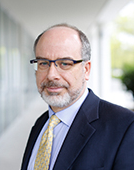 Dale Griffin合作论文数Marketing & Behavioural Science Division, Sauder School of Business, The University of British Columbia4
 Dennis L. Jennings合作论文数3Byron Bland合作论文数3
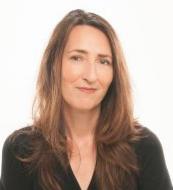 Sonja Lyubomirsky合作论文数Department of Psychology, University of California, Riverside3
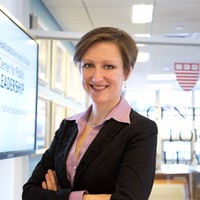 Julia A. Minson合作论文数Harvard Kennedy School, Harvard University3D Dunning合作论文数2Robert Vallone合作论文数2
 Eran Halperin合作论文数The Hebrew University of Jerusalem2
 Christopher J. O'Bryan合作论文数Ctr Biodivers & Conservat Sci, Univ Queensland2
 Craig A. Anderson合作论文数Department of Psychology, College of Liberal Arts and Sciences, Iowa State University2
 Kahn Dennis T合作论文数2
 David Sherman合作论文数College of Letters & Science, University of California2
 Geoffrey L. Cohen合作论文数Department of Psychology, Graduate School of Education, Stanford University2
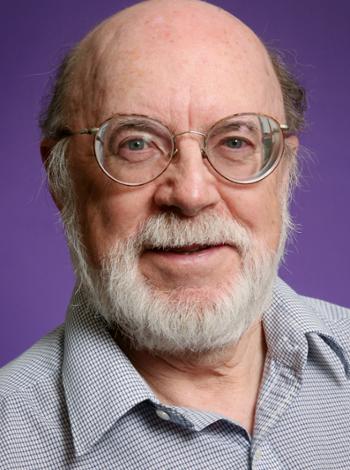 Charles G. Lord合作论文数Department of Psychology, College of Science & Engineering, Texas Christian University.2
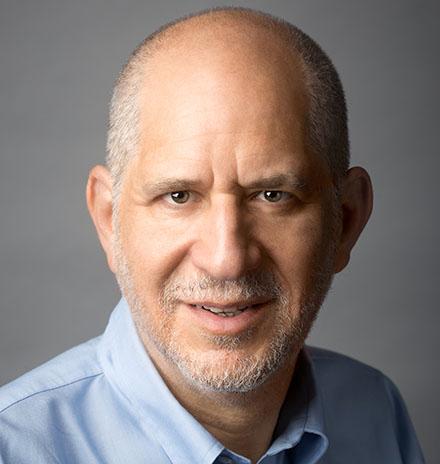 Max H. Bazerman合作论文数Harvard Business School, Harvard University2
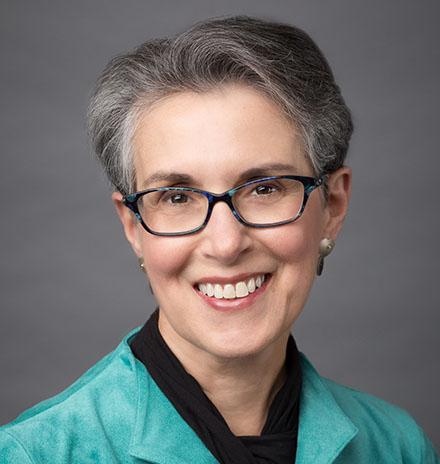 Teresa M. Amabile合作论文数Harvard Business School, Harvard University2Phoebe C. Ellsworth合作论文数2Jesse Rosencranz-Engelmann合作论文数2Steven M. Samuels合作论文数2Ifat Maoz合作论文数Department of Communication;Hebrew University of Jerusalem;Department of Communication, Hebrew University of Jerusalem2
 Elizabeth F. Loftus合作论文数Department of Criminology, Law, and Society, School of Social Ecology, University of California, Irvine;School of Law, University of California, Irvine2
 Jennifer M Loftis合作论文数J.E.N.S. Laboratory, Portland VA Medical Center2
 Joyce Ehrlinger合作论文数Florida State University2
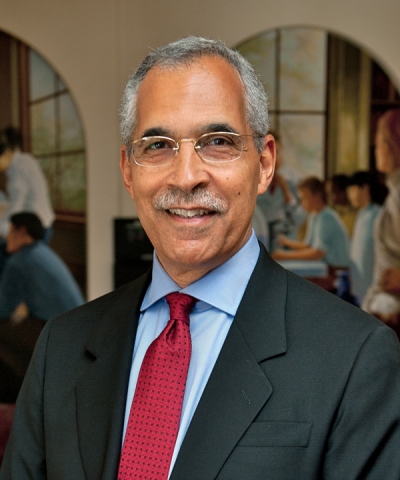 Claude Mason Steele合作论文数Department of Psychology, Stanford University2Aaron C. Kay合作论文数2
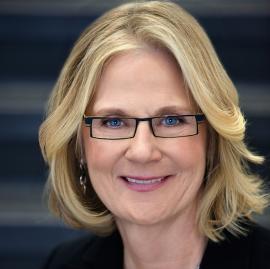 Margaret Ann Neale合作论文数Graduate School of Business, Stanford University2
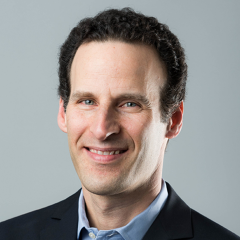 Jared R. Curhan合作论文数MIT Sloan School of Management2KA DIEKMANN合作论文数1C Stillinger合作论文数1R. Richard Banks合作论文数1
 Martha J Deevy合作论文数1John Campbell合作论文数1carolyn puccio合作论文数1Julie Turchin合作论文数1brenna powell合作论文数1Daphna Spivack合作论文数1Doug Shadel合作论文数1Samantha Bean合作论文数1
 Hannah J. Phalen合作论文数Sch Social & Behav Sci, Arizona State Univ1Walid Salem合作论文数1
 Aaron Charles Kay合作论文数Department of Psychology and Neuroscience, Trinity College of Arts & Sciences, Duke University1
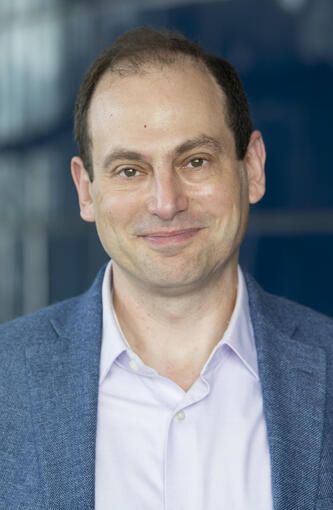 Nathan Novemsky合作论文数Yale School of Management, Yale University/Department of Psychology, Yale University1
 Sheena S. Iyengar合作论文数Management Division, Columbia Business School, Columbia University1




