The widespread adoption of a multi-energy complementary heating system leveraging excellent energy-saving and low-carbon performance is currently an effective solution to address the high energy consumption issue of hospitals in severe cold regions. However, the neglect of demand response during operation has become a serious obstacle to the sustainable operation of a multi-energy complementary heating system. A multi-energy complementary heating system integrating water-source heat pumps, coal-fired boilers, and gas-fired boilers is constructed, encompassing five energy solutions. The DeST software is used to simulate the energy consumption of the hospital, which provided a foundation for optimizing the operation strategy. Finally, the most effective energy option is suggested using the AHP-EWM-TOPSIS method for comprehensive evaluation. Results indicate that the operation strategy should be dynamically regulated according to the heat load demand. Compared with the traditional heating system, this dynamic regulation strategy can reduce CO2 emissions and SO2 emissions by more than 40%. It is noteworthy that WSHP-GB (water source heat pumps-gas boilers) the CO2 emissions reduced by 70.18%, the energy saving rate reached 53.26%, and the proportion of green energy increased by 61%. Considering the four indicators of economy, technology, energy and environment comprehensively, WSHP-GB has been identified as the optimal heating scheme. Since the high-load heating demand accounts for less than 8% of the total, WSHP-GB can fully meet the basic needs during the heating period. This energy option provides a directly referable basis for the heating work of large public buildings in severe cold regions.
Flow electrode capacitive deionization (FCDI) is an environmentally friendly and efficient technology with significant potential for desalination applications. However, its widespread adoption is limited by the challenge of balancing high electronic conductivity with superior ion adsorption capacity in electrode materials. In this study, low-cost agricultural waste (corn stalks) was used as the raw material to fabricate hierarchical porous biochar (CBC) through a composite modification strategy involving phosphoric acid etching followed by secondary pyrolysis, aiming to enhance the desalination performance of FCDI. The results show that the CBC electrode achieved a specific capacitance of 469.27 F g-1, which is 7.44 times higher than that of the raw biochar (RBC). Under optimized conditions (1.2 V applied voltage, 5 wt% carbon loading, and a 15 mL min-1 flow rate), the CBC electrode exhibited an average salt adsorption rate of 30.90 mu g cm-2 min-1, which is more than 2.93 times that of RBC, outperforming most previously reported biochar-based FCDI electrodes. Moreover, the CBC electrode exhibited a high charge efficiency of 115.06%, low energy consumption of 2.79 & times; 10-2 kWh m-3, and excellent long-term cycling stability. Microstructural analyses revealed that our composite modification strategy created an interconnected hierarchical pore network and a more graphitized carbon framework in CBC, which together enables efficient ion adsorption and rapid electron transfer, ultimately enhancing desalination performance. This work provides a new approach and theoretical foundation for developing low-cost, high-performance flow electrodes for FCDI.
Membrane capacitive deionization (MCDI) is susceptible to irreversible membrane fouling caused by iron ions, which severely degrades desalination performance. To mitigate this bottleneck, corncob-derived activated carbons (CCACs) offering low preparation cost, balanced performance, and stability have been developed as core electrode materials. Given the detrimental impact of iron, this study systematically compared two fouling control strategies: pretreatment filtration (Model I) and in-channel biochar dosing (Model II). The results demonstrate that introducing high-surface-area modified biochar particles directly into the flow channel provides additional deposition sites for iron-based foulants, thereby extending iron removal capacity. This in situ approach increased the specific adsorption capacity by 19% relative to pretreatment filtration. Operating conditions for Model II were further optimized using the Box-Behnken design and response surface methodology, yielding a predicted SAC of 9.32 mg g-1 under optimal parameters (1.45 V, 84.24 mg L-1 biochar, 20.9 mL min-1). This work elucidates a synergistic mechanism-competitive adsorption, deposition shifting, and mass transport enhancement-through which biochar mitigates iron fouling in MCDI systems, offering a cost-effective and sustainable pathway for overcoming inorganic scaling in electrosorption-based water treatment.
Electrochemical oxidation offers a promising approach for degrading perfluorocarboxylic acids (PFCAs); however, the coexistence and competition of degradation pathways remain poorly understood. Herein, a range of complementary methodologies was employed to investigate perfluorooctanoic acid (PFOA) degradation using a Pt anode under controlled oxidative conditions. Two representative degradation channels were systematically confirmed, namely Channel 1, involving the formation of short-chain PFCAs, and Channel 2, featuring stepwise defluorination via CnF2n+1• and COF2. A quantitative framework based on fluorine mass balance revealed that Channel 2 accounts for the majority of fluorine release (78.3-82.1%), fundamentally clarifying the dominant mineralization mechanism of PFOA. Trifluoroacetic acid, selected as a structurally simplified model compound, was used to probe the transformation behavior of COF2 for the first time. The observed defluorination efficiency significantly exceeds the theoretical limit in the absence of COF2 hydrolysis, providing indirect but compelling evidence for its transformation under electrochemical conditions. The study further reveals that degradation channel selectivity is dynamically regulated by interfacial conditions, with elevated temperatures enhancing the formation of short-chain PFCAs, whereas higher reaction rates accelerate their subsequent degradation. Overall, these findings provide insightful mechanistic understanding of PFCAs degradation and offer theoretical guidance for limiting the formation of persistent short-chain byproducts.
Combined antibiotic-metal pollution poses serious ecological and health risks. Adsorption offers a sustainable and efficient approach for their simultaneous removal, however, its optimization depends on a comprehensive understanding of adsorption behavior and the rational design of adsorbents. Herein, a novel iron-modified biochar (C-FeBC0.5) with mesoporous confinement was synthesized from cotton husk through K2FeO4 activation-ball milling-pyrolysis. C-FeBC0.5 showed the maximum adsorption capacities (Qm) of Cu2+ (68.72 mg & sdot;g-1) and CIP (88.55 mg & sdot;g-1), and remained highly efficient under coexisting ions. Regeneration studies exhibited that C-FeBC0.5 had excellent regenerative ability and stability. The strong correlation between packed column experimental data and the Thomas model indicates that C-FeBC0.5 has the viability for practical wastewater treatment at an industrial scale. Multi-system studies have demonstrated that Fe2+/Fe3+ incorporation enhances the bingding affinity of Cu2+ and CIP. Density Functional Theory (DFT) calculations, combined with experimental findings, revealed that Cu2+ mediated the formation of coordination structures between the carboxyl and ketone moieties of CIP molecules and surface functional groups on C-FeBC0.5, thereby alleviating competition for adsorption sites and promoting CIP adsorption ability. Concurrently, C-FeBC0.5 exhibited higher adsorption affinity for Cu2+, as evidenced by on the optimized molecular conformation and adsorption energy.
In response to the mutual promotion of water eutrophication and greenhouse effect, a composite CaO2 (CCM) which slowly releases O-2 and induces CH4 oxidation was developed in this study. Unlike exogenous microbial addition, CCM reshaped the native microbial community, enriching indigenous methane oxidizers for a more stable and cost-effective solution. The results indicated the domain-limiting effect of CCM ensured a long-lasting O-2 release, prolonging the release duration by 2.6-fold versus powdered CaO2. Optimal effect was achieved at the CCM dosage of 150 g m(-2), which reduced the NH4+-N, PO43- -P, and COD in the overlying water by 88.74 %, 89.01 %, and 81.45 %, and decreased the global warming potential by 83.99 %. The oxidation property and dissolution products of CCM inhibited methanogenic archaea proliferation, while increased methanotrophic bacteria abundance, CH4 monooxygenase activity, Proteobacterial pmoA in surface sediments and M. nitroreducens mcrA in middle sediments. By reducing greenhouse gas production and promoting CH4 oxidation, the CCM established a three-dimensional metabolic network of "surface aerobic oxidation, middle anaerobic oxidation, and deep heterotrophic metabolism", which could provide new ideas for carbon reduction and ecological restoration in slow-flow water.
Electrochemical oxidation on boron-doped diamond (BDD) anodes is effective for per- and polyfluoroalkyl substances (PFAS) removal, and the degradation process is highly sensitive to anion-dependent interfacial conditions. Although anion effects in electrochemical systems are often discussed in terms of solution-phase reactivity, their role in regulating PFAS transformation at the anodic interface remains unclear, particularly for short-chain PFAS. Here, perfluorobutanoic acid (PFBA) was used as a representative short-chain PFAS to probe electrochemical degradation in BDD systems with different supporting electrolytes. Among five common electrolytes, Na2SO4 exhibited the highest PFBA removal and defluorination efficiencies, with an apparent rate constant that was 1.6 and 2.6 times those of the Na2S2O8 and NaNO3 systems, respectively. Evidence shows that this enhancement is not primarily governed by sulfate-radical or persulfate-mediated pathways, but instead arises from interfacial processes at the BDD anode. Specifically, sulfate regulates the electrode-solution interface, suppresses oxygen evolution, and facilitates anodic direct electron transfer to initiate PFBA oxidation, while sustaining effective •OH participation in the subsequent chain defluorination process. Non-target screening, targeted quantification, and in situ analysis support a decarboxylation-initiated pathway followed by CF2O formation and stepwise defluorination. These findings provide mechanistic insight for electrolyte selection and interfacial design in electrochemical PFAS treatment systems.
The treatment of fluoride-contaminated drinking water remains a critical environmental challenge. In capacitive deionization (CDI) systems, the strong binding affinity of certain electrode materials toward fluoride ions (F-) often compromises the electrochemical reversibility and limits the regeneration capacity. In this study, superlong lanthanum metal-organic framework (La-BDC) nanowire was synthesized successfully by temperature-modulating crystal nucleation and growth, with a higher specific surface area (293.2 m2 g-1) and an average diameter of similar to 20 nm for La-BDC-140 (heated at 140 degrees C for 20 h). More importantly, La-BDC-140 exhibits exceptional fluoride removal performance in CDI, achieving 28.7 mg g-1 in 50 mL of 10 mg L-1 NaF solution at 1.4 V, significantly higher than values reported in previous studies. In addition, the synergistic effect of alkaline electrolytes and reverse voltage can effectively facilitate the desorption process; hydroxide ions (OH-) compete with F- for binding to the La3+ center, thereby destabilizing the stable La-F bond. Meanwhile, the electrostatic force enhances the migration of fluoride ions away from the electrode surface. This significantly improves the electrodesorption efficiency of electrode materials with high affinity for fluoride ions, achieving a single-cycle desorption rate of approximately 95%. After 20 electrodesorption cycles in alkaline solution, the fluoride removal efficiency was maintained at over 80%, successfully addressing the regeneration challenge commonly associated with high-affinity adsorbents in CDI systems. This work provides a highly efficient and regenerable La-MOF-based electrode for CDI defluoridation, offering a novel approach for the electrodesorption regeneration of electrode materials exhibiting strong binding affinity toward F-.
Electrochemical advanced oxidation processes are promising for perfluorooctanoic acid (PFOA) degradation; however, strategies for enhancing degradation performance through rational regulation of the reaction medium remain insufficiently understood. In this study, systematic screening of nitrogen-containing compounds showed that discrete inorganic nitrogen species (e.g., ammonium and nitrate) failed to induce any measurable degradation or defluorination of PFOA. In contrast, nitrogen-containing compounds with lone-pair electrons (e.g., glycine and nitrilotriacetic acid) acted as effective promoters, enabling a maximum PFOA removal efficiency of 88.4% within 300 min. Using glycine as a representative additive, mechanistic investigations demonstrated that cooperative coordination among glycine, PFOA, and the Pt electrode surface promotes anodic direct electron transfer. In parallel, glycine-assisted electrochemical processes generate reactive oxidizing species, particularly reactive nitrogen species (e.g., •NO3) and hydroxyl radicals (•OH), which contribute to indirect oxidation pathways. These two processes act synergistically to govern the PFOA degradation. Fluorine mass balance analysis further revealed that stepwise defluorination via CnF2n+1• and COF2 formation dominated mineralization, accounting for 85.4-97.9% of fluorine release, whereas short-chain intermediates constituted only a minor route. Overall, this study elucidates the coupled roles of interfacial coordination regulation and reactive nitrogen chemistry in electrochemical PFAS degradation, providing mechanistic guidance for effective electrochemical treatment systems.
Correction for 'The sinking behavior of micro-nano particulate matter for bisphenol analogues in the surface water of an ecological demonstration zone, China' by Yuanfei Cai et al., Environ. Sci.: Processes Impacts, 2021, 23, 98-108, https://doi.org/10.1039/D0EM00366B.
Developing cost-effective fluoride removal technologies while valorizing industrial solid waste remains a critical challenge in sustainable water treatment. Herein, a waste-derived adsorption-electrocoagulation system was constructed by coupling Fe-modified alkali-activated fly...
The treatment of lead-contaminated wastewater, particularly at low concentrations, remains a significant challenge. This study presents a novel dynamic adsorption process using a chitosan-buckwheat hull biochar composite (KQB) for efficient Pb2+ removal. Comprehensive characterization using SEM-EDS, FTIR, BET, XRD, and XPS was conducted to verify the successful modification and favorable physicochemical properties of the composite. By employing the response surface methodology based on the Box-Behnken design (RSM-BBD), critical parameters such as pH, adsorbent dosage, and adsorption time were optimized to achieve a removal efficiency of 95.31%, resulting in a residual Pb2+ concentration of similar to 0.23 mg L-1, which complies with the standard discharge limit. The adsorption kinetics and equilibrium data were best described by the pseudo-second-order (PSO) model and the Langmuir isotherm model, respectively, indicating a monolayer chemisorption process. Furthermore, XPS analysis confirmed that the primary removal mechanisms involve ion exchange and surface complexation with amino and hydroxyl groups. KQB outperforms conventional coagulation methods, demonstrating higher removal rates and a significantly reduced effluent pollution index (Pi = 0.56 vs. 1.72 for coagulation), coupled with lower operational costs. Furthermore, the composite exhibited excellent stability and reusability over 5 regeneration cycles. This dynamic adsorption process offers a sustainable and cost-effective alternative to traditional methods, with potential applications in wastewater treatment and broader environmental remediation.
La-MOFs exhibit strong affinity toward anions such as F- and phosphate. However, conventional La-MOFs show limited regeneration performance when used as CDI electrodes, posing a major challenge for practical applications. In this study, a high-performance sulfur and nitrogen co-doped La-BDC-140-derived carbon electrode (La-CNS3) was fabricated via a coupled carbonization and doping strategy. The optimized La-CNS3 electrode possessed abundant defects, a mesoporous structure, favorable hydrophilicity, and rapid charge-transfer capability, which collectively enhanced fluoride electrosorption. At 1.4 V, La-CNS3 achieved a fluoride removal capacity of 31.86 mg·g-1 for 10 mg·L-1 F- solution and up to 195 mg·g-1 at an initial F- concentration of 100 mg·L-1. More importantly, partial fluoride desorption was realized solely under reverse voltage, and the electrode maintained favorable defluoridation performance over 50 adsorption-desorption cycles. In actual groundwater treatment, the effluent fluoride concentration decreased to below 1.0 mg·L-1 after 120 min. XPS analysis and DFT calculations revealed that fluoride removal was mainly governed by La-F coordination, surface hydroxyl/water ligand exchange, and interfacial charge redistribution. The La2O2S/g-C3N4 structure provided a favorable balance between fluoride adsorption strength and desorption reversibility. This work offers a promising strategy for designing efficient, selective, and electrically regenerable rare-earth-based CDI electrodes for fluoride-contaminated water treatment.
This work reports a method to prepare metal-modified adsorbents using itaconic acid fermentation waste liquid (IAFWS) and apply them to the removal of fluoride ions from fluorinated wastewater. Three metals (Fe, Cu and Ce) were used to modify the activated carbon and three adsorbents were obtained (Fe/C, Cu/Fe/C and Ce/Fe/C). The adsorption capacities of Fe/C and Cu/Fe/C reach the highest at pH=6, which are 52.1 mg/g and 56.3 mg/g, respectively. The optimum pH of Ce/Fe/C adsorption is 7, and the adsorption capacity is 61.2 mg/g. The optimal pH of the three adsorbents is in the general pH range of fluorinated wastewater. The adsorbent has an extremely long service life and its performance remains stable after 8 cycles. The results show that all three adsorbents can be used for F- removal in water for many times, but Ce/Fe/C has the best adsorption performance. This study not only solves the problem of treatment of IAFWS, but also applies it to the degradation of fluoride ions in water, achieving a dual role in environmental protection.
Livestock and poultry breeding wastewaters (LPBWs) is dumped into rivers either untreated or with inadequate treatment, which causes major pollution issues. This study explores a high-efficiency, low-energy treatment method for livestock and poultry breeding wastewater, focusing on the use of Constructed Wetland-Microbial Fuel Cell technology (CW-MFC). The study showed that the removal rates of COD, NH4+-N, and PO43−-P through the multistage tandem system reached 77.32
Electrocoagulation (EC) and adsorption are commonly employed for fluoride (F-) removal, yet their individual efficiency is limited. This study developed a modified bauxite (MBx) with enhanced Fadsorption capacity, which was then integrated into the EC system to create a composite system for improved Fremoval. The results demonstrated that calcination and acid leaching increased the specific surface area of MBx, enabling an adsorption capacity of up to 0.42 + 0.03 mg/g. The modified bauxite-electrocoagulation (MBx + EC) system exhibited a remarkable Fremoval efficiency of 97.23 + 1.44 % within 30 min, surpassing the performance of EC alone by 31.0 times based on the pseudo-second-order kinetic model. Comparative experiments indicated that flocs minimally affected the adsorption capability of MBx. Through XPS, FTIR, and XRD analyses of MBx and flocs, the defluorination mechanisms of the composite system involving electrostatic interaction, hydrogen bond complexation, and ion exchange were elucidated. This study offers insights into enhancing Fremoval using EC and can guide the development and operation of efficient Fremoval systems.
 Zhaoyang Wang (王昭阳)合作论文数32
 Xinlin He (何新林)合作论文数College of Water & Architectural Engineering, Shihezi University24
 Chun Zhao (赵纯)合作论文数College of of Environment and Ecology, Chongqing University24
 Wen-Huai Wang合作论文数22
 Guang Yang (杨广)合作论文数College of Water & Architectural Engineering, Shihezi University22
 Wenying Qu合作论文数21Chengxiao MA (马成晓)合作论文数18Dongbao Song合作论文数17Cui-zhong CHEN (陈翠忠)合作论文数14
 Mingguo Ma (马明国)合作论文数College of Materials Science and Technology, Beijing Forestry University14Yucheng Ren合作论文数13Jiankang Wang合作论文数12Li-juan YI (易丽娟)合作论文数12Shengbao Liu合作论文数11Keqing Du合作论文数11QiuGang Wang (汪秋刚)合作论文数11
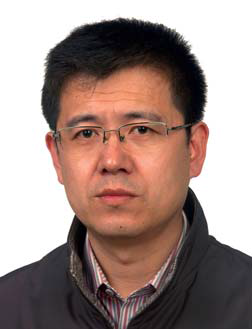 Jihui Gao (高继慧)合作论文数School of Energy Science and Engineering, Harbin Institute of Technology9
 Xiaolei Teng合作论文数8
 Liang Xie合作论文数8Zhen WEI (魏震)合作论文数8Tiantian Gu合作论文数8Ereaihan (额热艾汗)合作论文数8
 Xiaoxiao Meng (孟晓晓)合作论文数School of Energy Science and Engineering, Harbin Institute of Technology8
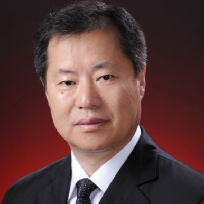 Guangbo Zhao (赵广播)合作论文数Harbin Institute of Technology8Junhong Tao合作论文数7XinRong Wu (吴心蓉)合作论文数7Xueting Feng合作论文数6ZhiHua Sun (孙志华)合作论文数6
 Huaili Zheng (郑怀礼)合作论文数College of Architecture and Engineering, Yunnan Agricultural University6Yulin Yang合作论文数5Bo Song合作论文数5Yu Jiang (江煜)合作论文数5Feng Xu (徐凤)合作论文数5
 Jianchao Liu (刘建超)合作论文数Key Laboratory of Integrated Regulation and Resource Development on Shallow Lakes, Ministry of Education, Hohai University;College of Environment, Hohai University5Reaihan E合作论文数4Ruining He合作论文数4Shuan Liu合作论文数4Shenglin Liu合作论文数4
 Zhibin Qu (曲智斌)合作论文数School of Energy Science and Engineering, Harbin Institute of Technology4Jie Yang合作论文数4YuWei Ma (马玉薇)合作论文数4MingJu Lan (蓝明菊)合作论文数4JianKang Wang (王健康)合作论文数4
 Wenbo Fan (范文波)合作论文数College of Water & Architectural Engineering, Shihezi University4
 Shih-Hsin Ho (賀詩欣)合作论文数Department of Environmental Science and Engineering, School of Environment, Harbin Institute of Technology4
 Wei Zhou (周嵬)合作论文数College of Chemical Engineering, Nanjing Tech University4
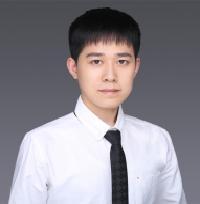 Fei Sun (孙飞)合作论文数School of Energy Science and Engineering, Harbin Institute of Technology4JIA Xiaojuan (贾筱娟)合作论文数3Jie Li合作论文数3




