Background: Trauma induces significant physiological changes that can lead to substantial morbidity and mortality. Many of these changes alter immune homeostasis, which underlies seemingly disparate syndromes of systemic inflammation and global immune suppression, the causes of which remain unclear. Innate immune cells play a key role in the response to trauma, and recent studies have suggested that natural killer (NK) cells are dynamically responsive to mild versus severe systemic trauma. Materials and Methods: Herein, we examined NK cell phenotypic maturation in trauma (n = 137) and nontrauma (n = 45) patients. Peripheral blood samples were collected from adult patients within 24 hours of injury and interrogated by flow cytometry for surface markers of maturation (CD16, CD56, and CD57) and associated activating (NKP30, NKP46, and NKG2D) and inhibiting (KIR2DL1 and KIR2DL2) receptors. Results: Following trauma, peripheral NK cells were phenotypically less cytokine-dominant (CD56 bright ), more mature, and cytotoxic (CD56 dim , CD16 + ). However, in severely injured patients, these changes were not accompanied by an expected increase in the expression of activating receptors, particularly those sensing danger motifs displayed on injured and stressed cells. Indeed, cytotoxic NK cells lacking NKP30, NKP46, and NKG2D were significantly more prevalent in severely injured patients. Conclusions: This pattern suggests a widespread functional shift in NK cells activated by severe trauma away from the expression of receptors involved in recognizing stressed or “damaged self” cells. The absence of activating receptors could be acutely adaptive, avoiding broad cytotoxic responses in the face of overwhelming cell injury, but problematic several days after trauma when infectious complications arise. These data suggest one of many mechanistic explanations for the immune dysregulation seen in individuals who survive major trauma.
Antibody-mediated rejection is a leading cause of allograft failure and mortality in pediatric solid organ transplant recipients. Current apheresis systems require large blood volumes and are primarily designed for adults, making them unsuitable for children and small animals. These systems often indiscriminately remove both harmful and protective antibodies, increasing the risk of complications such as life-threatening infections. To address this critical need, we developed acoustofluidic-based system for targeted antibody removal in transplantation (A-START). A-START is engineered to handle small blood volumes and has demonstrated efficacy in preclinical small animal trials. In a sensitized rodent skin transplantation model, A-START only demands 240 microliters of blood, selectively removing donor-specific alloantibodies (DSAs) while preserving protective antibodies, such as tetanus antibodies. A-START retains ~95% of beneficial antibodies and achieves a 60% improvement in DSA removal compared to conventional methods. These findings highlight the transformative potential of A-START as a promising, reliable, scalable solution for improving outcomes in pediatric transplantation and treating antibody-mediated diseases.
BACKGROUND:Natural killer (NK) cells have gained recognition for playing an integral role in both alloimmunity and protective immunity, particularly viral infection control, in solid organ transplantation. Using data from the Clinical Trials in Organ Transplantation in Children (CTOTC) study entitled, "Immune Development in Pediatric Transplantation," (NCT00951353), we aimed to identify NK cell phenotypes that were associated with viral infection versus alloreactive events during the first year after transplantation. We also examined the relationship between NK cells with 7-year patient and allograft survival using the Scientific Registry for Transplant Recipients (SRTR) database. METHODS:A secondary analysis of peripheral blood mononuclear cells from 98 children aged 1-20 years old with kidney transplants was conducted using multiparameter flow cytometry for the following NK cell phenotypes: CD56bright, CD56dim, and CD56negative. We associated these phenotypes with either viral infection or alloimmunity (de novo donor-specific antibody (dnDSA) development or acute rejection), using Fine-Gray subdistribution hazard models for competing risks. Secondary outcomes included allograft and patient survival. RESULTS:We demonstrated that specific baseline NK cell phenotypes obtained prior to transplantation may be associated with either viral infection or alloimmunity. An elevation in CD56dim frequency was associated with an increased risk of infection, while an increase in CD56negative absolute count was associated with an increased risk of an alloimmune event. NK cells were not associated with graft survival. CONCLUSIONS:NK cell phenotyping may be a useful tool to help differentiate infectious from alloimmune risk.
OBJECTIVES:To characterize and quantify accumulating immunologic alterations, pre and postoperatively in patients undergoing elective surgical procedures.BACKGROUND:Elective surgery is an anticipatable, controlled human injury. Although the human response to injury is generally stereotyped, individual variability exists. This makes surgical outcomes less predictable, even after standardized procedures, and may provoke complications in patients unable to compensate for their injury. One potential source of variation is found in immune cell maturation, with phenotypic changes dependent on an individual's unique, lifelong response to environmental antigens.METHODS:We enrolled 248 patients in a prospective trial facilitating comprehensive biospecimen and clinical data collection in patients scheduled to undergo elective surgery. Peripheral blood was collected preoperatively, and immediately on return to the postanesthesia care unit. Postoperative complications that occurred within 30 days after surgery were captured.RESULTS:As this was an elective surgical cohort, outcomes were generally favorable. With a median follow-up of 6 months, the overall survival at 30 days was 100%. However, 20.5% of the cohort experienced a postoperative complication (infection, readmission, or system dysfunction). We identified substantial heterogeneity of immune senescence and terminal differentiation phenotypes in surgical patients. More importantly, phenotypes indicating increased T-cell maturation and senescence were associated with postoperative complications and were evident preoperatively.CONCLUSIONS:The baseline immune repertoire may define an immune signature of resilience to surgical injury and help predict risk for surgical complications.
BACKGROUND: Thoracic injury can cause impairment of lung function leading to respiratory complications such as pneumonia (PNA). There is increasing evidence that centralmemory T cells of the adaptive immune systemplay a key role in pulmonary immunity. We sought to explorewhether assessment of cell phenotypes using flow cytometry (FCM) could be used to identify pulmonary infection after thoracic trauma. METHODS: We prospectively studied trauma patients with thoracic injuries who survived >48 hours at a Level 1 trauma center from 2014 to 2020. Clinical and FCMdata from serum samples collected within 24 hours of admission were considered as potential variables. Random forest and logistic regression models were developed to estimate the risk of hospital-acquired and ventilator-associated PNA. Variables were selected using backwards elimination, and models were internally validated with leave-one-out. RESULTS: Seventy patients with thoracic injurieswere included (median age, 35 years [interquartile range (IQR), 25.25-51 years]; 62.9% [44 of 70] male, 61.4% [42 of 70] blunt trauma). The most common injuries included rib fractures (52 of 70 [74.3%]) and pulmonary contusions (26 of 70 [37%]). The incidence of PNAwas 14 of 70 (20%). Median Injury Severity Scorewas similar for patientswith and without PNA (30.5 [IQR, 22.6-39.3] vs. 26.5 [IQR, 21.6-33.3]). The final random forest model selected three variables (Acute Physiology and Chronic Health Evaluation score, highest pulse rate in first 24 hours, and frequency of CD4(+) central memory cells) that identified PNAwith an area under the curve of 0.93, sensitivity of 0.91, and specificity of 0.88. A logistic regression with the same features had an area under the curve of 0.86, sensitivity of 0.76, and specificity of 0.85. CONCLUSION: Clinical and FCM data have diagnostic utility in the early identification of patients at risk of nosocomial PNA following thoracic injury. Signs of physiologic stress and lower frequency of central memory cells appear to be associated with higher rates of PNA after thoracic trauma.
BACKGROUND:Malnutrition, including obesity and undernutrition, among children is increasing in prevalence and is common among children on renal replacement therapy. The effect of malnutrition on the pre-transplant immune system and how the pediatric immune system responds to the insult of both immunosuppression and allotransplantation is unknown. We examined the relationship of nutritional status with post-transplant outcomes and characterized the peripheral immune cell phenotypes of children from the Immune Development of Pediatric Transplant (IMPACT) study. METHODS:Ninety-eight patients from the IMPACT study were classified as having obesity, undernutrition, or normal nutrition-based pre-transplant measurements. Incidence of infectious and alloimmune outcomes at 1-year post-transplantation was compared between nutritional groups using Gray's test and Fine-Gray subdistribution hazards model. Event-free survival was estimated by Kaplan-Meier method and compared between groups. Differences in immune cell subsets between nutritional groups over time were determined using generalized estimating equations accounting for the correlation between repeated measurements. RESULTS:We did not observe that nutritional status was associated with infectious or alloimmune events or event-free survival post-transplant. We demonstrated that children with obesity had distinct T-and B-cell signatures relative to those with undernutrition and normal nutrition, even when controlling for immunosuppression. Children with obesity had a lower frequency of CD8 Tnaive cells 9-month post-transplant (p < .001), a higher frequency of CD4 CD57 + PD1- T cells, and lower frequencies of CD57-PD1+ CD8 and CD57-PD1- CD8 T cells at 12-month transplant (p < .05 for all). CONCLUSIONS:Children with obesity have distinct immunophenotypes that may influence the tailoring of immunosuppression.
OBJECTIVE:To design and establish a prospective biospecimen repository that integrates multi-omics assays with clinical data to study mechanisms of controlled injury and healing. BACKGROUND:Elective surgery is an opportunity to understand both the systemic and focal responses accompanying controlled and well-characterized injury to the human body. The overarching goal of this ongoing project is to define stereotypical responses to surgical injury, with the translational purpose of identifying targetable pathways involved in healing and resilience, and variations indicative of aberrant peri-operative outcomes. METHODS:Clinical data from the electronic medical record combined with large-scale biological data sets derived from blood, urine, fecal matter, and tissue samples are collected prospectively through the peri-operative period on patients undergoing 14 surgeries chosen to represent a range of injury locations and intensities. Specimens are subjected to genomic, transcriptomic, proteomic, and metabolomic assays to describe their genetic, metabolic, immunologic, and microbiome profiles, providing a multidimensional landscape of the human response to injury. RESULTS:The highly multiplexed data generated includes changes in over 28,000 mRNA transcripts, 100 plasma metabolites, 200 urine metabolites, and 400 proteins over the longitudinal course of surgery and recovery. In our initial pilot dataset, we demonstrate the feasibility of collecting high quality multi-omic data at pre- and postoperative time points and are already seeing evidence of physiologic perturbation between timepoints. CONCLUSIONS:This repository allows for longitudinal, state-of-the-art geno-mic, transcriptomic, proteomic, metabolomic, immunologic, and clinical data collection and provides a rich and stable infrastructure on which to fuel further biomedical discovery.
Background: An emerging body of literature supports the role of individualized prognostic tools to guide the management of patients after trauma. The aim of this study was to develop advanced modeling tools from multidimensional data sources, including immunological analytes and clinical and administrative data, to predict outcomes in trauma patients.Methods: This was a prospective study of trauma patients at Level 1 centers from 2015 to 2019. Clinical, flow cytometry, and serum cytokine data were collected within 48 hours of admission. Sparse logistic regression models were developed, jointly selecting predictors and estimating the risk of ventilator -associated pneumonia, acute kidney injury, complicated disposition (death, rehabilitation, or nursing facility), and return to the operating room. Model parameters (regularization controlling model sparsity) and performance estimation were obtained via nested leave-one-out cross-validation.Results: A total of 179 patients were included. The incidences of ventilator-associated pneumonia, acute kidney injury, complicated disposition, and return to the operating room were 17.7%, 28.8%, 22.5%, and 12.3%, respec-tively. Regarding extensive resource use, 30.7% of patients had prolonged intensive care unit stay, 73.2% had prolonged length of stay, and 23.5% had need for prolonged ventilatory support. The models were developed and cross-validated for ventilator-associated pneumonia, acute kidney injury, complicated dispositions, and return to the operating room, yielding predictive areas under the curve from 0.70 to 0.91. Each model derived its optimal predictive value by combining clinical, administrative, and immunological analyte data.Conclusion: Clinical, immunological, and administrative data can be combined to predict post-traumatic outcomes and resource use. Multidimensional machine learning modeling can identify trauma patients with complicated clinical trajectories and high resource needs.(c) 2022 Elsevier Inc. All rights reserved.
Costimulation blockade (CoB)-based immunosuppression offers the promise of improved transplantation outcomes with reduced drug toxicity. However, it is hampered by early acute rejections, mediated at least in part by differentiated, CoB-resistant T cells, such as CD57(+)PD1(-) CD4 T cells. In this study, we characterize these cells pretransplant, determine their fate posttransplant, and examine their proliferative capacity in vitro in humans. Our studies show that CD57(+)PD1(-) CD4 T cells are correlated with increasing age and CMV infection pretransplant, and persist for up to 1 y posttransplant. These cells are replication incompetent alone but proliferated in the presence of unsorted PBMCs in a contact-independent manner. When stimulated, cells sorted by CD57/PD1 status upregulate markers of activation with proliferation. Up to 85% of CD57(+)PD1(-) cells change expression of CD57/PD1 with stimulation, typically, upregulating PD1 and downregulating CD57. PD1 upregulation is accentuated in the presence of rapamycin but prevented by tacrolimus. These data support a general theory of CoB-resistant cells as Ag-experienced, costimulation-independent cells and suggest a mechanism for the synergy of belatacept and rapamycin, with increased expression of the activation marker PD1 potentiating exhaustion of CoB-resistant cells.
BACKGROUND Flow cytometry (FCM) is a rapid diagnostic tool for monitoring immune cell function. We sought to determine if assessment of cell phenotypes using standardized FCM could be used to identify nosocomial infection after trauma. METHODS Prospective study of trauma patients at a Level I center from 2014 to 2018. Clinical and FCM data were collected within 24 hours of admission. Random forest (RF) models were developed to estimate the risk of severe sepsis (SS), organ space infection (OSI), and ventilator-associated pneumonia (VAP). Variables were selected using backward elimination and models were validated with leave-one-out. RESULTS One hundred and thirty-eight patients were included (median age, 30 years [23-44 years]; median Injury Severity Score, 20 (14-29); 76% (105/138) Black; 60% (83/138) gunshots). The incidence of SS was 8.7% (12/138), OSI 16.7% (23/138), and VAP 18% (25/138). The final RF SS model resulted in five variables (RBCs transfused in first 24 hours; absolute counts of CD56- CD16+ lymphocytes, CD4+ T cells, and CD56 bright natural killer [NK] cells; percentage of CD16+ CD56+ NK cells) that identified SS with an AUC of 0.89, sensitivity of 0.98, and specificity of 0.78. The final RF OSI model resulted in four variables (RBC in first 24 hours, shock index, absolute CD16+ CD56+ NK cell counts, percentage of CD56 bright NK cells) that identified OSI with an AUC of 0.76, sensitivity of 0.68, and specificity of 0.82. The RF VAP model resulted in six variables (Sequential [Sepsis-related] Organ Failure Assessment score: Injury Severity Score; CD4- CD8- T cell counts; percentages of CD16- CD56- NK cells, CD16- CD56+ NK cells, and CD19+ B lymphocytes) that identified VAP with AUC of 0.86, sensitivity of 0.86, and specificity of 0.83. CONCLUSIONS Combined clinical and FCM data can assist with early identification of posttraumatic infections. The presence of NK cells supports the innate immune response that occurs during acute inflammation. Further research is needed to determine the functional role of these innate cell phenotypes and their value in predictive models immediately after injury.
Vascularized composite allotransplants (VCAs) seem to have several unique features of clinical and experimental importance, including uniquely definable lymphatic drainage that can be easily accessed at the level of ipsilateral regional node beds. Thus, VCA offers a unique opportunity to assess the relative contribution of peripheral and secondary lymphoid tissue to the process of rejection. We transplanted hind limb grafts from C3H donors to six different groups of C57BL/6 recipients: Spleen(+)Map3k14(-/-); Spleen(-)Map3k14(-/-); Spleen(+)Node(-)Map3k14(-/-); and Spleen(-)Node(-)Map3k14(-/-). As positive controls, we used Map3k14(+/-) with or without spleen. Map3k14(+/-) mice demonstrated an average graft survival of 9.6 and 9.2 days for Spleen(-) and Spleen(+)Map3k14(+/-), respectively. Rejection in the Map3k14(-/-) group was considerably delayed (28.4 days, P = 0.002) in all recipients. The Spleen(-)Map3k14(-/-) mice rejected their hind limb allografts in an even more delayed fashion compared to Spleen(+)Map3k14(-/-) (54.4 days, P = 0.02). Histological analysis of skin showed that acute rejection in both Map3k14(+/-) mice groups was graded as Banff III or Banff IV. In the Map3k14(-/-) groups, rejection was graded as Banff III. We demonstrated that in the absence of lymph nodes, grafts reject in a delayed fashion. Also, splenectomy in alymphoplastic mice further extends graft survival, but does not eliminate rejection all together.
BACKGROUND AND AIMS:As conversion from calcineurin inhibitor to sirolimus (SRL), a mechanistic target of rapamycin inhibitor (mTOR-I), has been shown to enhance immunoregulatory profiles in liver transplant (LT) recipients (LTRs), mTOR-I therapy might allow for increased success of immunosuppression (IS) withdrawal. Our aim was to determine if operational tolerance could be observed in LTRs withdrawn from SRL and if blood/graft tolerance biomarkers were predictive of successful withdrawal. APPROACH AND RESULTS:We performed a prospective trial of SRL monotherapy withdrawal in nonimmune, nonviremic LTRs > 3 years post-LT. SRL was weaned over ~6 months, and biopsies were performed 12 months postweaning or at concern for acute rejection. Twenty-one LTRs consented; 6 were excluded due to subclinical acute rejection on baseline biopsy or other reasons, and 15 underwent weaning (age 61.3 ± 8.8 years; LT to SRL weaning 6.7 ± 3 years). Eight (53%) achieved operational tolerance (TOL). Of the 7 who were nontolerant (non-TOL), 6 had mild acute rejection on biopsy near the end of weaning or at study end; 1 was removed from the trial due to liver cancer recurrence. At baseline preweaning, there were statistically increased blood tolerogenic dendritic cells and cell phenotypes correlating with chronic antigen presentation in the TOL versus non-TOL groups. A previously identified biopsy gene signature accurately predicted TOL versus non-TOL in 12/14 LTRs before weaning. At study end, biopsy staining revealed statistically significant increases in antigen-presenting cell:leukocyte pairings, FOXP3+ /CD4+ T cells, Tbet+ /CD8+ T cells, and lobular dendritic cells in the non-TOL group. CONCLUSIONS:This study evaluated IS withdrawal directly from mTOR-I therapy in LTRs and achieved > 50% operational tolerance. Preweaning gene expression and peripheral blood mononuclear cell profiling may be useful as predictors of successful mTOR-I therapy withdrawal. NCT02062944.
Vascularized composite allotransplantation (VCA) is challenged by the morbidity of immunosuppression required to prevent rejection. The use of highly specific biologics has not been well explored in VCA. Given that psoriasis is T-cell mediated, as is rejection of skin-containing VCAs, we sought to assess the role of ustekinumab and secukinumab, which are approved to treat psoriasis by inhibiting Th17 cells. We combined these agents with belatacept and steroids in a VCA nonhuman primate model. Group I consisted of belatacept and steroids, group II was belatacept, ustekinumab with steroid taper, and group III was belatacept, secukinumab with steroid taper. Three animals were transplanted in each group. In group I, the mean graft survival time until the first sign of rejection was 10 days whereas in group II and III it was 10.33 and 11 days, respectively. The immunohistochemistry analysis showed that the number of IL-17a+ cells and the intensity of IL-17a expression were significantly reduced in both dermis and hypodermis parts in groups II and III when compared to group I (P < 0.01). Ustekinumab and secukinumab led to less T-cell infiltration and IL-17a expression in the allograft but provided no benefit to belatacept and steroids in VCA survival.
Depletional induction using antithymocyte globulin (ATG) reduces rates of acute rejection in adult kidney transplant recipients, yet little is known about its effects in children. Using a longitudinal cohort of 103 patients in the Immune Development in Pediatric Transplant (IMPACT) study, we compared T cell phenotypes after ATG or non-ATG induction. We examined the effects of ATG on the early clinical outcomes of alloimmune events (development of de novo donor specific antibody and/or biopsy proven rejection) and infection events (viremia/viral infections). Long-term patient and graft outcomes were examined using the Scientific Registry of Transplant Recipients. After ATG induction, although absolute counts of CD4 and CD8 T cells were lower, patients had higher percentages of CD4 and CD8 memory T cells with a concomitant decrease in frequency of naïve T cells compared to non-ATG induction. In adjusted and unadjusted models, ATG induction was associated with increased early event-free survival, with no difference in long-term patient or allograft survival. Decreased CD4+ naïve and increased CD4+ effector memory T cell frequencies were associated with improved clinical outcomes. Though immunologic parameters are drastically altered with ATG induction, long-term clinical benefits remain unclear in pediatric patients.
 Allan Douglas Kirk合作论文数Department of Surgery, Duke University School of Mediane;Duke Cancer Institute, Duke University School of Mediane60
 Christian P. Larsen合作论文数Department of Surgery, School of Medicine, Emory University;Emory Transplant Center, Emory University32
 Leslie Kean合作论文数Department of Pediatrics, Emory University School of Medicine16
 Karnail Singh合作论文数School of Medicine, Emory University15
 Mehta Aneesh K合作论文数Div Infect Dis, Emory Univ15
 Bruce Blazar合作论文数Division of Pediatric Blood and Marrow Transplantation & Cellular Therapy, Department of Pediatrics, Medical School, University of Minnesota;Center for Translational Medicine, University of Minnesota13
 Deane Taylor合作论文数11Cheeseman Jennifer A合作论文数11Espinosa J合作论文数11
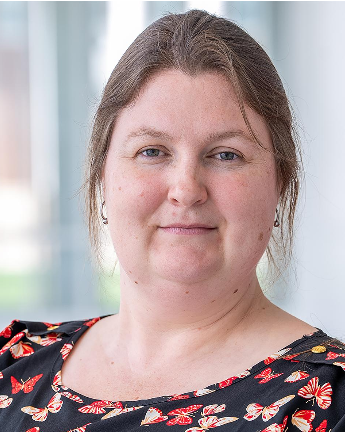 Kelly Hamby合作论文数College of Agriculture & Natural Resources, University of Maryland9
 Mandy Ford合作论文数Department of Surgery, School of Medicine. Emory University;Emory Transplant Center, Emory University9L. S. Kean合作论文数8
 Elaine Reed合作论文数Department of Pathology, David Geffen School of Medicine, University of California, Los Angeles;Department of Laboratory Medicine, David Geffen School of Medicine, University of California, Los Angeles8
 Paul C. Grimm合作论文数Section of Nephrology|Winnipeg Children ' s Hospital|Health Sciences Centre8He Xu合作论文数7Minnie M. Sarwal合作论文数7
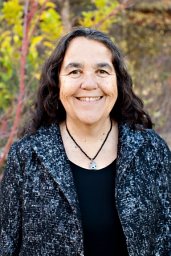 Olivia M. Martinez合作论文数Department of Surgery/Division of Transplantation and Program in Immunology, Stanford University School of Medicine7Frank V. Leopardi合作论文数7Dimitrios Moris合作论文数6
 Jennifer Cheeseman合作论文数6Hamby Kelly合作论文数6Neal N. Iwakoshi合作论文数6C. Chan合作论文数5E. T. Chambers合作论文数5e strobert合作论文数5M Song合作论文数5s sen合作论文数5
 Brian I Shaw合作论文数Department of Surgery, Duke University Medical Center5
 Raymond R. Townsend合作论文数Department of Medicine, Perelman School of Medicine, University of Pennsylvania5
 Steven Bosinger合作论文数Yerkes Natl Primate Res Ctr, Emory Univ5Song Mingqing合作论文数5Tharp Gregory K合作论文数5
 Edmund Waller合作论文数Department of Hematology and Medical Oncology, School of Medicine, Emory University;Winship Cancer Institute, Emory University5
 Thomas A. Pearson合作论文数Center for Integrative Cardiovascular and Metabolic Disease, University of Florida;Department of Epidemiology, University of Florida5Robert B. Ettenger合作论文数5Barry L. Warshaw合作论文数5
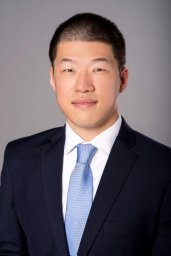 Danny Mou合作论文数Center for Cancer Systems Biology (CCSB) and Department of Cancer Biology, Dana-Farber Cancer Institute5B. Johnson合作论文数4
 Jean Kwun合作论文数Department of Surgery, School of Medicine, Duke University School of Medicine4
 Eileen Tsai Chambers合作论文数Department of Pediatrics, Duke University School of Medicine4Warshaw Barry L合作论文数4
 Alton Brad Farris合作论文数Dept Pathol & Lab Med, Emory Univ4Robertson Jennifer M合作论文数4
 Roshan George合作论文数Department of Pediatrics, School of Medicine, Emory University4Garrett Aneesah合作论文数4Ramakrishnan Swetha合作论文数4Danya Liu合作论文数4A. Page合作论文数3L. Kean合作论文数3




