Lipoic acid (LA) is a sulfur-containing cofactor with significant antioxidant and metabolism-regulating functions, which is widely used in the pharmaceutical and nutraceutical industries. However, current microbial production of LA relies on exogenous octanoic acid and synthesizes the product in a protein-bound form, requiring a subsequent dissociation step to obtain free LA. In this study, we constructed an Escherichia coli strain capable of de novo synthesizing free LA by deleting the compensatory pathway gene lplA and introducing eflpA, a lipoamidase that hydrolyzes protein-bound LA. A high-efficiency LA synthase (sllipA) was subsequently screened from Serratia liquefaciens and optimized at the gene copy-number level, resulting in a 44% increase in LA production. Furthermore, by enhancing the carbon flux from acetyl-CoA to the precursor octanoic acid and improving the intracellular supply of the key cofactors S-adenosylmethionine (SAM) and [4Fe-4S] iron-sulfur clusters, the LA titer was further increased by 184%. Finally, under controlled microaerobic production conditions, the optimized strain achieved an LA titer of 138.32 mg/L, representing the highest level of microbial LA production reported to date.
Bacillus subtilis is widely used for industrial protein production and metabolic synthesis owing to its robustness, safety, and strong secretion capacity. However, high-cost and cytotoxic chemical inducers remain major bottlenecks for large-scale bioprocesses. Here, we developed the Metabolizable Inducer-based Carbon-source Autoinduction (MICA) system, which leverages six endogenous, inexpensive, non-toxic, and metabolizable carbon-source-responsive regulatory modules in B. subtilis-maltose, mannose, sorbitol, arabinose, xylose, and glycerol. First, systematic promoter engineering substantially enhanced the expression strengths of all six regulatory modules. Second, integration of the T7 RNA polymerase system further amplified their output capacities, increased induction sensitivity, and reduced inducer consumption. Third, by exploiting glucose-mediated carbon catabolite repression (CCR), the maltose and mannose systems were endowed with programmable autoinduction behavior, enabling induction at tunable time points through simple adjustment of glucose concentrations. Finally, the MICA system was applied to high-level production of alkaline protease and β-1,3-glucanase, as well as dynamic regulation of lycopene and β-carotene biosynthesis. Notably, the best-performing variant PT7malA1 produced 82.5 mg L-1 of lycopene and 94.2 mg L-1 of β-carotene in shake-flask, representing 4.5-fold and 6.3-fold improvement over Pgrac control, respectively. Upon scaling up to a 3-L bioreactor, the titers of β-carotene further reached 244.7 mg L-1, which represent the highest levels reported in B. subtilis to date. Collectively, the MICA system provides a versatile, low-cost, and non-toxic platform for robust protein overexpression and dynamic metabolic regulation, offering strong potential for scalable industrial biotechnology applications.
Astaxanthin, a keto-carotenoid renowned for its strong antioxidant capacity, has become an increasingly preferred target for microbial biosynthesis. Saccharomyces cerevisiae is regarded as a promising host for astaxanthin production because of its native mevalonate pathway. However, the limited catalytic efficiency of the key enzymes β-carotene hydroxylase (CrtZ) and β-carotene ketolase (CrtW) remains a major constraint in achieving high yields. In this study, we combined multiple strategies to enhance catalytic performance. First, we performed combinatorial screening of CrtZ and CrtW from diverse sources and identified an enzyme pair that efficiently catalyzed the conversion of β-carotene to astaxanthin. Subsequently, a heterologous ferredoxin-based redox-partner system was introduced and optimized, resulting in a 79.5
Expansins, whose cell wall-loosening function contributes to plant cell growth, biomass deconstruction, and substrate accessibility, have attracted increasing attention in agricultural biotechnology and bioprocessing. However, their predominant sourcing from plants, with limited low abundance and inconsistency, presents a challenge for industrial production. In this study, we developed a multi-level engineering strategy in Bacillus subtilis to enhance the extracellular production of two expansins: B. subtilis expansin-like group X1 (BsEXLX1) and Solanum lycopersicum α-expansin (LeEXP2). By systematically screening temporal promoters, optimizing ribosome-binding site (RBS) and signal peptides (SPs), and expressing secretion machinery components, the expression levels of BsEXLX1 and LeEXP2 reached 232.3 mg/L and 15.6 mg/L, respectively, in shake flasks. Further fed-batch culture increased the extracellular BsEXLX1 and LeEXP2 to 1.3 g/L and 43.7 mg/L in a 5-L bioreactor, representing the highest level reported in B. subtilis to date. Furthermore, both microbial-generated expansins exhibited a strong synergistic effect on cellulose degradation, enhancing total sugar release by 42.6% (BsEXLX1) and 5.7% (LeEXP2) when combined with commercial cellulase. Collectively, this study establishes a scalable B. subtilis-based secretion platform for the high-level production of functional expansins and provides a transferable framework for efficient extracellular protein production in B. subtilis.
Yeasts and yeast-based products are nutrient-rich bioresources with broad applications in technologies for the production of food, feed, medicine, and cosmetics. However, traditional processing often results in non-specific lysis and suboptimal product quality. Yeast extract can be used as a flavor enhancer, nutritional supplement, or fermentation substrate, and the other components of the yeast cell wall and nucleic acids can be processed into bioactive materials, including glucans and nucleotides. These materials offer both nutritional and therapeutic benefits. Precision hydrolysis, leveraging the high specificity of tailored enzymes, has emerged as a superior strategy for maximizing the yield and functional quality of high-value yeast-based products. It provides superior outcomes by improving the quality of yeast-based products. Tailored enzymatic strategies, leveraging mechanistically focused core enzymes, including proteases, β-glucanases, and coupled nucleases-deaminases, have demonstrated superior efficiency, nutritional enhancement, and sensory refinement. This review focuses on the mechanistic properties of yeast processing enzymes, emphasizing their functional classification and applications in precision hydrolysis. It details how such enzymes are optimized for the targeted release and modification of high-value components. Additionally, the review highlights recent strategies for tailored biosynthesis of yeast processing enzymes, including enzyme discovery, heterologous expression systems, and machine-learning-guided optimization. This review aims to support future innovations that will promote the development of sustainable, high-value, and diversified yeast-based bioproducts by optimizing the biosynthesis of processing enzymes, thus lowering the overall cost of precision hydrolysis. • Precision hydrolysis enables the controlled release of yeast components in a specific pattern, yielding high-quality, specific yeast-based products. • By leveraging the highly specific effects of enzymes, targeted product refinement and superior characteristics under mild processing conditions can be achieved. • To avoid the high cost of precision hydrolysis, continuous advances in enzyme discovery, protein engineering, and metabolic engineering technologies are vital.
Trehalose is a nonreducing disaccharide widely used for its biomolecule-protective properties. However, multienzyme cascade production remains limited by low enzyme expression and suboptimal catalytic performance. To address this, thermostable maltooligosyltrehalose synthase (TreY) and trehalohydrolase (TreZ) from Arthrobacter ramosus were individually expressed intracellularly in Bacillus subtilis, and the crude lysates were combined for trehalose biosynthesis, achieving 281.4 g/L trehalose and a yield of 0.7 g trehalose/g maltodextrin. Integrated computational screening identified MalQ-3 from Cyanobacterium stanieri as a suitable 4-α-glucanotransferase for soluble expression. Subsequent semirational engineering generated MalQ-3-M2 (S54P/V472F), with enhanced activity and stability associated with improved substrate-pocket dynamics, thereby facilitating glucan-chain rearrangement and short-chain reutilization. MalQ-3-M2 was separately expressed in B. subtilis and incorporated into the crude-lysate cascade, increasing the trehalose titer to 338 g/L and the yield to 0.85 g trehalose/g maltodextrin. Overall, this work establishes a scalable B. subtilis platform for efficient trehalose production.
Milk proteins are ideal sources of dietary protein, characterized by excellent nutritional properties and wide applications. With the growth of the global population and changes in consumer dietary habits, there is a continuous increase in demand for sustainable and ethically produced dairy alternatives. Synthetic biology, through the design and construction of microbial cell factories, promotes the efficient biosynthesis of milk proteins while driving the green development of the dairy industry. This review first discusses the composition and content of milk proteins in milk, providing a detailed comparison of bovine and human milk. It then covers the bioactive functions of different milk proteins and their applications in industries such as food and healthcare. Finally, past research and recent advancements in milk protein biosynthesis using microbial, plant, and animal cell systems are summarized, to provide a reference for future innovations and promote sustainable bioproduction.
Acetoin is a natural flavor compound widely present in foods, but its cytotoxicity limits microbial production. Here, a multi-level metabolic engineering strategy was developed in Bacillus subtilis to reconstruct the acetoin pathway. Expression of key genes in the phosphotransferase system and glycolysis was enhanced, and pyruvate overflow was blocked to direct carbon flux toward acetoin precursors. Expression of a Streptococcus pneumoniae NADH oxidase restored shake-flask growth, increasing OD600 from 29.74 to 35.6. Fusion of acetolactate synthase (ALS) and acetolactate decarboxylase (ALDC) improved pathway efficiency, resulting in an 11.5% increase in titer to 57.89 g/L. Combinatorial CRISPR interference of six targets in competing pathways further increased the titer by 26.2%, reaching 73.2 g/L. Introduction of the polyhydroxybutyrate (PHB) biosynthetic pathway enhanced cellular tolerance, allowing robust growth under 80 g/L stress. The engineered strain ultimately achieved an acetoin titer of 87.9 g/L, a productivity of 1.45 g/L/h, and a yield of 0.45 g/g in a 3-L bioreactor, providing an effective framework for industrial acetoin production.
Background Milk-derived bioactive proteins (MDBPs) are essential for human growth, immune regulation, and neurodevelopment, possessing unique structure-function characteristics absent in plant-based and cultured proteins. Current industrial production adopts membrane separation, chromatography, and precipitation, but these methods face limited raw materials and high costs. Synthetic biology-enabled microbial cell factories (MCFs) offer a sustainable alternative, yet achieving both native-level bioactivity and high yield remains a substantial challenge. Scope and objective This review summarizes MDBPs from bovine and human milk, including their composition, abundance, structures, and physiological roles. It further delineates a complete recombinant production framework, encompassing chassis cell selection, transcriptional and translational optimization, post-translational modifications (PTMs), intracellular trafficking, secretion, and proteolytic stability. Particular attention is devoted to advanced microbial cell factory (MCF) strategies that integrate systems biology, multi-omics analytics, and protein engineering to address production bottlenecks, thereby providing a coherent technical roadmap for the industrial translation of MDBP research. Key findings and conclusions MCFs provide a sustainable platform for MDBP manufacturing, offering high process controllability and scalability. Notably, achieving precise recapitulation of complex PTMs and optimizing secretion pathways are key to ensuring higher bioactivity and yield. Future artificial intelligence (AI)-assisted design-build-test-learn (DBTL) cycles will further improve MCF engineering and broaden MDBP applications in functional foods, clinical nutrition, and targeted therapeutics.
Retinol, the major active form of vitamin A, plays a crucial role in vision, immune function, and skin health. The industrial model yeast Saccharomyces cerevisiae (S. cerevisiae) inherently possesses the mevalonate pathway, which supplies precursors for retinol biosynthesis. However, the imbalanced distribution of metabolic flux between the retinol synthesis pathway and other competing pathways limits the retinol titer. To improve the efficiency of the retinol synthesis pathway, we first identified two key bottleneck enzymes, geranylgeranyl diphosphate synthase (CrtE) and β-carotene 15,15'-dioxygenase (Blh), and optimized their gene copy numbers, resulting in a 72.0% increase in retinol titer. Subsequently, to reduce the diversion of the metabolic flux toward squalene production, we employed a multidimensional manipulation strategy to regulate the expression of squalene synthase (ERG9). By replacing the native ERG9 promoter with PSPI1 and using a decompartmentalization strategy, the retinol titer was further increased to 1.41 g/L. After auxotrophic marker gene complementation, the resulting retinol titer in a 5-L bioreactor was 7.19 g/L, which was the highest reported value in S. cerevisiae. This work establishes an effective engineering strategy for high-yield retinol production in S. cerevisiae, which can facilitate subsequent process development and scale-up.
Biosensors have been widely applied for high-throughput strain screening and dynamic regulation of metabolic networks. However, existing tryptophan sensors based on transcription factors or riboswitches often suffer from a narrow dynamic range and limited response threshold. In this study, we developed a series of tryptophan-responsive biosensors in Escherichia coli using the tryptophan-activated RNA-binding attenuation protein (TRAP) as the sensing module. First, we validated TRAP functionality and engineered a functional biosensor by fine-tuning its expression. Subsequently, screening of TRAP variants and optimization of TRAP-leader sequence interactions yielded two biosensors that exhibited distinct dynamic ranges (up to 22.1-fold) and response thresholds of 0-2.2 g/L, respectively. Using these biosensors, we screened two beneficial variants of key rate-limiting enzymes in the tryptophan biosynthetic pathway and further investigated their catalytic mechanisms through molecular dynamics simulations. Collectively, this study provides tools for engineering high tryptophan-producing strains and new strategies for biosensor design.
Ulcerative colitis (UC) is a chronic inflammatory bowel disease characterized by recurrent episodes of intestinal inflammation and mucosal injury. Qingkui Yuyang decoction (QKY), a clinically validated traditional Chinese medicinal formula, has been widely used in the treatment of UC; however, its pharmacodynamically active constituents and underlying mechanisms of action have not been fully elucidated. In this study, we explored the therapeutic mechanisms of QKY in treating UC by employing a combination of serum pharmacochemistry, network pharmacology, and molecular docking techniques. Initially, using UPLC-Q-Exactive Orbitrap-MS/MS, 28 candidate active compounds in the serum of rats treated with QKY were identified. Subsequently, network pharmacology analysis identified 43 overlapping targets between UC and the active components, and 30 related signaling pathways. Further analysis and molecular docking studies have confirmed that the key active components (Loureirin A, Berberine, Ellagic acid) possess potential for effective therapeutic effects with the core targets (RELA, AKT1). In addition, in vitro experiments demonstrated that QKY significantly downregulated the expression levels of the pro-inflammatory cytokines IL-6 and TNF-α. QKY also markedly reduced the phosphorylation levels of NF-κB p65 and p38 MAPK, as well as the corresponding mRNA expression levels of these signaling molecules. These results suggest that QKY may exert its therapeutic effects on UC by modulating the MAPK and NF-κB signaling pathways, offering a promising strategy for the prevention and treatment of UC.
Oxidosqualene cyclases (OSCs) catalyze the cyclization of 2,3-oxidosqualene into diverse triterpenoids, yet their intrinsically low catalytic efficiency restricts biosynthetic productivity. Here, we establish a mechanism-guided synergistic engineering strategy that extends beyond conventional active-site engineering by integrating distal substrate access regulation with catalytic microenvironment optimization to enhance the catalytic performance of CrAS from Catharanthus roseus. Structural modeling and mechanistic analyses revealed a conserved catalytic framework involving carbocation-mediated polycyclization and identified a surface-exposed constriction region that regulates substrate access. Guided by these insights, distal surface engineering of the constriction region was synergistically combined with active pocket optimization. The resulting combinatorial mutant, M3 (L323A/T327K/N565I), exhibited a 95.2% increase in catalytic efficiency and enhanced α-amyrin and β-amyrin by 53.2% and 49.7%, reaching 158 mg/L and 63 mg/L, respectively. Multi-scale analyses combining molecular dynamics (MD) and quantum mechanics/molecular mechanics (QM/MM) calculations revealed that the enhanced catalytic performance is attributable to increased flexibility of the substrate access pathway, reinforced electrostatic and cation-π interactions, and reduced reaction energy barriers. Notably, distal mutation T327K improved substrate ingress through dynamic modulation of the protein surface, while N565I optimized the catalytic microenvironment by enhancing hydrophobic packing and stabilizing key intermediates. Overall, our findings establish a generalizable framework for engineering complex cyclases and provide a foundation for the sustainable microbial production of high-value triterpenoids.
2'-Fucosyllactose (2'-FL), the most abundant human milk oligosaccharide (HMO) with well-recognized health benefits, can be efficiently synthesized by microbial fermentation. However, most high-titer strains reported still rely on plasmid expression systems, which introduces risks of genetic instability and antibiotic contamination. In contrast, achieving high-level 2'-FL production in plasmid-free strains remains challenging due to insufficient pathway flux and limited catalytic activity of α-1,2-fucosyltransferase (α1,2-FucT). Herein, we engineered a plasmid-free, antibiotic-free, and inducer-free Escherichia coli strain for efficient 2'-FL biosynthesis. A modular metabolic engineering strategy was employed to enhance precursor supply by improving lactose utilization and GDP-l-fucose biosynthesis. To eliminate the undesirable byproduct difucosyllactose (DFL), a highly efficient α1,2-FucT (WPfutC) was identified, and its catalytic performance was further improved through rational truncation of the membrane-interacting region. Additionally, the expression of critical pathway genes and cofactor regeneration were optimized by constructing artificial multi-enzyme complexes. The final strain, WPL, achieved 25.6 g/L of 2'-FL in shake flask cultivation and 108.3 g/L in fed-batch fermentation with a productivity of 1.18 g/L/h, reaching the highest reported titer among plasmid-free strains. This work provides a promising strategy for sustainable industrial production of 2'-FL and offers insights into the rational design of efficient plasmid-free production strains for other HMOs.
Tobacco biomass constitutes a substantial yet underexploited lignocellulosic resource with considerable potential for bioconversion. However, its efficient enzymatic utilization is constrained by pronounced structural heterogeneity and the presence of diverse non-structural inhibitory components. This review provides a comprehensive overview of tobacco lignocellulose, emphasizing how tissue-specific variations in cellulose, hemicellulose, lignin, and other cell wall components influence enzyme accessibility and catalytic efficiency. Particular attention is given to tobacco-derived inhibitory compounds, including alkaloids, polyphenols, and pigments, which impair enzymatic hydrolysis through multiple mechanisms. Unlike previous reviews on lignocellulose hydrolysis, this review further summarizes recent advances in inhibitor transformation, enzyme engineering to enhance inhibitor tolerance and degradation activity, and enzymatic system optimization. Looking forward, the integration of advanced metagenomic screening and artificial intelligence-driven design is expected to accelerate the development of more robust lignocellulolytic enzymes with enhanced resistance to inhibitory compounds. Collectively, these insights provide a mechanistic basis for efficient and sustainable utilization of tobacco biomass.
L-(+)-tartaric acid (L-TA) is a high-value chiral organic acid essential for food and pharmaceuticals. Despite its industrial importance, sustainable green production is constrained by the lack of a fully defined biosynthetic pathway. Here, we report the de novo biosynthesis of L-TA in Saccharomyces cerevisiae through reaction-guided enzyme mining, experimental validation, and Enzyme Commission-specific Catalytic Hybrid Optimizer (ECHO)-assisted enzyme prioritization. We first elucidate the elusive two-step conversion from precursor 5-keto-D-gluconic acid (5-KGA) to L-TA, catalyzed by transketolase (TK) and succinate semialdehyde dehydrogenase (SSDH). To optimize this critical step, we develop the ECHO. This multimodal framework integrates sequence, substrate, and pocket-aware structural information to identify high-performance TK-SSDH pairs. By integrating this pathway with de novo precursor synthesis, cofactor engineering, and semi-rational protein engineering, a final L-TA titer of 6.59 mg L-1 was achieved in a 5-L bioreactor. By connecting computational mining and metabolic assembly through a multi-module engineering strategy, our study establishes a green platform for L-TA production and demonstrates an effective workflow for synthetic pathway design.
The polar environment harbors extremely rich and valuable natural product resources. In this study, a strain of Antarctic fungus, Geomyces sp. wnf-18c, in Antarctic soil was isolated in a laboratory. This fungus produces a purplish-red pigment whose hue closely resembles that of the high-end pigment carminic acid. However, approximately 50 % of the pigment remains within the fungal hyphae, restricting subsequent separation and extraction. In this study, the deletion of the key cell wall protein-encoding genes CHS3 and AGS1 enhanced pigment secretion. It also considerably inhibited the strain's growth, making it difficult to substantially increase the total pigment yield. To overcome these hurdles, the xylose-inducible system from Trichoderma reesei was heterologously expressed in Antarctic fungi, and the CRISPR-Cas9 system was placed under the control of this induction system. The exogenous addition of xylose as a signal to initiate genetic editing achieved the spatiotemporal regulation of the target gene-activating gene editing that restricts growth only after the completion of the strain's growth phase. The spatiotemporal regulation of key cell wall proteins significantly mitigated growth inhibition, greatly enhanced pigment secretion, and raised the total pigment yield. This discovery advances our understanding of the spatiotemporal specificity and dynamic regulation of microorganisms, offering novel strategies for exploiting polar microbial resources and reducing industrial production costs.
Synthetic biotechnology is a key driver of green biomanufacturing and a strategic pillar for China in leading the new scientific revolution and gaining a competitive edge in cutting-edge technologies. The training of talents in synthetic biology aligns with higher education's mission to empower the development of new quality productive forces. This paper studied the distinctive characteristics of synthetic biology, including its strong interdisciplinary nature, high demand for engineering practice, and deep integration of digital and intelligent teaching methodologies. From a top-level design standpoint for the talent training, this paper summarized the innovative measures adopted by Jiangnan University in reforming its synthetic biology program and talent training model. After continuous exploration, the university has developed a curriculum module characterized by interdisciplinary integration, established a systematic engineering practice education system encompassing cognitive construction, competency advancement, and character development, and developed a digital platform to construct an intelligent ecosystem for education through science technology innovation competition. The resulting interdisciplinary, engineering-oriented, digitally-intelligent-driven training paradigm, along with the reform initiatives in areas such as training programs, curriculum systems, teaching models, practical training, and project competition, can serve as a reference for the development of related programs in other peer institutions, contributing to the training of innovative talents in synthetic biology.
Glucose-6-phosphate (G-6-P) and fructose-6-phosphate (F-6-P), which are located upstream of glycolysis, are crucial node compounds that provide carbon skeletons and supply energy for cell growth. De novo microbial synthesis of functional carbohydrates involves the derivatization of G-6-P and F-6-P. It is often associated with negative growth effects, creating challenges for efficient production. In this review, the main derivatization reactions with G-6-P and F-6-P as precursors were divided into three categories: the IAD (Isomerization And Dephosphorylation) module, the FGF (F-6-P to GDP-Fucose) module, and the FAA (F-6-P transAcetylation and transAmination) module. The representative functional carbohydrates of these pathways were briefly introduced, and pathway reconstruction and optimization for these carbohydrates were summarized. In addition, advances in central carbon metabolism regulation for G-6-P and F-6-P redirection were classified and summarized. Finally, the synthesis of functional carbohydrates by microbial redirection of G-6-P and F-6-P was investigated. This review facilitates the understanding of strategies and core principles involved in glycolytic node G-6-P and F-6-P redirection and the de novo biosynthesis of functional carbohydrate derivatives. It has significant implications for constructing efficient microbial cell factories that redirect G-6-P and F-6-P to derivatives and enable their industrial production.
As metabolic engineering moves beyond static pathway optimization toward programmable cell factory design, dynamic metabolic control, and spatiotemporal regulation have emerged as key strategies for enhancing the efficiency, robustness, and adaptability of microbial biomanufacturing. Conventional static engineering approaches, including promoter replacement, gene overexpression, and pathway deletion, have enabled the biosynthesis of diverse chemicals and natural products. However, fixed genetic configurations are often unable to accommodate the dynamic physiological states that arise during cultivation, particularly under metabolic burden, intermediate toxicity, and growth-production trade-offs. Dynamic metabolic control addresses these limitations by sensing intracellular and extracellular cues to enable adaptive flux redistribution and decouple growth from production. Spatiotemporal regulation further extends this framework by coordinating both the timing and localization of pathway activities through enzyme co-localization, scaffold-guided assembly, compartmentalization, and division of labor in microbial consortia. Together, these strategies provide a conceptual and engineering framework for the rational design of next-generation microbial cell factories and for advancing more efficient and programmable biomanufacturing systems.
 Guocheng Du (堵国成)合作论文数School of Biotechnology, Jiangnan University428
 Jianghua Li (李江华)合作论文数School of Biotechnology, Jiangnan University371
 Jian Chen (陈坚)合作论文数School of Biotechnology, Jiangnan University278
 Yanfeng Liu (刘延峰)合作论文数School of Biotechnology, Jiangnan University221
 Xueqin Lv合作论文数215Shin Hyun-Dong合作论文数74
 Yaokang Wu (武耀康)合作论文数Science Center for Future Foods, Jiangnan University;School of Biotechnology, Jiangnan University65Xianhao Xu合作论文数65
 Rodrigo Ledesma Amaro合作论文数Department of Bioengineering, Faculty of Engineering, Imperial College London35
 Haiquan Yang (杨海泉)合作论文数School of Biotechnology, Jiangnan University30
 Shixiu Cui合作论文数26Wenwen Yu (于文文)合作论文数25Miao Wang (王淼)合作论文数School of Food Science and Technology, Jiangnan University24Chen Rachel合作论文数23Rongzhen Tian合作论文数Key Laboratory of Carbohydrate Chemistry and Biotechnology, Ministry of Education, Jiangnan University, Wuxi, 214122, China20
 Ke Jin (金柯)合作论文数15
 Jun Sun (孙俊)合作论文数School of Artificial Intelligence and Computer Science, Jiangnan University15Gazi Sakir Hossain合作论文数14Guoyun Sun合作论文数12Ziyang Huang合作论文数12
 Yang Li合作论文数11
 Ningzi Guan (管宁子)合作论文数School of Life Sciences, East China Normal University11
 Ruizhi Han (韩瑞枝)合作论文数School of Biotechnology, Jiangnan University11Xinyu Bi合作论文数10
 Yang Gu (顾阳)合作论文数Institute of Plant Physiology and Ecology, Shanghai Institute for Biological Sciences Chinese Academy of Sciences, Shanghai, China10Jun Fang合作论文数10
 Dongxu Zhang (张东旭)合作论文数10Mengyue Gong合作论文数9Jieying Deng合作论文数9Yanting Cao合作论文数9
 Deng Chen合作论文数Dept Chem & Pharmaceut Biol, Univ Groningen9Yameng Xu合作论文数8Quanwei Zhang合作论文数8
 Taichi Chen合作论文数8
 Haibo Yuan合作论文数8Zhenmin Liu (刘振民)合作论文数7Chenyang Zhang合作论文数7Xiaolong Zhang合作论文数7
 Song Liu (刘松)合作论文数School of Biotechnology, Jiangnan University7Panhong Yuan合作论文数6Jiaheng Liu合作论文数6
 Xiang Xiu合作论文数6Xiaomin Dong合作论文数6
 Wenlong Ma (马文龙)合作论文数6
 Dongxu Jia (贾东旭)合作论文数College of Biotechnology & Bioengineering, Zhejiang University of Technology6
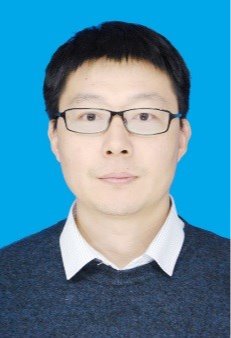 Zhen Kang (康振)合作论文数School of Biotechnology, Jiangnan University6
 Zhaozhe Hua (华兆哲)合作论文数School of Environment & Ecology, Jiangnan University6
 Jingwen Zhou (周景文)合作论文数School of Biotechnology, Jiangnan University;Science Center for Future Foods, Jiangnan University6Xuewen Zhu合作论文数5




