Resumo Fundamento Alcançar as metas nutricionais estabelecidas pelas sociedades científicas é um desafio constante e nem sempre alcançado. Objetivo Investigar a adequação alimentar de indivíduos com doença cardiovascular (DCV), participantes do Programa Alimentar Brasileiro Cardioprotetor residentes da região Nordeste do Brasil, segundo as recomendações da Sociedade Brasileira de Cardiologia (SBC). Métodos Análise transversal com dados do estudo de implementação da Dieta Cardioprotetora Brasileira (DICA BR) que avaliou indivíduos com DCV, atendidos em centros especializados em saúde cardiovascular em oito estados do Nordeste. O consumo alimentar foi obtido por recordatório alimentar de 24 horas e a adequação da dieta seguiu as recomendações da SBC. Foram considerados significantes valores de p < 0,05. Resultados Foram estudados 647 pacientes, com média (desvio padrão) de idade de 63,1 (9,4) anos, sendo 50,2% do sexo feminino. Na avaliação da ingestão alimentar, observou-se baixa adequação de carboidratos (52,3%), proteínas (70,9%), lipídios (38,8%) e fibras (22,4%). Observou-se que a maioria das mulheres consumia dieta hipoproteica (59,2%) e idosos tinham maior inadequação no consumo de carboidratos (52,6%). Em relação a ingestão de sódio, os homens apresentaram maior ingestão (72,9%), enquanto os idosos apresentaram redução de 13%. Além disso, foi demonstrado que os homens ingeriam mais fibras (28,1%) e indivíduos com maior escolaridade tinham um consumo elevado de ácidos graxos saturados (70,5%). Conclusões A maioria dos indivíduos não alcançou as metas dietoterápicas preconizadas para prevenção cardiovascular secundária. Os achados do presente estudo reforçam a necessidade de implementação de estratégias estruturadas, a fim de estimular hábitos alimentares saudáveis nesses indivíduos.
Background: Achieving nutritional goals established by scientific societies is a constant challenge and not always achieved. Objective: To investigate the dietary adequacy of individuals with cardiovascular disease (CVD), participants in the Cardioprotective Brazilian Food Program residing in the Northeast region of Brazil, according to the recommendations of the Brazilian Society of Cardiology (SBC). Methods: Cross-sectional analysis with data from the study implementing the Brazilian Cardioprotective Diet (DICA BR), which evaluated individuals with CVD treated in specialized cardiovascular health centers in eight states in the Northeast region. Food consumption was obtained by 24-hour dietary records and dietary adequacy followed SBC recommendations. Values of p < 0.05 were considered significant. Results: 647 patients were studied, with a mean (standard deviation) age of 63.1 (9.4) years, 50.2% of whom were female. When evaluating food intake, a low adequacy of carbohydrates (52.3%), proteins (70.9%), lipids (38.8%), and fiber (22.4%) was observed. It was observed that the majority of women consumed a low-protein diet (59.2%) and the elderly had a greater inadequacy in carbohydrate consumption (52.6%). Regarding sodium intake, men had a higher intake (72.9%), while the elderly showed a 13% reduction. Furthermore, it was shown that men ate more fiber (28.1%) and individuals with higher education had a high consumption of saturated fatty acids (70.5%). Conclusions: Most individuals did not achieve the recommended dietary therapy goals for secondary cardiovascular prevention. The findings of the present study reinforce the need to implement structured strategies to encourage healthy eating habits in these individuals.
A maternidade tem repercussões para as mulheres, especialmente para as atletas, que passam por muitas mudanças na carreira. O objetivo foi identificar o impacto socioemocional da maternidade para atletas por meio de uma revisão integrativa da literatura. A busca foi realizada utilizando as palavras chaves “maternidade e esporte”, “gravidez e esporte” e suas correspondentes em inglês e espanhol, nas bases de dados Web of Science e Pubmed, com intervalo de datas entre 2000 e 2022. Foram analisados, a partir da análise de conteúdo, 19 estudos e foram identificados três temas: a necessidade de ajustes emocionais na vida da mulher-atleta, importância do apoio social e a necessidade de políticas de segurança trabalhista relacionadas à maternidade no esporte. Conclui-se que treinadores, clubes e patrocinadores compreendam que a maternidade na carreira de atletas deve envolver garantia de políticas trabalhistas e apoio socioemocional para preservar a saúde física e emocional das atletas.
BACKGROUND An individual's dietary pattern contributes in different ways to the prevention and control of recurrent cardiovascular events. However, the quality of the diet is influenced by several factors. The present study aimed to evaluate the quality of the diet of individuals with cardiovascular diseases and determine whether there is an association between sociodemographic and lifestyle factors. METHODS This is a cross-sectional study carried out with individuals with atherosclerosis (coronary artery disease, cerebrovascular disease or peripheral arterial disease) recruited from 35 reference centres for the treatment of cardiovascular disease in Brazil. Diet quality was assessed according to the Modified Alternative Healthy Eating Index (mAHEI) and stratified into tertiles. For comparing two groups, the Mann-Whitney or Pearson's chi-squared tests were used. However, for comparing three or more groups, analysis of variance or Kruskal-Wallis was used. For the confounding analysis, a multinomial regression model was used. p < 0.05 was considered statistically significant. RESULTS In total, 2360 individuals were evaluated: 58.5% male and 64.2% elderly. The median (interquartile range [IQR]) of the mAHEI was 24.0 (20.0-30.0), ranging from 0.4 to 56.0 points. When comparing the odds ratios (ORs) for the low (first tertile) and medium (second tertile) diet quality groups with the high-quality group (third tertile), it was observed that there was an association between diet quality with a family income of 1.885 (95% confidence intervals [CI] = 1.302-2.729) and 1.566 (95% CI = 1.097-2.235), as well as physical activity of 1.391 (95% CI = 1.107-1.749) and 1.346 (95% CI = 1.086-1.667), respectively. In addition, associations were observed between diet quality and region of residence. CONCLUSIONS A low-quality diet was associated with family income, sedentarism and geographical area. These data are extremely relevant to assist in coping with cardiovascular disease because they enable an assessment of the distribution of these factors in different regions of the country.
Redox imbalance can lead to irreversible damages to biological functions. In this context, rutin stands out for its antioxidant potential. The objective of this study was to evaluate the acute and chronic effect of rutin on the hepatic redox imbalance. The study was performed according to three different protocols. First, healthy male Swiss mice were divided into two groups: control and rutin, the second of which received chronic oral supplementation of rutin (10 mg/kg). The second involved evaluation of the generation of reactive oxygen species (ROS) by HepG2 cells, incubated or not with rutin (20 and 40 μg/mL) for 3 h. The final protocol involved assessment of the acute effect of rutin (10 mg/kg) in mice with oxidative stress induced by 2,2'-azobis(2-methylpropionamidine) dihydrochloride (ABAP). After the in vivo treatments, the livers were collected to analyze the oxidative damage by thiol, and the antioxidant defense by catalase, superoxide dismutase, and glutathione peroxidase. In the HepG2 cells, the following probes were employed to assess the ROS production: dichlorofluorescein, MitoSOX, dihydroethidium, and Amplex Red. Rutin administered chronically improved the antioxidant defense in healthy animals, and when administered acutely both inhibited the increased production of ROS in HepG2 cells and improved the redox imbalance parameters in mice with induced oxidative stress. This study suggests rutin as a protective agent for restoration of hepatic redox homeostasis in redox injury induced by ABAP in Swiss mice and HelpG2 cells.
We carried out three types of 2-hr experimental sessions with middle-aged and older adults with Type 2 diabetes in order to examine the acute effect of interrupting prolonged sitting with varying periods of standing on postprandial glycemia and blood pressure (BP): (a) prolonged sitting after breakfast; (b) standing for 10 min, 30 min after breakfast; and (c) standing for 20 min, 30 min after breakfast. Glucose and BP were assessed before and after breakfast. A generalized linear model revealed no significant differences for the incremental area under the curve of glucose between standing for 10 min, 30 min after breakfast, versus prolonged sitting after breakfast (β = -4.5 mg/dl/2 hr, 95% CI [-17.3, 8.4]) and standing for 20 min, 30 min after breakfast, versus prolonged sitting after breakfast (β = 0.9 mg/dl/2 hr, 95% CI [-11.9, 13.7]). There was no difference in area under the curve of systolic and diastolic BP among the sessions. Interrupting prolonged sitting time with 10 or 20 min of standing 30 min after breakfast does not attenuate postprandial glycemia or BP in middle-aged and older adults with Type 2 diabetes.
The non-therapeutic use of the androgenic anabolic steroid Nandrolone Decanoate is popular due to its effects on physical performance and body composition, especially for its lipolytic and anabolic effects associated. However, high doses of such drugs are often associated with a series of pathologies related to unbalanced redox homeostasis, which, in turn, can be linked to inflammation. The oxidative stress onset could deregulate the secretion of cytokines, evidencing a dysfunctional adipocyte. Thus, the aim of this study was to investigate the effect of supraphysiological doses of Nandrolone Decanoate on redox homeostasis of retroperitoneal fatpad of male rats and its relationship with cytokines-based inflammatory signaling. Hydrogen peroxide production was assessed in the retroperitoneal fat pad of adult male rats which received either 10 mg kg of Nandrolone Decanoate or only a vehicle. Also, catalase, superoxide dismutase and glutathione peroxidase activities were measured, together with total reduced thiols and protein carbonylation, as well as IL-1β, TNF-α, and IL-6 local levels. High doses of Nandrolone Decanoate caused an increase in the hydrogen peroxide production, together with lower activities of the antioxidant enzymes and lower levels of total reduced thiol. There were also higher protein carbonylation and greater levels of IL-1β, TNF-α, and IL-6 in the treated group compared to control group. Therefore, it was possible to verify that high doses of Nandrolone Decanoate cause oxidative stress and induce higher inflammatory signaling in retroperitoneal fat pad of male rats.
Objective: the purpose of this study was to investigate the effects of Chrysobalanus icaco on adiposity and its mechanism of action in the gene and protein expression of acetyl-CoA carboxylase (ACC), a key enzyme in lipogenesis. Method: Wistar rats were divided into a regular or control group (CG) and a high-fat diet (HFD) group. HFD was treated with saline or aqueous extract of Chrysobalanus icaco (AECI) for four weeks. Body weight and food intake were assessed. Subcutaneous, retroperitoneal and periepididymal adipose tissue samples were collected and weighed. Adipocytes from periepididymal tissue were isolated and analyzed. The gene and protein expression of ACC in subcutaneous tissue was determined. Results: AECI showed no effect on intake or body weight. However, the weight of the fat pads and the gene and protein expression of ACC were lower, and glucose tolerance was improved. Conclusion: the aqueous extract of Chrysobalanus icaco proved beneficial for the treatment of obesity, preventing fat storage and improving glycemic homeostasis.
The aim of this study was to evaluate the impact of creatine supplementation (CS) on renal function in young, healthy, and active subjects. We used a randomized, double-blind, placebo-controlled clinical trial as the study design. Thirty-six healthy male university students were recruited and divided into three groups: group placebo, group G3 (3 g/day of CS), and group G5 (5 g/day of CS). To assess renal function, new kidney biomarkers, kidney injury molecule-1 (KIM-1) and monocyte chemoattractant protein-1 (MCP-1), were quantified. Serum albumin, serum creatinine, serum urea, estimated glomerular filtration rate (eGFR), proteinuria, and albuminuria were also measured. All groups were evaluated at two times: prior CS or placebo (pre) and after 35 days on CS or placebo (post). After 35 days of intervention, all characteristics were maintained without significant difference (P > 0.05) between the groups, including serum creatinine, eGFR, and more sensitive kidney biomarker concentrations (KIM-1 and MCP-1). The paired analysis showed that the supplemented groups (G3 and 5G) had increased serum creatinine and decreased eGFR levels (P < 0.05). However, the values were still within the normal reference range. In conclusion, the results of renal function evaluation did not show any difference between the evaluated groups. Increased serum creatinine and decreased eGFR levels in CS groups can be explained by increased creatine stores and metabolism, since creatinine is a by-product of creatine metabolism. These findings indicate that the use of CS at doses of 3 g and 5 g/day for a short period (35 days) is safe and did not impair the kidneys or renal function in young healthy subjects.
Introduction: Early enteral nutritional therapy is indicated for the severe patient and contribute significantly to reduce the lenght of hospital stay and the morbidity e mortality of these patients. However, patients on intensive therapy shows inadequacies regarding nutritional support and rarely recieve 100% of the prescribed diet. Objectives: To evaluate the caloric and protein adequacy between enteral nutritional therapy prescribed and administered in critical patients, as well as to verify the main complications related to nutritional therapy. Methods: Longitudinal and descriptive study, with 52 patients receiving exclusive enteral nutritional therapy, admitted to the Intensive Care Unit. The nutritional assessment, caloric and protein requirements calculation and nutritional prescription were performed by the nutritionist of the hospitals, and the information was collected in medical records. The volume of diet received in 24 hours was verified directly in the infusion pump, from this information the calculations were made for analysis of adequacy. Results: Malnutrition was present in 40.4% of the patients. The average energy adequacy prescribed in relation to the patients' energy needs was 91.3%. The overall average of the adequacy of energy and protein intake received in relation to the energy-protein requirement of the patients was 77.2% and 73.8%, respectively. Conclusion: It was verified that due to interruptions, critical patients receive less enteral diet than prescribed, making it impossible to reach the therapeutic goal. The adequacy between prescribed and administered enteral nutritional therapy may prevent a greater IMPAIRMENT of the nutritional status of these patients, and may be related to the better prognosis of the patient.
Croton zehntneri (CZ) is an aromatic species of the Euphorbiaceae family, native to Northeast of Brazil, rich in essential oil (CZEO) with antioxidant, vasorelaxant, bactericidal and fungicidal properties. Despite the numerous biological and pharmacological potentials, essential oils are unstable and have limited solubility in water, characteristics that can be improved by the formation of inclusion complexes with cyclodextrins (CDs). In the present study, the inclusion complex of CZEO and beta-CD was prepared by co-precipitation coupled to freeze drying and spray drying. The inclusion complex was characterized by vibrational spectroscopy (Raman spectroscopy and FT-IR) and the complexation efficiency determined by gas chromatography coupled to mass spectrometry (GC-MS). It was observed that coprecipitation coupled to lyophilization allowed greater complexation efficiencies when compared to the spray drying. Raman spectroscopy confirms the formation of the inclusion complex of beta-CD and CZEO by both preparation methods.
O objetivo do presente estudo foi acessar, verificar e relacionar casos da rabdomiólise induzida pelo esforço muscular voluntário, em relatos que tragam a síndrome ocorrida em resposta aguda ao exercício de força. Para isso, foi realizado uma revisão bibliográfica com busca de artigos que tratassem dessa síndrome associando-a a respostas agudas ao treinamento de força. Foram selecionados artigos nacionais e internacionais, usando-se SciELO e PUBMED como base de dados. As palavras-chave utilizadas, em português e/ou inglês, combinadamente, foram: rhabdomyolisis, bodybuilding, power-lifting, resistance-training. Livros-texto básicos também foram inseridos para complemento das informações e embasamento teórico. Os principais achados consistiram em estudos de casos clínicos e demostraram haver um crescente número de relatos nas últimas décadas associando o estresse muscular proveniente do treinamento de força ao desencadeamento da rabdomiólise, porém sem a construção de uma perspectiva integrada dessas causas relacionadas aos mecanismos específicos de indução à síndrome. Demonstrou-se não haver, ainda, uma associação de informações que conduza ao delineamento de um limiar que previna as adaptações regulares inerentes ao dano muscular de se desencadearem na síndrome da rabdomiólise.
Objetivo: Avaliar o grau de letramento nutricional de esportistas praticantes de capoeira e seus fatores associados. Materiais e Métodos: Trata-se de um estudo transversal, descritivo e analítico. Participaram da pesquisa esportistas de um grupo de capoeira da cidade de Fortaleza-CE. Foi avaliado o letramento nutricional e variáveis socioeconômicas dos voluntários. O letramento nutricional foi avaliado pelo questionário Nutritional Literacy Scale. Resultados: Totalizaram 38 esportistas (76,3% homens; 76,3% com renda acima de 3 salários mínimos; 79% acima de 9 anos de estudo). Dos avaliados, 89,5% apresentaram letramento nutricional adequado e 10,5%, letramento nutricional marginal. O escore de letramento nutricional associou-se à renda e à escolaridade. Àqueles que reportaram preocupação com alimentação apresentaram maior escore no letramento nutricional, enquanto que o tempo de prática não possuiu associação com o letramento nutricional. Discussão: Verificou-se neste estudo que a maioria dos esportistas avaliados possui letramento nutricional adequado; e que os blocos com prevalência maior que 80% de acertos foram os que associavam o conceito, fontes e recomendação de fibras e a relação entre cálcio/vitamina D e ossos. Conclusão: A maioria dos esportistas apresentou letramento nutricional adequado e nenhum participante apresentou letramento nutricional inadequado. Os fatores associados ao letramento nutricional foram renda, escolaridade e preocupação com a alimentação. ABSTRACT Nutrition of sports Objective: To evaluate the degree of nutritional literacy of capoeira practitioners and their associated factors. Materials and Methods: This is a cross-sectional, descriptive and analytical study. Participating in the research were athletes of a group of capoeira from the city of Fortaleza-CE. The nutritional literacy and socioeconomic variables of the volunteers were evaluated. Nutritional literacy was assessed by the Nutritional Literacy Scale questionnaire. Results: There were 38 athletes (76.3% men, 76.3% with income above 3 minimum wages, 79% above 9 years of schooling). Of the evaluated ones, 89.5% presented adequate nutritional literacy and 10.5%, marginal nutritional literacy. The nutritional literacy score was associated with income and schooling. Those who reported concern about nutrition had higher scores on nutritional literacy, while the practice time had no association with nutritional literacy. Discussion: It was verified in this study that the majority of athletes evaluated has adequate nutritional literacy; and that the blocks with prevalence greater than 80% of hits were those that associated the concept, sources and recommendation of fibers and the relationship between calcium / vitamin D and bones. Conclusion: Most athletes presented adequate nutritional literacy and no participant presented nutritional literacy inappropriate. The factors associated with nutritional literacy were income, schooling and concern for food.
O número de idosos está crescendo no Brasil, sendo importante realizar estudos contemplando essa população, visando conhecê-la melhor, na tentativa de criar mecanismos que melhorem suas vidas. O equilíbrio e a marcha são capacidades associadas diretamente à ocorrência de quedas em idosos. O objetivo do estudo foi analisar a relação entre o equilíbrio corporal e risco de quedas em idosos participantes de um projeto social em Fortaleza-CE. Para tanto, avaliou-se o equilíbrio e a marcha em 45 idosos de ambos os sexos com idades entre 65 e 90 anos, por meio dos testes de Tinetti e do Timed up and go). Analisou-se a relação do equilíbrio e o risco de quedas em relação a variáveis como gênero, faixa etária e o tempo de participação dos idosos no projeto. Para associar as variáveis, foi utilizado o teste exato de Fisher a um nível de significância de p<0,05. Os resultados encontrados mostraram que de acordo com o teste de Tinetti apenas a variável relacionada à faixa etária apresentou diferença significativa quando comparados os seus subgrupos (p=0,026). Já em relação ao Timed up and go as variáveis analisadas não apresentaram diferenças significativas. Pode-se concluir que, dentre as variáveis analisadas nos testes, a faixa etária, foi a única que apresentou relação positiva em relação ao risco de quedas nos idosos, isso considerando o teste de Tinetti. As demais variáveis exerceram efeito independente nos testes. No entanto, os testes aplicados apresentaram percentuais expressivos que vão ao encontro dos achados na literatura científica sobre o tema. ABSTRACT Analysis of the relationship between body equilibrium and risk of falls on the old people of a social project in Fortaleza-CE The number of elderly people is growing in Brazil, being important to carry out studies contemplating this population, aiming to know it better, in the attempt to create mechanisms that improve their lives. Balance and gait are abilities directly associated with the occurrence of falls in the elderly. The objective of the study was to analyze the relationship between body balance and risk of falls in elderly participants of a social project in Fortaleza-CE. For that, the balance and gait were evaluated in 45 elderly people of both sexes, aged 65-90 years, using the Tinetti and Timed up and go tests. The relationship between balance and the risk of falls was analyzed in relation to variables such as gender, age group and the time of participation of the elderly in the project. To associate the variables, the Fisher's exact test was used at a significance level of p<0.05. The results showed that according to Tinetti's test, only the variable related to the age group showed a significant difference when compared to its subgroups (p=0.026). Regarding Timed up and go, the variables analyzed did not present significant differences. It can be concluded that, among the variables analyzed in the tests, the age group was the only one that presented a positive relation regarding the risk of falls in the elderly, considering the Tinetti test. The other variables had an independent effect on the tests. However, the applied tests presented expressive percentages that are in agreement with the findings in the scientific literature on the subject.
Objective: To evaluate the degree of nutritional literacy of capoeira practitioners and their associated factors. Materials and Methods: This is a cross-sectional, descriptive and analytical study. Participating in the research were athletes of a group of capoeira from the city of Fortaleza-CE. The nutritional literacy and socioeconomic variables of the volunteers were evaluated. Nutritional literacy was assessed by the Nutritional Literacy Scale questionnaire. Results: There were 38 athletes (76.3% men, 76.3% with income above 3 minimum wages, 79% above 9 years of schooling). Of the evaluated ones, 89.5% presented adequate nutritional literacy and 10.5%, marginal nutritional literacy. The nutritional literacy score was associated with income and schooling. Those who reported concern about nutrition had higher scores on nutritional literacy, while the practice time had no association with nutritional literacy. Discussion: It was verified in this study that the majority of athletes evaluated has adequate nutritional literacy; and that the blocks with prevalence greater than 80% of hits were those that associated the concept, sources and recommendation of fibers and the relationship between calcium / vitamin D and bones. Conclusion: Most athletes presented adequate nutritional literacy and no participant presented nutritional literacy inappropriate. The factors associated with nutritional literacy were income, schooling and concern for food.
Currently a large number of people are looking for activities in the gym, among them, you can highlight the bodybuilding. The search for a "perfect" body makes these individuals use a wide variety of food supplements and ergogenic resources in order to enhance these results, often without professional guidance. The aim of the study was to analyze the prevalence of the use of food supplements and ergogenic resources in a Fortaleza-CE academy. A questionnaire containing 17 questions was applied to 85 subjects of both sexes, aged between 18 and 58 years. There was an expressive number indicating the use or knowledge of someone close to the interviewees who use these products (97.6%), and that young adults between 18 and 30 reported making more use of these substances than people of more advanced age. The supplements most cited by the interviewees were Whey Protein and BCAA, with the main motivation for the use being the indication of a nutritionist. An alarming finding was found regarding the use of anabolic steroids, where 67.1% of respondents said they did or know someone who uses these substances. The high consumption of food supplements and ergogenic resources point out the need to warn these users, and new ones that may arise, of risks related to misuse and without professional guidance.
Atualmente uma elevada quantidade de pessoas procura as atividades em academia, entre estas, pode-se destacar a musculação. A busca por um corpo “perfeito” faz com que esses indivíduos utilizem uma grande variedade de suplementos alimentares e recursos ergogênicos com a finalidade de potencializar esses resultados, e muitas vezes sem orientação profissional. O objetivo do estudo foi analisar a prevalência do uso de suplementos alimentares e recursos ergogênicos em uma academia de Fortaleza-CE. Utilizou-se para isso, um questionário contendo 17 perguntas, aplicado a 85 sujeitos de ambos os sexos, com idade entre 18 e 58 anos. Observou-se um expressivo número que indica o uso ou conhecimento de alguém próximo aos entrevistados que usam esses produtos (97,6%), e que adultos jovens entre 18 e 30 relatam fazer maior consumo dessas substâncias do que pessoas de idades mais avançadas. Os suplementos mais citados pelos entrevistados foram o Whey Protein e BCAA, tendo como motivação principal para o uso a indicação de um nutricionista. Um dado alarmante foi encontrado no que diz respeito a utilização de esteroides anabolizantes, onde 67,1% dos entrevistados afirmaram fazer ou conhecer alguém que utilize tais substâncias. O alto consumo de suplementos alimentares e recursos ergogênicos apontam a necessidade de alertar esses usuários, e aos novos que poderão vir a surgir, dos riscos relacionados à utilização indevida e sem orientação profissional. ABSTRACT Analysis of use of food supplements and ergogenic resources by individuals of a gym from Fortaleza-CE Currently a large number of people are looking for activities in the gym, among them, you can highlight the bodybuilding. The search for a "perfect" body makes these individuals use a wide variety of food supplements and ergogenic resources in order to enhance these results, often without professional guidance. The aim of the study was to analyze the prevalence of the use of food supplements and ergogenic resources in a Fortaleza-CE academy. A questionnaire containing 17 questions was applied to 85 subjects of both sexes, aged between 18 and 58 years. There was an expressive number indicating the use or knowledge of someone close to the interviewees who use these products (97.6%), and that young adults between 18 and 30 reported making more use of these substances than people of more advanced age. The supplements most cited by the interviewees were Whey Protein and BCAA, with the main motivation for the use being the indication of a nutritionist. An alarming finding was found regarding the use of anabolic steroids, where 67.1% of respondents said they did or know someone who uses these substances. The high consumption of food supplements and ergogenic resources point out the need to warn these users, and new ones that may arise, of risks related to misuse and without professional guidance.
portuguesIntroducao: A terapia nutricional enteral (TNE) precoce e indicada para o paciente grave e contribui de maneira significativa para reduzir o tempo de internacao hospitalar e a morbimortalidade desses pacientes. Entretanto, pacientes em terapia intensiva apresentam inadequacoes em relacao ao suporte nutricional e raramente recebem 100% da dieta prescrita. Objetivos: Avaliar a adequacao calorica e proteica entre a terapia nutricional enteral prescrita e a administrada em pacientes criticos, alem de verificar as principais complicacoes relacionadas a terapia nutricional. Metodos: Estudo longitudinal e descritivo, com 52 pacientes recebendo terapia nutricional enteral exclusiva, internados na Unidade de Terapia Intensiva. A avaliacao nutricional, o calculo das necessidades caloricas e proteicas e a prescricao nutricional foram realizados pelo nutricionista dos hospitais, sendo as informacoes coletadas em prontuario. O volume recebido de dieta em 24 horas foi verificado diretamente na bomba de infusao, a partir dessa informacao foram realizados os calculos para analise de adequacao. Resultados: A desnutricao esteve presente em 40,4% dos pacientes. A media de adequacao da energia prescrita em relacao as necessidades energeticas dos pacientes foi de 91,3%. A media geral de adequacao do aporte energetico e proteico recebido em relacao a necessidade energetica-proteica dos pacientes foi de 77,2 % e 73,8%, respectivamente. Conclusao: Verificou-se que, devido as interrupcoes, os pacientes criticos recebem menos dieta enteral que o prescrito, impossibilitando atingir a meta terapeutica. A adequacao entre a terapia nutricional enteral prescrita e a administrada pode evitar um maior comprometimento do estado nutricional destes pacientes, e pode estar relacionada ao melhor prognostico do paciente. EnglishIntroduction: Early enteral nutritional therapy is indicated for the severe patient and contribute significantly to reduce the lenght of hospital stay and the morbidity e mortality of these patients. However, patients on intensive therapy shows inadequacies regarding nutritional support and rarely recieve 100% of the prescribed diet. Objectives: To evaluate the caloric and protein adequacy between enteral nutritional therapy prescribed and administered in critical patients, as well as to verify the main complications related to nutritional therapy. Methods: Longitudinal and descriptive study, with 52 patients receiving exclusive enteral nutritional therapy, admitted to the Intensive Care Unit. The nutritional assessment, caloric and protein requirements calculation and nutritional prescription were performed by the nutritionist of the hospitals, and the information was collected in medical records. The volume of diet received in 24 hours was verified directly in the infusion pump, from this information the calculations were made for analysis of adequacy. Results: Malnutrition was present in 40.4% of the patients. The average energy adequacy prescribed in relation to the patients’ energy needs was 91.3%. The overall average of the adequacy of energy and protein intake received in relation to the energy-protein requirement of the patients was 77.2% and 73.8%, respectively. Conclusion: It was verified that due to interruptions, critical patients receive less enteral diet than prescribed, making it impossible to reach the therapeutic goal. The adequacy between prescribed and administered enteral nutritional therapy may prevent a greater IMPAIRMENT of the nutritional status of these patients, and may be related to the better prognosis of the patient.
The way an organization builds and conveys its knowledge is critical to success. The ongoing process of knowledge management and learning at work has become strategic for organizations. Therefore, it is important to develop research that deepens the understanding of the subject from the formal point of view of the organization and the subjectivity of the learner and contemplate different variables such as degree of task complexity, values and beliefs about the best way to learn to execute the work. The objective of this study is to analyze the relationship between the way in which an Institution of the Federal Teaching Network enables the learning of knowledge and the strategies used by managers to learn at work. It is the result of a case study, with data treatment through descriptive, inferential and content analysis; and presents a theoretical discussion from the constructs Knowledge Management, Organizational Learning and Learning Strategies. The managers of the research institution perceive that learning is made possible through the relationship and cooperation and the search for interpersonal help is the most used strategy. It was concluded that there is a conceptual, but not statistical, relationship between learning at the organizational and individual levels.
Chrysobalanus icaco L. is a medicinal plant present in the Brazilian coastline and known for its hypoglicemic and antioxidant properties. Here, we assessed the beneficial metabolic effects of the aqueous extract of C. icaco (AECI) leaves in diet-induced obese mice. Swiss mice were fed standard chow (SC used as controls) or high-fat diet (HFD) to induce obesity. After 10 weeks, mice on each diet were divided into two groups with one group used as control while the other group treated with AECI for 4 weeks resulting in four groups of mice: SC; SC treated with AECI (SC + AECI); HFD; and HFD treated with AECI (HFD + AECI). AECI was administered drinking water at about 200 mg/kg. AECI was able to normalize insulin (13,682 ± 1090 vs. 9828 ± 485 AU, P < .05) and fasting blood glucose (192.8 ± 14.2 vs. 132.3 ± 6.4 mg/dL, P < .05) and inhibit weight gain (39 ± 5.7%) and fat storage in liver (72.60 ± 3.83%, P < .0001), despite the high-fat intake. These findings reinforce the use of AECI in hyperglycemia and highlight the potential extract's effect in preventing weight gain and fat accumulation in liver of diet-induced obese mice.
 Julie Takada合作论文数8
 Sidney Barnabe Peres合作论文数Universidade Estadual de Maringá7Sandra Andreotti合作论文数7
 Miriam H Fonseca-Alaniz合作论文数Institute of Biomedical Sciences, University of Sao Paulo6
 Marcio Santos合作论文数Departamento de Fisiologia, Federal University of Sergipe6Fabio Bessa Lima合作论文数Departamento de Fisiologia e Biofísica;Instituto de Ciências Biomédicas ( ICB );USP ), Universidade de São Paulo;Instituto de Ciências Biomédicas ( ICB ), Universidade de São Paulo5Rj Alvarez合作论文数4Cristina N. Borges-Silva合作论文数4Juliana Teixeira da Silva合作论文数3Ariclécio Cunha de Oliveira合作论文数3Raquel Guimarães Nobre合作论文数3Luana M. Cercato合作论文数3
 Viviane Sahade合作论文数3Clenise de Farias Dantas合作论文数3Daniele Maria de Oliveira Carlos合作论文数3Ângela Cristine Bersch-Ferreira合作论文数3Josilene Maria Ferreira Pinheiro合作论文数3Michael Nadson Santos Santana合作论文数3
 Keciany Oliveira合作论文数3Vanessa Fernandes Coutinho合作论文数3
 Edson Soares da Silva合作论文数Lab Pesquisa Exercicio, Univ Fed Rio Grande do Sul3FB LIMA合作论文数3
 Abraham Lincoln De Paula Rodrigues合作论文数3
 Antônio Carlos Sobral Sousa合作论文数Department of Medicine, Federal University of Sergipe3
 Fabricio Macedo合作论文数3Vasconcelos Sandra Mary Lima合作论文数3
 Aline Marcadenti合作论文数Education and Research Institute, Moinhos de Vento Hospital.3
 da Costa Cecília E Mareze合作论文数3
 Jose Luiz de Brito Alves合作论文数Department of Physical Education and Sport Sciences, Federal University of Pernambuco;Department of Physical Education and Sport Sciences, Federal University of Pernambuco3
 Pollyanna Alves Secundo White合作论文数3
 Bernardete Weber合作论文数3
 Frota Julyanne Torres合作论文数3
 Carla Daltro合作论文数Department of Internal Medicine, Bahiana School of Medicine and Public Health3
 Enilton A. Camargo合作论文数Department of Pharmacology, University of Campinas3
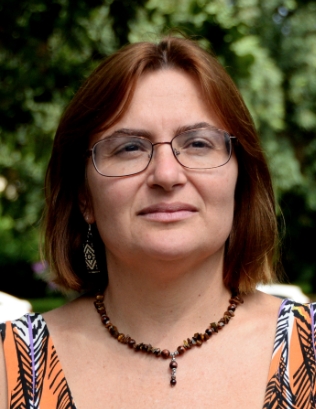 Cláudia Lúcia de Moraes Forjaz合作论文数School of Physical Education and Sport, University of São Paulo3
 José Albuquerque De Figueiredo Neto合作论文数Departamento de Medicina e Ciências da Saúde, Universidade Federal do Maranhão3José Cipolla Neto合作论文数2Vitor U. Melo合作论文数2Yuri Alberto Freire de Assis合作论文数2Saulo Chaves Magalhães合作论文数2Isa Galvão Rodrigues合作论文数2Paula Alexandre de Freitas合作论文数2
 Renata Prado Vasconcelos合作论文数2Jéssica M. D. Araújo合作论文数2Lucas A. Souza合作论文数2Roberta Freitas Celedônio合作论文数2maria miriam da cunha melo garcia合作论文数2raphael marques de miranda costa合作论文数2Ana Filomena Camacho Santos Daltro合作论文数2




