Paediatric burn patients, including those with non-severe burns, have an increased risk of admission to hospital for mental health conditions for many years after the burn, even in children too young at the time of the burn to remember the incident. This study aimed to investigate the long-term physiological impact of non-severe burn injuries and non-burn trauma (NBT) on the brain in mice to understand whether there is a sustained impact of such injuries on the brain that may be linked to the increased mental health morbidity observed in patients. Mice were exposed to either a non-severe burn injury, an excision injury of the same size (equivalent non-burn trauma), or a sham procedure. Behavioural tests were conducted at multiple timepoints to measure anxiety and depression-like behaviour. Mice were euthanised three months after the injury, and plasma and brain tissue, including the hippocampus and prefrontal cortex, were isolated and examined using RNA sequencing, mass spectrometry and nuclear magnetic resonance to identify transcriptomic and metabolomic changes. A significant change in behaviour was observed with an increase in sucrose consumption three months after injury in the burn group compared to sham. Significant changes in the transcriptome were identified in some brain regions at 3 months after burn trauma compared to the sham group. Differentially expressed genes associated with inflammatory and immune functions were identified in the burn group compared to controls. Significant changes were also observed in the lipid profile and tryptophan catabolites in the brain after burn trauma compared to sham. Sustained changes in the transcriptome and metabolome were identified in a mouse model of non-severe burns, supporting a likely sustained pro-inflammatory environment in the brain after this type of injury. The potential link between these changes and the poor long-term mental health outcomes observed in paediatric burn patients requires further investigation.
Background Lipid metabolism is increasingly implicated in Parkinson's Disease (PD) pathology, yet the specific lipid classes and acyl chain compositions involved, and their relationship with PD clinical symptoms, remain poorly characterised. Objectives We aimed to identify serum lipid signatures that differentiate people with PD (PwPD) from healthy controls and to evaluate associations with levodopa-induced dyskinesia (LID). Methods Serum collected from 58 PwPD and 58 age- and sex-matched non-PD controls was analysed using targeted liquid chromatography - mass spectrometry (LC-MS). Group differences were assessed using univariate and multivariate approaches. Logistic regression was used to identify lipids associated with LID among PwPD. Results Significantly lower levels of glycerolipids and glycerophospholipids were observed in PwPD compared to controls, alongside higher levels of lysophosphatidylethanolamines (LPE) and lysophosphatidylcholines (LPC). Analysis of individual lipid species revealed a lipid remodelling of the acyl chain composition of glycerolipids and glycerophospholipids, with decreased esterified arachidonic, adrenic, docosapentaenoic, and docosahexaenoic acids. Non-esterified arachidonic acid (p = 5.80e-6) and eicosapentaenoic acid (p = 3.65e-10) were elevated in PwPD. In secondary analyses, no lipids discriminated between PwPD with and without LID; however, these models were constrained by modest subgroup sizes and clinical heterogeneity between groups, limiting conclusions regarding lipid-based discrimination of LID status. Conclusions These findings demonstrate disease-associated remodelling of acyl chain composition across multiple lipid classes in PD, particularly selective depletion of esterified polyunsaturated fatty acids from glycerolipids and glycerophospholipids. Replication in independent cohorts is warranted to establish whether these pathways represent viable therapeutic targets.
Introduction: The biomarkers and the mechanisms underlying the cognitive decline in ageing are not fully clarified although they might be effective for dementia prevention. We comprehensively explore metabolites associated with cognitive function by conducting metabolomics analysis in a cohort study of general Japanese men. Methods: The study population was 672 Japanese men aged 46-83 years without stroke, who were randomly selected for the SESSA study from Kusatsu City, Japan. Metabolomics using liquid chromatography mass spectrometry (LC-MS) was conducted on plasma samples, focusing on lipid metabolism. The 442 metabolites were identified. The cognitive function was assessed by Cognitive Abilities Screening Instrument (CASI), and CASI score less than 82 was defined as having mild cognitive impairment (MCI). We examined the metabolites among groups with and without MCI using principal component analysis and partial least squares regression (PLS) or PLS rank order of groups. Multivariable adjusted logistic regression estimated the odds ratios (ORs) and 95%CI of MCI for the extracted metabolites per standard deviation. The 9 domain specific MCI using median value of each domain specific CASI score as cutoff points were also examined. KEGG pathway analysis was done to clarify the linked pathway for the extracted metabolites. Results: The prevalence of MCI was 5.5%. The 22 metabolites were statistically significantly associated with CASI score (q <0.05 in PLS, 21 metabolites in the positive direction and 1 metabolite in the negative direction). Phosphatidylcholines (PC) and Lysophosphatidylcholines (LPC) were associated with low risk of MCI (OR(95%CI): PC16:0/20:3; 0.51(0.32-0.51), LPC18:2/0.0; 0.59 (0.36-0.96), LPC20:3/0.0; 0.48(0.28-0.82)), phenacetylcarnitine was associated with the high risk of MCI (OR (95%CI); 1.33 (1.01-1.75)) (q <0.05). The analysis for domain specific MCI extracted the metabolites for short term memory, language abilities and category fluency. The Linoleic acid metabolism pathway was statistically significantly associated with CASI score. Conclusion: Glycerophosphocolines such as PC16:0/20:3, LPC18:2/0.0 and LPC20:3/0.0 were reduced in participants with MCI, and those metabolites associated with low risk of MCI. Linoleic acid metabolism might be important for prevention of dementia among Japanese.
Paediatric burn injuries are a global health concern with long-term health consequences, such as psychological, immune, and cardiovascular complications, that can persist even after non-severe injuries. Emerging evidence suggests that biological sex may influence post-burn outcomes in children, as female burn survivors have been shown to experience higher mortality, scarring, anxiety, depression, and poorer quality of life compared to males. This study addresses a critical research gap by examining sex-specific lipidomic and inflammatory responses following paediatric non-severe burn injury. Children under five years were recruited as a part of the Childhood Burn Injury Biobank at hospital admission with longitudinal follow-ups and non-burn controls aged 1 and 3 were collected from the ORIGINS cohort. Plasma lipid profiling and acute-phase glycoprotein systemic inflammatory markers (GlycA and GlycB) were quantified using metabolic phenotyping with hair cortisol provided as a longitudinal measure of stress. Lipidomic analysis revealed acute-phase disruptions in fatty acids and lysophospholipids in both sexes but only females demonstrated a persistent increase of arachidonic acid (FA 20:4) and depletion of monoacylglycerols more than a year post-injury. Females also had significantly higher acute-phase GlycA/GlycB levels around the time of injury and exhibited increasing variability in hair cortisol over time, while male burn survivors did not. These findings highlight a sex-specific response between lipid metabolism, systemic inflammation and stress in paediatric recovery from non-severe burns. Understanding these differences may guide the development of targeted psychological and physiological strategies to improve long-term outcomes for young burn survivors.
Background: Body mass index (BMI) inadequately captures body composition profiles that influence cardiometabolic disease risk. We investigated sex-specific associations of body composition with plasma lipids and lipoproteins. Methods: Blood plasma collected from the Busselton Healthy Ageing Study (n = 1,886, 53.9% female, aged 45–67 years) underwent comprehensive lipidomic and lipoprotein phenotyping, alongside analysis of supramolecular phospholipid composite (SPC) and glycoprotein (Glyc) signals. Sex-stratified partial Spearman's rank correlations, adjusted for age, blood pressure, BMI, and lipid-lowering medication use, were used to find lipidomic associations with dual X-ray absorptiometry (DXA)-derived measures of fat and lean mass. Findings: BMI adjustment inverted fat-lean correlations (fat–lean: males ρ = −0.87; females ρ = −0.89), revealing relationships masked by anthropometric measures. Visceral adipose tissue (VAT) showed the strongest lipidomic associations in both sexes: positive correlations with diacylglycerols, triacylglycerols (ρ = 0.28–0.29, p < 2.24×10⁻¹⁷), VLDL, IDL, small LDL, HDL-4, SPC and Glyc; inverse associations with lactosylceramides and large HDL. Leg lean mass exhibited opposing, albeit weaker, associations with VAT in both sexes. Notably, female leg fat correlated with a distinct favourable profile: inverse associations with glycerolipids and small LDL, and positive associations with sphingomyelins and lactosylceramides. Interpretation: DXA-derived body composition measures associate with sex-specific lipid signatures. VAT drives adverse lipidomic profiles in both sexes, whilst leg lean mass and, distinctly in females, leg fat mass associate with metabolically favourable signatures.
BackgroundEvidence increasingly suggests a connection between cardiovascular disease and brain health in later life; however, the mechanistic pathways from human studies remain unclear. This study aimed to investigate whether urinary metabolites account for part of the association between cognition and cardiometabolic risk.MethodsData from 606 participants (aged 48-60; 55% female; 45.5% Black/African American) in the Year 30 follow-up of the Coronary Artery Risk Development in Young Adults Study were analyzed. Urinary metabolites were profiled using nuclear magnetic resonance spectroscopy and liquid chromatography-mass spectrometry; brain magnetic resonance imaging data were available for 281 participants. Structural equation models were used to assess pathways linking cardiometabolic factors to cognitive outcome, with urinary metabolites and brain MRI-derived parameters as mediators.ResultsFasting glucose showed a negative association with cognition. Valine, isoleucine, leucine, and phenylalanine were positively associated with fasting glucose. Valine and aminoadipic acid also showed positive associations between fasting glucose and cognition, while tryptophan was correlated with both fasting glucose and cognition. Indole-3-acetic acid showed negative associations with systolic blood pressure and fasting glucose. Brain MRI-derived parameters in memory-related medial temporal areas were associated with waist circumference.ConclusionsUrinary metabolites and brain imaging markers were linked with hyperglycemia, obesity, and cognitive performance, highlighting multimodal biomarkers relevant to global cognitive function in individuals with cardiometabolic risk.
BACKGROUND:Lactosylceramides (LacCers) are glycosphingolipids that play essential roles in physiological and pathological processes across immune, endocrine, and neurological systems, with mechanistic studies demonstrating that LacCers modulate inflammatory signalling, oxidative stress responses, membrane microdomain organisation, and control aspects of mitochondrial function. Historically, LacCers were quantified predominantly as a total lipid subclass, limiting the ability to discern how individual species contribute to biological processes in clinical contexts. Recent advances in mass spectrometry based lipidomics now enable LacCer species to be resolved by acyl-chain length and saturation, offering far greater biochemical and clinical insights. METHODS:In this narrative review, we examine evidence from population based lipidomic studies describing how LacCer composition varies across healthy and diseased states. RESULTS:In metabolic and vascular disorders, multiple studies report elevations in specific short- and medium-chain LacCer species, whereas patterns involving longer-chain species appear more heterogeneous. Altered LacCer profiles have also been described in neurodegenerative disease, chronic kidney disease, and cancers, with species-level differences varying by disease-context, tissue type, and analytical platform. CONCLUSIONS:Our findings describe disease- and tissue-specific variations in LacCer acyl-chain composition, underscoring the value of species-level resolution for mechanistic understanding and informing the application of LacCer profiles in future biomarker and therapeutic studies.
Acute insults ranging from blunt force trauma and thermal injury to pathogenic infection elicit systemic inflammatory cascades intended to limit further tissue damage. These responses are accompanied by metabolic disturbances that generate distinct biochemical signatures measurable through advanced analytical platforms, such as mass spectrometry and nuclear magnetic resonance spectroscopy (NMR). Although numerous studies have examined these metabolic alterations, findings remain fragmented across clinical and analytical disciplines, leaving it unclear whether the systemic metabolic response to acute insult is fundamentally conserved or insult-specific. In this comparative review, we consolidate evidence across diverse injury and infection contexts to identify shared metabolic patterns, context-dependent differences, and critical gaps in current understanding. Here, we focus on lipid and lipoprotein profiling of blood plasma and serum. We present exemplar case studies spanning traumatic brain injury, burn injury, and SARS-CoV-2 infection to illustrate how lipid and lipoprotein perturbations differ or converge across insult types. Notable observations include consistently elevated palmitic acid (16:0) and reduced phosphatidylcholine species across all three conditions, suggesting these features may represent cross-condition biomarkers and highlighting the value of comparative metabolic profiling. By integrating evidence across diverse contexts, we propose a framework describing the interplay between lipid metabolism, lipoprotein dynamics, and inflammatory activation. Finally, we discuss the translational potential of metabolic phenotyping in enhancing patient stratification, refining prognostic modelling, and improving patient outcomes.
In Alzheimer’s disease (AD), astrocytes undergo reactive changes that can exert both protective and detrimental effects on neurons, thereby influencing neuronal survival and contributing to disease progression. Increasing attention has been directed toward elucidating the mechanisms underlying astrocyte dysfunction and neuroinflammation to identify novel therapeutic targets. Butyrate—a short-chain fatty acid produced by gut microbiota—has demonstrated anti-inflammatory and neuroprotective properties. Similarly, lauric acid (LA), a medium-chain fatty acid, has shown potential in attenuating amyloid-beta (Aβ)-induced neurotoxicity, enhancing mitochondrial function, and modulating neuronal excitability. Despite these findings, the mechanisms by which they modulate astrocyte and neuronal function remain poorly understood. This study investigates the effects of butyrate and LA on oxidative stress, mitochondrial dysfunction, and lipidomic alterations in human-induced pluripotent stem cells (iPSCs)-derived astrocytes, neurons, and spontaneous cultures. Astrocytes, neurons, and spontaneous co-cultures were differentiated from iPSCs derived from a healthy donor. Cultures were treated with synthetic Aβ (20 µM), sodium butyrate (NaB) (100 µM), or LA (100 µM), alone and in combination. Oxidative stress, mitochondrial dysfunction and the lipidomic changes of these cells was measured using Quantitative PCR, Catalase activity, Mitochondrial ToxGlo™ Assay and Liquid Chromatography-Mass Spectrometry (LC-MS) respectively. Aβ exposure significantly suppressed catalase expression in astrocytes, indicating elevated oxidative stress. Treatment with NaB and LA exhibit partial restoration of catalase expression, with the most effects observed in mixed cultures, suggesting enhanced cellular resilience. Furthermore, expression of Mitofusin-1, a key regulator of mitochondrial fusion, was downregulated following Aβ treatment. Functional assays revealed butyrate and LA enhance antioxidant enzyme activity and improved mitochondrial integrity over time, with astrocytes and mixed cultures showing the most pronounced protective effect. The lipid profiles indicate that Aβ induces greater lipid variation in neurons compared to astrocytes and spontaneous cultures. This study highlights the modulatory roles of butyrate and lauric acid on oxidative stress pathways, mitochondrial dynamics, and lipidomic profiles in iPSC-derived brain cell cultures subjected to amyloid-beta toxicity. These results support further exploration of butyrate and LA as therapeutic agents targeting neuroinflammation and metabolic dysregulation in AD.
SARS-CoV-2 infections in children lead to symptoms from mild respiratory illness to severe postacute sequelae of COVID-19, including multisystem inflammatory syndrome in Children (MIS-C). We conducted a metabolic profiling of 147 children's serum samples, including acute COVID-19 patients, MIS-C patients, and healthy controls. Using nuclear magnetic resonance spectroscopy and liquid chromatography-mass spectrometry, we measured 1101 metabolites. The results revealed distinct metabolic profiles in acute COVID-19 and MIS-C patients, with significant alterations in lipid classes. Both conditions exhibited an elevated Apo-B100/Apo-A1 ratio and increased serum inflammatory markers. MIS-C patients showed unique disruptions, including increased triglycerides and altered lipoprotein composition. Despite milder clinical respiratory symptoms, children's metabolic disturbances mirrored those seen in severe adult COVID-19 patients, indicating a shared inflammatory response to SARS-CoV-2. This suggests potential long-term health impacts, underscoring the need for continued research into the metabolic consequences of COVID-19 in children.
Dried blood spot (DBS) sample collections can offer a minimally invasive, cost-effective alternative to traditional venepuncture for remote sampling and high-frequency metabolic profiling. We present an optimized protocol for DBS-based extraction and comprehensive untargeted 4D lipid profiling using ultrahigh-performance liquid chromatography coupled with high-resolution mass spectrometry (trapped ion mobility - mass spectrometry), designed to support large-scale applications in population-wide lipidomics research. Inclusion of stable isotopically labelled internal standards allowed for semi-quantitative subclass-level correction for 10 μL DBS samples, enhancing the number of reproducible lipids within our curated target list (focussed on 432 unique rule-based lipid annotations out of 6845 features) across positive and negative heated electrospray ionization modes. The reproducibility of unique lipid features detected in replicate DBS (n = 6) was assessed on both peak areas (351 lipids <25 % CV) and calculated concentrations relative to internal standards (432 lipids <25 % CV), underscoring the benefit of internal standard addition. Storage conditions for DBS were also evaluated to determine short-term lipid stability at different temperatures (-20 °C, 4 °C, room temperature, and 45 °C). The majority of lipid subclasses, excluding a minority of glycerophospholipids and oxylipins, were stable up to 1 week at -20 °C and 4 °C (log2-fold change <30 % difference), which supports the short-term storage capacity for DBS in field and clinical settings. Similar stability was observed within a week at room temperature, excluding phosphatidylethanolamines and phosphatidylglycerols (log2-fold change >30 % difference). Application of the optimized workflow to a microsampling device (n = 6) identified 432 unique lipid features (CV < 25 %) with three repeated samplings over an hour showing minimal impact on lipid profiles by principal component analysis, showing promise for high-frequency, longitudinal DBS monitoring in population health. This work represents a significant advance, highlighting the potential for reliable lipid analysis from DBS samples with short-term stability under various storage conditions, an important logistical benefit for remote or resource-limited settings.
PURPOSE:Approximately 20% of road fatalities can be attributed to driver fatigue; however, there are relatively few options available for police to specifically address this danger. Salivary biomarkers are a promising solution as saliva collection is non-invasive, quick, and easy to perform in roadside settings. Metabolomics is emerging as a useful tool for biomarker detection because it allows for the comprehensive profiling of small molecules, providing insights into subtle biochemical changes that may be 8associated with fatigue. This pilot study aims to explore the potential of metabolomic approaches in discovering fatigue biomarkers in saliva. METHODS:Saliva samples were collected from participants (n = 12) at baseline (well-rested) and following sleep deprivation. Participants also provided subjective ratings of perceived fatigue and cognitive inhibition was assessed via the three-minute psychomotor vigilance task (PVT). Saliva samples were analysed using proton nuclear magnetic resonance (1H NMR) spectroscopy. 1H NMR data was interrogated using multivariate (O-PLS) and univariate (Kruskal-Wallis, Spearman's Correlation) analyses to identify metabolites associated with fatigue. RESULTS:O-PLS identified seven metabolites as potential biomarkers of fatigue, but only scyllo-inositol reached statistical significance when interrogated univariately. No significant correlation was observed between PVT scores and self-reported fatigue, raising questions about the validity of specifically the three-minute PVT, compared to either the five or ten-minute variety, as a measure of cognitive inhibition. CONCLUSION:This pilot study highlights scyllo-inositol as a potential salivary biomarker for fatigue, but further validation in larger cohorts is necessary. Additionally, recommendations are made for improving similar research.
Parkinson’s disease (PD) is a progressive neurodegenerative disorder defined by motor impairments. However, people with PD (PwPD) experience a defined spectrum of non-motor symptoms, with gastrointestinal dysfunction the most common and earliest-presenting. Evidence suggests that PD pathology may originate in the gut, where microbial dysbiosis and immune dysregulation contribute to neuroinflammation, although mechanisms underlying this are unclear. PwPD (n = 31) and healthy controls (n = 28) were evaluated for clinical and gastrointestinal symptoms, faecal and plasma sample metabolomics, and comprehensive blood immunophenotyping. In PwPD, faecal samples exhibited reduced glutamate, succinate, and uracil concentrations, while plasma showed decreased 3-hydroxybutyrate and elevated creatine, succinate, and alanine levels. Immunophenotyping revealed a reduction in T cells, with evidence of altered effector capacity and functionality in CD4, CD8, MAIT and Vδ2 compartments. NK cells were expanded, while B cells were decreased in frequency with an enrichment of memory-like cells. Immune perturbations were correlated with levels of immunomodulatory metabolite succinate. Finally, clustering of blood parameters identified two PD endophenotypes distinguishable by gastrointestinal symptoms and T cell phenotypes associated with gut- and brain-tropism. These findings contribute to the growing understanding of metabolite-associated immune dysregulation in PD and highlight potential targets for early intervention in individuals presenting with gastrointestinal dysfunction.
Background: Central adiposity is a modifiable risk factor for age-related cognitive decline and has been linked to lipid dysregulation. However, the mechanisms underlying this relationship, particularly the role of plasma lipids at the species level, remain poorly understood. This study investigates whether lipids mediate the relationship between central adiposity and cognition in cognitively unimpaired older adults. Methods: Ninety-four cognitively normal older adults (n = 94, mean age 69.0 ± 5.0 years, 54% female) were included in this study. Cognitive composite scores were derived from z-standardised neuropsychological assessments, and central adiposity was measured using the waist–hip ratio (WHR). Lipidomic profiling identified 918 lipid species, which were clustered into modules of highly correlated lipids using a Weighted Gene Co-Expression Network Analysis (WGCNA). Modules associated with the WHR and cognition were identified via partial Spearman’s correlation analysis, followed by a mediation analysis. Results: Of the 39 lipid modules identified, 1 enriched with phosphatidylglycerol (PG) lipids containing an arachidic acid (20:0) sidechain was positively correlated with cognition (ρ = 0.32, FDR p < 0.05) and negatively correlated with the WHR (ρ = −0.43, FDR p < 0.001). Mediation analysis revealed that this arachidic acid-carrying PG lipid-enriched module mediated the WHR–cognition relationship, with individual species PG (20:0_16:1), PG (20:0_18:1), and PG (20:0_18:2) also contributing individually. Conclusions: Arachidic acid-carrying PG lipids statistically mediate the WHR–cognition relationship in cognitively unimpaired older adults. These findings suggest that adiposity-related lipid pathways are detectable in cognitively unimpaired older adults and may represent targets for early intervention to preserve cognitive health.
BACKGROUND:Pooled quality control (PQC) samples are the gold standard for data quality monitoring in metabolic phenotyping studies. Typically composed of equal parts from all study samples, PQCs can be challenging to generate in large cohorts or when sample volumes are low. As an alternative, externally sourced matrix-matched surrogate QCs (sQC) have been proposed. This study evaluates the performance of sQCs against PQCs for assessing analytical variation, data pre-processing, and downstream data analysis in a targeted lipidomics workflow. RESULTS:Plasma samples (n = 701) from the Microbiome Understanding in Maternity Study, along with PQC (n = 80) and sQC (n = 80) samples, were analyzed using a lipidomics assay targeting 1162 lipids. QC samples were injected throughout acquisition, and data pre-processing was performed using each strategy. For simplicity, a subset (n = 381) of the study samples was used to assess differences in downstream statistical analyses. Both QC approaches demonstrated high analytical repeatability. While PQC and sQC compositions differed, use of PQCs retained less than 4 % more lipid species during pre-processing. Univariate analysis identified more statistically significant lipids with PQC-based pre-processing, but multivariate model performance was similar between datasets. SIGNIFICANCE:This study provides a comprehensive comparison of QC strategies and emphasizes the importance of careful QC workflow selection. While PQCs offer advantages, sQCs serve as a suitable alternative for quality assessment and pre-processing. Their commercial availability also supports use as intra- and inter-laboratory long-term references, aiding data harmonization across studies and laboratories.
Comprehensive lipidomic profiling in diabetes has identified disease-associated lipid signatures that may support more personalised monitoring beyond routine glycaemic control. Dried blood spot (DBS) microsampling offers a minimally invasive method for collecting and storing small blood volumes (<50 µL), enabling decentralised and longitudinal sampling. However, its application in lipidomics for cardiometabolic phenotyping remains underexplored. In this study, 34 participants (17 diabetics, 17 non-diabetic controls) self-collected DBS samples using advanced microsampling devices (10 µL, Capitainer®B). Lipid extracts were analysed using a validated liquid chromatography–trapped ion mobility–time-of-flight mass spectrometry method optimised for semi-quantitative DBS lipidomics. Multivariate analysis revealed significant differences in lipidomic profiles (n = 432 lipids) between diabetic and non-diabetic individuals (R²Y = 0.82, Q²Y = 0.50, p = 0.05). Key discriminatory lipids (all VIP > 1.44), including HexCer(18:1;O2/24:0), HexCer(18:1;O2/22:0), LPC(16:0), PC(O-34:3), TG(18:0\_18:1\_20:3), and TG(18:1\_18:1\_22:6), were consistent with matched venous and capillary plasma samples. Lipid class and structural differences, including elevated long-chain triacylglycerols and reduced lysophosphatidylcholines reflected known dyslipidaemia in diabetes and demonstrate the capacity of DBS to capture biologically meaningful lipid perturbations. Participant-reported outcomes from Problem Areas In Diabetes (PAID-20), Patient Activation Measure (PAM-13), and microsampling perception questionnaires highlighted psychosocial and behavioural insights, and indicated strong support for DBS sampling over venepuncture, citing ease of use and reduced burden. These findings establish DBS lipidomics as a feasible and informative approach for stratifying cardiometabolic disease, supporting broader implementation in remote, personalised monitoring frameworks ([Figure 1][1]). ![Figure 1.][2] Figure 1. Graphical abstract – Chapter 5 . ### Competing Interest Statement The authors have declared no competing interest. [1]: #F1 [2]: pending:yes
To ensure biological validity in metabolic phenotyping, findings must be replicated in independent sample sets. Targeted workflows have long been heralded as ideal platforms for such validation due to their robust quantitative capability. We evaluated the capability of liquid chromatography-mass spectrometry (LC-MS) assays targeting organic acids and bile acids to validate metabolic phenotypes of SARS-CoV-2 infection. Two independent sample sets were collected: (1) Australia: plasma, SARS-CoV-2 positive (n = 20), noninfected healthy controls (n = 22) and COVID-19 disease-like symptoms but negative for SARS-CoV-2 infection (n = 22). (2) Spain: serum, SARS-CoV-2 positive (n = 33) and noninfected healthy controls (n = 39). Multivariate modeling using orthogonal projections to latent structures discriminant analyses (OPLS-DA) classified healthy controls from SARS-CoV-2 positive (Australia; R2 = 0.17, ROC-AUC = 1; Spain R2 = 0.20, ROC-AUC = 1). Univariate analyses revealed 23 significantly different (p < 0.05) metabolites between healthy controls and SARS-CoV-2 positive individuals across both cohorts. Significant metabolites revealed consistent perturbations in cellular energy metabolism (pyruvic acid, and 2-oxoglutaric acid), oxidative stress (lactic acid, 2-hydroxybutyric acid), hypoxia (2-hydroxyglutaric acid, 5-aminolevulinic acid), liver activity (primary bile acids), and host-gut microbial cometabolism (hippuric acid, phenylpropionic acid, indole-3-propionic acid). These data support targeted LC-MS metabolic phenotyping workflows for biological validation in independent sample sets.
Gut microbes supporting body growth are known but the mechanisms are less well documented. Using the microbial tryptophan metabolite indole, known to regulate prokaryotic cell division and metabolic stress conditions, we mono-colonized germ-free (GF) mice with indole-producing wild-type Escherichia coli (E. coli) or tryptophanase-encoding tnaA knockout mutant indole-non-producing E. coli. Indole mutant E. coli mice showed multiorgan growth retardation and lower levels of glycogen, cholesterol, triglycerides, and glucose, resulting in an energy deficiency despite increased food intake. Detailed analysis revealed a malfunctioning intestine, enlarged cecum, and reduced numbers of enterochromaffin cells, correlating with a metabolic phenotype consisting of impaired gut motility, diminished digestion, and lower energy harvest. Furthermore, indole mutant mice displayed reduction in serum levels of tricarboxylic acid (TCA) cycle intermediates and lipids. In stark contrast, a massive increase in serum melatonin was observed—frequently associated with accelerated oxidative stress and mitochondrial dysfunction. This observational report discloses functional roles of microbe-derived indoles regulating multiple organ functions and extends our previous report of indole-linked regulation of adult neurogenesis. Since indoles decline by age, these results imply a correlation with age-linked organ decline and levels of indoles. Interestingly, increased levels of indole-3-acetic acid, a known indole metabolite, have been shown to correlate with younger biological age, further supporting a link between biological age and levels of microbe-derived indole metabolites. The results presented in this resource paper will be useful for the future design of food intervention studies to reduce accelerated age-linked organ decline.
Whilst wound repair in severe burns has received substantial research attention, non-severe burns (<20% total body surface area) remain relatively understudied, despite causing considerable physiological impact and constituting most of the hospital admissions for burns. Early prediction of healing outcomes would decrease financial and patient burden, and aid in preventing long-term complications from poor wound healing. Lipids have been implicated in inflammation and tissue repair and may play essential roles in burn wound healing. In this study, plasma samples were collected from 20 non-severe burn patients over 6 weeks from admission, including surgery, and analysed by liquid chromatography-tandem mass spectrometry and nuclear magnetic resonance spectroscopy to detect 850 lipids and 112 lipoproteins. Orthogonal projections to latent structures-discriminant analysis was performed to identify changes associated with re-epithelialisation and delayed re-epithelisation. We demonstrated that the lipid and lipoprotein profiles at admission could predict re-epithelisation outcomes at 2 weeks post-surgery, and that these discriminatory profiles were maintained up to 6 weeks post-burn. Inflammatory markers GlycB and C-reactive protein indicated divergent systemic responses to the burn injury at admission. Triacylglycerols, diacylglycerols and low-density lipoprotein subfractions were associated with delayed wound closure (p-value <0.02, Cliff’s delta >0.7), whilst high-density lipoprotein subfractions, phosphatidylinositols, phosphatidylcholines, and phosphatidylserines were associated with re-epithelisation at 2 weeks post-surgery (p-value <0.01, Cliff’s delta <-0.7). Further model validation will potentially lead to personalised intervention strategies to reduce the risk of chronic complications post-burn injury.
 Elaine Holmes合作论文数Department of Metabolism, Digestion and Reproduction, Faculty of Medicine, Imperial College London;Center for Computational and Systems Medicine, Murdoch University46
 Jeremy Nicholson合作论文数Institute of Global Health Innovation, Faculty of Medicine, Imperial College London;Department of Metabolism, Digestion and Reproduction, Faculty of Medicine, Imperial College London38
 Gray N M合作论文数Foresterhill Health Centre, University of Aberdeen29
 Nathan G Lawler合作论文数24
 Samantha Lodge合作论文数20
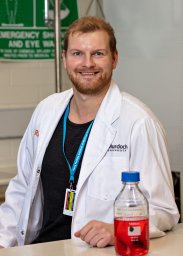 Philipp Nitschke合作论文数Harry Perkins Institute, Murdoch University14
 Cristina Legido-Quigley合作论文数School of Cancer & Pharmaceutical Sciences, Faculty of Life Sciences & Medicine, King’s College London12
 Reika Masuda合作论文数11
 Bong Sze How合作论文数11
 Ruey-Leng Loo合作论文数Medway School of Pharmacy, Universities of Kent and Greenwich at Medway11Matthew R Lewis合作论文数9
 Mark Fear合作论文数The University of Western Australia8
 Sofina Begum合作论文数Harvard Med Sch, Harvard Univ8
 Torben Kimhofer合作论文数Hlth Futures Inst, Murdoch Univ8
 Fiona M. Wood合作论文数UWA Medical School, Surgery8
 Aude-Claire Morillon合作论文数Hlth Futures Inst, Murdoch Univ7
 Proitsi Petroula合作论文数Inst Psychiat, Kings Coll London7
 Bruno Vellas合作论文数Department of Geriatric Internal Medicine, Toulouse University Hospital7
 Magdalini Kosta-Tsolaki合作论文数1st Department of Neurology, School of Medicine, Aristotle University of Thessaloniki7
 Patrizia Mecocci合作论文数Department of Medicine and Surgery, Università degli Studi di Perugia;Institute of Gerontology and Geriatrics, Department of Medicine, Università degli Studi di Perugia;Geriatric Unit, Azienda Ospedaliera di Perugia7
 Bu Yeap合作论文数Internal Medicine, Medical School, University of Western Australia7Melvin C. L. Gay合作论文数7
 Simon Lovestone合作论文数Johnson & Johnson Innovative Medicine7Toby Richards合作论文数6
 Boughton Berin A合作论文数School of Chemistry, The University of Melbourne6
 Monique M. Ryan合作论文数Murdoch Children’s Research Institute6Iwona Kloszewska合作论文数6
 Drew A. Hall合作论文数Department of Electrical and Computer Engineering, University of California at San Diego6
 Richard Dobson合作论文数Department of Biostatistics and Health Informatics, School of Mental Health and Psychological Sciences, King's College London;Institute of Psychiatry, Psychology and Neuroscience, King's College London;Institute of Health Informatics, University College London;CogStack5Elena Chekmeneva合作论文数Systems Medicine, Department of Metabolism, Digestion and Reproduction, Faculty of Medicine, Imperial College London5
 Min Kim合作论文数Steno Diabetes Center Copenhagen5
 John Powell合作论文数Nuffield Department of Primary Care Health Sciences, Medical Sciences Division, University of Oxford;Jesus College, University of Oxford;University of Bristol;University of Manchester5
 Hilkka Soininen合作论文数Institute of Clinical Medicine, School of Medicine, Faculty of Health Sciences, University of Eastern Finland5
 Ian Wilson合作论文数Department of Metabolism, Digestion and Reproduction, Faculty of Medicine, Imperial College London5
 Sven Pettersson合作论文数Division of Oral Health and Periodontology, Department of Dental Medicine, Karolinska Institutet;National Neuroscience Institute, SingHealth Group;Canadian Institute for Advance Research5
 Ken Smith合作论文数Wellcome Trust - Cambridge Centre for Global Health Research, University of Cambridge;Department of Medicine, University of Cambridge5Raby Edward合作论文数Department of Infectious and Tropical Diseases, London School of Hygiene and Tropical Medicine4
 Nicholas Penney合作论文数4
 Ara Darzi合作论文数Department of Surgery & Cancer, Faculty of Medicine, Imperial College London4
 Hutan Ashrafian合作论文数Department of Surgery & Cancer, Faculty of Medicine, Imperial College London;Flagship Pioneering;Oxford Medical Products;Leeds University Business School;Institute of Global Health Innovation;NHS Digital Academy;Institute of Polymaths4
 Queenie Chan合作论文数Division of Epidemiology, Public Health and Primary Care, Imperial College London4Hartmut Schäfer合作论文数4
 Manfred Spraul合作论文数Bruker BioSpin GmbH4
 Oscar Millet合作论文数Departament de Química Orgànica, Universitat de Barcelona4
 Sanjay Purkayastha合作论文数St. Mary’s Hospital, Imperial College London4
 Sung-Tong Chin合作论文数School of Medical, Molecular and Forensic Sciences , Murdoch University4
 Rongchang Yang (杨荣昌)合作论文数Murdoch University4Peter Yuli Xing合作论文数3Titus Rössler合作论文数3




