Pembrolizumab is a potent immune-modulating antibody active in advanced melanoma, as demonstrated in the KEYNOTE-001, -002, and -006 studies. Longitudinal tumor size modeling was pursued to quantify exposure-response relationships for efficacy. A mixture model was first developed based on an initial dataset from KEYNOTE-001 to describe four patterns of tumor growth and shrinkage. For subsequent analyses, tumor size measurements were adequately described by a single consolidated model structure that captured continuous tumor size with a combination of growth and regression terms, as well as a fraction of tumor responsive to therapy. This revised model structure provided a framework to efficiently evaluate the impact of covariates and pembrolizumab exposure. Both models indicated that exposure to the drug was not a significant predictor of tumor size response, demonstrating that the dose range evaluated (2 and 10 mg/kg every 3 weeks) is likely near or at the plateau of maximal response.
Extreme events have widespread impact on human and natural systems, and the response to such extreme events is examined by several academic and practicing communities. For decades, the Natural Hazard Research (NHR) tradition in geography, led by White and expanded by scholars like Mitchell, have looked at possibilities of blending and applying technological fixes and societal adjustments to reduce the risk of losses from extreme events. While knowledge about potential impacts of climate change related to extreme events has grown substantially, the consolidation of knowledge to plan for and respond to extreme climate events in the short and long terms has only begun in the past few years. These scholars have emphasized the importance of context, understanding and including the broader range of options, and systematic study of past experiences to elicit knowledge pertaining to effective societal responses to extreme events. Such lessons from the NHR tradition and the works of Mitchell are key to finding the way forward with climate change adaptation.
This article presents the limitations of current climate-related disaster risk reduction policies that do not incorporate the underlying conditions in urban areas like Mumbai. It argues that climate risks exist at the intersection of changing nature of extreme events due to changes in climate (physical risk); presence of people, infrastructure, and resources in locations where these events are occurring (exposure); and the inability of exposed communities to reduce these losses or cope with them (vulnerability) due to simultaneous socioeconomic and political stresses. Hence, the article concludes that it is critical to apply a broader approach to understand the workings of underlying processes that affect all components and contribute to the production of risk and vulnerability in society.
Loss redistribution2 is an embedded coping3 mechanism that plays a significant role in sustaining low income populations during times of crisis. Mumbai provides evidence of existing and emerging loss redistribution practices that may be representative of slums in many other Third World mega cities. In Mumbai slum, populations typically have access to more than one method of loss redistribution, depending on a variety of socio-economic factors, to assist in the recovery process after floods. The study identifies these socio- economic factors that impact the type and number of sources available to affected households and in turn also serve as an indicator of resilience in these communities.
 Chris Field合作论文数Department of Earth System Science, Doerr School of Sustainability, Stanford University;Freeman Spogli Institute for International Studies;Precourt Institute for Energy, Stanford University;Department of Biology, School of Humanities and Sciences, Stanford University;Woods Institute for the Environment, Stanford University10
 Katharine Mach合作论文数Department of Environmental Science and Policy, Rosenstiel School of Marine, Atmospheric, and Earth Science, University of Miami;Leonard and Jayne Abess Center for Ecosystem Science and Policy University of Miami10
 Yasuaki Hijioka合作论文数National Institute for Environmental Studies9
 Michael D. Mastrandrea合作论文数9Vicente R. Barros合作论文数9
 Ove Hoegh-Guldberg合作论文数School of Biological Sciences, The University of Queensland;ARC Centre for Excellence for Reef Studies;University of Copenhagen8
 Wolfgang Cramer合作论文数Mediterranean Institute of Marine and Terrestrial Biodiversity and Ecology8
 Douglas J. Arent合作论文数National Renewable Energy Laboratory (NREL), Energy Analysis Office, 1617 Cole Blvd., Golden, CO 80401, USA8
 Neil Adger合作论文数Global Systems Institute, University of Exeter8
 Petra Tschakert合作论文数Department of Geography, University of Western Australia;Curtin University7
 Anil Markandya合作论文数BC3 Basque Centre for Climate Change7
 Taikan Oki (沖大幹)合作论文数Department of Civil Engineering, Graduate School of Engineering, The University of Tokyo;Human Geo-science Laboratory, The University of Tokyo7Patricia Romero-Lankao合作论文数7
 Aromar Revi合作论文数7Roger Mclean合作论文数7
 Debra J. Davidson合作论文数Biography;Departments of Rural Economy;University of Alberta;Departments of Rural Economy, University of Alberta7
 Andy Reisinger合作论文数Climate Change Research Institute, Victoria University7
 Jose Antonio Marengo Orsini合作论文数Centro Nacional de Monitoramento e Alertas de Desastres Naturais;Academia Brasileira de Ciências;Korea University;Universidade Estadual Paulista Júlio de Mesquita Filho7Rachel F. Warren合作论文数Imperial College Centre for Environmental Technology7
 Iñigo J. Losada合作论文数School of Civil Engineering, University of Cantabria;Instituto de Hidraulica Ambiental, Universidad de Cantabria7
 Daniela Schmidt合作论文数Department of Earth Sciences,University of Bristol7Avelino Suarez合作论文数6
 Alicia Villamizar合作论文数Ecology of Mangroves and Climate Change Laboratory (BoLab),, Simon Bolivar University Valle de Sartenejas6John Wilbanks合作论文数Sage Bionetworks6
 Katharine Vincent合作论文数Kulima Integrated Development Solutions (Pty) Ltd, University of the Witwatersrand6
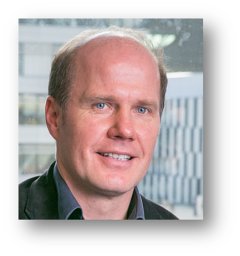 Reinhard Mechler合作论文数International Institute for Applied Systems Analysis (IIASA), Laxenburg, Austria6
 Roger Neville Jones合作论文数CSIRO Atmospheric Research Aspendale6
 Sari Kovats合作论文数Centre on Climate Change & Planetary Health, London School of Hygiene & Tropical Medicine;Department of Public Health, Environments and Society, Faculty of Public Health and Policy, London School of Hygiene & Tropical Medicine6
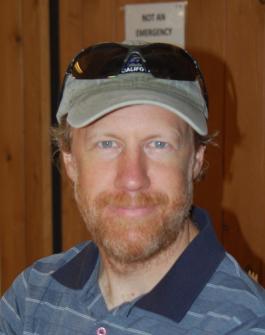 Dáithí Stone合作论文数National Institute for Water and Atmospheric Research6
 Linda O. Mearns合作论文数Research Applications Lab, National Center for Atmospheric Research6fatima denton合作论文数5Yury A. Anokhin合作论文数5I Niang合作论文数5T. Eren Bilir合作论文数5DJG WHITE合作论文数5
 Kirstin Dow合作论文数Department of Geography, College of Arts and Sciences, University of South Carolina5
 Rongshuo Cai (蔡榕硕)合作论文数Third Institute of Oceanography, Ministry of Natural Resources5
 Riccardo Valentini合作论文数Department of Innovation in Biological Systems, Food and Forestry, University of Tuscia;Euro-Mediterranean Center on Climate Change;Russian State Agriculture University;RUDN University5
 Mohamed A. Abdrabo合作论文数5
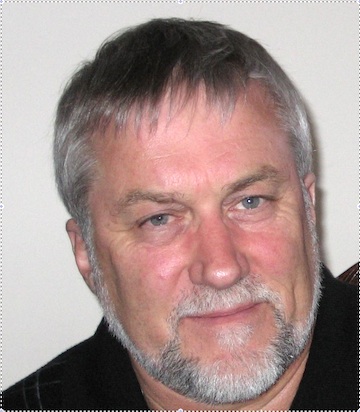 Ian R. Noble (Ian Noble)合作论文数Institute for Climate, Energy & Disaster Solutions, Australian National University;Research School of Earth Sciences, College of Science, Australian National University5
 Erda Lin (林而达)合作论文数Institute of Environment and Sustainable Development in Agriculture, Chinese Academy of Agricultural Sciences5Richard Jones合作论文数Hadley Centre, Met Office5
 Petra Döll合作论文数Institute of Physical Geography, University of Frankfurt5
 Elvira Poloczanska合作论文数Alfred Wegener Institute, Helmholtz Centre for Polar and Marine Research5
 Stewart Cohen合作论文数Institute for Resources Environment and Sustainability, University of British Columbia5Virginia Burkett合作论文数5
 Purnamita Dasgupta合作论文数Institute of Economic Growth5
 Joan Nymand Larsen合作论文数5Anna Kontorov合作论文数4




