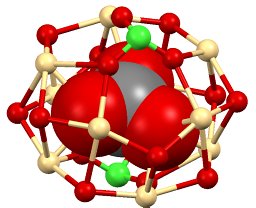
A pentadentate diamide ligand, N,N '-di(pyridine-2-yl)pyridine-2,6-dicarboxamide (L1H2) and its tetranuclear Cu(II) complex [Cu4(L1)2(mu 3-OH)2(H2O)3(ClO4)](ClO4) & sdot; H2O are reported. X-ray crystal structure of the complex reveals that it has an open-book type architecture. Two central copper atoms are connected to each other by two hydroxo bridges. Each of these two hydroxo bridges also connects the two central copper atoms to one of the two terminal copper atoms. Variable temperature susceptibility measurements show that chi MT decreases with the temperature, indicating a strong antiferromagnetic behavior. With the help of DFT calculations the magnetic data was analyzed using the spin Hamiltonian H=-2 J1S3 & sdot; S4 -2 J2(S3 & sdot; S1+ S3 & sdot; S2+ S4 & sdot; S1+ S4 & sdot; S2)-2 J3S1 & sdot; S2 (where subscripts 1 and 2 refer to the terminal copper atoms and 3 and 4 refer to the central copper atoms). The best fit was obtained with 2 J1=-322 cm-1, 2 J2=+34.8 cm-1, 2 J3=-8.8 cm-1 and g=2.18, indicating a delta-type interaction between terminal copper atoms. The complex proves to be an avid binder of ct-DNA, with apparent binding constant (Kapp) value estimated as 1.536x10⁷ M-1. In vitro experiments indicate that the Cu(II) complex reduced the proliferation of HCT116 cells among other cell lines. This reduction of cell proliferation may be attributed to the enhancement of intracellular ROS, along with modulation and disruption of cell cycle associated proteins. SKC conceptualized the project, arranged funding and involved in overall coordination among collaborators, analyzing the data, and writing the paper. AM was involved in doing the experimental work on synthesis of the compounds, carrying out analytical and spectroscopic measurements, collecting X-ray crystallographic data and DNA binding experiments. MS, SM and KDS were involved in study of anticancer activities of the complex. SS helped in refining X-ray structure of the complex. MC did the magnetic measurements and analysis whereas AF did the DFT calculations. A tetranuclear Cu(II) complex of a pentadentate ligand, containing pyridine2,6-diamide motif, is reported. The X-ray structure of the complex reveals that it has an open book type architecture. The magnetic property of the complex is explored by VT susceptibility measurements and DFT calculations. The complex shows strong antiproliferative activity against HCT116 cancer cells. Possible mechanism of anticancer activity is also discussed. image
The incorporation of a luminescent probe into a nano-vector is one of the approaches used to design chemosensors and nanocargos for drug delivery and theranostics. The location of the nano-vector can be followed using fluorescence spectroscopy together with the change of environment that affects the fluorescence properties. The ligand 9-anthracene carboxylate is proposed in this study as a luminescent probe to locate two types of manganese complexes inside three series of porous nanoparticles of different composition: resol-silica, carbon-silica and pure silica. The manganese complexes are a tetranuclear MnIII cluster [MnIII4(μ-O)2(μ-AntCO2)6(bpy)2(ClO4)2] with a butterfly core, and a MnII dinuclear complex [{MnII(bpy)(AntCO2)}2(μ-AntCO2)2(μ-OH2)]. The magnetic measurements indicate that both complexes are present as dinuclear entities when incorporated inside the particles. Both the Mn complexes and the nanoparticles are luminescent. However, when the metal complexes are introduced into the nanoparticles, the luminescent properties of both are altered. The study of the fluorescence of the nanoparticles’ suspensions and of the supernatants shows that MnII compounds seem to be more retained inside the particles than MnIII compounds. The resol-silica nanoparticles with MnII complexes inside is the material that presents the lowest complex leaching in ethanol.
A binuclear Cu(ii) complex of aminoguanidine shows strong DNA binding activity and encouraging anti-cancer activity against HCT-16 cells. The complex can also be used for selective spectrophotomteric or fluorometric determination of histidine.
INTRODUCCIÓ. Les competències en raonament matemàtic, raonament lògic, raonament geometricoespacial i pensament crític són fonamentals en qualsevol ensenyament superior científic o tecnològic i, en particular, en un grau de Química. En aquest estudi es pretén esbrinar fins a quin punt la nota d’accés a la universitat i la nota d’expedient dels estudiants del grau de Química de la Universitat de Barcelona reflecteixen el nivell assolit en aquestes quatre competències. METODOLOGIA. S’ha dissenyat un test amb preguntes i problemes de diferent grau de dificultat per avaluar el nivell en cadascuna d’aquestes competències. Aquest test s’ha passat als alumnes del grau de Química i les puntuacions obtingudes s’han correlacionat amb la nota d’accés dels estudiants de nou ingrés i amb la nota d’expedient del grau dels estudiants veterans. RESULTATS. En els estudiants veterans s’observa una clara correlació entre les puntuacions de cada competència i la nota d’expedient del grau. En canvi, la correlació amb la nota d’accés és molt feble o inexistent. CONCLUSIÓ. La nota d’accés a la universitat dels estudiants del grau de Química de la Universitat de Barcelona no reflecteix el nivell assolit en aquestes competències fonamentals, mentre que la nota d’expedient del grau sí que el reflecteix.
Selective and real field detection of biothiols (Cys and Hcy) from aqueous and extra bio-matrices by a simple MnII-MOF.
The stability of the 9-anthracenecarboxylate (AnthCO(2)(-)) in the presence of manganese ions and 2,2'-bipyridine (bpy) was explored. Two Mn(II) species were isolated: a one-dimensional system [Mn(bpy)(AnthCO(2))(2)](n) (1) and a dinuclear [{Mn(bpy)(AnthCO(2))}(2)(mu-OH2)(mu-AnthCO(2))(2)] compound (2), which was characterized by X-ray diffraction. Compound 2 can be obtained by hydrolysis of 1. These compounds present a specific electron paramagnetic resonance (EPR) signature and weak antiferromagnetic coupling, which is slightly stronger for the dinuclear complex (-4.8 cm(-1)) than for the chain (-1.3 cm(-1)). In the presence of Mn(III) ions AnthCO(2)(-) is not stable for long time. From the Mn(III) solution obtained by a comproportionation reaction between Mn(II) and Mn(VII) salts, first, a tetranuclear [Mn-4(mu-AnthCO(2))(6)(mu-O)(2)(bpy)(2)(ClO4)(2)] compound was isolated, showing the antiferromagnetic properties typical of a butterfly [Mn4O2](8+) core (J(1) = -41.0 cm(-1), J(2) = -8.4 cm(-1), J(3) = -10.6 cm(-1) and D-Mn = -3.7 cm(-1)). After that, the solution became yellow due to the reduction of the Mn(III) complex to a Mn(II) complex, and the decarboxylation and oxidation of the AnthCO(2)(-) ligand. This oxidation can lead to different compounds, depending on the reaction conditions (temperature and amount of O-2): an ester, derived from the AnthCO(2)(-) and the intermediate 10-hydroxyanthrone, and the 9,10-anthraquinone.
32 33 Two new tetranuclear compounds with a formula [MnIII4 (m-O)2(m-434 RC6H4COO)7 m(L)2m(phen)2](ClO4)1+m, where R = MeO or tBu and m = 0 or 1, were synthesised 35 and studied structurally and magnetically. The core of these compounds comprises a central Mn2O2 36 rhombus to which two terminal ions are attached – one to each oxo bridge. There are two types of 37 bridges that alternately bind the central and terminal ions, those having a triple (m-O)(m-RCOO)2 or a 38 double (m-O)(m-RCOO) bridge. The fit of the magnetic data of analogous compounds has so far been 39 performed considering two different magnetic interactions, that between central ions (J1) and those 40 between terminal and central ions (Jct), leading to ground states with ST = 2 or 3, or to five energetically 41 degenerate ground states with ST = 0–4, depending on the J1/Jct ratio. In contrast, the compounds 42 presented herein show an isolated ST = 0 ground state, and it was necessary to distinguish the two types 43 of magnetic interactions between central and terminal ions (J2 and J3) to achieve a good fit of the 44 experimental data. The differentiation of these interactions causes a spin state redistribution: the 45 degeneration of ST = 0–4 breaks and the states with ST a 0 become unstable as J2 and J3 become more 46 different. Nevertheless, the assignment of these states to a particular spin configuration was 47 unachievable because the composition of these states changes upon decreasing the J3/J2 ratio. The 48 importance of considering the relative orientation of Jahn–Teller axes is also highlighted. 49 50 INTRODUCTION 51 52 In the past few years many tetranuclear Mn compounds have been synthesised and characterised either 53 to mimic the water oxidizing center1 or to study the ground-state spin frustration that is characteristic of 54 these kinds of compounds.2,3 Moreover, such clusters possess large numbers of unpaired electrons, 55 making them attractive as precursors for other magnetic materials.4 Some of the first compounds 56 synthesised contained a [Mn4O2]6+/7+/8+ core, where the metals could be arranged either in a planar or 57 a non-planar (‘‘butterfly’’) fashion (Fig. 1), and the Mn oxidation states are MnII 2MnIII 2 , MnIIMnIII 58 3 or MnIII 4 .2,3,5–17 59 The variability of the ground-state spin and the presence of spin frustration in these tetranuclear 60 compounds have been profoundly studied for both MnIII 4 and mixed-valence compounds. The 61 resulting ground state depends on the relative magnitude of the magnetic interactions between the 62 central Mn ions ( Jcc or J1) and those between central and terminal ions ( Jct), both being 63 antiferromagnetic. In particular, MnIII 4 compounds may display a ground state with ST = 2 or 3, or 64 have five energetically degenerate ground states with ST = 0–4, depending on the J1/Jct ratio. 65 The analysis of the magnetic data for these compounds is rather challenging, since there are five Mn 66 Mn interactions and the presence of MnIII ions may lead to substantial zero-field splitting (ZFS) that 67 makes such properties more difficult to understand. In fact, among several examples found in the 68 literature, the analyses were performed applying several approximations3,17 or without analysing the 69 data completely, especially in the low temperature range.2,5,8 70 In this work we present the synthesis and crystal structures of two new [MnIII 4 O2]8+ compounds with 71 a general formula [Mn4(m-O)2(m-4RC6H4COO)7 m(L)2m(phen)2](ClO4)1+m, where R = MeO (1) 72 or tBu (2) and m = 0 or 1. The crystal structure of compound 1 could be determined without any 73 complication, as we obtained high-quality single-crystals. However, the crystals obtained for 2 were 74 unfortunately poorly diffracting, and only the formula and approximate structural parameters of 2 could 75 be obtained. We also report an in depth study of the magnetic properties and the influence of the relative 76 magnitude of the Mnc Mnt interactions on the resulting spin state distribution. The inclusion of 77 the axial anisotropy parameter (DMn) and the consideration of the relative disposition of the Jahn–Teller 78 axes of the MnIII ions enabled us to completely fit the magnetic data and to estimate the approximate 79 values of the ZFS of the MnIII ions. 80 . 81 EXPERIMENTAL SECTION 82 83 Synthesis 84 All manipulations were performed under aerobic conditions. Reagents and solvents were obtained from 85 commercial sources and used without further purification. NBu4MnO4 was prepared as described in the 86 literature.18 Caution! Perchlorate salts of compounds containing organic ligands are potentially 87 explosive. Only small quantities of these compounds should be prepared. 88 [Mn4(l-O)2(l-4-MeOC6H4COO)7(phen)2]ClO4 (1). 4-MeOC6H4COOH (2.89 mmol, 0.44 g) and 89 Mn(ClO4)2 6H2O (1.32 mmol, 0.48 g) were dissolved in acetonitrile. Then, solid NBu4MnO4 (0.33 90 mmol, 0.12 g) was added to the previous solution in small portions for 1–2 min while, almost 91 simultaneously, 10 mL acetonitrile solution of 1,10-phenanthroline (phen) (0.83 mmol, 0.16 g) was 92 added, also in small portions. The resulting dark solution (total volume B20 mL) was stirred for 10 93 minutes and dried with a rotary evaporator. The resulting black oil was dissolved in a CH3CN: EtOH 94 (10 : 10 mL) mixture and filtered to separate any possible residue. Dark red crystals were obtained after 95 a week of slow evaporation at roomtemperature. Yield: 25%. Anal. calcd for C80H65ClMn4N4O27 96 (M.W. = 1769.59 g mol 1) (%): C, 54.30; H, 3.70; N, 3.17. Found (%): C, 53.67; H, 3.73; N, 3.17. 97 Selected IR data (cm 1): IR (cm 1): 3446 (br), 3070 (w), 2931 (w), 2836 (w), 1602 (s), 1559 (s), 1507 98 (m), 1457 (w), 1420 (m), 1380 (s), 1359 (s), 1314 (m), 1256 (s), 1170 (s) 1086 (m), 1025 (m), 852 (w), 99 790 (m), 749 (w), 667 (w), 621 (m), 504 (w), 437 (w). 100 [Mn4(l-O)2(l-4-tBuC6H4COO)6(H2O)2(phen)2][Mn4(l-O)2(l-4101 tBuC6H4COO)6(CH3CN)2(phen)2](ClO4)4 (2). 4-tBuC6H4COOH (1.75 mmol, 0.31 g) and 102 Mn(ClO4)2 6H2O (0.8 mmol, 0.29 g) were dissolved in acetonitrile (10 mL). Then, solid NBu4MnO4 103 (0.20 mmol, 0.082 g) was added to the previous solution in small portions for 1–2 minutes while, almost 104 simultaneously, an acetonitrile solution (10 mL) of 1,10-phenanthroline (phen) (0.50 mmol, 0.10 g) was 105 added, also in small portions. Finally, solid NaClO4 H2O (10.6 mmol, 1.3 g) was added. The resulting 106 dark red solution (total volumeB25 mL) was stirred for 15 min and shortly afterward filtered to separate 107 any possible residue. After leaving the solution undisturbed for three weeks, dark red crystals were 108 isolated by filtration, washed with ether and dried under vacuum. Single-crystals were obtained under 109 the same conditions but using less NaClO4 H2O (9.8 mmol, 1.2 g). Yield: 16%. Anal. calcd for 110 C92H99Cl2Mn4N5O23 (average formula, referred to one Mn4 unit) (M.W. = 1933.45 g mol 1) (%): 111 C, 57.15; H, 5.16; N, 3.62. Found (%): C, 58.10; H, 5.32; N, 3.50. Selected IR data (cm 1): 3434 (br), 112 3075 (w), 2960 (m), 2906 (w), 2869 (w), 1597 (s), 1555 (s), 1521 (s), 1462 (w), 1383 (s), 1310 (w), 113 1269 (w), 1193 (w) 1101 (s), 1015 (w), 854 (m), 786 (m), 722 (m), 652 (m), 623 (m), 601 (m), 548 (w), 114 479 (m). 115 116 117 118 Physical characterisation 119 C, H and N analyses were carried out by the ‘‘Centres Cientı ́fics i Tecnolo`gics’’ of the Universitat de 120 Barcelona. Infrared spectra were recorded on KBr pellets in the 4000– 400 cm 1 range using a Thermo 121 Nicolet Avatar 330 FTIR spectrometer. Magnetic measurements were performed on microcrystalline 122 samples in a Quantum Design MPMS XL5 SQUID Magnometer at the ‘‘Unitat de Mesures 123 Magne`tiques’’ (Universitat de Barcelona). Magnetic susceptibility was measured between 2 and 300 K 124 and with a magnetic field of 0.02 T. The fit of the experimental magnetic data was performed by 125 minimizing the function R = P[(wMT)exp (wMT)calcd]2/P[(wMT)exp]2. 126 127 Single-crystal X-ray crystallography 128 The data collection for compounds 1 and 2 was performed on a Bruker Apex-II diffractometer at 100 K, 129 equipped with a graphite monochromatic Mo Ka radiation (l = 0.71073 Å). Unit-cell parameters were 130 determined from B9500 reflections and refined by the least-squares method. Several thousand 131 reflections (161 200 for 1 and 84 790 for 2) were collected using the Fand o-scan. Data were corrected 132 for absorption effects using the multi-scan method (SADABS).19 Table S1 (ESI†) contains the 133 crystallographic data collection and structure refinement details. The structures were solved by direct 134 methods and refined by full-matrix leastsquares using SHELXL-2016/6,20 run by the Wingx21,22 and 135 ShelXle23 user interfaces, respectively. Non-hydrogen atoms were refined anisotropically, whereas 136 hydrogen atoms were computed and refined with isotropic thermal parameters riding on their respective 137 carbon or oxygen atoms. Particularly, solvent hydrogen atoms interacting with neighbours were placed 138 in ideal positions. 139 Compound 1 1/2 EtOH 5/4 CH3CN 1/4H2O crystallises in triclinic space group P1. The asymmetric 140 unit consists of two conformational isomers of the [Mn4(m-O)2(m-4-MeOC6H4COO)7(phen)2]+ 141 complex, two perchlorate anions and some solvent molecules (H2O, CH3CN and EtOH). A total of 142 2240 parameters were refined in the final refinement on F2 using 75 restraints. 143 Single-crystals of compound 2 were isolated and mounted on the diffractometer. However, the crystals 144 of this compound were very thin and gave highly poor statistics (Rint = 0.253). Then, the structure could 145 not be completely refined and, therefore, it was not deposited in the CCDC database. Even so, the Q 146 peaks could be assigned to all atoms and isotropically refined. This compound crystallises in the triclinic 147 space group P21/c. The asymmetric unit consists of a half of the [Mn4(m-O)2(m-4148
The integration of the Spanish Universities in the European Higher Education Area (EHEA) implied profound changes to the higher education system, including schedules, teaching and learning methodologies and assessment processes. At the University of Barcelona (UB), the new EHEA-adapted Bachelor Degrees (including the Chemistry BSc) started in the academic year 2009/10. The main important change concerning the assessment process stablished in this new Chemistry BSc is that the students choose the method of being evaluated: continuous (CA) or single assessment (SA). If the continuous assessment is selected, students take a final exam (with a maximum contribution of 60% in the final mark), a mid-term exam, and perform some other activities which can include short exams, tests in class or on-line, exercises to be handle by the students, group discussions or oral presentations, among others. At present, most of the courses are assessed by default using this continuous assessment method. In this communication we present the students' opinion about the continuous assessment as it has been implanted and applied in the last 10 years in the Chemistry BSc at the UB, obtained from a survey addressed to Chemistry BSc students. These results are part of a broader study whose aim is the revision and improvement of the continuous assessment methodology and that also includes a survey to the teachers. Some of the items analyzed in this communication are the main reasons why students choose to perform continuous assessment of the subjects, which of the activities carried out in class they consider more helpful in the learning process, or the influence of these "other activities" in the up-to-date study of the other courses they are enrolled in.
After almost 8 years of application of the Continuous Assessment methodology (CA) in the University of Barcelona, a group of professors of the Faculty of Chemistry has initiated a project to try to know about the repercussions of the application of this methodology, both in the evaluation and in the learning of our students. To achieve this objective, various strategies have been considered involving different groups of people. Thus, surveys addressed to all students of the BSc in Chemistry and to all professors of Chemistry subjects have been useful to know what methodologies are applied right now for CA, the satisfaction degree of students and professors with the methodology, or what improvements are proposed by both groups. In addition, a smaller group has been selected, corresponding to the students of the first year subject Quimica Basica I, to try to determine if the CA methodology is useful for the student learning or is simply an evaluative tool. With this goal, the professors involved in teaching the subject (five groups) designed a matrix of tests by combining aspects such as: It is the first/second question about this concept The question was solved/not solved in the classroom The test averages/not averages for the final grade Results were analysed and some interesting, and sometimes surprising, results were obtained.
The Bologna process and the creation of the European Higher Education area (EHEA), introduced several changes in the bachelor's degree of chemistry at the University of Barcelona (UB). One of these modifications was on the process to survey the knowledge of the students, by the continuous assessment (CA). Now, after 10 years of their implementation in our faculty, a group of teachers of the chemistry degree of the UB have considered that it is time to collect information about the kind of continuous assessment carried out by the teachers of the different courses of the grade and to know their opinion about the benefits or inconveniences of the continuous assessment. The results that we present in this communication correspond to 53 answers of teachers of the different curricular semesters, to a questionnaire where we asked about different aspects of the CA that can be grouped in three blocks: a) questions about the number and kind of evidences (test, exercises, works, oral presentation) for the CA, information about the CA provided to the students at the beginning of the course, and attendance of the students to the classes. We also analysed the influence of the CA tests of other subjects to the class attendance; b) in this block of questions, we analysed the perception of the teachers about the effect of the CA on the student learning and on the final grade of the subject; c) finally, we wanted to know the opinion and degree of satisfaction of the teachers with the CA that they carry out.
The crystal structure of Mn(ii) carboxylate with 3-methylbenzoate as a bridging ligand [Mn(3-MeC6H4COO)2(H2O)2]n shows a rhomboidal layer, where each pair of neighbor Mn(ii) ions are bridged through only one carboxylate group with a syn-anti conformation. The magnetic exchange between neighbor ions is weakly antiferromagnetic (J = -0.52 cm-1, g = 2.04), and at low temperature the system shows spin canting with TB = 3.8 K. Computational studies, based on periodic calculations of the energies of the significant spin states on the magnetic cell and some higher supercells, corroborate the weak AF interaction between the adjacent Mn(ii) ions and preclude the negligible effect of frustration caused by very weak interactions between the non-adjacent ions in the magnetic response of the system. The results provide compelling evidence that the observed spin canting is due to the local coordination geometry of the manganese ions leading to two antiferromagnetically coupled subnets with different axial vectors.
Hydrogen bonds between the cationic complex and counteranion weaken the antiferromagnetic interaction.
The ability to develop and apply logical reasoning to draw conclusions from a data set is an important competence for scientific and technical undergraduate degrees, as is the case of a Chemistry program. In this sense, by using this competence the students must be able to analyse the data and conclude which information is relevant for these conclusions to be drawn. Here, we report a research carried out to evaluate the level exhibited on logical reasoning by the Chemistry undergraduate students at the University of Barcelona. With this purpose, we designed a test consisting on five exercises with questions based on short arguments, not necessarily about Chemistry. Students at different courses took the test with the objective of analysing the evolution of this competence during the degree. We also evaluated possible correlations between the test results and the University Access Test (UAT) average grade and undergraduate average grade. The analysis of each one of the five questions revealed different observations that deserve attention. Thus, the average grade of the test was over 5, with more than 15% of the students obtaining a grade equal or higher than 8 (scale 0 to 10). On the other hand, the worst results were obtained in the question where a more elaborate analysis of the data was necessary. Moreover, the global analysis of the test grades showed a clear positive correlation with the undergraduate average grades. Finally, the students that follow the highest progression rate (60 credits per year) answered the test more successfully than those with a lower rate.
Spatio-geometric reasoning is a fundamental competence in most of the scientific and technical university studies. However, it is only partially treated during the secondary education and most of the students that start the Chemistry degree at the University of Barcelona do not have a strong competence in this type of reasoning.In this sense, we were interested to have evidences about the level that our students have on the spatio-geometric reasoning competence. To achieve this goal, a test consisting on five exercises of different degree of difficulty was designed and taken by the students at the beginning of the academic year 2016-17. With the objective of having information about the evolution of this competence during the Chemistry studies (240 credits), the same test was taken by students from 1st to 4th year levels.The analysis of the results showed that only 2% of the students gave the correct answer to all the exercises, while 11% of the students failed in all the exercises. The average score of the students that had up to 60 credits was significantly higher than that of the students that had started the Chemistry studies in September 2016 (0 credits), but there were no significant changes in the average score of the students that had more than 60 credits. These results suggest that a positive evolution of the spatio-geometric reasoning competence is only observed during the first year of the undergraduate studies. On the other hand, the average score in this competence showed also a positive correlation with the rate of academic progression, that is, the students with a low progression rate (<= 40 credits/year) had a significantly lower average score than those with an intermediate progression rate (41 to 59 credits/year), which had also a significantly lower average score than the students with the highest progression rate (60 credits/year).
A family of new MnII compounds, consisting of seven dinuclear, three mononuclear, and four trinuclear ones, were synthesised using benzoic acid derivatives n-RC6H4COOH, where n-R = 2-MeO, 3-MeO, 4-MeO, or 4-tBu, and 2,2'-bipyridine (bpy) or 1,10-phenantroline (phen) as blocking ligands. The crystal structures of nine of these compounds and the magnetic studies of all of them are reported here. Each type of compound was formed depending on the presence or absence of ClO4- ions, the solvent used, and/or the presence of a small amount of water in the reaction medium. The use of the tert-buthylbenzoate ligand gave unexpected results, very likely due to the steric hindrance caused by the voluminous tBu groups. The EPR spectra of each type of compound give some peculiar features that allow its identification. Attempts to fit these spectra have been made in order to determine the ZFS parameters, D and E, of the MnII ion (for mononuclear and dinuclear systems) or of the ground state (for trinuclear systems). For trinuclear systems, the single-ion ZFS parameters estimated from those of the ground state provided a good simulation of the EPR spectra of these compounds. The EPR signals observed in each case have been rationalised according to the energy level distribution and the plausible population in the excited states. In some particular situations, the sign of DMn could be determined from the fit of the EPR spectra of the antiferromagnetic dinuclear compounds, the source of the difference between the spectra lying in the second excited state.
MnIII dinuclear compounds mimicking the active site of the antioxidant Mn-catalase are often instable in water. The water compatibility necessary for nanomedicine applications is obtained here by fixation inside a functionalized mesoporous silica. Two functions, pyridine moieties and tetramethylammonium ions, are considered for the matrix functionalization: the former to fix the manganese complex and the second to maintain a suitable pH for an optimal catalase activity. These functions are homogeneously distributed in the pore by sequential surface reactions using a molecular surface patterning technique. Ultra-fast microwave heating for the synthesis of the silica matrix and a minimization of toxic chemicals for its modification are used for a greener preparation. The manganese complex −very active in acetonitrile and inactive in water− becomes very active in water when it is incorporated in the host silica matrix. The hybrid material can be advantageously recycled with no significant metal leaching. Moreover, it shows very promising activity in MOPS, a buffer used by biologists.
The ability to develop and apply mathematical thinking in order to solve a variety of problems is a major competence for scientific and technical undergraduate degrees, and in particular for a chemistry program. Here we report a research for the evaluation of the level exhibited by the chemistry undergraduate students at the University of Barcelona on this specific competence. With this purpose we designed a test consisting on five exercises of different degree of difficulty. Students at different courses took the test with the objective of analysing the evolution of this competence during the degree. We also evaluated possible correlations between the test results and the University Access Test (UAT) average score and undergraduate qualifications, as well as with the other academic indicators.The particular analysis of each one of the five questions reveals different observations that deserve attention. The obtained average grade is rather low; only a few students successfully answered all the questions whereas the number of those who did not answer any question correctly is much larger. The degree of difficulty that was presumed for each question did not correspond with the average number of correct answers, and this is especially dramatic for the questions that involved reasoning on percentages and proportions. Moreover, the question involving differentiation and integration concepts was not answered by most of the students.The global analysis of the test grades did not display any correlation between the test results and the University Access Test grades, but a clear correlation with the undergraduate grades is observed. The students that follow the highest progression rate (60 credits per year) answered the test more successfully than those with a lower rate. Moreover, both groups had better results than freshmen, which took the test just starting the chemistry degree. Finally, among freshmen, those who chose Chemistry as a first option to enter the University exhibited better mathematical reasoning abilities.
Thinking in a critical way and adopting a critical point of view are abilities that have been proven to be fundamental in the progress of science and technology. However, academic evaluation along the Chemistry degree at the University of Barcelona reveals that most of the students are not used to think in a critical way. In fact, the grades obtained during the secondary education seem to be more indicative of the knowledge acquired than of the abilities developed. In this sense, we looked for evidences about the level that students enrolled in the Chemistry degree have on the critical thinking competence. To achieve this goal, a test consisting on five exercises was designed and taken by the students at the beginning of the academic year 2016-17. With the object of having information about the evolution of this competence during the Chemistry studies (240 credits), the same test was taken by students from 1st to 4th year levels. The analysis of the results showed that the critical thinking ability improved significantly as the students progressed in their undergraduate Chemistry studies. A positive correlation of the critical thinking competence with the average grade of the Chemistry studies was also observed. On the other hand, the students with the planned progression rate (60 credits/year) obtained also a slightly higher average score in the critical thinking competence than the students with lower progression rates (<= 60 credits/year).
The two new MnIII dinuclear compounds [{Mn(H2O)(phen)}2(μ-4-CH3C6H4COO)2(μ-O)](ClO4)2·3CH3CN·H2O (1·3CH3CN·H2O) and [{Mn(H2O)(phen)}(μ-O)(μ-2-BrC6H4COO)2{Mn(NO3)(phen)}]NO3 (2) have been synthesized. Their structural data reveal significant differences in the shape of the coordination octahedron around the MnIII ions in both compounds. The different distortions from ideal geometry incite a very different magnetic behavior, affecting both the zero-field splitting parameters of the MnIII ions (DMn and EMn) and the magnetic interaction between them. Compound 1, with elongation in the monodentate ligand direction, shows antiferromagnetic coupling (ground state S = 0) and local DMn < 0, while compound 2, with compression in the oxo bridge direction, displays a ferromagnetic interaction (ground state S = 4) and local DMn > 0. Theoretical CASSCF and DFT calculations corroborate the different magnetic anisotropy and exchange coupling found in both compounds. Moreover, with the help of theoretical calculations, some interesting magneto-structural correlations have been found between the degree of distortion of the coordination octahedra and the magnetic coupling; it becomes more antiferromagnetic when the elongation parameter, Δ, in absolute value is increased.
Energy distribution of spin states depending on the distinction between the magnetic interactions. Singlet ground states due to broken degeneration of ST ≠ 0 states. Attempt to assign spin states to a particular spin configuration.
 Veronica Gomez合作论文数15
 Joan Ribas合作论文数15
 Raimundo Gargallo合作论文数Departament de Química Analítica;Universitat de Barcelona;Departament de Química Analítica, Universitat de Barcelona13i angurell合作论文数12e nicolas合作论文数12Maria Mercedes Font Bardia合作论文数Departament de Mineralogia, Petrologia i Geologia Aplicada, Facultat de Ciències de la Terra, Universitat de Barcelona12
 Belen Albela合作论文数Departament de Química Inorgànica, Universitat de Barcelona12Ja Farrera合作论文数11Geeta Hundal合作论文数Department of Chemistry, Guru Nanak Dev University11
 Nuria Aliaga-Alcalde合作论文数Department of Chemistry;University of Florida;Department of Chemistry, University of Florida10Maninder Singh Hundal合作论文数9
 Antoni Llobet合作论文数Universitat Autonoma of Barcelona;Institute of Chemical Research of Catalonia, Barcelona Institute of Science and Technolgy9
 Shyamal Kumar Chattopadhyay合作论文数8R. Reigada合作论文数7M. Sarret合作论文数7
 Luis Escriche-Tur合作论文数7Pratibha Kapoor合作论文数7Montserrat Rodríguez合作论文数7Ramesh Kapoor合作论文数5Jean Jacques Girerd合作论文数5Manuel R. Bermejo合作论文数5
 Ana M. Garcia-Deibe合作论文数Departamento de Química Inorgánica, Universidade de Santiago de Compostela5
 Matilde Fondo合作论文数Fac. de Ciencias, Univ. de Santiago de Compostela5
 Subhendu Naskar合作论文数Department of Chemistry, Bengal Engineering and Science University5J. Sanmartín合作论文数4Beltzane Garcia-Cirera合作论文数4Lumb Isha合作论文数4
 Gabriel Aullón合作论文数Departament de Quı́mica Inorgànica and Centre de Recerca en Quı́mica Teòrica, Universitat de Barcelona4Ajay Pal Singh Pannu合作论文数4
 Miguel Ángel Maestro Saavedra合作论文数Department of Fundamental Chemistry, University of A Coruña;Department of Chemistry, University of Cologne;Laboratory for Experimental Medicine and Endocrinology, KU Leuven4
 Laurent Bonneviot合作论文数Institut de Recherches sur la Catalyse, Ecole Normale Supérieure de Lyon4S. E. Vitols合作论文数3Jose Mahia合作论文数3Javier Garcı́a合作论文数3
 Isabel Castro合作论文数3
 Eliseo Ruiz合作论文数Inorganic Chemistry Department, Facultat de Química, Universitat de Barcelona3
 Alexander J. Blake合作论文数Department of Chemical Crystallography, University of Nottingham3
 Antonio Frontera Beccaria合作论文数Supramolecular Chemistry Research Group, Theoretical Chemistry Laboratory, Department of Chemistry, University of the Balearic Islands3
 Olivier Roubeau合作论文数Dpto. Física de la Materia Condensada, Facultad de Ciencias, Universidad de Zaragoza3Isabel Romero合作论文数3Xavier Solans合作论文数3
 Simon Teat合作论文数Advanced Light Source, Lawrence Berkeley National Laboratory3
 Karl Wieghardt合作论文数Max Planck Institute for Chemical Energy Conversion3Carmen Diaz合作论文数3Pavan Mathur合作论文数3
 Jacques Bonvoisin合作论文数Centre d'Elaboration de Matériaux et d'Etudes Structurales, CNRS UPR A 80113
 Paloth Venugopalan合作论文数Department of Chemistry, Panjab University3
 Gloria Fernández-Esparrach合作论文数Clínic Barcelona;University of Barcelona;MiWEndo Solution3




