This study investigates the potential of bamboo-based sustainable packaging in combination with passive modified atmosphere (MA) and cold storage to enhance the shelf life of strawberries while preserving their physico-chemical properties, bioactive compounds, and antioxidant enzyme activity. The study monitored key parameters such as fruit weight loss, firmness, color, and the content of bioactive compounds as well as phenolics and flavonoids. Additionally, antioxidant enzyme activity, including catalase, ascorbate peroxidase, and superoxide dismutase, was assessed to evaluate oxidative stress during 9 days at 4 °C. The results show that strawberries packaged with bamboo materials in a passive MA retained their physico-chemical traits, exhibiting slower changes in firmness, color, and bioactive compound content compared to those in unpackaged samples. Furthermore, the antioxidant enzyme activity remained significantly higher, suggesting a lower oxidative stress in packaged fruit. This combination of bamboo-based packaging with passive MA is a valid, effective, and sustainable approach to prolonging the qualitative traits of strawberries during cold storage, offering both environmental and nutritional benefits.
Sweet cherries (Prunus avium L.) are greatly appreciated fruits worldwide due to their taste, color, nutritional value, and beneficial health effects. The characterization of autochthonous germplasm allows to identify genotypes that possess superior characteristics compared to standard cultivars. In this work, four accessions of sweet cherry from the Campania region (Limoncella, Mulegnana Riccia, Mulegnana Nera and Montenero) were investigated for their morpho-physiological, qualitative, aromatic, and sensorial traits in comparison with two standard cultivars (Ferrovia and Lapins). A high variability in the pomological traits resulted among the samples. Montenero showed comparable fruit weight and titratable acidity to Ferrovia and Lapins, respectively. The highest total soluble solid content was detected in Mulegnana Riccia. A considerable variability in the skin and pulp color of the cherries was observed, varying from yellow-red in Limoncella to a dark red color in Montenero. Mulegnana Nera showed the highest content of polyphenols, flavonoids, anthocyanins, and ascorbic acid compared to the standard cultivars. Volatile organic compounds profile analysis identified 34 volatile compounds, 12 of which were observed at different concentrations in all the sweet cherry genotypes while the others were genotype-dependent. Conservation and cultivation of autochthonous accessions with suitable nutritional and morpho-physiologic characteristics promotes our agrobiodiversity knowledge and allows to better plan future breeding programs.
Apple (Malus × domestica Borkh.) is an important fruit crop widely spread in the cold and mild climates of temperate regions in the world, with more than 93 million tons harvested worldwide in 2021. The object of this work was to analyze thirty-one local apple cultivars of the Campania region (Southern Italy) using agronomic, morphological (UPOV descriptors) and physicochemical (solid soluble content, texture, pH and titratable acidity, skin color, Young's modulus and browning index) traits. UPOV descriptors highlighted similarities and differences among apple cultivars with a depth phenotypic characterization. Apple cultivars showed significant differences in fruit weight (31.3-236.02 g) and physicochemical trait ranging from 8.0 to 14.64° Brix for solid soluble content, 2.34-10.38 g malic acid L-1 for titratable acidity, and 15-40% for browning index. Furthermore, different percentages in apple shape and skin color have been detected. Similarities among the cultivars based on their bio-agronomic and qualitative traits have been evaluated by cluster analyses and principal component analyses. This apple germplasm collection represents an irreplaceable genetic resource with considerable morphological and pomological variabilities among several cultivars. Nowadays, some local cultivars, widespread only in restricted geographical areas, could be reintroduced in cultivation contribution to improving the diversity of our diets and contemporary to preserve knowledge on traditional agricultural systems.
Fig is a very perishable fruit with short postharvest life. Low-cost postharvest techniques should be employed to reduce fresh fig postharvest losses. The purpose of this study was to design a passive modified atmosphere packaging (PMAP) to extend the shelf-life of fresh ‘Dottato’ figs stored at 4 °C for 21 days. Physico-chemical traits and enzymatic and non-enzymatic antioxidant systems were evaluated. Storage in PMAP reduced the losses of fruit weight as well as maintained physico-chemical traits and nutraceutical traits such as polyphenol and flavonoid contents and the antioxidant activity in fresh figs. PMAP reduced oxidative stress, inducing the activities of antioxidant enzymes such as ascorbate peroxidase and catalase, involved in reactive oxygen species scavenging. A reduction in browning process due to polyphenol oxidase and guaiacol peroxidase activities was observed in PMAP samples. Multivariate analysis indicated that storage conditions and storage time affected the responses of qualitative and enzymatic traits. Fig fruit storage in PMAP was suitable to delay its postharvest decay and to preserve nutraceutical traits and antioxidative enzymes during 21 days of cold storage.
In this study, the influence of a chitosan-based coating was assessed on qualitative traits and non-enzymatic and enzymatic antioxidant systems in Prunus salicina, ‘Black Golden’ Japanese Plum, during 35 days of cold storage followed by 3 days at 24 °C to evaluate its shelf life. Chitosan coating delayed the physico-chemical traits such as the total soluble solids, titratable acidity, firmness and skin color associated with the plum ripening process during cold storage and shelf life. Furthermore, the highest bioactive compounds’ content and antioxidant activity in the coated plum were registered during the stored period. Chitosan-based coating enhanced the activities of superoxide dismutase and ascorbate peroxidase during cold storage and shelf-life. Moreover, this edible coating contributes to reducing membrane damages with lower lipoxygenase activity and, consequently, malondialdehyde accumulation. A multivariate statistical analysis approach identified the two key components, correlated to all analyzed traits, that influenced the changes within chitosan coated and uncoated Japanese plums during storage. Chitosan coating is a cheap and eco-friendly tool to delay ripening process and to improve the antioxidant systems and storability of the ‘Black Golden’ Japanese plum.
This review describes increasingly complex kinetic models that simulate carbohydrate metabolism in a simple eucaryotic system which undergoes differentiation. Dynamic models of complex metabolic networks serve to organize and analyze the many interdependent variables involves and to define the rate-limiting events controlling metabolism in vivo. Since the ultimate justification for and test of any model are its predictive values, a series of predictions and related experiments will be described.
The cultivation of mango fruits is increasing in the Mediterranean areas, including Italy, where a niche production has developed in the Tyrrhenian coast of Sicily. These fruits are rich in antioxidant substances, presenting a pleasant taste and aroma, fundamental qualities for the sensory acceptance of consumers. However, being climacteric fruits, mangoes are highly perishable, due to their rapid ripening after harvesting. As a result, large amounts of mangoes are lost annually in many areas of the world. In order to prevent this, the drying technique is widely used. It allows to lengthen the shelf-life of the fruits. In order to optimize this process, it is necessary to deepen the knowledge on the drying effects on the structure and mobility of the residual water in the fruit. The objective of this paper is to describe the effects of convective drying at different temperatures on the Fast Field Cycling Proton Nuclear Magnetic Resonance (FFC 1H-NMR) relaxation properties, water activity and shrinkage in Keitt mango fruits. The FFC 1H-NMR relaxometry investigations on mango fruits revealed that the convective drying lead not only to a reduction in the overall water content within the mango tissues, but also to a progressive immobilization of the same water, depending on the temperature. From a qualitative and microbiological point of view, the results may indicate that the measure of more immobilised water in the dried fruits can be useful to predict their shelf-life.
The goal of this work was to develop innovative, 100% biodegradable films with antioxidant effectiveness, based on poly(lactic acid) (PLA) and a natural olive wastewater extract (OWE). Active PLA coatings were realized by spreading a PLA/OWE coating solution, with an OWE amount up to 20 wt%, on a Poly(lactic acid)/Poly(butylene adipate-co-terephthalate) substrate. The study of active films antioxidant activity and release kinetics in foods with high lipid content was accomplished using 95% ethanol as food simulant. Preliminary shelf-life tests on a sensitive greasy food matrix (i.e. avocado fruits) were also carried out, in order to qualitatively examine the films potential in limiting fruit oxidative/browning phenomena. Finally, the effect of the OWE on the films color and photo-oxidative stability under natural light exposure was also examined. The results pointed out the influence of the morphology and distribution of the active agent on the coatings release rate, and the antioxidant activity and equilibrium time increased by increasing the antioxidant concentration. The shelf-life tests highlighted the promising perspectives for the films in retarding the oxidation/browning reactions of short shelf-life foods, and pave the way to more in-depth investigations on the most appropriate strategies to prevent the transfer of the OWE brown color while keeping intact the benefits of the antioxidant packaging.
Nuclear Magnetic Resonance (NMR) and Magnetic Resonance Imaging (MRI) techniques are widely used in food science, mainly because they are non-invasive techniques. MRI, as a non-destructive technique, allows the study of intact samples and without any preparation of the samples before analysis. In food processing, the monitoring of distribution and water content is a consolidated analysis technique, frequently used on the market in order to preserve appropriate nutritional and health characteristics of food according to quality standards. In a food matrix, the variation of the water content is related to the changes in the internal structure and in the physico-chemical properties that occur during the transformation process. In this study MRI technique is used to evaluate the variation of the water content as a function of the drying time. Pumpkin samples are analyzed at four different drying temperatures of 50, 60, 65, and 70°C. The transverse relaxation time, T 2 , is used to assess the hydration level of the samples by comparing the information extracted from MR images with the drying kinetics measured by gravimetric method. Moreover, T 2 maps are used to correlate the change in water distribution with the change in T 2 values. The results show that the global weight loss curves obtained with the standard gravimetric method and with the MRI data are in excellent agreement. This work indicates that monitoring changes in the T 2 profile of food (i.e., pumpkin) is a useful method for evaluating moisture profiles and changes induced on the sample during the drying process.
The objective of this research was to evaluate the effect of drying temperature and innovative pre-treatments (i.e., microwave and ultrasound) on “Rocha” pear drying behavior and quality characteristics, such as color, total phenolic content and antioxidant activity. Experiments were carried out with pear slabs subjected to microwaves (2450 MHz, 539 W, 4 min, microwave oven) and ultrasounds (35 kHz, 10 min, in an ultrasonic bath) as well as control samples. The drying process was conducted in a tray dryer at three different temperatures (50, 55 and 60 °C) and a fixed air velocity of 0.75 m/s. Microwave technology resulted in a higher quality deterioration in dried pear samples compared to those of controls and ultrasound pre-treated samples. The combined application of ultrasound pre-treatment and the higher drying temperature of 60 °C was characterized by the lowest color changes (ΔE = 3.86 ± 0.23) and higher preservation of nutritional parameters (total phenolic content, TPC = 345.60 ± 8.99; and antioxidant activity, EC50 = 8.80 ± 0.34). The drying characteristics of pear fruits were also analyzed by taking into account empirical models, with the Page model presenting the best prediction of the drying behavior. In conclusion, ultrasound application is a promising technology to obtain healthy/nutritious dried “Rocha” pear snacks as dietary sources for consumers.
Paper Received: 12 October 2020; Revised: 21 January 2021; Accepted: 24 April 2021 Please cite this article as: Apicella A., Adiletta G., Albanese D., Di Matteo M., Incarnato L., 2021, Biodegradable Films Based on Poly(lactic Acid) Coatings and Natural Olive-wastewater Extracts for Active Food Packaging, Chemical Engineering Transactions, 87, 85-90 DOI:10.3303/CET2187015 CHEMICAL ENGINEERING TRANSACTIONS
In the last few years, the aromatic plant market for fresh consumption has been growing, especially packaged herbs for Mass Market Retailers. Pruning and selection of aromatic plants during packaging leads to the accumulation of a large amounts of plant residues with consequent disposal costs. In a circular economy perspective, the aim of this study was to recover residues of three aromatic plants (Ocimum basilicum L., Rosmarinus officinalis L. and Salvia officinalis L.) by extracting essential oil and aromatic water and, subsequently, reusing oil-free biomasses for composting. In fact, these by-products are currently considered very interesting and sustainable. The essential oils are natural products that have a wide range of biological activities useful for pharmaceutical, medical, veterinary and agriculture innovative purposes. Hydrolates have a much softer scent than the corresponding essential oils. The compost can be successfully applied for the restoration and maintenance of soil fertility. Results of this study showed that yields of essential oils obtained from plant residues, were sufficiently higher, especially for sage and rosemary, also if they were collected well far from plant balsamic period. Analysis of composition of essential oils confirmed the presence of characteristic compounds for each species. The aromatic waters were found to be an easily usable product due to the favourable physicochemical characteristics and, in particular, the aromatic waters of basil showed high antioxidant activity. About compost, the main physicochemical (humidity, pH, electrical conductivity) and biological (basal respiration and hydrolase activity) properties, were considered. Phytotoxicity tests indicated that composts derived from the three species can be used in agriculture. This research demonstrates that it is possible to eliminate completely plant residues and recover new products from aromatic species, supporting the effectiveness of an eco-friendly model to recover and reuse all fresh aromatic plant residues.
Chitosan-based edible coatings represent an eco-friendly and biologically safe preservative tool to reduce qualitative decay of fresh and ready-to-eat fruits during post-harvest life due to their lack of toxicity, biodegradability, film-forming properties, and antimicrobial actions. Chitosan-based coatings modulate or control oxidative stress maintaining in different manner the appropriate balance of reactive oxygen species (ROS) in fruit cells, by the interplay of pathways and enzymes involved in ROS production and the scavenging mechanisms which essentially constitute the basic ROS cycle. This review is carried out with the aim to provide comprehensive and updated over-view of the state of the art related to the effects of chitosan-based edible coatings on anti-oxidant systems, enzymatic and non-enzymatic, evaluating the induced oxidative damages during storage in whole and ready-to-eat fruits. All these aspects are broadly reviewed in this review, with particular emphasis on the literature published during the last five years.
In this study, the effect of passive- and active-modified atmosphere packaging (PMA and MAP with 70% N2 and 30% CO2) using semipermeable and barrier films on physicochemical and enzymatic properties and quality of freshly shelled walnut kernels stored at 6 °C for 18 days were investigated. Changes in physicochemical such as free fatty acidity content, peroxide value, colour and enzymatic traits such as polyphenol oxidase, lipoxygenase were tracked in the fresh kernels during cold storage in different packaging systems. The MAP system inhibited polyphenol oxidase activity, delayed browning of tegumented kernels, and helped in maintaining a high total polyphenol content. The PMA system preserved membrane integrity by inhibiting lipoxygenase activity and malondialdehyde accumulation with values of 3.26 ± 0.05 nmol hydroperoxides min−1 g−1 dry weight and 10.90 ± 0.50 nmol g−1 dry weight, respectively after 18 days of cold storage. Moreover, this system inhibited free fatty acid formation and it was characterised by lower peroxide values with 5.17 ± 0.04 mEq O2 kg−1 oil at the end of storage. Principal component analysis provided a global view of the differential qualitative responses of fresh walnut kernels in different packaging systems during cold storage. Our results show that packaging systems could be utilised to extend postharvest shelf life, improve qualitative traits, and inhibit enzyme-mediated browning of fresh kernel walnuts during cold storage.
Drying characteristics of persimmon, cv. “Rojo Brillante”, slabs were experimentally determined in a hot air convective drier at drying temperatures of 45, 50, 55, 60, and 65 °C at a fixed air velocity of 2.3 m/s. It was observed that the drying temperature affected the drying time, shrinkage, and colour. Four empirical mathematical models namely, Enderson and Pabis, Page, Logarithmic, and Two term, were evaluated in order to deeply understand the drying process (moisture ratio). The Page model described the best representation of the experimental drying data at all investigated temperatures (45, 50, 55, 60, 65 °C). According to the evaluation of the shrinkage models, the Quadratic model provided the best representation of the volumetric shrinkage of persimmons as a function of moisture content. Overall, higher drying temperature (65 °C) improved the colour retention of dried persimmon slabs.
In a previous paper the effect of chemical pre-treatment on quality attributes of ‘Annurca’ apple slabs dried at different temperatures was investigated. Herein, we evaluated the effect of the same pre-treatment on the quality attributes of the same dried ‘Annurca’ apple samples rehydrated at two temperatures. Specifically, slabs were initially pre-treated in a dipping solution containing trehalose, sodium chloride, sucrose. Then, they were dried by using a convective dryer at 50°, 55°, 60°, and 65°C, and rehydrated at 30° and 70°C by immersion in water. The combination of pre-treatment, drying at 65°C and rehydration temperature of 30°C enabled to obtain the best preservation of rehydration indices (i.e, water absorption capacity), structure and colour properties. On the contrary, the highest antioxidant activity (EC50) in treated samples was found at the lowest drying temperatures (50° and 55°C) among those investigated and rehydration temperature of 30°C. The PCA provided different behaviours among untreated and treated dried apples when rehydrated at 30° and 70°C, demonstrating that this pre-treatment combined with drying/rehydration temperatures influenced the quality attributes of rehydrated samples.
In this study, the effects of cold storage (5±0.5°C and relative humidity of 90±1%) on the quality of fresh papaya slices packed in a passive atmosphere with a semi-permeable film were evaluated. Physico-chemical traits such as total soluble solids, reducing sugar, pH increased during storage as well as the polyphenols, carotenoid content and antioxidant activity that reaching the highest values at end of trials. Changes in colorimetric parameters resulted in a significant decrease after 4 days of hue angle values, which then remained constant. The cutting process enhanced the antioxidant enzymes activity such as superoxide dismutase, catalase and ascorbate peroxidase. The analysis of the main components showed physical-chemical, qualitative, and enzymatic changes in papaya samples during cold storage, showing a shift from negative to positive values along the PC1 and indicating a qualitative decay of sliced papaya.
The aim of this research was to study the evolution of carotenoid compounds, antioxidant β-ctivity, volatiles and sensory quality in two mango cultivars dried at 50, 60 and 70 °C. Total carotenoids in fresh samples were about 12 and 6 mg/100 g (dry basis) in Keitt and Osteen samples, respectively. β-carotene was the main carotenoid, representing about 50% of total carotenoids. In both cultivars, carotenoids were more susceptible to drying at 60 °C. Total phenols and metal reduction activity were higher in Osteen than in Keitt, which had higher values in radical scavenging capacity. The antioxidant activities were best preserved with drying temperatures at 50 °C in Keitt and 60 °C in Osteen fruits. Fresh Osteen mango fruits had a volatile compound content of about 37.1, while Keitt of about 5.2 mg/kg (dry basis). All the compounds with odorous impact were significantly reduced after drying. As regards organoleptic characteristics through sensory analysis, Keitt dried mangoes were quite similar to the fresh product, compared to Osteen.
The paper investigated the effect of a physical surface abrasion of goji berries on drying kinetics and the evolution of phenolic compounds at 323, 333, and 343 K. A diffusion model was developed to describe the drying process. The effective diffusion coefficient estimated by the model ranged from 7.5 x 10(-9)to 4.2 x 10(-8)m(2)/s for cylinder and 2.0 x 10(-9)to 1.15 x 10(-8)m(2)/s for sphere for untreated samples (UTR). Higher values were found for treated samples (TR) (from 2.50 x 10(-8)to 1.20 x 10(-7)m(2)/s for cylinder and 8.0 x 10(-9)to 2.70 x 10(-8)m(2)/s for sphere). For the UTR samples, the values of activation energy were found to be 79.5 and 80.8 kJ/mol, respectively, in the cylinder and sphere models, which decreased to 72.0 and 55.8 kJ/mol for the TR samples. Catechins and cinnamic acids were the main phenols in goji berry. TR samples showed high antioxidant activity owing to the shorter exposure time to high temperatures and to oxygen. Practical applications The fruit ofLycium barbarumis known for its nutritional properties and health benefits. Dried goji berries are consumed as a snack or they are added as ingredients in other foodstuffs. The drying of goji is difficult because the berry contains an outer layer of peeled wax, which does not allow moisture escape from the inside to the outside.The physical surface abrasion pretreatment here proposed before convective air drying helps in reducing the time and energy required for goji drying. The dried berries so obtained exhibit better nutritional quality and good appearance respect to the untreated ones. The use of this pretreatment combined with the best hot air drying conditions identified by the developed diffusion model, could represent an effective innovation in order to obtain dried products with high physicochemical properties. Furthermore, these dried goji berries have no sulfites added as a preservative.
‘Annurca’ apple, a southern Italian cultivar, is known for its reddening, taste and flavour among the other types of apples, and also for health promoting effects. The aim of this study is to evaluate the effect of a novel pre-treatment, by dipping in a solution containing trehalose, sodium chloride, sucrose, and of drying process conditions (temperature and time) on drying kinetics and quality attributes of dried apple slabs. Drying experiments were carried out by convective drying at temperatures of 50, 55, 60 and 65°C at a constant air velocity of 2.3m/s. Pre-treatment provided an increment of moisture loss, and a reduction of drying time and shrinkage at all temperatures. The combination of pre-treatment and drying at 65°C assured the lowest colour changes, the best preservation of structure, as well as the less shrinkage, the higher rehydration capacity and the highest score for sensorial overall acceptability. On the contrary, the used pre-treatment combined with lower drying temperatures (50 and 55°C) better preserve the antioxidant activity of apple slabs. In conclusion, the proposed solution enabled to reduce the processing time and better retain the quality attributes (i.e. physical, chemical, nutritional, sensorial) of dried apples slabs for their commercialization as snacks.
 Donatella Albanese合作论文数Dipartimento di Ingegneria Chimica ed Alimentare, Università di Salerno84
 Giuseppina Adiletta合作论文数Department of Industrial Engineering, University of Salerno48
 Luciano Cinquanta合作论文数39
 Paola Russo合作论文数27
 Loredana Liguori合作论文数25
 Alessio Crescitelli合作论文数17S. Spagna Musso合作论文数11
 Milena Petriccione合作论文数C.R.A. – Fruit Tree Research Unit11
 Francesca Malvano合作论文数Department of Industrial Engineering, University of Salerno10Silvestro Crescitelli合作论文数10
 Roberto Pilloton合作论文数Area della Ricerca di RM1, CNR-IC9Paola Orilio合作论文数7
 Onofrio Corona合作论文数7
 Adriana Sannini合作论文数7
 Antonio Brasiello合作论文数7
 Wijitha Senadeera合作论文数School of Engineering;Queensland University of Technology;School of Engineering, Queensland University of Technology6B MINCIONE合作论文数5
 Marco Esti合作论文数Department of Food Science and Technology, University of Tuscia5Alessandra Fratianni合作论文数5
 Gerardo Iannone合作论文数4Anna Magri合作论文数4
 Gennaro Cuccurullo合作论文数Corresponding author.4
 Giovanni De Francesco合作论文数4Gianfranco Panfili合作论文数Dipartimento di Scienze e Tecnologie Agro-alimentari Ambientali e Microbiologiche, Università del Molise4
 Giuseppe Perretti合作论文数4R. Olivieri合作论文数3
 Begum Onal合作论文数3
 Annalisa Apicella合作论文数Dept Ind Engn, Univ Salerno3
 Filomena Nazzaro合作论文数Institute of Food Science, National Research Council3Fratianni Florinda合作论文数Inst Food Sci, CNR ISA3Zaccardelli Massimo合作论文数3
 Luciano Di Maio合作论文数Università di Salerno, University of Salerno3
 Lucia Russo合作论文数Istituto sulle ricerche sulla combustione, CNR3
 Loredana Incarnato合作论文数Università di Salerno, University of Salerno3M. R. Galdi合作论文数3B. Mincione合作论文数3R. Romano合作论文数2F Intrieri合作论文数2
 Salvatore De Pasquale合作论文数2G. Nota合作论文数2Giuseppe Capriolo合作论文数2Mariantonietta D'Acunto合作论文数2
 Danilo Cice合作论文数2
 Vittorio Farina合作论文数Dipartimento Sci Agr Alimentari & Forestali, Univ Palermo2
 Pietro Altimari合作论文数Università2
 Luisa Mannina合作论文数Corso di Laurea in Scienze Ambientali, Università del Molise2
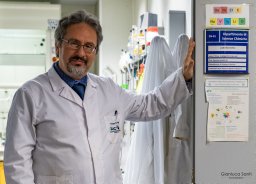 Daniele Naviglio合作论文数Dipartimento di Scienza;Università di Napoli Federico II;Dipartimento di Scienza, Università di Napoli Federico II2
 Nicola Lamberti合作论文数2




