The volume of robotic pancreas resections continues to grow both nationally and internationally. Current data suggest that clinical and oncologic outcomes are similar between robotic and open approaches when performed by experienced surgeons. Robotic pancreas programs must be safely implemented to ensure appropriate outcomes. This review provides a summary of the current literature for minimally invasive approaches to pancreas cancer and technical details for conducting the operations.
BACKGROUND:A surgical lifestyle may challenge the balance between professional responsibilities and personal life. We sought to define the impact of being a surgeon on the likelihood of parenthood. STUDY DESIGN:The American Community Survey database was queried from 2018 to 2022 to investigate trends in parenthood among surgeons, non-surgeon physicians, and the general US population. Multivariable logistic regression analyses were conducted to identify factors associated with parenthood. RESULTS:Among 3,385 surgeons and 52,758 non-surgeon physicians, 50.6% vs 46.0% were parents, respectively (relative risk 1.10, 95% CI 1.06 to 1.14). The US general population had a markedly lower prevalence of parenthood (relative risk 0.58, 95% CI 0.57 to 0.58). Surgeons were more likely to be married (83.3% vs 78.2% vs 42.7%) and had higher annual income vs physicians and the US population ($390,000 [130,000 to 512,000] vs $200,200 [86,200 to 400,000] and $36,100 [11,600 to 96,000], respectively; p < 0.05). In multivariable analysis, surgeons had 12% higher odds of having children than non-surgeon physicians (odds ratio [OR] 1.12, 95% CI 1.02 to 1.23). Among surgeons, being married (OR 11.69 [95% CI 5.41 to 17.29]) and higher income (per $10,000 increase; OR 1.02 [95% CI 1.01 to 1.03]) were associated with higher odds of parenthood, whereas female sex (OR 0.71 [95% CI 0.58 to 0.79]) was associated with lower odds. Female surgeons earned a lower annual income ($288,800 [84,000 to 486,000] vs $406,000 [148,000 to 525,000]), worked more hours per week (57.0 hours [20.8] vs 50.2 hours [23.9]), and were less often married (67.7% vs 86.7%) vs male surgeons (p < 0.05). CONCLUSIONS:Surgeons had a higher likelihood of parenthood vs non-surgeon physicians and the general US population. The odds of being a parent varied on the basis of sex, marital status, and annual income. Female surgeons were less likely to be parents while working longer hours and earning a lower annual income.
INTRODUCTION:PNETs are rare pancreatic malignancies originating from islet cells and exhibit a strong co-occurrence with Diabetes Mellitus (DM), associated with worse survival outcomes. However, studies have yet to delineate the impact of insulin dependent (IDDM) and non-insulin dependent (NIDDM) on poor oncological outcomes. METHODS:Utilizing the U.S. Neuroendocrine Tumor Study Group database (1999-2016), we performed a retrospective cohort study of adult patients who underwent primary surgical resection of PNETs. Patients were categorized based on preoperative diagnosis into non-DM, NIDDM, and IDDM cohorts. We used the Kaplan-Meier method and log-rank test to study cancer-specific survival (CSS). Cox proportional Hazards models were used to assess the impact of IDDM on CSS. RESULTS:Of the 1122 patients included in the analysis, 870 (77%) were non-DM, 168 (15%) were NIDDM, and 84 (8%) were IDDM. The groups were similar in tumor stage and grade. However, they differed in sex, BMI, age, ASA class, tumor location, preoperative HbA1c, and serum glucose (p-value < 0.05). Patients with IDDM had significantly decreased 5-year CSS compared to patients without IDDM (CSS: IDDM 85%, NIDDM 94%, non-DM 93%, NIDDM + non-DM 93%; p < 0.01). On multivariate analysis, IDDM was independently associated with worse CSS (HR 2.27, 95% Confidence Interval 1.15-4.45, p = 0.02). CONCLUSION:Insulin dependence is associated with worse cancer-specific survival in PNET patients following surgical resection compared to PNET patients with NIDDM or without DM.
BACKGROUND:Minimally-invasive approaches to pancreatic surgery are increasingly utilized. We aimed to evaluate the implementation of robotic pancreatoduodenectomy (RPD) across the United States. METHODS:The National Cancer Database was queried for all patients undergoing pancreatoduodenectomy (PD) for pancreatic cancer in the United States between 2010 and 2020. The primary outcome was utlization of robotic PD. Secondary outcomes included perioperative outcomes following PD. RESULTS:There were 48,781 patients who underwent PD with 78.0 % and 5.2 % performed by an open and robotic approach, respectively. Utilization of RPD increased from 1.1 % to 10.3 % between 2010 and 2020 (p < 0.001). Robotic converted to open PD decreased from 22.2 % to 11.1 % over the study period (p = 0.006). Patients undergoing open or RPD had similar R0 resection, 30-day unplanned readmission, and 90-day mortality. The 10 highest volume centers for RPD performed 41.8 % of all RPD and had lower rates of conversion to open, post-operative length of stay, and a higher number of lymph nodes examined compared with other centers performing RPD (all p < 0.001). CONCLUSION:Robotic PD is increasingly utilized in the United States but still represents a small fraction of patients undergoing PD. Given improved outcomes observed in high-volume centers, deliberate initiatives to expand RPD programs while ensuring continued centralization are important.
TPS797 Background: Resectable pancreatic ductal adenocarcinoma (R-PDA) continues to be associated with high recurrence and poor long-term outcomes. While neoadjuvant chemotherapy is increasingly utilized, its superiority over upfront resection with adjuvant therapy remains uncertain. Tumor treating fields (TTFields) exert anti-mitotic effects by disrupting microtubule assembly and impairing cytokinesis through alternating electric fields. Preclinical models and clinical data suggest additive activity with chemotherapy. In the phase II PANOVA trial (n=40) in advanced PDA, TTFields combined with gemcitabine-based therapy demonstrated promising activity with acceptable safety, the main device-related adverse event being grade 3 dermatitis. Methods: This multicenter, single-arm phase II trial will assess perioperative TTFields in combination with gemcitabine plus nab-paclitaxel (GNP) in patients with R-PDA. Key eligibility criteria include: visible pancreatic mass, measurable disease, ≤180° venous involvement without arterial encasement, patent portal–splenic confluence, and no distant metastasis or extra-regional lymphadenopathy. Patients will initiate treatment with TTFields (compliance goal >80%) and three cycles of GNP, followed by restaging. Those proceeding to resection will receive an additional three cycles of adjuvant GNP with TTFields. The Bayesian Optimal Phase II (BOP2) design specifies dual primary endpoints: 2-year overall survival (OS) and resection rate. The null hypotheses are OS of 40% (vs. 60% target) and resection rate of 60% (vs. 75% target). A total of 30 evaluable patients are required, with an interim analysis after 15 patients; early termination occurs if ≤8 resections are achieved at that point (power 83%, type I error 10%). Secondary objectives include safety/tolerability, overall response rate, TTFields compliance, relative dose intensity, and long-term survival outcomes. The study opened to accrual with a planned enrollment of 38 patients. At the time of submission, two patients had been enrolled, and one patient had resection (ClinicalTrials.gov identifier: NCT05624918). Clinical trial information: NCT05624918 .
Introduction As pancreatic surgery becomes concentrated at high-volume centers, there is greater potential for patients with pancreatic cancer (PC) to receive multimodal therapy across multiple institutions. This study evaluated the association of fragmented care (FC) on clinical outcomes among patients with PC. Methods A retrospective analysis was performed of patients diagnosed with nonmetastatic PC receiving upfront chemotherapy who then underwent surgical evaluation at a high-volume center between 2018 and 2022. A 1:1 nearest neighbor propensity score match was used to balance cohorts between patients who received FC and those treated only at the high-volume center. Key outcomes included delay in chemotherapy initiation and time to resection or surgical decision, and overall survival. Results Of 329 eligible patients, over one-third of patients received FC (n = 124). Patients receiving FC were more likely to live further away from the center (median 80 versus 32 miles, P < 0.001), lived in rural areas (50.0% versus 21.3%, P < 0.001), and in the most disadvantaged areas according to the national area deprivation index (46.8% versus 29.3%, P = 0.003). After matching, FC patients had a higher prevalence of delayed chemotherapy initiation >8 wks from diagnosis (17.6% versus 5.6%, P = 0.006), though there was no significant difference between cohorts regarding time to surgical decision or resection (both P > 0.05). There was no significant difference in survival between cohorts (hazard ratio: 0.79, 95% confidence interval: 0.54, 1.05, P = 0.10). Conclusions FC can help alleviate some of the burdens associated with frequent traveling for systemic therapy and was not associated with lower resection rates or long-term survival in pancreatic cancer.
BACKGROUND:We evaluated variations in patient outcomes and financial expenditures following complex cancer surgery across flagship hospitals and their affiliates. METHODS:Using Medicare 100% Standard Analytic Files (2018-2021), we identified patients undergoing resection of lung, esophageal, gastric, hepatopancreatobiliary, or colorectal cancer. Flagship hospitals were defined as the highest-volume major teaching hospital within a system in each region. Propensity score matching was performed to create a 1:1 matched cohort to assess the association between flagship systems, hospitals, affiliates, and outcomes. RESULTS:Among 110,670 patients, 55,335 treated within a flagship hospital system (median age, 73 years [IQR, 69-79]; including 29,381 [53.1%] women) were matched with 55,335 patients who were not (median age, 73 years [IQR, 69-79]; including 29,274 [52.9%] women) across 35 regions. Patients at flagship system hospitals had lower 30-day mortality rates than matched controls (4.23% vs 4.88%; difference, -0.65% [95% CI, -0.89% to -0.40%]; P<.001). Mortality was also lower at flagship hospitals (2.76% vs 3.82%; difference, -1.06% [95% CI, -1.62% to -0.50%]) and flagship affiliates (4.46% vs 4.79%; difference, -0.32% [95% CI, -0.58 to -0.07]) compared with controls (both P<.001). However, patients who underwent cancer surgery at flagship hospital systems had higher expenditures ($21,011 vs $20,016; difference, +$995 [95% CI, $797 to $1,193]; P<.001). CONCLUSIONS:Flagship hospitals are the primary drivers of decreased postoperative mortality following complex oncologic surgical procedures performed within their systems, although expenditures were higher compared with unaffiliated hospitals.
Imaging is often an essential component of cancer surveillance following curative-intent surgery but can be distressing for some patients. While this phenomenon has been studied among patients undergoing active cancer treatment and screening, the frequency and severity of “scanxiety” among patients undergoing surveillance after curative-intent cancer surgery is poorly understood. A cross-sectional mixed-methods analysis of patients with a history of resected gastrointestinal (GI) or hepatopancreatobiliary (HPB) cancer undergoing routine cancer surveillance was conducted. After their imaging was completed but before meeting with their provider, patients completed the Impact of Events Scale-revised (IES-r) and the Hospital Anxiety and Depression Scale (HADS) anxiety subscale surveys. IES-r and HADS-anxiety scores ≥ 24 (scale 0–88) and ≥ 11 (scale 0–22), respectively, were considered clinically meaningful. Semi-structured interviews were conducted among a convenience sample of patients, which were subsequently transcribed and then coded using an inductive approach. Among 101 participants, mean age was 62 ± 13.9 years old and 52
Neoadjuvant therapy (NT) is increasingly used for gastrointestinal (GI) and hepatopancreatobiliary (HPB) cancers. Risk factors for surgical attrition during NT are poorly understood. A planned secondary analysis of patient-reported outcomes (PROs) from a prospective cohort study of patients undergoing NT was performed to identify factors associated with surgical attrition. Adult patients with GI/HPB cancer receiving NT were provided a mobile phone application administering QOL assessments every 30 days and measuring mood/symptoms until NT completion. Univariate and multivariate logistic regression were performed to determine the association between demographic, clinical characteristics, and PROs with surgical attrition (no surgery (NS) versus surgery or watchful waiting (SWW)). Mixed-effects regression models evaluated trends of QOL and symptoms between the cohorts. Among 104 enrolled patients, mean age was 60.5 ± 11.5 years, 57 (55
INTRODUCTION:Sex-based disparities can affect access to care and surgical outcomes. Disparities in postoperative mortality may be related to differences in the management of complications. We sought to define sex-based differences in outcomes after a major complex surgical procedure. METHODS:Patients who underwent a major surgical procedure between 2017 and 2020 were identified using the Medicare database. Failure to rescue was defined as death occurring after serious complication. Multivariable regression models were used to examine the association between patient sex and postoperative outcomes including failure to rescue. RESULTS:A total of 1,165,265 individuals underwent a major surgerical procedure (abdominal aortic aneurysm repair: n = 283,467, 24.3%; coronary artery bypass grafting: n = 319,527, 27.4%; colectomy: n = 436,315, 37.4%; pneumonectomy: n = 101,378, 8.7%; pancreatectomy: n = 24,578, 2.1%). Median patient age was 74 years (interquartile range: 70-80 years), and most patients were male (57.3%, n = 666,996). Of note, female patients were slightly older (75 years [interquartile range: 70-80 years] vs 74 years [interquartile range: 71-80 years]) and had a higher Charlson Comorbidity Index (>2: 37.9% vs 36.2%) (both P < .001). After surgery, female patients were less likely to experience serious complications (31.2% vs 36.5%; P < .001); however, female patients had higher failure to rescue rates (17.5% vs 15.9%; P < .001). On multivariable analysis, female patients had higher odds of 30-day mortality (odds ratio: 1.11, 95% confidence interval: 1.09-1.13) and failure to rescue (odds ratio: 1.11, 95% confidence interval: 1.08-1.14). On stratified analysis, failure to rescue rates declined with higher hospital volume, but female patients consistently had higher failure to rescue. CONCLUSION:Higher failure to rescue may explain the higher postsurgery mortality among female patients. Targeted efforts are needed to reduce sex-based disparities in postoperative care.
Background: We sought to investigate the association between surgical opioid prescriptions and the risk of opioid initiation among opioid-naive spouses. Methods: Patients who underwent surgery for breast or gastrointestinal cancer were identified from the IBM Marketscan database. Multivariable regression analysis was performed to examine the association between surgical opioid prescription and opioid initiation among opioid-na & iuml;ve patient spouses. Results: Among the 9365 individuals included in the analytic cohort, 77.9 % (n 1/4 7300) filled a perioperative opioid prescription. Of note, spouses of patients who received a surgical opioid prescription (6.7 % vs. 4.5 %; p < 0.001) were more likely to begin using opioids. On multivariable analysis, surgical opioid prescription was associated with 61 % (1.61, 95%CI 1.28-2.03) higher odds of opioid initiation among opioid-naive spouses. Conclusion: Surgical opioid prescriptions are associated with an increased risk of opioid initiation among opioidnaive spouses. These findings underscore the importance of counseling on safe opioid use, storage, and disposal for the family.
BACKGROUND:Neoadjuvant therapy (NT) is increasingly used for patients with pancreatic ductal adenocarcinoma (PDAC). Disease progression, toxicity, and failure to undergo surgical resection are common during NT, yet little research has focused on efforts to optimize care delivery. We sought to define and validate a novel composite outcomes metric that characterizes the successful delivery of NT. STUDY DESIGN:All patients with localized PDAC receiving NT in an intention-to-treat fashion between 2018 and 2023 were retrospectively evaluated. A textbook neoadjuvant experience (TNE) was defined as the absence of mortality, disease progression, or hospital admission during NT as well as the completion of all intended NT and successful surgical resection. RESULTS:Among 306 patients with localized PDAC, the median age was 66 years and 58.5% were men. Overall, only 85 (28%) experienced a TNE which was more common among patients with potentially resectable (45 of 96, 47%) than borderline resectable (33 of 112, 29%) or locally advanced (7 of 98, 7%) disease. Patients with a TNE experienced greater overall survival than those individuals without a TNE (median not reached vs 16.4 months [95% CI 14.9 to 17.9 months], p < 0.001). On multivariable Cox regression analysis, a TNE was the strongest predictor of improved overall survival (hazard ratio 0.33, 95% CI 0.20 to 0.54, p < 0.001). CONCLUSIONS:A TNE is infrequently achieved among patients with PDAC undergoing NT but is significantly associated with improved long-term outcomes. Future research aimed at optimizing outcomes of NT delivery should incorporate this novel composite metric that may more accurately reflect patient and provider expectations of treatment.
Neoadjuvant therapy (NT) given before surgery for gastrointestinal (GI) malignancies can lead to adverse events. Whether patient-reported outcomes (PRO) or quality of life (QOL) during NT is predictive of postoperative complications is unknown. A planned secondary analysis of patients with GI cancers undergoing NT utilized a customized mobile-phone application (app) to measure real-time PROs and monthly QOL using FACT-G (Functional Assessment of Cancer Therapy-General). Among surgical patients, the association between QOL and PROs and postoperative Clavien-Dindo grade ≥ 2 complications was analyzed using univariate analyses. Among 104 patients enrolled, 69 (66
BACKGROUND:We sought to define individual contributions at the patient, surgeon, pathologist, and hospital levels on lymph node assessment after pancreatic cancer resection. METHODS:SEER-Medicare beneficiaries who underwent pancreatic cancer resection were identified. Multi-level multivariable regression was performed to assess the proportion of variance explained by patient, surgeon, pathologist, and hospitals on lymph node assessment (≥12 versus <12). RESULTS:2872 patients underwent pancreaticoduodenectomy by 646 distinct surgeons and 1063 distinct pathologists across 308 hospitals. Patient-related characteristics contributed the most to the variance in adequate lymph node assessment (71.0 %). After accounting for all explanatory variables in the full model, 5.5 % of the residual provider-level variation was attributed to the pathologist, 35.2 % to the surgeon, and 59.3 % to the hospital. CONCLUSIONS:Patient-to-patient variation was the greatest underlying contributor to variations in adequate lymph node assessment related to pancreatic cancer surgery. Variation among hospitals was greater than among surgeons or pathologists.
Introduction: We sought to characterize the impact of exocrine pancreatic insufficiency (EPI) on primary healthcare utilization and expenditures following partial pancreatectomy (PP). Methods: Patients who underwent PP between 2004 and 2019 were identified using SEER-Medicare. Patients who developed EPI within 6 months following surgery were included in the EPI cohort and were followed for 1-year post-surgery. Differences in post-surgery PCP visit frequency and healthcare expenditures within 1-year were evaluated. Results: Among 1119 patients, median age was 74 years (IQR: 69-78), about one-half were female (52.5%), and the majority were White (85.2%). Following PP, 22.4% of patients developed EPI. Patients with EPI were more likely to be concomitantly diagnosed with diabetes following PP (EPI: 11.6% vs. no EPI: 3.7%; p < 0.001). On multivariable analyses, EPI was associated with increased PCP visits (Ref. No EPI; percent difference [%diff]: 29.62, 95%CI 15.15-45.90) and higher healthcare costs (Ref. No EPI; total postoperative expenditure: %diff 37.01, 95%CI 12.89-66.29; p <0.01) within 1-year following PP. Conclusion: Roughly 1 in 4 patients experienced EPI after PP. EPI was associated with increased PCP utilization and higher healthcare expenditures.
 Timothy M Pawlik合作论文数Department of Surgery, College of Medicine, The Ohio State University Wexner Medical Center243
 Jordan M. Cloyd合作论文数The Ohio State University Wexner Medical Center170
 Ejaz Aslam合作论文数136
 Schmidt Carl合作论文数Wexner Med Ctr, Ohio State Univ92
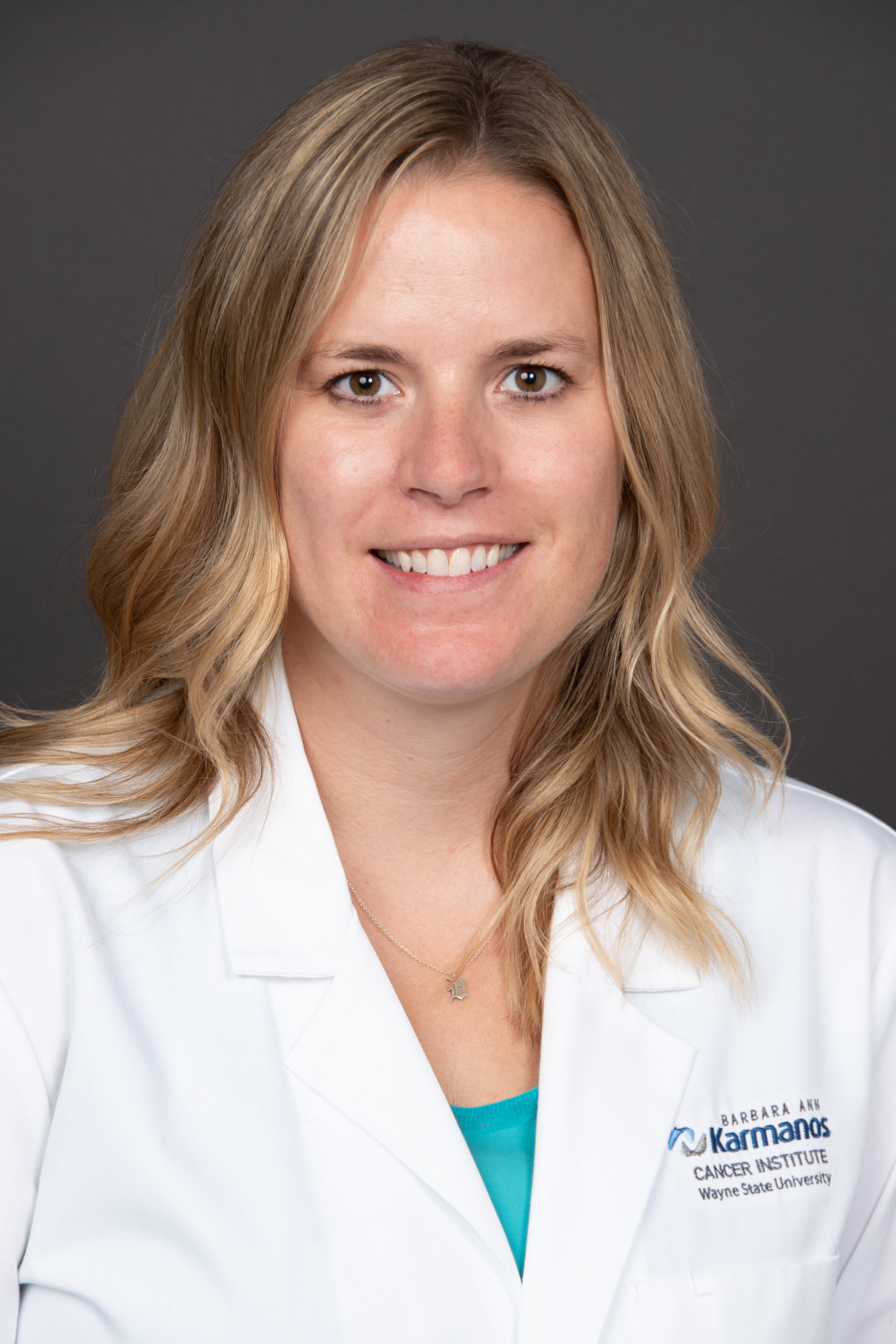 Eliza Beal合作论文数Karmanos Cancer Center;Michael & Marian Ilitch Department of Surgery, School of Medicine, Wayne State University67
 Diamantis I Tsilimigras合作论文数Department of Surgery, The Ohio State University Wexner Medical Center46S. Woldesenbet合作论文数Cooperative Agricultural Research Center, Prairie View A&M University46
 Anghela Z. Paredes合作论文数Dept Surg, Ohio State Univ45
 Andrei Manilchuk合作论文数Department of Surgery, Ohio State University School of Medicine and Public Health43Katiuscha Merath合作论文数The Ohio State University41
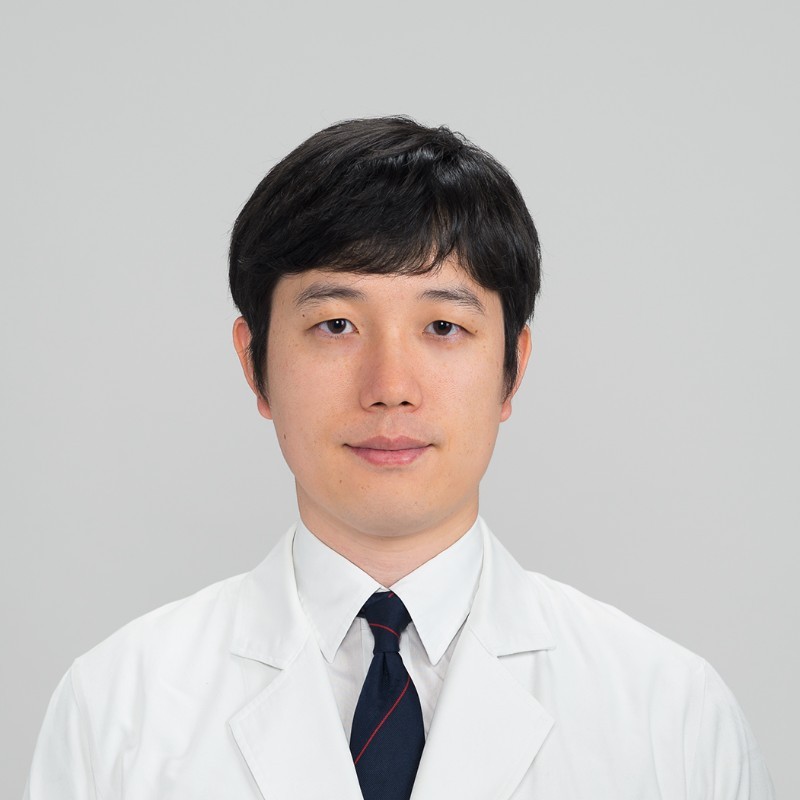 Yutaka Endo合作论文数Wexner Medical Center and James Comprehensive Cancer Center, The Ohio State University40
 Ryan C. Fields合作论文数Division of General Surgery, Department of Surgery, School of Medicine, Washington University;Barnes-Jewish Hospital;Siteman Cancer Center, Barnes-Jewish West County Hospital39
 Muhammad Musaab Munir合作论文数38Hart Phil A合作论文数Division of Gastroenterology, Hepatology, and Nutrition, The Ohio State University Wexner Medical Center38
 George A. Poultsides合作论文数Division of General Surgery, School of Medicine, Stanford University38Kamran Idrees合作论文数Memorial Sloan-Kettering Cancer Center36
 Somashekar G Krishna合作论文数Department of Gastroenterology and Hepatology, University of Arkansas for Medical Sciences34Allan Tsung合作论文数33Alexandra G. Lopez-Aguiar合作论文数Winship Canc Inst, Emory Univ Hosp33
 Hyer J Madison合作论文数Department of Public Health Sciences, Medical University of South Carolina32
 Shishir Maithel合作论文数Division of Surgical Oncology, Department of Surgery, Emory University School of Medicine;Winship Cancer Institute, Emory University32
 Flavio G. Rocha合作论文数Surgical Oncology Clinic, Knight Cancer Institute, Oregon Health and Science University;Division of Surgical Oncology, School of Medicine, Oregon Health and Science University31
 Mark Bloomston合作论文数29Rittal Mehta合作论文数Department of Surgery, The Ohio State University Wexner Medical Center28Paula Marincola Smith合作论文数26Megan Beems合作论文数25
 Susan Tsai合作论文数Department of Obstetrics & Gynecology, Feinberg School of Medicine, Northwestern University24
 Eleftherios A Makris合作论文数Med Ctr, Stanford Univ24Bradley A Krasnick合作论文数Washington Univ, Sch Med, Dept Surg, St Louis, MO 63110 USA23
 Qinyu Chen合作论文数22
 Noonan Anne Mary合作论文数Department of Internal Medicine, The Ohio State University22
 Fabio Bagante合作论文数Division of Surgical Oncology, The Ohio State University22Darwin L. Conwell合作论文数22
 Zorays Moazzam合作论文数James Canc Hosp21A. Tsung合作论文数19
 Erryk S Katayama合作论文数Wexner Medical Center and James Comprehensive Cancer Center, The Ohio State University19
 Sharon M Weber合作论文数Division of Surgical Oncology, Department of Surgery, School of Medicine and Public Health, University of Wisconsin-Madison;Carbone Cancer Center, University of Wisconsin-Madison19
 Mujtaba Khalil合作论文数18
 Clifford Cho合作论文数Division of Hepatopancreatobiliary and Advanced Gastrointestinal Surgery, Medical School, University of Michigan18Beane Joal D合作论文数Department of Surgery, Indiana University School of Medicine18J. Cloyd合作论文数17
 Muhammad Muntazir Mehdi Khan合作论文数16
 Kota Sahara合作论文数Tokyo Metropolitan Cancer and Infectious Diseases Center, Komagome Hospital16
 Wendy L. Frankel合作论文数Department of Pathology, The Ohio State University Wexner Medical Center16
 Zayed Rashid合作论文数15
 Winslow Emily R合作论文数15Kanji Zaheer S合作论文数15Laura Alaimo合作论文数Department of Surgery, University of Verona14
 Abdel-Misih Sherif合作论文数14




