Background: The prevalence of goitre and urinary iodine excretion (UIE) indicate endemic iodine deficiency (ID) in a population. Previous studies have shown that Kayseri is one of the most iodine-deficient areas in Turkey. The aim of this study was to determine the prevalence of goitre, evaluate the degree of ID, its effects on thyroid functions and volume of subjects living in wide outer skirts of the old volcano Erciyes, at 1655 m and 1350 m altitudes.Methods: UIE was determined in 209 school-age children (SAC) aged between 10 and 14 years and in 183 adults. Thyroid volume (TV) of subjects was performed used by both palpation and ultrasonography (USG). In addition, serum free tri-iodothyronine (fT3), free thyroxine (fT4), thyroid stimulating hormone (TSH), thyroglobulin (Tg), anti-Tg and anti thyroid peroxidase (TPO) antibody levels were measured.Results: The prevalence of goitre according to palpation and USG among SAC was found as 50.7 and 58.4% respectively, as 65.0 and 57.9% among adults. Although mean UIC of whole subjects was 30 +/- 34 mu g/l indicated moderate iodine (1) deficiency, 55.4% of the subjects' UIE was < 20 mu g/l. While the serum fT3, TSH, anti-TPO, Tg levels, body mass index (BMI), TV of SAC and adults (except BMI) with goitre were higher than those of without goitre, serum fT4 and UIE were lower than those of without goitre.Conclusions: The population living in two areas was exposed to consequences of severe and moderate ID and also endemic goitre due to geographical characteristics of the area. A plan of action including sufficient 1 intake of people should be planned and be implemented effectively.
This study describes the experiences of Pet Support Program clients in Melbourne, Australia and how the programs reduce the social isolation of the elderly. The study also describes the role of pets and associated health benefits of pet ownership.The qualitative description study comprised of two phases: a secondary data analysis of interviews with 14 PSP clients, and key informant interviews with four PSP providers.The interviews were thematically analysed which resulted in three interconnected themes: Attachment, Support and Social Isolation. Social isolation was reduced by the PSP through access to social support groups, as well as the provision of a regular visitor who provides meaningful conversation and companionship.These results align with literature on pet ownership and Attachment Theory. The results also offer an insight into how PSPs allow the elderly to maintain pet ownership and age in place, thus enhancing their health and well-being.
Informed by a goal setting and self-regulation perspective, we tested a model of perceived career goal–progress discrepancies (i.e., perception of progress made towards achieving career goals relative to where one should be if the goals were to be attained), which proposed that negative feedback from significant others predicts career goal–progress discrepancies, which, in turn, predicts levels of career-related distress. The model also proposes that active feedback seeking strengthens the relationship between feedback from significant others and goal–progress discrepancies, and that career self-regulatory behaviours (career exploration and planning) weaken the relationship between career goal–progress discrepancies and career distress. Using a sample of 420 young adults (mean age = 20.3 years, 73% female), we found that feedback from significant others was related to both career goal–progress discrepancies and career distress, career goal–progress discrepancies were related to career distress, and goal–progress discrepancies partially mediated between feedback from significant others and career distress. Supporting the moderated effects, goal–progress discrepancies were higher at higher levels of negative feedback for those more actively seeking feedback, and career distress was lower at lower levels of discrepancy for those more engaged in exploration and planning.
We present a 21 year-old woman with osteoporosis-pseudoglioma syndrome (OPPG) suffering from bone pain and frequent long bone fractures (approximately 1 or 2 fractures/year) who was treated with i.v. pamidronate for 3 years. OPPG is a rare autosomal recessive disorder characterized by severe widespread osteoporosis leading to pathological fractures and congenital or early onset blindness. Bone mineral density (BMD) (g/cm2) was determined at lumbar spine and femur neck by dual energy X-ray absorptiometry. BMD studies were also performed in her parents and 18 year-old brother who were phenotypically normal. Within 2 months of the first pamidronate treatment the patient reported considerable decrease in bone pain and improved mobility. During the treatment period no important side effects and no recurrent bone fracture were reported. There were substantial increases in BMD, T score and z-score at both lumbar spine and femoral neck during therapy. Baseline lumbar spine BMD increased from 0.416 to 0.489 g/cm2 and femoral neck BMD increased from 0.455 to 0.532 g/cm2 after 3 years. Although her parents and brother did not have any history of fracture, BMD measurements revealed that her parents were osteopenic and her brother was osteoporotic. We demonstrated that pamidronate therapy seems to be safe and beneficial in both spinal and peripheral skeleton osteoporosis in patients with OPPG. Moreover, the present study clearly indicates that bone density studies and LRPS gene screening for mutations should be performed in phenotypically normal family members of patients with OPPG.
 Ahmet Tutus合作论文数31
 Ertugrul Esel合作论文数22Seher Sofuoglu合作论文数16M.T. Turan合作论文数13M. Basturk合作论文数10
 Ummuhan Abdulrezzak合作论文数Department of Nuclear Medicine, Erciyes University School of Medicine9
 Ali Saffet Gonul合作论文数Department of Psychiatry, Ege University School of Medicine9
 Sali̇ha Demi̇rel-Özsoy合作论文数Erciyes University8T. Turan合作论文数7H Demir合作论文数7
 Şükrü Kartalcı合作论文数Sch Med, Inonu Univ7
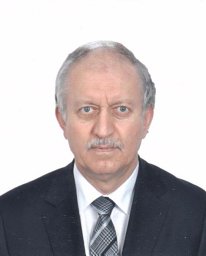 Fahri Bayram合作论文数Department of Endocrinology, Erciyes University Medical School6H.B. Izgi合作论文数6Karaçavuş Seyhan合作论文数4
 Selim Kurtoğlu合作论文数Dahili Tıp Bilimleri, Tıp Fakültesi, Erciyes University4Ramazan Topsakal合作论文数4
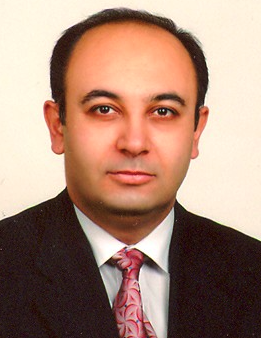 Kürşad Ünlühi̇zarci合作论文数Department of Endocribology, Medical School, Erciyes University4Abdurrahman Oguzhan合作论文数4Ali Ergin合作论文数4M. Reyhancan合作论文数4I Yabanoglu合作论文数4Fahrettin Kelestimur合作论文数4
 Sebnem Gursoy合作论文数Dept Gastroenterol & Hepatol, Erciyes Univ3
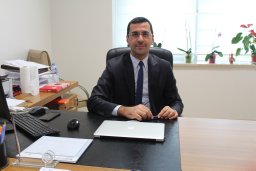 Yunus Hacimusalar合作论文数Department of Psychiatry, Kayseri Education and Research Hospital of Medicine3Ozdogru Ibrahim合作论文数3Aslan Oguz合作论文数3
 Halit Karaca合作论文数Department of Medical Oncology, Erciyes University Medical School3I Gulmez合作论文数2Muhammet Guven合作论文数Dept Internal Med & Crit Care, Lokman Hekim Univ2
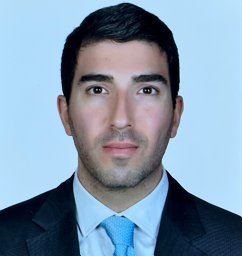 S. Unal合作论文数Hacettepe University Hospital2Silov Güler合作论文数2Poyrazoglu Hatice Gamze合作论文数2
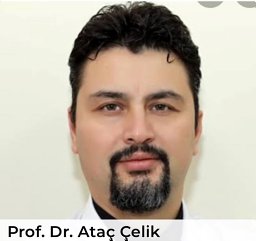 Atac Celik合作论文数Department of Cardiology, Kocatepe University School of Medicine2
 Ruhan Dusunsel合作论文数Dahili Tıp Bil, Tıp Fakültesi, Erciyes University2Mustafa Basbug合作论文数2
 Alper Yurci合作论文数2
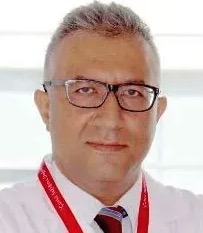 Fatih Tanriverdi合作论文数Memorial Kayseri Hospital, Memorial Hospitals Group;Memorial Healthcare Group2
 Yiğit Akçali合作论文数2Figen Ozturk合作论文数Department of Pathology, Erciyes University Medical School2Adnan Abaci合作论文数2
 Ibrahim Serdar Serin合作论文数2Zaliha Kokbudak合作论文数2ME Atabek合作论文数1M Halici合作论文数1M. Baskol合作论文数1S. Tulpar合作论文数1E Sozuer合作论文数1O Canoz合作论文数1H. Gencer合作论文数1




