Paroxysmal nocturnal haemoglobinuria (PNH) is a rare, life-threatening hematologic disease with diagnostic delays exceeding 5 years in 24% of cases. We developed and deployed an artificial intelligence algorithm analyzing structured and unstructured electronic health record data across 14 healthcare organizations in Poland. Screening of 1,307,140 patients identified 356 high-risk individuals; of 119 referred for flow cytometry, 13 were diagnosed (positive predictive value: 10.92%; 95% CI, 9.68%-12.30%), comparing favourably to 6.9% conventional screening hit rate. High-risk patients were significantly older (median 69.5 years) with elevated rates of fatigue (76.4% vs 29.19%), anaemia (72.2% vs 7.61%), and myelodysplastic syndrome (49.2% vs 0.24%; all p < 0.001). Only 2.25% presented with haemoglobinuria versus 45-62% in registry cohorts. Retrospective analysis revealed potentially preventable diagnostic delays of 74-1337 days. Monte Carlo feature selection identified Coombs-negative haemolysis and visit frequency as strongest predictors, supporting the potential utility of AI-assisted screening for identifying atypical PNH presentations.
Acute myeloid leukemia (AML) is the most common indication for allogeneic hematopoietic cell transplantation (alloHCT), yet graft-versus-host disease (GVHD) remains a major post-transplant complication. Conditioning regimens, particularly reduced-intensity approaches, are critical in optimizing outcomes. This subgroup analysis of the phase 3 MC-FludT.14/L trial compared treosulfan-fludarabine with reduced-intensity busulfan-fludarabine in 352 AML patients (aged 31–70) undergoing alloHCT. The primary endpoint was 24-month event-free survival (EFS); secondary endpoints included overall survival (OS), GVHD incidence, relapse/progression, and non-relapse mortality (NRM). Treosulfan compared to busulfan demonstrated superiority: 24-month EFS was 65% vs. 53% (p = 0.01), and OS was 73% vs. 65%. EFS benefits were consistent across AML risk categories and notably higher in patients with hematopoietic cell transplantation comorbidity index >2 (62% vs. 42%, p = 0.02). Treosulfan also showed lower NRM and relapse rates. GVHD outcomes favored treosulfan, with a significantly lower incidence of extensive chronic GVHD at 24 months (15.1% vs. 28.1%, p = 0.01). GVHD-free and relapse-free survival was also improved (53% vs. 40%, p = 0.02). The safety profile was more favorable with treosulfan. These findings support treosulfan-fludarabine as a more effective and safer conditioning regimen than busulfan-fludarabine for AML patients undergoing alloHCT, particularly those at higher risk.
Paroxysmal nocturnal hemoglobinuria (PNH) is a rare, chronic, potentially life-threatening hematological disorder that is associated with uncontrolled terminal complement activity leading to intravascular hemolysis, thromboembolic events, organ damage, impaired quality of life, and increased mortality. PNH can be challenging to diagnose due to the diversity and non-specific nature of its clinical manifestations. The diverse and nonspecific clinical symptoms of PNH and its rarity can delay screening and subsequent diagnosis by as much as 10 years. Artificial intelligence (AI) is increasingly being used in diagnostic methods to analyse clinical data and identify patterns that may help improve diagnostic accuracy and identify more that can benefit from treatment. We developed a PNH AI algorithm by integrating knowledge-based expert rules, machine learning, and symptom scoring to identify patients at risk of PNH. This development uses fully anonymized electronic health records (EHRs), with no patient consent required, as approved by the Rzeszow University Ethical Commission (ethical assessment No. 2024/05/025). It assists in the early identification of PNH by analyzing EHRs in a real-world hospital network. In a prospective study across 14 hospitals in Poland, the AI tool screened 1,307,140 patients over a 14-month period and flagged 356 (0.03%) individuals as high-risk for PNH. Physicians reviewed these flagged cases, and 119 high-risk patients were subsequently referred for confirmatory flow cytometry and tested. PNH was diagnosed in 13 of the referred patients, corresponding to a positive predictive value (PPV) of 10.92%. The high-risk cohort identified by the algorithm exhibited distinct clinical characteristics compared to the general screened population. Fatigue and anemia present in 76.4% and 72.2% of flagged patients respectively were the most prevalent symptoms in this high-risk group, each significantly more frequent than in non-flagged patients (both p<0.001). Likewise, known PNH-associated conditions were overrepresented among flagged individuals. Nearly half had co-existing myelodysplastic syndrome (MDS, 49.2%), and subsets of patients had a history of aplastic anemia (8.7%) or Budd-Chiari syndrome (1.7%). These conditions were significantly less frequent (<0.5%) in the rest of the screened population (p<0.001 for each). Notably, the median age at symptom onset for common features like fatigue and anemia was higher in the high-risk group compared to non-flagged patients by 14 and 13 years respectively. The median age of the high-risk PNH cohort was 69.5 years, reflecting the older demographic profile identified by the AI algorithm when compared to median ages ranging from 39 to 45.1 years in previously described cohorts. A diagnostic delay in the cohort of PNH confirmed patients, which might have been preventable with earlier deployment of the AI tool, ranged from 74 to 1337 days. In conclusion, this real-world study demonstrates that an AI-based EHR screening platform can successfully pinpoint previously unrecognized PNH patients with high diagnostic accuracy. To our knowledge, it represents the first large-scale implementation of AI for PNH screening in routine clinical practice. Our findings underscore the potential of integrating machine learning tools into clinical workflows to expedite rare disease diagnosis and enable earlier detection and intervention for conditions like PNH.
ABSTRACTObjectivesThe study evaluated the impact of lifestyle and environmental exposure on the etiology of multiple myeloma (MM).MethodsA multicenter case–control study was conducted in 20 hematology centers and in 5 outpatient clinics in Poland. The questionnaire on exposure to potential risk factors including sociodemographic data, lifestyle, and environmental factors was completed.ResultsA total of 274 patients with newly diagnosed MM and 208 patients from primary healthcare centers in the control group were enrolled in the study. Regarding lifestyle, sports practiced systematically for at least half a year play a protective role in the development of myeloma (OR = 0.40, 95% CI, 0.28–0.58, p < 0.001). Among environmental factors harmful exposures that increase the likelihood of the development of MM include pesticides (OR = 3.29, p < 0.001), asphalt (OR = 2.42, p = 0.026), coal dust (OR = 2.27, p = 0.004), organic vapors (OR = 2.11, p = 0.001), metal dust (OR = 2.07, p = 0.023), exhaust fumes (OR = 2.03, p < 0.01), and chemicals (OR = 1.80, p < 0.01).ConclusionsThe pathogenesis of MM is complex with the impact of modifiable factors. Lifestyle, with physical activity, seems to play a key role.
Introduction:Accelerated chronic lymphocytic leukemia (A-CLL) is a rare histological variant of CLL, which is associated with an aggressive clinical presentation and worse prognosis. The aim was to study the characteristics and treatment outcomes of A-CLL patients. Material and methods:The retrospective analysis included 106 A-CLL patients treated in Poland between 2013 and 2023. Results:Median overall survival (OS) for treatment-naive A-CLL was 6.05 years (95% CI: 4.7-NA) and median progression-free survival (PFS) was 5.66 years (95% CI: 4.05-6.34). Factors associated with worse PFS were: Eastern Cooperative Oncology Group > 2 (p < 0.0001) and del17p (p = 0.002). In the whole group, fludarabine-based regimens improved OS (p = 0.002) and PFS (p = 0.002). This therapy proved superior to R-CHOP-like protocols for both OS (p = 0.002) and PFS (p = 0.004). The difference in survival between fludarabine-based regimens and targeted therapy was not significant. However, the group of patients treated with new therapies was very heterogeneous. Fludarabine (p = 0.004) or targeted therapy (p = 0.02) in any line of treatment during acceleration was associated with a reduced risk of death. Conclusions:This study represents one of the largest datasets of A-CLL patients and shows its poorer prognosis compared to typical CLL. Chronic lymphocytic leukemia directed therapy should be considered as a treatment modality of choice for A-CLL. R-CHOP protocols are less effective.
We present a case of acute clonal bone marrow 98% infiltration of atypical myeloid cells with borderline hypogranular/agranular promyelocytes/myelocytes and occasional blast cells maturity, which also formed extramedullary tumours in the chest wall, with isolated trisomy of chromosome 6 and pathogenic variant U2AF1 (S34F) that escapes established acute myeloid leukaemia (AML) diagnostic criteria according to the World Health Organization (WHO) classification. Following standard daunorubicin and cytarabine induction therapy, the disease progressed with the appearance of a previously undetected clone of leukaemic cells with a distinct immunophenotype demonstrating monocytoid differentiation and clonal evolution to a hypo-tetraploid karyotype with an average number of 84 chromosomes and new pathogenic NRAS and ZRSR2 mutations. The patient reactivated refractory disseminated intravascular coagulation (DIC) leading to a progressive supratentorial hematoma and finally cardiac arrest. In conclusion, our report shows that atypical clonal myelocytes can massively infiltrate the bone marrow and form extramedullary tumours, justifying the diagnosis and treatment of acute leukaemia, although they did not fit the current classification.
[This corrects the article DOI: 10.5114/mp.2025.148753.].
A randomized study (acronym: MC-FludT.14/L Trial II) demonstrated that fludarabine plus treosulfan (30 g/m²) was an effective and well tolerated conditioning regimen for allogeneic hematopoietic cell transplantation (allo-HCT) in older patients with acute myeloid leukemia (AML) and myelodysplastic syndrome (MDS). To further evaluate this regimen, all 252 study patients aged 50 to 70 years were compared with similar patients, who underwent allo-HCT after fludarabine/melphalan (140 mg/m²) (FluMel) or busulfan (12.8 mg/kg)/cyclophosphamide (120 mg/kg) (BuCy) regimens and whose data was provided by the European Society for Blood and Marrow Transplantation registry. In 1:1 propensity-score matched-paired analysis (PSA) of AML patients, there was no difference in 2-year-relapse-incidence after FluTreo compared with either FluMel (n = 110, p = 0.28) or BuCy (n = 78, p = 0.98). However, 2-year-non-relapse-mortality (NRM) was lower compared with FluMel (p = 0.019) and BuCy (p < 0.001). Consequently, 2-year-overall-survival (OS) after FluTreo was higher compared with FluMel (p = 0.04) and BuCy (p < 0.001). For MDS patients, no endpoint differences between FluTreo and FluMel (n = 30) were evident, whereas 2-year-OS after FluTreo was higher compared with BuCy (n = 25, p = 0.01) due to lower 2-year-NRM. Multivariate sensitivity analysis confirmed all significant results of PSA. Consequently, FluTreo (30 g/m²) seems to retain efficacy compared with FluMel and BuCy, but is better tolerated by older patients.
Multiple myeloma (MM) arises following malignant proliferation of plasma cells in the bone marrow, that secrete high amounts of specific monoclonal immunoglobulins or light chains, resulting in the massive production of unfolded or misfolded proteins. Autophagy can have a dual role in tumorigenesis, by eliminating these abnormal proteins to avoid cancer development, but also ensuring MM cell survival and promoting resistance to treatments. To date no studies have determined the impact of genetic variation in autophagy-related genes on MM risk. We performed meta-analysis of germline genetic data on 234 autophagy-related genes from three independent study populations including 13,387 subjects of European ancestry (6863 MM patients and 6524 controls) and examined correlations of statistically significant single nucleotide polymorphisms (SNPs; p < 1 × 10⁻⁹) with immune responses in whole blood, peripheral blood mononuclear cells (PBMCs), and monocyte-derived macrophages (MDM) from a large population of healthy donors from the Human Functional Genomic Project (HFGP). We identified SNPs in six loci, CD46, IKBKE, PARK2, ULK4, ATG5, and CDKN2A associated with MM risk (p = 4.47 × 10⁻⁴−5.79 × 10⁻¹⁴). Mechanistically, we found that the ULK4rs6599175 SNP correlated with circulating concentrations of vitamin D3 (p = 4.0 × 10⁻⁴), whereas the IKBKErs17433804 SNP correlated with the number of transitional CD24+CD38+ B cells (p = 4.8 × 10⁻⁴) and circulating serum concentrations of Monocyte Chemoattractant Protein (MCP)-2 (p = 3.6 × 10⁻⁴). We also found that the CD46rs1142469 SNP correlated with numbers of CD19+ B cells, CD19+CD3− B cells, CD5+IgD− cells, IgM− cells, IgD−IgM− cells, and CD4−CD8− PBMCs (p = 4.9 × 10⁻⁴−8.6 × 10⁻⁴) and circulating concentrations of interleukin (IL)-20 (p = 0.00082). Finally, we observed that the CDKN2Ars2811710 SNP correlated with levels of CD4+EMCD45RO+CD27− cells (p = 9.3 × 10⁻⁴). These results suggest that genetic variants within these six loci influence MM risk through the modulation of specific subsets of immune cells, as well as vitamin D3−, MCP-2−, and IL20-dependent pathways.
Introduction MDS is a clonal myeloid disorder manifested by diverse genotypes and phenotypes, characterized by ineffective hematopoiesis. AlloHSCT is the only potential curative therapy for MDS. Myeloablative conditioning regimens are integral part of alloHSCT that allow engraftment and provide a therapeutic effect. Treosulfan has myeloablative and immunosuppressive properties and provides less transplantation related mortality than some of the traditionally used myeloablative conditioning regimens like busulfan-based treatments. In our analysis, we compared the results from the MDS subgroup of the randomized controlled trial (RCT) MC-FludT.14/L (NCT00822393) with real-world data (RWD) of patients treated at the University Hospital Münster and the University Hospital Dresden. Methods MDS patients conditioned with treosulfan (30 g/m²) and fludarabine in the RCT (June 2013 to January 2018) and the data obtained from 2 hospitals (RWD) (August 2017 to February 2023) were compared. Baseline characteristics, overall survival, relapse-free survival, relapse (or progression), non-relapse mortality, time to engraftment, and safety profiles between the RCT and RWD were compared. A sensitivity analysis was conducted using propensity score matching (PSM). Additionally, subgroup analyses evaluated the clinical effectiveness of treosulfan by baseline morphologic blast count and the revised International Prognostic Scoring System (IPSS-R). Results Overall, 195 MDS patients (RCT 84, RWD 111) with at least 12 months follow-up were analyzed. Median age was 62 years (range 39-76 years). Baseline characteristics only differed between the RCT and RWD with respect to age, IPSS-R categories, Hematopoietic Cell Transplantation Co-Morbidity Index total score (HCT-CI), and neutrophil count, indicating some heterogeneity between the RCT and RWD patients. In the PSM analysis, 106 (RCT 53, RWD 53) patients were matched to address the heterogeneity. The Kaplan-Meier estimates for overall survival (OS) at 2 years were 73% (95% CI 62-81%) and 72% (95% CI 62-81%) for the RCT and RWD (Figure 1), and for relapse-free survival (RFS) at 2 years were 68% (95% CI 57-77%) and 67% (95% CI 56-76%), respectively. Cumulative incidence of relapse at 2 years was 11% (95% CI 4-18%) and 15% (95% CI 7-23%), and for non-relapse mortality (NRM) was 21% (95% CI 12-30%) and 18% (95% CI 10-26%) for the RCT and RWD, respectively. In addition, cumulative incidence of neutrophil engraftment at 28 days was 93% (95% CI 87-98%) and 94% (95% CI 89-98%) for the RCT and RWD, while the median engraftment time was later in the RCT (19 days vs 15 days). Cumulative incidence of platelet engraftment at 28 days was 89% (95% CI 83-96%) and 93% (95% CI 88-98%) for the RCT and RWD, with the same median time 14 days. Further, the PSM sensitivity analysis showed comparable efficacy between the RCT and RWD. Interestingly, bone marrow blast count prior to conditioning and IPSS-R subgroups only had minor, statistically not significant impact on survival endpoints (Table 1). The number of deaths were 27 (32%) and 28 (25%) in the RCT and RWD, respectively. The most frequent cause of death was transplantation related (20% vs 14%). One patient experienced primary graft failure in the RCT and none in the RWD. More patients had acute GVHD with at least grade 2 in the RCT (27%) than in RWD (18%). Conclusions The efficacy and safety of treosulfan-based conditioning therapy prior to alloHSCT in post-authorization real world setting was comparable with the results obtained from the RCT. Our data suggest that bone marrow blast count is no strong predictor for survival after alloHSCT. Therefore, we conclude that the approved treosulfan-based conditioning therapy for patients with MDS, including those with increased blasts, has promising outcomes after alloHSCT.
BACKGROUND Allogeneic hematopoietic stem cell transplantation (allo-HSCT) may be related to the occurrence of complications, including graft-versus-host disease (GvHD) and infections. The pathogenesis of acute GvHD is connected with T lymphocytes, which identify alloantigens on host's antigen-presenting cells, activate production of interferon-gamma (IFN-gamma) and interleukin-2 (IL-2), and act on the immune effector cells and damage tissues and organs. AIM The aim of the study was to investigate and distinguish serum concentration profiles of IFN-gamma and IL-2 within a 30-d period after allo-HSCT. METHODS We enrolled 62 patients, i.e., 30 (48%) male and 32 (52%) female subjects [median age 49.5 (19-68) years], after allo-HSCT from siblings (n = 12) or unrelated donors (n = 50) due to acute myeloid leukemia with myeloablative conditioning (n = 26; 42%) and with non-myeloablative conditioning (n = 36; 58%). All patients were given standard immunosuppressive therapy with cyclosporin-A and methotrexate and pre-transplant antithymocyte globulin in the unrelated setting. Blood samples were collected pre-transplant before and after (on day -1) the conditioning therapy and on days +2,+4, +6, +10, +20, and +30 after allo-HSCT. Serum levels of IL-2 and IFN-gamma were determined using ELISA. RESULTS Patients were divided into four groups depending on the presence of acute GvHD and clinical manifestations of infection. Group I included patients with neither acute GvHD nor infections [n = 15 (24%)], group II consisted of patients with infections without acute GvHD [n = 17 (27%)], group III was comprised of patients with acute GvHD without infections [n = 9 (15%)], and group IV included patients with both acute GvHD and infections [n = 21 (34%)]. IFN-gamma concentrations were higher in Group II than in other groups on days +20 (P = 0.014) and +30 (P = 0.008). Post-hoc tests showed lower concentrations of IFN-gamma on day +30 in groups I (P = 0.039) and IV (P = 0.017) compared to group II. The levels of IL-2 were mostly undetectable. CONCLUSION Serum levels of IFN-gamma following allo-HSCT progressively escalate. High serum levels of IFN-gamma are related to infectious complications rather than acute GvHD. Serum concentrations of IL-2 in most patients are undetectable.
The phase III study was designed to compare event-free survival (EFS) after treosulfan-based conditioning with a widely applied reduced-intensity conditioning (RIC) busulfan regimen in older or comorbid patients with acute myeloid leukemia (AML) or myelodysplastic syndrome (MDS) undergoing allogeneic hematopoietic cell transplantation (HCT). A previously reported confirmatory interim analysis of the randomized clinical study including 476 patients demonstrated statistically significant noninferiority for treosulfan with clinically meaningful improvement in EFS. Here, the final study results and pre-specified subgroup analyses of all 570 randomized patients with completed longer-term follow-up are presented. Patients presenting HCT-specific comorbidity index >2 or aged ≥50 years were randomly assigned (1:1) to intravenous (IV) fludarabine with either treosulfan (30 g/m2 IV) or busulfan (6.4 mg/kg IV) after stratification by disease risk group, donor type, and participating institution. The primary endpoint was EFS with disease recurrence, graft failure, or death from any cause as events. EFS of patients (median age 60 years) was superior after treosulfan compared to RIC busulfan: 36-months-EFS rate 59.5% (95% CI, 52.2-66.1) vs. 49.7% (95% CI, 43.3-55.7) with a hazard ratio (HR) of 0.64 (95% CI, 0.49-0.84), p = 0.0006. Likewise, overall survival (OS) with treosulfan was superior compared to busulfan: 36-month-OS rate 66.8% vs. 56.3%; HR 0.64 (95% CI, 0.48-0.87), p = 0.0037. Post hoc analyses revealed that these differences were consistent with the confirmatory interim analysis, and thereby the treosulfan regimen appears particularly suitable for older AML and MDS patients.
OBJECTIVES:To provide real-world data on the impact of autologous hematopoietic stem cell transplantation (AHSCT) on treatment costs of patients with multiple sclerosis (MS) in Poland.METHODS:Medical data of 105 patients who underwent AHSCT in the years 2011 to 2016 were obtained from the National Health Fund (NHF) database. Treatment costs were calculated from the public payer's perspective per patient-year for the total available period as well as 12 months before and after AHSCT. The statistical analysis was performed using MATLAB 2016b.RESULTS:Mean treatment-related costs covered by the NHF per patient-year before and after the transplantation were €4314.9 and €1188.8 , respectively. The average cost of disease-modifying drugs per patient was reduced from €2497.9/year before to €65.3/year after AHSCT.CONCLUSIONS:Although the initial cost of AHSCT is high, the costs involving AHSCT and post-AHSCT treatment could, according to our analysis, pay off in 3.9 years, when compared to the costs of disease-modifying drug therapy in aggressive MS. The study provides evidence that the AHSCT can lead to significant savings in treatment costs of aggressive MS from the public payer's perspective.
OBJECTIVE:Allogeneic hematopoietic stem cell transplantation (allo-HSCT) is associated with a risk of graft-versus-host disease (GvHD) and infections. The pathogenesis of acute GvHD is related to T-lymphocytes, which identify alloantigens on host antigen-presenting cells, induce production of interferon (IFN) gamma and interleukin (IL)-2, recruit immune effector cells and destroy tissues and organs.MATERIAL AND METHODS:The study involved 62 patients, 30 (48%) men and 32 (52%) women [median age 49.5; (19-68) years] after myeloablative conditioning (MAC) n = 26 (42%) or reduced intensity conditioning (RIC) n = 36 (58%) therapy before allo-HSCT from a sibling (n = 12) or unrelated (n = 50) donor due to acute myeloid leukemia (AML). All patients received standard immunosuppressive therapy with cyclosporine A and methotrexate plus pre-transplant anti-thymocyte globulin in the unrelated transplant setting. Blood samples were collected pre-transplant before the start of and after conditioning therapy (1 day pre-transplant) and 2, 4, 6, 10, 20, 30 days following allo-HSCT. The analysis of potential risk factors included IL-2 and IFN-gamma concentrations, patients' age, the use of MAC/RIC and CR/non-CR status before transplantation.RESULTS:The statistical analysis revealed that independent risk factors for aGvHD included non-CR status before allo-HSCT [odds ratio (OR) = 10.52, P = 0.040], the use of MAC [hazard ratio (HR) = 4.80, P = 0.007] and a high level of IFN-gamma on day 6 post-transplant (HR = 1.03, P = 0.032). MAC was also the independent risk factor for infectious complications (OR = 4.04, P = 0.024).CONCLUSION:A high level of IFN-gamma on day 6 post-transplant, non-CR status before allo-HSCT and the use of MAC are independent risk factors for aGvHD. MAC is also the independent risk factor of infectious complications.
Abstract Introduction Failure to respond to steroid therapy for intestinal acute graft-versus-host disease (aGvHD) is associated with limited further therapeutic options. Fecal microbiotherapy is defined as the perfusion of treated stool from one or several healthy donors via the upper or lower gastrointestinal (GI) route aiming at improving microbial diversity and functionality. Here we report clinical outcomes from a 76-patient cohort with steroid refractory (SR) GI-aGvHD treated with the pooled allogenic fecal microbiotherapeutic MaaT013. Twenty-four patients were treated in the prospective, single-arm, phase IIa, HERACLES study (NCT03359980) while 52 patients were treated in an expanded access program (EAP). Patients and methods For HERACLES, 24 patients with grade III-IV SR-GI-aGvHD were treated with MaaT013 in 26 European sites, as a 2 nd line therapy after SR diagnosis and evaluable for treatment response. In EAP, 52 patients with steroid-dependent or SR-GI-aGvHD (classical n=41, late onset n=3, overlap syndrome n=8) were treated. These patients had previously received and failed 1 to 6 lines (median 3; 40/52 received ruxolitinib) of GvHD systemic treatments. GI-GvHD response was evaluated weekly and 28 days after day (D) 0 (inclusion for HERACLES or 1st dose for EAP). For all patients, GI-overall response rate (ORR) at D28 was defined as the proportion of patients achieving complete response (CR), very good partial response (VGPR) or partial response (PR), compared to D0, without the use of additional systemic therapy. Other endpoints included the best overall response (BOR) achieved at any time, and overall survival (OS). Prepared under GMP, MaaT013 is characterized by a highly consistent richness of 455 ±3% OTUs and an Inverse Simpson index > 20. Treatment comprised 3 MaaT013 doses, each composed of 30 g of feces in 150 mL volume of inoculum (total 90 g of feces from 4 to 8 healthy donors) administered by enema (except for 2 EAP patients by nasogastric tube). All patients received at least 1 MaaT013 dose, 92% (HERACLES) and 87% (EAP) at least 2 doses, and 50% (HERACLES) and 71% (EAP) the full treatment course. In HERACLES, the reasons for not applying the 3 rd dose were death (n=5), physician decision to introduce salvage therapy (n=5), and ICU hospitalization (n=2)). Results In HERACLES, the GI-ORR was 38% including 5 CR, 2 VGPR and 2 PR. In EAP, positive GI-response was achieved in 31/52 patients (60% with 16 CR, 11 VGPR and 4 PR). Considering the GI-BOR, 13/24 (54%) and 35/52 (67%) achieved at least a PR in HERACLES and EAP respectively. In HERACLES, OS was 29% at month (M) 6 and 25% at M12. OS was significantly higher in responding (R) patients (achieving at least PR at D28) compared to non-responding (NR) (44% vs 20% at M6 and 44% vs 13% at M12, logrank p=0.047). In EAP, OS was 48% at M6 and 37% at M12, and significantly higher in R patients compared to NR (71% vs 17% at M6 and 62% vs 6% at M12, logrank p<0.0001). In HERACLES, treatment with MaaT013 was characterized by excellent tolerance: 252 Treatment-Emergent Adverse Events (TEAE) were reported for the 24 patients, the majority being infections (79%) and GI disorders (62%), as expected in GvHD patients. Of these 252 TEAE, only 2% (5 serious events in 2 patients) could not reasonably be excluded from being related to MaaT013 by the investigators. Shotgun sequencing in these 5 TEAE revealed that the causative infectious agents could not be detected in the administered MaaT013. In EAP, the safety profile of MaaT013 was considered satisfactory for all patients. 16S microbiome analyses were performed in the HERACLES population and showed that MaaT013 produced an early increase in α-diversity at genus level with a significant increase in Richness index at all evaluated timepoints (p <0.003). At D28, R patients had higher values of α-diversity indices (Shannon p=0.005 and Richness p=0.038) compared to NR patients, and higher proportions of MaaT013-derived species in the total composition of R microbiota (p=0.043). Conclusion We herein report the treatment of 76 SR-GI-aGvHD patients using a full ecosystem, pooled-donor, high-richness biotherapeutic. The D28 GI-ORR was 38% and 60% in HERACLES and EAP respectively and this clinical benefit positively and significantly impacted OS (44% and 62% M12 in HERACLES and EAP R patients respectively). MaaT013 was shown to be safe and effective in these heavily immunocompromised patients, warranting further exploration of this approach. Figure 1 Figure 1. Disclosures Malard: JAZZ pharmaceuticals: Honoraria; Sanofi: Honoraria; Astellas: Honoraria; Biocodex: Honoraria; Therakos/Mallinckrodt: Honoraria; Janssen: Honoraria. Loschi: CELGENE/BMS: Honoraria; AbbVie: Ended employment in the past 24 months, Honoraria; Gilead: Ended employment in the past 24 months, Honoraria; Novartis: Ended employment in the past 24 months, Honoraria; Servier: Ended employment in the past 24 months, Honoraria; MSD: Honoraria. Cluzeau: Agios: Honoraria; Novartis: Honoraria, Membership on an entity's Board of Directors or advisory committees, Other: travel, accommodations, expenses, Speakers Bureau; Roche: Consultancy, Honoraria; BMS/Celgene: Consultancy, Honoraria, Speakers Bureau; Jazz Pharma: Consultancy, Honoraria; Abbvie: Consultancy, Honoraria, Speakers Bureau; Amgen: Speakers Bureau; Pfizer: Other: travel, accommodations, expenses; Astellas: Speakers Bureau; Takeda: Other: travel, accommodations, expenses. Huynh: Jazz Pharmaceuticals: Honoraria. Holler: MaaT Pharma: Membership on an entity's Board of Directors or advisory committees; Novartis: Membership on an entity's Board of Directors or advisory committees. Vehreschild: SocraTec R&D GmbH: Consultancy, Speakers Bureau; Pfizer: Consultancy, Speakers Bureau; Ferring: Consultancy, Speakers Bureau; Farmak International Holding GmbH: Consultancy, Honoraria, Speakers Bureau; Bio-Mérieux: Consultancy, Speakers Bureau; Basilea: Consultancy, Speakers Bureau; Arderypharm: Consultancy, Speakers Bureau; Alb Fils Kliniken GmbH: Consultancy, Speakers Bureau; Takeda Pharmaceutical: Research Funding; Seres Therapeutics: Research Funding; Roche: Consultancy, Research Funding, Speakers Bureau; Organobalance: Consultancy, Research Funding, Speakers Bureau; Merck/MSD: Consultancy, Research Funding, Speakers Bureau; MaaT Pharma: Consultancy, Research Funding; Immunic AG: Consultancy, Research Funding, Speakers Bureau; Glycom: Research Funding; Gilead Sciences: Consultancy, Research Funding, Speakers Bureau; Evonik: Research Funding; Da Volterra: Consultancy, Research Funding, Speakers Bureau; Biontech: Research Funding; Astellas Pharma: Consultancy, Research Funding, Speakers Bureau; 3M: Research Funding. Gasc: MaaT Pharma: Current Employment. Plantamura: MaaT Pharma: Current Employment. Mohty: Sanofi: Honoraria, Research Funding; Pfizer: Honoraria; Novartis: Honoraria; Takeda: Honoraria; Jazz: Honoraria, Research Funding; Janssen: Honoraria, Research Funding; Gilead: Honoraria; Celgene: Honoraria, Research Funding; Bristol Myers Squibb: Honoraria; Astellas: Honoraria; Amgen: Honoraria; Adaptive Biotechnologies: Honoraria.
 Kyrcz-Krzemien Slawomira合作论文数69
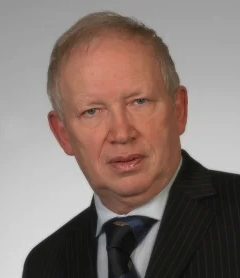 Jerzy Holowiecki合作论文数Department of Bone Marrow Transplantation and Oncohematology, Cancer Center and Institute of Oncology69Monika Dzierżak-Mietła合作论文数Klinika Transplantacji Szpiku i Onkohematologii, Narodowy Instytut Onkologii im. Marii Skłodowskiej-Curie63Jerzy Wojnar合作论文数60Malgorzata Krawczyk-Kulis合作论文数51Koclęga Anna合作论文数48Patrycja Zielinska合作论文数39I Wylezol合作论文数33S. Giebel合作论文数33Malgorzata Kopera合作论文数32
 Mizia Sylwia合作论文数Lower Silesian Center for Cellular Transplantation with National Bone Marrow Donor Registry30Wiesław Wiktor Jędrzejczak合作论文数Katedra i Klinika Hematologii, Onkologii i Chorób Wewnętrznych, Wydział Lekarski, Medical University of Warsaw29S. Kyrcz Krzemien合作论文数28Krzysztof Warzocha合作论文数25Sebastian Giebel合作论文数23Kazimierz Halaburda合作论文数23Tomasz Czerw合作论文数22Krzysztof Bialas合作论文数21Agnieszka Karolczyk合作论文数21Agnieszka Tomaszewska合作论文数21T. Kruzel合作论文数20Mieczysław Komarnicki合作论文数Poznan University of Medical Sciences20Grzegorz Helbig合作论文数19Barbara Nasilowska-Adamska合作论文数Institute of Hematology and Transfusion Medicine19
 Jacek Nowak合作论文数Department of Clinical Physiology, Karolinska University Hospital Huddinge19Goździk Jolanta合作论文数18Katarzyna Drabko合作论文数18Maria Bieniaszewska合作论文数18Andrzej Lange合作论文数17Anna Czyż合作论文数17
 Andrzej Hellmann合作论文数Department of Haematology and Transplantology, Medical University of Gdańsk16D. Kata合作论文数15
 Jerzy Kowalczyk合作论文数15Siekiera Urszula合作论文数15
 Dietrich W. Beelen合作论文数Clinic for Bone Marrow Transplants, Essen University Hospital;Oncohematology Unit, Essen University Hospital15
 Matthias Stelljes合作论文数Knochenmark-Transplantations-Zentrum, Universitätsklinikum Münster14M. Dzierzak Mietla合作论文数13K. Bialas合作论文数13Gronkowska Anna合作论文数13Peter Remenyi合作论文数Department of Computer Science, University of Agricultural Sciences13
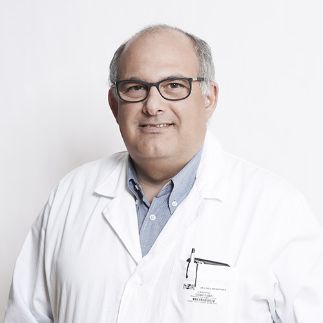 Ciceri Fabio合作论文数Universita Vita-Salute San Raffaele13Emilia Jaskula合作论文数13
 Lidia Gil合作论文数Poznań University of Medical Sciences13M Wojciechowska合作论文数12Mika-Witkowska Renata合作论文数12
 Małgorzata Sobczyk-Kruszelnicka合作论文数Maria Sklodowska-Curie National Research Institute of Oncology12K Jagoda合作论文数11G. Helbig合作论文数11
 Gerard Socie合作论文数AP-HP Hospital Saint Louis;University of Paris11




