Introduction Most solid organ transplants originate from donors meeting criteria for death by neurological criteria (DNC). Within the organ donor, physiological responses to brain death increase the risk of ischaemia reperfusion injury and delayed graft function. Donor preconditioning with calcineurin inhibition may reduce this risk.Methods and analysis We designed a multicentre placebo-controlled pilot randomised trial involving nine organ donation hospitals and all 28 transplant programmes in the Canadian provinces of Ontario and Québec. We planned to enrol 90 DNC donors and their approximately 324 organ recipients, totalling 414 participants. Donors receive an intravenous infusion of either tacrolimus 0.02 mg/kg over 4 hours prior to organ retrieval, or a matching placebo, while monitored in an intensive care unit for any haemodynamic changes during the infusion. Among all study organ recipients, we record measures of graft function for the first 7 days in hospital and we will record graft survival after 1 year. We examine the feasibility of this trial with respect to the proportion of all eligible donors enrolled and the proportion of all eligible transplant recipients consenting to receive a CINERGY organ transplant and to allow the use of their health data for study purposes. We will report these feasibility outcomes as proportions with 95% CIs. We also record any barriers encountered in the launch and in the implementation of this trial with detailed source documentation.Ethics and dissemination We will disseminate trial results through publications and presentations at participating sites and conferences. This study has been approved by Health Canada (HC6-24-c241083) and by the Research Ethics Boards of all participating sites and in Québec (MP-31-2020-3348) and Clinical Trials Ontario (Project #3309).Trial registration number NCT05148715.
Purpose: Highly sensitized patients (HSPs) with kidney failure have limited access to kidney transplantation and poorer post-transplant outcomes. Prioritizing HSPs in kidney allocation systems and expanding the pool of deceased donors available to them has helped to reduce their wait times for transplant and enhanced post-transplant outcomes. The Canadian HSP Program was established by Canadian Blood Services in collaboration with provincial organ donation and transplantation programs throughout the country to increase transplant opportunities for transplant candidates needing very specific matches from deceased kidney donors. Highly sensitized patients in the Canadian Program are defined by a calculated panel-reactive antibody (cPRA) ≥95%. In this report, we describe the evolution and trajectory of the Canadian HSP Program and evaluate the national impact on the first 1000 kidney transplant cases. Source of Information: To allocate deceased donor kidney organs nationally to HSPs and report on the Canadian HSP Program’s performance, Canadian Blood Services developed a national database registry known as the Canadian Transplant Registry (CTR) and an online reporting tool known as the Canadian HSP Program Data Dashboard. Methods: The CTR, which collects HSPs’ data for the purpose of matching potential donors to HSPs and as part of required national quality, safety, and efficiency performance measurements, was retrospectively reviewed. Due to the nature of using deidentified aggregate registry data, a patient consent form was not required. A Research Ethical Board (REB) application was also waived. Key Findings: In this article, we describe the historical development, initial deployment, and evolution of the Canadian HSP Program with a primary aim to increase the rate of deceased donor kidney transplantation. A secondary aim was to evaluate the national impact of the Canadian HSP Program on the first 1000 kidney transplant cases. Transplant candidates who have participated in the Canadian HSP Program and recipients who received transplants were predominantly females (average age 50 years, female 62%) with blood group O (47% of candidates, 42% of transplants). Seventy percent of all active transplant candidates enrolled in the HSP Program were in the hardest to match group (cPRA ≥99%), and only 22% of the transplant candidates with cPRA of 100% have received a transplant to date through the Program. The average times from first participation in the Canadian HSP Program to transplantation for cPRA ≥99% transplant recipients were significantly longer than for cPRA 95% to 98% recipients averaging 22 months versus 6 months, respectively. By the end of June 2024, the Canadian HSP Program had facilitated 1000 transplants, 613 of which were from interprovincial matches. The average (SD) cold ischemic time (CIT) was 14.5 (5.9) hours, with interprovincial transplants exhibiting significantly longer CITs compared with intraprovincial transplants, averaging an additional 4.7 hours. Limitations: Our study limitations include first that it is a retrospective registry data analysis with no available short- and long-term clinical outcomes data at this point (patient and graft survival). Second, given the nature of registry data, not all relevant data may have been captured and reporting may not be complete for all patients. Implications: Examination of CTR registry data showed the Canadian HSP Program had a meaningful impact in enabling 1000 HSPs to access transplantation opportunities that may otherwise be unavailable to them.
Background: Delayed graft function (DGF) is associated with an increased risk of graft loss. The use of cold hypothermic machine perfusion (HMP) has been shown to reduce the incidence of DGF in kidney transplant recipients (KTRs), especially when extended-criteria donors (ECDs) are used. HMP can also improve graft survival. However, there is a paucity of data on the determinants of HMP use in clinical practice. Objective: We aimed to determine the factors associated with the use of HMP in a cohort of donors and KTRs. Design: Multicenter retrospective cohort study. Setting: 5 transplant centers in Quebec. Patients: 159 neurologically deceased donors (NDD) and 281 KTR. Measurements: Use of HMP. Methods: We collected data on consecutive NDD admitted to a dedicated donor unit in a single university-affiliated center and their KTRs between June 2013 and December 2018 in 5 adult transplant centers across the province of Quebec, Canada. All organs were recovered in a single hospital center where a HMP device was available for every organ recovered and the decision to use HMP was left at the discretion of the procurement surgeon. Generalized estimating equations were used to predict the use of HMP. Results: The cohort included 159 NDDs and their 281 KTRs. Thirty-three percent of donors were ECDs, and 59% of KTRs received organs placed on HMP. The median cold ischemia time (CIT) was 12.5 (IQR 7.9-16.3) hours. In univariate analysis, none of the donors' characteristics were associated with the use of HMP. ECD represented 33% of KTR on HMP vs 35% of those not placed on HMP (P = .77). In univariate analysis, the use of HMP was associated with KTR race (non-Caucasian), longer CIT, use of basiliximab/alemtuzumab, year of transplant, and transplant center. The use of HMP varied largely across transplant centers, ranging from 15% to 82%. In multivariate analysis, use of HMP was associated with longer CIT (odds ratio [OR] 1.15, 95% confidence interval [CI] = 1.07-1.25), transplant center as well as transplantations performed after 2013. Limitations: One dedicated donor unit including NDD only, absence of specific data on surgeons' experience and personal or logistic reasons for using or not HMP. Conclusions: We found that use of HMP remains low and varies largely across transplant centers. The use of HMP was strongly associated with the transplant center where the surgeons practiced, suggesting that surgeon preference/training plays an important role in determining the use of HMP. Availability of HMP at the time of organ procurement might also be limited by logistic issues such as difficulty in returning the device. Further studies aimed at determining the reasons underlying the barriers precluding the use of HMP could help increasing its use and improve transplant outcomes.
Introduction: All potential kidney transplant recipients undergo rigorous evaluation to rule out or ensure appropriate treatment of conditions that may increase risk of post-transplant complications, but specific recommendations regarding workup and kidney transplant candidacy vary across published guidelines. We assessed current pre-transplant evaluation practices and eligibility criteria for adult kidney transplantation across Canada to elucidate differences in guideline interpretation and identify areas of most uncertainty. Methods: We compared published guidelines on kidney transplant workup and eligibility in order to create a focused digital survey that included both undisputed and controversial domains. The survey was divided into: referral process, history/physical exam, multidisciplinary assessments, laboratory/imaging, and contraindications. Given the many cancers and different staging for each, malignancy-related inquiries were simplified. The medical directors of all 18 Canadian adult kidney transplant programs were invited to complete the survey. We defined consensus and uncertainty, respectively, as >90% and <65% agreement between centers. Results: Survey completion rate was 78% (14/18). There was consensus on mandatory pre-transplant viral serology testing, tuberculosis screening, and dental evaluation, while cardiac evaluation protocols varied considerably. Of 28 questioned conditions, 6 were considered absolute contraindications by >90% of centers (active bacterial infection/malignancy, non-healing ulcer, COVID-19, severe lung/liver disease). Moderate uncertainty existed for: medication non-adherence (57%), symptomatic heart failure (50%), recent myocardial infarction (57%), and frailty (35%). Other parameters demonstrating wide variability included latent tuberculosis treatment protocols, and exclusion thresholds for parathyroid hormone, body mass index, left ventricular ejection fraction, and blood pressure. Centers used several guidelines to determine eligibility for patients with treated cancer. Conclusion: There is marked variability in evaluation requirements and eligibility criteria for kidney transplantation across Canada. National harmonization of evaluation processes and eligibility criteria may help to ensure more equitable and transparent access to kidney transplantation for Canadian patients with end-stage kidney disease.
Delayed graft function (DGF) is associated with an increased risk of graft loss. The use of cold hypothermic machine perfusion (HMP) has been shown to reduce the incidence of DGF in kidney transplant recipients (KTRs), especially when extended-criteria donors (ECDs) are used. In addition, HMP can improve graft survival in the first years after transplantation. However, there is a paucity of data on the determinants of HMP use in real-life setting.
Meeting donor management goals (DMGs) has been reported to decrease the incidence of delayed graft function (DGF) after kidney transplant, but whether this relationship is independent of cold machine perfusion is unclear. We aimed to determine whether meeting DMGs is associated with a reduced incidence of DGF, independent of the use of machine perfusion. We collected data on consecutive brain-dead donors and their KT recipients (KTRs) between June 2013 and December 2016 in 5 adult transplant centers. We evaluated whether DMGs were met at donor neurologic death (DND) and later time points. We defined a priori meeting optimal DMG as achieving ≥7 DMGs. Generalized estimating equations were used to predict DGF. Among 122 donors, 34% were extended-criteria donors (ECDs). The number of DMGs met increased over time (5.6 ± 1.4 at DND and 6.1 ± 1.3 at organ procurement [P < .001]). DGF occurred in 23% of 214 KTRs, and 55% received organs placed on machine perfusion. In multivariate analysis, ECD (odds ratio [OR] 2.24, 95% confidence interval [CI] 1.13-4.45), use of machine perfusion (OR 0.45, 95% CI 0.22-0.94), and optimal DMG at DND (OR 0.39, 95% CI 0.16-0.99) were associated with DGF. Early achievement of DMGs was associated with a reduced risk of the development of DGF, independent of the use of machine perfusion.
Journal of EndourologyVol. 26, No. 6 Letter to the EditorEx-Vivo Ureteroscopy at the Time of Live Donor Nephrectomy: A Word of CautionFrançois Mosimann, Mélanie Masse, and Mathieu BrunetFrançois MosimannSurgery Division, University of Sherbrook, Sherbrook, Québec, Canada.Search for more papers by this author, Mélanie MasseDepartment of Nephrology, University of Sherbrook, Sherbrook, Québec, Canada.Search for more papers by this author, and Mathieu BrunetSurgery Division, University of Sherbrook, Sherbrook, Québec, Canada.Search for more papers by this authorPublished Online:4 Jun 2012https://doi.org/10.1089/end.2011.0396AboutSectionsView articleView Full TextPDF/EPUB Permissions & CitationsPermissionsDownload CitationsTrack CitationsAdd to favorites Back To Publication ShareShare onFacebookTwitterLinked InRedditEmail View article"Ex-Vivo Ureteroscopy at the Time of Live Donor Nephrectomy: A Word of Caution." , 26(6), p. 754FiguresReferencesRelatedDetailsCited byEx Vivo Ureteroscopy of Living Donor Kidneys: A Single Center Experience25 March 2022 | Bakirkoy Tip Dergisi / Medical Journal of Bakirkoy, Vol. 18, No. 1Ex vivo stone surgery in donor kidneys at renal transplantation19 July 2018 | International Journal of Urology, Vol. 25, No. 10Novel Use of Ex Vivo Uretero-Pyeloscopy in Autotransplantation: A Systematic Review and Case Report Trevor Tnay, Sandra Elmer, Damien M. Bolton, and Nathan Lawrentschuk14 December 2015 | Journal of Endourology Case Reports, Vol. 1, No. 1Incidental renal stones in potential live kidney donors: prevalence, assessment and donation, including role of ex vivo ureteroscopy30 October 2012 | BJU International, Vol. 111, No. 5Management of stones in renal transplantCurrent Opinion in Urology, Vol. 23, No. 2 Volume 26Issue 6Jun 2012 InformationCopyright 2012, Mary Ann Liebert, Inc.To cite this article:François Mosimann, Mélanie Masse, and Mathieu Brunet.Ex-Vivo Ureteroscopy at the Time of Live Donor Nephrectomy: A Word of Caution.Journal of Endourology.Jun 2012.754-754.http://doi.org/10.1089/end.2011.0396Published in Volume: 26 Issue 6: June 4, 2012Online Ahead of Print:December 7, 2011Online Ahead of Editing: November 3, 2011PDF download
Hypercalcemia has been associated with most granulomatous diseases. Sometimes it is a common manifestation, as in sarcoidosis, tuberculosis, or lymphomas.1Shepard M.M. Smith J.W. Hypercalcemia.Am Med Sci. 2007; 334: 381-385Crossref PubMed Scopus (31) Google Scholar For several other granulomatous diseases, it is a rare occurrence. It was described in diseases like Wegener granulomatosis, Crohn disease, histiocytosis X, silicone-induced granulomatous diseases, and berylliosis.2Bosch X. Hypercalcemia due to endogenous overproduction of 1,25-dihydroxyvitamin D in Crohn's disease.Gastroenterology. 1998; 114: 1061-1065Abstract Full Text Full Text PDF PubMed Scopus (40) Google Scholar There are reports in infectious diseases: cryptococcosis, coccidioidomycosis, Mycobacterium leprae, and cat-scratch disease, to name a few3Ali M.Y. Gopal K.V. Llerena L.A. et al.Hypercalcemia associated with infection by Cryptococcus neoformans and Coccidioides immitis.Am J Med Sci. 1999; 318: 419-423Crossref PubMed Scopus (38) Google Scholar, 4Bosch X. Hypercalcemia due to endogenous overproduction of active vitamin D in identical twins with cat-scratch disease.JAMA. 1998; 279: 532-534Crossref PubMed Scopus (41) Google Scholar but not with scabies. A 40-year-old man presented in August 2003 with a calcium level of 4.04 mmol/L, and his serum creatinine level was 486 μmol/L. He was treated with intravenous fluids, furosemide, and pamidronate. His serum calcium and kidney function quickly recovered. The history did not reveal a possible rare cause like milk-alkali syndrome, vitamin D or A intoxication, lithium intake, or immobilization. 25-OH-D levels were normal. 1.25(OH)2 vitamin D assay is not available in our center. We immediately searched for the 2 most frequent etiologies, which are primary hyperparathyroidism and cancer. A low parathyroid hormone excluded the first one, so we focused our investigation on neoplastic diseases. Search for myeloma was negative. The thoracic and abdominal computed tomography scan revealed small axillary and inguinal lymph nodes. Positron emission tomography scan revealed mild uptake of axillary and inguinal lymph nodes (Figure). A right axillary lymph node biopsy showed nonspecific inflammation. Even though the lymph node sample did not reveal a classic granuloma, sarcoidosis and other granulomatous diseases now needed consideration. A self-remitting sarcoidosis is very unlikely, considering his normal chest radiograph, rapid spontaneous remission without corticosteroids, and low angiotensin-converting enzyme serum level. Skin examination revealed excoriated erythematous papules of the limbs, trunk, groins, and genitals. There were interdigital burrows on the hands. A diagnosis of scabies was made by identification of mites and eggs on skin scrapings. Treatment with permethrin was started. Granulomas have been described in association with scabies. They often arise weeks to months after the beginning of the infection.5Wilsmann-Theis D. Wenzel J. Gerdsen R. Uerlich M. Bieber T. Granuloma annulare induced by scabies.Acta Derm Venereol. 2003; 4: 318Crossref Scopus (5) Google Scholar There also are some reports of scabetic nodules with a histological resemblance to malignant lymphoma.6Desmons F. Bombart M. Desurmont B. Scabietic granuloma in infants and young children [French].Dermatologica. 1977; 155: 169-171PubMed Google Scholar The mechanism responsible for hypercalcemia in granulomatous diseases is increased conversion of calcitriol (1.25[OH]2D) from calcidiol. Activated macrophages have a higher activity of their 1-α-hydroxylase that transforms 25(OH)D into active Vitamin D. Exposure to ultraviolet rays is a known risk factor for hypercalcemia in granulomatous diseases.1Shepard M.M. Smith J.W. Hypercalcemia.Am Med Sci. 2007; 334: 381-385Crossref PubMed Scopus (31) Google Scholar Our patient's skin problem had begun 4 months prior. He had been diagnosed in another center with pytriasis rosea and recently was being treated with phototherapy. This ultraviolet source probably triggered the hypercalcemia and the ensuing acute renal failure. Over the years, 4 more positron emission tomography scans were done and became completely normal (Figure). His serum calcium levels have remained normal throughout the 6 years of follow-up. In conclusion, scabies should be added to the list of infectious diseases that can induce hypercalcemia. We would like to thank Dr. Bruno Maynard, dermatologist, Dr. Jean Verreault, Nuclear Medicine Specialist, and Dr. Khun Visith Keu, resident in Nuclear Medicine.
No AccessJournal of UrologyAdult urology1 Feb 2006Modifiable Factors Predicting Patient Survival in Elderly Kidney Transplant Recipients H. Cardinal, M.J. Hébert, E. Rahme, I. Houde, D. Baran, M. Masse, A. Boucher, J. Le Lorier, and Elderly Recipients Transplant Group H. CardinalH. Cardinal More articles by this author , M.J. HébertM.J. Hébert More articles by this author , E. RahmeE. Rahme More articles by this author , I. HoudeI. Houde More articles by this author , D. BaranD. Baran More articles by this author , M. MasseM. Masse More articles by this author , A. BoucherA. Boucher More articles by this author , J. Le LorierJ. Le Lorier More articles by this author , and Elderly Recipients Transplant Group More articles by this author View All Author Informationhttps://doi.org/10.1016/S0022-5347(05)00364-2AboutFull TextPDF ToolsAdd to favoritesDownload CitationsTrack CitationsPermissionsReprints ShareFacebookLinked InTwitterEmail "Modifiable Factors Predicting Patient Survival in Elderly Kidney Transplant Recipients." The Journal of Urology, 175(2), p. 649 Nephrology and Pharmacoepidemiology Departments, Centre Hospitalier de l’Université de Montréal, Université de Montréal, Division of Clinical Epidemiology, Nephrology Department, McGill University Health Center, McGill University and Nephrology Department, Hopital Maisonneuve-Rosemont, Montréal and Nephrology Departments, Centre Hospitalier de l’Université Sherbrooke, Université Sherbrooke, Sherbrooke and Centre Hospitalier de l’Université Laval, Université Laval, Quebec, Quebec, Canada© 2006 by American Urological AssociationFiguresReferencesRelatedDetails Volume 175Issue 2February 2006Page: 649 Advertisement Copyright & Permissions© 2006 by American Urological AssociationMetricsAuthor Information H. Cardinal More articles by this author M.J. Hébert More articles by this author E. Rahme More articles by this author I. Houde More articles by this author D. Baran More articles by this author M. Masse More articles by this author A. Boucher More articles by this author J. Le Lorier More articles by this author Elderly Recipients Transplant Group More articles by this author Expand All Advertisement PDF DownloadLoading ...
Background. Elderly transplant candidates represent an increasingly important group on the waiting list for kidney transplantation. Yet the factors that determine posttransplantation outcomes in this population remain poorly defined.Methods. We performed a population-based retrospective cohort study involving all patients aged 60 years or older who received a first cadaveric kidney transplantation between 1985 and 2000 in the province of Quebec. The main outcomes were patient survival, overall graft survival, and treatment failure (patient death or graft loss within the first posttransplant year). Survival analyses were performed using a Cox proportional hazard model. Logistic regression identified factors predicting treatment failure.Results. On multivariate analysis, the modifiable factors associated with patient survival were active smoking at transplantation [hazard ratio (HR) 2.09, 95% confidence interval (CI) 1.22-3.60)], body mass index (BMI) (HR 1.34 for a 5-point increase, 95% CI 1.05-1.67), and time on dialysis before transplantation (HR 1.10 for a 1-year increase, 95% CI 1.02-1.18). The only modifiable factor associated with graft survival was active smoking at transplantation (HR 2.04, 95% CI 1.24-3.30). Treatment failure was associated with time on dialysis before transplantation (odds ratio for dialysis >= 2 years 3.28, 95% CI 1.34-7.9).Conclusion. Our results show that active smoking, obesity, and time on dialysis before transplantation are modifiable risk factors associated with an increased risk of mortality after transplantation in elderly recipients. They represent potential targets for interventions aimed at improving patient and graft survival in elderly patients.
Background: Cardiovascular disease (CVD) is the leading cause of death in patients with end-stage renal disease (ESRD). Disregulation of apoptosis within the vessel wall and upregulation of the Fas/Fas-ligand (Fas-L) system contribute to the development of atherosclerosis. Cross-sectional studies have suggested that elevated plasma levels of the soluble form of Fas (sFas) are associated with CVD. However, the role of sFas and sFas-L in predicting future cardiovascular events has yet to be defined. Methods: We evaluated the role of plasma sFas and sFas-L levels as predictors of CVD in a prospective cohort of 107 chronic hemodialysis patients. Results: During the study period (27 months), 53 patients (49.5%) presented with at least one cardiovascular end point. On univariate analysis, baseline sFas levels were significantly associated with the occurrence of cardiovascular end points, whereas sFas-L levels were not. Using Cox proportional hazards, increased sFas levels were associated with a significantly greater risk for cardiovascular end points (P = 0.03). This effect was independent of baseline CVD history, classic risk factors for atherosclerosis (diabetes, hypercholesterolemia, hypertension, and smoking), and markers of inflammation (C-reactive protein [CRP], soluble intercellular adhesion molecule-1). Increased CRP levels also were associated with cardiovascular end points (P = 0.04). In addition, increased cardiovascular mortality was found in patients in the highest sFas tertile compared with those in the lowest tertile (27.8% versus 8.6%; P = 0.04). Conclusion: Increased plasma sFas levels are predictive of future CVD. These results suggest that sFas is a novel and independent predictor of active atherosclerotic disease in patients with ESRD.
BACKGROUND:Peripheral arterial occlusive disease (PAOD) including lower-extremity and cerebrovascular atherosclerosis is a leading cause of morbidity in haemodialysis patients. Recent evidence suggests that the expression of Fas, a molecule implicated in the initiation of apoptosis in various cell types, is increased at sites of atherosclerotic plaques. However, the significance of plasma levels of the soluble form of Fas (sFas) as a marker of peripheral arterial disease has yet to be defined.METHODS:The present report is based on a cross-sectional analysis of baseline data from an ongoing prospective study designed to evaluate the role of sFas as marker of PAOD in end-stage renal disease (ESRD). We evaluated the association between sFas levels and evidence of PAOD in a cohort of 107 chronic haemodialysis patients.RESULTS:Compared with subjects without evidence of disease (n=56), subjects with PAOD (n=51) had significantly higher plasma levels of sFas (30.0+/-8.9 vs 26.4+/-9.5 ng/ml; P=0.04). Using multiple regression, sFas was found to be associated with PAOD independently of classical risk factors for atherosclerosis (hypercholesterolaemia, diabetes, hypertension, and smoking), markers of inflammation (e.g. C-reactive protein, intercellular cell adhesion molecule type 1), and other risk factors (e.g. age, gender). An increase of one quintile in the plasma concentration of sFas was associated with an odds ratio of PAOD of 1.69 (95% CI: 1.09--2.63, P=0.01). In addition, models that incorporated sFas were significantly better at predicting PAOD than models limited to classical risk factors for atherosclerosis, alone or in combination with CRP levels (P=0.01).CONCLUSIONS:Increased plasma levels of sFas are associated with established PAOD. These results suggest that sFas may represent a novel and independent marker of atherosclerosis.
Kidney transplantation, of all the treatment modalities for end-stage renal disease, affords the greatest potential for prolonged survival and improved quality of life. Great strides in immunosuppressant therapy have improved graft survival and forced clinicians to consider other health-care needs of kidney transplant recipients. Chief among these needs is the prevention and treatment of cardiovascular disease. Cardiovascular disease is the most common cause of death among patients with a working renal allograft. Because therapies for primary and secondary prevention are successful in the general population, transplant clinicians are increasingly focused on preventing or limiting the progression of cardiovascular disease. Initiation of aggressive management of conventional atherosclerotic risk factors and uremia-related risk factors, ideally during the early stages of chronic kidney disease (CKD) or after kidney transplantation, and efforts to delay the progression of kidney disease will hopefully reduce the cardiovascular burden in transplant recipients.
Coronary artery disease (CAD) is the leading cause of death in patients with end-stage renal disease (ESRD). Recent evidence suggests that the expression of Fas, a molecule implicated in the initiation of apoptosis in various cell types, is increased at sites of atherosclerotic plaques. However, the significance of plasma levels of the soluble form of Fas (sFas) and its ligand (sFas-L) as markers of atherosclerosis has yet to be defined. The present report is a cross-sectional analysis of baseline data from an ongoing prospective study designed to evaluate the role of sFas and sFas-L as markers of CAD in ESRD. We evaluated the association between plasma levels of sFas and sFas-L and evidence of CAD in a cohort of 107 chronic hemodialysis patients. Plasma levels of sFas were significantly greater (P = 0.04) among subjects with (n = 64) than without evidence of CAD (n = 43). Plasma levels of sFas-L were similar in both groups. Using multivariate analysis, sFas level was found to be independently associated with CAD (P = 0.01) after adjustment for classic risk factors for CAD (hyperlipidemia, diabetes, hypertension, and smoking), markers of inflammation (C-reactive protein [CRP], intercellular adhesion molecule 1), and other confounders. An increase of one quintile in plasma concentration of sFas was associated with an odds ratio for CAD of 1.64 (95% confidence interval, 1.11 to 2.41). Models that incorporated sFas were significantly better at identifying patients with CAD than models limited to classic risk factors for atherosclerosis, alone (P = 0.008) or in combination with CRP levels (P = 0.006). In summary, increased plasma levels of sFas are associated with CAD in stable patients with ESRD. These results suggest that sFas may represent a novel and independent marker of CAD.
 Heloise Cardinal合作论文数Département de médecine, Faculté de médecine, Université de Montréal;Centre de recherche du Centre hospitalier de l’Université de Montréal7
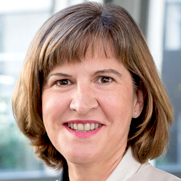 Marie-Josée Hébert合作论文数Département de Médecine, Faculté de Médecine, Universite de Montreal5
 A Boucher合作论文数4Isabelle Houde合作论文数4M Khaled Shamseddin合作论文数3Isabelle Sirois合作论文数3F. Madore合作论文数3
 Josee Bouchard合作论文数Hôpital Maisonneuve-Rosemont, Université de Montréal3Normand Vigneault合作论文数3
 Martin Albert合作论文数Hôpital du Sacré-Coeur de Montréal3Stéphan Troyanov合作论文数3I. Houde合作论文数2
 Pierre Marsolais合作论文数2Olwyn Johnston合作论文数2S. Hoar合作论文数2Dana Baran合作论文数2
 Elham Rahme合作论文数Division of Epidemiology, Biostatistics and Occupational Health, School of Population and Global Health, Faculty of Medicine and Health Sciences, McGill University2
 Anne Boucher合作论文数2
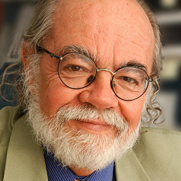 JACQUES LE LORIER合作论文数Département de Pharmacologie et Physiologie, Faculté de Médecine, Université de Montréal2
 Caroline Lamarche合作论文数Centre de recherche Fernand-Seguin, Université de Montréal2Martin Karpinski合作论文数2Rahul Mainra合作论文数Division of Nephrology, St. Paul's Hospital2Lakshman Gunaratnam合作论文数2
 Matthew J Weiss合作论文数1Michel Pâquet合作论文数1P Marsolais合作论文数1Brigitte Bolduc合作论文数1Myriam Khalili合作论文数1
 Anne-Marie Lagace合作论文数1Khaled Lotfy合作论文数1Florence Lamarche合作论文数1Nessa Gogan合作论文数1Lawrence Slapcoff合作论文数1Faissal Tallaa合作论文数1Anatolie Duca合作论文数1Andrew Healey合作论文数1Kyle Maru合作论文数1Ruth Breau合作论文数1
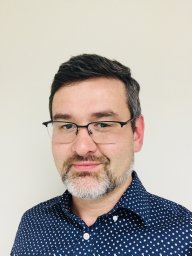 Marat Slessarev合作论文数Western Institute for Neuroscience, Western University1Marie-Hélène Masse合作论文数Faculty of Medicine and Health Sciences, Université de Sherbrooke1
 Francois Martin Carrier合作论文数Dept Anesthesiol, Ctr Hosp Univ Montreal1Rita S Suri合作论文数1
 James Hsueh-Yi Lan合作论文数Department of Pathology and Laboratory Medicine, Faculty of Medicine, The University of British Columbia1
 S. Joseph Kim合作论文数Division of Nephrology and the Kidney Transplant Program, Toronto General Hospital, University Health Network;Department of Medicine, University of Toronto;Health Canada;Institute for Clinical Evaluative Sciences1
 Karen Burns合作论文数Interdepartmental Division of Critical Care Medicine, Department of Medicine, Temerty Faculty of Medicine, University of Toronto;St. Michael’s Hospital;Canadian Frailty Network1
 Sunita Singh合作论文数Institute of Medical Science, Temerty Faculty of Medicine, University of Toronto;Banting & Best Diabetes Centre, University of Toronto;Division of Nephrology, Toronto General Hospital1
 Jeffrey Zaltzman合作论文数University of Toronto;Division of Nephrology, St.Michael’s Hospital1
 Markus Selzner合作论文数Division of General Surgery, Department of Surgery, Temerty Faculty of Medicine, University of Toronto;Toronto General Hospital Research Institute, University Health Network1




