SnTe octahedral microcrystals have been investigated for electrocatalytic oxygen evolution (OER) and reduction (ORR) reactions. SnTe exhibits remarkable activity for the OER with overpotentials of 340 mV (alkaline) and 365 mV (neutral). It also shows an excellent ORR onset potential of 0.83 V in alkaline pH, with high current density and long-term stability.
Recently, MXene-conducting polymer hybrids have emerged as promising electrode materials for sustainable energy storage applications, owing to their impressive electrochemical properties. Herein, we report the synthesis of vanadium carbide MXene nanoparticles (V2CTx-MXene) using innovative Spark Plasma Sintering (SPS) technology followed by exfoliation steps. The V2CTx nanoparticles were incorporated with PANI (MXene-PANI) by electrochemical polymerization of aniline monomers in the presence of V2CTx nanolayers, to be used as a highly efficient material for charge storage application. PANI nanofibers form a conductive and porous architecture, which intercalates the V2CTx nanoflakes. The resulting structure increases the interlayer spacing of V2CTx sheets, which provides a larger accessible surface area, facilitates ion transport capability, and enhances the diffusion coefficient within the composite electrode. Benefiting from the strong interaction between V2CTx and PANI, high electrical conductivity, and improved surface hydrophilicity, the MXene-PANI nanocomposite presented an excellent specific capacitance of 677.21 F/g, surpassing pristine PANI with 397.71 F/g. Furthermore, the MXene-PANI exhibited remarkable capacitance retention of 91.4 % after 10,000 GCD cycles. The impressive electrochemical performance of the composite electrode can also be attributed to the pseudocapacitive performance (redox behavior) of V2CTx nanoparticles. The resulting synergy in the V2CTₓ MXene-PANI heterojunction significantly enhances the physicochemical properties of the hybrid, which, combined with its outstanding electrochemical performance, makes it a promising material for charge storage in supercapacitors and beyond.
Advancing sodium-ion battery (SIB) technology requires novel approaches to optimize cathode materials for improved electrochemical performance. In this study, we employ atomic layer deposition (ALD) to precisely modify the surface of P2-type Na0.7MnO2 cathodes with different coating materials including ZnO, NiO, and Al2O3, followed by post-annealing at 750 degrees C for 10 hours. The strategic combination of ALD and thermal treatment can achieve thin film coating on particle surface and promote element doping into the near-surface lattice, as confirmed by electron energy loss spectroscopy (EELS) analysis. The incorporation of Zn, Al, and Ni results in localized Mn-O-M (M = Zn, Al, Ni) bonding environments, which enhance structural stability and interfacial integrity. ZnO-coated cathodes exhibited exceptional cycling stability, Al2O3 coatings offered excellent rate performance, and NiO coatings provided a balanced improvement in stability and capacity retention. These findings show that the functional enhancement of Na0.7MnO2 is highly reliant on the coating material selection, enabling tailored performance enhancements for specific application requirements. This study emphasizes ALD as a powerful tool for realizing the full potential of SIB cathodes, paving the way for more efficient, long-lasting, and scalable energy storage systems.
The development of nonenzymatic electrochemical biosensors has been fueled by the increasing need for real-time, noninvasive bioanalyte monitoring, especially for use in neurological health. The neurochemicals, dopamine and norepinephrine, have long been proposed as biomarkers for several neurodegenerative disorders including Parkinson’s disease, schizophrenia, and PTSD. These neurochemicals can be generically referred to as catecholamines and can be oxidized to their ketone forms. Hence, electrochemical detection of these neurochemicals becomes of immense interest since it provides a method to sense these biomarkers in real time. In this presentation, we will discuss highly efficient electrocatalysts for the detection of norepinephrine (NE), dopamine (DA) and mixture of both (bifunctional electrocatalyst). Specifically, we will present the synthesis and multifunctional sensing capabilities of hydrothermally produced copper chalcogenide nanostructures. The copper chalcogenide nanostructures were synthesized via a one-pot hydrothermal method and thoroughly characterized by X-ray diffraction (XRD), X-ray photoelectron spectroscopy (XPS), and scanning electron microscopy (SEM), confirming their crystalline phase, compositional purity, and well-defined morphology. The electrochemical sensing efficiency was investigated through detailed electrochemical measurements including cyclic voltammetry (CV), differential pulse voltammetry (DPV), and square wave voltammetry (SWV). These nanostructures exhibited excellent electrocatalytic performance across multiple biomolecule targets, demonstrating their versatility as a multianalyte sensing material. The CuSe-modified electrode showed outstanding activity toward the nonenzymatic detection of norepinephrine (NE)revealing a high sensitivity of 145 μA cm⁻² μM⁻¹, an extended linear detection range of 20–2000 nM, and a low detection limit of 36 nM at an applied potential of +0.23 V vs. Ag|AgCl. The low detection limit for norepinephrine enables the possible detection of these biomolecules in peripheral physiological fluids such as tear and sweat. Simultaneously, the copper chalcogenide nanostructures also demonstrated robust capability for nonenzymatic detection of dopamine. The fabricated electrode achieved a remarkable sensitivity of 8.80 μA cm⁻² μM⁻¹, with a wide linear response range from 50 nM to 640 μM and a low detection limit of 68 nM at a significantly reduced working potential of +0.18 V vs. Ag|AgCl. These sensors showed excellent selectivity against common interfering species detecting only dopamine or norepinephrine at the respective potentials mentioned above. The multi-analyte sensing of copper chalcogenide demonstrates their exceptional electrocatalytic efficiency and versatility in a variety of sensing contexts. The low working potentials needed for both dopamine and norepinephrine detection are noteworthy because they improve signal selectivity and reduce background noise, two important factors for wearable and point-of-care diagnostic systems. These results illustrate the development of non-enzymatic biosensors for detection of neurochemicals that can be transformative for the creation of next-generation biosensors that can monitor neurochemical in real time. The results open new avenues for creating advanced electrochemical biosensors designed for real-time health monitoring and early disease diagnosis.
Accelerated global economic growth and the accompanying rise in living standards increasingly rely on exploiting fossil fuels. However, the growing consumption of limited fossil energy sources and other petrochemicals has significantly intensified the deterioration of the environmental conditions. The CO 2 gas released from burning hydrocarbon fuels may disrupt its balance in the environment, leading to widespread greenhouse effects like extreme weather conditions, global warming, rising sea levels, etc. The state-of-art electrochemical processes like electrochemical CO 2 reduction reaction (CO2RR), have attracted growing attention, recently, to decrease the level of CO 2 gas in the atmosphere by converting the CO 2 to value-added hydrocarbons and thereby closing the carbon cycle. Despite its potential, CO₂ reduction reaction (CO₂RR) faces several challenges, including poor selectivity, low energy efficiency, and insufficient catalyst stability, which hinder its industrial scalability. To overcome these issues, recent studies have emphasized the development of advanced electrocatalysts to enhance both the efficiency and selectivity of CO₂ conversion. Recently, there have been significant efforts to find highly active and selective electrode materials to improve their overall performance in CO 2 -reduction reaction. In the current study, transition metal chalcogenides have been employed as promising electrocatalysts for CO 2 reduction reaction. In this context, tin telluride (SnTe) nanoparticles were synthesized through a hydrothermal process, and their physicochemical properties were investigated by a variety of characterization techniques, including as X-ray diffraction (XRD), scanning electron microscopy (SEM), X-ray photoelectron spectroscopy (XPS), and Raman spectroscopy. The electrocatalytic performance of SnTe nanoparticles for CO₂ reduction reaction (CO₂RR) was examined by different electrochemical experiments including cyclic voltammetry (CV), Linear sweep voltammetry (LSV), Tafel plots, and Chronoamerometry techniques. The electrochemical tests were performed in a conventional H-cell at ambient temperature, in which Nafion-117 proton exchange membrane was used to separate the anolyte solution (1M KOH) and CO 2 saturated catholyte solution (0.3M NaHCO 3 ). Gaseous products were analyzed using a gas chromatography apparatus equipped with a thermal conductivity detector (GC-TCD), and nuclear magnetic resonance (H-NMR) spectroscopy was employed to assess liquid products. The successful synthesis of SnTe nanoparticles was confirmed by XRD data, as reported in Figure 1a. The NMR spectra of the catholyte solution after a 2h chronoamperometry experiment at different applied potentials have been illustrated in Figure 1b. In NMR spectra, the peak presented at 8.36 ppm is attributed to formic acid. From the NMR spectra given in Figure 1b, the concentration of formic acid produced after 2 hours rises steadily at increasing applied potentials, showing a strong potential-dependent increase in the catalytic activity towards the production of formic acid. Notably, the NMR spectra reveal that formic acid is the only liquid product on SnTe nanoparticles at all applied potentials. Such a high product purity is crucial for the commercialization of electrocatalytic CO 2 RR as a promising technology. To investigate the durability of SnTe electrocatalysts, the catalytic performance of the synthesized nanoparticles in electrochemical CO 2 reduction reaction (CO2RR) was evaluated through a long-term chronoamperometry experiment at -1.2V vs. RHE. Notably, a consistently stable current was observed throughout the stability test. In addition, the NMR data showed formic acid yield as the sole liquid product after continuous operation for several hours, indicating the excellent maintenance of electrocatalytic activity by the SnTe electrocatalysts. This observation was also confirmed by XPS and XRD data, where there was almost no change in the surface composition of SnTe nanoparticles after long-term operations. The results reported in the current research highlight the great potential of transition metal chalcogenides, namely tin telluride (SnTe), as highly selective electrocatalysts for converting CO 2 into value-added hydrocarbons. Figure 1
In this study, Ni3Te2 nanoparticles were synthesized via electrodeposition onto a gold-coated glass substrate to be employed as the electrocatalyst for seawater splitting. The as-deposited Ni3Te2 achieved a current density of 20 mA/cm2 for oxygen evolution reaction (OER) at an overpotential of 283 mV in alkaline electrolyte containing Na+, Cl-, K+, Mg2+, and SO42- ions, which effectively imitates unfiltered seawater. This catalyst also demonstrated exceptional stability as exhibited by long-term operation which showed no degradation in composition or catalytic activity. Density Functional Theory (DFT) calculations revealed that the hydroxyl adsorption energy on Ni atoms at the surface of Ni3Te2 was more favorable than chloride adsorption, explaining the enhanced catalytic performance of this catalyst towards OER even in presence of high Cl- concentration. The gas chromatograph results also confirmed that no Cl2 gas was evolved through chlorine evolution reaction (CER) on Ni3Te2 in artificial seawater, and only produced oxygen. Ni3Te2 also showed efficient catalytic activity for hydrogen evolution reaction (HER) exhibiting a small overpotential of 351 mV at 20 mA cm-2, and superior catalyst durability for a 24-hour period of continuous operation. Hence, Ni3Te2 exhibits remarkable performance as a bifunctional catalyst for full seawater splitting. The long-term OER and HER stability of Ni3Te2 in seawater, confirmed by chronoamperometry results, was further validated by XPS, XRD and SEM experiments, confirming that the electrocatalyst surface did not undergo significant deterioration, or compositional change. Nickel telluride was hence identified as an ideal electrocatalyst to promote OER, HER through seawater electrolysis with low overpotential and high stability while suppressing generation of toxic chlorine gas.
The advancement of affordable, high-efficiency electrocatalysts for the oxygen evolution reaction (OER) is essential for addressing kinetic limitations in electrochemical water-splitting technologies. Transition metal chalcogenides have surfaced as compelling options owing to their favorable electrochemical tunability, enhanced lattice conductivity, abundance in nature, and economic viability. Manganese-based selenides stand out because of the inherent multivalent redox transitions of Mn (Mn²⁺/Mn³⁺/Mn⁴⁺), which enable intricate multi-electron transfer processes crucial for OER. The addition of selenium enhances lattice covalency which in turn improves intrinsic electrical conductivity and modifies the local electronic environment, leading to enhanced charge transfer kinetics and better intermediate adsorption. Mn selenides experience surface reconstruction during OER conditions, resulting in the formation of catalytically active mixed anionic oxyselenide phases which further enhances catalyst activation through anchoring hydroxyl group on the catalytically transition metal site. Additionally, Jahn–Teller distortions linked to Mn³⁺ can also influence the electrochemical water oxidation by enhancing intermediate adsorption through alterations in the local coordination geometry. In addition to the inherent electronic and redox characteristics, external factors like morphology also play a crucial role in influencing catalytic performance. In this presentation, we will discuss the investigation of manganese selenide (MnSe₂) nanostructures as electrocatalysts for water oxidation and highlight the influence of morphology on the electrocatalytic activity. The MnSe 2 nanostructures with precise morphologies such as spheres and cubes were synthesized by hydrothermal methods where subtle variation in the reaction conditions led to different morphologies. These different morphologies demonstrate unique surface areas, active site exposure, and mass transport properties. Spherical morphologies offer elevated surface-to-volume ratios and isotropic facet exposure, which improves the electrolyte accessibility and fosters consistent catalytic activity. Cubic morphologies, on the other hand, tend to reveal crystallographic planes that can significantly boost the adsorption and transformation of OER intermediates, thereby enhancing catalytic turnover efficiency. MnSe₂ structures exhibiting a variety of morphologies, spherical and cubic, were synthesized using a straightforward one-step hydrothermal method. The compositional and phase purity of the as-prepared sample was validated through structural and surface analyses such as powder X-ray diffraction (PXRD), Raman spectroscopy, and X-ray photoelectron spectroscopy (XPS).Scanning electron microscopy (SEM) highlighted the various morphologies of MnSe₂ obtained under different reaction conditions. While bulk MnSe 2 showed superior OER activity exhibiting a low overpotential of 200 mV at10 mA/cm 2 , nanostructuring the catalyst improved the electrocatalytic performance. Spherical MnSe₂ demonstrated exceptional OER activity, reaching a low overpotential of 190 mV at a current density of 10 mA cm⁻² and a Tafel slope of 98 mV dec⁻¹ in 1.0 M KOH. The MnSe 2 electrocatalyst also exhibited remarkable electrochemical stability, sustaining steady activity for 24 hours of uninterrupted operation at 1.45 V vs. RHE This study highlights the not-so-explored power of Mn as the catalytic center for electrochemical water oxidation. It also underscores the essential influence of morphological control on charge transport, surface reactivity, and catalytic efficiency in manganese-based selenides. The results demonstrate that MnSe₂ serves as a highly efficient, readily available electrocatalyst for the oxygen evolution reaction, highlighting the significance of morphology-focused design approaches in the progression of water-splitting technologies and renewable energy solutions. Figure 1
The electrochemical reduction of CO 2 (CO 2 RR) represents a promising strategy for carbon utilization, providing a direct route for reducing CO 2 into valuable fuel feedstocks. Nonetheless, CO 2 RR has several limitations, such as low selectivity, high energy consumption, and limited catalyst lifetime, leading to challenges in industrial scaling up. In order to address these challenges, recent research has focused on novel catalyst design, particularly with transition metal chalcogenides, bimetallic systems, and nanostructured morphologies, to simultaneously improve the performance and selectivity of CO 2 conversion. Although significant advances have been made, attaining high product selectivity continues to be a critical barrier. One major problem is the compromise on selectivity, considering the potential for side reactions, especially for hydrogen evolution reaction (HER) under the same reaction condition. The performance of a catalyst is commonly described by its overpotential, current density, product selectivity, and long-term stability. Such parameters not only influence the reaction efficiency but also affect the type of products generated - ranging from carbon monoxide to more complex multi-carbon compounds. Understanding how reaction parameters affect product distribution and their respective yield is the key to designing next-generation electrocatalysts with improved performance. In this work, we have studied a series of nickel chalcogenide materials with varying compositions. The Ni-chalcogenides were synthesized through hydrothermal methods and extensively characterized with various surface and analytical techniques. In order to determine the structural, morphological, and surface chemical properties of the synthesized materials, several techniques, including X-ray diffraction (XRD), scanning electron microscopy (SEM), transmission electron microscopy (TEM), X-ray photoelectron spectroscopy (XPS), and Raman spectroscopy have been used. The catalysts were tested in a standard H-type cell with a CO 2 -saturated electrolyte. Gas chromatography was applied to assess gaseous products, and nuclear magnetic resonance (NMR) spectroscopy was performed on the liquid products to perform a detailed product analysis. It was observed that selected Ni-based chalcogenide catalysts facilitate the generation of formic acid, methanol, ethanol, and acetic acid under distinct applied potentials. Through systematic profiling of various nickel chalcogenides, distinct trends in activity and selectivity were identified and linked to the chalcogen element and corresponding lattice structure. Nickel telluride-based catalysts exhibited the most favorable performance in terms of both current density and liquid product selectivity compared to their selenide counterparts. The improved activity was associated with the optimized adsorption energy of the reaction intermediates and the distinctive electronic structure and surface states of the selected NiTe x . The subsequent electrochemical characterization in terms of the reaction kinetics and charge transfer properties was performed through Tafel slope measurements and electrochemical impedance spectroscopy (EIS), which provided insight into the reaction kinetics and charge transfer characteristics of the catalysts. To understand the origin of high catalytic performance in the selected electrocatalysts, density functional theory (DFT) was used in order to investigate the structural, electronic and magnetic properties with and without CO 2 adsorption. This work demonstrates the promising potential of nickel chalcogenides as highly efficient electrocatalysts for CO 2 RR and provides useful guidelines for future catalyst design while establishing the correlations between crystal structure, surface chemistry, and CO 2 RR performance, at the same time providing a comprehensive framework that sets the stage for rational catalyst engineering to facilitate better product composition and catalytic efficiency. It correlates the CO 2 RR activity with lattice structure and other intermediate adsorption kinetics on the catalyst surface and delivers a detailed understanding of the respective variations of such properties across the family of compounds.
Developing highly active and stable electrocatalysts for the oxygen evolution reaction (OER) is key to improving the efficiency and practical application of various sustainable energy technologies including water electrolysis, CO2 reduction, and metal air batteries. Here, we use evaporation-induced self-assembly (EISA) to synthesize highly porous fluorite nanocatalysts with a high surface area. In this study, we demonstrate that a 50% rare-earth cation substitution for Ce in the CeO2 fluorite lattice improves the OER activity and stability by introducing oxygen vacancies into the host lattice, which results in a decrease in the adsorption energy of the OH* intermediate in the OER. Among the binary fluorite compositions investigated, Nd2Ce2O7 is shown to display the lowest OER overpotential of 243 mV, achieved at a current density of 10 mA cm-2, and excellent cycling stability in an alkaline medium. Importantly, we demonstrate that rare-earth oxide OER electrocatalysts with high activity and stability can be achieved using the EISA synthesis route without the incorporation of transition and noble metals.
The photo-enhanced electrocatalytic method of oxygen evolution reaction (OER) shows promise for enhancing the effectiveness of clear energy generation through water splitting by using renewable and sustainable source of energy. However, despite benefits of photoelectrocatalytic (PEC) water splitting, its uses are constrained by its low efficiency as a result of charge carrier recombination, a large overpotential, and sluggish reaction kinetics. Here, we illustrate that Nickel telluride (NiTe) synthesized by hydrothermal methods can function as an extremely effective photo-coupled electrochemical oxygen evolution reaction (POER) catalyst. In this study, NiTe was synthesized by hydrothermal method at 145°C within just an hour of reaction time. In dark conditions, the NiTe deposited on carbon cloth substrate shows a small oxygen evolution reaction overpotential (261 mV) at a current density of 10 mA cm–2, a reduced Tafel slope (65.4 mV dec−1), and negligible activity decay after 12 h of chronoamperometry. By virtue of its enhanced photo response, excellent light harvesting ability, and increased interfacial kinetics of charge separation, the NiTe electrode under simulated solar illumination displays exceptional photoelectrochemical performance exhibiting overpotential of 165 mV at current density of 10 mA cm-2, which is about 96 mV less than on dark conditions. In addition, Density Functional Theory investigations have been carried out on the NiTe surface, the results of which demonstrated a greater adsorption energy for intermediate -OH on the catalyst site. Since the -OH adsorption on the catalyst site correlates to catalyst activation, it indicates the facile electrocatalytic activity of NiTe owing to favorable catalyst activation. DFT calculations also revealed the facile charge density redistribution following intermediate -OH adsorption on the NiTe surface. This work demonstrates that arrays of NiTe elongated nanostructure are a promising option for both electrochemical and photoelectrocatalytic water oxidation and offers broad suggestions for developing effective PEC devices.
Hastening the progress of rechargeable metal-air batteries and hydrogen fuel cells necessitates the advancement of economically feasible, earth-abundant, inexpensive, and efficient electrocatalysts facilitating both the oxygen evolution reaction (OER) and oxygen reduction reaction (ORR). Herein, a recently reported family of nano (5A(1/5))Co2O4 (A = combinations of transition metals, Mg, Mn, Fe, Ni, Cu, and Zn) compositionally complex oxides (CCOs) [Wang et al., Chemistry of Materials, 2023, 35 (17), 7283-7291.] are studied as bifunctional OER and ORR electrocatalysts. Among the different low-temperature soft-templating samples, those subjected to 600 degrees C postannealing heat treatment exhibit superior performance in alkaline media. One specific composition (Mn0.2Fe0.2Ni0.2Cu0.2Zn0.2)Co2O4 exhibited an exceptional overpotential (260 mV at 10 mA cm(-2)) for the OER, a favorable Tafel slope of 68 mV dec(-1), excellent onset potential (0.9 V) for the ORR, and lower than 6% H2O2 yields over a potential range of 0.2 to 0.8 V vs the reversible hydrogen electrode. Furthermore, this catalyst displayed stability over a 22 h chronoamperometry measurement, as confirmed by X-ray photoelectron spectroscopy analysis. Considering the outstanding performance, the low cost and scalability of the synthesis method, and the demonstrated tunability through chemical substitutions and processing variables, CCO ACo(2)O(4) spinel oxides are highly promising candidates for future sustainable electrocatalytic applications.
Phase-pure samples and single crystals of the rare-earth oxyselenides RE4Ga2Se7O2 (RE = Pr, Nd) were prepared by reactions at 950 degrees C. They adopt a new structure type (orthorhombic, space group Pnma, a = 11.721(2)-11.683(2) & Aring;, b = 3.9882(7)-3.9667(7) & Aring;, c = 29.644(5)-29.581(5) & Aring;, Z = 4) consisting of RESe6 trigonal prisms, GaSe4 tetrahedra, and GaSe5 trigonal bipyramids linked to form corrugated layers between which strips of edge-sharing RE4O tetrahedra are inserted. The bonding character is mostly ionic within RE-O and RE-Se blocks but mostly covalent with Ga-Se blocks, as supported by electronic structure calculations. Both compounds show a nearly direct optical band gap of 1.7 eV. Their Seebeck coefficients and electrical conductivities are predicted to be similar to other oxychalcogenides, with the thermoelectric power factors being improved by n-doping. They exhibit high electrocatalytic performance for the oxygen evolution reaction, with the Pr member demonstrating superior activity, as characterized by a low overpotential of 257 mV (at a current density of 10 mA cm(-2)), a high mass activity of 70.1 A g(-1), and a turnover frequency of 0.0234 s(-1) in 1 M KOH electrolyte.
Carbon nanotube encapsulated nickel selenide composite nanostructures were used as a non-enzymatic electrochemical sensor for dopamine detection. These composite nanostructures were synthesized through a simple, one-step, and environmentally friendly chemical vapor deposition method, wherein the CNTs were formed in situ from pyrolysis of carbon-rich metallo-organic precursor. The composition and morphology of these NiSe2 filled hybrid nanostructures were confirmed by powder X-ray diffraction, Raman, XPS, and HRTEM images. Electrochemical tests demonstrated that the as-synthesized nanostructures exhibited outstanding electrocatalytic performance toward dopamine oxidation, with a high sensitivity of 19.62 μA μM−1 cm−2, low detection limit, broad linear range of (5 nM – 640 μM), and high selectivity. The synergistic effects of enhanced electrochemical activity of nickel selenide along with enhanced conductivity of carbon nanotubes leads to the high efficiency for these nanostructured composites. The high sensitivity and selectivity of this nano-structured composite could be exploited to develop simple, selective, and sensitive electrochemical sensor to detect and quantify dopamine in human tear samples with high reliability. This nanotube encapsulated sensor hence paves the way for new discoveries in the development of novel dopamine sensors with low cost and high stability than can be used for non-invasive dopamine detection in peripheral fluids.
Transition metal chalcogenides have been found to be particularly effective in promoting electrochemical energy conversion due to their unique electronic structure that facilitates interfacial charge transfer through modulation of electron density around the catalytically active site. Transition metal chalcogenides are relatively inexpensive compared to precious metal based OER catalysts, which makes them attractive for large-scale applications. Moreover, metal chalcogenides exhibit excellent chemical stability, which is important for maintaining the activity of the electrode over time. This study delves into the impact of anion-tuning in metallic chalcogenides on their electrocatalytic efficacy for comprehensive water splitting. Specifically, copper-based chalcogenides (Cu 2 X, where X = O, S, Se, and Te) undergo systematic examination to investigate the influence of decreasing anion electronegativity and increasing covalency on electrocatalytic performance. Among the copper chalcogenides, Cu 2 Te has the highest oxygen evolution reaction (OER) activity and can sustain high current density of 10 and 50 mA cm −2 for 12 h. The difference in intrinsic catalytic activity of these chalcogenide surfaces have been also probed through density functional theory calculations, which was used to estimate energy of the catalyst activation step. It was observed that the hydroxyl adsorption on the surface catalytic site is critically important for the onset and progress of OER activity. Consequently, it was also noted that the –OH adsorption energy can be used as a simple but accurate descriptor to explain the catalytic efficiency through volcano-like correlation plot. Such observation will have a significant impact on developing design principle for optimal catalytic surface exhibiting high performance as well as prolonged stability. By understanding the impact of anion electronegativity on catalytic performance, we aim to unravel the underlying principles governing OER and contribute to the rational design of highly efficient catalyst surfaces.
Designing highly active and robust catalysts for the oxygen evolution reaction is key to improving the overall efficiency of the water splitting reaction. It has been previously demonstrated that evaporation induced self-assembly (EISA) can be used to synthesize highly porous and high surface area cerate-based fluorite nanocatalysts, and that substitution of Ce with 50% rare earth (RE) cations significantly improves electrocatalyst activity. Herein, the defect structure of the best performing nanocatalyst in the series are further explored, Nd2Ce2O7, with a combination of neutron diffraction and neutron pair distribution function analysis. It is found that Nd3 + cation substitution for Ce in the CeO2 fluorite lattice introduces higher levels of oxygen Frenkel defects and induces a partially reduced RE1.5Ce1.5O5 + x phase with oxygen vacancy ordering. Significantly, it is demonstrated that the concentration of oxygen Frenkel defects and improved electrocatalytic activity can be further enhanced by increasing the compositional complexity (number of RE cations involved) in the substitution. The resulting novel compositionally-complex fluorite- (La0.2Pr0.2Nd0.2Tb0.2Dy0.2)(2)Ce2O7 is shown to display a low OER overpotential of 210 mV at a current density of 10 mAcm(-2) in 1M KOH, and excellent cycling stability. It is suggested that increasing the compositional complexity of fluorite nanocatalysts expands the ability to tailor catalyst design. (TR Abstract Type: graphical; Abstract Language: en) A novel compositionally complex fluorite, (La0.2Pr0.2Nd0.2Tb0.2Dy0.2)(2)Ce2O7, is shown to be highly active and stable for the oxygen evolution reaction. Increasing the number of Rare Earth (RE) cations involved in the substitution of Ce is shown to improve electrocatalytic activity by increasing the concentration of oxygen Frenkel defects and inducing oxygen vacancy ordered defects.
A mixed-metal ternary chalcogenide, cobalt molybdenum telluride (CMT), has been identified as an efficient tri-functional electrocatalyst for seawater splitting, leading to enhanced oxygen evolution reaction (OER), hydrogen evolution reaction (HER), and oxygen reduction reaction (ORR). The CMT was synthesized by a single step hydrothermal technique. Detailed electrochemical studies of the CMT-modified electrodes showed that CMT has a promising performance for OER in the simulated seawater solutions, exhibiting a small overpotential of 385 mV at 20 mA cm−2, and superior catalyst durability for prolonged period of continuous oxygen evolution. Interestingly, while gas chromatography analysis confirmed the evolution of oxygen in an anodic chamber, it showed that there was no chlorine evolution from these electrodes in alkaline seawater, highlighting the novelty of this catalyst. CMT also displayed remarkable ORR activity in simulated seawater as indicated by its four-electron reduction pathway forming water as the dominant product. One of the primary challenges of seawater splitting is chlorine evolution from the oxidation of dissolved chloride salts. The CMT catalyst successfully and significantly lowers the water oxidation potential, thereby separating the chloride and water oxidation potentials by a larger margin. These results suggest that CMT can function as a highly active tri-functional electrocatalyst with significant stability, making it suitable for clean energy generation and environmental applications using seawater.
Anion-tuning in metallic chalcogenides has been shown to have a significant impact on their electrocatalytic ability for overall water splitting. In this article, copper-based chalcogenides (Cu _2 X, X = O, S, Se, and Te) have been systematically studied to examine the effect of decreasing anion electronegativity and increasing covalency on the electrocatalytic performance. Among the copper chalcogenides, Cu _2 Te has the highest oxygen evolution reaction (OER) activity and can sustain high current density of 10 and 50 mA cm ^−2 for 12 h. The difference in intrinsic catalytic activity of these chalcogenide surfaces have been also probed through density functional theory calculations, which was used to estimate energy of the catalyst activation step. It was observed that the hydroxyl adsorption on the surface catalytic site is critically important for the onset and progress of OER activity. Consequently, it was also observed that the –OH adsorption energy can be used as a simple but accurate descriptor to explain the catalytic efficiency through volcano-like correlation plot. Such observation will have a significant impact on developing design principle for optimal catalytic surface exhibiting high performance as well as prolonged stability.
Copper cobalt selenide, CuCo2Se4, has been identified as an efficient catalyst for electrocatalytic CO2 reduction, exhibiting high selectivity for carbon-rich and value-added products. Achieving product selectivity is one of the primary challenges for CO2 reduction reactions, and the catalyst surface plays a pivotal role in determining the reaction pathway and, more importantly, the intermediate adsorption kinetics leading to C1-or C2+-based products. In this research, the catalyst surface was designed to optimize the adsorption of the intermediate CO (carbonyl) group on the catalytic site such that its dwell time on the surface was long enough for further reduction to carbon-rich products but not strong enough for surface passivation and poisoning. CuCo2Se4 was synthesized through hydrothermal method, and the assembled electrode showed the electrocatalytic reduction of CO2 at various applied potentials ranging from -0.1 to -0.9 V vs RHE. More importantly, it was observed that the CuCo2Se4-modified electrode could produce exclusive C2 products such as acetic acid and ethanol with 100% faradaic efficiency at a lower applied potential (-0.1 to -0.3 V), while C1 products such as formic acid and methanol were obtained at higher applied potentials (-0.9 V). Such high selectivity and preference for acetic acid and ethanol formation highlight the novelty of this catalyst. The catalyst surface was also probed through density functional theory (DFT) calculations, and the high selectivity for C2 product formation could be attributed to the optimal CO adsorption energy on the catalytic site. It was further estimated that the Cu site showed a better catalytic activity than Co; however, the presence of neighboring Co atoms with the residual magnetic moment on the surface and subsurface layers influenced the charge density redistribution on the catalytic site after intermediate CO adsorption. In addition to CO2 reduction, this catalytic site was also active for alcohol oxidation producing formic or acetic acid from methanol or ethanol, respectively, in the anodic chamber. This report not only illustrates the highly efficient catalytic activity of CuCo2Se4 for CO2 reduction with high product selectivity but also offers a proper insight of the catalyst surface design and how to obtain such high selectivity, thereby providing knowledge that can be transformative for the field.
Developing simple, affordable, and environmentally friendly water oxidation electrocatalysts with high intrinsic activity and low overpotential continues to be an area of intense research. In this article, a trichromium diselenide carbonyl cluster complex (Et4N)2[Se2Cr3(CO)10], with a unique bonding structure comprising bridging Se groups, has been identified as a promising electrocatalyst for oxygen evolution reaction (OER). This carbonyl cluster exhibits a promising overpotential of 310 mV and a low Tafel slope of 82.0 mV dec−1 at 10 mAcm−2, with superior durability in an alkaline medium, for a prolonged period of continuous oxygen evolution. The mass activity and turnover frequency of 62.2 Ag−1 and 0.0174 s−1 was achieved, respectively at 0.390 V vs. RHE. The Cr-complex reported here shows distinctly different catalytic activity based on subtle changes in the ligand chemistry around the catalytically active Cr site. Such dependence further corroborates the critical influence of ligand coordination on the electron density distribution which further affects the electrochemical activation and catalytic efficiency of the active site. Specifically, even partial substitution with more electronegative substituents leads to the weakening of the catalytic efficiency. This report further demonstrates that metal carbonyl chalcogenides cluster-type materials which exhibit partially occupied sites and high valence in their metal sites can serve as catalytically active centers to catalyze OER exhibiting high intrinsic activity. The insight generated from this report can be directly extrapolated to 3-dimensional solids containing similar structural motifs, thereby aiding in optimal catalyst design.
Developing protocols for designing high‐efficiency, durable, cost‐effective electrocatalysts for oxygen evolution reaction (OER) necessitates deeper understanding of structure–property correlation as a function of composition. Herein, it has been demonstrated that incorporating tellurium into binary nickel chalcogenide (NiSe) and creating a mixed anionic phase perturbs its electronic structure and significantly enhances the OER activity. A series of nanostructured nickel chalcogenides comprising a layer‐by‐layer morphology along with mixed anionic ternary phase are grown in situ on nickel foam with varying morphological textures using simple hydrothermal synthesis route. Comprehensive X‐ray diffraction, X‐ray photoelectron spectroscopy, and in situ Raman spectroscopy analysis confirms the formation of a trigonal single‐phase nanocrystalline nickel (telluro)‐selenide (NiSeTe) as a truly mixed anionic composition. The NiSeTe electrocatalyst exhibits excellent OER performance, with a low overpotential of 300 mV at 50 mA cm −2 and a small Tafel slope of 98 mV dec −1 in 1 m KOH electrolyte. The turnover frequency and mass activity are 0.047 s −1 and 90.3 Ag −1 , respectively. Detailed electrochemical measurements also reveal enhanced charge transfer properties of the NiSeTe phase compared to the mixture of binaries. Density functional theory calculations reveal favorable OH adsorption energy in the mixed anionic phase compared to the binary chalcogenides confirming superior electrocatalytic property.
 Jahangir Masud合作论文数Interdisciplinary Graduate School of Science and Engineering, Tokyo Institute of Technology47
 Wipula P. R. Liyanage合作论文数Dept Chem, Missouri Univ Sci & Technol31
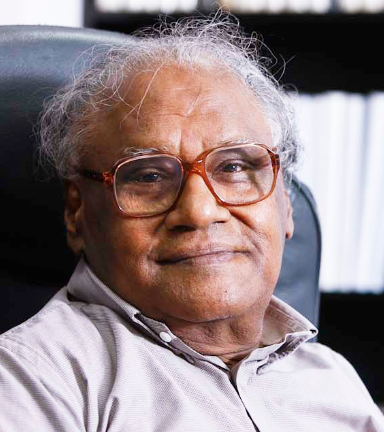 C.N.R. Rao (拉奥)合作论文数Jawaharlal Nehru Centre for Advanced Scientific Research22
 Harish Singh合作论文数Tech Univ Darmstadt, Inst Mat Wissensch, D-64287 Darmstadt, Germany21
 Abdurazag T. Swesi合作论文数20
 Siddesh Umapathi合作论文数12
 Umanga De Silva合作论文数Dept Chem, Missouri Univ Sci & Technol10Saxena Apurv合作论文数9
 A. Govindaraj合作论文数Solid State and Structural Chemistry Unit, Indian Institute of Science8
 Sukhada Mishra合作论文数7
 Ibrahim Munkaila Abdullahi合作论文数Dept Chem, Missouri Univ Sci & Technol7
 Bruce Parkinson合作论文数Department of Chemistry, University of Wyoming;School of Energy Resources, University of Wyoming7B. C. Satishkumar合作论文数6
 Panayotis Kyritsis合作论文数Department of Chemistry, The University of Newcastle6
 Xi Cao合作论文数5
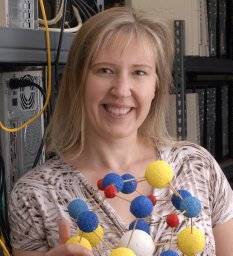 Julia E Medvedeva合作论文数Department of Physics;University of Missouri-Rolla;Department of Physics, University of Missouri-Rolla5jacob s wilson合作论文数4Kai Song合作论文数Sch Opt & Elect Informat, Huazhong Univ Sci & Technol4
 Bahareh Golrokh Amin合作论文数4
 Amideddin Nouralishahi合作论文数School of Chemical Engineering, University of Tehran4
 Amitava Choudhury合作论文数Department of Chemistry, Missouri University of Science and Technology4Nikolaos Levesanos合作论文数4Shubhender Kapila合作论文数3Ferentinos Eleftherios合作论文数3
 David Prendergast合作论文数The Molecular Foundry, Lawrence Berkeley National Laboratory3
 Edward C. Kinzel合作论文数School of Mechanical Engineering3
 Katharine Page合作论文数Materials Department and Materials Research Laboratory;University of California , Santa Barbara;Materials Department and Materials Research Laboratory, University of California , Santa Barbara3
 Akshay Pariti合作论文数2Sreya Paladugu合作论文数2Polydoros-Chrysovalantis Ioannou合作论文数2McKenzie Marley Hines合作论文数2kai song合作论文数2
 a pariti合作论文数2
 Holly Coleman合作论文数Dept Chem & Biochem Engn, Missouri Univ Sci & Technol2Emily Johnson合作论文数Dept Chem & Biochem Engn, Missouri Univ Sci & Technol2Grigorios Raptopoulos合作论文数2
 Xinhua Liang合作论文数Department of Chemical and Biological Engineering, University of Colorado2
 Chakravarty Shatadru合作论文数2
 Yiannis Sanakis合作论文数Institute of Materials Science, NCSR “Demokritos”,2Pericles Stavropoulos合作论文数Department of Chemistry, University of Missouri-Rolla2
 Kartik Ghosh合作论文数Department of Physics, Missouri State University2
 Mohsen Asle Zaeem合作论文数Center for Advanced Vehicular Systems, Mississippi State University2
 Jakub Adam Koza合作论文数Leibniz Institute for Solid State and Materials Research Dresden2
 Patrina Paraskevopoulou合作论文数Faculty of Chemistry, University of Athens2Eric W. Bohannan合作论文数Graduate Center for Materials Research, Missouri University of Science & Technology2Louis Guerin合作论文数1Raul Florez合作论文数1Polydoros-Chrisovalantis Ioannou合作论文数1DVS Muthu合作论文数1




