Although agricultural expansion is one of the main causes of tropical deforestation, some agroecosystems, such as shaded cocoa agroforests, can minimize the effects of habitat loss and contribute to biodiversity conservation. Nonetheless, the effects of habitat modification at the regional and landscape scales on insect diversity inhabiting agricultural landscapes are still poorly understood, especially for Ichneumonidae wasps. Here, we investigated how the diversity of Ichneumonidae subfamilies varies between agricultural and native environments (i.e., cocoa agroforestry and Atlantic Forest remnants), and evaluated the effect of land cover context (highly forested, moderately forested, and severely deforested regions) and landscape forest cover on wasp diversity. For this, we deployed three Malaise traps for three consecutive days to collect wasps within 30 pairwise cocoa-forest sites distributed in three regions of southern Bahia, Brazil. We then separated and identified only Ichneumonidae wasps, therefore obtaining the number of subfamilies (subfamily richness) and the number of individuals (abundance) per site. We constructed Generalized Linear Mixed Models, using “landscape” as a random factor, to investigate how different environments (agroforestry or forest), regional context, and landscape forest cover affect the abundance and subfamily richness of Ichneumonidae, employing a parsimonious model selection approach. In total, we collected 421 individuals from 19 subfamilies. All predictors were included in the best models explaining patterns of both abundance and richness, with region appearing as the most important predictor in both cases, followed by forest cover. Our results highlight the potential of shaded cocoa agroforest for maintaining high diversity of Ichneumonidae subfamilies, especially in those located in moderately and highly forested regions and surrounded by great amount of forest cover. Thus, we emphasize the importance of ensuring high amount of native areas in agricultural landscapes, especially through forest restoration strategies.
Game harvest monitoring initiatives have become a key tool for evaluating the sustainability of hunting in tropical forests. We used a five-year community-based monitoring database from the Tapajós-Arapiuns Extractive Reserve in the Brazilian Amazon to examine hunting profiles across villages and assess how anthropogenic stressors and monitored years influence community composition (relative frequency and biomass) and hunting productivity, measured as catch per unit of effort (CPUE). We further assessed CPUE trends for all game species and the six most hunted species over the time series. Finally, we investigated the effect of sampling effort on CPUE for two threatened species: Tapirus terrestris and Tayassu pecari. A total of 5,760 hunting events by 391 families from 13 villages resulted in the harvest of 6,436 animals from 26 taxa, yielding 65,488 metric tons. Medium- to large-bodied mammals dominated the harvest, although hunting profiles varied among villages. Neither anthropogenic variables nor year significantly affected community composition or overall CPUE, which remained stable over time. However, species-specific analyses revealed that CPUE for T. terrestris increased with sampling effort, suggesting low detectability, potentially due to reduced abundance. In contrast, T. pecari CPUE was unaffected by effort, suggesting that behavioral factors or local depletion were at play. Our findings suggest that subsistence hunting is likely sustainable for common and resilient species but may threaten the persistence of large-bodied, vulnerable mammals. We recommend continuing and expanding community-based monitoring in Amazonian sustainable-use reserves and encourage the adoption of our protocol to support evidence-based management and safeguard both biodiversity and traditional livelihoods.
ABSTRACT Aim We investigate the distribution of dispersal modes — endozoochory (via animal ingestion), synzoochory (via animal seed accumulation) and anemochory (via wind)—and seed mass of woody plants across Brazilian ecosystems, testing whether their relative abundance in local plant communities could be predicted by climate, edaphic factors and dispersal agents (e.g., the main vectors moving seeds). We expected climate to be the main predictor of dispersal strategy abundance. Location Brazilian ecosystems (Amazon, Atlantic Forest, Cerrado and Caatinga). Time Period 2004–2020. Major Taxa Studied Woody angiosperms, trees and shrubs. Methods We assigned seed mass to 1984 species and dispersal mode to 2203 species within 300 old‐growth and non‐flooded plots. We employed Random Forest regressions to assess the influence of water availability, temperature seasonality, soil fertility, wind and frugivorous primates on the community‐weighted means of seed mass and dispersal modes. We mapped predictions and estimated the area of applicability to identify regions where predictions were reliable. Results Climate was the main factor predicting tree dispersal strategies, followed by dispersal agents or soil properties. Endozoochory was prevalent in wetter regions with high water availability and greater diurnal temperature range. Anemochory was more common in drier regions with low water availability, stronger winds and greater diurnal temperature range, whereas synzoochory was more abundant in areas with low temperature seasonality. Heavier seeds were more prevalent in regions with less seasonal temperatures, smaller diurnal temperature ranges and weaker winds. Main Conclusions Climate is a key predictor of the distribution and prevalence of plants with contrasting dispersal modes and seed masses. We thus expect functional responses to environmental change associated with shifts in the relative abundance of dispersal strategies, with implications for ecosystem services. Our results also highlight the critical role of plot‐based datasets in improving our understanding of how environmental factors influence seed dispersal strategies across tropical ecosystems.
The Amazon is a mosaic of ecosystems, accounting for 13% of all known species globally, and responsible for providing a variety of ecosystem services, including a key role in global climate regulation. However, 18% of the Amazon forest cover has been lost completely and a further 38% degraded, threatening biodiversity and millions of local livelihoods. Currently, little is known about how this impacts the functioning of ecological communities. Here, we combine an energetic approach with biodiversity metrics to quantify ecosystem functioning in mammal and bird food webs across Amazonia, along a gradient of forest degradation linked to road proximity. We show that even under relatively low disturbance, ecosystem functions shift: carnivory increases closer to roads, driven by generalist species that persist under these conditions, whereas herbivory declines mainly due to reduced herbivore biomass and species richness. This suggests that processes associated with forest degradation can alter energy flow even where biodiversity metrics remain relatively unchanged, highlighting energetic approaches as sensitive indicators of ecosystem disruption.
Understanding the main factors determining the maintenance of native species in agroecosystems is of great importance to promote biodiversity-friendly practices. Here, we assessed the individual and interactive effect of local (management intensity, tree basal area, and tree diversity) and landscape (forest cover) predictors on the diversity of bees and social wasps in shaded cocoa agroforests located in the Brazilian Atlantic Forest. Using Malaise and attractant traps to survey these insects on 29 agroforests, we revealed that bee species number was positively associated only with forest cover, whereas tree diversity influenced bee species composition. In contrast, wasp species number enhanced with increasing management intensity, but only in agroforests inserted in landscapes with low forest cover, while no variable influenced the composition of social wasp species. These results reinforce the greater tolerance and ecological plasticity of social wasps, which can benefit from intensified management in structurally complex systems such as shaded agroforests. Nevertheless, bees tend to be more sensitive and dependent on forest cover at the landscape scale. Therefore, restoration efforts to increase forest cover in more deforested landscapes are urgently needed to ensure the high conservation value of shaded cocoa agroforests, especially for bee assemblages.
Islands are typically much more sensitive to the impact of invasive non-native species than continental areas, exacerbating conservation and socio-economic challenges. In Sao Tome Island, Central-West Africa, non-native rats (Rattus rattus and R. norvegicus) have been blamed losses of up to 40 % of the cocoa yield. To understand the impact of non-native rats on cocoa yield on the island, we examine its drivers using both direct and indirect pathways. We sampled 30 cocoa farm sites, assessing rat abundance using camera-trapping, and estimating both cocoa yield and the percentage of rat-damaged cocoa by counting the number of intact and damaged pods in 25 x 25 m-plots. We also estimated the abundance of potential rat predators and characterized local habitat structure, landscape, and cocoa management. We obtained 466 records of non-native rats (15.5 +/- 17.1 records per site), which damaged 18.81 % +/- 21.02 % of the cocoa pods, reducing the yield to 430.4 +/- 253.4 pods per site. Using path analysis, we detected that cocoa yield is directly boosted by mean cocoa trees diameter but diminished by rat damage. Such damage was positively associated with rat abundance, which in turn was negatively affected by the frequency of weeding. By demonstrating that cocoa yield can be enhanced indirectly by increasing the frequency of weeding, and thus suppressing rat abundance, our results indicate that socioeconomic challenges caused by invasive species can be reduced by adjusting farm management practices. Identifying such practices has the potential to benefit both biodiversity and livelihoods on tropical agrosystems, and especially on islands.
Plant functional traits connect biodiversity to ecosystem processes, serving as key metrics for assessing how biota responds to environmental conditions. Functional seed traits are critical because they underpin recruitment and colonization, shaping biodiversity patterns and influencing ecosystem resilience. Yet, seed traits remain underrepresented in major data repositories, with severe gaps in the tropics. Climatic, geological, and historical differences between tropical and temperate regions drive distinct regeneration dynamics, suggesting that the paucity of tropical seed trait data limits our ability to predict regeneration niches and weakens global models largely based on temperate ecosystems. To address this gap, we introduce the Tropical Seed Trait Database (TSTD), an open-access repository spanning the full ecological spectrum of tropical seeds. The TSTD is conceived as a community-driven repository of primary data contributed directly by data owners, rather than as a secondary aggregation of global databases. It was built through contributions from ecologists working across all tropical regions, reached through direct contact, and its first version compiles 78 datasets, totaling 137 583 records across 44 functional traits. Covering 5115 species in 33 countries, with the Neotropics overrepresented, the TSTD marks a crucial step toward more inclusive, globally representative trait databases that can open multiple research avenues.
Agriculture has been globally responsible for biodiversity decay. Since bees are key pollinators, their diversity reduction can affect biodiversity conservation and agricultural production. Although agricultural matrices have been reported as pervasive to bees, these effects are not always consistent and may vary according to evaluated parameters. To fill this gap, we conducted a global review of studies that compared bee abundance and/or species richness between agricultural and native habitats. In addition to describing the overall pattern observed in the studies (n = 32), we also conducted a meta-analysis with a subset of data (14 studies and 38 comparisons). We calculated the effect size from the standardized mean difference among agriculture-native habitats in the meta-analysis. We considered moderators that may influence this effect, including response type, flowering type, crop life cycle, and region. Based on the review, which mainly included studies conducted in the neotropical region, we identified that half of the studies (50%) concluded that agricultural matrices negatively affect biodiversity metrics of bees. In comparison, only five (15.6%) and eight studies (25%) observed a positive and neutral effect, respectively. Three studies (9.4%) observed a varied effect (positive or negative), depending on the type of response assessed (richness or abundance) or the management intensity (as such, cocoa agroforests with low or high diversity of native shade trees). Additionally, meta-analysis supports this finding by revealing an overall negative effect, especially for abundance. Negative effects were consistent for non-mass-flowering crops, perennial crops, and temperate regions. We thus recommend that agricultural landscapes across the globe should maintain native habitats to ensure high bee diversity and potentially contribute to the delivery of ecosystem services.
Declines in mammal abundance or biomass in forest fragments may be even more pronounced than species losses but have been scarcely quantified throughout tropical forests. Based on camera-trapping data, we performed a Bayesian multispecies occupancy model to estimate and compare patterns of species richness, relative abundance and biomass of medium and large-sized mammal assemblages across 14 fragments in private rural landholdings and three protected areas in the Atlantic Forest of southern Bahia, Brazil. We further assessed defaunation levels and evaluate their influence, in combination to landscape forest loss, to our response variables through linear regressions. We recorded 22 forest-dwelling terrestrial mammals, and most sites presented low species richness and aggregate relative abundances along with high defaunation levels, except one protected area. In private areas, Nasua nasua, D. novemcinctus and Guerlinguetus brasiliensis were the most abundant species, whereas T. terrestris, D. leporina and cervids presented the highest relative abundances in protected areas. Although species richness and aggregate relative abundance did not significantly differ among private and protected areas, the unprotected ones retained substantially lower aggregate biomass and exhibited higher defaunation levels. Contrary to our expectations, the aggregate relative abundance moderately per site decreased as forest cover increased, with this pattern being mirrored by five species. Finally, species richness and relative abundance were not significantly affected by defaunation, but aggregated biomass significantly decreased as defaunation increased. Our results demonstrate a pervasive defaunation scenario in Atlantic Forest fragments marked by severe biomass declines in unprotected private areas. In this region, conservation strategies should focus on enhancing and restoring connectivity among forest fragments, but policy makers should also discuss reintroduction programs to bring back extirpated species and restore ecosystem services, particularly the large-sized and those sensitive to habitat loss.
Tropical forest canopies are the biosphere's most concentrated atmospheric interface for carbon, water and energy1,2. However, in most Earth System Models, the diverse and heterogeneous tropical forest biome is represented as a largely uniform ecosystem with either a singular or a small number of fixed canopy ecophysiological properties3. This situation arises, in part, from a lack of understanding about how and why the functional properties of tropical forest canopies vary geographically4. Here, by combining field-collected data from more than 1,800 vegetation plots and tree traits with satellite remote-sensing, terrain, climate and soil data, we predict variation across 13 morphological, structural and chemical functional traits of trees, and use this to compute and map the functional diversity of tropical forests. Our findings reveal that the tropical Americas, Africa and Asia tend to occupy different portions of the total functional trait space available across tropical forests. Tropical American forests are predicted to have 40% greater functional richness than tropical African and Asian forests. Meanwhile, African forests have the highest functional divergence-32% and 7% higher than that of tropical American and Asian forests, respectively. An uncertainty analysis highlights priority regions for further data collection, which would refine and improve these maps. Our predictions represent a ground-based and remotely enabled global analysis of how and why the functional traits of tropical forest canopies vary across space.
Hydroelectric dams have proliferated across the tropics, leading to extensive landscape changes driven by habitat loss and fragmentation of lowland forests. Assessing their effects on biodiversity and designing effective conservation strategies require a comprehensive understanding of both the local habitat context and landscape-scale perspective. We investigated the influence of local, patch and landscape-scale variables on the taxonomic, functional, and phylogenetic diversity of aerial insectivorous bats in a 30-year-old archipelagic forest landscape in Brazilian Amazonia. Bats were surveyed using passive recorders across 28 forest islands and six adjacent continuous forest sites. Taxonomic, functional, and phylogenetic diversity facets were calculated within a Hill numbers approach that considers the importance of rare, common, and dominant species. We analyzed the response of bat diversity to both local and landscape changes, using vegetation structure, patch, and landscape variables as predictors. Taxonomic, functional, and phylogenetic diversities were reduced on forest islands. All facets of diversity for species richness (q = 0) and common species (q = 1) were positively influenced by local and patch-scale characteristics, including tree species diversity and forest cover, but negatively affected by edge area around the islands. Taxonomic diversity was found to be a good indicator of phylogenetic diversity. Undisturbed continuous forests and islands that support species-rich tree floras and lower edge habitat density, harboured greater numbers of aerial insectivorous bats, as well as phylogenetically diverse assemblages exhibiting broader ecological functions. Bat diversity was most influenced by habitat quality, highlighting the need to establish protected forest areas that include large islands (>100 ha) around land bridge island systems.
ABSTRACT Motivation The accelerated and widespread conversion of once continuous ecosystems into fragmented landscapes has driven ecological research to understand the response of biodiversity to local (fragment size) and landscape (forest cover and fragmentation) changes. This information has important theoretical and applied implications, but is still far from complete. We compiled the most comprehensive and updated database to investigate how these local and landscape changes determine species composition, abundance and trait diversity of multiple taxonomic groups in forest fragments across the globe. Main Types of Variables Contained We gathered data for 1472 forest fragments, providing information on the abundance and composition of 9154 species belonging to vertebrates, invertebrates, and plants. For 2703 of these species, we obtained more than 20 functional traits. We provided the spatial location and size of each fragment and metrics of landscape composition and configuration. Spatial Location and Grain The dataset includes 1472 forest fragments sampled in 121 studies from all continents except Antarctica. Most datasets (77%) are from tropical regions, 17% are from temperate regions, and 6% are from subtropical regions. Species abundance and composition were collected at the plot or fragment scale, whereas the landscape metrics were extracted with buffer size ranging from a radius of 200–2000 m. Time Period and Grain Data on the abundance of species and community composition were collected between 1994 and 2022, and the landscape metrics were extracted from the same year that a given study collected the abundance and composition data. Major Taxa and Level of Measurement The studied organisms included invertebrates (Arachnida, Insecta and Gastropoda; 41% of the datasets), vertebrates (Amphibia, Squamata, Aves and Mammalia; 44%), and vascular plants (19%), and the lowest level of identification was species or morphospecies. Software Format The dataset and code can be downloaded on Zenodo or GitHub.
Land-use changes and related anthropogenic pressures are responsible for biodiversity declines and threaten the provision of ecosystem services, especially in tropical forests. Seed dispersal and predation, for example, are especially important ecological processes for shaping plant diversity and composition; however, they can be strongly affected by such changes. Understanding factors that limit seed removal and, consequently, the final seed fate in human-modified landscapes is vital to enhancing our knowledge of ecosystem functioning. By using structural equation models, we evaluated the direct and indirect effects of landscape structure, anthropogenic stressors, and the abundance of terrestrial mammals on seed removal patterns of Eschweilera ovata (Lecythidaceae), a common large-seeded species, in 18 Atlantic Forest fragments in southern Bahia, Brazil. We used camera traps to record potential seed-removing mammals and spool line experiments to assess the ultimate fate of the seeds. We reveal a direct effect of patch size on the percentage of seeds removed, with seed removal decreasing in larger forest fragments. Our results also demonstrated a negative effect of human population density on mammal abundance; although a direct effect of mammals on seed removal was not detected. We, therefore, recommend that anthropogenic pressures should be mitigated to enhance the recovery of mammals in fragmented forest landscapes and that further research incorporate other potential predictors to better elucidate the complex patterns of seed removal in tropical forests.
Forest loss poses a critical threat to biodiversity, with species’ ecological traits shaping their sensitivity to anthropogenic disturbances. Forest specialists, such as shade-tolerant plants, are especially vulnerable to local extinction, whereas shade-intolerant species persist more in deforested landscapes. We conducted a field experiment across 39 Atlantic Forest landscapes to assess how forest loss affects sapling growth and survival along a forest cover gradient. We planted and monitored 2496 saplings from four tree species classified as shade-tolerant or shade-intolerant. Using path analysis, we evaluated the direct and indirect effects of landscape (forest cover), local (canopy openness) and sapling variables (leaf mass per area -LMA-, chlorophyll index, herbivory) on sapling performance. For shade-tolerant species, LMA emerged as the main factor influencing height growth, while basal area growth was primarily affected by canopy openness, determined by forest cover. In contrast, for shade-intolerant species, canopy openness—shaped by forest cover—was the dominant driver of both height and basal area growth. However, LMA, chlorophyll content and herbivory also influenced growth. Shade-tolerant species showed nearly double the survival rate of shade-intolerant species, with forest cover being the main driver of mortality for both groups. Our findings underscore the profound impact of forest loss on sapling growth dynamics and the survival of shade-tolerant and intolerant species. Moreover, they highlight a potential decline in forest resilience and the urgent need for restoration actions. Curbing deforestation and implementing restoration programs around existing fragments can be effective strategies to enhance sapling establishment and maximize ecosystem functionality in human-modified landscapes.
Improving agricultural productivity while safeguarding ecosystem services and social well-being has become increasingly urgent under current climate constraints. Cocoa represents a relevant case within this context, as it is widely cultivated by smallholders in biodiverse tropical countries through agroforestry systems. However, we still lack information on how to simultaneously optimize ecosystem services, particularly carbon storage, and crop yield. To address this, we evaluated aboveground carbon stocks and cocoa yield in 47 agroforestry farms in southern Bahia, Brazil, aiming to identify management strategies that support both high productivity and high carbon storage. Our approach involved: (i) estimating aboveground carbon and examining its relationship with landscape forest cover, shade levels, and a composite management index (fertilization, weeding, pruning, and cocoa tree density); (ii) modelling cocoa yield as a function of forest cover, vegetation structure, carbon stock, shade, and management intensity; (iii) assessing the effect of individual management practices on yield; and (iv) identifying the combination of management conditions associated with achieving 500 kg ha⁻1, estimating the magnitude of adjustments needed to reach this benchmark. Shade levels were the primary driver of carbon storage, concentrating approximately 93
The effects of global climate change on biodiversity and ecosystem functioning are unevenly distributed in the geographic space. Identifying sites more suitable to sustain biodiversity in a changing climate is essential to both species conservation and restoration strategies at different scales. Here, we map terrestrial climate-resilient sites for biodiversity across Brazil to identify sites with greater chances of providing suitable conditions for species to persist under regional climate change. Our mapping combines spatial metrics based on landscape heterogeneity, a proxy for microclimatic variability, and local connectedness, a measure of connectivity between habitats, to determine landscape resilience, assuming that resilience to climate change will be greater the more heterogeneous the characteristics of local habitats are and the more connected they are in the landscape. Our results show that within each biome, medium to high resilient sites are mostly found in the Amazon (40% of the biome) and Pantanal (38%). Low resilience, conversely, is concentrated in the Atlantic Forest (41% of the biome), followed by Cerrado (37%), Pampa (36%), and Caatinga (34%). Landscape resilience information has the potential to be used to effectively guide decision-making and public policy on strategies for conservation, restoration, and sustainable use practices. Priority for conservation should be on high resilience sites as they have the potential to sustain biodiversity in face of undergoing and future climate change. Other approaches could be used in situations of medium to low resilience also, such as: conservation of current corridors in sites with high local connectedness, but low landscape heterogeneity; restoration of natural vegetation on sites that show high landscape heterogeneity, but low local connectedness; and sustainable practices in areas of low resilience. Our study provides an updated method to pinpoint climate-resilient sites for biodiversity which was applied to a megadiverse country but is applicable to any ecosystem around the globe.
Traditional cocoa agroforests of southern Bahia in Brazil, locally known as “cabrucas”, are highly relevant for sheltering forest species, being thus recognized as a biodiversity-friendly agricultural system. However, despite their role in biodiversity conservation, little is known about the ability of cocoa agroforests to maintain social wasp assemblages in human-modified landscapes. Here, we present the first list of social wasp species recorded in shaded cocoa agroforests in southern Bahia. In total, we collected 25 species of social wasps belonging to nine genera, representing 20% of the known species richness for the entire northeastern region of Brazil. In particular, Angiopolybia pallens (Lepeletier), Agelaia angulata (Fabricius), and Agelaia centralis (Cameron) were the most abundant species, with 186, 70, and 36 individuals, respectively. Notably, we report six previously unrecorded species from Bahia state: Agelaia flavipennis (Ducke), Polybia emaciata Lucas, Polybia quadricincta (Saussure), Agelaia angulicollis (Spinola), Parachartegus smithii (Saussure) and Protopolybia acutiscutis (Cameron). Of these six species, three are recorded for the first time in the Northeast region of Brazil and two for the Atlantic Forest biome. Based on our findings, we emphasize that cocoa agroforests can contribute to maintaining the diversity of social wasps in human-modified landscapes.
Resumo As palmeiras (Arecaceae) exercem grande relevância na estrutura e funcionamento dos ecossistemas de florestas tropicais, além de compreenderem recursos‐chave para animais frugívoros. Entretanto, muitas espécies estão atualmente em risco de extinção devido à superexploração e/ou perda de habitat. Nosso estudo visou realizar uma revisão sistemática com uma abordagem cientométrica de todas as 78 espécies de palmeiras nativas da Mata Atlântica brasileira, buscando identificar as espécies e regiões mais bem estudadas, principais tópicos estudados, padrões gerais, tendências e lacunas na pesquisa científica associada a esta família botânica. No total, foram realizados estudos para 48 espécies pertencentes a 10 gêneros, com o número de estudos aumentando exponencialmente a partir dos anos 70 e exibindo grande diferença no número de publicações entre as espécies. Euterpe edulis foi a espécie mais estudada ( n = 274), seguida por Acrocomia aculeata ( n = 205), enquanto Bactris bahiensis (1), Geonoma litoralis (1), Syagrus santosii (1) e Trithrinax acanthocoma (0) foram as espécies menos estudadas. O maior número de estudos foi realizado nos estados do sudeste do Brasil. Com relação ao tipo de estudos, 34% e 27% estavam relacionados a propriedades bioquímicas e processos ecológicos, respectivamente, enquanto os estudos sobre entomologia ( n = 26), cultura de tecidos ( n = 23) e taxonomia ( n = 7) representaram o menor número. Dado o papel fundamental das palmeiras nas florestas tropicais, nosso estudo sugere que as pesquisas futuras devem se concentrar em espécies menos estudadas, incluindo Desmoncus spp., Geonoma spp. e Trithrinax sp. e em algumas áreas menos estudadas, como a porção nordeste da Mata Atlântica.
As hydropower development expands across lowland tropical forests, flooding and concomitant insular fragmentation have become important threats to biodiversity.Newly created insular landscapes serve as natural laboratories to investigate biodiversity responses to fragmentation.One of these most iconic landscapes is the Balbina Hydroelectric Reservoir in Brazilian Amazonia, occupying >400 000 ha and comprising >3 500 forest islands.Here, we synthesise the current knowledge on responses of a wide range of biological groups to insular fragmentation at Balbina.Sampling has largely concentrated on a set of 22 islands and three mainland sites.In total, 39 studies were conducted over nearly two decades, covering 17 vertebrate, invertebrate, and plant taxa.Although species responses varied according to taxonomic group, island area was consistently included and played a pivotal role in 66.7% of all studies examining patterns of species diversity.Species persistence was further affected by species traits, mostly related to species capacity to use/traverse the aquatic matrix or tolerate habitat degradation, as noted for species of vertebrates and orchid bees.Further research is needed to improve our understanding of such effects on wider ecosystem functioning.Environmental Impact Assessments must account for changes in both the remaining habitat amount and configuration, and subsequent long-term species losses.
 Carlos Peres合作论文数School of Environmental Sciences, Faculty of Science, University of East Anglia30
 Jose Carlos Morante-Filho合作论文数Applied Conservation Ecology Lab, Santa Cruz State University23
 Deborah Faria合作论文数Departamento de Ciências Biológicas, Universidade Estadual de Santa Cruz18
 Eliana Cazetta合作论文数Plant Phenology and Seed Dispersal Research Group, Universidade Estadual Paulista – UNESP15
 Danielle Storck-Tonon合作论文数12
 Larissa Rocha-Santos合作论文数11
 Eduardo Mariano-Neto合作论文数11
 Ana Filipa Palmeirim合作论文数Centro de Investigação em Biodiversidade e Recursos Genéticos, InBIO Labóratrio Associado;BIOPOLIS Program in Genomics, Biodiversity and Land Planning;Centro de Investigação em Biodiversidade e Recursos Genéticos, InBIO Labóratrio Associado10
 Victor Arroyo-Rodriguez合作论文数Inst Invest Ecosistemas & Sustentabilidad, Univ Nacl Autonoma Mexico7
 Braulio A. Santos合作论文数Departamento de Sistemática e Ecologia, Universidade Federal da Paraíba7Elaine Rios合作论文数6
 Marcelo Magioli合作论文数university of sao paulo6
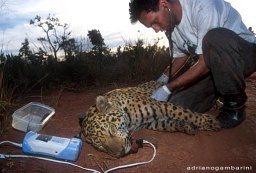 Ronaldo Morato合作论文数Instituto Pró-Carnívoros Atibaia São Paulo6
 Marcus Vinícius Vieira合作论文数Laboratório de Vertebrados, Universidade Federal do Rio de Janeiro;Departamento de Ecologia, Instituto de Biologia, Universidade Federal do Rio de Janeiro6
 Felipe Melo合作论文数Dept Bot, Univ Fed Pernambuco6
 Alvaro Garcia-Olaechea合作论文数5
 Marcelo Tabarelli合作论文数Department of Botany, Federal University of Pernambuco5
 Marcelo Mielke合作论文数Departamento de Ciências Biológicas, Universidade Estadual de Santa Cruz5Eduardo M. Venticinque合作论文数Biological Dynamics of Forest Fragments Project;National Institute for Amazonian Research;Biological Dynamics of Forest Fragments Project, National Institute for Amazonian Research5
 Daniel Ferraz合作论文数Rede Ecodiversa Conservacao Biodiversidade4Michaele De Souza Pessoa合作论文数4
 Alexandre Somavilla合作论文数Programa Posgrad Entomol, Inst Nacl de Pesquisas da Amazonia4
 Clarissa Alves da Rosa合作论文数Road Ecology Research Group, Universidade Federal de Lavras4
 Beltrão-Mendes Raone合作论文数Graduate Program in Biological Sciences (Zoology),, Federal University of Paraíba4
 Gaiotto Fernanda Amato合作论文数Departamento de Ciências Biológicas, Universidade Estadual de Santa Cruz - UESC4
 Mauro Galetti合作论文数Department of Ecology, Universidade Estadual Paulista4
 Adriano G. Chiarello合作论文数Pontifical Catholic University of Minas Gerais4
 Fabio de Oliveira Roque合作论文数4
 Daniela Custodio Talora合作论文数4
 Jos Barlow合作论文数Lancaster Environment Centre, Lancaster University4
 Alex Bager合作论文数Universidade Federal de Lavras4André Luiz Ferreira da Silva合作论文数3Jose Roberto de Matos合作论文数3Márcia Maria de Assis Jardim合作论文数3
 Amanda Gomes dos Anjos合作论文数3Alexandre Martins Costa Lopes合作论文数3Cristiano Trapé Trinca合作论文数3
 Guthieri Colombo合作论文数3
 Roberta Miranda de Araujo合作论文数3Andrezza Bellotto Nobre合作论文数3Natasha Moraes de Albuquerque合作论文数3Pedro Volkmer de Castilho合作论文数3Érika Castro合作论文数3
 Flavio Henrique Guimaraes Rodrigues合作论文数3
 Maria Morini合作论文数3
 Mirco Sole合作论文数3
 Agnis Souza合作论文数3
 Jose Victor Alves Ferreira合作论文数3Helena Alves do Prado合作论文数3




