Depression has been increasingly recognized as a disorder involving structural and functional abnormalities of the white matter, with myelin pathology emerging as a consistent feature observed across multiple studies. This review aimed to synthesize evidence from neuroimaging, postmortem, transcriptomic, and experimental studies to elucidate the relationship between myelin damage and depressive pathophysiology. Major depressive disorder is consistently associated with reduced white matter integrity in emotion-related brain regions, including the medial prefrontal cortex, hippocampus, amygdala, and corpus callosum. Histopathological analyses reveal decreased oligodendrocyte density, impaired differentiation of oligodendrocyte progenitor cells, and downregulation of critical myelin-associated genes, alongside microglial activation and astrocytic dysfunction that exacerbate demyelination. Animal models demonstrate that demyelination correlates with depression-like behaviors and that depression interventions-such as clemastine, venlafaxine, or enriched environments-can partially restore myelin structure and alleviate behavioral deficits. These findings suggest that myelin impairment is not solely a downstream consequence of depression but may play an active role in its onset and progression. Targeting myelin protection and repair represents a promising therapeutic avenue. Future clinical studies are urgently needed to determine causal mechanisms and evaluate the efficacy of remyelination-based strategies in patients with depression.
Developing efficient and durable bifunctional electrocatalysts for overall water splitting (OWS) is crucial for large-scale hydrogen production. Herein, a NiSe/CoFe-LDH heterostructure is constructed as a bifunctional electrocatalyst for both the hydrogen evolution reaction (HER) and oxygen evolution reaction (OER). The catalyst exhibits a low HER overpotential of 211 mV at 100 mA cm-2. Interfacial bidirectional electron regulation and the built-in electric field from NiSe to CoFe-LDH optimize the H* adsorption strength, thereby enhancing HER kinetics. An electrolyzer assembled with NiSe/CoFe-LDH delivers outstanding OWS performance, requiring only 2.23 V to reach 1000 mA cm-2 and maintaining stable operation for 500 h. The calculated price per gallon of gasoline equivalent for the produced H2 is $1.06, well below the U.S. Department of Energy target ($2.00), indicating strong potential for industrial hydrogen production. This work provides insights into the design of advanced electrocatalysts for water electrolysis.
BACKGROUND:While p53 mutations occur early in Barrett's oesophagus (BE) progression to oesophageal adenocarcinoma (EAC), their role in gastric cardia stem cells remains unclear. OBJECTIVE:This study investigates the impact of p53 mutation on the fate and function of cardia progenitor cells in BE to EAC progression, particularly under the duress of chronic injury. DESIGN:We used a BE mouse model (L2-IL1β) harbouring a Trp53 mutation (R172H) to study the effects of p53 on Cck2r+ cardia progenitor cells. We employed lineage tracing, pathological analysis, organoid cultures, single-cell RNA sequencing (scRNA-seq) and computational analyses to investigate changes in progenitor cell behaviour, differentiation patterns and tumour progression. Additionally, we performed orthotopic transplantation of sorted metaplastic and mutant progenitor cells to assess their tumourigenic potential in vivo. RESULTS:The p53 mutation acts as a switch to expand progenitor cells and inhibit their differentiation towards metaplasia, but only amidst chronic injury. In L2-IL1β mice, p53 mutation increased progenitors expansion and lineage-tracing with a shift from metaplasia to dysplasia. scRNA-seq revealed dysplastic cells arise directly from mutant progenitors rather than progressing through metaplasia. In vitro, p53 mutation enhanced BE progenitors' organoid-forming efficiency, growth, DNA damage resistance and progression to aneuploidy. Sorted metaplastic cells grew poorly with no progression to dysplasia, while mutant progenitors gave rise to dysplasia in orthotopic transplantation. Computational analyses indicated that p53 mutation inhibited stem cell differentiation through Notch activation. CONCLUSIONS:p53 mutation contributes to BE progression by increasing expansion and fitness of undifferentiated cardia progenitors and preventing their differentiation towards metaplasia.
CO2 hydrogenation offers a green and sustainable solution to produce carbon-neutral fuels for mitigating the global energy issue. However, the highly selective and stable formation of methane directly from CO2 hydrogenation remains a significant challenge due to its highly exothermic nature which causes the catalyst sintering and deactivation. Herein, we reported a controllable strategy regulating the electronic properties of metallic nanoparticles encapsulated in cages to obtain a highly efficient and stable CO2-to-CH4 conversion. The Mn-doped Ni nanoparticles encapsulated in SSZ-13 pores exhibited a CO2 conversion of 84.62 % and CH4 selectivity of 98.02 %, approaching the thermodynamic limit of CO2 methanation and surpassing the previously reported state-of-the-art catalysts. In situ characterizations and theoretical calculations indicated that CO2 is mainly hydrogenated to produce CH4 via the key intermediate formate. The electrons are transferred from Mn to Ni atoms and injected into the sigma* orbital of CO2 molecule, promoting the CO2 activation and conversion into CH4. This work provides a new avenue for the design of heterogeneous catalysts to achieve the thermodynamic-limit catalytic performance.
Efficient generation of hydrogen via water electrolysis provides a strategy for producing clean and sustainable fuel. Nevertheless, the sluggish cathodic hydrogen evolution reaction (HER) and anodic oxygen evolution reaction (OER) require much energy input to overcome the high overpotential. Rational design of electrocatalysts is of crucial importance for enhancing the HER and OER performance. Herein, metal single atoms stabilized on the ZnS support (M@ZnS) were systematically investigated as the electrocatalysts for HER and OER via the density functional theory (DFT) calculations. Volcano plots were established to screen HER and OER catalysts with excellent performance. The structural, thermodynamic and electrochemical stability of M@ZnS catalysts were investigated. Sn@ZnS and Ni@ZnS exhibit superior HER catalytic activity. In particular, the DGH* value of Sn@ZnS is 0.049 eV, which is lower than that of the well-known benchmark Pt catalyst. Sn@ZnS and Pt@ZnS show good OER activity, thus they are expected to be the promising OER electrocatalyst candidates. The overpotential values of Sn@ZnS and Pt@ZnS are 0.60 V and 0.42 V, respectively. Sn@ZnS can work as a bifunctional HER/OER electrocatalyst for water electrolysis. This work not only provides theoretical guidance on the design of lowcost electrocatalysts toward HER and OER, but also paves a new way to stabilize single atoms for the fabrication of single-atom catalysts. (c) 2023 Hydrogen Energy Publications LLC. Published by Elsevier Ltd. All rights reserved.
OBJECTIVE:To provide evidence for further reducing the incidence of central line-associated bloodstream infection (CLABSI) according to investigation of the prevention and control of CLABSI in intensive care unit (ICU) in Shandong Province. METHODS:The questionnaire was developed by experts from Shandong Critical Care Medical Quality Control Center, combining domestic and foreign guidelines, consensus and research. A convenient sampling method was used to recruit survey subjects online from October 11 to 31, 2023 in the province to investigate the management status of central venous catheter (CVC) in ICU units of secondary and above hospitals. RESULTS:A total of 201 valid data were collected, involving 186 hospitals in the province, with a total of 201 ICU units, mainly comprehensive ICU (91%). The beds in ICU units were mainly single rooms (89%) and triple rooms (79%), and the ratio of doctors to total beds was 0.54 : 1. The training on the knowledge and operation of intravascular catheter-associated bloodstream infection in each ICU unit was mainly irregular (49%), and 96% of the catheter operators were authorized by the hospital. In terms of CVC selection, 89% of ICU units used dual-chamber CVC, and 86% of ICU units used catheters without antibiotic coating. When selecting the placement site, for conventional CVC catheterization, 65% preferred subclavian vein. Femoral vein was preferred in 87% of ICU units undergoing continuous renal replacement therapy. 95% of ICU units had established standardized operation procedure (SOP) for CVC placement. 86% of ICU units were capable of ultrasound positioning or guided puncture at the time of catheterization. During catheterization, 88% of ICU units met the sterile dress code. Before and after catheterzation, 81% and 77% of ICU units standardized hand hygiene. Only 31% of ICU units were covered from head to toe by aseptic wipes. For the choice of skin disinfectant, the majority of ICU units (72%) only used iodophor. After tube placement, 54% of ICU units chose sterile transparent dressing and 25% chose sterile gauze dressing. 98% of ICU units were sutured to secure the catheter. Regarding catheter replacement and removal, 45% of ICU units could not be removed or replaced within 2 days in emergency situations where the principle of sterility was not guaranteed. When CLABSI was suspected, 55% of ICU units were able to obtain the catheter tip, transcatheter blood culture, and contralateral peripheral vein blood culture at the same time. For CVC replacement frequency, most ICU units (75%) would not be replaced regularly, and some ICU units would be replaced regularly, but the frequency of replacement was different. For CLABSI prevention and control, 82% of ICU units developed a verification form or supervision form. When analyzing the sources of CLABSI data, most of them were filled in by themselves (60%). As for the frequency of data analysis, 57% were once a month. CONCLUSIONS:All ICU units in Shandong Province are standardized in terms of the authorization of operators, the formulation of SOP, the formulation and implementation of verification form and supervision form, ultrasound-guided puncture, and hand hygiene before and after catheterization. However, there are still deficiencies in the training on knowledge and operation of intravascular catheter-associated bloodstream infections, maximum aseptic coverage, catheter replacement and removal, and the reporting sources of CLABSI data, which need to be strengthened in the follow-up work. At present, the selection of CVC, the selection of catheterization site, the selection of skin disinfectant and the selection of dressings after catheterization still need further research.
Electrocatalytic reduction of CO2 (CO2RR) using renewable electricity to produce value-added chemicals offers a promising way of reducing carbon emissions. Cu-based bimetals are good catalysts for the CO2RR. Industrial CO2 sources usually contain SO2 impurity gas. Understanding the effect of SO2 on the CO2 reduction performance of Cu-based bimetallic electrocatalysts is very important for developing catalysts with practical application value. Herein, the effect of SO2 on the CO2RR of Cu-based bimetallic catalysts was investigated by density functional theory (DFT). Three possible factors affecting the CO2 reduction performance of the M@Cu catalysts were studied. The results show that SO2 is easily adsorbed on the catalyst surface and reduced to S elemental substance. S adsorbed on the surface increases the overpotential of CO2 catalytic conversion. Among the ten kinds of catalysts considered, Pd@Cu shows better catalytic activity than other M@Cu catalysts. The Delta GPLS of CO2RR-to-CO increases with the rise of coverage (Theta) for the Pd@Cu catalysts after SO2 adsorption, because SO2 molecules adsorbed on the catalyst surface occupy the active sites, and increased coverage causes more active sites to be occupied. Moreover, the adsorption of intermediate species (SO4*, SO3*, and S*) on the catalyst surface increases the overpotential of the CO2RR. The formation of Cu2S affects the CO2 reduction process because the overpotential of the CO2RR on Cu2S(111) is smaller than that on Pd@Cu catalysts. These mechanistic insights can guide the rational design of SO2-resistant catalysts in the CO2 electrocatalysis field. SO2 has a significant effect on the generation of CO by CO2 electrocatalytic reaction.
Supplementary Tables S1-S2. Primer pairs for qRT-PCR (S1); Oligonucleotides used for cloning RECK/TIMP3 3'UTR to pMIR-REPORT (S2).
Objective: Stroke is a leading cause of mortality and disability. This study aimed to investigate the temporal and directional relationships between post-stroke depressive symptoms and cognitive impairment using a crosslagged panel design. Depressive symptoms and cognitive impairment are two common post-stroke complications. However, the precise underlying mechanism remains unclear despite their close relationship. Therefore, elucidating the causal relationship between these two issues is of great clinical significance for improving the poor prognosis of stroke.Methods: This study employed a hospital-based multicenter prospective cohort design. A total of 610 patients with ischemic stroke were eligible. Depressive symptoms (measured using the seventeen-item Hamilton Rating Scale for Depression) and cognitive function (measured using the Montreal Cognitive Assessment) were assessed at baseline and the 12-month follow-up. Spearman's correlation was used to examine the correlation between cognitive function and depressive symptoms. Additionally, a cross-lagged panel analysis was employed to elucidate the causal relationship between these factors after adjusting for potential covariates. Results: The results of a four-iteration cross-lagged panel analysis substantiated a bidirectional relationship between post-stroke depressive symptoms and cognitive function over time. Specifically, higher scores for early depressive symptoms were associated with lower scores for later cognitive function; additionally, higher baseline cognitive function scores were associated with lower depressive symptom scores at a later point.Conclusion: This study establishes a reciprocally causal long-term relationship between depressive symptoms and cognitive function after an ischemic stroke. Therefore, interventions aimed at improving cognitive function and ameliorating depressive symptoms may positively affect both cognition and mood.Trial registration: ChiCTR-ROC-17013993.
抗谷氨酸脱羧酶65(GAD65)抗体脑炎是自身免疫性脑炎的一种亚型,常表现为僵人综合征、小脑性共济失调、颞叶癫痫等神经综合征,早期识别诊断并给予免疫治疗对于患者的预后有极大改善.目前对于抗GAD65抗体脑炎的诊断主要依赖于血清中检测出高滴度的GAD65抗体或脑脊液中GAD65抗体阳性,然而GAD65抗体与广泛的自身免疫性疾病相关,在非神经系统中可引起自身免疫疾病包括1型糖尿病和甲状腺炎等.因此,诊治抗GAD65抗体脑炎的过程中需要筛查潜在的内分泌腺体的变化,在多内分泌免疫环境下出现神经症状也需要考虑合并抗GAD65抗体脑炎的可能.
Lesion scores on procurement donor biopsies are commonly used to guide organ utilization for deceased-donor kidneys. However, frozen sections present challenges for histological scoring, leading to inter- and intra-observer variability and inappropriate discard. Therefore, we constructed deep-learning based models to recognize kidney tissue compartments in hematoxylin & eosin-stained sections from procurement needle biopsies performed nationwide in years 2011-2020. To do this, we extracted whole-slide abnormality features from 2431 kidneys and correlated with pathologists’ scores and transplant outcomes. A Kidney Donor Quality Score (KDQS) was derived and used in combination with recipient demographic and peri-transplant characteristics to predict graft loss or assist organ utilization. The performance on wedge biopsies was additionally evaluated. Our model identified 96% and 91% of normal/sclerotic glomeruli respectively; 94% of arteries/arterial intimal fibrosis; 90% of tubules. Whole-slide features of Sclerotic Glomeruli (GS)%, Arterial Intimal Fibrosis (AIF)%, and Interstitial Space Abnormality (ISA)% demonstrated strong correlations with corresponding pathologists’ scores of all 2431 kidneys, but had superior associations with post-transplant estimated glomerular filtration rates in 2033 and graft loss in 1560 kidneys. The combination of KDQS and other factors predicted one- and four-year graft loss in a discovery set of 520 kidneys and a validation set of 1040 kidneys. By using the composite KDQS of 398 discarded kidneys due to “biopsy findings”, we suggest that if transplanted, 110 discarded kidneys could have had similar survival to that of other transplanted kidneys. Thus, our composite KDQS and survival prediction models may facilitate risk stratification and organ utilization while potentially reducing unnecessary organ discard.
卒中后抑郁(PSD)是卒中后最常见且可治疗的精神并发症,可显著影响卒中的预后,给患者、家庭和社会带来沉重的负担.脑源性神经营养因子(BDNF)是神经营养家族中的重要成员,在神经发生和突触可塑性起重要作用.BDNF在卒中和抑郁的发生、发展中的作用已得到广泛的研究证实.近年来,越来越多研究开始关注BDNF在PSD发生过程中的作用,本文综述了 BDNF在PSD中的作用机制和治疗现状,以指导个体化和精确化的PSD诊疗.
The electrochemical reduction of carbon dioxide to useful chemicals and fuels is a new strategy to utilize large amounts of carbon dioxide. However, the lack of efficient catalysts has hindered the development of this technology. Herein, a machine learning (ML)-assisted screening model is developed to explore efficient trimetallic electrocatalysts for the CO2 reduction reaction by combining with density functional theory (DFT) and electrochemical experiments. The group of doped elements in the periodic table is the most important descriptor of Cu-based trimetallic electrocatalysts and the support vector regression algorithm has the best predictive performance. Based on ML predictions, the overpotential of PdPt@Cu is successfully predicted to be 0.11 V, and it shows the best electrocatalytic performance for the CO2 reduction reaction (CO2RR). DFT calculation results show that CO2? COOH* is the potential-limiting step of CO2RR-to-CO for PdPt@Cu and its overpotential is 0.09 V, which is consistent with the ML-predicted results. The electrochemical experiments show that the Faraday efficiency of CO is 82.12% at -0.8 V vs RHE for PdPt@Cu. After 12 h of electrolysis in the H-cell, the catalyst still maintains good catalytic performance. This work provides an efficient method for screening catalysts.
Glycyrrhizae Radix et Rhizoma is a well-known herbal medicine with a wide range of pharmacological functions that has been used throughout Chinese history. This review presents a comprehensive introduction to this herb and its classical prescriptions. The article discusses the resources and distribution of species, methods of authentication and determination chemical composition, quality control of the original plants and herbal medicines, dosages use, common classical prescriptions, indications, and relevant mechanisms of the active content. Pharmacokinetic parameters, toxicity tests, clinical trials, and patent applications are discussed. The review will provide a good starting point for the research and development of classical prescriptions to develop herbal medicines for clinical use.
1. Liu J, Chen L, Pan J, . Comprehensive analysis of key lncRNAs in HCV-positive hepatocellular carcinoma. Arch Med Sci2021; 17: 142-51. Google Scholar
目的 探讨基于目标责任制护理的术前预康复对老年全髋关节置换术后患者康复效果的影响.方法 将100例老年全髋关节置换手术患者按照入住病区不同分为对照组和观察组,各50例.对照组采用常规护理,观察组在对照组基础上接受基于目标责任制护理的术前预康复.比较两组术后1周及2周的Harris髋关节功能评分、日常生活能力评分、疼痛评分及术后首次下床时间.结果 观察组术后1周及2周的髋关节功能、日常生活能力评分显著高于对照组,术后首次下床时间显著早于对照组(均P<0.05).观察组术后1周及2周的疼痛评分与对照组比较,差异无统计学意义(均P>0.05).结论 基于目标责任制护理的术前预康复可提高老年全髋关节置换患者术后髋关节功能康复效果.
Cancer is a serious disease with an increasing number of reported cases and high mortality worldwide. Gastrointestinal cancer defines a group of cancers in the digestive system, e.g., liver cancer, colorectal cancer, and gastric cancer. Coptidis Rhizoma (C. Rhizoma; Huanglian, in Chinese) is a classical Chinese medicinal botanical drug for the treatment of gastrointestinal disorders and has been shown to have a wide variety of pharmacological activity, including antifungal, antivirus, anticancer, antidiabetic, hypoglycemic, and cardioprotective effects. Recent studies on C. Rhizoma present significant progress on its anticancer effects and the corresponding mechanisms as well as its clinical applications. Herein, keywords related to C. Rhizoma, cancer, gastrointestinal cancer, and omics were searched in PubMed and the Web of Science databases, and more than three hundred recent publications were reviewed and discussed. C. Rhizoma extract along with its main components, berberine, palmatine, coptisine, magnoflorine, jatrorrhizine, epiberberine, oxyepiberberine, oxyberberine, dihydroberberine, columbamine, limonin, and derivatives, are reviewed. We describe novel and classic anticancer mechanisms from various perspectives of pharmacology, pharmaceutical chemistry, and pharmaceutics. Researchers have transformed the chemical structures and drug delivery systems of these components to obtain better efficacy and bioavailability of C. Rhizoma. Furthermore, C. Rhizoma in combination with other drugs and their clinical application are also summarized. Taken together, C. Rhizoma has broad prospects as a potential adjuvant candidate against cancers, making it reasonable to conduct additional preclinical studies and clinical trials in gastrointestinal cancer in the future.
ObjectiveTo evaluate the clinical correlation of epithelial-mesenchymal transition (EMT) with PRL-3 and MMP9 expression in the circulating tumor cells (CTCs) of patients with colorectal cancer (CRC).Materials and MethodsBetween January 2016 and December 2018, the EMT phenotype-based subsets of CTCs and the expression levels of PRL-3 and MMP9 in CTCs were identified, and their clinical values in 172 patients were evaluated. The CTCs were isolated, classified, and counted using the CanPatrol™ CTC filtration system. The CTC subsets (epithelial cells, mesenchymal cells and biphenotypic cells), as well as PRL-3 and MMP9 expression, were detected by RNA in situ hybridization.ResultsCTCs were detected in 93.0% (160/172) of the included patients with CRC. Positive PRL-3 and MMP9 expression in CTC and M-CTC was found in 75.0% (102/136) and 80.8% (97/120) of the patients, respectively. The proportion of patients with positive PRL-3 and MMP9 expression in M-CTC was significantly associated with distant metastasis (p<0.05). The patients with ≥6 CTCs tended to show poorer progression-free survival (PFS) and overall survival (OS) rates (p=0.016, 0.02, respectively), and the patients with ≥3 M-CTC also showed poor PFS (p=0.0013). Additionally, the patients with positive PRL-3 and MMP9 expression in CTCs had significantly poorer PFS (p=0.0024) and OS (p=0.095) than the patients with negative PRL-3 and MMP9 expression. Multivariate Cox analysis uncovered that positive PRL-3 and MMP9 expression in CTCs may be an independent prognostic factor for worse PFS.ConclusionEMT phenotypes and CTC numbers can be used as prognostic indicators for metastasis and survival in patients with CRC, and the combination of PRL-3 and MMP9 expression in CTCs is a promising clinical marker for patients with CRC.
 Yingju Yang (杨应举)合作论文数School of Energy and Power Engineering, Huazhong University of Science and Technology6
 Jing Liu (刘晶)合作论文数School of Energy and Power Engineering, Huazhong University of Science and Technology6
 Zhou Zhu (朱舟)合作论文数Tongji Hospital, Tongji Medical College, Huazhong University of Science and Technology5
 QiLian Liang (梁启廉)合作论文数3
 Bo Xiong (熊博)合作论文数Tongji Medical College, Huazhong University of Science and Technology3Luying He合作论文数2Hai-Yan Liang合作论文数2Wenwen Liang合作论文数2
 Wenzhe Sun合作论文数2Zhenwei Wang合作论文数2
 Chengguo Wei合作论文数Departments of Medicine Bioinformatics Core and2
 Wen Tan (谭雯)合作论文数School Of Pharmacy Lanzhou University,2Fang Yongkang合作论文数2
 Hai Huang (黄海)合作论文数Elmezzi Graduate School of Molecular Medicine, The Feinstein Institute for Medical Research, Northwell Health;Division of Hepatology, Center for Immunology and Inflammation, Departments of Molecular Medicine, Medicine and Surgery, School of Medicine, The Feinstein Institute for Medical Research, Northwell Health2
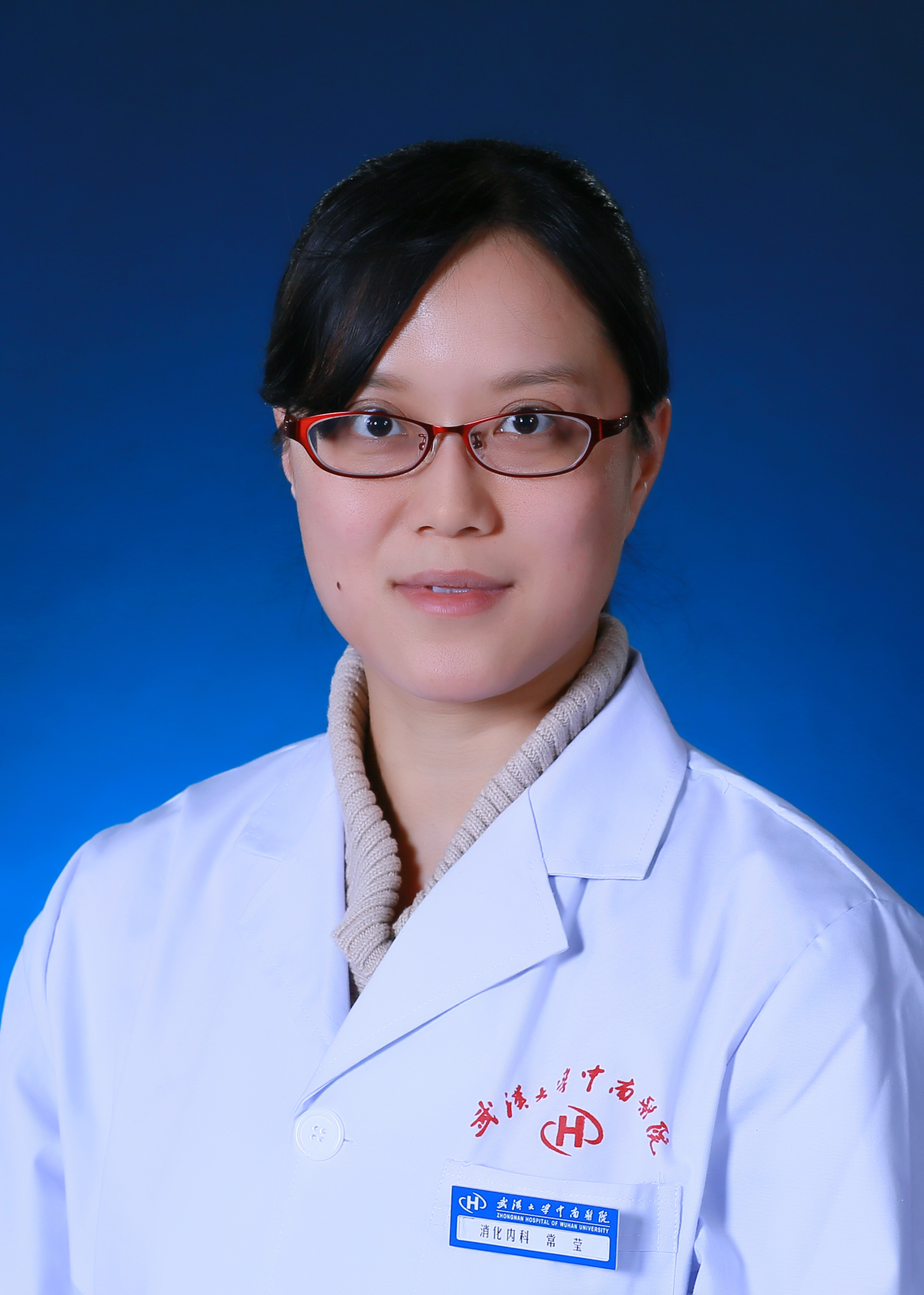 Ying Chang (常莹)合作论文数The Second Clinical College of Wuhan University/Zhongnan Hospital of Wuhan University2
 Jie Huang合作论文数Beijing Institute of Technology2
 Allan Tsung合作论文数General Surgery, University of Virginia2
 Jusheng Lin (林菊生)合作论文数Institute of Liver Diseases, Tongji Hospital, Tongji Medical College, Huazhong University of Science & Technology2Alan Soto合作论文数1Ruhong Tu合作论文数1Keyu Liu合作论文数1C Li合作论文数1Feijing Wu合作论文数1Yosuke Ochiai合作论文数1leah zamechek合作论文数1Detian Xie合作论文数1Leping Li合作论文数1Abhishek Kumar合作论文数1
 Xiuli Qiu合作论文数1Ding-Yue Zhang合作论文数1Qilong Song合作论文数1
 Jicheng Zhang合作论文数1Caixia Xi合作论文数1Qianming Kang合作论文数1Xiao-Cui Hong合作论文数1Jingwen Su合作论文数1Huang Zengyi (黄增艺)合作论文数1Changqing Jing合作论文数1bingyu he合作论文数1
 Fadi E. Salem合作论文数1Yan Lan合作论文数1Guo Li合作论文数1
 Yang Zhang (张洋)合作论文数Shenzhen Bay Laboratory1Jin Lin (金林)合作论文数1Haixia YANG (杨海霞)合作论文数1Bi-Yun Zheng合作论文数1Guodong Lian合作论文数1Zhengzi Yi合作论文数1




