Horchata is a traditional beverage from Valencia, Spain, made from tiger nuts (a tuber), which industrial production generates large amounts of co-products. These co-products are rich in several compounds (i.e. oil), which can be extracted by applying green technologies such as supercritical-CO2. However, even after oil extraction, some co-products remain. Following the principles of a circular economy, these remaining co-products can be reintroduced into the food chain as fat replacers in meat products. The study aimed to develop pork burgers with different concentrations of supercritical-CO2 (29.5 MPa, 45.8 °C) defatted tiger nut milk co-products (DTNC) and evaluate their stability, chemical composition, and physical properties. DTNC are rich in fiber and minerals, and their addition to pork burgers resulted in reduced fat content while increasing fiber, magnesium, and potassium in a concentration-dependent manner. The DTNC improved the cooking properties of the burgers and significantly affected their color and texture. Although the presence of the defatted tiger nut co-products reduced the scores for most of the sensory attributes, when added up to 3 %, all of them were rated higher than 5. At higher concentrations, the lowest values were obtained for granularity, juiciness and crumbliness. In conclusion, replacing backfat with up to 3 % DTNC in pork burgers provides a method to reduce fat while increasing fiber and mineral content, all while maintaining the expected qualities of the burger.
The utilization of edible insects (EIs) as an alternative source of nutrients and functional foods has gained substantial recognition in recent years, opening doors to sustainable food production, improved dietary health, and unique food experiences. EIs are rich in bioactive compounds (BACs) encompassing proteins, peptides, PUFA, vitamins, and antioxidants. These BACs have a wide array of health-enhancing qualities, from antioxidant, anti-inflammatory, antimicrobial and immune system-modulating effects. Furthermore, the potential of EIs extends to the management or mitigation of health conditions like obesity, diabetes, cardiovascular diseases, and malnutrition. The incorporation of EIs into food systems has evolved beyond traditional consumption, with applications in the development of functional foods, dietary supplements, and food ingredients. In this context, this critical review aims to amalgamate the most recent developments in the realm of EIs-based food products, in addition to elucidating the most efficient process intensification procedures for the extraction and recovery of these BACs. The sustainable utilization of EIs calls for a careful examination of several crucial considerations, including consumer acceptance or allergenicity. In this respect, intensified technologies have emerged to maximize the potential of BACs derived from EIs, while simultaneously enhancing their functionality, stability, and regulatory approval within the ambit of food products.
Within the framework of circular economy and process intensification, this work aimed to develop a two-way, microwave (MW)-assisted valorisation protocol for winemaking waste, namely grape stalk (GS), grape marc (GM) and exhausted grape marc (EGM). The first step evaluates the recovery of biologically active compounds (BACs). In this context, MW-assisted extraction (MAE) (200W, 100 ºC, 2h) demonstrated to be an intensified approach for processing EGM, enhancing the total antioxidant capacity (TAC) by up to 436% (TAC) compared to conventional soaking. Various polyphenols including flavonols (quercetin), flavanols (catequin, epicatechin), anthocyanins (procyanidins (B1-B7)), as well as glycosylated structures (i.e., kaempferol 3-O-glucoside), were detected by LC-MS analysis in this matrix. Simultaneously, the conversion to the bio-based chemical levulinic acid (LevA) was carried out. Considering the environmental factor involved in the dimension of sustainability, environmentally friendly practices were adopted, based on an aqueous single-phase without organic solvent, reusable catalysts as p-toluenesulfonic acid (p-TsA), and short reaction times (20min). LevA yield reached 33.09% molar from the extractives-free (EF)-EGM matrix, surpassing the 22.31% obtained from the untreated one. Nonetheless, GS exhibited higher efficiency, yielding up to 34.75 and 59.83% from the untreated- and EF-GS matrices, respectively.
Breastfeeding offers infants nutritional, immunological, neurological and emotional benefits, although some toxic compounds can also be detected in human milk and transported along this food chain, such as mycotoxins, bisphenols, heavy metals, and acrylamide. This narrative review collects data from around the world regarding the occurrence of these contaminants in human milk with a view to evaluate infant exposure to these compounds and the potential associated health risks. The factors driving the presence of these toxins in human milk are explored, as are some strategies and measures to minimize their transfer to infants. The incidence and the levels of toxic compounds reported in bibliography vary, ranging from trace levels to considerably high concentrations. The data obtained suggest that breastfed infants better tolerate exposure to toxic compounds than infants fed with milk formulas, even though in some cases the estimated daily intake may exceed the established reference values. Certain measures should be adopted to minimize the exposure of mothers and breastfed infants to toxic compounds, such as monitoring of good practices throughout the food chain and dietary control, avoiding commodities more susceptible to contamination.
This work outlines the first microwave (MW)-assisted protocol for the production of biofuel precursor furfural (FF) from the raw agricultural waste almond hull (AH), olive stone (OS), and the winemaking-derived grape stalk (GS), grape marc (GM) and exhausted grape marc (EGM) through a one-pot synthesis process. To enhance the overall yield, a catalytic process was firstly developed from xylose, major constituent of hemicellulose present in lignocellulosic biomass. This method afforded FF with 100 % selectivity, yielding over 85 % in isolated product when using H2SO4, as opposed to a 37 % yield with AlCl3·6H2O, at 150 °C in only 10 min. For both catalysts, the developed methodology was further validated, proving adaptable and efficient in producing the targeted FF from the aforementioned lignocellulosic raw materials. More specifically, the employment of AlCl3·6H2O resulted in the highest selectivity (up to 89 % from GM) and FF yield (42 % and 39 % molar from OS and AH, respectively), maintaining notable selectivity for the latter (61 and 48 % from AH and OS). At this regard, and considering the environmental factor of sustainability, it is important to point out the role of AlCl3·6H2O in contrast to H2SO4, thus mitigating detrimental substances. This study provides an important management of agricultural waste through sustainable practises for the development of potential bio-based chemicals, aligning with Green Chemistry and process intensification principles.
The quality aspects of Ostrea edulis (O. edulis) cultured in Valli di Comacchio were examined across different seasons. Nutritional quality parameters, antioxidant activity, total carotenoids, and contaminants were determined in winter, summer, and autumn (December, June, and October). Seasonal variations in nutritional parameters were observed. In particular, in the winter samples, proteins, eicosapentaenoic acid, docosahexaenoic acid, threonine, tyrosine, valine and methionine, isoleucine, potassium, and carotenoids showed the highest values, whereas oleic acid, linolenic acid, lysine, and magnesium exhibited the maximum values in the summer. Finally, lipids, carbohydrates, histidine, and magnesium were present at high values in the autumn. The antioxidant activity values differed between the two methods used (DPPH and photochemiluminescence assays); however, the oysters collected in June presented lower antioxidant capacity. Contaminant levels were always below the imposed concentration limits; however, higher levels of toxic metals were detected in the winter, while polycyclic aromatic hydrocarbons were detected in the summer and autumn. It is important to monitor the nutritional and toxicological quality of Ostrea edulis throughout the cultivation seasons, not only to enhance knowledge of this species and improve its cultivation systems but also to determine the optimal period for human consumption from both nutritional and toxicological perspectives.
This work describes the first approach for the valorization of sweet potato (Sp) peels assisted by pulsed electric fields (PEF) to obtain extracts that enhance the growth of potential probiotic bacteria. Four different varieties were studied, namely white sweet potato (WSp, "O'Henry"), white with purple (WPSp or "Violeta Roja"), orange (OSp or "California") and purple (PSp, "Pepita"). Among them, the PEF extracts obtained from PSp had a noticeable content of carbohydrates, polyphenols and flavonoids (12.5 mg/mL, 4.34 mg GAE/g and 1.73 mg GAE/g, respectively), being in any case higher than those obtained by maceration extraction. The analysis by quantitative Nuclear Magnetic Resonance (qNMR) allowed us to identify sucrose, fructose and glucose as the main sugars extracted, with a total concentration close to 94 mg/g PSp for the PSp-PEF crude extracts, which entails an enhancement by up to 92% with respect to the conventional extraction. Furthermore, these extracts improved the growth kinetics of probiotic bacteria, Lactobacillus members and also, the production of short chain fatty acids (SCFA). This fact should be also noted since they are considered valuable platform chemicals to be transformed into high-added-value, thus proposing another way for valorization. Industrial relevance: The relevance of this work lies in the necessity of searching new sustainable foods for their consumption, and the processing of these foods by means of innovative technologies. In light with this fact, the suitability of PEF-assisted extraction to be scaled-up at industrial level would pave the way for an efficient, notable conversion of wasted sweet potato (Sp) peels to potential prebiotics, boosting the recovery of these compounds by PEF technology with respect to traditional extraction methods and the health benefits.
Edible Insects (EIs) are an alternative source of bioactive compounds such as proteins or fatty acids and micronutrients as vitamins or minerals, thus showing potential to replace traditional foodstuffs in an economical and environmentally friendly way. Nonetheless, EIs can accumulate hazardous chemicals such as mycotoxins and heavy metals. The aim of the present study is to determine mycotoxins and heavy metal content in raw insect samples and those resulting products obtained after supercritical fluid extraction (SFE). Insect samples included Acheta domesticus (cricket) meal, Tenebrio molitor (mealworm) meal, Alphitobius diaperinus (buffalo worm), and Locusta migratoria (locust). For this purpose, a QuEChERS method followed by LC-MS/MS analysis was optimized with good results for the analysis of mycotoxins, principally Aflatoxins (AFs), Ochratoxin A (OTA), and Enniatins (ENNs). In contrast, heavy metals (As, Cd, Hg, Pb) were determined by Inductively Coupled Plasma Mass Spectrometry (ICP-MS). The results obtained revealed that Locust was positive for AFG2 at a level of 115.5 μg/kg, and mealworm was only contaminated with OTA at 58.1 μg/kg. Emerging mycotoxins (ENNA, ENNA1, ENNB, and ENNB1) were detected at lower levels < 2.2 µg/Kg. Concerning heavy metals, limits exceeding regulation were detected for Cd in the insect species studied, with levels up to 219 μg/kg, and for Pb in crickets (100.3 μg/kg). Finally, the analysis of the post-extraction solids after SFE processing revealed that heavy metals remained in the resulting SFE cakes, while mycotoxins were detected at negligible levels (up to 1.3 µg/Kg).
Limonene is the most abundant terpene in citrus byproducts, such as lemon and orange peels. Due to its six-membered ring structure, it is considered a valuable feedstock for the synthesis of important bioaromatics, such as p-cymene. This study aims to develop a rapid and sustainable method to produce bio p-cymene from biomass-derived limonene. The use of enabling technologies, such as microwaves (MWs), can significantly intensify the process, leading to further improvements in sustainability. Several mono- and multimode MW reactors have been tested in this context. Monomodal systems have yielded the highest p-cymene output (up to 22.61% selectivity), while multimode reactors allow for a scaling-up approach that overcomes the limitations of the monomodal ovens while still providing noticeable p-cymene yields (up to 17.79%). An environmentally friendly protocol that utilizes mild temperatures (80-165(degrees)C), has reduced time requirements (0-5 min), and can be performed in solvent-free conditions was employed throughout the process. This approach makes use of a wide range of biorefinery-based practices and is aligned with green processing, the circular economy, and process intensification principles.
The circular economy considers waste to be a new raw material for the development of value-added products. In this context, agroindustrial lignocellulosic waste represents an outstanding source of new materials and platform chemicals, such as levulinic acid (LA). Herein we study the microwave (MW)-assisted acidic conversion of microcrystalline cellulose (MCC) into LA. The influence of acidic catalysts, inorganic salt addition and ball-milling pre-treatment of MCC on LA yield was assessed. Depolymerization and disruption of cellulose was monitored by FTIR, TGA and SEM, whereas the products formed were analyzed by HPLC and NMR spectroscopy. The parameters that afforded the highest LA yield (48 %, 100 % selectivity) were: ball-milling pre-treatment of MCC for 16 min at 600 rpm, followed by MW-assisted thermochemical treatment for 20 min at 190 °C, aqueous p-toluenesulfonic acid (p-TSA) 0.25 M as catalyst and saturation with KBr. These optimal conditions were further applied to a lignocellulosic feedstock, namely melon rind, to afford a 51 % yield of LA. These results corroborate the suitability of this method to obtain LA from agroindustrial wastes, in line with a circular economy-based approach.
This article reports the first multistep combination of pulsed electric field (PEF; 3 kV/cm, 100 kJ/kg, 2 Hz, 100 ms) and supercritical fluid extraction (SFE) with CO2 (10-20 MPa, 25 mL/min [10% EtOH], 50 degrees C, 60 min) for exhausted grape marc (EGM). This current protocol was mainly created to recover bioactive glycosylated and lipidic compounds. In this regard, total antioxidant capacity (TAC) was enhanced up to 68% after PEF treatment compared to conventional soaking. However, re-extracting PEF-treated EGM after the application of SFE (PEF + SFE) boosted the efficiency by up to 87%. Several polyphenols (kaempferol, luteolin, scutellarin, and resveratrol, among others), together with other glycosylated structures, were identified by liquid chromatography coupled with mass spectrometry analysis. The bioactive lipidic compounds extracted by SFE, along with the carbohydrate fraction (free sugars) favourably extracted by PEF pre-treatment (mainly glucose, but also fructose and sucrose), were concurrently detected by nuclear magnetic resonance. The remaining solid fraction after treatment was also characterised. Different microscopic morphology was observed by scanning electron microscopy (SEM) on untreated, PEF, and PEF + SC-CO2-treated EGM. Differential thermogravimetric (DTG) curves determined by thermogravimetric analysis (TGA) also suggested alternative and potential means for the valorisation of this matrix.
The valorization of agrifood leftovers from an herbaceous plant widely cultivated in Mediterranean areas (Italy and Spain), Cynara scolymus L., is reported here as part of a zero-waste biorefinery approach. The Globe artichoke (GlobART) variety was selected as the source of artichoke leftovers, which were valorized using the following cascade approach: (i) the recovery of antioxidant compounds (AC) still present in the matrix through sustainable microwave-assisted subcritical water extraction (MA-SWE); and, (ii) the subsequent production of levulinic acid (LevA) via the MW-assisted conversion (225 degrees C, 2 min, 1500 W) of the cellulosic fraction recovered after initial extraction. Preliminary MW-assisted conversion tests on the post MA-SWE GlobART matrix yielded about a 37% yield of LevA (molar yield) using HCl and p-toluenesulfonic acid (p-TsA). Furthermore, performing a delignification step, mediated by either ultrasound (UAD) or MW (MAD), on the post-MA-SWE GlobART matrix before conversion considerably increased LevA yield (55% and 71% from post-UAD and post-MAD GlobART matrices, respectively, with p-TsA). Finally, reducing the KBr/biomass ratio, when using p-TsA, by half afforded an enhancement in LevA yield up to 80% when starting from the post-extraction and delignified (post MA-SWE-&MAD) GlobART matrix.
This work aims to establish a novel zero-waste-based assessment for the winemaking-derived by-products grape stalks (GS), grape marc (GM), and exhausted grape marc (EGM). To this end, the application of sustainable, intensified technologies as pulsed electric fields (PEF) (3 kV/cm, 100 kJ/kg, 2 Hz, 100 ms) was firstly evaluated to recover biologically active compounds (BACs). In this regard, results from EGM should be mentioned, with an increased efficiency to up to 68 % above the conventional soaking. In addition, it was supposed the first PEF processing to this matrix, to the best of our knowledge. In parallel, with view to the desirable conditions of zerowaste, alternative valorization routes were proposed considering the in-depth characterization carried out. For instance, the exploitation of EGM towards bioenergy was firmly suggested according to its proximate and ultimate analyses, and higher heating value (HHV). Further, it was also noteworthy the amount of holocellulose and lignin present in all GS, GM, and EGM (28-35 % and 28-45 %, respectively), relevant to develop a wide range of fine chemicals as levulinic acid or furfural. Finally, the lipidic fraction, useful as food ingredient or for biodiesel production, was isolated and characterized by NMR, being remarkable the detected amount for GM (7 %).
High-pressure processing (HPP) and pulsed electric fields (PEF) are recognized as non-thermal, intensified technologies to sustainably recover high-added-value compounds (HAVCs), in agreement with Sustainable Development Goals. HPP and PEF principal contributions to sustainably recover HAVCs from agro-industrial side streams and underutilized leftovers are reviewed. Both HPP and PEF techniques efficiently enable the recovery of valuable, bio-based HAVCs (i.e., protein, polyphenols or antioxidant compounds), also noting the concurrent extraction of other frameworks as pectin, or primary metabolites as freely accessible carbohydrates. It should be pointed out the environmentally friendly conditions required compared to traditional extraction methods (i.e., alternative, green solvents or shorter times) due to their working mechanisms (electroporation, high pressures), resulting in notable higher yields, quality and purity of recovered extracts. Future trends and industrial outlook should encompass efficiency and operational conditions improvement, developing a suitable scaling-up approach in biorefineries or food industry covering sustainability' economic, social, and environmental dimensions.
The current levels of added sugars in processed foods impact dental health and contribute to a range of chronic non-communicable diseases, such as overweight, obesity, metabolic syndrome, type 2 diabetes, and cardiovascular diseases. This review presents sugars and sweeteners used in food processing, the current possibility to replace added sugars, and highlights the benefits of using dates as a new natural, nutritious and healthy alternative to synthetic and non-nutritive sweeteners. In the context of environmental sustainability, palm groves afford a propitious habitat for a diverse array of animal species and assume a pivotal social role by contributing to the provisioning of sustenance and livelihoods for local communities. The available literature shows the date as an alternative to added sugars due to its composition in macro and micronutrients, especially in bioactive components (fiber, polyphenols and minerals). Therefore, dates are presented as a health promoter and a preventative for certain diseases with the consequent added value. The use of damaged or unmarketable dates, due to its limited shelf life, can reduce losses and improve the sustainability of date palm cultivation. This review shows the potential use dates, date by-products and second quality dates as sugar substitutes in the production of sweet and healthier foods, in line with broader sustainability objectives and circular economy principles.
This work reports the first example of combined sequential extraction by pulsed electric fields (PEF) (3 kV/cm, 100 kJ/kg, 2 Hz, 100 ms) and supercritical (SC) fluid extraction (SFE) (15 MPa, 25 mL/min, 50 degrees C, 60 min) with CO2 (SC-CO2) for the valorisation of almond hull (AH) biomass. PEF+SFE boosted the efficiency of the protocol up to 77% for total antioxidant capacity and 20% in terms of polyphenols recovery compared to the traditional soaking. Triple-TOF-LC-MS-MS analysis provided the phenolic profiles for the PEF and SCCO2 extracts, observing significant differences in the polyphenol profile according to the technology applied. Additionally, NMR analysis detected the presence of the carbohydrate soluble (mainly glucose, fructose and sucrose) and lipidic fractions, both selectively extracted by PEF or SC-CO2, respectively. Finally, the post-extraction residual solid biomass was characterized by several techniques such as TGA, FT-IR and SEM. For the latter, the formation of surface pores after PEF and a high fibre compaction after SFE was observed. On the other hand, DTG curves allowed to firmly propose concurrent valorisation routes for this solid, in agreement with a zero-waste approach. (c) 2023 The Author(s). Published by Elsevier Ltd on behalf of Institution of Chemical Engineers. This is an open access article under the CC BY license (http://creativecommons.org/licenses/by/4.0/).
Almonds are considered one of the most valuable fruits worldwide due to its high nutritional value. Moreover, a growing attention has been paid over the last years to other parts of the fruit, such as skins, shells or hulls, which are commonly found as almond by-products and scarcely exploited for valorization. In this study, two approaches were evaluated. Firstly, a green innovative processing technology, pulsed electric fields (PEF), was applied for the first time to assist the extraction of antioxidant compounds from almond hull biomass (AH). In particular, this technology was used with the aim of developing a feasible valorization strategy, being a sustainable alternative for polyphenols extraction compared to traditional methods. Then, the total phenolic content (TPC) and the antioxidant activity (TEAC and ORAC values) were measured, obtaining a higher extraction of TPC and TEAC values when PEF was used compared to conventional soaking. Secondly, the characterization of AH by means of fiber, ultimate and proximate analysis was carried out. Ultimate and proximate analysis provided information about the exploitation towards bioenergy and biofuels, demonstrating the so-called derived AH-EFB being useful for that purpose. Moreover, the high percentage in terms of carbohydrates suggests that AH could be a useful source for high-added-value chemicals, such as levulinic acid, furfural and 5-hidroximethylfurfural, displaying an interesting energetic valorization route for this biomass.
Microwave (MW) treatment promotes homogeneous heating compared to conventional methods, thus increasing the recovery of high-added-value compounds and leading to a considerably lower amount of both by-products and side reactions. Therefore, the main goal of this work is to valorize almond hull (AH) via microwave (MW)-assisted radiation (0-200 W, 0-300 psi, 100-190 degrees C, 10-40 min). In this context, two different pathways were evaluated. Firstly, the transformation of AH into levulinic acid (LA), one of the major bio-based chemicals obtained from lignocellulosic biomass. The so-called almond hull extractives-free biomass (AH-EFB) led to the best results after using both Lewis (AlCl3 center dot 6 H2O, 1 mol/L, 87 % molar yield) and Bronsted (p-toluenesulfonic (p-TsOH), 0.25 mol/L, 91 % molar yield) acids, at 190 degrees C for 20 min. This latter not only provides a sustainable system in contrast to mineral acids such as H2SO4 or HCl, but also the possibility of being recovered and recycled for further transformations. In a parallel secondary experiment, the recovery of biologically active compounds (BACs) was studied separately. For this purpose, antioxidant assays and phenolic profiling were carried out, which demonstrated that MW was more efficient than traditional methods (i.e. soaking) based on obtained values in terms of scavenging activity and polyphenols. Overall, this valorization approach involves most of the Green Chemistry principles, thus contributing to the development of almond biorefineries.
Valorization of agri-food residues to produce bio-based platform chemicals will enhance the transition to the bio-economy era. To this end, a sustainable process has been developed for the overall valorization of grape stalks (GS) according to a circular approach, starting from the lignin fraction to further deal with the cellulose-rich residue. This non-conventional protocol fully adheres to green chemistry principles, exploiting the so-called enabling technologies-mainly ultrasound and microwaves-for energy-saving innovative processes. Firstly, ultrasound-assisted extraction (UAE, 40 kHz, 200 W) demonstrated to be an excellent technique for GS delignification combined with natural deep eutectic solvents (NaDESs). Delignification enables isolation of the pertinent lignin framework and the potential to obtain a polyphenol-rich liquid fraction, focusing on the valorization of GS as source of bioactive compounds (BACs). Among the NaDESs employed, the combination of choline chloride (ChCl) and levulinic acid (LevA) (ChLevA) presented noteworthy results, enabling a delignification higher than 70%. LevA is one of the top-value biobased platform chemicals. In this work, a flash microwave (MW)-assisted process was subsequently applied to the cellulose-rich fraction remained after delignification, yielding 85% LevA. The regeneration of this starting compound to produce ChLevA can lead to a further biomass delignification cycle, thus developing a new cascade protocol for a full valorization of GS.
 Francisco J. Barba合作论文数Preventive Medicine and Public Health, Food Sciencs, Toxicology and Forensic Medicine Department, Universitat de València16
 Andrés Moreno合作论文数Facultad de Quı́micas, Universidad de Castilla-La Mancha13
 Maria Prado Sanchez-Verdu合作论文数12
 Alberto J. Huertas-Alonso合作论文数Facultad de Ciencias y Tecnologías Químicas, Universidad de Castilla La Mancha10
 Francisco J. Marti-Quijal合作论文数Faculty of Pharmacy, Universitat de València7Noelia Pallarés合作论文数Fac Pharm, Univ Valencia7
 Giancarlo Cravotto合作论文数Department of Drug Science and Technology, University of Turin5
 Juan Manuel Castagnini合作论文数Faculty of Pharmacy, Universitat de València4
 Silvia Tabasso合作论文数Dipartimento di Chimica Generale e Chimica Organica, Università di Torino4
 Almudena Lorente合作论文数3
 Emanuela Calcio Gaudino合作论文数3
 Diego J González-Serrano合作论文数Facultad de Ciencias y Tecnologías Químicas, Universidad de Castilla-la Mancha3
 Milad Hadidi合作论文数Faculty of Chemical Sciences and Technologies, University of Castilla-La Mancha3Beatriz Cabañas合作论文数3
 Francesco Mariatti合作论文数2
 Houda Berrada合作论文数2
 María Carmen Collado Amores合作论文数Department of Biochemistry and Food Chemistry, University of Turku2
 Basharat Nabi Dar合作论文数Department of Food Technology, IUST2
 Mario J. Simirgiotis合作论文数Facultad de Ciencias Exactas y Naturales, Universidad de Buenos Aires2P.V. Martínez-Culebras合作论文数2Emilia Ferrer合作论文数2
 Mara Calleja Gomez合作论文数1Sonia Moreno-Blázquez合作论文数1
 Jose Angel Perez-Alvarez合作论文数1
 Manuel Bernabeu Lorenzo合作论文数1Mirco Cescon合作论文数1
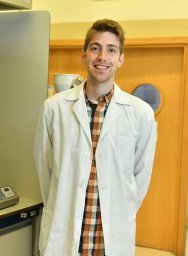 Jose C. Orellana-Palacios合作论文数Dept Organ Chem, Univ Castilla La Mancha1Alejandro Escobar-Peso合作论文数Dept Res, Hosp Univ Ramon & Cajal1
 Min Wang合作论文数Department of Biotechnology, Institute of Agrochemistry and Food Technology-National Research Council (IATA-CSIC), Agustin Escardino 7, 46980 Paterna, Valencia, Spain1Carmen Botella-Martínez合作论文数1
 Raquel Lucas Gonzalez合作论文数1Javier Remón合作论文数1
 Daniel Diez-Iriepa合作论文数Lab Med Chem IQOG, CSIC1
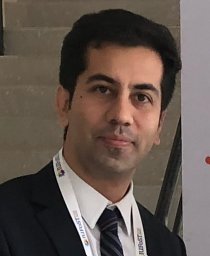 Mohsen Gavahian合作论文数Dept Food Sci, Natl Pingtung Univ Sci & Technol1
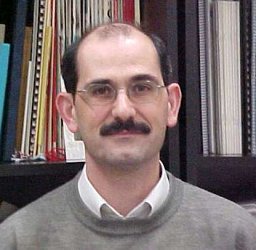 Antonio Antinolo合作论文数Electronic supplementary information (ESI) available. See DOI: 10.1039/d1gc03393j1
 Qiang Xia (夏强)合作论文数College of Food and Pharmaceutical Sciences, Ningbo University1
 Altintas Zeynep合作论文数Cranfield Health, Cranfield University1Martínez-Ferrer Jaime合作论文数1
 Natasha Spadafora合作论文数1
 Elena Sarti合作论文数1
 Dimitra Hadjipavlou-Litina合作论文数Department of Pharm.‐ Medicinal Chemistry, School of Pharmacy, Aristotle University of Thessaloniki1
 James Clark合作论文数Department of Chemistry, University of York;Fudan University1
 Daniel Jose Franco Ruiz合作论文数Parque Tecnológico de Galicia, Centro Tecnológico de la Carne de Galicia1
 Yuthana Phimolsiripol合作论文数Faculty of Science, Chulalongkorn University1Isabel Iriepa合作论文数1
 Mourad Chioua合作论文数Facultad de Ciencias Quı́micas, Universidad Complutense1
 Iván Bravo合作论文数Physical Chemistry Department, University of Castilla–La Mancha1
 Elena Villasenor合作论文数1
 Carlos Alonso-Moreno合作论文数Facultad de Ciencias Químicas, Universidad de Castilla-La Mancha1




