Conventional starch-based chocolate fillings often exhibit retrogradation, poor rheology, and low thermal stability. To address these limitations, this study developed chocolate fillings using corn starch (CS) combined with five gums such as xanthan gum (XG), guar gum (GG), carboxymethyl cellulose (CMC), locust bean gum (LBG), and carrageenan (CARRA) to enhance their functional and thermal properties for croissant applications. Dynamic frequency sweep analysis indicated that gum incorporation substantially improved the viscoelastic behavior of CS-based chocolate fillings, with the CS-CMC blend demonstrating the highest structural stability even post-baking. Temperature sweep rheology (25-90°C) further showed that CS-CMC possessed the greatest structural stability, maintaining G' > G″ across the range. CS-XG followed, whereas CS-LBG, CS-GG, CS-CARRA, and CS shifted toward liquid-like behavior at higher temperatures. The baking stability index (BSI) of chocolate fillings formulated with CS was 80%, but increased to 85.8-96.8% when CS was blended with gums. Syneresis decreased substantially: from 7.6% to 1.12-5.96% in the without baking condition and from 4.25% to 0.96-2.74% after baking, with the CS-CMC blend showing the greatest improvement. Without baking, chocolate fillings showed TPC of 141.54-165.38 mg GAE/100 g and antioxidant activity of 64.52-70.58%. After baking, these values decreased slightly to 135.54-160.85 mg GAE/100 g and 58.58-68.79%. Croissants filled with these formulations exhibited enhanced antioxidant potential and reduced firmness. Overall, CS-CMC was identified as the most effective gum-starch combination for producing thermally stable, nutritionally enriched, and consumer-preferred chocolate fillings.
Duckweed (Lemna minor), a fast-growing aquatic plant, represents a promising sustainable and nutrient dense alternative protein source for plant-based foods and feed. This study compares alkaline acid extraction (AAE) and ultrasound-assisted alkaline extraction (UAAE) for protein recovery, structural characteristics, and functional performance. The fresh biomass exhibited high moisture (90.18 +/- 0.18%) and protein content (25% dry weight), with RuBisCo as the dominant protein. UAAE significantly enhanced protein yield (34%) and recovery (18%) at 70% amplitude for 20 min, outperforming conventional AAE. Ultrasound treatment improved solubility, water-holding capacity (3.4 g/g), foaming (65%), emulsifying activity (60.3 m2/g), and colloidal stability, accompanied by reduced particle size (744 nm) and increased zeta potential (-22.5 mV). Structural analyses (SDS-PAGE, FTIR, XRD, SEM) revealed ultrasonication-induced protein unfolding, reduced diffraction intensity indicative of structural loosening in the amorphous protein matrix, and enhanced exposure of polar amino acids, including norvaline, glutamic acid, aspartic acid, and arginine. These molecular and functional enhancements position duckweed protein as a technologically versatile, sustainable plant-based ingredient with potential applications in food formulations, protein-enriched products, and biotechnological applications. This work provides quantitative structure function insights, supporting the scale-up and utilization of duckweed as a novel alternative protein.
Hydrocolloids play a crucial role in enhancing the quality of fruit-based products, aligning with global demands for healthier and more sustainable food options. This review highlights the latest advancements in the application of plant-based, algae-based, animal-based, microorganism-based, and chemically modified hydrocolloids in fruit purees, fruit leathers, fruit juices, and fruit fillings. This work highlights the importance of hydrocolloids in enhancing the textural stability, thermal properties, and nutritional retention of fruit-based products, while maintaining their desirable sensory attributes. The central aim of this review is to evaluate comprehensively the techno-functional properties of hydrocolloids, including thickening, gelling, encapsulating, thermal stabilizing, syneresis inhibiting, and colloidal stability. Additionally, the interactions between hydrocolloids and fruit ingredients, particularly sugars, are analyzed to provide insights into their bonding mechanisms and their influence on product quality. This review consolidates recent findings to provide guidance for researchers and industry professionals on utilizing hydrocolloids to improve the quality, stability, and consumer acceptability of fruit-based products, offering benefits to both manufacturers and consumers.
The study optimized polyphenol extraction from Rheum emodi and Urtica dioica, varying solvents (Ethanol, Methanol, Water), concentrations, and extraction methods (CE, MAE, UAE). UAE consistently outperformed, yielding significantly higher phenolics, flavonoids, and antioxidants. In the 60% methanolic extract of U. diocia, the highest antioxidant activities were recorded, with DPPH (69.4 +/- 2.2%), ABTS (94.61 +/- 2.1%), and FRAP (0.82 +/- 0.005 mol Fe2+/g). For Rheum emodi, the 70% ethanolic extract exhibited superior flavonoid content (63.6 +/- 2.1 mg RE/g), phenolic content (132.7 +/- 2.2 mg E GA/g), and antioxidant activities, including DPPH (69.4 +/- 2.2%), ABTS (94.6 +/- 2.1%), and FRAP (0.82 +/- 0.005 mu mol Fe2+/g). HPLC analysis identified eight phenolic acids, five flavonoids, and two anthraquinones in both extracts. These results highlight the potential of Rheum emodi and Urtica dioica as rich sources of phytochemicals for various food and pharmaceutical applications.
This study presents a novel investigation into the impact of baking on the physiochemical, antioxidant, techno-functional, textural, thermal, and rheological properties of honey cookie fillings, which were prepared using the combination of xanthan gum (XG) and watermelon rind paste (WMRP). At a constant concentration of XG (1.0
The present investigation was conducted to transform apricots into a powder form at various drying temperatures, minimize their postharvest losses, extend their shelf life and explore their potential applications in food and pharmaceutical industries. The moisture, protein, fat and fiber content decreased considerably (P < 0.05) with increasing drying temperature from 50 to 70 degrees C. The L* decreased while a* and b* increased with increasing drying temperature. The FTIR analysis showed characteristic bands at 3241-3382 cm-1, 2800-2930 cm-1, 1600-1750 cm-1 and 1030-1408 cm-1 wavenumbers. In DSC analysis, the onset, peak temperature and endset temperature raged from 29.66 to 29.95 degrees C, 91.54-122.70 degrees C and 149.89-149.90 degrees C, respectively. The apricot powder showed non-newtonian (Hershel bulky) behavior with yield stress of 1.98-2.5 Pa. Storage (G') and Loss modulus (G") values increased with increasing temperature. The pasting temperature decreased significantly (P < 0.05) from 56.90 to 78.40 degrees C with increasing temperature from 50 to 70 degrees C. The peak viscosity (cP) of the samples ranged between 661 and 239 cP, and the breakdown, setback and final viscosity ranged from 187 to 125, 322-147 and 797-445 Pa, respectively. The TPC activity increased significantly from 5.29 to 6.73 GAE/g by increasing temperature from 50 to 60 degrees C, the TPC then decreased to 5.35 GAE/g at 70 degrees C. The DPPH increased from 77.81 % to 83.39 % by increasing temperature from 50 to 60 degrees C and then decreased to 78.11 % at 70 degrees C. Water and holding capacity increased with increasing temperature from 50 to 70 degrees C.
The high rate of poultry consumption in the Kashmir valley has led to a significant increase in processing, resulting in the generation of large amounts of waste. The current study was conducted to valorize this poultry waste for the extraction of gelatin. The gelatin recovery was 14.42 ± 0.02
Utilizing poultry feet, a typically underutilized by-product, we extracted gelatin to fabricate environmentally friendly packaging pouches for the shelf life enhancement of fresh chicken breast cubes. The incorporation of chilli seed oil nanoemulsions, characterized by their particle sizes (61-127 nm) and zeta potential values (-18 to -28 mV), not only contributed to the pouches' structural integrity but also imparted antimicrobial properties. These pouches demonstrated reduced UV light transmittance and controlled color changes in packaged chicken breast cubes, compared to the control samples. Significantly, the pouch-packaged samples exhibited slower pH increase, reduced weight loss (16.2-20.4%), and lower TBARS values, indicative of delayed lipid oxidation and spoilage. Microbiological assessments revealed that the packaged samples effectively restrained microbial growth, staying within safety limits for E. coli and total plate counts, unlike the control samples which exceeded these thresholds. Textural analysis further showed better preservation of the meat's consistency within the pouches. This investigation not only highlights the valorization of food industry by-products in developing sustainable packaging solutions but also emphasizes the efficiency of developed packaging pouches in enhancing shelf-life of fresh poultry meat cubes, thus resonating with the contemporary needs of food processing technologies and consumer acceptance.
The starch yield of 23-28% (db) with 35-43% amylose content is recovered from different immature apple varieties. Scanning electron microscopy reveals the presence of the dome to spherical shaped granules of 3.1-11.62 & mu;m size. The transition temperatures, onset temperature, peak temperature, conclusion temperature, and enthalpy of gelatinization are calculated using differential scanning calorimetry (DSC) ranges between 61.62 and 64.48 & DEG;C, between 64.61 and 68.07 & DEG;C, between 68.64 and 72.37 & DEG;C, and between 4.35 and 17.49 J g(-1), respectively. The water absorption capacity and oil absorption capacity of starches range between 1.036 and 1.372 mL g(-1) and between 0.876 and 1.125 mL g(-1), respectively. The peak viscosity of 638-1942 cP is achieved in 3.8-6.10 min at a pasting temperature of 65-71 & DEG;C. A yield stress of 10-39 Pa is sufficient to instigate the Herschel Bulkley flow. The paste of Mollie's Delicious starch is more structured and elastic; its gel has a hardness of 3.5 N and maximum recovery strength.
The utilization of edible insects (EIs) as an alternative source of nutrients and functional foods has gained substantial recognition in recent years, opening doors to sustainable food production, improved dietary health, and unique food experiences. EIs are rich in bioactive compounds (BACs) encompassing proteins, peptides, PUFA, vitamins, and antioxidants. These BACs have a wide array of health-enhancing qualities, from antioxidant, anti-inflammatory, antimicrobial and immune system-modulating effects. Furthermore, the potential of EIs extends to the management or mitigation of health conditions like obesity, diabetes, cardiovascular diseases, and malnutrition. The incorporation of EIs into food systems has evolved beyond traditional consumption, with applications in the development of functional foods, dietary supplements, and food ingredients. In this context, this critical review aims to amalgamate the most recent developments in the realm of EIs-based food products, in addition to elucidating the most efficient process intensification procedures for the extraction and recovery of these BACs. The sustainable utilization of EIs calls for a careful examination of several crucial considerations, including consumer acceptance or allergenicity. In this respect, intensified technologies have emerged to maximize the potential of BACs derived from EIs, while simultaneously enhancing their functionality, stability, and regulatory approval within the ambit of food products.
Microalgae contain a diverse range of high-value compounds that can be utilized directly or fractionated to obtain components with even greater value-added potential. With the use of microalgae for food and medical purposes, there is a growing interest in their digestive properties and impact on human gut health. The extraction, separation, and purification of these components are key processes in the industrial application of microalgae. Innovative technologies used to extract and purify microalgal high-added-value compounds are key for their efficient utilization and evaluation. This review's comprehensive literature review was performed to highlight the main high-added-value microalgal components. The technologies for obtaining bioactive compounds from microalgae are being developed rapidly, various innovative, efficient, green separation and purification technologies are emerging, thus helping in the scaling-up and subsequent commercialization of microalgae products. Finally, the digestive behavior of microalgae nutrients and their health effects on the human gut microbiota were discussed. Microalgal nutrients exhibit favorable digestive properties and certain components have been shown to benefit gut microbes. The reality that must be faced is that multiple processes are still required for microalgae raw materials to final usable products, involving energy, time consumption and loss of ingredients, which still face challenges.
Microalgae have emerged as favorable substitutes for traditional animal-based proteins in the search for sustainable protein sources. Despite being underexplored, microalgae offer the possibility of large-scale protein production via novel extraction techniques. This review synthesizes current knowledge on microalgal proteins, shedding light on their novel extraction techniques and techno-functional properties, which are still in the early stages of exploration. Additionally, it explores the miscellaneous applications of algae proteins across various industrial sectors, including bakery, dairy, pharmaceuticals, and nutrition. By discussing the techno-functional properties of algae proteins and peptides, this review underscores their potential to revolutionize the industrial landscape while addressing sustainability challenges. As research in this field progresses, microalgae are poised to emerge as a viable and environmentally friendly protein source, offering a pathway toward a more sustainable future.
To optimize food-derived bioactive components, a significant concern is their stability and bioavailability. Quercetin, a well-known polyphenol found in onions, has garnered attention for its potential bioactivity. Recent studies have illuminated the heightened quercetin content in sprouted onions, offering a unique avenue for exploration. The well documented interaction between quercetin and the colonic microflora depicts the bioconversion of natural bio actives by gut bacteria. The review also cites the prebiotic activity of quercetin which occurs due to hydrolysis during sprouting which suggests the development of quercetin-based nanoparticles for personalized clinical needs. This requires considerable research on use of quercetin nanoparticles with significant focus on nanoscale formulation, scale-up, regulatory aspects and in preventing gut dysbiosis.To explore the bioavailability enhancement and its implications for gut health, this comprehensive review examines the nutritional aspects, metabolic pathways, stability, and bioavailability of quercetin derived from onions. Additionally, it investigates the interplay between sprouting and the bioefficacy of quercetin metabolites. While literature exploring quercetin from sprouted onions and its role in mitigating lifestyle-related disorders is limited, this review aims to consolidate existing knowledge, with a primary focus on diabetes management and gut microbiota modulation. We anticipate that the insights presented in this article will contribute to strategies for optimizing food-derived bioactive components, enhancing their stability, and realizing their potential in health promotion.
The quality of the meatballs (Goshtaba) deteriorates during storage owing to textural loss, lipid oxidation, and microbial activity. These deteriorations increase during storage, thereby lowering the quality and consumer acceptability of the product. Thus the present study evaluated the influence of xanthan gum and retorting process in preventing these deteriorations in meatballs. The elastic modulus of gum-treated meat paste was greater than the loss modulus values owing to higher cross-linking between peptide and polysaccharide chains. The cooking loss of goshtaba samples were 4.15 %, 3.50 %, 3.30 %, and 3.0 % for X (0.0), X (0.3), X (0.6), and X (0.9) samples respectively. The malonaldehyde content as a major lipid oxidation product was below the permissible limits of 2 mg/kg for both xanthan-treated and control goshtaba samples. The textural quality of the gum-treated product was well retained during storage compared to control samples. In microbiological analysis both treated and control goshtaba samples were free of a microbial count, indicating retorting as an efficient thermal method of processing and shelf stability of the developed product. The X (0.6) samples showed the best results as per the overall acceptability of products concerned during the storage period of 3 months.
Waste valorization of apple seeds for protein extraction is a sustainable approach to the management of apple seed waste in the apple processing industry. The purpose of the research is to study the modification of apple seed protein isolates under different doses of irradiation on functional, structural, thermal, and morphological characteristics. Different irradiation doses of 8, 15, 20 25, and 50 kGy showed significant variations in protein content (88.70%-86.45%), total phenolic content (774.13-285.42 mg GAE/100g), and color profile of the apple seed protein. Irradiation altered the apple seed protein isolates' functional properties with increased foaming properties and emulsifying properties and decreased water and oil absorption properties. Irradiation induces denaturation and cross-linking in the apple seed protein structures, which increase surface hydrophobicity (708.66-1740.66), decreased zeta potential (-18.60 to-39.39 mV), and alteration in protein secondary structures with decreased alpha-helix (11.52-10.43 %), beta-sheet content (60.82-60.13%), and random coils (16.82-16.19%), and increased beta turns (10.79-13.22 %). DSC and TGA analysis revealed improved thermal properties using irradiation doses of 8-20 kGy whereas reduction for 25-50 kGy in irradiated apple seed proteins. Scanning electronic microscopy showed pores and aggregated structures of irradiated apple seed protein isolates. The study revealed the potential of irradiation as one of the non-thermal techniques for modifying apple seed protein isolates for protein valorization in various food applications.
The current investigation aimed at evaluating the effect of different applied ozone dosages of 32.0, 38.0, 44.0 and 50.0 g.kg(-1) on techno-functional properties, structural properties, molecular interactions and thermal properties of red sorghum flour. Ozonation led to an increase in the water absorption capacity (1.79 to 2.15 g/g), water solubility index (1.59 to 5.13%), oil absorption capacity (1.27 to 1.71 g/g), swelling power (7.68 to 8.31 g/g), foaming capacity (10.14 to 13.91) and stability and paste clarity (19.35 to 34.30%T); however, there was a decrease in the gel consistency (95.50 to 40.20 mm), flour dispersibility (92.36 to 89.21%), emulsion activity (8.50 to 7.00%) and stability (32 to 22.20%). This alteration in the functional properties could be attributed to the cleavage of various groups due to oxidation and resulting in increased electronegativity. Ozonation enhanced the total phenolic content (226.34 to 276.23 mg GAE/100 g), FRAP activity (8.14 and 12.65 & mu;mol TE/g), in vitro starch digestibility while reduced the total flavonoid content (605.26 to 582.15 mg QE/100 g), DPPH (10.90 to 9.61%RSA) and in vitro protein digestibility. Scanning electron microscopy and Fourier transform infrared microscopy showed modification in the structure and molecular interaction attributing to the widening of the protein and compactness of the starch. Pearson's correlation coefficient and Principal component analysis (PCA) were employed for studying the relationship between different variables and for validation of changes due to ozonation.
This study investigates the efficacy of gluten films incorporated with montmorillonite (MMT) and starch nanocrystals (SNCs), further enriched with chitosan, in preserving the quality of litchis over a 20 -day storage period at 4 degrees C. The addition of MMT/SNCs along with chitosan boosts the tensile strength (52.44 to 57.00 MPa) and surface uniformity of the films while also decreasing water vapour transmission rates (0.77 to 0.68 pound 10 - 3 g/m 2 /h). Notably, litchis wrapped in these nanocomposite films demonstrate superior shelf stability compared to untreated litchis, which undergo considerable deterioration. Among the film variants, SNCs/chitosan films (GSL2) outperform MMT/chitosan (GML2) due to their superior barrier properties. By the 20th day of storage, litchis packaged in GSL2 films display reduced antioxidant enzyme activity (polyphenol oxidase: 3.18 to 8.08 unit/min/g fruit weight; peroxidase: 0.94 to 5.29 unit/min/g fruit weight) and higher retention of bioactive compounds, including anthocyanin (9.15 to 9.90 mg/100 g), phenolics (347.7 to 362.07 mg/100 g), and ascorbic acid (28.21 to 29.09 mg/100 g) in litchi pericarps during last intervals. Similarly, less alteration was observed in the firmness (8.47 % and 7.36 %) and weight loss (24.04 % and 19.86 %) of the litchis packaged in GML2 and GSL2, respectively as compared to unpackaged litchis. Notably, litchi pericarp exhibits negligible functional group changes when packed in GML2 and GSL2 films until the 15th day of storage. In summary, GML2 and GSL2 films effectively maintain acceptable litchi quality for three weeks.
This study was conducted to fabricate and characterize poultry gelatin-based films incorporated with chili seed oil nanoemulsions. The particle size of developed nanoemulsions ranges between 60 and 129 nm with a zeta potential of -20-(-30) mV. The flow behavior of filmogenic solutions containing nanoemulsions was evaluated by the Herschel-Bulkley model with R-2 and k ranging between 0.997 and 0.999 and 0.0179-0.0252, respectively. In the dynamic rheological analysis, the G ' value of the filmogenic solutions was greater than the G '' values and increased with increasing nanoemulsion concentration. The CIELAB L*, a*, and b* color coordinates ranged between 21.16 and 19.82, -0.39-(-0.32), and 0.58 and 1.93, respectively. With increasing nanoemulsion concentration from 5 to 20%, the film solubility, moisture content, tensile strength, and elongation at break decreased, while the thickness and water vapor permeability increased. All film samples showed lower transmittance values in the UV region, with increasing nanoemulsion percentage, the transmittance decreased significantly (P < 0.05). The contact angle increased from 44.21 degrees to 97.70 degrees with increasing nanoemulsion concentration. The film samples showed peaks from 3285 to 3305 cm(-1) representing amide-A, and a peak at 1748 cm(-1) in all the film samples was attributed to the ester linkages of triglyceride carbonyls. Scanning microscopic analysis indicated that the roughness of films increased with increasing nanoemulsion concentration. The mechanical, barrier properties, antioxidant, antibacterial, and UV-blocking capabilities improved significantly. Thus, developed films have potential applications in food packaging.
 Hilal Makroo合作论文数Department of Food Technology, Islamic University of Science and Technology40
 Darakshan Majid合作论文数36
 Savita Sharma合作论文数25
 Shabir Mir合作论文数Krishi Vigyan Kendra, SKUAST(K),25
 Sajad Ahmad Sofi合作论文数Department of Food Technology, Islamic University of Science & Technology22
 Khalid Muzaffar合作论文数Department of Food Technology, Islamic University of Science and Technology16
 Vikas Nanda合作论文数Department of Physics, Lovely Professional University16
 Gurkirat Kaur合作论文数Department of Food Science and Technology, Punjab Agricultural University16
 Jahangir Ahmad Rather合作论文数Department of Food Technology, Islamic University of Science and Technology15
 Manzoor A. Shah合作论文数Department of Botany;University of Kashmir;Department of Botany, University of Kashmir12
 Francisco J. Barba合作论文数Preventive Medicine and Public Health, Food Sciencs, Toxicology and Forensic Medicine Department, Universitat de València12
 S. Naqash合作论文数10
 Shafiya Rafiq合作论文数Department of Food Technology, Islamic University of Science & Technology10Haroon Rashid Naik合作论文数10Farhana Mehraj Allai合作论文数9
 Baljit Singh合作论文数9
 Amin Mousavi Khaneghah合作论文数ITMO University8
 Qazi A. Showkat合作论文数8
 Tawheed Amin合作论文数Div Food Sci & Technol, Sher e Kashmir Univ Agr Sci & Technol Kashmir8
 Gulzar Ahmad Nayik合作论文数Corresponding author.8
 Arashdeep Singh合作论文数8
 Z.R.Azaz Ahmad Azad合作论文数Corresponding authors.7
 Khalid Gul合作论文数7
 Hussain Syed Zameer合作论文数Department of Post Harvest Technology, Sher-e-Kashmir University of Agricultural Sciences and Technology7Jagmohan Singh合作论文数6
 Masud Alam合作论文数6Shemilah Fayaz合作论文数6Farah Naqash合作论文数University of Kashmir6
 Sharma Rajan合作论文数6Rayees Ahmad Bakshi合作论文数5Najmeenah Akhter合作论文数5Masoodi Farooq Ahmad合作论文数Department of Food Science and Technology, University of Kashmir5Neelofar Manzoor合作论文数4m s wani合作论文数4
 Tamanna Sharma合作论文数4
 Aisha Jabeen合作论文数Division of Food Science and Technology, SKUAST4
 Juan Manuel Castagnini合作论文数Faculty of Pharmacy, Universitat de València4
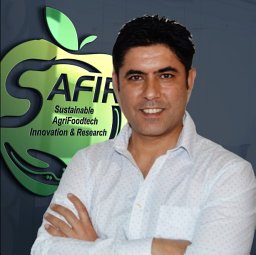 Abdo Hassoun合作论文数Sustainable AgriFoodtech Innovation & Research (SAFIR), 62000, Arras, France4Wani Sajad Mohd合作论文数Department of Food Science and Technology, University of Kashmir4
 Bhavnita Dhillon合作论文数Department of Agricultural and Biosystems Engineering, North Dakota State University4
 Ali Abas Wani合作论文数Department of Food Science and Technology, Guru Nanak Dev University4
 Satinder Kaur合作论文数Department of Plant Breeding, Genetics and Biotechnology, Punjab Agricultural University4
 Navdeep Singh Sodhi合作论文数Department of Food Science and Technology, Guru Nanak Dev University4Zuhaib F. Bhat合作论文数3M. R. Dalal合作论文数3
 Kirty Pant合作论文数3Hina F Bhat合作论文数3
 Mohd Ishfaq Bhat合作论文数3Afshan Mumtaz Hamdani合作论文数Department of Food Science & Technology, Government College for Women3




