BackgroundIndeterminate thyroid cytology remains a major diagnostic challenge. Thyroid nodules classified as Bethesda category (BC) III and IV carry an intermediate risk of malignancy, and their management often involves a choice between active surveillance and diagnostic surgery. This study aimed to assess the prevalence of benign, low-risk, and malignant lesions in surgically treated patients with these nodules, and to identify factors associated with malignancy.MethodsWe retrospectively analyzed 618 patients with BC III or IV thyroid nodules, selected from 2,239 patients who underwent thyroid surgery between October 2022 and December 2025 at a Tertiary Referral Endocrine Surgery Centre in Krakow. Histopathology followed the 2022 WHO Classification of Thyroid Tumors.ResultsThe distribution of tumor types differed significantly in both BCs III (n=365) and IV (n=253) nodules (both p<0.001), with benign lesions predominating (62.5% in BC III and 55.7% in BC IV), followed by malignant (30.4% and 32.8%) and low-risk lesions (7.1% and 11.5%), respectively. Younger age was associated with a higher risk of malignancy in both BC III (p=0.03) and BC IV (p=0.02). Sex was associated with lesion distribution in BC III (p = 0.016) but not BC IV (p = 0.06), and was not an independent predictor of malignancy. Tumor size ≥1 cm was associated with malignancy in BC IV (p=0.005), but not in BC III (p=0.35). Although age alone showed limited discriminative ability, multivariable analysis identified age <50 years as the only independent predictor of malignancy (adjusted OR 1.74; 95% CI 1.23–2.47; p=0.002) and lymph node metastasis (adjusted OR 4.56; 95% CI 1.19–17.53; p=0.03), while sex, chronic lymphocytic thyroiditis (CLT), and BC were not significant.ConclusionsIn this surgical cohort of BC III and IV thyroid nodules, approximately one-third of lesions were malignant. Younger age was independently associated with malignancy, but its value as an isolated predictor was limited, and the overall discriminative performance of the multivariable model was modest. These findings may support individualized preoperative risk stratification; however, given the retrospective design and the selection of patients for surgery, they do not justify firm conclusions regarding the optimal extent of surgery.
Objective: This study assessed the relationship between serum calcium (Ca) and parathyroid hormone (PTH) levels, the size and weight of the enlarged parathyroid gland (PG), and the results of technetium-99m-metoxyisobutylisonitrile (MIBI) parathyroid scintigraphy with single-photon emission computed tomography/computed tomography. Methods: Among 252 patients who underwent surgery for hyperparathyroidism between October 2022 and March 2025 at the Department of Endocrine Surgery of the University Hospital in Krakow, 212 patients with primary hyperparathyroidism (PHPT) were selected and divided into the MIBI(-) (n = 49) and MIBI(+) (n = 163) groups. Results: MIBI was positive in 76.9% and negative in 23.1% patients with PHPT. Mean PTH in the MIBI(+) and MIBI(-) groups was 177.3 ± 144.7 and 127.7 ± 59.4 pg/mL, respectively. Significant differences were found in PTH (p < 0.01), maximum excised PG size (p < 0.01), and weight (p < 0.01). PTH predicted positive scintigraphy in univariate analysis (OR = 2.65; 95% CI: 1.19-5.89; p = 0.02) and showed a borderline association in the multivariate model (OR = 2.47; 95% CI: 0.95-6.41; p = 0.06). Optimal cut-offs for predicting MIBI positivity were 135.0 pg/mL for PTH (AUC = 0.64), 0.73 g for PG weight (AUC = 0.81), and 18.0 mm for PG maximum size (AUC = 0.78). The Wisconsin index (Ca × PTH) was associated with positive MIBI (OR = 2.58; 95% CI: 1.15-5.78; p = 0.02), with an optimal cut-off of 256.0. Serum total Ca levels showed no significant association with positive MIBI (p = 0.60). Conclusions: Serum PTH levels, Wisconsin index, and enlarged PG size and weight may help predict parathyroid scintigraphy outcomes.
OBJECTIVE:To synthesize the evidence on the electrophysiologic performance, intraoperative behavior, and clinical impact of monopolar and bipolar handheld probes, stimulating dissecting instruments (SDIs), and attachable ring stimulators (ARS) used for intraoperative neuromonitoring (IONM) of the recurrent laryngeal nerve (RLN), vagus nerve (VN), and external branch of the superior laryngeal nerve (EBSLN) during thyroid and parathyroid surgery. DATA SOURCES:A systematic review was conducted according to PRISMA 2020 with a prospectively registered PROSPERO protocol. PubMed, Embase, Cochrane CENTRAL, and Web of Science were searched from inception to January 28, 2026, for human studies evaluating intermittent or semi-intermittent RLN stimulation systems. REVIEW METHODS:Primary outcomes were device-specific stimulation parameters and EMG metrics; secondary outcomes included RLN palsy, mapping characteristics, and device-related complications. Risk of bias was assessed with RoB 2.0, ROBINS-I, and QUADAS-2. RESULTS:Eleven observational studies (7245 patients; 9186 nerves at risk) met inclusion criteria. Across devices, stimulation settings converged on square-wave pulses at 4 Hz, pulse width around 100 μs, activation thresholds of 0.4-0.6 mA, and supramaximal currents of 1-2 mA. Pooled RLN amplitudes were 700-800 μV, VN amplitudes 500-700 μV, and EBSLN amplitudes about 270 μV. No clinically relevant differences in final RLN or VN amplitudes or latencies were observed among device categories once the nerve was exposed. SDIs reduced operative time in one single-center series, while ARS showed amplitudes equivalent to handheld probes in a pilot study. CONCLUSION:Available evidence suggests comparable EMG performance across devices in open thyroid surgery, whereas evidence for SDIs and ARS remains limited. LEVEL OF EVIDENCE:N/A.
OBJECTIVE:To assess whether PTeye-guided identification increases the number of parathyroid glands (PGs) preserved in situ and reduces hypoparathyroidism compared with visual identification alone. BACKGROUND:Injury or inadvertent removal of PGs during thyroidectomy is the main cause of postoperative hypoparathyroidism. Reliance on visual inspection makes intraoperative PG identification difficult. Probe-based near-infrared autofluorescence (NIRAF) systems such as PTeye provide real-time, tissue-specific feedback that may enhance PG detection and preservation. METHODS:In this single-center, prospective, randomized trial, patients undergoing first-time total thyroidectomy were allocated to PTeye-assisted or visual PG identification. Procedures were performed by 2 senior and 3 junior surgeons. The primary outcome was the number of PGs identified. Secondary outcomes included inadvertent parathyroidectomy, autotransplantation, and transient and last follow-up hypoparathyroidism. RESULTS:Among 154 randomized patients (77 per group; mean age 53.4±14.3 y; 84.4% female), PTeye increased the mean number of PGs identified (3.81 vs. 2.73; P<0.001) and the proportion with 3-4 PGs preserved in situ (98.7% vs. 87.0%; P=0.004). Inadvertent parathyroidectomy was less frequent with PTeye (5.2% vs. 20.8%; P=0.004). Junior surgeons performed more autotransplantations than senior surgeons when using PTeye (33.3% vs. 10.5%; P=0.015). Female sex (P=0.047), ≤2 PGs preserved (P=0.008), and autotransplantation (P=0.010) predicted low postoperative day-1 parathormone serum level. Among junior surgeons, transient hypoparathyroidism was lower with PTeye (20.5% vs. 55.2%; P<0.001), with no difference among senior surgeons. Permanent hypoparathyroidism rates were similar between groups. CONCLUSIONS:PTeye-guided NIRAF improves PG identification and in situ preservation and reduces transient hypoparathyroidism, particularly for junior surgeons, without affecting permanent hypoparathyroidism.
OBJECTIVE:To compare 2 modes of NIM Vital application in thyroid surgery: NerveTrend versus NerveAssure with respect to the prevalence of postoperative recurrent laryngeal nerve (RLN) injury. BACKGROUND:The use of NerveTrend compared with intermittent neuromonitoring (i-IONM) in thyroid surgery has recently been reported to result in a tendency toward reduced RLN injury on postoperative day 1 (POD1) and a significant decrease in the need for staged thyroidectomy. However, it remains unclear whether this technique is inferior to continuous neuromonitoring (NerveAssure). METHODS:Prospective, single-center, 2-arm randomized clinical trial. The primary outcome was the prevalence of RLN injury on POD1. In the NerveTrend group, the surgeon-operated i-IONM stimulation probe was used for trending amplitude and latency changes from the initial vagal electromyographic baseline (at pace based on surgical judgment) to tailor the surgical strategy. In the NerveAssure group, it was performed using an Automatic Periodic Stimulation electrode placed on the vagus nerve. RESULTS:A total of 264 patients were randomized into the intervention group (NerveTrend) and the control group (NerveAssure), 132 patients, and 264 nerves at risk (NAR), each. RLN injury was found on POD1 in 3/264 (1.14%) versus 1/264 (0.38%) NAR, whereas staged thyroidectomy was not necessary in any of the patients in the study ( P =0.624 and 1.0, respectively). CONCLUSIONS:NerveTrend mode was not inferior to the NerveAssure mode in thyroid surgery with respect to the risk of RLN injury, and both modes had the potential to abolish the need for staged thyroidectomy.
Background/Objectives: Thyroidectomy is a common endocrine procedure associated with postoperative musculoskeletal symptoms such as neck stiffness, pain, and reduced cervical mobility. These sequelae, though often underrecognized, can impair recovery and quality of life. Rehabilitation strategies, including stretching, manual therapy, and kinesio taping, have emerged as potential adjuncts to enhance postoperative outcomes. This scoping review aimed to map and synthesize current evidence on postoperative rehabilitation interventions following thyroidectomy, focusing on stretching exercises, manual therapy, and kinesio taping. Methods: Following the Joanna Briggs Institute methodology and PRISMA-ScR guidelines, a comprehensive search identified studies evaluating physical therapy interventions in adult thyroidectomy patients. Fourteen studies published between 2005 and 2025 met the inclusion criteria, encompassing randomized trials, quasi-experimental designs, and one retrospective cohort study. Interventions were delivered in early postoperative settings and included supervised or home-based programs. Results: Neck stretching and range-of-motion exercises consistently demonstrated benefits in pain reduction, cervical mobility, and functional recovery. These low-cost interventions were feasible for early implementation and continuation post-discharge. Evidence for kinesio taping was mixed, with some studies reporting short-term symptom relief and others showing no significant effect. Manual therapy, assessed in a single large cohort, showed promise when combined with stretching, though its independent efficacy remains unclear. Conclusions: Structured rehabilitation-particularly stretching and mobility exercises-may enhance recovery after thyroidectomy. Kinesio taping and manual therapy appear beneficial as adjunctive measures but require further validation. The findings underscore the need for standardized protocols and high-quality trials to optimize postoperative care and long-term outcomes.
Background: Our study investigated the association between chronic lymphocytic thyroiditis (CLT) and thyroid cancer (TC). Methods: A retrospective review of 1670 patients who underwent thyroid surgery between October 2022 to February 2025 was performed. The clinicopathological characteristics of patients with TC and CLT were collected. CLT was diagnosed histopathologically. Results: Patients with a positive CLT result (60.39%) compared to a negative CLT result (34.12%) had more frequently TC (p < 0.001), predominantly PTC. In univariate analysis, patients with malignancy + CLT-positive compared to malignancy + CLT-negative were found to be younger in age (p < 0.001), female gender (p < 0.001), smaller tumours focus (p = 0. 013), smaller mass of thyroid removed (p < 0.001) and more often Bethesda category V and VI (p = 0.019), true positive fine needle aspiration biopsy (FNAB) for PTC (p = 0.009), and microcarcinoma (p = 0.021). There were no differences in multifocality, the presence of LNM, or the number of LNMs. The location of metastases at neck lymph nodes was at the borderline of significance (p = 0.065). In multivariate analysis, after accounting for Bethesda and age, CLT+ was found to increase the risk of TC by 73% (OR=1.73; 95%CI, 1.15-2.29), while the risk of PTC increased more than 2-fold (OR= 2.12; 95% CI, 1.45 - 3.11). CLT had no statistically significant effect on the presence of LNM. Conclusions: We found that CLT is a risk factor for TC. One should be vigilant concerning the coexistence of these two diseases. We suggest that total thyroidectomy should be considered in patients referred for thyroid nodules and suspected CLT. However, this issue requires further research.
Background: Remote-access thyroid and parathyroid surgery has emerged as a safe and effective alternative to conventional transcervical approaches, particularly valued for its superior cosmetic outcomes. However, global adoption remains inconsistent, hindered by variability in clinical indications, geographic and economic factors, learning curves, and training infrastructure. This international consensus statement aims to provide comprehensive, evidence-based guidance on patient selection, surgeon training, surgical approaches, and expected outcomes. An expert panel was convened with representatives nominated by six leading international societies The Asia-Pacific Society of Thyroid Surgery, American Head and Neck Society, American Association of Endocrine Surgeons, American Thyroid Association, European Society of Endocrine Surgeons, and Latin American Thyroid Society. A modified Delphi process, consistent with Conducting and Reporting of Delphi Studies guidelines, was used. Expert subgroups performed targeted literature reviews and formulated recommendations, which were refined through multiple rounds of anonymous electronic voting. Consensus was defined a priori as ≥80% agreement on a 5-point Likert scale. Summary: A total of 23 consensus statements were established. These include recommendations on minimum surgeon volume requirements, structured training pathways (including cadaveric dissection and proctoring), and patient eligibility based on disease characteristics. The four most commonly utilized remote-access approaches-transoral, gasless transaxillary, bilateral axillo-breast, and retroauricular-each offer distinct advantages and limitations. With an experienced surgeon, these techniques demonstrate oncologic and surgical outcomes comparable with open surgery, with notable improvements in cosmetic satisfaction. Approach-specific complications and extended operative times were acknowledged. The importance of informed consent and the development of high-volume centers of excellence was emphasized. Conclusions: This international consensus statement provides structured, evidence-informed recommendations to support the safe and effective implementation of remote-access thyroid and parathyroid surgery. Widespread dissemination and adoption of these recommendations may improve patient outcomes and promote global standardization of care.
OBJECTIVES:To examine (1) the relationship between anthropometric measurements and recurrent laryngeal nerve (RLN) diameter; (2) whether thin RLNs have different baseline electromyographic (EMG) characteristics; (3) if thin or branched morphology is associated with increased risk of EMG adverse events, loss of signal (LOS) or vocal cord paresis/paralysis (VCP). METHODS:In this prospective study, anthropometric data were collected, including weight, height, body mass index (BMI), neck circumference, shoulder diameter, and circumference of the right middle finger (RMF) or right ring finger (RRF). RESULTS:We enrolled 216 patients who underwent surgery from 2016 to 2020 with 307 RLNs at risk. Thin nerves were defined as those ≤ 1.5 mm in diameter. The mean RLN diameter was 2 mm; the RLN was thinner in females and in patients with BMI < 20 kg/m2, body weight < 120 kg, height < 175 cm, neck circumference < 40 cm, shoulder diameter < 50 cm, and RMF or RRF < 7.6 cm (all p < 0.05). No statistically significant differences were detected in baseline EMG characteristics between thin and thick RLNs bilaterally (except for right RLN R2 latency). We had zero cases of LOS or VCP. In all branched nerves, motor fibers resided in the anterior branch. CONCLUSION:Multiple anthropometric factors were associated with RLN diameter. Most of the studied EMG signal characteristics did not statistically differ by RLN diameter. With zero events of LOS or VCP, our study is not powered to determine if thin diameter or branching are independent risk factors for RLN injury in a high-volume endocrine surgery practice utilizing IONM.
The European Society of Endocrine Surgeons (ESES) was officially founded in Vienna in 2003, following discussions that began in the late 1990s. Its primary mission is to promote collaboration, research, and education in endocrine surgery across Europe. The society organizes biennial congresses and topic-specific conferences focused on guidelines and consensus statements. ESES has established partnerships with key organizations, including the Eurocrine Society, the Division of Endocrine Surgery (DES) of the European Union of Medical Specialists (UEMS), and the British Journal of Surgery Foundation, to enhance surgical standards, education, and research dissemination. In addition, ESES collaborates with various international endocrine surgery societies to further innovation and improve clinical outcomes. Recent initiatives include the accreditation of European surgical units as competence centers in endocrine surgery, ensuring high standards in training and practice. The field has seen transformative advancements, such as minimally invasive techniques, precision medicine, improved diagnostics, and multidisciplinary collaboration. These innovations were showcased at the 10th Biennial Congress of ESES in Rome in 2024, which marked the society's 20th anniversary and featured research presentations from international experts. This special issue of Updates in Surgery highlights key contributions from the congress, providing insight into the latest advancements shaping endocrine surgery.
Introduction: Thyroid surgery carries the risk of injury to the recurrent laryngeal nerve (RLN) and the external branch of the superior laryngeal nerve (EBSLN), which can result in postoperative phonation disorders and reduced quality of life. Over the last two decades, the technique of intraoperative neuromonitoring (IONM) of laryngeal nerves has become increasingly widespread, both in Poland and globally.Aim: To evaluate the implementation and use of IONM during thyroid surgeries in Poland.Methods and materials: A personal survey (37 questions) concerning the use of IONM in thyroid surgery was analyzed. The survey was prepared by the Neuromonitoring Research Group under the auspices of the Polish Endocrine Surgery Club. It was distributed to 160 surgical centers where thyroid surgeries with IONM are performed. A total of 80 surveys (50%) were returned, constituting the study group.Results: IONM is routinely used for RLN identification (100%), while EBSLN is monitored in 16.2% of cases. Intermittent neuromonitoring (i-IONM) predominates (72.5%) over continuous neuromonitoring (c-IONM) (7.5%). The main indications for thyroid surgery with IONM are: reoperations for thyroid cancer (97%), recurrent goiter (95%), thyroid cancer with clinical advancement greater than cT1aN0 (94%), Graves’ disease (82%), and retrosternal goiter (77%). Staged surgery following loss of signal on the first operated side was performed in 38.7% of thyroid cancer cases and 58.8% in benign goiter cases. The primary limitation to the widespread use of IONM in Poland is the increased cost of surgery (55%); 83.3% of respondents believe that further development of this technique in Poland requires the establishment of Polish guidelines for its use.Conclusions: Improving the safety of thyroid surgeries in Poland with IONM requires routine training and the dissemination of guidelines on the standardized use of this method in daily practice. Additionally, there is a need to improve the cost reimbursement for thyroid surgeries, considering the rising costs of IONM.
A changing landscape of patients' preferences for treatment of solitary and benign thyroid nodules (SBTN) form conventional surgery to other minimally invasive treatments (MITs) has been witnessed. The aim of this study was to evaluate indications, patients' preferences and outcomes of conventional surgery vs. transoral endoscopic thyroid surgery by vestibular approach (TOETVA) vs. laser ablation (LA) treatments for SBTN. This prospective cohort study included patients with SBTN causing compression symptoms treated at our institution throughout 2020-2023. Primary endpoint was patients' preferences for treatment. Secondary endpoints were: success rate, overall morbidity, need for second line treatment, and satisfaction rate. Some 204 patients (F: M = 161:43) with SBTN were offered conventional surgery (thyroid lobectomy) vs. TOETVA vs. LA. Patients' preferences were: 23 (11.3%) for conventional surgery vs. 17 (8.3%) for TOETVA vs. 164 (80.4%) for LA (p < 0.01). Overall morbidity was 2/23 (8.7%) for conventional surgery vs. 2/17 (11.8%) for TOETVA vs. 3/164 (1.8%) for LA (p < 0.01). Volume reduction ratio (VRR) for LA was 63% (range: 32 - 98%) at 6 months following treatment. Spongiform nodules vs. predominantly solid tumors vs. solid tumors had VRR of 83% vs. 67% vs. 51%, respectively (p < 0.01). Second line treatment was needed for 3/101 (3.0%) patients following LA within a 3-year follow-up. Satisfaction rate was higher for LA and TOETVA vs. conventional surgery (p < 0.01). Currently most patients prefer MITs for SBTN. TOETVA is chosen by minority of patients with a strong motivation to avoid scar whereas thermal ablation is the preferred MIT nowadays.
Abstract Background A changing landscape of patients’ preferences for treatment of solitary and benign thyroid nodules (SBTN) form conventional surgery to other minimally invasive treatments (MITs) has been witnessed. The aim of this study was to evaluate indications, patient’s preferences, and outcomes of conventional surgery vs laser ablation (LA) vs transoral endoscopic thyroid surgery by vestibular approach (TOETVA) treatments for SBTN. Methods This prospective cohort study included patients with SBTN causing compression symptoms treated at our institution throughout 2020 - 2023. Primary endpoint was patient’s preferences for treatment. Secondary endpoints were overall morbidity, need for second line treatment, and satisfaction rate. Results Some 204 patients (F:M = 161:43) with SBTN were offered conventional surgery (thyroid lobectomy) vs TOETVA vs LA. Patients preferences were: 23 (11.3%) for conventional surgery vs 17 (8.3%) for TOETVA vs 164 (80.4%) for LA (p<0.01). Overall morbidity was 2/23 (8.7%) for conventional surgery vs. 2/17 (11.8%) for TOETVA vs 3/164 (1.8%) for LA (p<0.01). Volume reduction rate (VRR) for LA was 63% (range: 32% - 98%) at 6 months following treatment. Spongiform nodules vs fluid-solid tumors vs solid tumors had VRR of 83% vs 67% vs 51%, respectively (p<0.01). Second line treatment was needed for 3/164 (1.8%) patients following LA within a 3-year follow-up. Satisfaction rate was higher for LA and TOETVA vs conventional surgery (p<0.01). Conclusions Currently most patients prefer MITs for SBTN. TOETVA is chosen by minority of patient with a strong motivation to have no scar whereas LA is the preferred MIT nowadays.
Background: An accurate diagnosis of thyroid nodules is crucial for avoiding unnecessary surgical procedures and making timely treatment possible. The objective of the present study was to evaluate the diagnostic accuracy of fine-needle aspiration biopsy (FNAB) using histopathological findings as the reference standard. Patients with the diagnostic categories (DCs) III, IV, and V were subjected to special analysis. In addition, the authors assessed whether other factors, including age, gender, body mass index (BMI), obesity, and histopathologically confirmed lymphocytic thyroiditis, had an impact on the occurrence of malignant tumors. Methods: We performed a retrospective analysis of 535 patients (with a mean age of 52.3) who underwent thyroid surgery between October 2022 and September 2023 at the Department of Endocrine Surgery at the University Hospital in Krakow. To assess the reliability of FNAB, the results obtained using the Bethesda classification were compared with the histopathological results. Results: The risk of malignancy (ROM) values for DCs I–VI were 38.1%, 15.6%, 29.8%, 18.6%, 91.0%, and 93.2%, respectively. DC V (OR 62.34, p < 0.0001) and an age ≤ 50 (OR = 2.31, p < 0.006) had statistically significant effects on the risk of thyroid cancer. DCs III and IV were not statistically significantly associated with the risk of malignancy (OR = 1.68, p = 0.16; OR = 1.51, p = 0.3, respectively). There were no statistically significant differences in sex, BMI, or obesity between the patients with benign and malignant lesions. Conclusions: DC V is associated with a high likelihood of malignancy, especially in patients under 50 years of age, and, therefore, surgery is indicated in this category of subjects. In DCs III and IV, the risk of malignancy is lower, and conservative management with active clinical and ultrasound surveillance can be considered. In patients < 50 years of age, with Bethesda categories III and IV, surgical treatment should be considered.
Thyroid surgery rates have tripled over the past three decades, making it one of the most frequently performed procedures within general surgery. Thyroid surgery is associated with the possibility of serious postoperative complications which have a significant impact on the patient’s quality of life. Recurrent laryngeal nerve (RLN) palsy and external branch of the superior laryngeal nerve (EBSLN) palsy are, next to hypoparathyroidism and postoperative bleeding, some of the most common complications. The introduction of neuromonitoring into thyroid surgery, which enabled both the confirmation of anatomical integrity and the assessment of laryngeal nerve function, was a milestone that began a new era in thyroid surgery. The International Neural Monitoring Study Group has produced a standardization of the technique of RLN and EBSLN monitoring during thyroid and parathyroid surgery, which in turn increased the prevalence of neural monitoring during thyroidectomy. The current status of IONM and the benefits of its use have been presented in this publication.
Advances in the diagnosis and treatment of adrenocortical carcinoma (ACC), along with the development of new therapeutic and diagnostic methods, have prompted a team of experts to formulate the first Polish guidelines for managing ACC. This article presents the diagnostic and therapeutic recommendations resulting from the discussion of specialists from various medical specialities, who participated in a series of online meetings aimed at developing consistent and effective recommendations under the National Oncology Strategy. These guidelines aim to optimise ACC treatment in Poland through coordinated efforts of multidisciplinary specialist teams, ensuring an effective and modern approach.
BACKGROUND:The aim of this study is to describe the management and associated follow-up strategies adopted by thyroid surgeons with different surgical volumes when loss of signal (LOS) occurred on the first side of planned bilateral thyroid surgery, and to further define the consensus on intraoperative neuromonitoring (IONM) applications. METHODS:The International Neural Monitoring Study Group (INMSG) web-based survey was sent to 950 thyroid surgeons worldwide. The survey included information on the participants, IONM team/equipment/procedure, intraoperative/postoperative management of LOS, and management of LOS on the first side of thyroidectomy for benign and malignant disease. RESULTS:Out of 950, 318 (33.5%) respondents completed the survey. Subgroup analyses were performed based on thyroid surgery volume: <50 cases/year (n = 108, 34%); 50 to 100 cases/year (n = 69, 22%); and >100 cases/year (n = 141, 44.3%). High-volume surgeons were significantly (P < .05) more likely to perform the standard procedures (L1-V1-R1-S1-S2-R2-V2-L2), to differentiate true/false LOS, and to verify the LOS lesion/injury type. When LOS occurs, most surgeons arrange otolaryngologists or speech consultation. When first-side LOS occurs, not all respondents decided to perform stage contralateral surgery, especially for malignant patients with severe disease (eg, extrathyroid invasion and poorly differentiated thyroid cancer). CONCLUSIONS:Respondents felt that IONM was optimized when conducted under a collaborative team-based approach, and completed IONM standard procedures and management algorithm for LOS, especially those with high volume. In cases of first-site LOS, surgeons can determine the optimal management of disease-related, patient-related, and surgical factors. Surgeons need additional education on LOS management standards and guidelines to master their decision-making process involving the application of IONM.
Background: The European Thyroid Imaging and Reporting Data System (EU-TIRADS) aims to reduce the overdiagnosis of thyroid cancer (TC) by guiding the selection of nodules for fine-needle aspiration biopsy (FNAB). This study sought to validate EU-TIRADS nodule selection criteria using data from EUROCRINE, an extensive international endocrine surgery registry. Method: We reviewed indications for FNAB among patients with TC compared to those with benign disease who underwent surgery between March 2020 and March 2022, considering preoperative EU-TIRADS scores and dominant nodule size (FNAB is recommended in Category 5 (˃10 mm or ˂10 mm with suspicious lymph nodes), 4 (˃15 mm), and 3 (˃20 mm)). Patients were categorized into three risk groups: minimal risk (patients with papillary microcarcinoma), high risk (patients with pT3b stage or higher, pN1b, or pM1), and low–moderate risk (all other patients). We conducted a Receiver Operating Characteristic (ROC) analysis to assess the diagnostic accuracy of the EU-TIRADS. Results: We analyzed 32,008 operations. Approximately 68% of the surgical records included EU-TIRADS classifications. The EU-TIRADS exhibited diagnostic accuracy across high-volume sites, with a median ROC Area Under the ROC Curve (AUC) of 0.752, indicating its effectiveness in identifying malignancy. Among the cases, 7907 patients had TC. Notably, 55% of patients with TC underwent FNAB despite not initially meeting the EU-TIRADS criteria. These patients were distributed across the minimal- (58%), low–moderate- (36%), and high-risk (5.8%) categories. Of the patients with TC recommended for FNAB, 78% were deemed low–moderate risk, 21% high risk, and only 0.7% minimal risk. Conclusion: The EU-TIRADS offers effective preoperative malignancy risk stratification. Promoting the proper use of the EU-TIRADS in clinical practice is essential to mitigate the overdiagnosis and overtreatment of low-risk TC.
 Aleksander Konturek合作论文数61
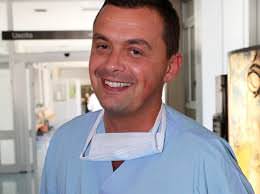 Gianlorenzo Dionigi合作论文数Dipartimento di Patologia Umana dell'adulto e dell'età evolutiva Gaetano Barresi, University of Messina37
 Gregory W. Randolph合作论文数Department of Otolaryngology Head and Neck Surgery, Harvard Medical School, Harvard University;Division of Thyroid and Parathyroid Endocrine Surgical Service, Massachusetts Eye and Ear Infirmary;Massachusetts General Hospital34Stanislaw Cichon合作论文数28S Cichoń合作论文数26
 Wojciech Nowak合作论文数Centre of Energy, AGH University of Science and Technology25Henning Dralle合作论文数25
 Che-Wei Wu (吳哲維)合作论文数Department of Otolaryngology, Kaohsiung Medical University22Feng-Yu Chiang合作论文数22Schneider Rick合作论文数19Hubalewska-Dydejczyk Alicja合作论文数18
 Filip Gołkowski合作论文数18Wojtczak Beata合作论文数18Małgorzata Stopa合作论文数16A Konturek合作论文数15Kamani Dipti合作论文数13
 Agnieszka Czarniecka合作论文数12Jamski J合作论文数11
 Hoon Yub Kim合作论文数College of Medicine, Korea University;Department of Breast and Endocrine Surgery, Anam Hospital11Anielski R合作论文数11Wojciech Cichoń合作论文数11
 Krzysztof Kaliszewski合作论文数10
 Ozer Makay合作论文数School of Medicine, Ege University10Kerstin Lorenz合作论文数10
 Radu Mihai合作论文数9Malgorzata Oczko-Wojciechowska合作论文数Department of Clinical and Molecular Genetic of Cancer, Maria Sklodowska-Curie National Research Institute of Oncology9
 Marco Raffaelli合作论文数8Ryszard Anielski合作论文数8Monika Buziak-Bereza合作论文数8
 Barbara Jarzab合作论文数8Sutkowski Krzysztof合作论文数8
 Claudio R. Cernea合作论文数Department of Surgery, Faculdade de Medicina, University of São Paulo8
 Marek Dedecjus合作论文数8Katrin Brauckhoff合作论文数8A Bobrowski合作论文数7
 Agnieszka Kotecka-Blicharz合作论文数7
 Sam Van Slycke合作论文数7
 Jolanta Krajewska合作论文数Department of Nuclear Medicine and Endocrine Oncology, M. Skłodowska-Curie Memorial Cancer Center and Institute of Oncology7Jakub Kenig合作论文数7
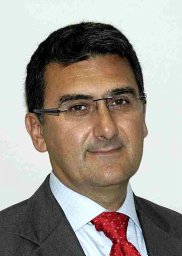 Maurizio Iacobone合作论文数Department of General and Endocrine Surgery, University Hospital La Timone7M Słowiaczek合作论文数6Małgorzata Stopa-Barczyńska合作论文数6
 Marek Bolanowski合作论文数6Whitney Liddy合作论文数6M Barczyński合作论文数6Z Szybiński合作论文数6Andrzej Lewiński合作论文数6
 Beata Kos Kudla合作论文数6Nawrot Ireneusz合作论文数6




