Tardive dyskinesia (TD) rates with second-generation antipsychotics (SGAs) are considered to be low relative to first-generation antipsychotics (FGAs), even in the particularly vulnerable elderly population. However, risk estimates are unavailable for patients naïve to FGAs. Therefore, we aimed to determine the TD incidence in particularly vulnerable, antipsychotic-naïve elderly patients treated with the SGA risperidone or olanzapine. The present work describes a prospective inception cohort study of antipsychotic-naïve elderly patients aged ⩾55 years identified at New York Metropolitan area in-patient and out-patient geriatric psychiatry facilities and nursing homes at the time of risperidone or olanzapine initiation. At baseline, 4 weeks, and at quarterly periods, patients underwent assessments of medical and medication history, abnormal involuntary movements, and extra-pyramidal signs. TD was classified using Schooler–Kane criteria. Included in the analyses were 207 subjects (age: 79.8 years, 70.0% female, 86.5% White), predominantly diagnosed with dementia (58.9%) or a major mood disorder (30.9%), although the principal treatment target was psychosis (78.7%), with (59.4%) or without (19.3%) agitation. With risperidone (n=159) the cumulative TD rate was 5.3% (95% confidence interval (CI): 0.7, 9.9%) after 1 year (mean dose: 1.0±0.76 mg/day) and 7.2% (CI: 1.4, 12.9%) after 2 years. With olanzapine (n=48) the cumulative TD rate was 6.7% (CI: 0, 15.6%) after 1 year (mean dose: 4.3±1.9 mg/day) and 11.1% (CI: 0, 23.1%) after 2 years. TD risk was higher in females, African Americans, and patients without past antidepressant treatment or with FGA co-treatment. The TD rates for geriatric patients treated with risperidone and olanzapine were comparable and substantially lower than previously reported for similar patients in direct observation studies using FGAs. This information is relevant for all patients receiving antipsychotics, not just the especially sensitive elderly.
CONTEXTCognitive impairment in schizophrenia is frequent, involves multiple domains, and is enduring. Numerous recent clinical trials have suggested that second-generation antipsychotic medications significantly enhance cognition in schizophrenia. However, none of these studies included healthy controls undergoing repeated testing to assess the possibility that improvements might reflect simple practice effects.OBJECTIVETo report the results on cognition of a randomized comparison of 2 widely prescribed second-generation antipsychotic medications, olanzapine and risperidone, in patients with first-episode schizophrenia and a healthy control group.DESIGNRandomized clinical trial.SETTINGHospital-based research units. Patients A total of 104 participants with first-episode schizophrenia and 84 healthy controls.MAIN OUTCOME MEASURESCognitive assessment of all study participants occurred at baseline, 6 weeks later, and 16 weeks later. Neurocognitive tests included measures of working memory and attention, speed, motor function, episodic memory, and executive function.RESULTSNo differential drug effects were observed. Of 16 cognitive measures, 9 demonstrated improvement over time and only 2 demonstrated greater rates of change than those observed in the healthy control group undergoing repeated assessment. The composite effect size for cognitive change was 0.33 in the healthy control group (attributed to practice) and 0.36 in the patients with first-episode schizophrenia. Improvements in cognition in the first-episode schizophrenia group could not be accounted for by medication dose, demographic variables, or intellectual level.CONCLUSIONSThe cognitive improvements observed in the trial were consistent in magnitude with practice effects observed in healthy controls, suggesting that some of the improvements in cognition in the first-episode schizophrenia group may have been due to practice effects (ie, exposure, familiarity, and/or procedural learning). Our results also indicated that differential medication effects on cognition were small. We believe that these findings have important implications for drug discovery and the design of registration trials that attempt to demonstrate cognitive enhancement.
Objective: The authors compared 4-month treatment outcomes for olanzapine versus risperidone in patients with first-episode schizophrenia spectrum disorders.Method: One hundred twelve subjects (70% male; mean age = 23.3 years [SD = 5.1]) with first-episode schizophrenia (75%), schizophreniform disorder (17%), or schizoaffective disorder (8%) were randomly assigned to treatment with olanzapine (2.5 - 20 mg/ day) or risperidone (1 - 6 mg/ day).Results: Response rates did not significantly differ between olanzapine (43.7%, 95% CI = 28.8% - 58.6%) and risperidone (54.3%, 95% CI = 39.9% - 68.7%). Among those responding to treatment, more subjects in the olanzapine group (40.9%, 95% CI = 16.8% - 65.0%) than in the risperidone group (18.9%, 95% CI = 0% - 39.2%) had subsequent ratings not meeting response criteria. Negative symptom outcomes and measures of parkinsonism and akathisia did not differ between medications. Extrapyramidal symptom severity scores were 1.4 (95% CI = 1.2 - 1.6) with risperidone and 1.2 (95% CI = 1.0 - 1.4) with olanzapine. Significantly more weight gain occurred with olanzapine than with risperidone: the increase in weight at 4 months relative to baseline weight was 17.3% (95% CI = 14.2% - 20.5%) with olanzapine and 11.3% (95% CI = 8.4% - 14.3%) with risperidone. Body mass index at baseline and at 4 months was 24.3 (95% CI = 22.8 - 25.7) versus 28.2 (95% CI = 26.7 - 29.7) with olanzapine and 23.9 (95% CI = 22.5 - 25.3) versus 26.7 (95% CI = 25.2 - 28.2) with risperidone.Conclusions: Clinical outcomes with risperidone were equal to those with olanzapine, and response may be more stable. Olanzapine may have an advantage for motor side effects. Both medications caused substantial rapid weight gain,
Studies with first-episode populations offer the unique opportunity to examine the effectiveness and side effects of medications without the confounding effects of prior medication use. This review focuses upon studies of (1) treatment of the initial episode, (2) maintenance treatment issues, (3) recovery, and (4) side effects. Response rates for the initial episode are high with both conventional and new-generation antipsychotics. However, we lack data directly comparing the new-generation agents with one another for treatment of the initial episode, and data about options for patients with treatment resistance at illness onset are very limited. With the most commonly used pharmacological therapies, the course of early-phase schizophrenia is characterized by repeated relapses and a low rate of recovery. Medication treatment is also associated with a variety of side effects. Of particular concern for treatment of first-episode patients are the metabolic side effects with the new-generation antipsychotics because they occur rapidly, are very distressful to adolescents and young adults, and have long-term medical consequences. Available data support maintenance treatment to prevent relapse, but questions remain about the optimal duration of maintenance treatment, whether there are differences among the new-generation agents for maintenance treatment, and balancing the benefits of maintenance antipsychotics with their long-term side effects.
Although atypical antipsychotics differ from conventional antipsychotics in their decreased ability to cause reversible drug-induced movement disorders/motor side effects such as dystonia, drug-induced parkinsonism, and akathisia and potentially persistent drug-induced movement disorders/motor side effects such as tardive dyskinesia, no antipsychotic agent completely eradicates this risk. Antipsychotic agents are frequently used in facilities for the elderly and in general hospitals to treat older patients with behavioral problems. Drug-induced movement disorders are more common and more persistent in elderly patients than in younger patients, and this problem is exacerbated by the fact that antipsychotic medications are often misused by practitioners lacking adequate psychopharmacologic training. Movement disorders can be detrimental to an elderly patient's quality of life and may transform what were otherwise routine activities into difficult tasks. Educational programs are needed to teach primary care physicians, specialists, and patients and their families how to identify and manage drug-induced movement disorders in order to achieve safer and more efficacious care for elderly patients.
Tardive dyskinesia (TD) is an iatrogenic human hyperkinetic movement disorder associated with chronic antipsychotic drug treatment. The cause of the syndrome, namely, chronic dopamine-receptor blockade, is specifically known and is straightforward to model. Thus, disease pathophysiology has been approached with surrogate preparations. Traditionally, factors mediating TD have been sought in striatal dopaminergic transmission. However, several incompatibilities have developed between the characteristics of the dopaminergic model and the presentation of the disorder (10). -aminobutyric acid (GABA)–ergic transmission within the basal ganglia has also been targeted as the putative pathophysiologic agent in TD. Here, although biochemical characteristics between the model and the disease have appeared compatible, therapeutic implications have not been fully met, possibly because of inadequate pharmacologic tools (10). Research has suggested that both these transmitter alterations, dopaminergic and GABAergic, may reflect an action of antipsychotic drugs on neuronal activity within the basal ganglia thalamocortical motor circuit. Clinically, antipsychotic drug action overall tends to normalize mental status in psychosis and produces symptom remission in diverse psychotic illnesses, including schizophrenia, bipolar disease, and dementia (8); parkinsonism characteristically occurs with traditional antipsychotics as a major side effect (42). On a cellular basis, gradual alterations produced by these drugs over time, within selected subcortical brain regions and at selected synapses of this circuit, likely result in TD. The mechanism of all these clinical actions is thought to begin with dopamine-receptor blockade, but thereafter it is critically mediated by altered neuronal activity (including
OBJECTIVE:Neuropsychological impairments are well documented in schizophrenia and are important targets of treatment. Information about the severity and pattern of deficits after treatment for the first psychotic episode and about relationships between these deficits and syndromal characteristics remains limited.METHOD:Comprehensive neuropsychological assessments including 41 individual tests were given to 94 patients with first-episode schizophrenia after initial stabilization of psychosis and to a comparison group of 36 healthy volunteers. Profiles of neuropsychological deficits and the relationship of deficits to sex and handedness were examined. Correlations of neuropsychological deficit with a broad range of historical and clinical characteristics, including outcome, were explored.RESULTS:Patients had a large generalized neuropsychological deficit (1.5 standard deviations compared to healthy volunteers). Patients also had, superimposed on the generalized deficit, subtle relative deficits (less than 0.5 standard deviation compared to their own average profile) in memory and executive functions. Learning/memory dysfunction best distinguished patients from healthy individuals; after accounting for this difference, only motor deficits further distinguished the groups. Patients with higher neuropsychological ability had only memory deficits, and patients with lower ability had both memory and executive deficits. No sex differences were observed beyond the normal advantage for men in motor speed. Dextral patients had less severe generalized deficit. Severity of residual symptoms was associated with greater generalized deficit. Executive and attentional deficits were most linked to global functional impairment and poor outcome.CONCLUSIONS:The results document a large generalized deficit, and more subtle differential deficits, in clinically stabilized first-episode patients. Learning/memory deficits were observed even in patients with less severe generalized deficit, but the pattern was unlike the amnestic syndrome and probably reflects different mechanisms. Executive and attentional deficits marked the more severely disabled patients, and may portend relatively poor outcome. Failure to develop typical patterns of cerebral dominance may increase the risk for greater generalized deficit.
This article discusses efforts to optimize clinical assessment for intervention effectiveness trials. Generalizability is a crucial issue; investigators should choose their inclusion/exclusion criteria to increase subject inclusion and should collect data on the selection process to determine the extent of selection biases. Intervention research requires assessment instruments appropriate for a variety of treatment settings. We describe the Hillside Clinical Trials version of the Scale for the Assessment of Negative Symptoms, which has inpatient and outpatient versions to accommodate the different opportunities for social interaction in these settings. Lack of uniformity in assessment instruments complicates interpretation of results across studies and impedes communication of findings. We describe the 5-Dimensional Scale to Evaluate Psychopathology in Schizophrenia (5-STEPS), a collaborative effort to develop a standard change measure for schizophrenia treatment trials. We also discuss potential future strategies, including developing briefer yet reliable and valid diagnostic procedures, making trials more acceptable in a broad range of settings through the use of open-label treatment with blinded independent assessors, bridging efficacy and effectiveness designs by studying both a narrow efficacy and a broader effectiveness population simultaneously, and updating outcome domains to reflect current treatment strategies.
PREVIEW Clearly, the use of antipsychotic drugs can be extremely helpful in elderly patients to reduce psychotic symptoms and agitation. However, these drugs may produce serious side effects, such as parkinsonism, akathisia, dystonia, and tardive dyskinesia, that can range in intensity from mild to severe. In this article, the authors describe how to use antipsychotic agents in the most careful fashion possible.
To date, few studies have examined effects of atypical antipsychotics on functional MRI (fMRI) activations in a sample of medication-naive patients in the first episode of schizophrenia (FES). This study presents results of the first of several related fMRI studies of executive motor functioning in such a sample. Nine FES (M/F = 6/3) patients were examined using fMRI at drug-naive baseline and after approx. 5 weeks (mean = 36.9 days) of randomized treatment to one of two atypical antipsychotic compounds (olanzapine/risperidone = 4/5). Whole-brain fMRI data (3 × 3 × 5mm resolution) were acquired on a 1.5 Tesla GE Echospeed scanner. Activations were obtained using a paced digit-thumb opposition task, alternating between rest, right hand, and left hand tapping conditions. These respective conditions were visually cued using MR-compatible goggles displaying a circle, blinking at a frequency of 0.5 Hz, appearing in the center, right, or left side of the visual field. All subjects performed the task adequately at both timepoints. fMRI data were realigned in SPM'96 and smoothed using an 8 × 8 × 12.5mm Gaussian kernel. The dependent measure was total number of voxels in contralateral motor cortex activated above a threshold of Z = 3.09 (p < .001) for both hands (tapping vs. rest). Paired t-tests revealed a significant increase in number of activated voxels from the drug-naive condition to the medicated condition. Results indicate that atypical antipsychotics can increase extent of task-specific activation on a relatively simple motor task without change in performance. These findings should be considered in the interpretation of studies with more complex executive/cognitive activation tasks.
Antipsychotic drugs are very useful in treatment of psychosis and severe agitation in the elderly. Their use for other behavioral problems is contraindicated. Antipsychotics have many potential side effects (eg, sedation, cardiovascular effects, anticholinergic effects, incontinence, reduced appetite, such motor disturbances as drug-induced parkinsonism, akathisia, dystonia, TD). Prevention, by using the minimum dose and duration of treatment possible, is the key to managing motor side effects. Ii prevention fails, drug-induced parkinsonism and dystonia may improve with use of anticholinergics, and akathisia may improve with use of benzodiazepines or low-dose propranolol. There is no proven treatment for TD, which is most likely to be observed during dose reduction or after discontinuation of antipsychotic drugs. Compared with older agents, newer antipsychotic drugs are less likely to cause parkinsonism, akathisia, and dystonia and may cause TD less often. More research is needed to clarify use of the new drugs in the elderly.
Phase-matched difference frequency mixing within the broad spectrum of single 13 fs pulses from a cavity-dumped, mode-locked Ti:sapphire laser in a GaSe crystal allows the generation of femtosecond mid-infrared pulses, continuously tunable in the wavelength range from 7 to 20 mu m. Pulse durations down to 95 fs at 9.3 mu m are directly measured. Model calculations including the full dispersion of GaSe show that the chirp of the pump pulses allows to change both the pulse duration and conversion efficiency obtained in the nonlinear process, in agreement with the experiment. (C) 1999 American Institute of Physics. [S0003-6951(99)02334-7].
Multiple abnormalities of brain structure have been identified in schizophrenia using in vivo neuroimaging methods, but little is known about the diagnostic specificity of these abnormalities. In a prior study of first-episode schizophrenia we found that this group lacked the normal pattern of cerebral volume asymmetries. Data from that study were combined with data from groups of patients with more chronic schizophrenia, and with bipolar and unipolar mood disorders, to determine the specificity of this abnormality to diagnostic subgroups defined by syndromal status or chronicity. The total sample comprised 235 patients (67 healthy volunteers, 81 patients with mood disorders or schizoaffective disorders, and 87 with schizophrenia or schizophreniform disorders). Asymmetries of regional cerebral volumes were measured on coronal magnetic resonance images with 3.1-mm contiguous slices and nominal in-plane resolution of 1 mm x 1 mm. Asymmetries differed significantly across groups in the occipitoparietal, prefrontal, and temporal regions. These asymmetries, and a composite index of asymmetry across regions ('torque'), all showed the same diagnostic group effect, with the schizophrenia group showing the least normal asymmetry, the mood disorder group intermediate asymmetry, and the control group the most marked asymmetry. No other diagnostic subgroup or chronicity effects were apparent. The findings support a 'continuum' rather than a 'diagnostic specificity' hypothesis, and suggest that the reduction of normal hemispheric asymmetries may mark a neurodevelopmental risk factor for major mental illnesses, and that some syndromal characteristics may be correlated with the degree of deviation from the normal anatomic pattern.
Background:We examined relapse after response to a first episode of schizophrenia or schizoaffective disorder.Methods: Patients with first-episode schizophrenia were assessed on measures of psychopathologic variables, cognition, social functioning, and biological variables and treated according to a standardized algorithm.The sample for the relapse analyses consisted of 104 patients who responded to treatment of their index episode and were at risk for relapse.Results: Five years after initial recovery, the cumulative first relapse rate was 81.9% (95% confidence interval [CI], 70.6%-93.2%);the second relapse rate was 78.0% (95% CI, 46.5%-100.0%).By 4 years after recovery from a second relapse, the cumulative third relapse rate was 86.2% (95% CI, 61.5%-100.0%).Discontinuing antipsychotic drug therapy increased the risk of relapse by almost 5 times (hazard ratio for an initial relapse, 4.89 [99% CI, 2.49-9.60];hazard ratio for a second relapse, 4.57 [99% CI, 1.49-14.02]).Subsequent analyses controlling for antipsychotic drug use showed that patients with poor premorbid adaptation to school and premorbid social withdrawal relapsed earlier.Sex, diagnosis, obstetric complications, duration of psychotic illness before treatment, baseline symptoms, neuroendocrine measures, methylphenidate hydrochloride challenge response, neuropsychologic and magnetic resonance imaging measures, time to response of the initial episode, adverse effects during treatment, and presence of residual symptoms after the initial episode were not significantly related to time to relapse. Conclusions:There is a high rate of relapse within 5 years of recovery from a first episode of schizophrenia and schizoaffective disorder.This risk is diminished by maintenance antipsychotic drug treatment.
Background Acute extrapyramidal side effects (EPS) are a common phenomenon of treatment with conventional antipsychotics. Previous studies found that clozapine has little propensity to cause EPS, while risperidone produces some EPS, but at levels lower than those of conventional antipsychotics. Method We compared the prevalence and severity of EPS in patients treated with clozapine, risperidone, or conventional antipsychotics for at least 3 months. Our main hypothesis was that there would be differences between the three treatment groups with regard to akathisia, measured with the Barnes Akathisia Scale, and extrapyramidal motor side effects (rigidity, rigidity factor, tremor, salivation), measured with the Simpson-Angus scale. Secondarily, we were interested in possible differences between the three groups with respect to the anticholinergic comedication and the subjective impression of the patients, measured with the van Putten scale. Results We studied 106 patients (41 patients treated with clozapine, 23 patients with risperidone, and 42 patients treated with conventional antipsychotics). The sample was 57.5% male and had a mean +/- SD age of 36.6 +/- 9.3 years. The mean dose of antipsychotics calculated in chlorpromazine equivalents was 425.6 +/- 197.1 mg/day in the clozapine group, 4.7 +/- 2.1 mg/day in the risperidone group, and 476.5 +/- 476.9 mg/day in the group treated with conventional antipsychotics. The point-prevalence of akathisia was 7.3% in the clozapine group, 13% in the risperidone group, and 23.8% in the group treated with conventional antipsychotics. The point-prevalence of rigidity and cogwheeling respectively was 4.9% and 2.4% in the clozapine group, 17.4% and 17.4% in the risperidone group, and 35.7% and 26.2% in the group treated with conventional antipsychotics. Conclusion Our results indicate that risperidone is superior to conventional neuroleptics in that it causes fewer EPS. In comparison to clozapine, risperidone produces EPS levels that are intermediate between clozapine and conventional antipsychotic drugs.
A number of studies have reported reduced rehospitalization for patients on clozapine. This article adds to that literature by mining the clozapine database at Hillside Hospital. The sample consisted of 81 schizophrenia patients who entered Hillside on a typical neuroleptic and then had their medication changed to clozapine. We ascertained the number of inpatient hospitalizations before starting clozapine and compared this with the number of hospitalizations after starting clozapine. We also followed an age- and gender-matched comparison group of other schizophrenia patients who entered Hillside at approximately the same time. Results indicate that the mean number of rehospitalizations while on a typical neuroleptic was 2.03 (1.93)/year, whereas it was only .56 (.97/year after the commencement of clozapine treatment; t(80) = 5.78, p < .001. A 95% confidence interval for the superiority of clozapine over standard neuroleptic treatment as measured in rehospitalizations/year is (1.0, 2.0). The decrease in hospitalization rate of .4 (1.6)/year (pre-index date minus post-index date) for the comparison group was also statistically significant [t(80) = 2.3, p < .03]; the 95% confidence interval for this decrease over time is (.1, .8). The pre-post change was much greater for the clozapine patients than comparison patients. A 2 x 2 repeated measures analysis of variance (ANOVA) contrasting the comparison group to the clozapine patients both before and after the index date indicates a significant time by group interaction (F(1.80) = 22.35, p < .001), thus documenting the greater relative decrease in rehospitalization rate in the clozapine group.
 John Kane合作论文数Institute of Behavioral Science, Feinstein Institutes for Medical Research;Zucker School of Medicine, Hofstra University26
 Jeffrey Lieberman合作论文数Columbia University Irving Medical Center;Columbia University Medical Center;Vagelos College of Physicians and Surgeons, Columbia University;Lieberman Life Sciences and Neuropsychotherapeutics Consulting;New York-Presbyterian Hospital24
 Delbert Robinson合作论文数Donald and Barbara Zucker School of Medicine at Hofstra/Northwell11
 M Borenstein合作论文数8J Kane合作论文数8
 Robert M. Bilder合作论文数Department of Psychology, College of Life Sciences, University of California8Miranda Chakos合作论文数8Jose Ma J Alvir合作论文数7P Weinhold合作论文数6S Geisler合作论文数6J Ramos-Lorenzi合作论文数5S Sarantakos合作论文数5A Koreen合作论文数5
 Nina R. Schooler合作论文数Department of Psychiatry and Behavioral Sciences, SUNY Downstate Medical Center5A Rifkin合作论文数4D Robinson合作论文数4
 Bruce L Saltz合作论文数4Sally Szymanski合作论文数4Jose Ma. J. Alvir合作论文数3Alvir, Jose合作论文数3G Reardon合作论文数3B Sheitman合作论文数3
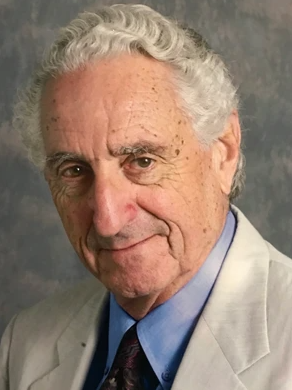 Donald Klein合作论文数Vagelos College of Physicians and Surgeons, Columbia University;New York State Psychiatric Institute;New York University Langone Medical Center3Todd Lencz合作论文数3
 Bernhard Bogerts合作论文数Universitätsklinik für Psychiatrie und Psychotherapie, Universitätsklinikum Magdeburg, Medizinische Fakultät, Otto-von-Guericke-Universität3
 Maryam Ashtari合作论文数Institute of Geophysics, University of Tehran3Robert S. Goldman合作论文数3Bruce J. Kinon合作论文数3
 David Mayerhoff合作论文数3
 Antony Loebel合作论文数3Raman C. Patel合作论文数3Simcha Pollack合作论文数3J Wegner合作论文数2Max Pollack合作论文数2Bruce Saltz合作论文数2H Gunduz合作论文数2Ali Khadivi合作论文数2JMJ ALVIR合作论文数2Jose Alvir合作论文数2JM Kane合作论文数2Jose M Soto-Perello合作论文数2Martin L Lesser合作论文数2D Jody合作论文数2R Blumenthal合作论文数2Mendelowitz Alan合作论文数2Schiebel D合作论文数2Philip R. Szeszko合作论文数2J. Becker合作论文数2
 Thomas Cooper合作论文数Department of Psychiatry, Columbia University2




