THE FREQUENCY and type of psychiatric abnormality in the relatives of schizophrenic patients is of critical importance in testing both genetic and psychogenic theories of the etiology of schizophrenia. A large number of studies over the years have found the prevalence of schizophrenia in the siblings of schizophrenic patients (index cases) to be many times greater than it is in the general population (the most common figure, uncorrected for risk age, is 8%, which is about eight times greater than the general population). Lidz et al1have concluded that schizophrenia in the index case is but the extreme of a spectrum of personality disorders found in the children of parents who have created a malignant psychotoxic developmental environment. In a study of 24 sibs of 18 adolescent or young adult hospitalized schizophrenic patients from upper-class socially intact families, these authors found
The long-term effects of psychotropic agents are reviewed. Major studies are summarized with attention focused on samples studied, criteria of outcome (i.e., rehospitalization, symptoms, vocational adjustment), and findings regarding the role of social and biographical variables on long-term adjustment within the context of chemotherapy.
The effect of the chronic administration of chlorpromazine and imipramine on critical flicker fusion (CFF) in a group of cooperative, voluntarily hospitalized psychiatric patients was investigated in a doubleblind, fixed-dosage, placebo-controlled study. When retested after five weeks while receiving 1200 mg daily of chlorpromazine (with procyclidine added) or 300 mg daily of imipramine, the chlorpromazine treated group showed a significant decrement in CFF threshold when compared with either the placebo or imipramine group; with imipramine there was a non-significant decline in CFF as compared with placebo.
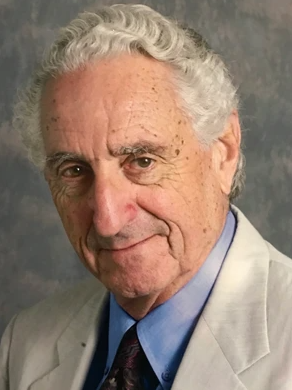 Donald Klein合作论文数Vagelos College of Physicians and Surgeons, Columbia University;New York State Psychiatric Institute;New York University Langone Medical Center4
 Margaret G. Woerner合作论文数2Arnold G. Blumberg合作论文数1Rachel Gittelman合作论文数1
 Eric Karp合作论文数Department of Experimental Psychiatry;Hillside Hospital;Department of Experimental Psychiatry, Hillside Hospital1




