Hematopoietic stem cells (HSCs) give rise to all blood and immune cells throughout life. Aging HSCs exhibit diminished regenerative function, myeloid-biased differentiation, and clonal outgrowth, which contribute to compromised immunity and increased incidence of bone marrow failure and hematological malignancies in older adults. Interventions that prevent or mitigate age-related stem cell exhaustion could thus have an outsized impact on extending human healthspan and longevity. Loss of proteostasis is a hallmark of aging and can impair HSC self-renewal, but whether interventions that enhance proteostasis capacity improve HSC fitness and mitigate age-related changes in HSC function is untested. To test this hypothesis, we generated a mouse model with high-fidelity ribosomes (RiboHiFi) that reduces translation errors during protein synthesis. Strikingly, elevated translation fidelity protects HSCs from the detrimental effects of increased protein synthesis activity and extends HSC longevity in vivo. HSCs from old (24-30 month) adult RiboHiFi mice exhibit reduced proteostasis dysfunction, as evidenced by lower expression of several proteostasis stress response factors. Furthermore, elevated translation fidelity delays stem cell exhaustion in serial transplantation experiments, with some old adult RiboHiFi HSCs retaining long-term multilineage reconstituting activity through six rounds of transplantation. Overall, these studies reveal an opportunity for enhancing translation fidelity to promote stem cell fitness, stress resistance, and longevity.
RNA-seq data from CAL27 cells 3 days after transfection with one of three siRNAs (1, 155 or 969) targeting human HUWE1. si155 corresponds to sequence #2, and si969 corresponds to sequence #3 in Monda et al. Cell Reports. 2023. Each transfection was performed in triplicate and analyzed with paired-end reads. See DOI:10.5281/zenodo.7839090 for the CAL27 siControl dataset. See DOI:10.5281/zenodo.7839102 for the CAL27 siHAPSTR1 dataset.
RNA-seq data from 293T cells expressing a doxycycline-induced control shRNA targeting firefly luciferase (FF), or one of two shRNA sequences targeting human HUWE1 for 4 days. sh353155 corresponds to sequence #2, and sh110969 corresponds to sequence #3 in: Monda et al. Cell Reports. 2023. Each sample was collected in triplicate and analyzed with paired-end reads.
HUWE1 is a large, enigmatic HECT-domain ubiquitin ligase implicated in the regulation of diverse pathways, including DNA repair, apoptosis, and differentiation. How HUWE1 engages its structurally diverse substrates and how HUWE1 activity is regulated are unknown. Using unbiased quantitative proteomics, we find that HUWE1 targets substrates in a largely cell-type-specific manner. However, we identify C16orf72/HAPSTR1 as a robust HUWE1 substrate in multiple cell lines. Previously established physical and genetic interactions between HUWE1 and HAPSTR1 suggest that HAPSTR1 positively regulates HUWE1 function. Here, we show that HAPSTR1 is required for HUWE1 nuclear localization and nuclear substrate targeting. Nuclear HUWE1 is required for both cell proliferation and modulation of stress signaling pathways, including p53 and nuclear factor κB (NF-κB)-mediated signaling. Combined, our results define a role for HAPSTR1 in gating critical nuclear HUWE1 functions.
Post-translational modification of ribosomal proteins enables rapid and dynamic regulation of protein biogenesis. Site-specific ubiquitylation of 40S ribosomal proteins uS10 and eS10 plays a key role during ribo-some-associated quality control (RQC). Distinct, and previously functionally ambiguous, ubiquitylation events on the 40S proteins uS3 and uS5 are induced by diverse proteostasis stressors that impact translation activity. Here, we identify the ubiquitin ligase RNF10 and the deubiquitylating enzyme USP10 as the key enzymes that regulate uS3 and uS5 ubiquitylation. Prolonged uS3 and uS5 ubiquitylation results in 40S, but not 60S, ribosomal protein degradation in a manner independent of canonical autophagy. We show that blocking progression of either scanning or elongating ribosomes past the start codon triggers site-specific ubiquitylation events on ribosomal proteins uS5 and uS3. This study identifies and characterizes a distinct arm in the RQC pathway, initiation RQC (iRQC), that acts on 40S ribosomes during translation initiation to modulate translation activity and capacity.
Since multiple ribosomes can engage a single mRNA, nonuniform ribosome progression can result in collisions. Ribosome collisions during translation elongation elicit a multifaceted ribosome-associated quality control (RQC) response. Despite advanced mechanistic understanding of translation initiation, a parallel RQC pathway that acts on collided preinitiation complexes has not been described. Here, we show that blocking progression of scanning or elongating ribosomes past the start codon triggers uS3 and uS5 ribosomal ubiquitylation. We demonstrate that conditions that activate the integrated stress response can also induce preinitiation complex collisions. The ubiquitin ligase, RNF10, and the deubiquitylating enzyme, USP10, are the key regulators of uS3 and uS5 ubiquitylation. Prolonged uS3 and uS5 ubiquitylation results in 40S, but not 60S, ribosomal protein degradation in an autophagy-independent manner. This study identifies a distinct arm in the RQC pathway, initiation RQC (iRQC), that acts on pervasive ribosome collisions during translation initiation to modulate translation activity and capacity.
Ribosomes are highly abundant cellular machines that perform the essential task of translating the genetic code into proteins. Cellular translation activity is finely tuned and proteostasis insults, such as those incurred upon viral infection, activate stress signaling pathways that result in translation reprogramming. Viral infection selectively shuts down host mRNA while redistributing ribosomes for selective translation of viral mRNAs. The intricacies of this selective ribosome shuffle from host to viral mRNAs are poorly understood. Here, we uncover a role for the ribosome associated quality control (RQC) factor ZNF598, a sensor for collided ribosomes, as a critical factor for vaccinia virus mRNA translation. Collided ribosomes are sensed by ZNF598, which ubiquitylates 40S subunit proteins uS10 and eS10 and thereby initiates RQC-dependent nascent chain degradation and ribosome recycling. We show that vaccinia infection in human cells enhances uS10 ubiquitylation indicating an increased burden on RQC pathways during viral propagation. Consistent with an increased RQC demand, we demonstrate that vaccinia virus replication is impaired in cells which either lack ZNF598 or contain a ubiquitylation deficient version of uS10. Using SILAC-based proteomics and concurrent RNAseq analysis, we determine that host translation of vaccinia virus mRNAs is compromised in cells that lack RQC activity as compared to control cells whereas there was little evidence of differences in host or viral transcription. Additionally, vaccinia virus infection resulted in a loss of cellular RQC activity, suggesting that ribosomes engaged in viral protein production recruit ZNF598 away from its function in host translation. Thus, co-option of ZNF598 by vaccinia virus plays a critical role in translational reprogramming that is needed for optimal viral propagation.
Activation of the integrated stress response (ISR) or the ribosome-associated quality control (RQC) pathway stimulates regulatory ribosomal ubiquitylation (RRub) on distinct 40S ribosomal proteins, yet the cellular role and fate of ubiquitylated proteins remain unclear. We demonstrate that uS10 and uS5 ubiquitylation are dependent upon eS10 or uS3 ubiquitylation, respectively, suggesting that a hierarchical relationship exists among RRub events establishing a ubiquitin code on ribosomes. We show that stress dependent RRub events diminish after initial stimuli and that demodification by deubiquitylating enzymes contributes to reduced RRub levels during stress recovery. Utilizing an optical RQC reporter we identify OTUD3 and USP21 as deubiquitylating enzymes that antagonize ZNF598-mediated 40S ubiquitylation and can limit RQC activation. Critically, cells lacking USP21 or OTUD3 have altered RQC activity and delayed eS10 deubiquitylation indicating a functional role for deubiquitylating enzymes within the RQC pathway.
Defects within mRNAs or nascent chains that halt ribosomal progression can trigger ribosomeassociated quality control (RQC) pathways that facilitate mRNA and nascent polypeptide destruction as well as ribosome recycling. Failure to remove defective mRNAs or nascent chains can lead to the accumulation of cytotoxic protein aggregates and proteotoxic stress. We previously established that the E3 ligase ZNF598 catalyzes regulatory ribosomal ubiquitylation of specific 40S ribosomal proteins required for downstream RQC events. Utilizing an optical RQC reporter we identify OTUD3 and USP21 as deubiquitylating enzymes that antagonize ZNF598-mediated 40S ubiquitylation and facilitate ribosomal deubiquitylation following RQC activation. Overexpression of either USP21 or OTUD3 enhances readthrough of stall-inducing sequences as compared to knock-in cells lacking individual RRub sites suggesting that combinatorial ubiquitylation of RPS10 (eS10) and RPS20 (uS10) is required for optimal resolution of RQC events and that deubiquitylating enzymes can limit RQC activation.
Stress granule (SG) formation is frequently accompanied by ubiquitin proteasome system (UPS) impairment and ubiquitylated protein accumulation. SGs, ubiquitin, and UPS components co-localize, but the relationship between the ubiquitin pathway and SGs has not been systematically characterized. We utilize pharmacological inhibition of either the ubiquitin- or NEDD8-activating enzyme (UAE or NAE) to probe whether active ubiquitylation or neddylation modulate SG dynamics. We show that UAE inhibition results in rapid loss of global protein ubiquitylation using ubiquitin-specific proteomics. Critically, inhibiting neither UAE nor NAE significantly affected SG formation or disassembly, indicating that active protein ubiquitylation or neddylation is dispensable for SG dynamics. Using antibodies with varying preference for free ubiquitin or polyubiquitin and fluorescently tagged ubiquitin variants in combination with UAE inhibition, we show that SGs co-localize primarily with unconjugated ubiquitin rather than polyubiquitylated proteins. These findings clarify the role of ubiquitin in SG biology and suggest that free ubiquitin may alter SG protein interactions.
Previous genetic and biochemical studies from Saccharomyces cerevisiae have identified a critical ribosome-associated quality control complex (RQC) that facilitates resolution of stalled ribosomal complexes. While components of the mammalian RQC have been examined in vitro, a systematic characterization of RQC protein interactions in mammalian cells has yet to be described. Here we utilize both proximity-labeling proteomic approaches, BioID and APEX, and traditional affinity-based strategies to both identify interacting proteins of mammalian RQC members and putative substrates for the RQC resident E3 ligase, Ltn1. Surprisingly, validation studies revealed that a subset of substrates are ubiquitylated by Ltn1 in a regulatory manner that does not result in subsequent substrate degradation. We demonstrate that Ltn1 catalyzes the regulatory ubiquitylation of ribosomal protein S6 kinase 1 and 2 (RPS6KA1, RPS6KA3). Further, loss of Ltn1 function results in hyperactivation of RSK1/2 signaling without impacting RSK1/2 protein turnover. These results suggest that Ltn1-mediated RSK1/2 ubiquitylation is inhibitory and establishes a new role for Ltn1 in regulating mitogen-activated kinase signaling via regulatory RSK1/2 ubiquitylation. Taken together, our results suggest that mammalian RQC interactions are difficult to observe and may be more transient than the homologous complex in S. cerevisiae and that Ltn1 has RQC-independent functions.
Ribosomes that experience terminal stalls during translation are resolved by ribosome-associated quality control (QC) pathways that oversee mRNA and nascent chain destruction and recycle ribosomal subunits. The proximal factors that sense stalled ribosomes and initiate mammalian ribosome-associated QC events remain undefined. We demonstrate that the ZNF598 ubiquitin ligase and the 40S ribosomal protein RACK1 help to resolve poly(A)-induced stalled ribosomes. They accomplish this by regulating distinct and overlapping regulatory 40S ribosomal ubiquitylation events. ZNF598 primarily mediates regulatory ubiquitylation of RPS10 and RPS20, whereas RACK1 regulates RPS2, RPS3, and RPS20 ubiquitylation. Gain or loss of ZNF598 function or mutations that block RPS10 or RPS20 ubiquitylation result in defective resolution of stalled ribosomes and subsequent readthrough of poly(A)-containing stall sequences. Together, our results indicate that ZNF598, RACK1, and 40S regulatory ubiquitylation plays a pivotal role in mammalian ribosome-associated QC pathways.
Small ubiquitin-like modifier (SUMO) modification regulates numerous cellular processes. Unlike ubiquitin, detection of endogenous SUMOylated proteins is limited by the lack of naturally occurring protease sites in the C-terminal tail of SUMO proteins. Proteome-wide detection of SUMOylation sites on target proteins typically requires ectopic expression of mutant SUMOs with introduced tryptic sites. Here, we report a method for proteome-wide, site-level detection of endogenous SUMOylation that uses α-lytic protease, WaLP. WaLP digestion of SUMOylated proteins generates peptides containing SUMO-remnant diglycyl-lysine (KGG) at the site of SUMO modification. Using previously developed immuno-affinity isolation of KGG-containing peptides followed by mass spectrometry, we identified 1209 unique endogenous SUMO modification sites. We also demonstrate the impact of proteasome inhibition on ubiquitin and SUMO-modified proteomes using parallel quantitation of ubiquitylated and SUMOylated peptides. This methodological advancement enables determination of endogenous SUMOylated proteins under completely native conditions.
Significance The listerin (Ltn1) E3 ubiquitin ligase ubiquitylates and promotes degradation of aberrant nascent chains that become stalled on ribosomal 60S subunits. Ltn1-dependent nascent chain ubiquitylation was reconstituted in vitro using extracts of genetically manipulated Neurospora strains. Such extracts, supplemented or not with recombinant factors (such as Ltn1 from Saccharomyces cerevisiae ), represent a new system to study ribosome-associated protein quality control. Utilizing this system, we show that mutations in Ltn1’s conserved N-terminal domain result in defective 60S binding and nascent chain ubiquitylation, without affecting Ltn1’s intrinsic E3 activity. Furthermore, we have solved the crystal structure of Ltn1’s N-terminal domain, which provides detailed information and insights into how Ltn1 interacts with stalled 60S subunits. Our observations shed light on how cells handle protein quality control substrates.
Abstract Phosphoinositide-dependent kinase-1 (PDK-1) phosphorylates members of the AGC kinase superfamily, including AKT and PKC. We recently demonstrated the importance of PDK1 in melanoma development and progression (Oncogene 2013). Genetic ablation of PDK1 in melanocytes effectively delayed melanoma development and inhibited metastasis in a Braf/Cdkn2a model with WT or mutant Pten. In an effort to identify small molecule inhibitors that could affect the PDK1 signaling we characterized SBI-0089410, a small molecule identified in a screen for nuclear exclusion of the transcription factor ATF2, which attenuates its oncogenic activity while enabling its function at the mitochondrial membrane to promote apoptosis. SBI-0089410 reduced melanoma cell viability, inhibited colony formation and spheroid growth, decreased mitochondrial membrane permeability, decreased ATF2 phosphorylation by PKCϵ and altered ATF2 transcriptional activity. Notably, the effect of SBI-0089401 was attenuated by the overexpression of constitutively active PKCϵ or ATF2T52E, which carries a phosphomimetic mutation at the PKCϵ phosphorylation site. Reverse phase protein array (RPPA), validated by western blot analysis, revealed that SBI-408910 attenuates PI3K/AKT/PDK1 signaling pathways. In vivo, SBI-089410 attenuated the growth of Braf/Cdkn2a/Pten tumors in a syngeneic B6 mouse model, as well as prevented their resistance to BRAFi. Our studies substantiate the importance of targeting PI3K/PDK1 signaling in melanoma as a means for effective therapy and prevention of chemoresistance. Citation Format: Tal Varsano, Yongmei Feng, Giuseppina Claps, Marzia Scortegagna, Eric Lau, Marilyn Leonard, Anthony Pinkerton, Maurizio Pellecchia, Michael Davies, Marcus Bosenberg, Ze'ev Ronai. Inhibition of melanoma growth by small molecules that attenuate PI3K/PDK1 signaling and promote ATF2 mitochondrial localization. [abstract]. In: Proceedings of the 105th Annual Meeting of the American Association for Cancer Research; 2014 Apr 5-9; San Diego, CA. Philadelphia (PA): AACR; Cancer Res 2014;74(19 Suppl):Abstract nr 4520. doi:10.1158/1538-7445.AM2014-4520
D Dynamin family members are large GTPases involved in membrane fission and fusion events throughout the cell. The founding member, dynamin, plays a major role in vesiculation events during endocytosis, synaptic membrane recycling, and membrane trafficking. The current model predicts dynamin wraps around the necks of coated pits and upon GTP hydrolysis dynamin constricts and disassociates from the lipid, which then leads to membrane fission. In support of this model, purified dynamin self-assembles into spirals around lipid, generating dynamin-lipid tubes that constrict, twist and fall off upon GTP addition. To determine the conformational changes that occur during GTP hydrolysis, we calculated 3D maps of dynamin by cryo-electron microscopy methods. Here we present our latest 3D map of ΔPRD-dynamin (resolution of 12 Å) with three crystal structures docked into our map, the GMP-PCP GG domain (GTPase domain-GED fragment), the stalk domain from another dynamin family member, MxA, and the PH domain from dynamin. Based on the docking results, we predict the location and interactions between the domains. In addition, comparison between the GTP-bound state (GMP-PCP) and transition state (GDP.AlF4-) within the GG construct suggests that the conformational change induced by GTP hydrolysis drives a large swing of the BSE (bundle signaling element). We predict that the BSE movement is dynamin's power stroke that results in a significant twist and constriction of the underlying lipid bilayer leading to membrane fission. Recently, we have calculated a 3D map of full-length dynamin in a further constricted state, with a resolution of ∼15Å. The inner lumenal diameter of this structure is ∼2-4 nm, a range that is compatible with spontaneous lipid fusion. Currently we are docking the crystal structures into our K44A-dyn map to identify changes within dynamin domains that leads to maximum constriction and ultimately membrane fission.
Endomembrane trafficking relies on the coordination of a highly complex, dynamic network of intracellular vesicles. Understanding the network will require a dissection of cargo and vesicle dynamics at the cellular level in vivo. This is also a key to establishing a link between vesicular networks and their functional roles in development. We used a high-content intracellular screen to discover small molecules targeting endomembrane trafficking in vivo in a complex eukaryote, Arabidopsis thaliana . Tens of thousands of molecules were prescreened and a selected subset was interrogated against a panel of plasma membrane (PM) and other endomembrane compartment markers to identify molecules that altered vesicle trafficking. The extensive image dataset was transformed by a flexible algorithm into a marker-by-phenotype-by-treatment time matrix and revealed groups of molecules that induced similar subcellular fingerprints (clusters). This matrix provides a platform for a systems view of trafficking. Molecules from distinct clusters presented avenues and enabled an entry point to dissect recycling at the PM, vacuolar sorting, and cell-plate maturation. Bioactivity in human cells indicated the value of the approach to identifying small molecules that are active in diverse organisms for biology and drug discovery.
The GTPase dynamin catalyzes membrane fission by forming a collar around the necks of clathrin-coated pits, but the specific structural interactions and conformational changes that drive this process remain a mystery. We present the GMPPCP-bound structures of the truncated human dynamin 1 helical polymer at 12.2 Å and a fusion protein, GG, linking human dynamin 1's catalytic G domain to its GTPase effector domain (GED) at 2.2 Å. The structures reveal the position and connectivity of dynamin fragments in the assembled structure, showing that G domain dimers only form between tetramers in sequential rungs of the dynamin helix. Using chemical crosslinking, we demonstrate that dynamin tetramers are made of two dimers, in which the G domain of one molecule interacts in trans with the GED of another. Structural comparison of GGGMPPCP to the GG transition-state complex identifies a hydrolysis-dependent powerstroke that may play a role in membrane-remodeling events necessary for fission.
Dynamin is a multidomain GTPase that assembles into collar-like structures at the necks of deeply invaginated coated pits during the final stages of clathrin-mediated endocytosis (CME) and catalyzes membrane scission. Assembly of purified dynamin tetramers in vitro yields helical structures comparable to those observed in vivo. The formation of these oligomers stimulates dynamin's basal GTP hydrolysis >100-fold. Mutational analysis indicates that dynamin's stimulated GTP hydrolysis is required for CME; however, mounting evidence suggests that this activity causes disassembly of the dynamin collar rather than direct membrane severing.
 Eric Bennett合作论文数Cell & Developmental Biology, Division of Biological Sciences, University of California, San Diego13
 Sandra Schmid合作论文数Biohub8
 Elayanambi Sundaramoorthy合作论文数Department of Proteomics and Structural Biology, Institute of Genomics and Integrative Biology, Mall Road, Delhi-110007, India7
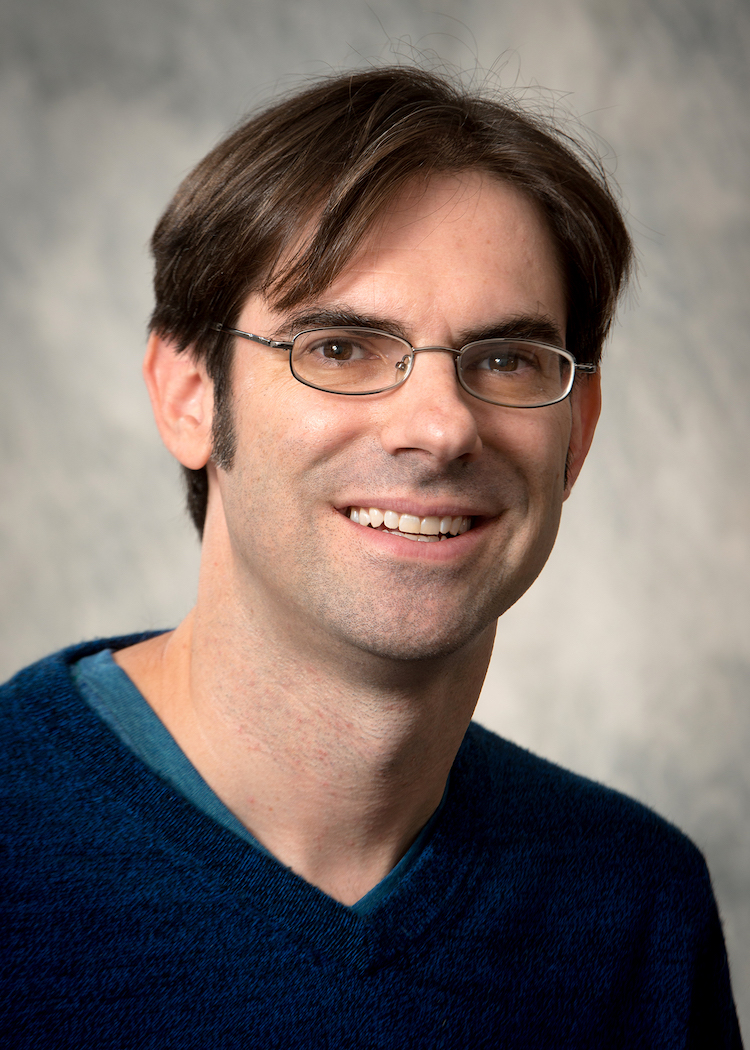 Josh Chappie合作论文数Molecular Medicine, College of Veterinary Medicine, Cornell University5
 Fred Dyda合作论文数National Institute of Diabetes and Digestive and Kidney Diseases, National Institutes of Health5
 Xuezhen Ge (葛雪贞)合作论文数4
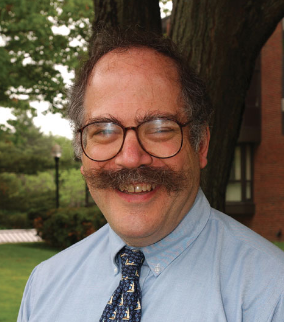 William T. Wickner合作论文数Department of Biochemistry and Cell Biology, Geisel School of Medicine, Dartmouth College4
 Ronald Milligan合作论文数Department of Integrative Structural and Computational Biology, Scripps Research Institute4Jenny E. Hinshaw合作论文数4Sharmistha Acharya合作论文数3Cyrus Y. Jin合作论文数3
 Monda Julie K合作论文数Whitehead Inst Biomed Res3
 Amitkumar Fulzele合作论文数Advanced Centre for Treatment, Research and Education in Cancer (ACTREC), Kharghar, Navi-Mumbai, 410210, India.3
 Hunkeler Moritz合作论文数From the Biozentrum, Universität Basel3
 Danielle Garshott合作论文数University of California, Berkeley3
 Katherine Donovan合作论文数Dana-Farber Cancer Institute, Harvard Medical School3
 Eric Sebastian Fischer合作论文数Department of Biological Chemistry and Molecular Pharmacology, Blavatnik Institute, Harvard Medical School;Department of Cancer Biology, Dana Farber Cancer Institute3Shunming Fang合作论文数3
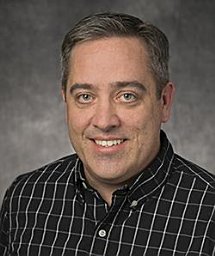 Jason A Mears合作论文数NIDDK/NIH3Jeffrey Liao合作论文数2Ya-Wen Liu合作论文数2
 Michelle Wang合作论文数Department of Physics, Cornell University;Howard Hughes Medical Institute2
 Thomas J. Pucadyil合作论文数Centre for Cellular and Molecular Biology, Uppal Road, Hyderabad 500 007, India2Defne Yarar合作论文数Department of Cell Biology;Scripps Research Institute;Department of Cell Biology, Scripps Research Institute2Edith Aguilar合作论文数1S. Fang合作论文数1J.S. Chappie合作论文数1Nathan Zuzow合作论文数1Vasyl Lukiyanchuk合作论文数1Fabienne Soulet合作论文数1
 Renee Higgins合作论文数1Alla Ahmad合作论文数1Joong-Won Lee合作论文数1Raymond Mak合作论文数1
 Rajesh Ramachandran合作论文数1Bing Yang合作论文数1Mark C. Surka合作论文数1Alison C Vicary合作论文数1
 Elizabeth Komives合作论文数Department of Chemistry and Biochemistry, Division of Physical Sciences, University of California, San Diego1
 Robert Signer合作论文数University of California, San Diego1
 Matthew Daugherty合作论文数Department of Molecular Biology, School of Biological Sciences, University of California, San Diego1Eugenia (Jenny) Russinova合作论文数1Eric Lau合作论文数Burnham Inst Med Res, La Jolla, CA 92037 USA1
 Ryan Lumpkin合作论文数Department of Cancer Biology, Dana-Farber Cancer Institute1Yiying Zhu合作论文数1
 Anthony B Pinkerton合作论文数Sanford Burnham Med Res Inst, Conrad Prebys Ctr Chem Genom, La Jolla, CA 92037 USA1
 Franck Duong合作论文数Department of Biochemistry & Molecular Biology, Faculty of Medicine, The University of British Columbia1
 Heeseon An合作论文数Tri-Institutional Training Program in Chemical Biology, Sloan Kettering Institute, Cornell University1
 Marcus Bosenberg合作论文数Laboratory for Medicine and Pediatrics, Yale School of Medicine1




