The repeated emergence of highly transmissive SARS-CoV-2 variants requires a broadly protective vaccine. We developed a T-cell vaccine VB10.2210 that targets SARS-CoV-2 viral antigens to antigen presenting cells comprising 96 validated immunogenic T-cell epitopes covering a global HLA diversity. We report results from a first in human open-label dose-escalation phase 1/2 clinical trial evaluating safety, reactogenicity and immunogenicity of VB10.2210. The study investigated three dose levels (0.3, 1.0 and 3.0 mg), delivered intramuscularly as DNA plasmid by jet injection (NCT05069623), in 34 healthy adults previously vaccinated with mRNA SARS-CoV-2 vaccines. The safety profile was favorable with no observed dose-limiting toxicity. The 3 mg dose elicited the most potent immune response with enhanced breadth and a CD8+ dominated T cell response. T cell responses towards spike protein and de novo responses to non-spike antigens were confirmed by ELISpot. Expansion of VB10.2210 specific T-cell clones was confirmed by TCR sequencing. Further studies are needed to evaluate the clinical benefit of DNA vaccines inducing broad virus specific T-cell immunity in preventing severe COVID-19 or as treatment of patients with persistent infection.
While recent studies have revealed much about the pathogenesis of type 1 diabetes (T1D), the self-antigens and immune receptors that drive cellular autoimmunity have not been precisely determined. In this study, we identify disease-associated T-cell receptor (TCR) sequences, provide evidence that they are involved in T1D pathogenesis, and connect them to specific antigens implicated in beta-cell autoimmunity. We discovered 264 T1D-associated TCRs by comparing TCR repertoires in blood from T1D cases and controls, without any bias toward predefined cell phenotypes or antigens. Multiple lines of evidence support the relevance of these TCRs to T1D pathogenesis: they form convergent sequence clusters linked to the class II HLA risk alleles HLA-DQ8 and HLA-DQ2.5, are found almost exclusively in T1D cases and largely absent in matched controls, can be detected in blood before autoantibodies, have baseline frequencies that stratify post-treatment clinical outcomes, and are enriched in disease-relevant tissues with effector phenotypes; by contrast, the same TCRs, when rarely detected in healthy controls, more often exhibit regulatory phenotypes. We reverse engineered (deorphanized) these TCRs to find their antigenic targets using nucleic acid-based and peptide-based workflows. These independent approaches converged on a narrow set of antigen targets across TCR clusters: a C-peptide-derived hybrid insulin peptide (HIP) hotspot, with representative receptors preferring HIPs over native peptides and remaining specific in proteome-scale testing. Together, these findings connect multiple threads from the T1D literature: the central importance of effector T cells to disease pathogenesis; the role of insulin-derived hybrid peptides as neoantigens; and the potential to use public clusters of TCRs to serve as biomarkers, guide antigen discovery efforts, and elucidate disease mechanisms.
Introduction:T cells are involved in the early identification and clearance of viral infections and also support the development of antibodies by B cells. This central role for T cells makes them a desirable target for assessing the immune response to SARS-CoV-2 infection. Methods:Here, we combined two high-throughput immune profiling methods to create a quantitative picture of the T-cell response to SARS-CoV-2. First, at the individual level, we deeply characterized 3 acutely infected and 58 recovered COVID-19 subjects by experimentally mapping their CD8 T-cell response through antigen stimulation to 545 Human Leukocyte Antigen (HLA) class I presented viral peptides. Then, at the population level, we performed T-cell repertoire sequencing on 1,815 samples (from 1,521 COVID-19 subjects) as well as 3,500 controls to identify shared "public" T-cell receptors (TCRs) associated with SARS-CoV-2 infection from both CD8 and CD4 T cells. Results:Collectively, our data reveal that CD8 T-cell responses are often driven by a few immunodominant, HLA-restricted epitopes. As expected, the T-cell response to SARS-CoV-2 peaks about one to two weeks after infection and is detectable for at least several months after recovery. As an application of these data, we trained a classifier to diagnose SARS-CoV-2 infection based solely on TCR sequencing from blood samples, and observed, at 99.8% specificity, high early sensitivity soon after diagnosis (Day 3-7 = 85.1% [95% CI = 79.9-89.7]; Day 8-14 = 94.8% [90.7-98.4]) as well as lasting sensitivity after recovery (Day 29+/convalescent = 95.4% [92.1-98.3]). Discussion:The approaches described in this work provide detailed insights into the adaptive immune response to SARS-CoV-2 infection, and they have potential applications in clinical diagnostics, vaccine development, and monitoring.
The severe respiratory syndrome coronavirus 2 (SARS-CoV-2) causing COVID-19 has continuously evolved with successive new virus variants of concern (VOC). A key challenge is to develop vaccines that can prevent infection and/or protect against severe disease caused VOCs that evade vaccine induced Spike neutralizing antibodies. T cell responses likely contribute to the efficacy of approved vaccines against VOCs and provide the rationale for the development of T-cell based vaccines. VB10.2210 is a T-cell based vaccine that was developed using Nykode’s easily adaptable DNA plasmid (pDNA) vaccine platform. VB10.2210 pDNA encodes homodimers consisting of i) a targeting unit that binds chemokine receptors on antigen-presenting cells, ii) a dimerization unit, and iii) an antigenic unit consisting of a selection of validated immunogenic SARS-CoV-2-specific T cell epitopes. The T cell epitopes were identified by Adaptive using T cell receptor sequencing of more than 6500 samples from COVID-19 individuals representing diverse geographies. The vaccine candidate was designed with broad HLA coverage and contains a diversity of both MHCI and MHCII T-cell epitopes across multiple viral proteins and known VOCs. In vitro characterization of the VB10.2210 pDNA showed that intact protein was expressed and secreted in human cell culture. The immunogenicity of the vaccine candidate was evaluated in transgenic HLA-A2.1, C57BL/6 and BALB/c mice. Preclinical data in these three mouse models demonstrate that VB10.2210 consistently induced strong, broad, dose-dependent, and persistent T cell responses across multiple T cell epitopes. VB10.2210 is currently being evaluated for safety and immunogenicity in a Phase I clinical trial (NCT05069623).
The supplementary file contains 3 supplemental figures. Supplementary Figure S1 shows the kinetics of Ki67 expression by CD4 and CD8 T cells following treatment with ipilimumab. Supplementary Figure S2 shows the change in TCR clonality over time following treatment with ipilimumab. Supplementary Figure S3 shows the changes in clonotype frequencies of sorted CD4+ and CD8+ T cells with ipilimumab.
The SARS-CoV-2 Omicron variant of concern (VoC) and its sublineages contain 31-36 mutations in spike and escape neutralization by most therapeutic antibodies. In a pseudovirus neutralization assay, 66 of the nearly 400 candidate therapeutics in the Coronavirus Immunotherapeutic Consortium (CoVIC) panel neutralize Omicron and multiple Omicron sublineages. Among natural immunoglobulin Gs (IgGs), especially those in the receptor-binding domain (RBD)-2 epitope community, nearly all Omicron neutralizers recognize spike bivalently, with both antigen-binding fragments (Fabs) simultaneously engaging adjacent RBDs on the same spike. Most IgGs that do not neutralize Omicron bind either entirely monovalently or have some (22%-50%) monovalent occupancy. Cleavage of bivalent-binding IgGs to Fabs abolishes neutralization and binding affinity, with disproportionate loss of activity against Omicron pseudovirus and spike. These results suggest that VoC-resistant antibodies overcome mutagenic substitution via avidity. Hence, vaccine strategies targeting future SARS-CoV-2 variants should consider epitope display with spacing and organization identical to trimeric spike.
TruAB Discovery is an approach that integrates cellular immunology, high-throughput immunosequencing, bioinformatics, and computational biology in order to discover naturally occurring human antibodies for prophylactic or therapeutic use. We adapted our previously described pairSEQ technology to pair B cell receptor heavy and light chains of SARS-CoV-2 spike protein-binding antibodies derived from enriched antigen-specific memory B cells and bulk antibody-secreting cells. We identified approximately 60,000 productive, in-frame, paired antibody sequences, from which 2,093 antibodies were selected for functional evaluation based on abundance, isotype and patterns of somatic hypermutation. The exceptionally diverse antibodies included RBD-binders with broad neutralizing activity against SARS-CoV-2 variants, and S2-binders with broad specificity against betacoronaviruses and the ability to block membrane fusion. A subset of these RBD- and S2-binding antibodies demonstrated robust protection against challenge in hamster and mouse models. This high-throughput approach can accelerate discovery of diverse, multifunctional antibodies against any target of interest.
Post-acute sequelae of COVID-19 (PASC) represent an emerging global crisis. However, quantifiable risk factors for PASC and their biological associations are poorly resolved. We executed a deep multi-omic, longitudinal investigation of 309 COVID-19 patients from initial diagnosis to convalescence (2-3 months later), integrated with clinical data and patient-reported symptoms. We resolved four PASC-anticipating risk factors at the time of initial COVID-19 diagnosis: type 2 diabetes, SARS-CoV-2 RNAemia, Epstein-Barr virus viremia, and specific auto-antibodies. In patients with gastrointestinal PASC, SARS-CoV-2-specific and CMV-specific CD8+ T cells exhibited unique dynamics during recovery from COVID-19. Analysis of symptom-associated immunological signatures revealed coordinated immunity polarization into four endotypes, exhibiting divergent acute severity and PASC. We find that immunological associations between PASC factors diminish over time, leading to distinct convalescent immune states. Detectability of most PASC factors at COVID-19 diagnosis emphasizes the importance of early disease measurements for understanding emergent chronic conditions and suggests PASC treatment strategies.
Missense driver mutations in cancer are concentrated in a few hotspots1. Various mechanisms have been proposed to explain this skew, including biased mutational processes2, phenotypic differences3-6 and immunoediting of neoantigens7,8; however, to our knowledge, no existing model weighs the relative contribution of these features to tumour evolution. We propose a unified theoretical 'free fitness' framework that parsimoniously integrates multimodal genomic, epigenetic, transcriptomic and proteomic data into a biophysical model of the rate-limiting processes underlying the fitness advantage conferred on cancer cells by driver gene mutations. Focusing on TP53, the most mutated gene in cancer1, we present an inference of mutant p53 concentration and demonstrate that TP53 hotspot mutations optimally solve an evolutionary trade-off between oncogenic potential and neoantigen immunogenicity. Our model anticipates patient survival in The Cancer Genome Atlas and patients with lung cancer treated with immunotherapy as well as the age of tumour onset in germline carriers of TP53 variants. The predicted differential immunogenicity between hotspot mutations was validated experimentally in patients with cancer and in a unique large dataset of healthy individuals. Our data indicate that immune selective pressure on TP53 mutations has a smaller role in non-cancerous lesions than in tumours, suggesting that targeted immunotherapy may offer an early prophylactic opportunity for the former. Determining the relative contribution of immunogenicity and oncogenic function to the selective advantage of hotspot mutations thus has important implications for both precision immunotherapies and our understanding of tumour evolution.
Abstract Background T cells are central to the early identification and clearance of viral infections and support antibody generation by B cells, making them desirable for assessing the immune response to SARS-CoV-2 infection and vaccines. We combined 2 high-throughput immune profiling methods to create a quantitative picture of the SARS-CoV-2 T-cell response that is highly sensitive, durable, diagnostic, and discriminatory between natural infection and vaccination. Methods We deeply characterized 116 convalescent COVID-19 subjects by experimentally mapping CD8 and CD4 T-cell responses via antigen stimulation to 545 Human Leukocyte Antigen (HLA) class I and 284 class II viral peptides. We also performed T-cell receptor (TCR) repertoire sequencing on 1815 samples from 1521 PCR-confirmed SARS-CoV-2 cases and 3500 controls to identify shared public TCRs from SARS-CoV-2-associated CD8 and CD4 T cells. Combining these approaches with additional samples from vaccinated individuals, we characterized the response to natural infection as well as vaccination by separating responses to spike protein from other viral targets. Results We find that T-cell responses are often driven by a few immunodominant, HLA-restricted epitopes. As expected, the SARS-CoV-2 T-cell response peaks about 1-2 weeks after infection and is detectable at least several months after recovery. Applying these data, we trained a classifier to diagnose past SARS-CoV-2 infection based solely on TCR sequencing from blood samples and observed, at 99.8% specificity, high sensitivity soon after diagnosis (Day 3–7 = 85.1%; Day 8–14 = 94.8%) that persists after recovery (Day 29+/convalescent = 95.4%). Finally, by evaluating TCRs binding epitopes targeting all non-spike SARS-CoV-2 proteins, we were able to separate natural infection from vaccination with > 99% specificity. Conclusion TCR repertoire sequencing from whole blood reliably measures the adaptive immune response to SARS-CoV-2 soon after viral antigenic exposure (before antibodies are typically detectable) as well as at later time points, and distinguishes post-infection vs. vaccine immune responses with high specificity. This approach to characterizing the cellular immune response has applications in clinical diagnostics as well as vaccine development and monitoring. Disclosures Thomas M. Snyder, PhD, Adaptive Biotechnologies (Employee, Shareholder) Rachel M. Gittelman, PhD, Adaptive Biotechnologies (Employee, Shareholder) Mark Klinger, PhD, Adaptive Biotechnologies (Employee, Shareholder) Damon H. May, PhD, Adaptive Biotechnologies (Employee, Shareholder) Edward J. Osborne, PhD, Adaptive Biotechnologies (Employee, Shareholder) Ruth Taniguchi, PhD, Adaptive Biotechnologies (Employee, Shareholder) H. Jabran Zahid, PhD, Microsoft Research (Employee, Shareholder) Rebecca Elyanow, PhD, Adaptive Biotechnologies (Employee, Shareholder) Sudeb C. Dalai, MD, PhD, Adaptive Biotechnologies (Employee, Shareholder) Ian M. Kaplan, PhD, Adaptive Biotechnologies (Employee, Shareholder) Jennifer N. Dines, MD, Adaptive Biotechnologies (Employee, Shareholder) Matthew T. Noakes, PhD, Adaptive Biotechnologies (Employee, Shareholder) Ravi Pandya, PhD, Microsoft Research (Employee, Shareholder) Lance Baldo, MD, Adaptive Biotechnologies (Employee, Shareholder, Leadership Interest) James R. Heath, PhD, Merck (Research Grant or Support, Funding (from BARDA) for the ISB INCOV project, but had no role in planning the research or in writing the paper.) Joaquin Martinez-Lopez, MD, PhD, Adaptive Biotechnologies (Consultant) Jonathan M. Carlson, PhD, Microsoft Research (Employee, Shareholder) Harlan S. Robins, PhD, Adaptive Biotechnologies (Board Member, Employee, Shareholder)
We describe the establishment and current content of the ImmuneCODE™ database, which includes hundreds of millions of T-cell Receptor (TCR) sequences from over 1,400 subjects exposed to or infected with the SARS-CoV-2 virus, as well as over 135,000 high-confidence SARS-CoV-2-specific TCRs. This database is made freely available, and the data contained in it can be downloaded and analyzed online or offline to assist with the global efforts to understand the immune response to the SARS-CoV-2 virus and develop new interventions.
ABSTRACTObjectivesThe primary aim of this study is to increase our understanding of the adaptive immune response to the SARS-CoV-2 virus by assaying the peripheral immune repertoire for virus-associated T-cell receptors (TCRs). Secondary aims include identification and characterization of SARS-CoV-2–specific B-cell receptors (BCRs) and monoclonal antibodies (mAbs) generated by antibody-producing cells during and after acute infection.Trial designImmuneRACE is a prospective, single group, multi-cohort, exploratory study of unselected eligible participants exposed to, infected with, or recovering from SARS-CoV-2.ParticipantsApproximately 1000 individuals, aged 18 to 89 years and residing in 24 different geographic areas within the United States, will be enrolled, primarily using remote telemedicine technologies. Cohorts will be based on clinical history. Cohort 1 will include participants exposed to SARS-CoV-2 within 2 weeks of study entry. Cohort 2 participants will include those clinically diagnosed or with positive laboratory confirmation of active COVID-19 disease. Cohort 3 will comprise participants previously diagnosed with COVID-19 disease who have been deemed recovered based on two consecutive negative tests, clearance by a healthcare professional, or resolution of symptoms related to COVID-19. All participants must be able to communicate with the investigator and understand and comply with the requirements of the study. Protected populations and those who may not safely participate are not eligible for this study.Intervention and comparatorBlood samples and nasopharyngeal or oropharyngeal swabs will be collected from participants. Nasopharyngeal or oropharyngeal swabs will be collected by inserting a swab into the nose or throat of the participant. Samples will be shipped frozen or transported refrigerated or at room temperature to Adaptive Biotechnologies for processing, including, but not limited to, testing for coronavirus or other respiratory illnesses, DNA extraction, and TCR analysis. The immunoSEQ assay will be conducted using DNA extracted from blood samples. An electronic questionnaire will be administered to collect information pertaining to the participant’s medical history, symptoms, and diagnostic tests performed for COVID-19 disease. Participants will have the option to undergo additional blood draws and questionnaires over a 2-month period. In collaboration with Microsoft, we will use machine learning and artificial intelligence approaches to construct a classifier based on TCR repertoire data designed to accurately distinguish COVID-19–positive cases from unexposed controls (from the ImmuneCODE database of TCR sequences). A rigorous statistical analysis will be performed to validate the classifier.Main outcomesThe main outcomes of this study will include a comparison of disease-specific TCR signatures in patients and controls, identification of the immunodominant antigens that elicit a T-cell response to SARS-CoV-2, risk stratification based on an individual’s immune signature, and determination of immune signatures of patients exposed to SARS-CoV-2 that may allow earlier detection of infection compared to available tests.Trial registration“ImmuneRACE – Immune Response Action to COVID-19 Events (Protocol ADAP-006, version 1.0; 5/8/2020) is registered with the US National Institutes of Health and can be accessed at ClinicalTrials.gov (NCT04494893).
Abstract The growing use of immunotherapy to treat advanced cancers has brought about a revolution in techniques to mobilize the immune system to antitumor effect. Chimeric antigen receptor (CAR) T-cells targeting CD19 constitute the first modified T-cell products to garner FDA approval for clinical use. However, CAR technologies can only targeT-cell surface antigens, representing approximately one quarter of potential targets. In contrast, T-cell receptor (TCR) therapies can target peptides presented by the major histocompatibility complex (MHC), including those derived from intracellular antigens. Hitherto, such receptors have generally been identified through low-throughput techniques using cancer patients’ blood, followed by affinity-maturation of TCRs, a step that can decrease safety. Here, we demonstrate a novel pipeline for the identification of potential therapeutic TCRs from the naïve repertoire of healthy individuals. Using a technique called Multiplexed Identification of T-cell Receptor Antigen specificity (MIRA), we input hundreds of antigens of interest, including tumor-associated antigens, viral antigens and neoantigens, and identify thousands of TCRs to these antigens. These TCRs then undergo evaluation for affinity, avidity, cytokine release, cytotoxicity and safety. Cytotoxicity is demonstrated using both peptide-loaded and endogenously presented peptides. Safety is evaluated using alanine-glycine scans; evaluation of reactivity of TCRs againsT-cell lines and primary cells is planned. We have fully characterized several TCRs targeting clinically relevant targets, which demonstrated improved avidity and cytolysis relative to a benchmark TCR, and a promising preliminary safety profile. In the recent year, cancer neoantigens as targets for natural and therapeutic antitumor responses have also gained momentum given their attractive product profile. Hereto, we also show data for TCRs against shared neoantigens. Citation Format: Mark Klinger, Peter Ebert, Edward Osborne, Ruth Taniguchi, Joyce Hu, Tim Hayes, Sharon Benzeno, Adria Carbo, Melanie Laur, Erica Eggers, Harlan Robins. High-throughput identification of naturally occurring T-cell receptors with therapeutic potential against tumor-associated, viral and neoantigens [abstract]. In: Proceedings of the Fourth CRI-CIMT-EATI-AACR International Cancer Immunotherapy Conference: Translating Science into Survival; Sept 30-Oct 3, 2018; New York, NY. Philadelphia (PA): AACR; Cancer Immunol Res 2019;7(2 Suppl):Abstract nr A034.
Abstract Therapeutic vaccines have been in development for decades with the goal of priming and boosting an immune response against specific antigens in cancer patients. More recently, vaccination with mutation-derived neoantigens has emerged as is an attractive approach to treat cancer patients. However, appropriately selecting immunogenic antigens and neoepitopes that successfully prime the immune system of cancer patents remains a challenge. In fact, despite extensive efforts throughout the years, many vaccines have proven to be ineffective in mediating a clinically relevant anti-tumor immune response in humans. With the advent of emerging new technologies, including the combination of next-generation sequencing and improved bioinformatics tools, a new era of vaccine development is underway. Hereto, we present a novel, highly sensitive, multiplex approach, known as Multiplexed Identification of T-cell Receptor Antigen specificity (MIRA), that combines high-throughput TCR repertoire sequencing with conventional immune monitoring techniques to assess T-cell specificity to large numbers of query antigens. MIRA maps antigen specificity to TCR sequence at an unprecedented sensitivity (1 in ~10 million T-cells) and scale (more than 400 antigens at a time). To validate this approach, we assessed the response of more than 10 million naïve human T-cells from each of 50 healthy donors against a panel of 366 neoepitopes. These include post-translationally modified peptides, derived from over 130 prevalent mutations in greater than 50 cancer indications. From three billion total input T-cells, we identified tens of thousands of TCRB sequences from responsive T-cell clones, of which at least one TCR was yielded for the majority of queried neoepitopes. The TCRs identified were skewed toward a small number of query antigens, with 12 neoepitopes accounting for over 50% of the TCRs identified. This suggests a higher precursor frequency of specific T-cells in the naïve repertoire or a higher immunogenicity of these epitopes or both. By performing MIRA experiments in parallel using transgenes versus peptides, we can further validate which of the neoepitopes were also presented via cells’ natural antigen presentation machinery. Of note, we also paired 52% of the TCRB sequences with their cognate TCRA subunit sequence thus permitting reconstitution of individual TCRs. Generating immunogenicity data to antigens of interest at scale facilitates an opportunity to better inform antigen selection in vaccine programs and improve vaccine design. Once a vaccine has been designed and administered to a patient, MIRA offers a unique solution to assess peptides based on their ability to elicit robust T responses. By creating a post-vaccination, patient-specific MIRA, a permanent record or signature of that patient’s response to the vaccine is created. This information can then be leveraged to identify early biomarkers of response to the vaccine and monitor this response longitudinally by simply using single chain TCRB deep sequencing from a small amount of a patient’s peripheral blood. Citation Format: Peter Ebert, Mark Klinger, Edward Osborne, Ruth Taniguchi, Joyce Hu, Tim Hayes, Sharon Benzeno, Adria Carbo, Melanie Laur, Erica Eggers, Harlan Robins. Optimization of cancer vaccine development by using Multiplexed Identification of T-cell Receptor Antigen specificity (MIRA) [abstract]. In: Proceedings of the Fourth CRI-CIMT-EATI-AACR International Cancer Immunotherapy Conference: Translating Science into Survival; Sept 30-Oct 3, 2018; New York, NY. Philadelphia (PA): AACR; Cancer Immunol Res 2019;7(2 Suppl):Abstract nr B115.
Ryan Emerson and colleagues report immunosequencing of the variable region of the TCRβ chain in 666 individuals with known cytomegalovirus (CMV) status. They show that CMV status and HLA genotype shape the T cell repertoire and demonstrate proof of principle that TCRβ sequencing can be used as a specific diagnostic of pathogen exposure.
Abstract Granulocyte-macrophage colony-stimulating factor (GM-CSF) is frequently utilized as an adjuvant in cancer immunotherapies, and has known effects as a growth factor. However the extent to which GM-CSF modulates the adaptive immune response, including possible effects on the antigenic repertoire, remains unclear. We used next-generation sequencing of T cell receptor (TCR) beta chain sequences amplified from total RNA from peripheral blood mononuclear cells using consensus primers to assess changes in the circulating antigenic repertoire of prostate cancer patients treated with GM-CSF in multiple clinical trials. Administration of systemic GM-CSF monotherapy to patients with localized prostate cancer prior to planned radical prostatectomy (NCT00305669) results in a significant decline in clonality from the pre-treatment timepoint to the 2-week timepoint on treatment, indicative of increased early repertoire diversity (p=0.039 by Wilcoxon signed rank test). In a separate clinical trial (NCT00064129), the combination of systemic GM-CSF (250 μg/m2/day on days 1-14 of each cycle) with ipilimumab in metastatic castrate-resistant prostate cancer (mCRPC) patients also resulted in a significant decline in clonality from pre-treatment samples to the 2-week timepoint on treatment (p=0.002). In contrast, mCRPC patients who received ipilimumab alone in a separate study (NCT00323882) did not experience a similar decline in clonality after 3 weeks on treatment (p=0.625). In addition, comparison of the dynamics of specific clonotypes between the paired timepoints in the two mCRPC studies demonstrates that while there is no significant difference in the ratios of post-treatment to pre-treatment clonality between studies, patients treated with the combination of iplilimumab and GM-CSF show more repertoire change, with lower Morisita’s distance for all clones found at either timepoint (p=0.023), smaller intraclass correlation coefficient (p=0.028), and a smaller proportion of clonotypes that remain unchanged (defined by +/- 2-fold change for clones found at both timepoints) (p=0.002). These results indicate increased repertoire turnover when GM-CSF is combined with checkpoint inhibition. Hence data from both localized and metastatic prostate cancer, and from monotherapy and combination therapy regimens, supports a role for GM-CSF in inducing early diversification of the TCR repertoire. Citation Format: David Y. Oh, Li Zhang, Jason Cham, Alan Paciorek, Mark Klinger, Malek Faham, Susan F. Slovin, Lawrence Fong. Systemic granulocyte-macrophage colony-stimulating factor (GM-CSF) treatment increases T cell receptor diversity in localized and metastatic prostate cancer patients [abstract]. In: Proceedings of the American Association for Cancer Research Annual Meeting 2017; 2017 Apr 1-5; Washington, DC. Philadelphia (PA): AACR; Cancer Res 2017;77(13 Suppl):Abstract nr 1694. doi:10.1158/1538-7445.AM2017-1694
OBJECTIVE:Ankylosing spondylitis (AS), a chronic inflammatory disorder, has a notable association with HLA-B27. One hypothesis suggests that a common antigen that binds to HLA-B27 is important for AS disease pathogenesis. This study was undertaken to determine sequences and motifs that are shared among HLA-B27-positive AS patients, using T cell repertoire next-generation sequencing.METHODS:To identify motifs enriched among B27-positive AS patients, we performed T cell receptor β (TCRβ) repertoire sequencing on samples from 191 B27-positive AS patients, 43 B27-negative AS patients, and 227 controls, and we obtained >77 million TCRβ clonotype sequences. First, we assessed whether any of 50 previously published sequences were enriched in B27-positive AS patients. We then used training and test cohorts to identify discovered motifs that were enriched in B27-positive AS patients versus controls.RESULTS:Six previously published and 11 discovered motifs were enriched in the B27-positive AS samples as compared to controls. After combining motifs related by sequence, we identified a total of 15 independent motifs. Both the full set of 15 motifs and a set of 6 published motifs were enriched in the B27-positive AS patients as compared to B27-positive healthy individuals (P = 0.049 and P = 0.001, respectively). Using an independent cohort, we validated that at least some of these motifs were associated with AS, and not simply with B27-positive status.CONCLUSION:We identified TCRβ motifs that are enriched in B27-positive AS patients as compared to B27-positive healthy controls. This suggests that a common antigen, presented by HLA-B27 and detected by CD8+ T cells, may be associated with AS disease pathogenesis.
3029 Background: Immune checkpoint inhibitors can elicit clinical responses to a range of tumor types but also significant immune-mediated toxicities (immune-related adverse events, or IRAEs). Both response and toxicity may be mediated by the generation or amplification of specific T cell clones, however it remains unclear whether changes in the T cell receptor (TCR) repertoire after checkpoint blockade are overlapping or distinct for these two outcomes. Methods: Next-generation TCR beta chain sequencing was performed on peripheral blood mononuclear cells from metastatic castrate-resistant prostate cancer patients receiving ipilimumab and GM-CSF as part of a phase I/II trial to assess treatment-induced changes in the TCR repertoire and how they relate to clinical outcomes. Clinical response was defined by a > 50% PSA decline on treatment. Toxicity was defined as any IRAE developing on treatment. Results: We found that treating metastatic cancer patients with ipilimumab leads to T cell repertoire diversification as soon as 2 weeks after the first dose, as measured by a significant change in the clonality index which provides a metric of TCR repertoire diversity at each timepoint. Interestingly, clinical response is significantly correlated with increased repertoire diversity (p = 0.01 for change in clonality between weeks 0 and 2 for PSA responders, p = 0.055 for non-responders). At the same time, development of IRAEs during the study is also significantly correlated with increased diversity (p = 0.023 for change in clonality for IRAE patients, versus p = 0.057 for non_IRAE patients). Repertoire changes in IRAE patients also include increases in the frequency of TCR clones with treatment, including generation of novel clones. Conclusions: Early ipilimumab-induced changes in T cell clonality are associated with both clinical response and toxicity in prostate cancer. These observations are consistent with the overlap that is often seen clinically between clinical responders and IRAEs. Our results indicate that increased repertoire diversity may be a common initial event leading to both beneficial and deleterious outcomes with CTLA-4 blockade.
Monitoring antigen-specific T cells is critical for the study of immune responses and development of biomarkers and immunotherapeutics. We previously developed and validated a novel multiplex assay (MIRA, or Multiplexed Identification of T cell Receptor Antigen specificity) that combines conventional immune monitoring techniques and TCR repertoire sequencing to assess T cell specificity to large numbers of query antigens. MIRA is a sensitive assay enabling detection of antigen-specific TCR clonotypes well below the limit of detection of conventional immune monitoring assays including flow cytometry and ELISPOT. Here we report the results from a scaled-up version of the assay using 270 different query peptide antigens (159 self- and 111 pathogen-derived). We identified >500 TCR clonotypes at frequencies as low as 1 per million T cells that were specific to 41 query antigens from 6 healthy HLA-A*02-positive individuals. Most of the antigen-specific TCRs identified recognized one of 27 different peptides derived from a variety of pathogens including CMV, EBV, Flu, Rotavirus, HSV, mTB, WNV and HIV. A subset of antigen-specific TCRs recognized one of 14 different peptides derived from self including MART1, RCC, BCL-2, MAGE, STEAP1, KLK4, CAMEL and MOG. These data support the notion that escape and survival of self antigen-specific T cells occurs without causing overt autoimmunity in healthy individuals. We show here that MIRA can be used to assess TCR specificities to hundreds of query antigens simultaneously. The assay is highly scalable and can be easily modified to accommodate thousands of additional query antigens. This technology may be used to monitor T cell specificity to antigens relevant to infection, autoimmunity and cancer.
 Malek Faham合作论文数30Harlan Robins合作论文数11Jianbiao Zheng合作论文数Rebus Biosystems11
 Lawrence Fong合作论文数Immunotherapy Integrated Research Center, Fred Hutchinson Cancer Center9
 Martin Moorhead合作论文数Affymetrix Inc.9Victoria Carlton合作论文数8Killeen Nigel合作论文数7
 David Miklos合作论文数Blood and Marrow Transplantation & Cellular Therapy Division, School of Medicine, Stanford University;Stanford Cancer Institute, School of Medicine, Stanford University7
 Aaron Logan合作论文数School of Medicine, University of California, San Francisco7Ruth Taniguchi合作论文数6Kong Katherine A合作论文数6Jennifer N. Dines合作论文数5Peter Ebert合作论文数5Jason Cham合作论文数Med, Univ Calif San Francisco5
 Li Zhang合作论文数5Weng Li合作论文数5
 Antoni Ribas合作论文数Jonsson Comprehensive Cancer Center;Parker Institute for Cancer Immunotherapy Center, University of California Los Angeles5David Y. Oh合作论文数5
 Craig A. Cummings合作论文数Life Technologies Corporation5M. Faham合作论文数4
 Joaquin Martinez合作论文数Hematology Department, Hospital Universitario 12 de Octubre;Faculty of Medicine, Universidad Complutense de Madrid;Haematological Malignacies Clinical Research Unit, Centro Nacional de Investigaciones Oncológicas4Edward Cha合作论文数4Lance Baldo合作论文数4Grant Fong合作论文数Med, Univ Calif San Francisco4Sharon Benzeno合作论文数Adapt Biotechnol, Seattle, WA USA4Edward J. Osborne合作论文数4Chmura Stephen A合作论文数4Hou Yafei合作论文数Univ Calif San Francisco4
 Rachel M Gittelman合作论文数Guardant Health4
 Goldman Jason D合作论文数Harborview Medical Center, University of Washington4
 Thomas M. Snyder合作论文数Department of Mathematics and Engineering Sciences, Lincoln Land Community College4Yasuhiro Oki合作论文数4
 James R. Heath合作论文数Institute for Systems Biology;Health Sciences Center, University of California, Los Angeles4
 Claudio Cerchione合作论文数3Amna Waqar合作论文数3Nikita Vashi合作论文数3Tom Willis合作论文数3Emily Svejnoha合作论文数3Simona Semprini合作论文数3
 Alma Rodriguez合作论文数3Joyce Hu合作论文数3Adria Carbo合作论文数3
 Sambri Vittorio合作论文数Reg Reference Ctr Microbiol Emergencies CRREM, St Orsola Malpighi Univ Hosp3
 Ian Kaplan合作论文数Department of Entomology, Purdue University3
 Marissa Vignali合作论文数Adapt Biotechnol3
 Delmonte Ottavia合作论文数3
 Erica Eggers合作论文数School of Nursing at, UCLA AIDS Institute3Dobbs Kerry合作论文数Department of Immunology, Boston Children's Hospital3
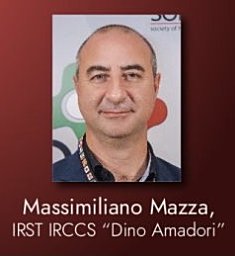 Mazza Massimiliano合作论文数Department of Experimental Oncology, European Institute of Oncology3




