Background: Surgical care centralization in the U.S. delays access and increases carbon emissions. Global targets suggest patients live within 2-hours of a surgical facility. This study quantifies the environmental impact of travel for cataract surgery in rural Michigan and models the potential emissions reductions from decentralizing surgical and follow-up services. Methods: A retrospective, cross-sectional study analyzed electronic medical records from a rural Michigan ophthalmology practice (March-November 2023). We calculated travel distances using population-weighted centroids and estimated emissions using U.S. Department of Energy vehicle data. A k-means clustering model optimized additional facility placement, and a gradient analysis identified optimal numbers for decentralization points, for emissions reductions. Results: The 920 patients traveled a median of 55.45 km (IQR: 43.33-88.20 km) for surgery and 55.07 km (IQR: 43.54-87.82 km) for follow-up visits, generating Total Surgical Access Emissions (TSAE) of 57,168 kgCO2; (median of 59.20 kgCO2; IQR: 32.31-81.87) under the centralized model. The k-means decentralization model and gradient analysis identified 7 hospitals and 9 clinics, respectively, as the optimal expansion points, reducing emissions by 34.07% (19,475 kgCO2 saved) and 39.52% (22,590 kgCO2; saved). The Surgical Access Carbon Impact (SACI) model demonstrated that achieving two-hour access to clinic services reduced excess emissions by 54.7%. Sensitivity analyses using fuel-efficient vehicles (Toyota Prius and Tesla Model 3) or reducing follow-up visit frequency reduced emissions by 54.03% (30,888 kgCO2) and 25.83% (14,768 kgCO2), respectively. Conclusion: Decentralizing surgical services in rural U.S. settings could cut travel-related emissions by up to 40%, significantly reducing healthcare-related carbon footprints while improving timely access to care. The SACI metric provides a novel framework for integrating environmental sustainability into U.S. health policy and service planning ### Competing Interest Statement The authors have declared no competing interest. ### Author Declarations I confirm all relevant ethical guidelines have been followed, and any necessary IRB and/or ethics committee approvals have been obtained. Yes The details of the IRB/oversight body that provided approval or exemption for the research described are given below: Not Human Subjects Research- Harvard Longwood Campus IRB, Protocol #IRB24-1130, September 6, 2024. I confirm that all necessary patient/participant consent has been obtained and the appropriate institutional forms have been archived, and that any patient/participant/sample identifiers included were not known to anyone (e.g., hospital staff, patients or participants themselves) outside the research group so cannot be used to identify individuals. Yes I understand that all clinical trials and any other prospective interventional studies must be registered with an ICMJE-approved registry, such as ClinicalTrials.gov. I confirm that any such study reported in the manuscript has been registered and the trial registration ID is provided (note: if posting a prospective study registered retrospectively, please provide a statement in the trial ID field explaining why the study was not registered in advance). Yes I have followed all appropriate research reporting guidelines, such as any relevant EQUATOR Network research reporting checklist(s) and other pertinent material, if applicable. Yes All data produced in the present study are available upon reasonable request to the authors
BackgroundThe largest proportion of people at risk of catastrophic expenditures for surgical care live in low- and middle-income countries. This study aims to evaluate the financial impact among surgical patients at Kibuye Hope Hospital (KHH) in Burundi.MethodsData were collected from patients undergoing a surgical procedure at KHH from January to October 2019. A predesigned questionnaire was used to collect information regarding socio-demographics, pre-hospital and hospitalization characteristics, finances, and surgical outcomes. Out-of-pocket (OOP) health expenditure, catastrophic health expenditure (CHE), impoverishing health expenditure (IHE), and financial distress (FD) were summarized.ResultsOf a total of 301 patients, 60% lived below the extreme poverty line ($2.15) at baseline. After surgery, 66% of patients faced CHE, 66% faced FD, and 73% faced IHE. Almost all patients (94%) reported having an insurance plan, although the rate of OOP expenditure was high (98%). The median cost of medications ($215.5) or surgery ($305.6) surpassed the median monthly household expenditure allocated to food ($183.4). The proportion of patients facing extreme poverty at baseline increased from 60% to 96% after direct medical expenses. Many patients reported borrowing money (30%) or selling their land/possessions (46%) to cover OOP expenses.ConclusionsMost surgical patients at KHH face extremely high risks of CHEs and impoverishment due to OOP expenses for care, despite insurance coverage. The risk of families being forced into poverty and experiencing FD from surgical care are indicators of the lack of effective financial risk protection programs in Burundi.
The impact of delayed presentation to primary surgery on mortality and complication outcomes in children with gastrointestinal congenital anomalies is poorly understood. Using a cohort of 3767 children with gastrointestinal anomalies in 74 countries (2018-2019), we assessed predictors of delay and compare 30-day risk of all-cause mortality (ACM) and complication among children with delayed ($>$24 hours of life) versus non-delayed ($\le$24 of life) presentation to primary surgery. Children in low-and middle-income countries (LMICs) had greater probability of delay (PR: 1.79; 95% CI: 1.59, 2.02) and mortality risk for all anomaly types compared to children in high-income countries (HICs). Compared to non-delayed children, delayed children with gastroschisis (RR: 1.62; 1.07, 2.47), omphalocele (RR: 1.17; 0.62, 2.21), intestinal atresia (RR: 1.88; 1.34, 2.63), and esophageal atresia (1.54; 1.15, 2.05) had greater ACM risk. Delayed children with gastroschisis (1.48; 1.25, 1.75) and esophageal atresia (1.17; 1.05, 1.30) had greater complication risk. Probability of delay and risk of death was higher in LMICs than HICs. Compared to non-delayed children, delayed children with gastroschisis, omphalocele, intestinal atresia, and esophageal atresia had greater 30-day ACM risk and delayed children with gastroschisis and esophageal atresia had greater 30-day complication risk.
Objective. Birth prevalence estimates for major congenital gastrointestinal anomalies are sparse. This paper serves as an in-depth, a priori systematic review protocol for our systematic review identifying and assessing studies reporting population-level birth prevalence estimates for gastrointestinal anomalies. Methods. We will use the Condition, Context, Population framework and will include studies reporting the population-level birth prevalence of gastroschisis, omphalocele, intestinal and esophageal atresia, Hirschsprung's disease, congenital diaphragmatic hernia, and anorectal malformation in infants. We will assess bias using the Joanna Briggs Institute Critical Appraisal Checklist for Studies Reporting Prevalence Data. Results. Results will be published in a separate paper, and will be stratified by World Bank income classification. Conclusion. Knowledge of the current prevalence of major congenital gastrointestinal anomalies is essential to efficient surgical resource planning. This review will compile existing global estimates of prevalence and incidence of common gastrointestinal congenital anomalies to support policy development.
The Declaration of Geneva serves as a guide to ethical medical practice. It primarily addresses the duties of the physician in relation to an individual physician–patient relationship and implicitly advocates a 'first come, first served' model. It assumes the availability of adequate resources to treat all patients. However, no health system can meet all the requirements of its intended beneficiaries, and resource allocation, priority-setting and triaging are inevitable. Yet the Declaration of Geneva 'does not permit considerations of age, disease or disability, gender …, social standing or any other factor' to be considered. Neither does it permit consideration of 'financial toxicity of treatment' on patients, families and struggling healthcare systems. Making resource allocation, priority-setting, and triaging decisions is ethically complex. Yet in many resource-limited settings, such difficult and ethical judgement calls are left to individual physicians to make; this applies especially in low- and middle-income countries where practitioners are often faced with overwhelming burdens of disease and simply cannot treat everyone requiring care. The Declaration of Geneva should be amended to recognise limitations of physicians to deliver care because of health system constraints and should speak not only of a physician's duty towards the individual patient but also to broader society. It should provide ethical guidance to those practising in limited resource settings about triaging, protecting elective care, ensuring training of well-rounded physicians, ensuring financial wellness of patients and healthcare systems and ensuring accountability for health and wellness of patients and healthcare systems.
The delivery of healthcare in conflict-affected regions places tremendous strains to health systems, and the economic value of surgical care in conflict settings remains poorly understood. Our aims were to evaluate the cost-effectiveness, societal economic benefits, and return on investment (ROI) for surgical care in a conflict-affected region in Sudan. We conducted a retrospective study of surgical care from January to December 2022 at the Mother of Mercy-Gidel Hospital (MMH) in the Nuba Mountains of Sudan, a semi-autonomous region characterized by chronic and cyclical conflict. We collected data on all patients undergoing surgical procedures (n = 3016), including age, condition, and procedure. We used the MMH budget and financial statements to measure direct medical and non-medical expenditures (costs) for care. We estimated the proportion of expenditures for surgical care through a survey of surgical vs non-surgical beds. The benefits of care were calculated as averted disability-adjusted life-years (DALYa) based on predicted outcomes for the most common 81% of procedures, and then extrapolated to the overall cohort. We calculated the average cost-effectiveness ratio (CER) of care. The societal economic benefits of surgical care were modeled using a human capital approach, and we performed a ROI analysis. Uncertainty was estimated using sensitivity analysis. We found that the CER for all surgical care was $72.54/DALYa. This CER is far less than the gross domestic product per capita in the comparator economy of South Sudan ($585), qualifying it as very cost-effective by World Health Organization standards. The total societal economic impact of surgical care was $9,124,686, yielding a greater than 14:1 ROI ratio. Sensitivity analysis confirmed confidence in all output models. Surgical care in this conflict-affected region of Sudan is very cost-effective, provides substantial societal economic benefits, and a high return on investment.
Objective. Patient preferences regarding thyroid nodules are poorly understood. Our objective is to (1) employ a discrete choice experiment (DCE) to explore risk tradeoffs in thyroid nodule management, and (2) segment respondents into preference phenotypes. Study Design. DCE. Setting. Thyroid surgery clinic, online survey. Methods. A DCE including 5 attributes (cancer risk, voice concerns, incision/scar, medication requirement, follow-up frequency) was refined with qualitative patient and physician input. A final DCE including 8 choice tasks, demographics, history, and risk tolerance was administered to participants with and without thyroid disease. Analysis was performed with multinomial logit modeling and latent class analysis (LCA) for preference phenotyping. Results. A total of 1026 respondents were included; 480 had thyroid disease. Risk aversion was associated with increasing age (P < .001), female gender (P < .001), and limited education (P = .038), but not previous thyroid disease. Cancer risk most significantly impacted decision-making. Of the total possible utility change from thyroid nodule decision-making, 47.8% was attributable to variations in cancer risk; 20.0% from medication management; 14.9% from voice changes; 12.7% from incision/scar; and 4.6% from follow-up concerns. LCA demonstrated 3 classes with distinct preference phenotypes: the largest group (64.2%) made decisions primarily based on cancer risk; another group (18.2%) chose based on aversion to medication; the smallest group (17.7%) factored in medication and cancer risk evenly. Conclusion. Cancer risk and the need to take medication after thyroid surgery factor into patient decision-making most heavily when treating thyroid nodules. Distinct preference phenotypes were demonstrated, reinforcing the need for individual preference assessment before the treatment of thyroid disorders.
Surgeons, anaesthetists, wider surgical teams and hospital managers are a large global group that has the capacity and power to play a leadership role to contribute to change. Hospitals are a good target for improvement since they are centres of communities, linking together surrounding healthcare facilities and influencing wider determinants of the environment. District and rural hospitals are good sites to start since they serve large populations, have the least sustained energy and clean water supplies and will benefit most from quality improvement. Within hospitals, surgeons and surgical pathways are the ideal places to start decarbonising healthcare. Surgery is a high-resource activity, but it focuses on one patient at a time, allowing measures to be introduced, and their effects closely monitored. Through a mass movement, surgical teams should be able to influence policy-makers for healthcare and industry supply chains, amplifying their effect. This article describes how we can make personal, professional and organisational changes to start creating impact. Change can be hard, especially in healthcare, so this new community needs to blend carbon literacy and behavioural change techniques for success. The article is focused on the front-line team and written by clinician experts in behavioural change and sustainable practice. As such, it will not tackle the technicalities of sustainability and carbon accounting. It intends to challenge individual readers to start making changes now, and to challenge systems leaders to start making larger-scale changes urgently.
Study Background and AimsThere are marked barriers to research and publishing for low- and middle- income country (LMIC) ENT researchers. This could be reflected in LMIC journal characteristics and research, which has never been investigated. We aim to characterize differences in the number, geographic distribution, publishing costs, reach, number of articles, citations, and impact factors of high-income country (HIC) journals compared to LMIC journals.MethodsWe included journals listed under the category "Otorhinolaryngology' in three major journal databases. From journal websites, we collected data related to financial model, waiver policy, access, and distribution. Additionally, from the Clarivate Journal Citation Reports 2022, we collected the following journal metrics: total articles, total citations, journal citation indicator, journal impact factor (JIF), 5-year JIF, and JIF without self cites.Results79.7% HIC journals offered English editing services, compared with 25.0% of LMIC journals. Additionally, 40.0% of HIC journals are solely open access compared with 92.0% in LMICs. Lower journal metrics were seen in LMIC journals, including 2022 mean total articles (107 HICs vs. 60 LMICs), total citations (4296 vs. 751), journal citation indicator (0.88 vs. 0.35), and journal impact factor (12.68 vs. 0.82).ConclusionWe have identified substantial differences in the distribution, English editing services, and journal metrics of HIC journals compared to LMIC journals. These may point to potential barriers to publishing and research access for those in LMICs. To support LMIC research, future work should evaluate opportunities to increase the number of ENT journals in LMICs, expand open access publishing, improve access to language services, and increase LMIC research impact.
PURPOSE OF REVIEW:Open access articles are more frequently read and cited, and hence promote access to knowledge and new advances in healthcare. Unaffordability of open access article processing charges (APCs) may create a barrier to sharing research. We set out to assess the affordability of APCs and impact on publishing for otolaryngology trainees and otolaryngologists in low-income and middle-income countries (LMICs).RECENT FINDINGS:A cross-sectional online survey was conducted among otolaryngology trainees and otolaryngologists in LMICs globally. Seventy-nine participants from 21 LMICs participated in the study, with the majority from lower middle-income status (66%). Fifty-four percent were otolaryngology lecturers while 30% were trainees. Eighty-seven percent of participants received a gross monthly salary of less than USD 1500. Fifty-two percent of trainees did not receive a salary. Ninety-one percent and 96% of all study participants believed APCs limit publication in open access journals and influence choice of journal for publication, respectively. Eighty percent and 95% believed APCs hinder career progression and impede sharing of research that influences patient care, respectively.SUMMARY:APCs are unaffordable for LMIC otolaryngology researchers, hinder career progression and inhibit the dissemination of LMIC-specific research that can improve patient care. Novel models should be developed to support open access publishing in LMICs.
Received: December 09, 2022. Accepted: December 27, 2022 © The Author(s) 2023. Published by Oxford University Press on behalf of BJS Society Ltd. This is an Open Access article distributed under the terms of the Creative Commons Attribution License (https://creativecommons.org/licenses/by/4.0/), which permits unrestricted reuse, distribution, and reproduction in any medium, provided the original work is properly cited. Dear Editor
Abstract Objective To qualitatively explore the broad set of preferences and attitudes patients have about thyroid nodules, which influence the decision‐making process. Study Design A descriptive survey design was administered as interviews. Setting Outpatient thyroid surgery clinic. Methods Semistructured interviews were conducted with 20 patients presenting for initial evaluation of thyroid nodules at a surgeon's office. Probative, open‐ended questions were posed regarding diagnosis, treatment, risk attitudes, and the decision‐making process. Thematic analysis was used to develop code‐transcribed interviews, and an iterative refinement resulted in underlying themes. Results During the diagnostic process, patients integrated emotional responses (fear, anxiety, and shock) with rationale concerns (likelihood of cancer, risk assessment), and ultimately relied heavily on expert opinion and recommendation. Contextualization with other personal or familial health problems served as helpful touchstones for decision‐making. Overtreatment and overdiagnosis were not commonly discussed. When thinking about potential therapies, there was a strong bias to action rather than surveillance among patients. Surgical risk and the possibility of lifelong medication, however, were strong motivators for a subset of patients to seek nonsurgical alternatives. Conclusion Patients describe a decision‐making process that incorporates emotional response and rational consideration of risks, contextualized within the personal experience and physician expertise. The bias for action and intervention is strong, and most patients strongly weighted physicians' recommendations. Themes from this qualitative analysis may serve as the backbone for future stated preference research pertaining to thyroid disease.
ObjectivesAn estimated 1.7 billion children around the world do not have access to safe, affordable and timely surgical care, with the financing through out-of-pocket (OOP) expenses being one of the main barriers to care. Our study modelled the impact of reducing OOP costs related to surgical care for children in Somaliland on the risk of catastrophic expenditures and impoverishment.Design and settingThis cross-sectional nationwide economic evaluation modelled several different approaches to reduction of paediatric OOP surgical costs in Somaliland.Participants and outcome measuresA surgical record review of all procedures on children up to 15 years old was conducted at 15 surgically capable hospitals. We modelled two rates of OOP cost reduction (reduction of OOP proportion from 70% to 50% and from 70% to 30% reduction in OOP costs) across five wealth quintiles (poorest, poor, neutral, rich, richest) and two geographical areas (urban and rural). The outcome measures of the study are catastrophic expenditures and risk of impoverishment due to surgery. We followed the Consolidated Health Economic Evaluation Reporting Standards.ResultsWe found that the risk of catastrophic and impoverishing expenditures related to OOP expenditures for paediatric surgery is high across Somaliland, but most notable in the rural areas and among the poorest quintiles. Reducing OOP expenses for surgical care to 30% would protect families in the richest wealth quintiles while minimally affecting the risk of catastrophic expenditure and impoverishment for those in the lowest wealth quintiles, particularly those in rural areas.ConclusionOur models suggest that the poorest communities in Somaliland lack protection against the risk of catastrophic health expenditure and impoverishment, even if OOP payments are reduced to 30% of surgical costs. A comprehensive financial protection in addition to reduction of OOP costs is required to prevent risk of impoverishment in these communities.
Knowing the target oxygen saturation (SpO(2)) range that results in the best outcomes for acutely hypoxemic adults is important for clinical care, training, and research in low-income and lower-middle income countries (collectively LMICs). The evidence we have for SpO(2) targets emanates from high-income countries (HICs), and therefore may miss important contextual factors for LMIC settings. Furthermore, the evidence from HICs is mixed, amplifying the importance of specific circumstances. For this literature review and analysis, we considered SpO(2) targets used in previous trials, international and national society guidelines, and direct trial evidence comparing outcomes using different SpO(2) ranges (all from HICs). We also considered contextual factors, including emerging data on pulse oximetry performance in different skin pigmentation ranges, the risk of depleting oxygen resources in LMIC settings, the lack of access to arterial blood gases that necessitates consideration of the subpopulation of hypoxemic patients who are also hypercapnic, and the impact of altitude on median SpO(2) values. This process of integrating prior study protocols, society guidelines, available evidence, and contextual factors is potentially useful for the development of other clinical guidelines for LMIC settings. We suggest that a goal SpO(2) range of 90-94% is reasonable, using high-performing pulse oximeters. Answering context-specific research questions, such as an optimal SpO(2) target range in LMIC contexts, is critical for advancing equity in clinical outcomes globally.
BACKGROUND:The shortage of trained surgeons, anesthesiologists, and obstetricians is a major contributor to the unmet need for surgical care in low- and middle-income countries, and the shortage is aggravated by migration to higher-income countries.METHODS:We performed a cross-sectional observational study, combining individual-level data of 43,621 physicians from the Health Professions Council of South Africa with data from the registers of 14 high-income countries, and international statistics on surgical workforce, in order to quantify migration to and from South Africa in both absolute and relative terms.RESULTS:Of 6670 surgeons, anesthesiologists, and obstetricians in South Africa, a total of 713 (11%) were foreign medical graduates, and 396 (6%) were from a low- or middle-income country. South Africa was an important destination primarily for physicians originating from low-income countries; 2% of all surgeons, anesthesiologists, and obstetricians from low- and middle-income countries were registered in South Africa, and 6% in the other 14 recipient countries. A total of 1295 (16%) South African surgeons, anesthesiologists, and obstetricians worked in any of the 14 studied high-income countries.CONCLUSION:South Africa is an important regional hub for surgical migration and training. A notable proportion of surgical specialists in South Africa were medical graduates from other low- or middle-income countries, whereas migration out of South Africa to high-income countries was even larger.
Background: The financial burden of surgery is substantial worldwide. Postoperative complications in-crease costs in high-resource settings, but this is not well studied in other settings. Our objective was to review the financial impact of postoperative complications.Method: Patients undergoing emergency gastrointestinal operations at a center in Kenya were reviewed between January 2017 and June 2019. In a cost analysis, we ascertained the outcome of total hospital costs, adjusted for inflation, and converted to international dollars using purchasing power parities. Costs were analyzed for their association with a postoperative complication, defined using standardized criteria. We calculated the Africa Surgical Outcomes Study surgical risk scores and clustered for discharge diagnosis in a mixed-effects generalized linear model accounting for confounding factors related to costs and complications.Results: A total of 361 individuals had cost data available. The cohort had 251 men (69.5%) and 110 women (30.5%) with a median age of 41 years (interquartile range: 29-57 years). A total of 122 (33.8%) patients experienced a postoperative complication with an overall all-cause mortality rate of 10.5%. The median total cost of hospitalization was 1,949 (interquartile range: 1,516-2,788) international dollar purchasing power parities. When controlling for patient factors and diagnoses, patients who did not develop complications had costs of 2,119 (95% confidence interval 1,898-2,340) compared to costs of 3,747 (95% confidence interval 3,327-4,167) for patients who developed a postoperative complication, leading to a 77% increase of 1,628 international dollar purchasing power parities for patients with complications.Conclusion: Our findings demonstrated a substantial financial burden generated by postoperative complications in patients undergoing emergency gastrointestinal operations. Reducing complications could allow cost savings, an important consideration in variable-resource settings.(c) 2022 Elsevier Inc. All rights reserved.
Objective::Open access (OA) publishing makes research more accessible but is associated with steep article processing charges (APCs). The study objective was to characterize the APCs of OA publishing in otolaryngology‐head and neck surgery (OHNS) journals.Methods::We conducted a cross‐sectional analysis of published policies of 110 OHNS journals collated from three databases. The primary outcomes were the publishing model, APC for original research, and APC waiver policy.Results::We identified 110 OHNS journals (57 fully OA, 47 hybrid, 2 subscription‐only, 4 unknown model). After excluding 12 journals (2 subscription‐only, 4 unknown model, 5 OA with unspecified APCs, and 1 OA that accepts publications only from society members), we analyzed 98 journals, 23 of which did not charge APCs. Among 75 journals with nonzero APCs, the mean and median APCs were $2452 and $2900 (interquartile range: $1082–3520). Twenty‐five journals (33.3%) offered APC subsidies for authors in low‐ and middle‐income countries (LMICs) and/or on a case‐by‐case basis. Eighty‐five and 25 journals were based in high‐income countries (HICs) and LMICs, respectively. The mean APC was higher among HIC journals than LMIC journals ($2606 vs. $958, p < 0.001). Conclusion::APCs range from tens to thousands of dollars with limited waivers for authors in LMICs.
 John G. Meara合作论文数32
 Blake C. Alkire合作论文数Harvard Medical School, Harvard University23
 Elliott D. Kozin合作论文数Department of Surgery, University of Pennsylvania13
 Rosh Kumar Viasha Sethi合作论文数Department of Otolaryngology, Brigham and Women's Hospital;Department of Otolaryngology Head and Neck Surgery, Harvard Medical School12
 Matthew R. Naunheim合作论文数Massachusetts Eye and Ear, Harvard Medical School, Harvard University;Mosanna Therapeutics;Kyttaro;Cambridge Science;Massachusetts General Hospital;Spaulding Rehabilitation Hospital12Raykar Nakul P合作论文数Department of Global Health and Social Medicine, Harvard Medical School;Beth Israel Deaconess Medical Center, Harvard Medical School11
 Stacey Tutt Gray合作论文数Harvard Medical School, Harvard University;Department of Otolaryngology–Head and Neck Surgery, Massachusetts Eye and Ear11Saurabh Saluja合作论文数Department of Medicine, All India Institute of Medical Sciences10
 Michelle C White合作论文数Dept Anesthesia, Great Ormond St Hosp Sick Children9
 Ralph Gilbert合作论文数Department of Otolaryngology - Head & Neck Surgery, Temerty Faculty of Medicine, University of Toronto;Cancer Clinical Research Unit, Princess Margaret Cancer Centre, University Health Network9
 David Goldstein合作论文数Department of Otolaryngology-Head and Neck Surgery, Temerty Faculty of Medicine, University of Toronto;Institute of Medical Science, Temerty Faculty of Medicine, University of Toronto;Department of Surgical Oncology, Princess Margaret Cancer Centre, University Health Network;Women's College Hospital9Hagander Lars E合作论文数Department of Clinical Sciences, Lund University Children's Hospital9
 Swagoto Mukhopadhyay合作论文数8N. Yonemoto合作论文数8
 Gavin Mark Yamey合作论文数Sanford School of Public Policy, Duke University8
 Mustafa Z. Younis合作论文数School of Public Health, Jackson State University8
 Stéphane Verguet合作论文数Department of Global Health and Population, Harvard T.H. Chan School of Public Health, Harvard University;Center for Health Decision Science, Harvard T.H. Chan School of Public Health, Harvard University8
 Sadaf G. Sepanlou合作论文数Digestive Diseases Research Institute, Tehran University of Medical Sciences8
 JB Jonas合作论文数Medical Faculty Mannheim, Heidelberg University;Institute of Molecular and Clinical Ophthalmology Basel8
 Christopher J.L. Murray合作论文数School of Public Health, University of Washington;Department of Health Metrics Sciences, School of Medicine, University of Washington;Institute for Health Metrics and Evaluation, University of Washington8
 Ali Mokdad合作论文数Department of Epidemiology, School of Public Health, University of Washington8
 Reza Malekzadeh合作论文数Digestive Disease Research Institute, Tehran University of Medical Sciences;Department of Internal Medicine, Shariati Hospital;Center for Cancer Research, National Institutes of Health;Institute of Medical Sciences, University of Toronto8
 Florian Udo Fischer合作论文数7
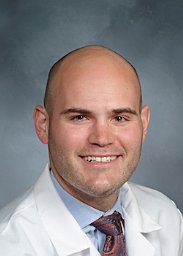 Alexander W Peters合作论文数Dept Surg, Weill Cornell Med Coll7Peter Kayima合作论文数7
 Andrew Leather合作论文数7
 Aaron K. Remenschneider合作论文数Department of Otolaryngology, Harvard Medical School7
 Anna J Dare合作论文数7Catalá-López F合作论文数7
 Kee B. Park合作论文数Department of Neurosurgery, Preah Kossamak Hospital7
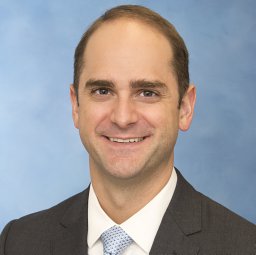 John W Scott合作论文数Center for Surgery and Public Health, Department of Surgery, Brigham and Women's Hospital, Boston, MA (J.W.S., J.M.H.).7
 Shafiu Mohammed合作论文数Universität Heidelberg, Universität Heidelberg7
 Lalit Dandona合作论文数Department of Health Metrics Sciences, University of Washington;Institute for Health Metrics and Evaluation, University of Washington7
 Ted Miller合作论文数Pacific Institute for Research and Evaluation7
 Bach Xuan Tran合作论文数Bloomberg School of Public Health, Johns Hopkins University7
 Thomas G Weiser合作论文数Department of Surgery, Brigham and Women's Hospital, Boston, MA, USA7
 Rakhi Dandona合作论文数Department of Health Metrics Sciences, University of Washington;Institute for Health Metrics and Evaluation, University of Washington;Public Health Foundation of India7David M. Pereira合作论文数Faculty of Pharmacy, Porto University7
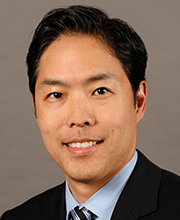 Daniel J. Lee合作论文数Department of Otolaryngology Head and Neck Surgery, Harvard Medical School, Harvard University7
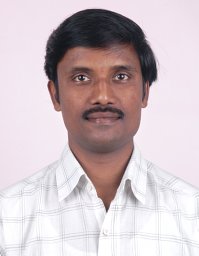 G Anil Kumar合作论文数Health Studies Area, Centre for Human Development, Administrative Staff College of India, Hyderabad, India7Masood Ali Shaikh合作论文数6
 Rachel R Yorlets合作论文数Population Studies and Training Center, Brown University6
 Patrick J. Gullane合作论文数Department of Otolaryngology-Head & Neck Surgery, Temerty Faculty of Medicine, University of Toronto6
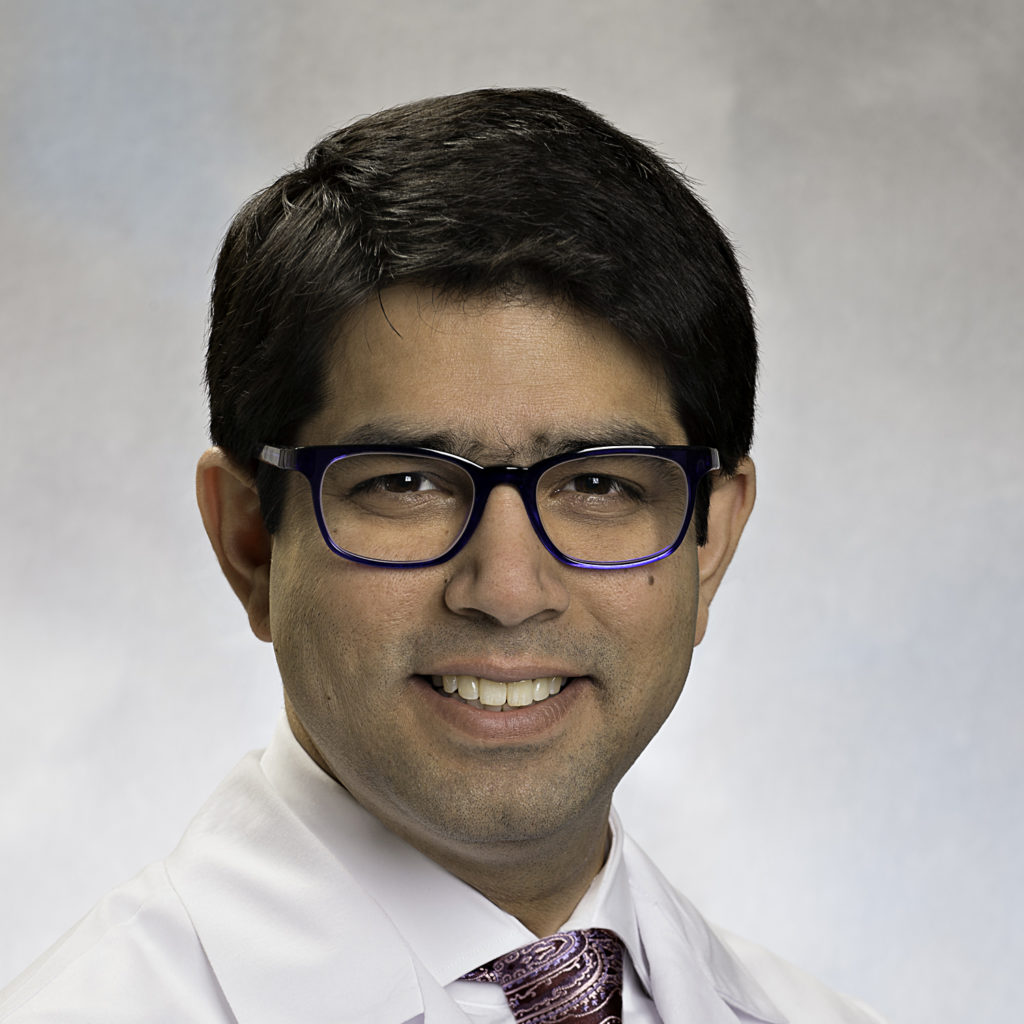 Adil Haider合作论文数Center for Surgery and Public Health, Brigham and Women’s Hospital;Department of Surgery, Brigham and Women’s Hospital;Medical School, Aga Khan University6
 Young-Ho Khang合作论文数Department of Health Policy and Management, College of Medicine, Seoul National University6
 Meretoja Tuomo J合作论文数Department of Plastic Surgery and Breast Surgery Unit, Helsinki University Central Hospital6
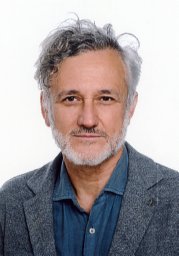 Rafael Tabares Seisdedos合作论文数Department of Medicine, University of Valencia6
 Simon I. Hay合作论文数Department of Health Metrics Sciences, School of Medicine, University of Washington;Institute for Health Metrics and Evaluation6
 Riesel Johanna N合作论文数Massachusetts General Hospital6




