Abstract. Ice nucleating particles (INPs) in the Central Arctic contribute to local climate feedback mechanisms through their impacts on cloud radiative properties and formation. Despite their importance, the contributions of local and remote aerosol sources to Arctic INP populations are currently poorly understood. One potential source of INPs during winter and spring is the sublimation of snow particles during blowing snow events (BSEs) over sea ice, which could constitute a significant local source in an otherwise remote region. We investigated the impact of BSEs on Central Arctic INPs using year-round observations taken during the Multidisciplinary drifting Observatory for the Study of Arctic Climate (MOSAiC) campaign from October 2019 to October 2020. Based on our observations of atmospheric INP and surface snow samples as well as their major ion composition we did not find an impact of BSEs on INP concentrations, but we did observe an increase in INP activation temperatures. Additionally, we found overlapping INP activation temperatures in both surface snow and aerosol, and observed that BSEs brought the enrichment factors of SO42-, K+, and Br- with respect to Na+ closer to those observed in surface snow, indicating that sublimating snow is a source of non-sea-salt aerosol. However, our analysis also indicates contributions from long-range transportation during BSEs. We conclude that aerosol populations during BSEs are influenced by a case-dependant combination of sublimating snow and long-range transportation, and we recommend that further work at a higher temporal resolution is needed to fully understand the impact of BSEs on INPs.
Observing winter processes during the extended cold season is crucial not only for understanding polar and global coupled Earth system but also for enhancing capability of year-round prediction, especially in the context of Arctic amplification and the drastic decrease in sea ice extent and thickness at both poles. However, harsh environmental conditions and logistical challenges have left polar winter Earth system processes substantially under-observed compared with those during summer. This disparity creates major obstacles for studying these processes and their roles in shaping the state and variability of the Earth systems, as well as for accurately simulating them in Earth System Models (ESMs). Consequently, these limitations introduce considerable uncertainties in ESMs regarding the understanding, prediction, and projection of Earth system variability and changes. This study discusses key polar winter processes and evaluates critical knowledge gaps. It identifies three urgent research priorities for the near future: (i) sources, properties, and transport of polar winter aerosols and their interactions with clouds; (ii) polar storms and their interactions with the underlying sea ice and ocean; and (iii) persistent discrepancies in understanding and predicting large-scale teleconnections between polar regions and lower latitudes. To address these priorities, this perspective recommends strengthening coordinated, winter-focused, international and multidisciplinary observational efforts, for example, through initiatives such as the Fifth International Polar Year and the ongoing international Antarctica InSync programme. These initiatives would lay groundwork for designing future sustainable winter process observations.
Primary aerosols play a critical role in polar climate systems, influencing cloud formation, precipitation, radiative balance, and surface energy budgets. This paper provides a comprehensive synthesis of primary aerosol sources, transformation and removal processes, and broader atmospheric impacts in polar regions, emphasizing their links to ocean and sea ice biogeochemistry. These aerosols (including sea salt, primary organic aerosol, and primary biological aerosol particles) originate from marine and cryospheric environments and are emitted through physical processes, such as wave breaking, bubble bursting, and blowing snow. Emission sources include seawater, sea ice, snow, and freshwater from river discharge and glacial runoff. Once airborne, these particles can serve as a chemical reservoir, influencing atmospheric composition and reactivity, and as seeds for cloud droplet and ice crystal formation, influencing cloud microphysics and polar climate. Despite their importance, many of the processes governing primary aerosol emissions and transformations remain poorly constrained. The most pressing knowledge gaps pertain to emission processes, limited spatiotemporal observational coverage, instrumentation constraints, parameterization development, and the integration of interdisciplinary expertise. To improve our understanding of primary aerosol drivers and their response to climate, future research efforts should prioritize strategically coordinated and cross-disciplinary process studies, advancements in measurement technologies and coverage, and close collaboration between modelers and observational scientists to inform and refine model parameterizations. As polar regions continue to undergo profound changes marked by increased precipitation, reduced sea and land ice, freshening oceans, and shifting ecosystem dynamics, characterizing present-day primary aerosol populations is vital. Improved understanding will be essential for anticipating future changes in aerosol-radiation and aerosol-cloud interactions and their implications for polar and global climate systems.
Aerosols play a critical role in the Arctic's radiative balance, influencing solar radiation and cloud formation. Limited observations in the central Arctic leave gaps in understanding aerosol dynamics year-round, affecting model predictions of climate-relevant aerosol properties. Here, we present the first annual high-time-resolution observations of submicron aerosol chemical composition in the central Arctic during the Arctic Ocean 2018 (AO2018) and the 2019–2020 Multidisciplinary drifting Observatory for the Study of Arctic Climate (MOSAiC) expeditions. Seasonal variations in the aerosol mass concentrations and chemical composition in the central Arctic were found to be driven by typical Arctic seasonal regimes and resemble those of pan-Arctic land-based stations. Organic aerosols dominated the pristine summer, while anthropogenic sulfate prevailed in autumn and spring under haze conditions. Ammonium, which impacts aerosol acidity, was consistently less abundant, relative to sulfate, in the central Arctic compared to lower latitudes of the Arctic. Cyclonic (storm) activity was found to have a significant influence on aerosol variability by enhancing emissions from local sources and the transport of remote aerosol. Local wind-generated particles contributed up to 80 % (20 %) of the cloud condensation nuclei population in autumn (spring). While the analysis presented herein provides the current central Arctic aerosol baseline, which will serve to improve climate model predictions in the region, it also underscores the importance of integrating short-timescale processes, such as seasonal wind-driven aerosol sources from blowing snow and open leads/ocean in model simulations. This is particularly important, given the decline in mid-latitude anthropogenic emissions and the increase in local ones.
Photolysis of snowpack nitrate results in emission of the reactive nitrogen species NOx and HONO. These are important pre-cursors of HOx radicals and ozone, and thereby affect the oxidising capacity of the lower atmosphere above remote snow-covered areas. This is of particular importance in the polar regions as the usual OH radical formation pathway (ozone photolysis and reaction of O(1D) with H2O) is limited by the low water vapour concentration. Isotope analysis of atmospheric reactive nitrogen species and snow nitrate is proving to be a crucial tool for elucidating mechanisms of reactive nitrogen cycling in and above snow. The first snowpit profiles of nitrate stable isotopes (δ15N, δ18O) and concentration at Halley VI Research Station in coastal Antarctica will be presented. The observed isotope fractionation provides evidence of photochemical loss of nitrate and allows estimation of the photolytic isotope fractionation constant at the site. At this high accumulation site, the peak in nitrate concentration from the previous summer is preserved below the snow surface, unlike at low accumulation sites on the Antarctic Plateau. Combining measurements of nitrate concentration and its isotopic compositions preserved in snow helps disentangle the isotope signature of seasonal changes in atmospheric nitrate sources from post-depositional isotope fractionation occurring even at high snow accumulation sites.
Novel ground-based remote sensing observations of aerosols and clouds have been carried out in Antarctica at the German Neumayer Station III (70.67°S, 8.27°W) for a whole year. The deployment of the mobile exploratory platform OCEANET-Atmosphere brought full ACTRIS aerosol and cloud profiling capabilities next to meteorological, radiation, and air chemistry in-situ observations at the Antarctic station. Neumayer III is currently the only station on a floating ice shelf that is manned throughout the year, providing excellent conditions for studying atmospheric effects on the Antarctic ice shelf. For that deployment the standard instrumentation of OCEANET-Atmosphere (PollyXT Raman polarization Lidar, a HATPRO microwave Radiometer, a Cimel sun and lunar photometer, and Radiation sensors) was extended by a Mira-35 cloud radar, a scanning LITRA-S Doppler lidar and a Parsivel² optical disdrometer. Together, these instruments brought the full ACTRIS aerosol and cloud profiling capabilities to a region where sophisticated ground-based observations were not available. The synergy of the different instruments allows for detailed retrievals of aerosol and cloud properties, such as cloud-relevant aerosol properties, liquid droplet properties and ice crystal concentrations. While data analysis is ongoing, three scientific highlights have already been identified during austral fall and winter, namely: Observations of a persistent shallow mixed-phase cloud embedded in a plume of advected marine aerosol. State of the art microphysical retrievals are used to obtain aerosol and cloud microphysical properties. Closure between cloud-relevant aerosol particles and precipitating ice crystals was achieved, demonstrating that the cloud formed in an aerosol-limited environment. Two extraordinary warm air intrusions: One with intense snowfall produced the equivalent of 10% of the yearly snow accumulation, a second one with record high temperatures and heavy icing due to supercooled drizzle. Omnipresent aerosol layers in the stratosphere, contributing almost 50% to the aerosol optical depth of around 0.06 at 500nm. Lidar-derived optical signatures revealed sulphate aerosol in the stratosphere - most likely linked to the Hunga Tonga eruption in 2022. We will present an overview of the campaign, the three highlights and provide an outlook on potential future usage of the dataset.
Sea salt aerosol (SSaer) significantly impacts aerosol-radiation and aerosol-cloud interactions, and sublimated blowing snow is hypothesized to be an important SSaer source in polar regions. Understanding blowing snow and other wind-sourced aerosols’ climate relevant properties is needed, especially during winter when Arctic amplification is greatest. However, most of our understanding of blowing snow SSaer comes from modeling studies, and direct observations are sparse. Additionally, SSaer can originate from multiple sources, making it difficult to disentangle emission processes. Here, we present comprehensive observations of wind-sourced aerosol during blowing snow events from the Multidisciplinary drifting Observatory for the Study of Arctic Climate (MOSAiC) expedition in the central Arctic. High wind speed strongly enhances total aerosol number, submicron sodium chloride mass, cloud condensation nuclei concentrations, and scattering coefficients. Generally, the relative response of aerosol properties to wind speed enhancement is strongest in fall when Arctic aerosol concentrations are lowest. Blowing snow events showed similar aerosol and environmental properties across events, apart from occasions with high snow age (>6 days since last snowfall). Coarse-mode number concentrations (>1 μm) are better explained by variability in wind speed averaged over 12-h air mass back trajectories arriving at the MOSAiC site compared to local, instantaneous wind speed, suggesting the importance of regional transport and consideration of air mass history for wind-driven aerosol production. These MOSAiC observations provide new insights into wind-driven aerosol in the central Arctic and may help validate modeling studies and improve model parameterizations particularly for aerosol direct and indirect radiative forcing.
Arctic clouds are still poorly represented in climate models. An important reason for this is our lack of knowledge regarding the various sources of natural aerosol in the high Arctic. Recent field campaigns have provided evidence that over sea ice blowing snow can act as a source of sea salt aerosol (SSA). This source can account for the maximum in SSA that occurs in the Polar Regions during winter and spring. SSA can influence the regional climate through the indirect radiative effect, but also through the role it plays as nucleation particle in cloud formation. Its contribution to and potential as ice nucleating particle (INP) is still largely unknown though. Here we will present offline samples of airborne aerosol taken in the Central Arctic during MOSAiC focussing on the transition period from winter to spring. The samples comprise of quasi-ciontinuous low-volume air filter samples taken in the British Antarctic Survey’s aerosol lab container on board of RV Polarstern, weekly snow samples from the ice floe, and filter samples taken by tethered balloon. These samples were analysed for their ice nucleating characteristics using a peltier cold stage and applying a machine learning algorithm to the images taken during the cooling process.Initial results confirm an increased presence of INP in both the airborne and snow samples at the turn from winter to spring.
Blowing snow plays a key role in the surface mass and energy budgets of polar regions and can be a significant source of water vapor to the atmosphere. In this study, we optimize the algorithm for detecting blowing snow from NASA's Ice, Cloud, and land Elevation Satellite 2 (ICESat-2) satellite for use over Arctic sea ice. We analyze six months (November 2019 through April 2020) of observations from the Multidisciplinary drifting Observatory for the Study of Arctic Climate (MOSAiC) campaign together with 612 nearly coincident (within 100 km) ICESat-2 overpasses to evaluate the ICESat-2 detection algorithm and inferred blowing snow properties. Both ICESat-2 and MOSAiC suggest a blowing snow occurrence frequency of 17% during the period of study. Blowing snow particle number and inferred from ICESat-2 show broad agreement with in situ observations made at 10 m above the surface during MOSAiC but are often well below observations made at 8 cm. Within a 100 km radius around the MOSAiC observatory, we find a cumulative blowing snow sublimation of 2.38 cm snow-water-equivalent (SWE), comparable to MOSAiC (2.56 cm SWE) and SnowModel-LG (2.35 cm SWE) estimates. This suggests that blowing snow sublimation removed 22%-33% of snowfall during MOSAiC. Across the central Arctic, ICESat-2 and SnowModel-LG indicate blowing snow occurrence frequencies as high as 18%-25%, with cumulative blowing snow sublimation fluxes (1.74-1.79 cm SWE) removing 16%-17% of snowfall. These findings highlight the importance of blowing snow sublimation for the Arctic snow on sea ice budget.
In order to reduce the uncertainty of aerosol radiative forcing in global climate models, we need to better understand natural aerosol sources which are important to constrain the current and pre-industrial climate. Here, we analyse particle number size distributions (PNSDs) collected during a year (2015) across four coastal and inland Antarctic research bases (Halley, Marambio, Dome C and King Sejong). We utilise k-means cluster analysis to separate the PNSD data into six main categories. “Nucleation” and “bursting” PNSDs occur 28 %–48 % of the time between sites, most commonly at the coastal sites of Marambio and King Sejong where air masses mostly come from the west and travel over extensive regions of sea ice, marginal ice and open ocean and likely arise from new particle formation. “Aitken high”, “Aitken low” and “bimodal” PNSDs occur 37 %–68 % of the time, most commonly at Dome C on the Antarctic Plateau, and likely arise from atmospheric transport and ageing from aerosol originating likely in both the coastal boundary layer and free troposphere. “Pristine” PNSDs with low aerosol concentrations occur 12 %–45 % of the time, most commonly at Halley, located at low altitudes and far from the coastal melting ice and influenced by air masses from the west. Not only the sea spray primary aerosols and gas to particle secondary aerosol sources, but also the different air masses impacting the research stations should be kept in mind when deliberating upon different aerosol precursor sources across research stations. We infer that both primary and secondary components from pelagic and sympagic regions strongly contribute to the annual seasonal cycle of Antarctic aerosols. Our simultaneous aerosol measurements stress the importance of the variation in atmospheric biogeochemistry across the Antarctic region.
Photochemical release of iodine from snow has been suggested as a source of reactive iodine to the Arctic atmosphere, however understanding of the underlying mechanism and potential source strength is hindered by a lack of measurements of iodine concentration and speciation in snow. Moreover, the origin of snow iodine is also unknown. Here, we report iodine speciation measurements in Arctic snow on sea ice at a range of snow depths from 177 samples, representing 80 sampling events, from December 2019 to October 2020 collected during the Multidisciplinary drifting Observatory for the Study of Arctic Climate (MOSAiC) expedition. We demonstrate that while there appears to be a source of iodine, in particular iodate, to the base of the snow over first year ice, this does not influence iodine concentration in the surface snow. There is instead evidence of a top-down source of iodine, potentially from iodine-enriched marine aerosol, as well as some evidence for episodic influx of iodate with dust. The potential for photochemical release of molecular iodine (I2) from iodide in surface snow was investigated, and it was demonstrated that this could provide an iodine emission flux to the Arctic atmosphere comparable to oceanic fluxes. Knowledge of the prevalence and speciation of iodine in Arctic snow will contribute to better understanding of its contribution to observed concentrations of polar iodine oxide (IO), and hence its contribution to the depletion of tropospheric ozone in the Arctic.
The Arctic is sensitive to cloud radiative forcing. Due to the limited number of aerosols present throughout much of the year, cloud formation is susceptible to the presence of cloud condensation nuclei and ice nucleating particles (INPs). Primary biological aerosol particles (PBAP) contribute to INPs and can impact cloud phase, lifetime, and radiative properties. We present yearlong observations of hyperfluorescent aerosols (HFA), tracers for PBAP, conducted with a Wideband Integrated Bioaerosol Sensor, New Electronics Option during the Multidisciplinary drifting Observatory for the Study of Arctic Climate (MOSAiC) expedition (October 2019–September 2020) in the central Arctic. We investigate the influence of potential anthropogenic and natural sources on the characteristics of the HFA and relate our measurements to INP observations during MOSAiC. Anthropogenic sources influenced HFA during the Arctic haze period. But surprisingly, we also found sporadic “bursts” of HFA with the characteristics of PBAP during this time, albeit with unclear origin. The characteristics of HFA between May and August 2020 and in October 2019 indicate a strong contribution of PBAP to HFA. Notably from May to August, PBAP coincided with the presence of INPs nucleating at elevated temperatures, that is, >−9°C, suggesting that HFA contributed to the “warm INP” concentration. The air mass residence time and area between May and August and in October were dominated by the open ocean and sea ice, pointing toward PBAP sources from within the Arctic Ocean. As the central Arctic changes drastically due to climate warming with expected implications on aerosol–cloud interactions, we recommend targeted observations of PBAP that reveal their nature (e.g., bacteria, diatoms, fungal spores) in the atmosphere and in relevant surface sources, such as the sea ice, snow on sea ice, melt ponds, leads, and open water, to gain further insights into the relevant source processes and how they might change in the future.
Aerosols play a key role in Arctic warming via radiative direct and indirect effects. It is well-known that increased aerosol concentration due to Arctic haze raises cloud longwave emissivity, resulting in surface warming. Recently, a MOSAiC study demonstrated that blowing snow above sea ice generates fine sea salt aerosol, which results in up to tenfold enhancement of cloud condensation nuclei leading to potentially significant surface warming rivalling that due to Arctic haze. Yet, radiative properties of aerosol emitted by sea ice sources, vertical coupling and interaction with clouds remain major uncertainties in quantifying the aerosol impact on Arctic climate change. We use MOSAiC observations to analyse the coupled ocean-ice/snow-atmosphere system and assess contributions of sea ice sources (blowing snow, open leads) to atmospheric cloud-forming particles in particular ice-nucleating particles (INP). Choosing the 2020 winter/spring transition with profound seasonal changes in sea ice and air mass origin, we discuss the importance of sea ice aerosol to low-level clouds in comparison to advected aerosol. We consider measurements of snow particles, physico-chemical properties and INP content of aerosol and snow on sea ice, vertical profiles linking ground observations to the level of cloud formation, and assess climate sensitivity using the UKESM model.
Within the framework of the Isotopic Constraints on Past Ozone Layer in Polar Ice (ISOL-ICE) project, we present initial ice core results from the new ISOL-ICE ice core covering the last millennium from high-elevation Dronning Maud Land (DML) and discuss the implications for interpreting the stable isotopic composition of nitrogen in ice core nitrate (δ15N(NO3-)) as a surface ultra-violet radiation (UV) and total column ozone (TCO) proxy. In the quest to derive TCO using δ15N(NO3-), an understanding of past snow accumulation changes, as well as aerosol source regions and present-day drivers of their variability, is required. We therefore report here the ice core age–depth model, the snow accumulation and ice chemistry records, and correlation analysis of these records with climate variables over the observational era (1979–2016). The ISOL-ICE ice core covers the last 1349 years from 668 to 2017 CE ± 3 years, extending previous ice core records from the region by 2 decades towards the present and shows excellent reproducibility with those records. The extended ISOL-ICE record of last 2 decades showed a continuation of the methane sulfonate (MSA−) increase from ∼ 1800 to present while there were less frequent large deposition events of sea salts relative to the last millennium. While our chemical data do not allow us to distinguish the ultimate (sea ice or the open ocean) source of sea salt aerosols in DML winter aerosol, our correlation analysis clearly suggests that it is mainly the variability in atmospheric transport and not the sea ice extent that explains the interannual variability in sea salt concentrations in DML. Correlation of the snow accumulation record with climate variables over the observational era showed that precipitation at ISOL-ICE is predominately derived from the South Atlantic with onshore winds delivering marine air masses to the site. The snow accumulation rate was stable over the last millennium with no notable trends over the last 2 decades relative to the last millennium. Interannual variability in the accumulation record, ranging between 2 and 20 cm a−1 (w.e.), would influence the ice core δ15N(NO3-) record. The mean snow accumulation rate of 6.5±2.4 cm a−1 (w.e.) falls within the range suitable for reconstructing surface mass balance from ice core δ15N(NO3-), highlighting that the ISOL-ICE ice core δ15N(NO3-) can be used to reconstruct either the surface mass balance or surface UV if the ice core δ15N(NO3-) is corrected for the snow accumulation influence, thereby leaving the UV imprint in the δ15N(NO3-) ice core record to quantify natural ozone variability.
Novel observations of aerosol and clouds by means of ground-based remote sensing have been performed in Antarctica over the Ekstr & ouml;m Ice Shelf on the coast of Dronning Maud Land at Neumayer Station III (70.67 degrees S, 8.27 degrees W) from January to December 2023. The deployment of the OCEANET-Atmosphere remote sensing observatory in the framework of the Continuous Observations of Aerosol-Cloud Interaction (COALA) campaign has brought Aerosol, Clouds and Trace Gases Research Infrastructure (ACTRIS) aerosol and cloud profiling capabilities next to meteorological and air chemistry in situ observations at the Antarctic station. We present an overview of the site, the instrumental setup, and data analysis strategy and introduce 3 scientific highlights from austral fall and winter, namely, 1) observations of a persistent mixed-phase cloud embedded in a plume of marine aerosol. Remote sensing-based retrievals of cloud-relevant aerosol properties and cloud microphysical parameters confirm that the free-tropospheric mixed-phase cloud layer formed in an aerosol-limited environment. 2) Two extraordinary warm air intrusions: one with intense snowfall produced the equivalent of 10% of the yearly snow accumulation and a second one with record-breaking maximum temperatures and heavy icing due to supercooled drizzle. 3) Omnipresent aerosol layers in the stratosphere. Our profiling capabilities could show that 50% of the 500-nm aerosol optical depth of 0.06 was caused by stratospheric aerosol, while the troposphere was usually pristine. As demonstrated by these highlights, the 1-yr COALA observations will serve as a reference dataset for the vertical structure of aerosol and clouds above the region, enabling future observational and modeling studies to advance understanding of atmospheric processes in Antarctica.
We conducted an experiment comparing wind speeds and aerodynamic roughness length (z0) values over three snow surface conditions, including a flat smooth surface, a wavy smooth surface, and a wavy surface with fresh snow added, using the wind simulation tunnel at the Shinjo Cryospheric Laboratory in Shinjo, Japan. The results indicate that the measurement location impacts the computed z0 values up to a certain measurement height. When we created small (4 cm high) snow bedforms as waves with a 50 cm period, the computed z0 values varied by up to 35% based on the horizontal sampling location over the wave (furrow versus trough). These computed z0 values for the smooth snow waves were not significantly different than those for the smooth flat snow surface. Fresh snow was then blown over the snow waves. Here, for three of four horizontal sampling locations, the computed z0 values were significantly different over the fresh snow-covered waves as compared to those over the smooth snow waves. Since meteorological stations are usually established over flat land surfaces, a smooth snow surface texture may seem to be an appropriate assumption when calculating z0, but the snowpack surface can vary substantially in space and time. Therefore, the nature of the snow surface geometry should be considered variable when estimating a z0 value, especially for modeling purposes.
 Joel Savarino合作论文数Laboratoire de Glaciologie et Géophysique de l'Environnement, CNRS, Université Joseph Fourier-Grenoble, Saint-Martin-d'Hères, France45
 Roger C. Bales合作论文数Department of Civil and Environmental Engineering, University of California, Berkeley;Sierra Nevada Research Institute, University of California, Merced;School of Engineering, University of California, Merced;Center for Information Technology Research in the Interest of Society, UC Berkeley18
 Joseph R. Mcconnell合作论文数Division of Hydrologic Sciences, Desert Research Institute17
 Martin D. King合作论文数Abteilung Spektroskopie, Max-Planck-Institut fur biophysikalische Chemie16
 Jennie L. Thomas合作论文数university of paris16
 Bruno Jourdain合作论文数16
 Xin Yang合作论文数Department of Chemistry;Cambridge University;Department of Chemistry, Cambridge University15
 Eric Wolff合作论文数Department of Earth Sciences, University of Cambridge15
 Kerri A. Pratt合作论文数Department of Chemistry, College of Literature, Science, and the Arts, University of Michigan;Department of Earth & Environmental Science, University of Michigan14Anna E. Jones合作论文数14Joseph Erbland合作论文数13Michel Legrand合作论文数13
 Julia Schmale合作论文数School of Architecture, Civil and Environmental Engineering, École Polytechnique Fédérale de Lausanne12Hans-Werner Jacobi合作论文数12
 Neil Brough合作论文数12
 Samuel Morin合作论文数Centre National de Recherches Meterologiques-Groupe d’etudes de l’Atmosphere Meterologique, Centre d'Etude de la Neige, Centre National de la Recherche Scientifique;Meteo-France11
 Alexandre Kukui合作论文数10
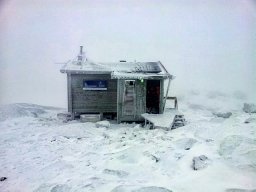 Paul Zieger合作论文数Laboratory of Atmospheric Chemistry, Paul Scherrer Institut10
 V.H.L. Winton合作论文数Antarctic Research Centre, Victoria University of Wellington9Susanne Preunkert合作论文数9j gil roca合作论文数8
 Amy R. Macfarlane合作论文数WSL Inst Snow & Avalanche Res SLF8
 Thorsten Bartels-Rausch合作论文数Labor für Radio- und Umweltchemie, Paul Scherrer Institut8
 Robert Mulvaney合作论文数8
 Slimane Bekki合作论文数LATMOS, Conseil National de la Recherche Scientifique8
 Jessie M. Creamean合作论文数Department of Chemistry and Biochemistry, University of California8
 Ivo Beck合作论文数7
 J. L. France合作论文数Department of Geology;Royal Holloway University of London;Department of Geology, Royal Holloway University of London7
 Nicolas Caillon合作论文数IPSL Laboratoire des Sciences du Climat et de l’Environnement, UMR CEA-CNRS 1572, CEA Saclay, 91191 Gif-sur-Yvette, France7
 Martin Schneebeli合作论文数WSL Institute for Snow;Avalanche Research;WSL Institute for Snow|Avalanche Research7
 Detlev Helmig合作论文数Institute of Arctic and Alpine Research, University of Colorado Boulder7
 Amelie Kirchgaessner合作论文数7
 Matthew Shupe合作论文数NOAA Physical Sciences Laboratory;Cooperative Institute for Research in Environmental Sciences, University of Colorado7A. Kukui合作论文数6Lauriane L. J. Quéléver合作论文数6
 Louis Marelle合作论文数UVSQ, Sorbonne Univ6
 William C. Vicars合作论文数Centre National de la Recherche Scientifique, Université Joseph Fourier Grenoble;Centre National de la Recherche Scientifique, Université Joseph Fourier Grenoble6
 Markus Ammann合作论文数Laboratory for Solid State Physics6
 Rolf Weller合作论文数6
 Jack Dibb合作论文数Earth Systems Research Center, Institute of Earth, Oceans and Space, University Of New Hampshire6Silvia Henning合作论文数Paul Scherrer Institut;Laboratory of Atmospheric Chemistry;Laboratory of Atmospheric Chemistry, Paul Scherrer Institut6
 Nora Bergner合作论文数5ian m brooks合作论文数5
 Sylvain Masclin合作论文数5Ananth Ranjithkumar合作论文数Sch Earth & Environm, Univ Leeds5Jessica A. Mirrielees合作论文数Dept Atmospher Sci, Texas A&M Univ5
 Helene Angot合作论文数Extreme Environm Res Lab, Ecole Polytech Fed Lausanne EPFL5




