Mucosal melanoma, a rare subtype of melanoma affecting mucosal surfaces, presents significant challenges in diagnosis and treatment, particularly due to its low programmed death-ligand 1 (PD-L1) expression and reduced response to immune checkpoint inhibitors (ICIs). This case report describes a 58-year-old woman with metastatic nasal mucosal melanoma initially resistant to neoadjuvant ipilimumab and nivolumab. After undergoing hepatic transcatheter arterial embolization, she experienced an unexpected abscopal effect, where distant metastases showed near-complete resolution despite prior lack of response to immunotherapy. The patient’s disease initially progressed despite two cycles of ICI treatment, and further immunotherapy with nivolumab and relatimab did not improve her condition. Subsequently, after bland embolization of a dominant hepatic mass, the patient received re-challenged combination immunotherapy with ipilimumab and nivolumab, leading to significant regression in metastatic sites including the liver, lungs, lymph nodes, and bones. This response contrasts with prior reports and highlights a potential mechanism by which embolization therapies may alter the immune microenvironment and enhance the efficacy of immunotherapy. The abscopal effect observed following local hepatic embolization may be attributed to tumor-induced immune activation, which is further amplified by ICI treatment. This case underscores the potential for integrating local embolization with immunotherapy to overcome resistance in metastatic melanoma, particularly in mucosal subtypes. Further research is necessary to elucidate the immune mechanisms underlying these responses and to optimize treatment strategies for melanoma patients.
This study evaluated the prognostic value of synthetic tumor extracellular volume fraction (ECV) and its association with somatic gene alternations in patients with colorectal liver metastases (CRLM) receiving neoadjuvant chemotherapy. This retrospective single-center study included patients undergoing curative hepatectomy after neoadjuvant chemotherapy for CRLM (2013–2020). Contrast-enhanced computed tomography (CT) studies obtained after neoadjuvant chemotherapy were used to calculate synthetic ECV and synthetic hematocrit by linear regression analysis. Patients were grouped according to synthetic ECV cutoff point based on the Youden index. Multivariate analyses were performed with Cox regression models to analyze the prognostic factors of overall survival (OS) and recurrence-free survival (RFS). A total of 209 patients (median age 56 years, 119 men) were enrolled. Synthetic ECV correlated well with conventional ECV (r = 0.996, p < 0.0001) with minimal bias, according to the Bland–Altman analysis (bias = 0.007). The optimal synthetic ECV cutoff point was determined to be 21
Supplementary Tables 1-3 and Table A-1, Figure 1, Appendix and Information from The BATTLE Trial: Personalizing Therapy for Lung Cancer
Supplementary Figure 1: Heatmap of the 68 non-small cell lung cancer cell lines with EGFR wild-type used to train the Sorafenib Sensitivity Signature; Supplementary Figure 2: Heatmap of the 37 patients with EGFR mutant tumors using the Sorafenib Sensitivity signature; yes: disease control at 8 weeks; no: no disease control at 8 weeks.
Supplementary Table 1. Non-small cell lung cancer cell lines used to develop the sorafenib sensitivity signature.
Supplementary Table 3.Sorafenib-related adverse events in more than 10% of the patients.
Abstract The Biomarker-integrated Approaches of Targeted Therapy for Lung Cancer Elimination (BATTLE) trial represents the first completed prospective, biopsy-mandated, biomarker-based, adaptively randomized study in 255 pretreated lung cancer patients. Following an initial equal randomization period, chemorefractory non–small cell lung cancer (NSCLC) patients were adaptively randomized to erlotinib, vandetanib, erlotinib plus bexarotene, or sorafenib, based on relevant molecular biomarkers analyzed in fresh core needle biopsy specimens. Overall results include a 46% 8-week disease control rate (primary end point), confirm prespecified hypotheses, and show an impressive benefit from sorafenib among mutant-KRAS patients. BATTLE establishes the feasibility of a new paradigm for a personalized approach to lung cancer clinical trials. (ClinicalTrials.gov numbers: NCT00409968, NCT00411671, NCT00411632, NCT00410059, and NCT00410189.) Significance: The BATTLE study is the first completed prospective, adaptively randomized study in heavily pretreated NSCLC patients that mandated tumor profiling with “real-time” biopsies, taking a substantial step toward realizing personalized lung cancer therapy by integrating real-time molecular laboratory findings in delineating specific patient populations for individualized treatment. Cancer Discovery; 1(1); 44–53. © 2011 AACR. Read the Commentary on this article by Sequist et al., p. 14 Read the Commentary on this article by Rubin et al., p. 17 This article is highlighted in the In This Issue feature, p. 4
Importance Strategies to procure high-quality core-needle biopsy (CNB) specimens are critical for making basic tissue diagnoses and for ancillary testing. Objectives To investigate acquisition of fluorescence confocal microscopy (FCM) images of interventional radiology (IR)-guided CNB in real time in the radiology suite and to compare the accuracy of FCM diagnoses with those of hematoxylin-eosin (H&E)-stained CNB sections. Design, Setting, and Participants In this diagnostic study, FCM imaging of IR-guided CNBs was performed in the radiology suite at a major cancer center for patients with an imaging abnormality from August 1, 2016, to April 30, 2019. The time taken to acquire FCM images and the quality of FCM images based on percentage of interpretable tissue with optimal resolution was recorded. The FCM images were read by 2 pathologists and categorized as nondiagnostic, benign/atypical, or suspicious/malignant; these diagnoses were compared with those made using H&E-stained tissue sections. Cases with discrepant diagnosis were reassessed by the pathologists together for a consensus diagnosis. Data were analyzed from June 3 to July 19, 2019. Interventions Each IR-guided CNB was stained with 0.6mM acridine orange, subjected to FCM imaging, and then processed to generate H&E-stained sections. Main Outcomes and Measures Mean time taken for acquisition of FCM images, quality of FCM images based on interpretable percentage of the image, and accuracy of diagnostic categorization based on FCM images compared with H&E-stained sections. Results A total of 105 patients (57 male [54.3%]; mean [SD] age, 63 [13] years) underwent IR-guided CNBs in a mean (SD) of 7 (2) minutes each. The FCM images showed at least 20% of the tissue with optimal quality in 101 CNB specimens (96.2%). The FCM images were accurately interpreted by the 2 pathologists in 100 of 105 cases (95.2%) (2 false-positive and 3 false-negative) and 90 of 105 cases (85.7%) (6 false-positive and 9 false-negative). A reassessment of 14 discordant diagnoses resulted in consensus diagnoses that were accurate in 101 of 105 cases (96.2%) (1 false-positive and 3 false-negative). Conclusions and Relevance The ease of acquisition of FCM images of acceptable quality and the high accuracy of the diagnoses suggest that FCM may be useful for rapid evaluation of IR-guided CNBs. This approach warrants further investigation. Question Can fluorescence confocal microscopy be used for immediate evaluation of interventional radiology-guided core-needle biopsy in real time at the bedside in the radiology suite? Findings In this diagnostic study of 105 patients undergoing core-needle biopsy, fluorescence confocal microscopy images were acquired in a mean of 7 minutes, were similar to hematoxylin-eosin-stained tissue sections, and were of acceptable quality in 101 (96.2%). The accuracy of fluorescence confocal microscopy diagnosis compared with the criterion standard of hematoxylin-eosin-stained tissue sections was 95.2% for pathologist 1, 85.7% for pathologist 2, and 96.2% for consensus between them. Meaning These findings suggest that fluorescence confocal microscopy can be used for real-time bedside evaluation of interventional radiology-guided core-needle biopsy with high accuracy in a range of medical settings for procuring high-quality specimens in 1 hospital visit. This diagnostic study investigates real-time acquisition of fluorescence confocal microscopy of interventional radiology-guided specimens in the radiology suite and compares accuracy of diagnoses with hematoxylin-eosin (H&E)-stained sections among patients undergoing core-needle biopsy.
hepatic resection over the past 18 years. Objective: The aim of this study was to evaluate trends over time in perioperative outcomes for patients undergoing hepatectomy. Background: As perioperative care and surgical technique for hepatectomy have improved, the indications for and complexity of liver resections have evolved. However, the resulting effect on the short-term outcomes over time has not been well described. Methods: Consecutive patients undergoing hepatectomy during 1998 to 2015 at 1 institution were analyzed. Perioperative outcomes, including the comprehensive complication index (CCI), were compared between patients who underwent hepatectomy in the eras 1998 to 2003, 2004 to 2009, and 2010 to 2015. Results: The study included 3707 hepatic resections. The number of hepatectomies increased in each era (794 in 1998 to 2003, 1402 in 2004 to 2009, and 1511 in 2010 to 2015). Technical complexity increased over time as evidenced by increases in the rates of major hepatectomy (20%, 23%, 30%, P < 0.0001), 2-stage hepatectomy (0%, 3%, 4%, P < 0.001), need for portal vein embolization (5%, 9%, 9%, P 1⁄4 0.001), preoperative chemotherapy for colorectal liver metastases (70%, 82%, 89%, P< 0.001) and median operative time (180, 175, 225 minutes, P< 0.001). Significant decreases over time were observed in median blood loss (300, 250, 200 mL, P< 0.001), transfusion rate (19%, 15%, 5%, P < 0.001), median length of hospitalization (7, 7, 6 days, P < 0.001), rates of CCI 26.2 (20%, 22%, 16%, P < 0.001) and 90-day mortality (3.1%, 2.6%, 1.3%, P < 0.01). On multivariable analysis, hepatectomy in the most recent era 2010 to 2015 was associated with a lower incidence of CCI 26.2 (odds ratio 0.7, 95% confidence interval 0.6–0.8, P< 0.0001). Conclusion: Despite increases in complexity over an 18-year period, continued improvements in surgical technique and perioperative outcomes yielded a
Transcatheter hepatic arterial chemoembolization (TACE) is the current standard of care for intermediate stage hepatocellular carcinoma (HCC) patients. To study the effects of TACE in the tumor immune microenvironment, an immunocompetent rat model is required. The purpose of this study was to determine factors influencing technical success during hepatic arterial catheterization in immunocompetent orthotopic rat liver models. To this end, 91 Sprague-Dawley and eighty-three F344 rats underwent transcatheter hepatic arterial embolization using a transcarotid approach and were divided into a non-tumor-bearing (n = 41) and tumor-bearing (n = 133) groups. Vascular diameters of the hepatic arterial branches were evaluated from angiographic images. Catheterization of the proper hepatic artery (PHA) was achieved in 92% of the tumor-bearing and 68.3% of the non-tumor-bearing rats. We found a strong positive association between the diameter of the PHA and animals' body weight in both groups (P < 0.005), independently of the rat's strain. Results of the logistic regression model predicting a successful catheter placement into the PHA according to the animal's weight indicate that successful PHA catheterization is likely to be achieved in tumor-bearing animals weighing ≥ 250 g and > 308 g in non-tumor-bearing rats, with a sensitivity and specificity of 91.3% and 100.0% and 96.4% and 92.3%, respectively. In conclusion, animal's body weight at the time of catheterization is the principal determinant of technical success for transcatheter arterial embolization. Familiarity with these technical factors during animal selection will improve TACE technical success rates.
Background: We hypothesized that the currently utilized hepatic resection criteria for patients with colorectal liver metastasis (CLM) promotes selection of patients with optimal tumor biology translated in low rates of local tumor progression (LTP) at post-resection developed CLM treated with percutaneous ablation (PA). Methods: 82 consecutive patients with 97 CLMs treated with PA during 2004-2014 were included. Local tumor progression-free survival (LTPFS) at the ablated lesions between patients with (n=49) and without (n=33) prior hepatic resection were analyzed. Multivariate Cox regression analysis was utilized to identify factors associated with LTPFS. Results: Median follow-up period was 28 months. 3-year actuarial LTPFS at the ablated lesions was better in patients with prior hepatic resection when compared to patients without prior hepatic resection (73% vs 34%, P<0.001). 3-year recurrence-free survival (RFS) (23% vs 9.1%, P=0.02) and overall survival (OS) (78% vs 48%, P=0.003) were better on patients with prior hepatic resection. Negative predictors for LTPFS on multivariate analysis were: no prior hepatic resection (hazard ratio [HR] 2.35, 95% confidence interval [CI] 1.02-5.45; P=0.045), minimal ablation margin < 5 mm (HR 2.4, 95% CI 1.18-4.87; P=0.016), and RAS mutant (HR 2.65, 95% CI 1.18-5.94; P=0.019). Conclusion: Prior hepatic resection is associated with improved LTPFS, RFS, and OS after PA of CLMs. This suggests inherent differences in tumor biology among surgical and non-surgical populations.
Background: To evaluate the predictive values of RAS mutation status on local tumor progression (LTP) after percutaneous ablation (PA) of colorectal liver metastasis (CLM) Methods: A retrospective analysis of patients who underwent CT-guided PA of CLMs from 2004 through 2015 and had known RAS mutation status was performed. Patients were evaluated for LTP at CLMs treated with ablation. Multivariate Cox regression analysis was performed to determine factors associated with LTP-free survival. Results: 92 patients underwent PA of 137 CLMs. Thirty-six (39%) had mutant RAS. LTP rates were 14% (8/56) for patients with wild-type RAS and 39% (14/36) for mutant RAS (p=0·007). On analysis by individual CLM treated with ablation, LTP rates were 9.3% (8/86) for CLMs in patients with wild-type RAS and 33% (17/51) for CLMs in patients with mutant RAS (p=0.0004). LTP occurred earlier and at significantly higher rates for CLMs <2 cm in patients with mutant RAS, irrespective of PA margins, than for CLMs <2 cm in patients with wild-type RAS (p<0.001). Actuarial LTP-free survival were worse in patients with mutant RAS than wild-type RAS (3-year LTP-free survival rate: 35% versus 71%, p=0.001). In multivariate analysis, negative predictors of LTP-free survival were minimal PA margin <5 mm (hazard ratio [HR] 2·48, 95% confidence interval [CI] 1·31-4·72; p=0·006) and mutant RAS (HR 3·01, 95% CI 1·60-5·77; p=0·001). Conclusion: The presence of mutant RAS is associated with an earlier and higher rate of LTP among patients undergoing PA of CLMs.
Real-time intraprocedural quantitative assays are sorely needed to measure tumor changes during hepatic arterial embolization (HAE). Current assays fail to depict tumor mechanical properties. Our purpose was to assess tumor stiffness changes in an orthotopic rat model of hepatocellular carcinoma (HCC) before and after HAE. This study was approved by the institutional Animal Care and Use Committee. Rat hepatoma McA-RH7777 cells were orthotopically implanted in the liver of 12 male Buffalo rats, and, after 3 weeks, the animals underwent HAE through a left common carotid approach. Bilobar bland embolization was performed using 70-150 μm LC beads until near-stasis. Normal liver and tumor stiffness was measured using ultrasound shear wave elastography (SWE) before and immediately after HAE. The overall mean tumor stiffness measured 15.2 kPa ± 7.6 (standard deviation) before HAE compared to 22.2 kPa ± 7.4 immediately after the procedure, P = .003. The peak tumor stiffness measured 18.2 kPa ± 9.7 (standard deviation) before HAE compared to 28.6 kPa ± 11.3 after the procedure, P = .006. Normal liver stiffness measured 4.8 kPa ± 2.1 before and 7.2 kPa after embolization, P = .008. Our findings demonstrate significant acute increase in tumor stiffness after hepatic embolization. SWE offers a new perspective in real-time assessment of tumor mechanical changes during embolization. Further studies may help determine if this technique can be used to improve HAE intraprocedural efficacy.
OBJECTIVE:The aim of this study was to evaluate trends over time in perioperative outcomes for patients undergoing hepatectomy.BACKGROUND:As perioperative care and surgical technique for hepatectomy have improved, the indications for and complexity of liver resections have evolved. However, the resulting effect on the short-term outcomes over time has not been well described.METHODS:Consecutive patients undergoing hepatectomy during 1998 to 2015 at 1 institution were analyzed. Perioperative outcomes, including the comprehensive complication index (CCI), were compared between patients who underwent hepatectomy in the eras 1998 to 2003, 2004 to 2009, and 2010 to 2015.RESULTS:The study included 3707 hepatic resections. The number of hepatectomies increased in each era (794 in 1998 to 2003, 1402 in 2004 to 2009, and 1511 in 2010 to 2015). Technical complexity increased over time as evidenced by increases in the rates of major hepatectomy (20%, 23%, 30%, P < 0.0001), 2-stage hepatectomy (0%, 3%, 4%, P < 0.001), need for portal vein embolization (5%, 9%, 9%, P = 0.001), preoperative chemotherapy for colorectal liver metastases (70%, 82%, 89%, P < 0.001) and median operative time (180, 175, 225 minutes, P < 0.001). Significant decreases over time were observed in median blood loss (300, 250, 200 mL, P < 0.001), transfusion rate (19%, 15%, 5%, P < 0.001), median length of hospitalization (7, 7, 6 days, P < 0.001), rates of CCI ≥26.2 (20%, 22%, 16%, P < 0.001) and 90-day mortality (3.1%, 2.6%, 1.3%, P < 0.01). On multivariable analysis, hepatectomy in the most recent era 2010 to 2015 was associated with a lower incidence of CCI ≥26.2 (odds ratio 0.7, 95% confidence interval 0.6-0.8, P < 0.0001).CONCLUSION:Despite increases in complexity over an 18-year period, continued improvements in surgical technique and perioperative outcomes yielded a resultant decrease in CCI in the most current era.
To evaluate immunological changes in liver tumor and lymphoid organs after trans catheter arterial embolization in an orthotopic rat model of hepatocellular carcinoma. All studies were approved by our institutional animal care and use committee and were performed in accordance with institutional guidelines. McA-RH7777 cell line was implanted into the left hepatic lobe in male Buffalo rats. Three weeks after cell implantation, animals were randomly divided in two groups (n = 12). The first group underwent to transarterial hepatic artery embolization (TAE) and received a fixed dose of 4.000 LC beads (70-150 μm), the second group was treated with sham embolization and used it as a control. After 14 days of treatment both groups were euthanized, liver tumors and spleens were collected and disaggregated to generate a single cell suspension for immunological characterization. Multiparameter flow cytometry was used to assess the percentage of various immune cell subsets and intracellular cytokines, including CD4+T cells (Th17 and Tregs-FOXP3+) and CD8+T subsets. The percentage of IL-17+ CD4 T cells from liver tumors were significantly higher in animals treated with bland embolization compared with the control group (4.76 ± 0.49 vs 1.95 ± 0.18; P<0.001). A similar trend was observed in spleen after 14 days of TAE (1.41 ± 0.13 vs 0.57 ± 0.08; P<0.001). IL-17 producing cells were predominantly detected in the CD4+T cell fraction of liver nodules and spleen. No significant differences in the percentage of Foxp3+ Tregs -, IFNg producing CD4T cells, and CD8T cells were observed between groups (p>0.05). Additionally, the ratio CD4/CD8 or Treg/CD8 was not influenced by bland embolization (p>0.005). The number of IL17-producing CD4+ T (Th17) cells increases after hepatic arterial embolization. Further work is required to establish the value of Th17 cells as a possible novel therapeutic target to be used in combination with TAE.
To evaluate the distribution and embolization effect of ultrasmall 40-60 µm doxorubicin eluting beads (DEBs) versus small 70-150 µm DEBs after intra-arterial administration in the N1S1 rat model of hepatocellular carcinoma (HCC). All studies were approved by our institutional animal care and use committee and were performed in accordance with institutional guidelines. Twenty adult male Sprague-Dawley rats underwent hepatic arterial chemoembolization using a left transcarotid approach and were randomly assigned to receive a fixed dose of 4x10*4 of ultrasmall or small DEBs. The embolization endpoint was the injection of the entire dose. After 3 or 7 days, five animals per group were euthanized. Each tumor was sectioned in three equidistant regions along axial planes (cranial, middle and caudal). Bead number, spatial distribution, and percentage of tumor necrosis were measured on histology section. Mann-Whitney and Wilcoxon test were used to evaluate differences between groups. The overall percentage of necrosis was 33% and 56% for the ultrasmall DEBs at 3 and 7 days, and 10% and 28% for the small group, respectively (P<0.001). The effect of the treatment with ultrasmall DEBs was similar across different areas of the same tumor (p>0.05). Small DEBs showed necrosis predominantly in the cranial (34%) and central (25%) regions at day 7 (p = 0.004). No significant differences in the total number of beads were observed between the groups at any of the time points (p>0.05). Significant differences in bead distribution were observed in the ultrasmall size group, at both time points, by comparing tumor versus normal parenchyma regions (p<0.05). Small beads aggregate more frequently within the tumor, whereas the ultrasmall beads were equally distributed across normal liver and tumor. Higher rates of tumor necrosis were observed after ultrasmall DEB chemoembolization using equivalent bead dose. Small beads demonstrated a more heterogeneous tumor necrosis pattern with certain tumor regions consistently spared after embolization. Ultrasmall beads tend to be evenly distributed across both normal liver and tumor, whereas small beads distribute preferentially within tumor.
To investigate factors that impact technical success rate of transcatheter arterial chemoembolization in the most commonly used rodent model in interventional radiology research. All studies were approved by our institutional animal care and use committee and were performed in accordance with institutional guidelines. Ninety-one adult male Sprague-Dawley rats underwent hepatic arterial catheterization using a left transcarotid approach and were divided into N1S1 tumor-bearing (n = 50) and non-tumor bearing (n = 41) groups. Diameter of the proper (PH), left (LH) and right hepatic (RH) arteries, presence of anatomic variants, and animal weight were recorded at the time of angiography. Technical success of the procedure was defined as the stable placement of the microcatheter tip into the PHA. Spearman’s rank correlation coefficient (r) was calculated to determine the relationship between size of hepatic artery and weight of rats. Mann-Whitney and Wilcoxon tests were used to evaluate the differences between groups. There was a strong positive correlation between diameter of the PH and the weight of rats in non-tumor bearing group (r = 0.65; P<0.0001) and a similar moderate association was observed in the tumor bearing group (r = 0.40, P = 0.004).The overall success rate was 81%. There was a significant difference in both the PH diameter and the weight of rats between successful and suboptimal PH catheterization (0.59 vs 0.44mm; P<0.0001, 337.9 vs 252.6 g; P<0.0001). The left hepatic artery was significantly larger in diameter compared with the right hepatic artery (P<0.0001).Variant of anatomy was observed in one case. Rat weight positively correlates with proper hepatic artery diameter. Technical success rate is greater with PH diameters over 0.6 mm, typically present in animals weighing over 338 g. Familiarity with these factors can increase technical success rates of TACE in this rodent model.
 Kamran Ahrar合作论文数23
 Sanjay Gupta合作论文数The James and Eillen Dicke Urology Research Laboratory, Department of Urology, School of Medicine, Case Western Reserve University19
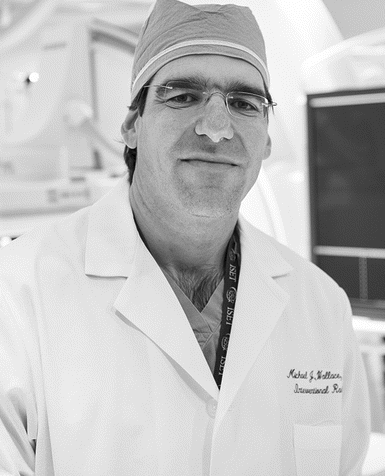 Michael J. Wallace合作论文数The University of Texas MD Anderson Cancer Center19
 Ravi Murthy合作论文数15
 David C. Madoff合作论文数Department of Radiology & Biomedical Imaging, Yale University School of Medicine15
 Waun Ki Hong合作论文数The University of Texas MD Anderson Cancer Center14
 Kim Edward S合作论文数14Picus Daniel D合作论文数14
 Roy S. Herbst合作论文数Yale Cancer Center, School of Medicine, Yale University14Jeremy J. Erasmus合作论文数14Christine Alden合作论文数13Tsao Anne S合作论文数13
 Joe Ensor合作论文数Dept Biostat, Houston Methodist Res Inst12Michael D. Darcy合作论文数12
 David Stewart合作论文数Division of Medical Oncology, Department of Internal Medicine, Faculty of Medicine, University of Ottawa;Research Institute, Ottawa Hospital12
 Scott M. Lippman合作论文数School of Medicine, University of California, San Diego12Ximing Tang合作论文数12Suyu Liu合作论文数11Frank V. Fossella合作论文数11
 John V. Heymach合作论文数Department of Thoracic-Head & Neck Med Onc, Division of Cancer Medicine, The University of Texas MD Anderson Cancer Center;Graduate School of Biomedical Sciences, The University of Texas MD Anderson Cancer Center11
 Hai T. Tran合作论文数Department of Thoracic-Head & Neck Med Onc, Division of Cancer Medicine, The University of Texas MD Anderson Cancer Center11
 J. Jack Lee合作论文数Division of Discovery Science, Department of Biostatistics, University of Texas MD Anderson Cancer Center10Davis Suzanne E合作论文数10
 Merrill S. Kies合作论文数University of Texas MD Anderson Cancer Center10
 Ignacio I. Wistuba合作论文数Department of Translational Molecular Pathology, The University of Texas MD Anderson Cancer Center;Department of Pathology, The University of Texas MD Anderson Cancer Center10
 Li Mao (毛力)合作论文数Sciclone Pharmaceuticals10
 Alda L. Tam合作论文数Department of Interventional Radiology, Division of Diagnostic Imaging, The University of Texas MD Anderson Cancer Center;MD Anderson UT Health Houston Graduate School of Biomedical Sciences8
 Thomas M. Vesely合作论文数Vascular Access Center of Frontenac Grove8Blumenschein George R合作论文数7
 Jing Wang (王晶)合作论文数Institute of Psychology, Chinese Academy of Sciences/Beijing Institute of Genomics, Chinese Academy of Sciences7Lixia Diao合作论文数MD Anderson Cancer Center, The University of Texas7
 Michael J. Peyton合作论文数Hamon Center for Therapeutic Oncology Research, University of Texas Southwestern Medical Center at Dallas7Pierre Saintigny合作论文数Service d’Oncologie Médicale, Hôpital Avicenne7Michael A. Kleinhoffer合作论文数7
 George R. Blumenschein合作论文数Department of Thoracic-Head & Neck Medical Oncology, Division of Cancer Medicine, The University of Texas MD Anderson Cancer Center6
 Jean-Nicolas Vauthey合作论文数Department of Surgical Oncology, The University of Texas MD Anderson Cancer Center;Division of Surgery, The University of Texas MD Anderson Cancer Center6Fa Morello合作论文数5Avritscher Rony合作论文数5
 Bruno C. Odisio合作论文数Department of Interventional Radiology, Division of Diagnostic Imaging, The University of Texas MD Anderson Cancer Center5Vassiliki A. Papadimitrakopoulou合作论文数5A. Cortes合作论文数4
 Kimihiko Kichikawa (吉川公彦)合作论文数Department of Radiology, Nara Medical University4
 Jack A. Roth合作论文数Department of Thoracic and Cardiovascular Surgery, Division of Surgery, The University of Texas MD Anderson Cancer Center4
 Savitri Krishnamurthy合作论文数Department of Pathology, Division of Pathology and Laboratory Medicine, The University of Texas MD Anderson Cancer Center4
 Luc Girard合作论文数Department of Hamon Center for Therapeutic Oncology Research, Medical School, University of Texas Southwestern Medical Center;Department of Pharmacology, University of Texas Southwestern Medical Center4
 Chusilp Charnsangavej合作论文数Department of Diagnostic Radiology, The University of Texas MD Anderson Cancer Center4Rony Avritscher合作论文数4




