Endophytic fungi play a crucial role in the survival and adaptation of their host plants. In recent decades, unprecedented diversity of endophytic fungi has been reported in angiosperms, but knowledge about this diversity in tropical gymnosperms is lacking. Among gymnosperms, cycads (Cycadales) are important components of Neotropical forests with high levels of endemism in Central and South America. We used a combination of axenic culture and Sanger sequencing to isolate and identify leaf endophytes of two endemic cycads from humid forests of Panama, Zamia nana and Z. pseudoparasitica. The latter is the only known epiphytic gymnosperm. In Z. pseudoparasitica, 50 morphotypes were isolated from El Copé, 58 from Santa Fe, and 22 from Cerro Marta. We sampled one wild population of Z. nana (El Valle de Antón), from which we recovered 74 morphotypes. We also sampled Z. nana from the International Garden of Cycads in Panama City. Sequencing of 69 cultures with the ITS rRNA locus identified several ascomycetes: Colletotrichum, Cercophora, Hypoxylon, Phyllosticta, Xylaria, and a basidiomycete: Tritirachium. This is one of the first studies to document the diversity of endophytic fungi in a Neotropical gymnosperm and provides a window into the endophytic fungi that inhabit the leaves of tropical plants.
Biodiversity surveys of aquatic systems often include DNA metabarcoding analyses of environmental samples that are collected through filtration of large volumes of water. The standard practice of sterile collection and filtration in or near the field sites is challenging to implement in remote locations, and filtration of large volumes is a limiting step, especially for water from highly productive systems or with high suspended sediment loads. Recent trials have shown that passive samplers can be effective for aquatic metabarcoding to document metazoan diversity, but that this approach needs to be trialed under a wider variety of conditions and across more diverse taxa. Here we assess the utility of passive sampling for documenting the diversity of bacteria in six tropical aquatic environments (one lake, one reservoir, two mountain streams and two blackwater rivers). We find that passive collectors generally recover significantly higher diversity of Bacteria compared to filtered samples, despite capturing significantly less overall DNA than active water filtering. However, the communities captured by the two methods show significant differences within sites, with only 26% of the Bacteria ASVs recovered by both methods. These differences were largely driven by relative abundances of taxa within Actinobacteriota, Campilobacterota, Desulfobacterota, and Proteobacteria. Our results demonstrate that passive collectors can be a cost-effective solution for monitoring aquatic microbial diversity but that the two methods are not interchangeable. Additional work is necessary to understand the selectivity of both passive collectors and active water filtering for eDNA studies.
Two ascomycetes, Neofusicoccum sp. and Xylaria sp., were isolated from healthy leaves of the tropical gymnosperms Zamia pseudoparasitica (Z2) and Zamia nana (Z50) from Panama. The two draft genomes possess a broad predicted repertoire of carbohydrate-degrading CAZymes, peptidases, and secondary metabolites, with more secondary metabolite clusters in the Xylaria isolate.
The slender anole, Anolis apletophallus, is a small arboreal lizard of the rainforest understory of central and eastern Panama. This species has been the subject of numerous ecological and evolutionary studies over the past 60 years as a result of attributes that make it especially amenable to field and laboratory science. Slender anoles are highly abundant, short-lived (nearly 100% annual turnover), easy to manipulate in both the lab and field, and are ubiquitous in the forests surrounding the Smithsonian Tropical Research Institute in Panama, where researchers have access to high-quality laboratory facilities. Here, we present a high-quality genome for the slender anole, which is an important new resource for studying this model species. We assembled and annotated the slender anole genome by combining 3 technologies: Oxford Nanopore, 10× Genomics Linked-Reads, and Dovetail Omni-C. We compared this genome with the recently published brown anole (Anolis sagrei) and the canonical green anole (Anolis carolinensis) genomes. Our genome is the first assembled for an Anolis lizard from mainland Central or South America, the regions that host the majority of diversity in the genus. This new reference genome is one of the most complete genomes of any anole assembled to date and should facilitate deeper studies of slender anole evolution, as well as broader scale comparative genomic studies of both mainland and island species. In turn, such studies will further our understanding of the well-known adaptive radiation of Anolis lizards.
The final formation of the Central American Isthmus (CAI) about 3.5 million years ago altered global ocean circulation, connected North and South America terrestrial biotas, and established the Caribbean Sea. The nature of this event creates a natural scenario to test vicariance, divergence, and speciation by allopatry. Studies have shown the effect of the CAI on marine and terrestrial species, but none have examined a large-bodied amphibious taxon. We used RAD sequencing on populations of the American crocodile (Crocodylus acutus) to study the genomic variation of C. acutus on both sides of the CAI, infer its demographic history, and measure the effect of the opening of the Panama Canal. Our results showed three genomic clusters: (1) Caribbean and the Panama Canal, (2) Pacific coast, and (3) Coiba island. The estimated divergence times between the Caribbean and Pacific populations are about 20,000 years ago, which is younger than the formation of the CAI, coinciding with the Last Glacial Maximum. We hypothesize the glacial/interglacial cycles facilitated gene flow between the Caribbean and Pacific crocodile populations after the formation of the CAI, masking any genomic divergence the CAI may have caused. There is no evidence of gene flow associated with the opening of the Panama Canal.
To what extent can we predict how evolution occurs? Do genetic architectures and developmental processes canalize the evolution of similar outcomes in a predictable manner? Or do historical contingencies impose alternative pathways to answer the same challenge? Examples of Müllerian mimicry between distantly related butterfly species provide natural replicates of evolution, allowing us to test whether identical wing patterns followed parallel or novel trajectories. Here, we explore the role that the signaling ligand WntA plays in generating mimetic wing patterns in Heliconius butterflies, a group with extraordinary mimicry-related wing pattern diversity. The radiation is relatively young, and numerous cases of wing pattern mimicry have evolved within the last 2.5–4.5 Ma. WntA is an important target of natural selection and is one of four major effect loci that underlie much of the pattern variation in the group. We used CRISPR/Cas9 targeted mutagenesis to generate WntA-deficient wings in 12 species and a further 10 intraspecific variants, including three co-mimetic pairs. In all tested butterflies, WntA knockouts affect pattern broadly and cause a shift among every possible scale cell type. Interestingly, the co-mimics lacking WntA were very different, suggesting that the gene networks that pattern a wing have diverged considerably among different lineages. Thus, although natural selection channeled phenotypic convergence, divergent developmental contexts between the two major Heliconius lineages opened different developmental routes to evolve resemblance. Consequently, even under very deterministic evolutionary scenarios, our results underscore a surprising unpredictability in the developmental paths underlying convergence in a recent radiation.
We investigated a pantropical sub-family and genus of damselfishes, the sergeant-majors (Pomacentridae: Abudefdufinae: Abudefduf), to identify the tempo and mechanisms of speciation in the lineage. We examined sequence capture data from 500 loci and 20 species, with multiple individuals sampled from across the geographic ranges of widespread species. Utilizing a maximum likelihood framework, as well as a time-calibrated Bayesian phylogeny, the following key questions are addressed: What is the historical tempo of speciation? What are the relative contributions of vicariant, peripatric and parapatric speciation to sergeant-major diversity? How is speciation related to major variation in trophic ecology? The approximately 20 species of sergeant-majors fall into three main lineages. The ancestral condition appears to be benthivory, which is predominant in two lineages comprising six species. The remaining species of sergeant-majors, of which there are at least 15, fall within a clade composed entirely of planktivores. This clade is sister to a benthivore clade that included one species, Abudefduf notatus, in transition to planktivory. Most speciation of sergeant-majors, which appeared ∼24 million years ago, occurred in the last 10 million years. Present distributional patterns indicate vicariant speciation precipitated by the closure of land barriers between both sides of the Atlantic and the Pacific, and the emergence of land between the Indian and Pacific Oceans. Within this backdrop, frequent oscillations in sea level over the last 10 million years also appear to have generated conditions suitable for both peripatric and vicariant speciation, and most speciation within the genus appears linked to these changes in sea level. Diversification within the genus has been concentrated in planktivorous seargeant-majors rather than benthivores. The root cause is unclear, but does not appear to be related to differences in dispersal potential, which is greater in the planktivorous species, due to the ability of their post-larval juveniles to raft with floating debris. This elevated speciation rate in planktivores and their propensity to form local endemics may reflect relaxation of selective pressures (e.g., on crypticity) that limit speciation in benthivorous sergeant-majors. Finally, our data allow us to clarify relationships of geminate sergeant-major species, indicating that there are subdivisions within the Atlantic for both benthivore and planktivore geminate pairs that may have misled previous studies.
Recombination between loci underlying mate choice and ecological traits is a major evolutionary force acting against speciation with gene flow. The evolution of linkage disequilibrium between such loci is therefore a fundamental step in the origin of species. Here, we show that this process can take place in the absence of physical linkage in hamlets-a group of closely related reef fishes from the wider Caribbean that differ essentially in colour pattern and are reproductively isolated through strong visually-based assortative mating. Using full-genome analysis, we identify four narrow genomic intervals that are consistently differentiated among sympatric species in a backdrop of extremely low genomic divergence. These four intervals include genes involved in pigmentation (sox10), axial patterning (hoxc13a), photoreceptor development (casz1) and visual sensitivity (SWS and LWS opsins) that develop islands of long-distance and inter-chromosomal linkage disequilibrium as species diverge. The relatively simple genomic architecture of species differences facilitates the evolution of linkage disequilibrium in the presence of gene flow.
Metabarcoding of vertebrate DNA derived from carrion flies has been proposed as a promising tool for biodiversity monitoring. To evaluate its efficacy, we conducted metabarcoding surveys of carrion flies on Barro Colorado Island (BCI), Panama, which has a well-known mammal community, and compared our results against diurnal transect counts and camera-trapping. We collected 1084 flies in 29 sampling days, which were pooled into 102 DNA extractions. We then conducted metabarcoding with mammal-specific (16S) and vertebrate-specific (12S) primers targeting mtDNA, and sequenced these amplicons on Illumina MiSeq. For taxonomic assignment, we compared BLAST with the new program PROTAX, and we found PROTAX significantly improved species identifications. We detected 20 mammal, four bird, and one lizard species from carrion fly metabarcoding, all but one of which were previously known from BCI. Fly metabarcoding detected more mammal species than concurrent transect counts (29 sampling days, 13 species) and concurrent camera-trapping (84 sampling days, 17 species), and detected 67% of the number of mammal species documented by 8 years of transect counts and camera-trapping combined, although fly metabarcoding missed several abundant species. This study demonstrates that carrion fly metabarcoding is a powerful tool for mammal biodiversity surveys, and has the potential to detect a broader range of species than more commonly used methods.
 W. Owen Mcmillan合作论文数Department of Biology, University of Puerto Rico-Rio Piedras6
 Carlos Francisco Arias合作论文数3
 Kristin Saltonstall合作论文数Smithsonian Tropical Research Institute3Lilisbeth Rodríguez-Castro合作论文数2
 Juan Carlos Villarreal A.合作论文数Dept Biol, Univ Laval2Jessica Foley合作论文数1
 Kristin Charles合作论文数1
 Jose Avila Cervantes合作论文数1paola lozano aguirre合作论文数1Albert K Chung合作论文数Dept Ecol & Evolutionary Biol, Univ Calif Los Angeles1Manu Sanjeev合作论文数Dept Mol Genet, Ohio State Univ1Edgardo Santiago-Rivera合作论文数1
 Jennifer Fenner合作论文数Dept Biol Sci, Auburn Univ1Kosmas Hench合作论文数1
 Joseph J. Hanly合作论文数The George Washington University, Smithsonian Tropical Research Institute1
 Colin R Morrison合作论文数1
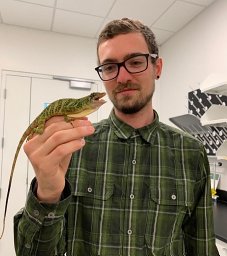 John David Curlis合作论文数Ecol & Evolutionary Biol & Museum Zool, Univ Michigan1
 Charles C.Y. Xu合作论文数1
 Torrey W. Rodgers合作论文数Utah State University1
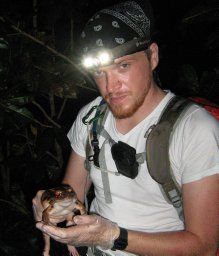 Daniel James Nicholson合作论文数Smithsonian Trop Res Inst1Hans Larsson合作论文数Department of Biology, Faculty of Science, McGill University1
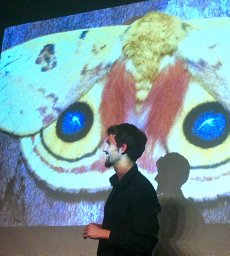 Arnaud Martin合作论文数Department of Ecology and Evolutionary Biology, University of California;Smithsonian Tropical Research Institute;University of California, Smithsonian Tropical Research Institute1
 Douglas W. Yu (俞维理)合作论文数State Key Laboratory of Genetic Resources and Evolution, Kunming Institute of Zoology, Chinese Academy of Sciences;School of Biological Sciences, University of East Anglia1
 D Ross Robertson合作论文数Naos Marine Laboratories, Smithsonian Tropical Research Institute1
 Oscar Puebla合作论文数Smithsonian Tropical Research Institute1
 Marc Hoeppner合作论文数Institute of Clinical Molecular Biology, Christian-Albrechts University1
 Michael Logan合作论文数Department of Biological Sciences, Dartmouth College1
 Matthew A. Campbell合作论文数1
 Pardo-Diaz Carolina合作论文数Department of Zoology, University of Cambridge1
 Darli Massardo合作论文数Departamento de Zoologia, Universidade Federal do Rio Grande do Sul1
 Daniel Fenando Paulo合作论文数Institute of Biology/Center of Molecular Biology and Genetic Engineering, State University of Campinas1
 Luca Livraghi合作论文数Department of Zoology, University of Cambridge1
 Renata M. Pirani合作论文数Museu de Zoologia João Moojen, Universidade Federal de Viçosa1
 Richard Wallbank合作论文数1
 Jacalyn Giacalone合作论文数1
 Miryam Venegas-Anaya合作论文数Smithsonian Tropical Research Institute1
 Carolina Concha合作论文数Institute of Molecular BioSciences, Massey University1
 Gerald Robert Allen (Gerry Allen)合作论文数Department of Aquatic Zoology, Western Australian Museum1
 Maxwell J. Scott合作论文数Institute of Molecular BioSciences, Massey University1
 Panu Somervuo合作论文数Computer Science, International;Institute Neural Networks Research Centre;Helsinki University of Technology;Institute Neural Networks Research Centre, Helsinki University of Technology1
 Patrick A. Jansen合作论文数Wageningen University1
 Riccardo Papa合作论文数Dipartimento di Biologia Evolutiva e Funzionale, University of Parma1
 Christian L. Cox合作论文数Department of Biological Sciences, University of Alabama1
 Chris Jiggins合作论文数Department of Zoology, University of Cambridge1
 Mauricio Linares合作论文数Instituto de Genetica;Universidad de los Andes;Instituto de Genetica, Universidad de los Andes1David Tian合作论文数Sheffield Hallam University, University of Manchester1
 Brian A. Counterman合作论文数Department of Biological Sciences, Louisiana State University1
 Karen Kapheim合作论文数Michigan State University;Department of Zoology;Department of Zoology, Michigan State University1
 Camilo Salazar合作论文数Instituto de Genetica;Universidad de los Andes;Instituto de Genetica, Universidad de los Andes1




