Gene edited human pluripotent stem cells are a promising platform for developing reparative cellular therapies that evade immune rejection. Existing first-generation hypoimmune strategies have used CRISPR/Cas9 editing to modulate genes associated with adaptive immune responses, but have largely not addressed the innate immune cells, such as neutrophils, that mediate inflammation and rejection processes occurring early after graft transplantation. We identify the adhesion molecule ICAM-1 as a hypoimmune target that plays multiple critical roles in both adaptive and innate immune responses post-transplantation. In our experiments, we find that ICAM-1 blocking or knockout in human pluripotent stem cell-derived cardiovascular therapies imparts significantly diminished binding of multiple immune cell types. ICAM-1 knockout results in diminished T cell proliferation and activation responses in vitro and in longer in vivo retention/protection of knockout grafts following immune cell encounter in NeoThy humanized mice. We also introduce the ICAM-1 knockout edit into existing first-generation hypoimmune human pluripotent stem cells and prevent immune cell binding. This promising hypoimmune editing strategy has the potential to improve transplantation outcomes for regenerative therapies in the setting of cardiovascular pathologies and several other diseases.
Receptor-interacting protein kinase 1 (RIPK1) is a threonine/serine kinase that serves as a critical regulator of immune responses and cell death pathways, functioning through both its kinase activity and nonenzymatic scaffolding function. The scaffolding function of RIPK1 contributes to both intrinsic and extrinsic resistance to immune checkpoint blockades (ICBs), making it a compelling therapeutic target for cancer treatment. Recent studies have highlighted RIPK1's potential as a key modulator for improving the efficacy of immune-stimulatory therapies, such as ICBs and X-ray radiotherapy (XRT). In this study, we have developed a highly potent and selective RIPK1 degrader. When combined with XRT, the degrader significantly suppressed tumor growth, achieving enhanced therapeutic efficacy without apparent adverse effects. In contrast, the RIPK1 inhibitor showed no notable therapeutic effect. These findings underscore the potential of targeting RIPK1 degradation, specifically its nonenzymatic function, as a novel strategy to augment the effects of radiotherapy.
Insulin-producing β cell replacement therapies show promise for treating type 1 diabetes (T1D), but challenges such as donor shortages and immune rejection persist. Stem cell–derived β cells (sBC) provide a renewable source but remain susceptible to immune attack. We engineered human pluripotent stem cells to express either the wild type (WT) or a high-affinity mutant (Mut) variant (rs1058402, G>A; Ala 67 Thr) of the natural killer (NK) and T cell checkpoint inhibitor CD155 before differentiation into sBC. Modified sBC maintained up-regulated CD155 expression and showed enhanced binding to co-receptor ligands. Co-culture studies revealed CD155-expressing sBC suppressed autoreactive CD8 + T cell and NK cell activation, reducing immune cell–mediated sBC destruction and cytotoxic molecule secretion by preferentially engaging the coinhibitory receptor TIGIT. This protection was lost with TIGIT blockade, affirming the role of CD155-TIGIT signaling in antagonizing immune cell cytotoxicity. Our findings suggest that high-affinity CD155 expression enhances immune evasion of sBC, improving their potential as a therapy for T1D.
Autologous vascular grafts, the only clinically approved option for small-diameter (<6 mm) revascularizations, require invasive harvesting and have limited availability and variable quality. To address these challenges, we develop a 3-mm-diameter artery graft by using arterial endothelial cells (AECs) derived from pluripotent stem cells (PSCs). After establishing technologies for pure AEC generation and expanded polytetrafluoroethylene (ePTFE) graft coating, we engineer artery grafts by seeding the inner lumen of ePTFE vascular grafts with either major histocompatibility complex (MHC) mismatched unmodified-wild-type (MHC-WT) AECs or MHC class I/II double knockout (MHC-DKO) AECs. Their function is evaluated in a rhesus arterial interposition grafting model. MHC-WT grafts maintained 100% patency for 6 months, significantly better than naked and MHC-DKO grafts. Additionally, the endothelium of MHC-WT grafts is repopulated with host cells, supporting long-term patency. Collectively, our study demonstrates that PSC-derived MHC-WT artery grafts provide an unlimited homogenous resource for allogeneic arterial revascularization.
Tissue-targeted immunotherapies for type 1 diabetes (T1D) hold potential to protect pancreatic beta cells while minimizing systemic immunosuppression. We used a bispecific agonist called Immune Modulating Monoclonal-TCR Against Autoimmune Disease (ImmTAAI), consisting of a T cell receptor (TCR) targeting domain fused with a PD-1 agonist to specifically bind beta cells and suppress autoreactive T cells. We used live pancreas slices to demonstrate targeting of ImmTAAI molecules to pre-proinsulin peptide-HLA-A2 complexes on human beta cells. ImmTAAI protected beta cells from T cell killing by increasing T cell motility and inhibiting cytokine secretion. ImmTAAI treatment also increased the motility of islet-infiltrating T cells in slices from a donor with recent-onset T1D and preserved insulin secretion in slices co-cultured with T cell avatars transduced with diabetogenic TCRs. These data demonstrate that ImmTAAI molecules have the potential to limit T cell activity locally, making this an attractive platform to elicit targeted immunoregulation in T1D.
In this commentary article, we take the view in support of the continued promise of pluripotent stem cell (PSC) research and the potential for curative PSC-derived treatments to be realized within our lifetimes. We address a prominent critique of the PSC field: the failure to-date to successfully transplant lab-grown organs into human patients or to reproducibly demonstrate curative PSC-derived therapies in the clinic.We also discuss the key biological concept of cellular maturation, which is relevant to the eventual widespread clinical application of PSC-therapies. We then examine how an exciting development in the field of genomic engineering has opened up new avenues for discovery in PSC research. Finally, we will comment on possibilities for the future, informed by our experience of actively participating in this research for more than a decade.
Genetically diverse simian arteriviruses (simarteriviruses) naturally infect geographically and phylogenetically diverse monkeys, and cross-species transmission and emergence are of considerable concern. Characterization of most simarteriviruses beyond sequence analysis has not been possible because the viruses fail to propagate in the laboratory. We attempted to isolate 4 simarteriviruses, Kibale red colobus virus 1, Pebjah virus, simian hemorrhagic fever virus, and Southwest baboon virus 1, by inoculating an immortalized grivet cell line (known to replicate simian hemorrhagic fever virus), primary macaque cells, macrophages derived from macaque induced pluripotent stem cells, and mice engrafted with macaque CD34+-enriched hematopoietic stem cells. The combined effort resulted in successful virus isolation; however, no single approach was successful for all 4 simarteriviruses. We describe several approaches that might be used to isolate additional simarteriviruses for phenotypic characterization. Our results will expedite laboratory studies of simarteriviruses to elucidate virus-host interactions, assess zoonotic risk, and develop medical countermeasures.
Progress in developing therapies for the maintenance of endogenous insulin secretion in, or the prevention of, type 1 diabetes has been hindered by limited animal models, the length and cost of clinical trials, difficulties in identifying individuals who will progress faster to a clinical diagnosis of type 1 diabetes, and heterogeneous clinical responses in intervention trials. Classic placebo-controlled intervention trials often include monotherapies, broad participant populations and extended follow-up periods focused on clinical endpoints. While this approach remains the ‘gold standard’ of clinical research, efforts are underway to implement new approaches harnessing the power of artificial intelligence and machine learning to accelerate drug discovery and efficacy testing. Here, we review emerging approaches for repurposing agents used to treat diseases that share pathogenic pathways with type 1 diabetes and selecting synergistic combinations of drugs to maximise therapeutic efficacy. We discuss how emerging multi-omics technologies, including analysis of antigen processing and presentation to adaptive immune cells, may lead to the discovery of novel biomarkers and subsequent translation into antigen-specific immunotherapies. We also discuss the potential for using artificial intelligence to create ‘digital twin’ models that enable rapid in silico testing of personalised agents as well as dose determination. To conclude, we discuss some limitations of artificial intelligence and machine learning, including issues pertaining to model interpretability and bias, as well as the continued need for validation studies via confirmatory intervention trials.
Immunotherapeutics targeting T cells are crucial for inhibiting autoimmune disease progression proximal to disease onset in type 1 diabetes. There is an outstanding need to augment the durability and effectiveness of T cell targeting therapies by directly restraining proinflammatory T cell subsets, while simultaneously augmenting regulatory T cell (Treg) activity. Here, we present a novel strategy for preventing diabetes incidence in the NOD mouse model using a blocking monoclonal antibody targeting the type 1 diabetes risk-associated T cell co-stimulatory receptor, CD226. Female NOD mice were treated with anti-CD226 at 7–8 weeks of age and then monitored for diabetes incidence and therapeutic mechanism of action. Compared with isotype-treated controls, anti-CD226-treated NOD mice showed reduced insulitis severity (0.84-fold, p=0.0002) at 12 weeks and decreased disease incidence (HR 0.41, p=0.015) at 30 weeks. Flow cytometric analysis performed 5 weeks post treatment demonstrated reduced proliferation of conventional CD4+ T cells (0.87-fold, p=0.030) and CD8+ (0.78-fold, p=0.0018) effector memory T cells in spleens of anti-CD226-treated mice. Phenotyping of pancreatic Tregs revealed increased CD25 expression (2.05-fold, p=0.0073) and signal transducer and activator of transcription 5 (STAT5) phosphorylation (1.39-fold, p=0.0007) following anti-CD226, with splenic Tregs displaying augmented suppression of CD4+ responder T cells (Tresps) (1.49-fold, p=0.0008, 1:2 Treg:Tresp) in vitro. Anti-CD226-treated mice exhibited reduced frequencies of islet-specific glucose-6-phosphatase catalytic subunit-related protein (IGRP)-reactive CD8+ T cells in the pancreas, using both ex vivo tetramer staining (0.50-fold, p=0.0317) and single-cell T cell receptor sequencing (0.61-fold, p=0.022) approaches. 51Cr-release assays demonstrated reduced cell-mediated lysis of beta cells (0.61-fold, p<0.0001, 1:1 effector:target) by anti-CD226-treated autoreactive cytotoxic T lymphocytes. CD226 blockade reduces T cell cytotoxicity and improves Treg function, representing a targeted and rational approach for restoring immune regulation in type 1 diabetes.
Receptor-interacting protein kinase 1 (RIPK1) is a threonine/serine kinase that serves as a critical regulator of immune re-sponses and cell death pathways, functioning through both its catalytic kinase activity and non-catalytic scaffold function. The scaffold function of RIPK1 contributes to both intrinsic and extrinsic resistance to immune checkpoint blockades (ICBs), making it a compelling therapeutic target for enhancing cancer immunotherapy. Recent studies have highlighted RIPK1’s potential as a key modulator for improving the efficacy of immune-stimulatory therapies, such as ICBs and radio-therapy. In this study, we have developed a highly potent and selective RIPK1 degrader. Our degrader demonstrated signifi-cant tumor growth suppression when combined with X-ray radiotherapy (XRT), achieving enhanced therapeutic efficacy without adverse effects on body weight. These findings underscore the potential of RIPK1 degradation as a novel approach to augment radiotherapy and advance cancer immunotherapy strategies.
Humanized mouse models, created via transplantation of human hematopoietic tissues into immune-deficient mice, support a number of research applications, including transplantation immunology, virology and oncology studies. As an alternative to the bone marrow, liver, thymus humanized mouse, which uses fetal tissues for generating a chimeric human immune system, the NeoThy humanized mouse uses nonfetal tissue sources. Specifically, the NeoThy model incorporates hematopoietic stem and progenitor cells from umbilical cord blood (UCB) as well as thymus tissue that is typically discarded as medical waste during neonatal cardiac surgeries. Compared with fetal thymus tissue, the abundant quantity of neonatal thymus tissue offers the opportunity to prepare over 1,000 NeoThy mice from an individual thymus donor. Here we describe a protocol for processing of the neonatal tissues (thymus and UCB) and hematopoietic stem and progenitor cell separation, human leukocyte antigen typing and matching of allogenic thymus and UCB tissues, creation of NeoThy mice, assessment of human immune cell reconstitution and all experimental steps from planning and design to data analysis. This entire protocol takes a total of ~19 h to complete, with steps broken up into multiple sessions of 4 h or less that can be paused and completed over multiple days. The protocol can be completed, after practice, by individuals with intermediate laboratory and animal handling skills, enabling researchers to make effective use of this promising in vivo model of human immune function.
ABSTRACTIL-2 has been proposed to restore tolerance via regulatory T cell (Treg) expansion in autoimmunity, yet off-target effects necessitate identification of a combinatorial approach. We recently reported reduced levels of immunoregulatory insulin-like growth factor-1 (IGF1) during type 1 diabetes (T1D) progression. Thus, we hypothesized that IGF1 would synergize with IL-2 to expand Tregs. We observed IGF1R was elevated on murine memory and human naïve Treg subsets. IL-2 and IGF1 promoted murine PI3K/Akt and human STAT5 signaling in Tregs. IL-2 and IGF1 treatment expanded Tregs beyond either agent alone in NOD mice. Incubation of naïve human CD4+T cells with IL-2 and IGF1 enhanced Treg proliferationin vitro, without the need for T cell receptor ligation. This synergism was attributed to increased high-affinity IL-2Rα expression on naïve Tregs, in contrast to intermediate-affinity IL-2Rβ and IL-2Rγ subunit enhancement on naïve conventional T cells (Tconv). We then demonstrated that IGF1 and IL-2 or the IL2Rγ-chain-dependent cytokine, IL-7, can be used to induce proliferation of genetically-engineered naïve Treg or Tconv cells, respectively. These data support the potential use of IGF1 in combination with common γ-chain cytokines to drive T cell expansions bothin vitroandin vivofor cellular therapeutics and genetic modifications.
The autoimmune pathogenesis of type 1 diabetes (T1D) involves cellular infiltration from innate and adaptive immune subsets into the islets of Langerhans within the pancreas; however, the direct cytotoxic killing of insulin-producing β-cells is thought to be mediated primarily by antigen-specific CD8 + T cells. Despite this direct pathogenic role, key aspects of their receptor specificity and function remain uncharacterized, in part, due to their low precursor frequency in peripheral blood. The concept of engineering human T cell specificity, using T cell receptor (TCR) and chimeric antigen receptor (CAR)-based approaches, has been demonstrated to improve adoptive cell therapies for cancer, but has yet to be extensively employed for modeling and treating autoimmunity. To address this limitation, we sought to combine targeted genome editing of the endogenous TCRα chain gene ( TRAC ) via CRISPR/Cas9 in combination with lentiviral vector (LV)-mediated TCR gene transfer into primary human CD8 + T cells. We observed that knockout (KO) of endogenous TRAC enhanced de novo TCR pairing, which permitted increased peptide:MHC-dextramer staining. Moreover, TRAC KO and TCR gene transfer increased markers of activation and effector function following activation, including granzyme B and interferon-γ production. Importantly, we observed increased cytotoxicity toward an HLA-A*0201 + human β-cell line by HLA-A*02:01 restricted CD8 + T cells engineered to recognize islet-specific glucose-6-phosphatase catalytic subunit (IGRP). These data support the notion of altering the specificity of primary human T cells for mechanistic analyses of autoreactive antigen-specific CD8 + T cells and are expected to facilitate downstream cellular therapeutics to achieve tolerance induction through the generation of antigen-specific regulatory T cells.
Macrophages armed with chimeric antigen receptors (CARs) provide a potent new option for treating solid tumors. However, genetic engineering and scalable production of somatic macrophages remains significant challenges. Here, we used CRISPR-Cas9 gene editing methods to integrate an anti-GD2 CAR into the AAVS1 locus of human pluripotent stem cells (hPSCs). We then established a serum- and feeder-free differentiation protocol for generating CAR macrophages (CAR-Ms) through arterial endothelial-to-hematopoietic transition (EHT). CAR-M produced by this method displayed a potent cytotoxic activity against GD2-expressing neuroblastoma and melanoma in vitro and neuroblastoma in vivo. This study provides a new platform for the efficient generation of off-the-shelf CAR-Ms for antitumor immunotherapy.
Co-stimulation serves as a critical checkpoint for T cell activation, and several genetic variants affecting co-stimulatory pathways confer risk for autoimmune diseases. A single nucleotide polymorphism (rs763361) in the CD226 gene encoding a co-stimulatory receptor increases susceptibility to multiple autoimmune diseases, including type 1 diabetes. We previously found that Cd226 knockout protected non-obese diabetic (NOD) mice from disease, but the impact of CD226 on individual immune subsets remained unclear. Our prior reports implicate regulatory T cells (Treg), as human CD226+ Tregs exhibit reduced suppressive function. Hence, we hypothesized that genomic Cd226 gene deletion would increase Treg stability, and Treg-specific Cd226 deletion would inhibit diabetes in NOD mice. Indeed, crossing NOD.Cd226-/- and a NOD Treg-lineage tracing strain resulted in decreased pancreatic Foxp3-deficient “ex-Tregs.” We generated a novel Treg-conditional knockout (Treg∆Cd226) strain that displayed decreased insulitis and diabetes incidence. CD226-deficient pancreatic Tregs had increased expression of the co-inhibitory counter-receptor TIGIT. Moreover, NOD splenocytes treated with a TIGIT-Fc fusion protein exhibited reduced T cell proliferation and IFN-γ production following anti-CD3/CD28 stimulation. This study demonstrates that a CD226/TIGIT imbalance contributes to Treg instability in NOD mice and highlights the potential for therapeutic targeting this co-stimulatory pathway to halt autoimmunity. Keywords: CD226, NOD mouse, regulatory T cell, type 1 diabetes, conditional knockout, Treg stability Highlights · We previously found that Cd226 genomic knockout in NOD mice reduced insulitis severity and diabetes incidence, but the impact on individual immune subsets remained unclear. · Human CD226+ Tregs exhibit reduced suppressive function suggesting Cd226 gKO would increase Treg stability, and Treg-specific Cd226 deletion would inhibit diabetes in NOD. · Treg-conditional CD226 KO reduced insulitis and delayed diabetes onset in female NOD mice while CD226 gKO NODs displayed reduced ex-Tregs in pancreas and increased TIGIT expression on Tregs. CD226/TIGIT imbalance contributes to Treg instability in NOD mice and highlights the potential for therapeutic targeting this co-stimulatory pathway in type 1 diabetes.
Nonhuman primates (NHPs) represent one of the most important models for preclinical studies of novel biomedical interventions. In contrast with small animal models, however, widespread utilization of NHPs is restricted by cost, logistics, and availability. Therefore, we sought to develop a translational primatized mouse model, akin to a humanized mouse, to allow for high-throughput in vivo experimentation leveraged to inform large animal immunology-based studies. We found that adult rhesus macaque mobilized blood (AMb) CD34+-enriched hematopoietic stem and progenitor cells (HSPCs) engrafted at low but persistent levels in immune-deficient mice harboring transgenes for human (NHP cross-reactive) GM-CSF and IL3, but did not in mice with wild-type murine cytokines lacking NHP cross-reactivity. To enhance engraftment, fetal liver-derived HSPCs were selected as the infusion product based on an increased CD34hi fraction compared with AMb and bone marrow. Coupled with cotransplantation of rhesus fetal thymic fragments beneath the mouse kidney capsule, fetal liver-derived HSPC infusion in cytokine-transgenic mice yielded robust multilineage lymphohematopoietic engraftment. The emergent immune system recapitulated that of the fetal monkey, with similar relative frequencies of lymphocyte, granulocyte, and monocyte subsets within the thymic, secondary lymphoid, and peripheral compartments. Importantly, while exhibiting a predominantly naïve phenotype, in vitro functional assays demonstrated robust cellular activation in response to nonspecific and allogenic stimuli. This primatized mouse represents a viable and translatable model for the study of hematopoietic stem cell physiology, immune development, and functional immunology in NHPs. Summary Sentence: Engraftment of rhesus macaque hematopoietic tissues in immune-deficient mice yields a robust BLT/NeoThy-type primatized mouse model for studying nonhuman primate hematopoiesis and immune function in vivo.
Co-stimulation serves as a critical checkpoint for T cell development and activation, and several genetic variants affecting co-stimulatory pathways confer risk for autoimmune diseases. A single nucleotide polymorphism in CD226 ( rs763361 ; G307S) has been shown to increase susceptibility to type 1 diabetes, multiple sclerosis, and rheumatoid arthritis. CD226 competes with the co-inhibitory receptor TIGIT (T cell immunoreceptor with Ig and ITIM domains) to bind CD155 to amplify TCR signaling. We previously found that Cd226 knockout protected non-obese diabetic (NOD) mice from disease, but the impact of CD226 signaling on individual immune subsets remained unclear. We focused on regulatory T cells (Tregs) as a population of interest, as prior reports demonstrated that human CD226 + Tregs exhibit reduced FOXP3 + Helios + purity and suppressive function following expansion. Hence, we hypothesized that global deletion of Cd226 would increase Treg stability and accordingly, Treg-specific Cd226 deletion would inhibit diabetes in NOD mice. Indeed, crossing the NOD. Cd226 -/- and NOD. Foxp3 -GFP-Cre. R26 -loxP-STOP-loxP-YFP Treg-fate tracking strains resulted in increased Treg induction and decreased FoxP3-deficient “ex-Tregs” in the pancreatic lymph nodes. We generated a Treg-conditional knockout (Treg Δ Cd226 ) strain and found that female Treg Δ Cd226 mice had decreased insulitis and diabetes incidence compared to Treg WT mice. Additionally, we observed increased TIGIT expression on Tregs and conventional CD4 + T cells within the pancreas of Treg Δ Cd226 versus Treg WT mice. These findings demonstrate that an imbalance of CD226/TIGIT signaling may contribute to Treg destabilization in the NOD mouse and highlight the potential for therapeutic targeting of this pathway to prevent or reverse autoimmunity.
Regulatory T cell (Treg) adoptive cell therapy (ACT) represents an emerging strategy for restoring immune tolerance in autoimmune diseases. Tregs are commonly purified using a CD4+CD25+CD127lo/-gating strategy, which yields a mixed population: 1) cells expressing the transcription factors, FOXP3 and Helios, that canonically define lineage stable thymic Tregs and 2) unstable FOXP3+Helios-Tregs. Our prior work identified the autoimmune disease risk-associated locus and costimulatory molecule, CD226, as being highly expressed not only on effector T cells but also, interferon-γ (IFN-γ) producing peripheral Tregs (pTreg). Thus, we sought to determine whether isolating Tregs with a CD4+CD25+CD226-strategy yields a population with increased purity and suppressive capacity relative to CD4+CD25+CD127lo/-cells. After 14d of culture, expanded CD4+CD25+CD226-cells displayed a decreased proportion of pTregs relative to CD4+CD25+CD127lo/-cells, as measured by FOXP3+Helios-expression and the epigenetic signature at theFOXP3Treg-specific demethylated region (TSDR). Furthermore, CD226-Tregs exhibited decreased production of the effector cytokines, IFN-γ, TNF, and IL-17A, along with increased expression of the immunoregulatory cytokine, TGF-β1. Lastly, CD226-Tregs demonstrated increasedin vitrosuppressive capacity as compared to their CD127lo/-counterparts. These data suggest that the exclusion of CD226-expressing cells during Treg sorting yields a population with increased purity, lineage stability, and suppressive capabilities, which may benefit Treg ACT for the treatment of autoimmune diseases.
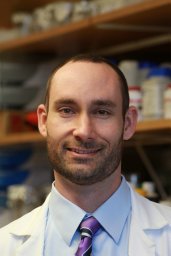 Todd Michael Brusko合作论文数Department of Pathology, University of Florida13
 Posgai Amanda合作论文数8
 James Thomson合作论文数Department of Molecular, Cellular, and Developmental Biology, University of California, Santa Barbara;Department of Cell and Regenerative Biology, School of Medicine and Public Health, University of Wisconsin-Madison;Morgridge Institute for Research8
 William J. Burlingham合作论文数Stem Cell & Regenerative Medicine Center, University of Wisconsin – Madison8
 Melanie Shapiro合作论文数Department of Cell Biology and Molecular Genetics, University of Maryland;Department of Cell Biology and Molecular Genetics, University of Maryland7Juan M Arnoletti合作论文数6
 Igor I. Slukvin合作论文数Department of Pathology & Lab Medicine, University of Wisconsin – Madison;Stem Cell & Regenerative Medicine Center, University of Wisconsin – Madison5Lindsey K Sachs合作论文数4Liupei Huang合作论文数4Leeana Peters合作论文数4
 Jessie Barra合作论文数4
 Brian Edward McIntosh合作论文数Morgridge Institute for Research4
 Jue Zhang (张珏)合作论文数College of Engineering, Peking University;Academy for Advanced Interdisciplinery Studies, Peking University4Ron Stewart合作论文数WiCell Research Institute;Department of Statistics;Medical Sciences Center;University of Wisconsin-Madison;1300;Genome Center of Wisconsin;Wisconsin National Primate Research Center;University of Wisconsin-Madison, University of Wisconsin-Madison4Seif R Hanbali合作论文数3Emma B Carpenter合作论文数3Wen-I Yeh合作论文数3Bret Duffin合作论文数3Sara Dutton Sackett合作论文数Transplantat Div, Univ Wisconsin Madison3
 Timothy J. Kamp合作论文数Department of Medicine, School of Medicine and Public Health, University of Wisconsin-Madison;Department of Cell and Regenerative Biology, School of Medicine and Public Health, University of Wisconsin-Madison3Puchong Thirawatananond合作论文数Johns Hopkins Univ, Sch Med, Dept Biophys & Biophys Chem, Baltimore, MD 21205 USA3Jon S. Odorico合作论文数3
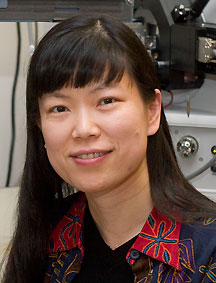 Lingjun Li (李灵军)合作论文数Department of Chemistry, School of Pharmacy, University of Wisconsin-Madison3
 Holger A. Russ合作论文数3Ian G Norman合作论文数2Mitch Biermann合作论文数2W. John Haynes合作论文数2Amanda Mack合作论文数2John P. Maufort合作论文数2Sarah Webster合作论文数2Elizabeth Perrin合作论文数Wisconsin Natl Primate Res Ctr, Univ Wisconsin2
 Samuel O. Poore合作论文数Division of Plastic Surgery, Department of Surgery, University of Wisconsin-Madison2
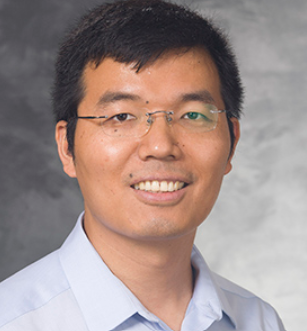 Hao Chang合作论文数Department of Dermatology, School of Medicine and Public Health, University of Wisconsin-Madison2
 Christian Capitini合作论文数Department of Biomedical Engineering, College of Engineering, University of Wisconsin-Madison2
 Maigan Brusko合作论文数2Jack Hermsen合作论文数2
 John Steill合作论文数Morgridge Institute for Research, Madison, USA.2Penghsuan Huang合作论文数2
 Jeremy O'Sullivan合作论文数Allergy and Immunology, Department of Medicine, Feinberg School of Medicine, Northwestern University2
 Timothy A Hacker合作论文数2Li Chunrong合作论文数2Bolin Jennifer M合作论文数2Swanson Scott A合作论文数2
 Nicholas Albano合作论文数2Ying Zhou合作论文数2Chen Yi-Guang合作论文数The Jackson Laboratory2Zhang Zhen合作论文数2
 Weifeng Zeng合作论文数Dalian Municipal Central Hospital, Dalian Municipal Central Hospital2




