Cyanobacteria rely on bicarbonate (HCO3-) as the primary inorganic carbon (Ci) source for photosynthesis in aquatic environments. To use this Ci source, cyanobacteria employ CO2-concentrating mechanisms that elevate cytoplasmic HCO3- via plasma membrane transporters, enhancing carboxylation by carboxysomal Rubisco. The sodium-dependent SbtA1 transporter family is well characterized in freshwater cyanobacteria, but the related SbtA2 family, prevalent in marine α-cyanobacteria, remains uncharacterized. Here, we report functional characterization of SbtA2 homologues from marine Synechococcus spp., which exhibit high Ci uptake flux with apparent chloride dependence and intermediate HCO3- affinity (K0.5 ∼150 µM), when assessed in E. coli. SbtA2 achieved internal Ci accumulation up to 24 mM within 30 s. Co-expression with the putative regulator SbtB2 reduced uptake activity, suggesting a regulatory role for this protein. These findings indicate that SbtA2 transporters contribute significantly to carbon acquisition in marine cyanobacteria. Given potential to enhance CO2 supply to Rubisco in C3 plants, we targeted SbtA2 to the tobacco chloroplast inner envelope membrane; however, this did not improve photosynthesis or growth. Our results highlight the functional diversity of cyanobacterial Ci transporters and suggest that additional components may be required for effective transfer of such systems into plant chloroplasts.
The widespread oceanic cyanobacterial Prochlorococcus genus is a major contributor to global carbon fixation, yet mechanisms enabling this lineage to elevate intracellular inorganic carbon as a substrate for photosynthesis remain unresolved. Cyanobacterial CO2-concentrating mechanisms typically rely on membrane-bound bicarbonate (HCO3-) transporters SbtA1, SbtA2, BicA and BCT1, and CO2-to-HCO3- conversion uptake systems (CO2 pumps; NDH-I3 and NDH-I4), to elevate a cellular HCO3- pool for use by Rubisco-containing carboxysomes. Evidence suggests Prochlorococcus harbours carboxysomes with a low-CO2-specificity Rubisco, implying a functional CCM dependent on active HCO3- uptake. However, canonical CO2 pumps are absent, leaving distant HCO3- transporter homologues, BicA2 and SbtA2, as prime candidates for HCO3- transport in this group. Yet these have not been functionally characterised. Here we demonstrate that BicA2 from P. marinus CCMP1375 mediates Na+-dependent HCO3- uptake in E. coli, whereas BicA2 from P. marinus CCMP1986 is inactive in its native form but acquired transport function through a single amino acid substitution during adaptive laboratory evolution. These findings confirm BicA2 as a low-affinity, Na+-dependent bicarbonate transporter with variable flux, revealing a previously uncharacterized CCM component in Prochlorococcus. This mechanistic insight reshapes our understanding of carbon acquisition strategies in the most abundant photosynthetic organism on Earth and highlights evolutionary plasticity in transporter function with implications for global biogeochemical cycles.
Plant aquaporins (AQPs) were initially described as a family of membrane-localized proteins exclusively facilitating water transport. Subsequently, sub-sets of plant AQPs have exhibited diverse functionalities beyond water transport. The aquaporin AtPIP2;1, an abundant Plasma membrane Intrinsic Protein in Arabidopsis thaliana, can transport water but also CO2, H2O2 and monovalent cations under certain conditions. However, the mechanisms regulating the selectivity of AtPIP2;1, particularly for cations and water, remain to be fully explored. Here we report the outcome of mutating four AtPIP2;1 serine phosphorylation sites to mimic states of phosphorylation and dephosphorylation in loops B and D, and the C-terminal domain. Expression of the mutated proteins in Xenopus laevis oocytes allowed analysis of both water and ion conduction. Concurrent modifications at the four phosphorylation sites may collectively act as a 'selectivity switch,' modulating the permeability between cations and water for the homotetramer of AtPIP2;1, allowing for the possibility of simultaneous transport, with one substrate remaining dominant. The reciprocal relationship between cation conductance and water transport fits with the model of a gated ion-permeable pore of the tetramer being dependent on the four individual monomer water conductance states. Notably, in several instances, cation conductance can be turned off, reaching levels comparable to those of the H₂O-injected control, and these instances corresponded with maximal water transport. In contrast, when cation conductance was significantly increased, water transport was reduced but not completely silenced. AtPIP2;1 triple mutant S194A/S280DS283D (A/DD, Loop D and C-terminal regions respectively) displayed very high cation conductance with a selectivity sequence for univalent cations of K+ > Rb+ > Cs+ > Na+ > Li+ > TEA+ (tetraethylammonium+) > choline+ > NMDG+ (N-methyl-d-glucamine). In conclusion, our results suggest that post-translational regulations may provide AtPIP2;1 with the flexibility to switch between predominantly cation transport or predominantly water transport. This dynamic 'switch' likely contributes to maintaining water and ion homeostasis under diverse environmental conditions.
Societal Impact Statement Rare earth elements (REEs) are critical resources required to achieve net‐zero carbon emission targets and energy security. However, rising demand for REEs coupled with significant extraction and processing challenges and geopolitical risks restricts access to REE resources. REE processing innovations that reduce hazardous waste generation and improve extraction efficiency are needed. Plants, and some microorganisms, can harness REE properties to enhance their metabolic processes and physiological functions. Exploration and understanding of the mechanisms plants and microbes use to manage REEs can inspire improved processes for extraction and refining towards meeting growing demand for these essential elements while minimizing negative environmental impacts. Summary Creating a sustainable future involves transitioning to green‐ and clean‐energy technologies, which require materials like rare earth elements (REEs). There are REEs that have catalytic, electrical, magnetic, and phosphorescent properties that are unique. REE properties enhance functional capability in technologies such as electronics, electric vehicles, direct drive generators in wind turbines, and optical and medical imaging devices. As REE demand rises, improving REE extraction processes and building capacity for recycling and recovery of REEs from waste is becoming increasingly important to ensure we have sustainable and sufficient REE supply for manufacturing the technologies of the future. Understanding how REEs interact with biological processes is important for ensuring responsible management of REEs in our environment. This paper explores why some living organisms like plants and microbes bioaccumulate REEs. Our current understanding of the interaction of REEs in biology and gaps in knowledge of whether REEs enhance functional capabilities in living organisms are discussed. Greater understanding of how and why some living organisms can tolerate and potentially benefit from REE properties could inspire novel strategies and technologies for securing a sustainable REE supply.
Plant responses to salt stress involve complex processes integrating short- and long-term adaptations, including changes in ion transport, systemic signaling, root architecture, and biomass distribution. A key adaptive mechanism involves the regulation of sodium (Na+) and potassium (K+) ion transport via Class 1 HKT1 transporters, which reduce Na+ accumulation in shoots, thereby enhancing salinity tolerance but at the expense of lateral root development. In this study, we identified differential roles of TMAC2 in modulating ABA accumulation and lateral root development under salt stress in two distinct Arabidopsis genotypes, Col-0 and C24. Overexpression of TMAC2 in the Col-0 background increased ABA accumulation, resulting in reduced lateral root development, suggesting a positive feedback loop involving HKT1, TMAC2, and ABA signaling. In contrast, TMAC2 overexpression in C24 reduced ABA accumulation in lines overexpressing HKT1, indicating genotype-specific differences in the TMAC2-HKT1 interaction. Additionally, we observed that the co-expression of TMAC2 and HKT1 in Col-0 induced ABI4 and ABI5 transcription factors, which are known to mediate salt sensitivity. These findings reveal a regulatory network where TMAC2 and HKT1 modulate salt stress responses through genotype-dependent feedback mechanisms. Our results highlight the complexity of root remodeling under salt stress and the crucial role of genetic background in shaping these adaptive responses. ### Competing Interest Statement The authors have declared no competing interest.
Maintenance of optimal leaf tissue humidity is important for plant productivity and food security. Leaf humidity is influenced by soil and atmospheric water availability, by transpiration and by the coordination of water flux across cell membranes throughout the plant. Flux of water and solutes across plant cell membranes is influenced by the function of aquaporin proteins. Plants have numerous aquaporin proteins required for a multitude of physiological roles in various plant tissues and the membrane flux contribution of each aquaporin can be regulated by changes in protein abundance, gating, localisation, post-translational modifications, protein:protein interactions and aquaporin stoichiometry. Resolving which aquaporins are candidates for influencing leaf humidity and determining how their regulation impacts changes in leaf cell solute flux and leaf cavity humidity is challenging. This challenge involves resolving the dynamics of the cell membrane aquaporin abundance, aquaporin sub-cellular localisation and location-specific post-translational regulation of aquaporins in membranes of leaf cells during plant responses to changes in water availability and determining the influence of cell signalling on aquaporin permeability to a range of relevant solutes, as well as determining aquaporin influence on cell signalling. Here we review recent developments, current challenges and suggest open opportunities for assessing the role of aquaporins in leaf substomatal cavity humidity regulation.
Plants draw up their surrounding soil solution to gain water and nutrients required for growth, development and reproduction. Obtaining adequate water and nutrients involves taking up both desired and undesired elements from the soil solution and separating resources from waste. Desirable and undesirable elements in the soil solution can share similar chemical properties, such as size and charge. Plants use membrane separation mechanisms to distinguish between different molecules that have similar chemical properties. Membrane separation enables distribution or retention of resources and efflux or compartmentation of waste. Plants use specialised membrane separation mechanisms to adapt to challenging soil solution compositions and distinguish between resources and waste. Coordination and regulation of these mechanisms between different tissues, cell types and subcellular membranes supports plant nutrition, environmental stress tolerance and energy management. This review considers membrane separation mechanisms in plants that contribute to specialised separation processes and highlights mechanisms of interest for engineering plants with enhanced performance in challenging conditions and for inspiring the development of novel industrial membrane separation technologies. Knowledge gained from studying plant membrane separation mechanisms can be applied to developing precision separation technologies. Separation technologies are needed for harvesting resources from industrial wastes and transitioning to a circular green economy.
Dynamic changes in aquaporin gene expression occur during seed germination. One example is the ~30-fold increase in Arabidopsis thaliana PIP2;1 transcripts within 24h of seed imbibition. To investigate whether AtPIP2;1 can influence seed germination wild-type Columbia-0, single (Atpip2;1 ) and double (Atpip2;1-Atpip2;2 ) loss-of-function mutants, along with transgenic 2x35S::AtPIP2;1 over-expressing (OE) lines and null-segregant controls, were examined. The various genotypes were germinated in control and saline (75mM NaCl treatment) conditions and tested for germination efficiency, imbibed seed maximum cross sectional (MCS) area, imbibed seed mass, and seed Na+ and K+ content. Seed lacking functional AtPIP2;1 and/or AtPIP2;2 proteins or constitutively over-expressing AtPIP2;1 , had delayed germination in saline conditions relative to wild-type and null-segregant seed, respectively. Exposure to saline germination conditions resulted in Atpip2;1 mutants having greater imbibed seed mass and less accumulated Na+ than wild-type, whereas lines over-expressing AtPIP2;1 had reduced imbibed seed mass and greater seed K+ content than null-segregant control seed. The results imply a role for AtPIP2;1 in seed germination processes, whether directly through its capacity for water and ion transport or H2 O2 signalling, or indirectly through potentially triggering dynamic differential regulation of other aquaporins expressed during germination. Future research will aid in dissecting the aquaporin functions influencing germination and may lead to novel solutions for optimising germination in sub-optimal conditions, such as saline soils.
IntroductionEngineering membrane transporters to achieve desired functionality is reliant on availability of experimental data informing structure-function relationships and intelligent design. Plant aquaporin (AQP) isoforms are capable of transporting diverse substrates such as signaling molecules, nutrients, metalloids, and gases, as well as water. AQPs can act as multifunctional channels and their transport function is reliant on many factors, with few studies having assessed transport function of specific isoforms for multiple substrates.MethodsHigh-throughput yeast assays were developed to screen for transport function of plant AQPs, providing a platform for fast data generation and cataloguing of substrate transport profiles. We applied our high-throughput growth-based yeast assays to screen all 13 Arabidopsis PIPs (AtPIPs) for transport of water and several neutral solutes: hydrogen peroxide (H2O2), boric acid (BA), and urea. Sodium (Na+) transport was assessed using elemental analysis techniques.ResultsAll AtPIPs facilitated water and H2O2 transport, although their growth phenotypes varied, and none were candidates for urea transport. For BA and Na+ transport, AtPIP2;2 and AtPIP2;7 were the top candidates, with yeast expressing these isoforms having the most pronounced toxicity response to BA exposure and accumulating the highest amounts of Na+. Linking putative AtPIP isoform substrate transport profiles with phylogenetics and gene expression data, enabled us to align possible substrate preferences with known and hypothesized biological roles of AtPIPs.DiscussionThis testing framework enables efficient cataloguing of putative transport functionality of diverse AQPs at a scale that can help accelerate our understanding of AQP biology through big data approaches (e.g. association studies). The principles of the individual assays could be further adapted to test additional substrates. Data generated from this framework could inform future testing of AQP physiological roles, and address knowledge gaps in structure-function relationships to improve engineering efforts.
Research into crop yield and resilience has underpinned global food security, evident in yields tripling in the past 5 decades. The challenges that global agriculture now faces are not just to feed 10+ billion people within a generation, but to do so under a harsher, more variable, and less predictable climate, and in many cases with less water, more expensive inputs, and declining soil quality. The challenges of climate change are not simply to breed for a "hotter drier climate," but to enable resilience to floods and droughts and frosts and heat waves, possibly even within a single growing season. How well we prepare for the coming decades of climate variability will depend on our ability to modify current practices, innovate with novel breeding methods, and communicate and work with farming communities to ensure viability and profitability. Here we define how future climates will impact farming systems and growing seasons, thereby identifying the traits and practices needed and including exemplars being implemented and developed. Critically, this review will also consider societal perspectives and public engagement about emerging technologies for climate resilience, with participatory approaches presented as the best approach.
Salinity tolerance-associated phenotypes of 35 EMS mutagenized wheat lines originating from BARI Gom-25 were compared. Vegetative growth was measured using non-destructive image-based phenotyping. Five different NaCl concentrations (0 to 160 mM) were applied to plants 19 days after planting (DAP 19), and plants were imaged daily until DAP 38. Plant growth, water use, leaf Na+, K+ and Cl− content, and thousand kernel weight (TKW) were measured, and six lines were selected for further analysis. In saline conditions, leaf Na+, K+, and Cl− content variation on a dry weight basis within these six lines were ~9.3, 1.4, and 2.4-fold, respectively. Relative to BARI Gom-25, two (OA6, OA62) lines had greater K+ accumulation, three (OA6, OA10, OA62) had 50–75% lower Na+:K+ ratios, and OA62 had ~30% greater water-use index (WUI). OA23 had ~2.2-fold greater leaf Na+ and maintained TKW relative to BARI Gom-25. Two lines (OA25, OA52) had greater TKW than BARI Gom-25 when grown in 120 mM NaCl but similar Na+:K+, WUI, and biomass accumulation. OA6 had relatively high TKW, high leaf K+, and WUI, and low leaf Na+ and Cl−. Phenotypic variation revealed differing associations between the parameters measured in the lines. Future identification of the genetic basis of these differences, and crossing of lines with phenotypes of interest, is expected to enable the assessment of which combinations of parameters deliver the greatest improvement in salinity tolerance.
Aquaporins (AQPs) are multifunctional membrane proteins which have greatly diversified in number and function in the plant Kingdom. In plants, AQPs have evolved to comprise a dynamic solute transport network occurring in all tissues and facilitating transport of water and vital solutes across various cellular membranes. Plant AQPs are involved in a multitude of plant physiological processes, however a better understanding is required of AQP structure-function relationships, multifunctionality and cell membrane localisation in order to begin to describe putative functional roles for the numerous plant AQP gene isoforms. Using an integrated approach, we characterised nine diverse Nicotiana tabacum (tobacco) aquaporins, spanning the 3 largest AQP subfamilies (PIP, TIP, and NIP) and with varied gene expression profiles. High-throughput yeast-based functional screens identified novel candidates for water, hydrogen peroxide (H 2 O 2 ), boric acid (BA) and urea transport across the 3 AQP subfamilies. Using GFP translational fusions, AQPs observed in planta were localised to the plasma membrane, tonoplast and endoplasmic reticulum. AlphaFold protein models illustrated differences in pore shape and size across subfamilies. Our analysis supports the importance of functional data for deciphering unknown AQP structure-function relationships and uncovering novel candidates for in planta solute transport.
Plant aquaporins have many more functions than just transporting water. Within the diversity of plant aquaporins are isoforms capable of transporting signaling molecules, nutrients, metalloids and gases. It is established that aquaporin substrate discrimination depends on combinations of factors such as solute size, pore size and polarity, and post-translational protein modifications. But our understanding of the relationships between variation in aquaporin structures and the implications for permeability is limited. High-throughput yeast-based assays were developed to assess diverse substrate permeabilities to water, H 2 O 2 , boric acid, urea and Na + . All 13 plasma membrane intrinsic proteins (PIPs) from Arabidopsis (AtPIPs) were permeable to both water and H 2 O 2 , although their effectiveness varied, and none were permeable to urea. AtPIP2 isoforms were more permeable to water than AtPIP1s, while AtPIP1s were more efficient at transporting H 2 O 2 with AtPIP1;3 and AtPIP1;4 being the most permeable. Among the AtPIP2s, AtPIP2;2 and AtPIP2;7 were also permeable to boric acid and Na + . Linking AtPIP substrate profiles with phylogenetics and gene expression data enabled us to align substrate preferences with known biological roles of AtPIPs and importantly guide towards unidentified roles hidden by functional redundancy at key developmental stages and within tissue types. This analysis positions us to more strategically test in planta physiological roles of AtPIPs in order to unravel their complex contributions to the transport of important substrates, and secondly, to resolve links between aquaporin protein structure, substrate discrimination, and transport efficiency. One sentence summary Yeast based high throughput assays were developed to assess the permeability of each Arabidopsis PIP aquaporin isoform to water, H 2 O 2 , boric acid, urea and sodium.
Leaf Na+ exclusion, mediated by plasma membrane-localised Class 1 High-affinity potassium (K+) Transporters (HKTs), is a key mechanism contributing to salinity tolerance of several major crop plants. We determined previously that the leucine to proline residue substitution at position 189 (L189P) in barley HvHKT1;5 disrupts its characteristic plasma membrane localisation and Na+ conductance. Here, we focus on a surprising observation that a single residue deletion of methionine at position 372 (M372del) within the conserved VMMYL motif in plant HKTs, restores plasma membrane localisation but not Na+ conductance in HvHKT1;5 P189. To clarify why the singular M372 deletion regains plasma membrane localisation, we built 3D models and defined α-helical assembly pathways of the P189 M372del mutant, and compared these findings to the wild-type protein, and the HvHKT1;5 L189 variant and its M372del mutant. We find that α-helical association and assembly pathways in HvHKT1;5 proteins fall in two contrasting categories. Inspections of structural flexibility through molecular dynamics simulations revealed that the conformational states of HvHKT1;5 P189 diverge from those of the L189 variant and M372del mutants. We propose that M372del in HvHKT1;5 P189 instigates structural rearrangements allowing routing to the plasma membrane, while the restoration of conductance would require further interventions. We integrate the microscopy, electrophysiology, and biocomputational data and discuss how a profound structural change in HvHKT1;5 P189 M372del impacts its α-helical protein association pathway and flexibility, and how these features underlie a delicate balance leading to restoring plasma membrane localisation but not Na+ conductance.
Salt stress causes changes in root apoplastic barriers, such as the endodermis and the exodermis, and these changes are associated with variation in abiotic stress tolerance. We explored variation in root apoplastic barrier traits, O consumption and root and shoot Na and K content in a diverse collection of commercial and wild barley accessions subjected to non-saline (control) and saline treatments. Lignin and suberin deposition in endo- and exo-dermal cell walls varied between the accessions and in response to salt treatments. Twenty-two wild barley accessions formed an exodermis in response to salt treatments, whereas the commercial barley cultivar Barke did not develop an obvious exodermis. Accessions with pronounced root barrier deposition tended to have lower O consumption relative to the accessions with less obvious barriers. Treatment with abscisic acid enhanced suberisation and lead to a pronounced formation of an exodermis in wild barley accessions, whereas treatment with an ethylene precursor had no obvious effect on suberisation. Principal component analysis revealed associations between suberin deposition, root and shoot Na and K, and root respiration. The variation in root apoplastic barrier traits within the barley accessions represents a useful resource for future crop breeding to improve environmental stress tolerance.
A fundamental limitation of photosynthetic carbon fixation is the availability of CO2. In C4 plants, primary carboxylation occurs in mesophyll cytosol, and little is known about the role of CO2 diffusion in facilitating C4 photosynthesis. We have examined the expression, localization, and functional role of selected plasma membrane intrinsic aquaporins (PIPs) from Setaria italica (foxtail millet) and discovered that SiPIP2;7 is CO2-permeable. When ectopically expressed in mesophyll cells of Setaria viridis (green foxtail), SiPIP2;7 was localized to the plasma membrane and caused no marked changes in leaf biochemistry. Gas exchange and C18O16O discrimination measurements revealed that targeted expression of SiPIP2;7 enhanced the conductance to CO2 diffusion from the intercellular airspace to the mesophyll cytosol. Our results demonstrate that mesophyll conductance limits C4 photosynthesis at low pCO2 and that SiPIP2;7 is a functional CO2 permeable aquaporin that can improve CO2 diffusion at the airspace/mesophyll interface and enhance C4 photosynthesis.
Aquaporins function as water and neutral solute channels, signaling hubs, disease virulence factors, and metabolon components. We consider plant aquaporins that transport ions compared to some animal counterparts. These are candidates for important, as yet unidentified, cation and anion channels in plasma, tonoplast, and symbiotic membranes. For those individual isoforms that transport ions, water, and gases, the permeability spans 12 orders of magnitude. This requires tight regulation of selectivity via protein interactions and posttranslational modifications. A phosphorylation-dependent switch between ion and water permeation in AtPIP2;1 might be explained by coupling between the gates of the four monomer water channels and the central pore of the tetramer. We consider the potential for coupling between ion and water fluxes that could form the basis of an electroosmotic transducer. A grand challenge in understanding the roles of ion transporting aquaporins is their multifunctional modes that are dependent on location, stress, time, and development.
Aquaporins are water and solute channel proteins found throughout the kingdoms of life. Ion-conducting aquaporins (icAQPs) have been identified in both plants and animals indicating that this function may be conserved through evolution. In higher plants icAQP function has been demonstrated for isoforms from two of five aquaporin subfamilies indicating that this function could have existed before the divergence of higher plants from green algae. Here a PIP-like aquaporin from the charophytic alga Klebsormidium nitens was functionally characterised in Xenopus laevis oocytes and its expression was found to induce water and ion conductance.
ABSTRACT We quantified grain sodium (Na + ) content across a barley GWAS panel grown under optimal conditions. We identified a strong association with a region containing two low and one high Na + accumulating haplotypes of a Class 1 HIGH-AFFINITY POTASSIUM TRANSPORTER (HKT1;5) known to be involved in regulating plant Na + homeostasis. The haplotypes exhibited an average 1.8-fold difference in grain Na + content. We show that an L189P substitution disrupts Na + transport in the high Na + lines, disturbs the plasma membrane localisation typical of HKT1;5 and induces a conformational change in the protein predicted to compromise function. Under NaCl stress, lines containing P189 accumulate high levels of Na + , but show no significant difference in biomass. P189 increases in frequency from wild-species to elite cultivars leading us to speculate that the compromised haplotype is undergoing directional selection possibly due to the value of Na + as a functional nutrient in non-saline environments.
 Matthew Gilliham合作论文数Division of Research and Innovation, Waite Research Institute, The University of Adelaide20
 Jiaen Qiu合作论文数19
 Stephen Tyerman合作论文数School of Agriculture, Food and Wine, Faculty of Sciences, Engineering and Technology, The University of Adelaide18
 Rachel Burton合作论文数Department of Plant Science;University of Adelaide;Department of Plant Science, University of Adelaide16
 Samantha A McGaughey合作论文数15
 Rana Munns合作论文数ARC Centre for Plant Energy Biology, School of Molecular Sciences, University of Western Australia13
 Betts Natalie S合作论文数13
 Geoff Fincher合作论文数School of Agriculture, Food and Wine, WT, The University of Adelaide13Jelle Lahnstein合作论文数12
 Mark Tester合作论文数Center of Excellence for Sustainable Food Security, Biological and Environmental Science and Engineering Division, King Abdullah University of Science and Technology;Center for Desert Agriculture, King Abdullah University of Science and Technology;The Salt Lab, King Abdullah University of Science and Technology11
 Marilyn Henderson合作论文数11
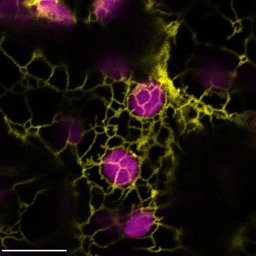 Stefanie Wege合作论文数11
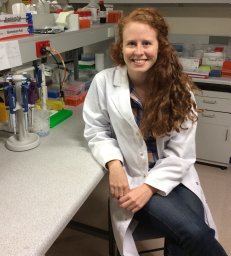 Kendall Corbin合作论文数Department of Horticulture, University of Kentucky;Department of Horticulture, University of Kentucky9
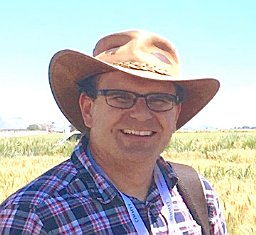 Stuart J. Roy合作论文数Department of Plant Sciences;University of Cambridge;Department of Plant Sciences, University of Cambridge9
 Annamaria De Rosa合作论文数Div Plant Sci, Australian Natl Univ8
 Richard James合作论文数8
 Antony Bacic合作论文数La Trobe Institute for Sustainable Agriculture & Food, La Trobe University8
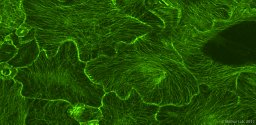 Seth Debolt合作论文数Dept Hort, Univ Kentucky8Karem Ghazwan合作论文数7Chambers Don合作论文数7Bauer Stefan合作论文数7Beahan Cherie T合作论文数7
 Michael Groszmann合作论文数NSW Agricultural Genomics Centre7
 Maria Hrmova合作论文数Department of Plant Science;University of Adelaide;Department of Plant Science, University of Adelaide7
 Christopher P. L. Grof合作论文数CSIRO-Plant Industry, Queensland Bioscience Precinct7Neil J. Shirley合作论文数6
 Joe Holtum合作论文数College of Science and Engineering, James Cook University;Smithsonian Tropical Research Institute6Wolfgang Spielmeyer合作论文数CSIRO Plant Ind, Canberra, ACT 2601, Australia5
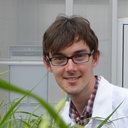 Sam Henderson合作论文数5
 Evans Lagudah合作论文数Commonwealth Scientific and Industrial Research Organisation;School of Life and Environmental Sciences, University of Sydney5
 Robert Furbank合作论文数ARC Centre of Excellence for Translational Photosynthesis, Australian National University;Division of Plant Sciences, Research School of Biology, College of Science and Medicine, Australian National University5
 Riksfardini Ermawar合作论文数Research Center for Biomass and Bioproducts – National Research and Innovation Agency (BRIN), Jl. Raya Bogor Km 46, Cibinong, Bogor 16911, Indonesia4
 Plett Darren合作论文数Australian Centre for Plant Functional Genomics, University of Adelaide4
 Andrea Yool合作论文数Dept of Physiology, School of Biomedicine, Faculty of Health and Medical Sciences, University of Adelaide;University of California Santa Barbara;Institute for Photonics and Advanced Sensing;Department of Molecular and Cellular Physiology, Stanford University4
 Helen Collins合作论文数4j bose合作论文数3Asmini Athman合作论文数3Apriadi Situmorang合作论文数3
 Mohamad Kourghi合作论文数Adelaide Med Sch, Univ Adelaide3
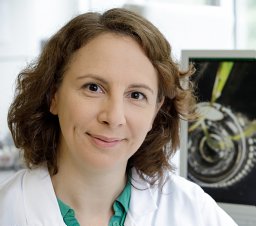 Borjana Arsova合作论文数IBG-2 - Plant Sciences, Forschungszentrum Jülich GmbH;b.arsova@fz-juelich.de.;IBG-2 - Plant Sciences, Forschungszentrum Jülich GmbH3Houston Kelly合作论文数The James Hutton Institute3
 John Evans合作论文数Division of Plant Sciences, Research School of Biological Sciences, College of Science, Australian National University3Xu Bo合作论文数3Schwerdt Julian G合作论文数Australian Research Council Centre of Excellence in Plant Cell Walls, University of Adelaide;Biomathematics and Statistics Scotland, Invergowrie, Dundee DD2 5DA United Kingdom (K.M., F.W);IBM Research Collaboratory for Life Sciences, University of Melbourne;Department of Genetics and Bioengineering, Yeditepe University;Division of Plant Sciences, University of Dundee at the James Hutton Institute;School of Medicine, University of Virginia;andJames Hutton Institute;University of Melbourne, University of Adelaide3
 Zhong-Hua Chen (陈仲华)合作论文数School of Agriculture, Food and Wine, College of Sciences, University of Adelaide3
 Robbie Waugh合作论文数School of Life Sciences, University of Dundee;James Hutton Institute3Foster Kylie J合作论文数School of Information Technology and Mathematical Sciences, University of South Australia;Australian Centre for Plant Functional Genomics;School of Information Technology and Mathematical Sciences, University of South Australia3Tomoaki Horie合作论文数3Ute Baumann合作论文数3




