The Ocean Observatories Initiative (OOI) sensor network provides a unique opportunity to study ambient sound in the north-east Pacific Ocean. The OOI sensor network has five low frequency (Fs = 200 Hz) and six broadband (Fs = 64 kHz) hydrophones that have been recording ambient sound since 2015. In this paper, we analyze acoustic data from 2015 to 2020 to identify prominent features that are present in the OOI acoustic dataset. Notable features in the acoustic dataset that are highlighted in this paper include volcanic and seismic activity, rain and wind noise, marine mammal vocalizations, and anthropogenic sound, such as shipping noise. For all low frequency hydrophones and four of the six broadband hydrophones, we will present long-term spectrograms, median time-series trends for different spectral bands, and different statistical metrics about the acoustic environment. We find that 6-yr acoustic trends vary, depending on the location of the hydrophone and the spectral band that is observed. Over the course of six years, increases in spectral levels are seen in some locations and spectral bands, while decreases are seen in other locations and spectral bands. Last, we discuss future areas of research to which the OOI dataset lends itself.
Long-term underwater ambient noise analysis provides valuable insight into the changing soundscape of the ocean. This study evaluates four years of hydrophone data recorded at four locations off the Oregon coast between 2015 and 2019. The hydrophones record the soundscape continuously with a sample rate of 64 kHz and are deployed at depths ranging from 80 to 2900 m. The size of the dataset required processing to be distributed between 32 separate cloud machines. To facilitate long-term analysis, the data are averaged into sequential fifteen minute power spectral density (PSD) estimates. The PSD estimates are used to create long-term spectrograms and time series for various frequencies, which are analyzed for long-term trends and seasonal patterns. Spectrograms and ambient noise time series are used to identify different sound sources such as storms and periods of intense shipping and marine mammal activity. Furthermore, cross-element comparisons of the noise level are made to evaluate the site and depth dependence of the ambient noise. [Work supported by ONR.]
The NSF-funded Ocean Observatories Initiative (OOI) is a large-scale project that provides a unique observation of the ocean, collecting acoustic, meteorological, and oceanic datasets. Specifically, for hydrophone data, there are five low frequency hydrophones (Fs = 200 Hz), and six broadband hydrophones (Fs = 64 kHz) dispersed around the north-east pacific. This acoustic dataset presents numerous potential areas of study in the field of ambient sound analysis. In this talk, we analysis 6 years of acoustic data to identify prominent features that are present in the OOI acoustic dataset. Some notable occurrences that are observed in the dataset include volcanic activity, rain and wind noise, fin whale vocalizations, and shipping events. For all low frequency hydrophones and four of the six broadband hydrophones, we will present long-term spectrograms, time-series trends for different spectral bands, different acoustic features that are present in the dataset, and different statistical metrics about the acoustic environment. We find that 6-year, acoustic, trends vary depending on the location of the hydrophone and the spectral band that is observed. Some locations and spectral bands see increases in spectral levels while others see decreases in spectral levels over the course of the 6 years. [Work supported by ONR.]
Glycolytic interconversion of phosphoglycerate isomers is catalysed in numerous pathogenic microorganisms by a cofactor-independent mutase (iPGM) structurally distinct from the mammalian cofactor-dependent (dPGM) isozyme. The iPGM active site dynamically assembles through substrate-triggered movement of phosphatase and transferase domains creating a solvent inaccessible cavity. Here we identify alternate ligand binding regions using nematode iPGM to select and enrich lariat-like ligands from an mRNA-display macrocyclic peptide library containing >10 12 members. Functional analysis of the ligands, named ipglycermides, demonstrates sub-nanomolar inhibition of iPGM with complete selectivity over dPGM. The crystal structure of an iPGM macrocyclic peptide complex illuminated an allosteric, locked-open inhibition mechanism placing the cyclic peptide at the bi-domain interface. This binding mode aligns the pendant lariat cysteine thiolate for coordination with the iPGM transition metal ion cluster. The extended charged, hydrophilic binding surface interaction rationalizes the persistent challenges these enzymes have presented to small-molecule screening efforts highlighting the important roles of macrocyclic peptides in expanding chemical diversity for ligand discovery.
Our understanding of translation underpins our capacity to engineer living systems. The canonical start codon (AUG) and a few near-cognates (GUG, UUG) are considered as the 'start codons' for translation initiation in Escherichia coli. Translation is typically not thought to initiate from the 61 remaining codons. Here, we quantified translation initiation of green fluorescent protein and nanoluciferase in E. coli from all 64 triplet codons and across a range of DNA copy number. We detected initiation of protein synthesis above measurement background for 47 codons. Translation from non-canonical start codons ranged from 0.007 to 3% relative to translation from AUG. Translation from 17 non-AUG codons exceeded the highest reported rates of non-cognate codon recognition. Translation initiation from non-canonical start codons may contribute to the synthesis of peptides in both natural and synthetic biological systems.
Biomass conversion processes such as pretreatment, liquefaction, and pyrolysis often produce complex mixtures of intermediates that are a substantial challenge to analyze rapidly and reliably. To characterize these streams more comprehensively and efficiently, new techniques are needed to track species through biomass deconstruction and conversion processes. Here, we present the application of an emerging analytical method, gradient elution moving boundary electrophoresis (GEMBE), to quantify a suite of acids in a complex, biomass-derived streams from alkaline pretreatment of corn stover. GEMBE offers distinct advantages over common chromatography-spectrometry analytical approaches in terms of analysis time, sample preparation requirements, and cost of equipment. As demonstrated here, GEMBE is able to track 17 distinct compounds (oxalate, formate, succinate, malate, acetate, glycolate, protocatechuate, 3-hydroxypropanoate, lactate, glycerate, 2-hydroxybutanoate, 4-hydroxybenzoate, vanillate, p-coumarate, ferulate, sinapate, and acetovanillone). The lower limit of detection was compound dependent and ranged between 0.9 and 3.5 mu mol/L. Results from GEMBE were similar to recent results from an orthogonal method based on GCxGC-TOF/MS. Overall, GEMBE offers a rapid, robust approach to analyze complex biomass-derived samples, and given the ease and convenience of deployment, may offer an analytical solution for online tracking of multiple types of biomass streams.
The abundance of bacteria in liquid culture is commonly inferred by measuring optical density at 600 nm. Red fluorescent proteins (RFPs) can strongly absorb light at 600 nm. Increasing RFP expression can falsely inflate apparent cell density and lead to underestimations of mean per-cell fluorescence by up to 10%. Measuring optical density at 700 nm would allow estimation of cell abundance unaffected by the presence of nearly all fluorescent proteins.
We investigated the ability of gradient elution moving boundary electrophoresis (GEMBE) with capacitively coupled contactless conductivity detection (C(4) D) to assay total protein concentration using the bicinchoninic acid (BCA) reaction. We chose this format because GEMBE-C(4) D behaves as a concentration dependent detection system, unlike optical methods that also rely on pathlength (due to Beer's law). This system tolerates proteins well compared with other capillary electrophoretic methods, allowing the capillary to be reused without coatings or additional hydroxide wash steps. The typical reaction protocol was modified by reducing the pH slightly from 11.25 to 9.4, which enabled elimination of tartrate from the reagents. We estimated that copper (I) could be detected at approximately 3.0 μmol/L, which agrees with similar GEMBE and CZE systems utilizing C(4) D. Under conditions similar to the BCA "micro method" assay, we determined the LOD for three common proteins (insulin, BSA, and bovine gamma globulin) and found that they agree well with the existing spectroscopic detection methods. Further, we investigated how long reaction times impact the LOD and found that the conversion was proportional to log(time). This indicated that little sensitivity is gained by extending the reaction past 1 h. Hence, GEMBE provides an alternative platform for total protein assays while maintaining the excellent sensitivity of the optical-based methods.
A variant of gradient elution moving boundary electrophoresis with channel current detection is described, which uses relatively long channels (1.5 cm) for separation and detection. The signal for each analyte is determined to have the shape of a parabola ending with a break in slope. The capabilities of the new method are demonstrated for separation and quantitation of ATP and ADP, a measurement relevant for high‐throughput screening assays. The results indicate that the new method is capable of reproducibly measuring the ratio of ADP concentration to ATP plus ADP concentration with an analysis time of less than 2 min and with a 1 SD uncertainty of 0.018 (over a range of 0–1).
We describe batch generation of uniform multifunctional chitosan microparticles for isolation of rare cells, such as circulating tumor cells (CTCs), from a sample of whole blood. The chitosan microparticles were produced in large numbers using a simple and inexpensive microtubing arrangement. The particles were functionalized through encapsulation of carbon black, to control autofluorescence, and surface attachment of streptavidin, to enable interactions with biotinylated antibodies. These large custom modified microparticles (≈164 μm diameter) were then packed into a microfluidic channel to demonstrate their utility in rare cell capture. Blood spiked with breast cancer (MCF-7) cells was first treated with a biotinylated antibody (anti-EpCAM, which is selective for cancer cells like MCF-7) and then pumped through the device. In the process, the cancer cells were selectively bound to the microparticles through non-covalent streptavidin-biotin interactions. The number density of captured cells was determined by fluorescence microscopy at physiologically relevant levels. Selective capture of the MCF-7 cells was characterized, and compared favorably with previous approaches. The overall approach using custom synthesized microparticles is versatile, and can allow researchers more flexibility for rare cell capture through simpler and cheaper methods than are currently employed.
We present the analytical investigation of a microfluidic homogeneous competitive immunoassay that incorporates antibody-conjugated superparamagnetic nanoparticles and magnetophoretic transport to enhance the limits of detection and dynamic range. The analytical model considers the advective, diffusive, and magnetophoretic transport of the antibody-coated nanoparticles relative to the labeled and sample antigens of interest in a T-sensor configuration. The magnetophoresis-diffusion immunoassay identified clear improvements to the assay response and reductions to the limit of detection for increased magnetophoretic velocities and larger nanoparticles. The externally applied magnetophoretic transport enriched the antibody-antigen accumulation region, while larger nanoparticles led to decreased diffusive peak broadening. The integration of nanoparticles to the diffusion immunoassay (NP-DIA) demonstrated an approximately 3-fold improvement to the limit of detection of the basic antibody/antigen system, while the integration of superparamagnetic nanoparticles and magnetophoretic transport (MIA) established an order of magnitude improvement in sensitivity as well as means to greatly reduce response time. The implementation of an external magnetic force enabled the detectable antigen size spectrum to extend from small molecules i.e., 10's Da to 100's Da, up to large proteins and macromolecules, i.e., 50 kDa to 150 kDa, for a single class of binding species, i.e., superparamagnetic nanoparticle. This investigation provides guidelines for the design and development of a magnetophoresis-diffusion T-sensor immunoassay, and clearly identifies the regimes for optimal operation.
We have developed a system to isolate rare cells from whole blood using commercially available components and simple microfluidics. We characterized the capture of MCF-7 cells spiked into whole human blood using this system to demonstrate that enrichment and enumeration studies give results similar to in situ surface-modified devices while reducing fabrication and operation complexity.
Abstract Capture of circulating tumor cells (CTCs) from blood shows promise as a relatively non-invasive screen for early stage metastasis, treatment efficacy, and disease progression. Capture rates exceeding 80% of CTCs from whole blood have been demonstrated in microfluidic chips, with good specificity and throughput at approximately 1 mL/h. The most common approach is to design a high surface-area microdevice and functionalize the surface with anti-EpCAM to capture epithelial tumor cells. As an alternative to this monolithic design, we have developed a CTC capture strategy based on functionalized beads for analyzing small numbers of CTCs from whole blood. Beads for the device were commercially available in a variety of sizes and surface chemistries or could be synthesized by multiple techniques. We utilized avidin-functionalized beads to enable capture using biotinylated antibodies (Ab) for surface-expressed proteins. Critically, batches of beads were assayed in bulk and then used for multiple experiments, avoiding characterization of each device. Beads packed well as columns in microdevices, ensuring multiple surface interactions as cells flow through. We simulated CTC-carrying blood by spiking human breast cancer adenocarcinoma (MFC7) cells (prestained with a membrane dye) into whole human blood between 1000 cells/mL and 105 cells/mL. Samples were delivered through the packed bed of beads using a syringe pump. We found that adding Ab to whole blood samples provided superior results to pre-coating the beads with the Ab. This approach was tested for multiple bead compositions and enabled (1) use of less Ab, and (2) higher capture rates, perhaps due to the rapid biotin:avidin binding. Significant cell capture was observed when as few as 300 cells were introduced into the device. At all cell densities, the majority of captured cells bound to the first few rows of beads, with decreasing capture frequency along the length of the column. Quantification of the absolute number of captured cells was a challenge in whole blood samples due to the large numbers of cells captured and optical distortion effects. We estimated capture by observing the initial capture rates of the same cells at the same densities in serum-spiked phosphate-buffered saline. This indicated that during the initial stages of flow, over 80% of the Ab-labeled cells were selectively captured. We conclude that the device can handle higher flowrates and still capture the majority of labeled cells. We are exploring the feasibility of this approach for capturing even lower CTC concentrations (1 cell/ml to 100 cells/mL range). Our bead/microfluidic approach simplifies CTC capture by enabling bulk surface functionalization for multiple experiments and allowing commercial sourcing of all functional elements. Further, there is flexibility in antibody selection, such that alternate Ab could rapidly be considered. Citation Format: {Authors}. {Abstract title} [abstract]. In: Proceedings of the 103rd Annual Meeting of the American Association for Cancer Research; 2012 Mar 31-Apr 4; Chicago, IL. Philadelphia (PA): AACR; Cancer Res 2012;72(8 Suppl):Abstract nr 4070. doi:1538-7445.AM2012-4070
We describe a control system to automatically distribute antibody-functionalized beads to addressable assay chambers within a PDMS microfluidic device. The system used real-time image acquisition and processing to manage the valve states required to sort beads with unit precision. The image processing component of the control system correctly counted the number of beads in 99.81% of images (2689 of 2694), with only four instances of an incorrect number of beads being sorted to an assay chamber, and one instance of inaccurately counted beads being improperly delivered to waste. Post-experimental refinement of the counting script resulted in one counting error in 2694 images of beads (99.96% accuracy). We analyzed a range of operational variables (flow pressure, bead concentration, etc.) using a statistical model to characterize those that yielded optimal sorting speed and efficiency. The integrated device was able to capture, count, and deliver beads at a rate of approximately four per minute so that bead arrays could be assembled in 32 individually addressable assay chambers for eight analytical measurements in duplicate (512 beads total) within 2.5 hours. This functionality demonstrates the successful integration of a robust control system with precision bead handling that is the enabling technology for future development of a highly multiplexed bead-based analytical device.
We have demonstrated in vitro transcription (IVT) of cDNA sequences from purified Jurkat T-cell mRNA immobilized on microfluidic packed beds down to single-cell quantities. The microfluidically amplified antisense-RNA (aRNA) was nearly identical in length and quantity compared with benchtop reactions using the same starting sample quantities. Microarrays were used to characterize the number and population of genes in each sample, allowing comparison of the microfluidic and benchtop processes. For both benchtop and microfluidic assays, we measured the expression of approximately 4000 to 9000 genes for sample amounts ranging from 20 pg to 10 ng (2 to 1000 cell equivalents), corresponding to 41 to 93% of the absolute number of genes detected from a 100 ng total RNA control sample. Concordance of genes detected between methods (benchtop vs. microfluidic) and repeats (microfluidic vs. microfluidic) typically exceeded 90%. Validation of microarray by Real-time PCR of a panel of five genes suggests transcription of genes present is approximately six times more efficient with the microfluidic IVT compared with benchtop processing. Microfluidic IVT introduces no bias to the gene expression profile of the sample and provides more efficient transcription of mRNA sequences present at the single-cell level.
A method is described for an aptamer‐based affinity assay using a combination of two nonconventional techniques, temperature gradient focusing (TGF) and field‐amplified continuous sample injection TGF (FACSI‐TGF), with fluorescence detection. Human immunodeficiency virus reverse transcriptase (HIVRT) is used as the protein target for the assay. The TGF and FACSI‐TGF assays are compared to similar results obtained with conventional CE. A range of starting aptamer concentrations are used to determine the optimal LOD for human immunodeficiency virus reverse transcriptase (HIVRT) using each approach. The results indicate that the LODs for HIVRT obtained with TGF and FACSI‐TGF are comparable to or even lower than the LODs obtained with conventional CE in spite of the inferior detector used for the TGF and FACSI‐TGF assays (arc lamp and low‐cost CCD for TGF versus LIF with PMT for CE). It is hypothesized that this is due to the greater reproducibility of the TGF and FACSI‐TGF techniques since they do not employ a defined sample injection. The lowest LOD achieved with the new aptamer assay approach is more than an order of magnitude lower than that reported for a similar CE‐based aptamer assay for the same target.
 David J. Ross合作论文数National Institute of Standards and Technology11
 Paul Yager合作论文数Department of Bioengineering, University of Washington7
 Jason Kralj合作论文数Complex Microbial Systems Group, National Institute of Standards and Technology7
 Samuel P Forry合作论文数6
 thomas adrian valverde合作论文数4
 Shackman Jonathan G合作论文数Department of Chemistry, University of Michigan4
 Laurie E. Locascio合作论文数American National Standards Institute4Kenneth R. Hawkins合作论文数4
 Thomas P Forbes合作论文数G. W. Woodruff School of Mechanical Engineering, Georgia Institute of Technology4
 Marc L. Salit合作论文数Bioengineering Department, Stanford University4Andrew Evan Kamholz合作论文数4james thomas v hendrix合作论文数3
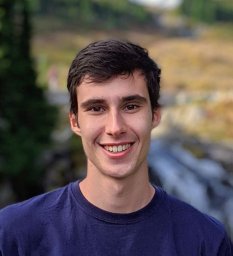 Felix Schwock合作论文数Elect & Comp Engn, Univ Washington3
 Abadi Shima H合作论文数Department of Mechanical Engineering, University of Michigan3
 Claire T. Nimlos合作论文数Catalytic Carbon Transformation & Scale-Up Center, National Renewable Energy Laboratory2
 John Ragland合作论文数Elect & Comp Engn, Univ Washington2
 Gregg Beckham合作论文数National Renewable Energy Laboratory;Department of Chemical and Biological Engineering, College of Engineering and Applied Science, University of Colorado Boulder2Arya Chandamany合作论文数2
 Rustem F. Ismagilov合作论文数Division of Chemistry and Chemical Engineering, California Institute of Technology;Jacobs Institute for Molecular Engineering for Medicine, California Institute of Technology;Ismagilov Group, California Institute of Technology;Merkin Institute, California Institute of Technology2Melissa S. Hasenbank合作论文数2
 Drew Endy合作论文数Endy Lab, Department of Bioengineering, Schools of Engineering and Medicine, Stanford University2
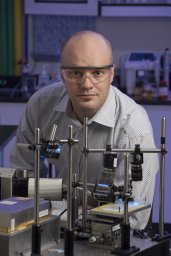 Wyatt N. Vreeland合作论文数Analytical Chemistry Division, National Institute of Standards and Technology2
 John M Meacham合作论文数George W. Woodruff School of Mechanical Engineering, Georgia Institute of Technology2Anson V. Hatch合作论文数2
 Eric Karp合作论文数Department of Experimental Psychiatry;Hillside Hospital;Department of Experimental Psychiatry, Hillside Hospital2Ariel Hecht合作论文数Department of Chemistry, The University of Michigan2
 Bernhard H. Weigl合作论文数Institut für Experimentalphysik, Karl-Franzens-Universität Graz2Eric A. Schilling合作论文数2Catherine R. Cabrera合作论文数2patricia lynn maw合作论文数1
 Zhiru Li合作论文数1
 Thuong G. Van Ha合作论文数Department of Radiology, The University of Chicago1
 Grégoire Danger合作论文数Aix-Marseille University1
 Elain Fu合作论文数Department of Bioengineering, University of Washington1Balss Karin M合作论文数1
 Lukmaan A. Bawazer合作论文数Interdepartmental Graduate Program in Biomolecular Science and Engineering,;Institute for Collaborative Biotechnologies, California NanoSystems Institute;Institute for Collaborative Biotechnologies, California NanoSystems Institute1
 Sudhir Srivastava合作论文数Cancer Biomarkers Research Group, Division of Cancer Prevention, National Cancer Institute1
 James Inglese合作论文数Division of Preclinical Innovation, Assay Development and Screening Technology Laboratory, National Center for Advancing Translational Sciences, National Institutes of Health1
 Salvachúa Davinia合作论文数Centro de Investigaciones Biológicas, CSIC1Hoebel Stacey J合作论文数1Jiang Kunqiang合作论文数1
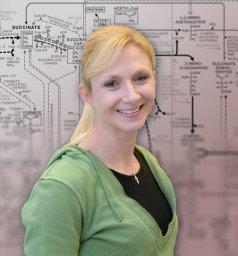 Dranchak Patricia合作论文数1Glasgow Jeff合作论文数Department of Chemistry, University of California Berkeley1Mehzabeen Nurjahan合作论文数1
 Srinivasa R. Raghavan合作论文数Department of Chemical and Biomolecular Engineering, A. James Clark School of Engineering, University of Maryland;Brain and Behavior Institute, University of Maryland1Sedrick Hope合作论文数1Spotts James M合作论文数1
 Hiroaki Suga (菅裕明)合作论文数Department of Chemistry, Graduate School of Science, The University of Tokyo1
 Scott Lovell合作论文数1




