Prior studies suggest that subtle messaging interventions can reduce prejudice by stimulating perspective-taking. For instance, there is evidence that reminding citizens of their family’s experiences with displacement can induce empathy toward refugees. We test the generalizability of this treatment in five new studies in Cyprus, Turkey, and Greece, and find no evidence that descendants of displaced Turks, Greeks, or Greek Cypriots become more sympathetic toward refugees when a comparison to their own family experiences is drawn. In some cases, they become more hostile. Our study raises doubts about the scalability of this strategy to reduce anti-refugee bias. Drawing ingroup-outgroup parallels generates context-specific effects and does not move policy attitudes. We conclude by discussing the practical limitations of light-touch interventions and calling for more research on how prejudice-reduction interventions can be scaled.
Scholars have long recognized that interpersonal networks play a role in mobilizing social movements. Yet, many questions remain. This Element addresses these questions by theorizing about three dimensions of ties: emotionally strong or weak, movement insider or outsider, and ingroup or cross-cleavage. The survey data on the 2020 Black Lives Matter protests show that weak and cross-cleavage ties among outsiders enabled the movement to evolve from a small provocation into a massive national mobilization. In particular, the authors find that Black people mobilized one another through social media and spurred their non-Black friends to protest by sharing their personal encounters with racism. These results depart from the established literature regarding the civil rights movement that emphasizes strong, movement-internal, and racially homogenous ties. The networks that mobilize appear to have changed in the social media era. This title is also available as Open Access on Cambridge Core.
The last decade has given rise to substantial concern about democratic backsliding in the U.S. Manifestations include decreased trust in government, conspiratorial beliefs, contentious protests, and support for political violence. Surprisingly, prior work has not explored how these attitudes and behaviors relate to gun-buying, an action that provides people with the means to challenge the state. We address this topic by focusing on the unprecedented gun-buying surge during the COVID-19 pandemic. Using a survey with over 32,000 respondents, we find that-relative to pre-existing gun owners (who did not buy during the pandemic) and the non-gun-owning public-pandemic gun-buyers are more likely to distrust government, believe in conspiracies, protest, and support political violence. These anti-government views and protest behaviors are especially likely among those who bought guns for political reasons. Our findings highlight a crucial dynamic underlying the recent spike in gun sales with consequences for American democracy.
Depression can affect individuals’ attitudes by enhancing cognitive biases and altering perceptions of control. We investigate the relationship between depressive symptoms and Americans’ attitudes regarding domestic extremist violence. We develop a theory that suggests the association between depression and support for political violence depends on conspiracy beliefs, participatory inclinations, and their combination. We test our theory using a two‐wave national survey panel from November 2020 and January 2021. We find that among those who hold conspiracy beliefs and/or have participatory inclinations, depression is positively associated with support for election violence and the January 6 Capitol riots. The participatory inclination dynamic is particularly strong for men. Our findings reveal how the intersection of two concerning features of American society—poor mental health and conspiratorial beliefs—strongly relate to another feature: support for political violence. The results also make clear that interventions aimed at addressing depression can potentially have substantial political consequences.
Abstract Politics and science have become increasingly intertwined. Salient scientific issues, such as climate change, evolution, and stem-cell research, become politicized, pitting partisans against one another. This creates a challenge of how to effectively communicate on such issues. Recent work emphasizes the need for tailored messages to specific groups. Here, we focus on whether generalized messages also can matter. We do so in the context of a highly polarized issue: extreme COVID-19 vaccine resistance. The results show that science-based, moral frame, and social norm messages move behavioral intentions, and do so by the same amount across the population (that is, homogeneous effects). Counter to common portrayals, the politicization of science does not preclude using broad messages that resonate with the entire population.
ImportanceMarked elevation in levels of depressive symptoms compared with historical norms have been described during the COVID-19 pandemic, and understanding the extent to which these are associated with diminished in-person social interaction could inform public health planning for future pandemics or other disasters.ObjectiveTo describe the association between living in a US county with diminished mobility during the COVID-19 pandemic and self-reported depressive symptoms, while accounting for potential local and state-level confounding factors.Design, Setting, and ParticipantsThis survey study used 18 waves of a nonprobability internet survey conducted in the United States between May 2020 and April 2022. Participants included respondents who were 18 years and older and lived in 1 of the 50 US states or Washington DC.Main Outcome and MeasureDepressive symptoms measured by the Patient Health Questionnaire-9 (PHQ-9); county-level community mobility estimates from mobile apps; COVID-19 policies at the US state level from the Oxford stringency index.ResultsThe 192 271 survey respondents had a mean (SD) of age 43.1 (16.5) years, and 768 (0.4%) were American Indian or Alaska Native individuals, 11 448 (6.0%) were Asian individuals, 20 277 (10.5%) were Black individuals, 15 036 (7.8%) were Hispanic individuals, 1975 (1.0%) were Pacific Islander individuals, 138 702 (72.1%) were White individuals, and 4065 (2.1%) were individuals of another race. Additionally, 126 381 respondents (65.7%) identified as female and 65 890 (34.3%) as male. Mean (SD) depression severity by PHQ-9 was 7.2 (6.8). In a mixed-effects linear regression model, the mean county-level proportion of individuals not leaving home was associated with a greater level of depression symptoms (β, 2.58; 95% CI, 1.57-3.58) after adjustment for individual sociodemographic features. Results were similar after the inclusion in regression models of local COVID-19 activity, weather, and county-level economic features, and persisted after widespread availability of COVID-19 vaccination. They were attenuated by the inclusion of state-level pandemic restrictions. Two restrictions, mandatory mask-wearing in public (β, 0.23; 95% CI, 0.15-0.30) and policies cancelling public events (β, 0.37; 95% CI, 0.22-0.51), demonstrated modest independent associations with depressive symptom severity.Conclusions and RelevanceIn this study, depressive symptoms were greater in locales and times with diminished community mobility. Strategies to understand the potential public health consequences of pandemic responses are needed.
Public health requires collective action-the public best addresses health crises when individuals engage in prosocial behaviors. Failure to do so can have dire societal and economic consequences. This was made clear by the disjointed, politicized response to COVID-19 in the United States. Perhaps no aspect of the pandemic exemplified this challenge more than the sizeable percentage of individuals who delayed or refused vaccination. While scholars, practitioners, and the government devised a range of communication strategies to persuade people to get vaccinated, much less attention has been paid to where the unvaccinated could be reached. We address this question using multiple waves of a large national survey as well as various secondary data sets. We find that the vaccine resistant seems to predictably obtain information from conservative media outlets (e.g. Fox News) while the vaccinated congregate around more liberal outlets (e.g. MSNBC). We also find consistent evidence that vaccine-resistant individuals often obtain COVID-19 information from various social media, most notably Facebook, rather than traditional media sources. Importantly, such individuals tend to exhibit low institutional trust. While our results do not suggest a failure of sites such as Facebook's institutional COVID-19 efforts, as the counterfactual of no efforts is unknown, they do highlight an opportunity to reach those who are less likely to take vital actions in the service of public health.
IMPORTANCE Misinformation about COVID-19 vaccination may contribute substantially to vaccine hesitancy and resistance. OBJECTIVE To determine if depressive symptoms are associated with greater likelihood of believing vaccine-related misinformation. DESIGN, SETTING, AND PARTICIPANTS This survey study analyzed responses from 2 waves of a 50-state nonprobability internet survey conducted between May and July 2021, in which depressive symptoms were measured using the Patient Health Questionnaire 9-item (PHQ-9). Survey respondents were aged 18 and older. Population-reweighted multiple logistic regression was used to examine the association between moderate or greater depressive symptoms and endorsement of at least 1 item of vaccine misinformation, adjusted for sociodemographic features. The association between depressive symptoms in May and June, and new support for misinformation in the following wave was also examined. EXPOSURES Depressive symptoms. MAIN OUTCOMES AND MEASURES The main outcome was endorsing any of 4 common vaccine-related statements of misinformation. RESULTS Among 15 464 survey respondents (9834 [63.6%] women and 5630 [36.4%] men; 722 Asian respondents [4.7%], 1494 Black respondents [9.7%], 1015 Hispanic respondents [6.6%], and 11 863 White respondents [76.7%]; mean [SD] age, 47.9 [17.5] years), 4164 respondents (26.9%) identified moderate or greater depressive symptoms on the PHQ-9, and 2964 respondents (19.2%) endorsed at least 1 vaccine-related statement of misinformation. Presence of depression was associated with increased likelihood of endorsing misinformation (crude odds ratio [OR], 2.33; 95% CI, 2.09-2.61; adjusted OR, 2.15; 95% CI, 1.91-2.43). Respondents endorsing at least 1 misinformation item were significantly less likely to be vaccinated (crude OR, 0.40; 95% CI, 0.36-0.45; adjusted OR, 0.45; 95% CI, 0.40-0.51) and more likely to report vaccine resistance (crude OR, 2.54; 95% CI, 2.21-2.91; adjusted OR, 2.68; 95% CI, 2.89-3.13). Among 2809 respondents who answered a subsequent survey in July, presence of depression in the first survey was associated with greater likelihood of endorsing more misinformation compared with the prior survey (crude OR, 1.98; 95% CI, 1.42-2.75; adjusted OR, 1.63; 95% CI, 1.14-2.33). CONCLUSIONS AND RELEVANCE This survey study found that individuals with moderate or greater depressive symptoms were more likely to endorse vaccine-related misinformation, cross-sectionally and at a subsequent survey wave. While this study design cannot address causation, the association between depression and spread and impact of misinformation merits further investigation.
IMPORTANCE Persistence of COVID-19 symptoms beyond 2 months, or long COVID, is increasingly recognized as a common sequela of acute infection. OBJECTIVES To estimate the prevalence of and sociodemographic factors associated with long COVID and to identify whether the predominant variant at the time of infection and prior vaccination status are associated with differential risk. DESIGN, SETTING, AND PARTICIPANTS This cross-sectional study comprised 8 waves of a nonprobability internet survey conducted between February 5, 2021, and July 6, 2022, among individuals aged 18 years or older, inclusive of all 50 states and the District of Columbia. MAIN OUTCOMES AND MEASURES Long COVID, defined as reporting continued COVID-19 symptoms beyond 2 months after the initial month of symptoms, among individuals with selfreported positive results of a polymerase chain reaction test or antigen test. RESULTS The 16 091 survey respondents reporting test-confirmed COVID-19 illness at least 2 months prior had a mean age of 40.5 (15.2) years; 10 075 (62.6%) were women, and 6016 (37.4%) were men; 817 (5.1%) were Asian, 1826 (11.3%) were Black, 1546 (9.6%) were Hispanic, and 11 425 (71.0%) were White. From this cohort, 2359 individuals (14.7%) reported continued COVID-19 symptoms more than 2 months after acute illness. Reweighted to reflect national sociodemographic distributions, these individuals represented 13.9% of those who had tested positive for COVID-19, or 1.7% of US adults. In logistic regression models, older age per decade above 40 years (adjusted odds ratio [OR], 1.15; 95% CI, 1.12-1.19) and female gender (adjusted OR, 1.91; 95% CI, 1.73-2.13) were associated with greater risk of persistence of long COVID; individuals with a graduate education vs high school or less (adjusted OR, 0.67; 95% CI, 0.56-0.79) and urban vs rural residence (adjusted OR, 0.74; 95% CI, 0.64-0.86) were less likely to report persistence of long COVID. Compared with ancestral COVID-19, infection during periods when the Epsilon variant (OR, 0.81; 95% CI, 0.69-0.95) or the Omicron variant (OR, 0.77; 95% CI, 0.64-0.92) predominated in the US was associated with diminished likelihood of long COVID. Completion of the primary vaccine series prior to acute illness was associated with diminished risk for long COVID (OR, 0.72; 95% CI, 0.60-0.86). CONCLUSIONS AND RELEVANCE This study suggests that long COVID is prevalent and associated with female gender and older age, while risk may be diminished by completion of primary vaccination series prior to infection.
Gun ownership is a highly consequential political behavior. It often signifies a belief about the inadequacy of state-provided security and leads to membership in a powerful political constituency. As a result, it is important to understand why people buy guns and how shifting purchasing patterns affect the composition of the broader gun-owning community. We address these topics by exploring the dynamics of the gun-buying spike that took place during the COVID-19 pandemic, which was one of the largest in American history. We find that feelings of diffuse threat prompted many individuals to buy guns. Moreover, we show that new gun owners, even more than buyers who already owned guns, exhibit strong conspiracy and anti-system beliefs. These findings have substantial consequences for the subsequent population of gun owners and provide insight into how social disruptions can alter the nature of political groups.
COVID-19 fundamentally changed the world in a matter of months. To understand how it was impacting life in the United States, we fielded a non-probability survey in all 50 states concerning people's attitudes, beliefs, and behaviors, designed to be representative at the state level. Here, we evaluate the generalizability of this study by assessing the representativeness and convergent validity of our estimates. First, we evaluate the representativeness of the sample by comparing it to baseline estimates and auditing the size of the weights we use to reduce bias. We find our sample is diverse and most weights are below levels of concern with the exception of Hispanic respondents. Second, we assess the convergent validity of our survey by evaluating how our estimates of attitudes, behaviors, and opinions compare to estimates from other surveys and administrative data. Third, we perform a direct comparison of our results to the Kaiser Family Foundation’s probability-based COVID-19 Vaccine Monitor. Overall, our estimates deviate from others by 1%-7% with the larger differences stemming from states with small populations and few other data sources and estimates from items with differing question wording or response choices. Here, we put forward a standard for evaluating the representativeness of surveys, non-probability or otherwise.
Importance:Both major depression and firearm ownership are associated with an increased risk for death by suicide in the United States, but the extent of overlap among these major risk factors is not well characterized. Objective:To assess the prevalence of current and planned firearm ownership among individuals with depression. Design, Setting, and Participants:Cross-sectional survey study using data pooled from 2 waves of a 50-state nonprobability internet survey conducted between May and July 7, 2021. Internet survey respondents were 18 years of age or older and were sampled from all 50 US states and the District of Columbia. Main Outcomes and Measures:Self-reported firearm ownership; depressive symptoms as measured by the 9-item Patient Health Questionnaire. Results:Of 24 770 survey respondents (64.6% women and 35.4% men; 5.0% Asian, 10.8% Black, 7.5% Hispanic, and 74.0% White; mean [SD] age 45.8 [17.5]), 6929 (28.0%) reported moderate or greater depressive symptoms; this group had mean (SD) age of 38.18 (15.19) years, 4587 were female (66.2%), and 406 were Asian (5.9%), 725 were Black (10.5%), 652 were Hispanic (6.8%), and 4902 were White (70.7%). Of those with depression, 31.3% reported firearm ownership (n = 2167), of whom 35.9% (n = 777) reported purchasing a firearm within the past year. In regression models, the presence of moderate or greater depressive symptoms was not significantly associated with firearm ownership (adjusted odds ratio [OR], 1.07; 95% CI, 0.98-1.17) but was associated with greater likelihood of a first-time firearm purchase during the COVID-19 pandemic (adjusted OR, 1.77; 95% CI, 1.56-2.02) and greater likelihood of considering a future firearm purchase (adjusted OR, 1.53; 95% CI, 1.23-1.90). Conclusions and Relevance:In this study, current and planned firearm ownership was common among individuals with major depressive symptoms, suggesting a public health opportunity to address this conjunction of suicide risk factors.
variant, the good news is that, as of this writing (on July 23, 2021), about 66.6% of the eligible U.S. population have received at least one dose of a COVID-19 vaccine. The more worrisome news is that a persistent 20%-30% of the public, depending on the poll, say they are either uncertain or will not get the vaccine.In our most recent survey wave (fielded from June 9 to July 7, 2021), 14.9% of respondents who claim to currently be eligible for a COVID-19 vaccine − and say they are not already vaccinated − indicate that they are extremely unlikely to get it. Another 4.5% are “somewhat” unlikely to seek the vaccine.As the remaining unvaccinated population becomes increasingly difficult to reach, persistent questions emerge regarding whether vaccines should be mandatory in some or all circumstances. In our April/May survey wave, six in ten respondents approved of the government mandating vaccines for everyone (see our Report #52).
Despite the headwinds confronting the country in facing COVID-19, approval of most governors’ and President Trump’s COVID-19 response did not change greatly between September and October in our survey. President Trump’s approval has ticked up a point to 35%, which is still problematically low approval for the most salient issue in the 2020 election by far (in 49 out of 50 states, Alaska being the one exception, COVID-19 is ranked as ”the most important problem”). More generally, after suffering a decline in the spring, the President’s approval rating has been flatline around his October rating of 35%. (For all approval ratings for the President and all of the governors, see the tables in the appendix.) To compare, governors, as a group, have seen a gradual decline in their approval ratings between late April and September; a 1 point increase from September (47%) to October (48%) marks the first time they have improved, or even held steady since our initial survey wave. Despite this, approval of governors is generally higher than that of the President. In 42 states, the governor has a higher approval level than the President, and in 2 states the levels are the same; in 6 states, the President has a higher approval level, but in no state does the approval of the President exceed that of the governor by more than the margin of error for the survey in that state.1 Per-state approval of the President roughly tracks partisanship of the state, and the only state where his approval is above 50% is Alabama. In most of the 10 swing states, the President hovers around 35%, from a low of 29% in New Hampshire to a high of 42% in Ohio. Alaska and Iowa stand out as states that he won handily in 2016, but now finds very low approval -- 34% and 32%, respectively. Other states he won in 2016 and now lingers at the national average or below are Michigan and Wisconsin. Pennsylvania --perhaps the most pivotal state in the 2020 election -- runs against the trend somewhat, showing approval ratings below the national level in April, and now several points above (at 38%).
New York is similar to other states in the northeast, in that it had its initial spike in COVID-19 cases during March and April, with a second wave that peaked in December and January. In this report, we examine New Yorkers’ health-related behaviors that facilitate or inhibit the spread of the disease, focusing specifically on social distancing and mask wearing.
The vaccination status of healthcare workers is of particular importance, for two key reasons:First, healthcare workers have been a harbinger of trends among the broader population through the entire vaccination campaign, as they were among the first to gain access to vaccines. The early inequalities in terms of access among healthcare workers were predictive of inequalities within the broader population. The divides in terms of vaccine skepticism presaged those of the broader population; and, as we will see below, the plateauing of vaccination rates anticipated the slowdown in vaccinations within the broader population.Second, the vaccine decisions of healthcare workers have particular ramifications with respect to the spread of COVID-19, and, especially, with respect to morbidity and mortality resulting from COVID-19. In particular, unvaccinated healthcare workers are potentially a vector of infection of the elderly and the vulnerable, who have been vastly more likely to die of the disease.A recent outbreak in a nursing home in Kentucky is illustrative. Despite the fact that over 90% of the residents had been fully vaccinated, only 53% of the healthcare workers had been. In a subsequent outbreak, 31% of residents were infected (more than two third of whom had been vaccinated); and 33% of healthcare workers (20% of whom had been vaccinated). Two residents died as a result. In short, the low vaccination rate of the healthcare workers supplied the kindling for the outbreak. The question going forward is to what extent might this occur in other healthcare settings around the country.Healthcare institutions thus face critical decisions regarding the vaccination of their employees. In late July, the Department of Veterans Affairs issued a vaccine mandate for all its frontline health care workers. A joint statement by nearly 60 major medical organizations called for mandatory vaccination of healthcare workers. Brown University's School of Public Health built a Hospital Vaccine Mandate Tracker to gather and list hospital systems that require their staff to be vaccinated. Many more institutions have announced that they will issue mandates once vaccines are formally approved by the U.S. FDA.
Are parents more skeptical of coronavirus vaccines than other adults? A 2017 study by the Pew Research Center found that parents—especially those with younger children—are generally more vaccine hesitant than non-parents. Moreover, in recent years, increasing numbers of parents have either delayed or forgone entirely having their children vaccinated against preventable diseases. The question thus arises as to whether this pattern applies to the COVID-19 vaccine.In a December 2020 report, we found that substantial majorities of parents supported prohibiting in-person teaching in K-12 schools, and requiring that children be vaccinated before returning to in-person classes. But does this translate into an intention among parents to vaccinate themselves? In a subsequent report (February 2021), we found stark divides in vaccine hesitancy by education, race, income, party, and other demographic factors. This raises the question of whether parents from all backgrounds are more skeptical than non-parents, or if vaccine skepticism among parents varies with party, race, or economic class. To address these questions, this report compares rates of vaccine hesitancy and resistance among respondents with or without children under age 18.
The current state of the COVID-19 pandemic in the United States is dire, with circumstances in the Upper Midwest particularly grim. In contrast, multiple countries around the world have shown that temporary changes in human behavior and consistent precautions, such as effective testing, contact tracing, and isolation, can slow transmission of COVID-19, allowing local economies to remain open and societal activities to approach normalcy as of today. These include island countries such as New Zealand, Taiwan, Iceland and Australia, and continental countries such as Norway, Uruguay, Thailand, Finland, and South Korea. These successes demonstrate that coordinated action to change behavior can control the pandemic. In this report, we evaluate how the human behaviors that have been shown to inhibit the spread of COVID-19 have evolved across the US since April, 2020.Our report is based on surveys that the COVID States Project has been conducting approximately every month since April in all 50 US states plus the District of Columbia. We address four primary questions:1) What are the national trends in social distancing behaviors and mask wearing since April?2) What are the trends among particular population subsets?3) What are the trends across individual states plus DC?4) What is the relationship, at the state level, between social distancing behaviors and mask wearing with the current prevalence of COVID-19?
● Average testing times have fallen since April (from 4.0 days to 2.7 days in September)● Across all months, Black respondents wait almost an entire day more than white respondents for their test results (4.4 days to 3.5 days, on average)● In our September and August waves, the average respondent waited 6.2 days between seeking a test and receiving test results● Only 56% of those who tested positive for COVID-19 report being contacted as part of a contact tracing attempt
 Jamie Druckman合作论文数Department of Political Science, School of Arts & Sciences, University of Rochester;Aarhus University81
 Roy Perlis合作论文数Center for Quantitative Health, Massachusetts General Hospital;Center for Genomic Medicine, Mass General Research Institute;Harvard Medical School81
 David Lazer合作论文数College of Social Sciences and Humanities, Northeastern University;Khoury College of Computer Science, Northeastern University;Department of Political Science, Northeastern University;Institute for Quantitative Social Science Associate, Harvard University80
 Katherine Ognyanova合作论文数80
 Matthew Baum合作论文数Department of Government, Faculty of Arts and Sciences, Harvard University;John F. Kennedy School of Government, Harvard University79
 Mauricio Santillana合作论文数Harvard T.H. Chan School of Public Health, Harvard University77
 Alexi Quintana Mathé合作论文数68
 Jon Green合作论文数Northeastern Univ68
 Jennifer Lin合作论文数Dept Polit Sci, Northwestern Univ63Hanyu Chwe合作论文数42Ata Uslu合作论文数41Adina Gitomer合作论文数38John D. Volpe合作论文数15Hong Qu合作论文数8
 Alauna Safarpour合作论文数Harvard University8
 Kristin Lunz Trujillo合作论文数Dept Polit Sci, Univ Minnesota7Caroline H Pippert合作论文数6John Della Volpe合作论文数5
 Anjuli Shere合作论文数Department of Computer Science, University of Oxford3Kirsten Huh合作论文数2Uday Tandon合作论文数2
 Matthew Lacombe合作论文数Department of Political Science, College of Arts and Sciences, Case Western Reserve University2James Druckman合作论文数1
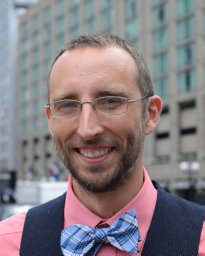 Jason Radford合作论文数Univ Chicago, Chicago, IL 60637 USA1
 Nicholas Sambanis合作论文数Department of Political Science, University of Pennsylvania;Identity & Conflict Lab, University of Pennsylvania1




